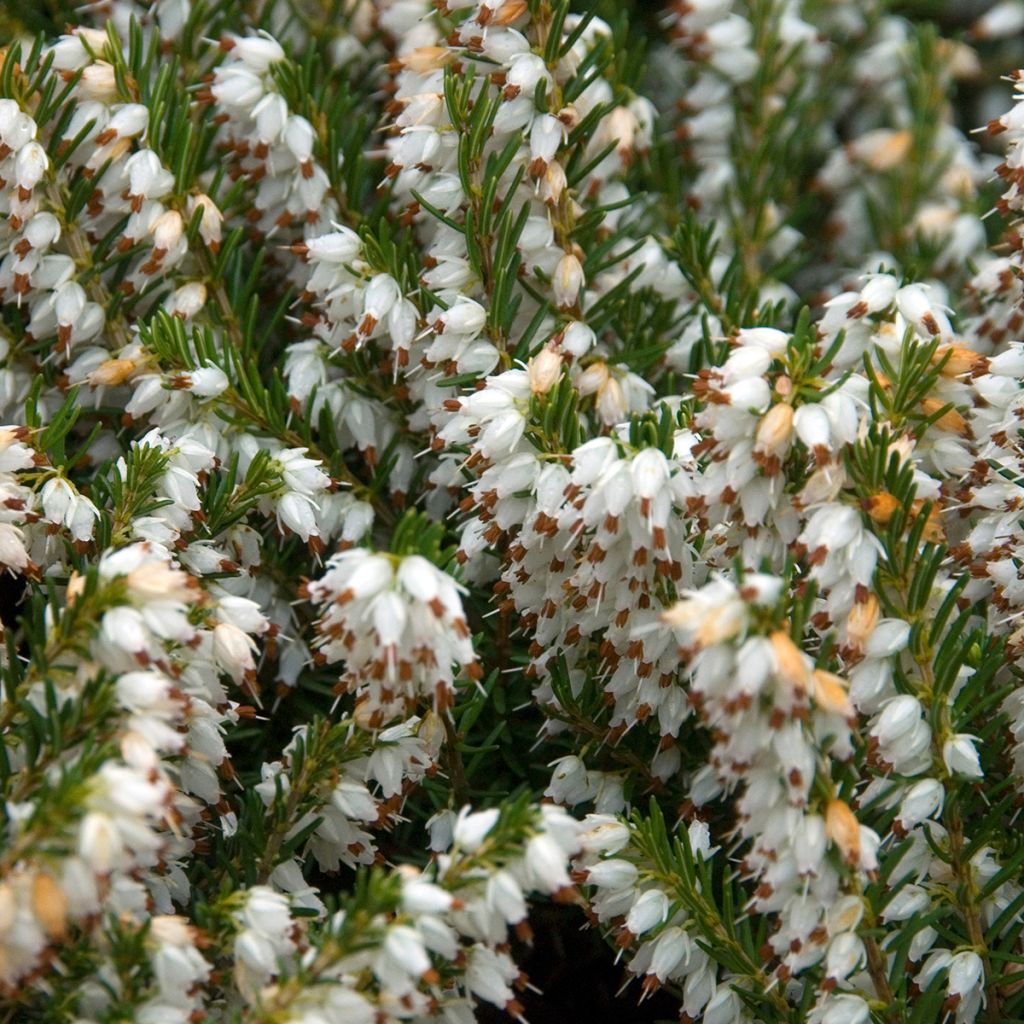
Erica darleyensis f.albiflora Silberschmelze - Winter Heath
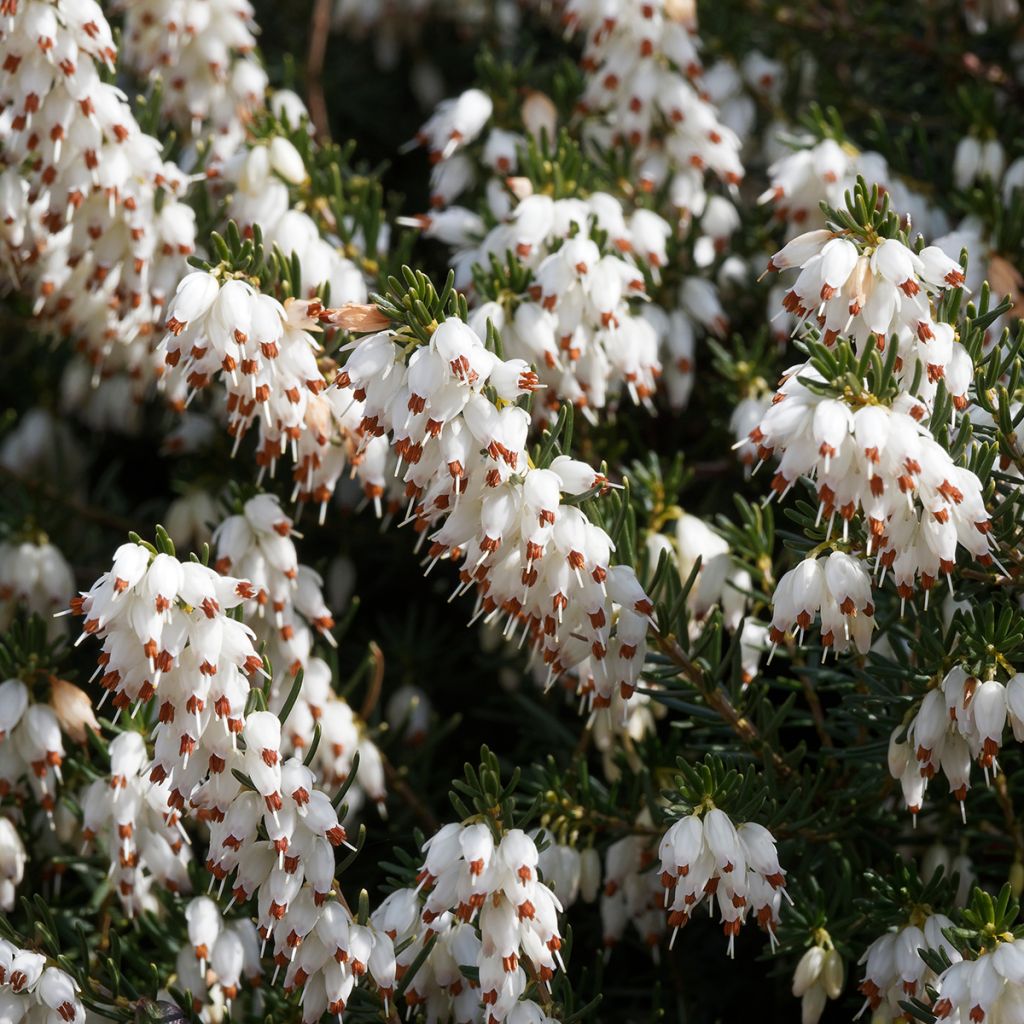
Erica darleyensis f.albiflora Silberschmelze - Winter Heath
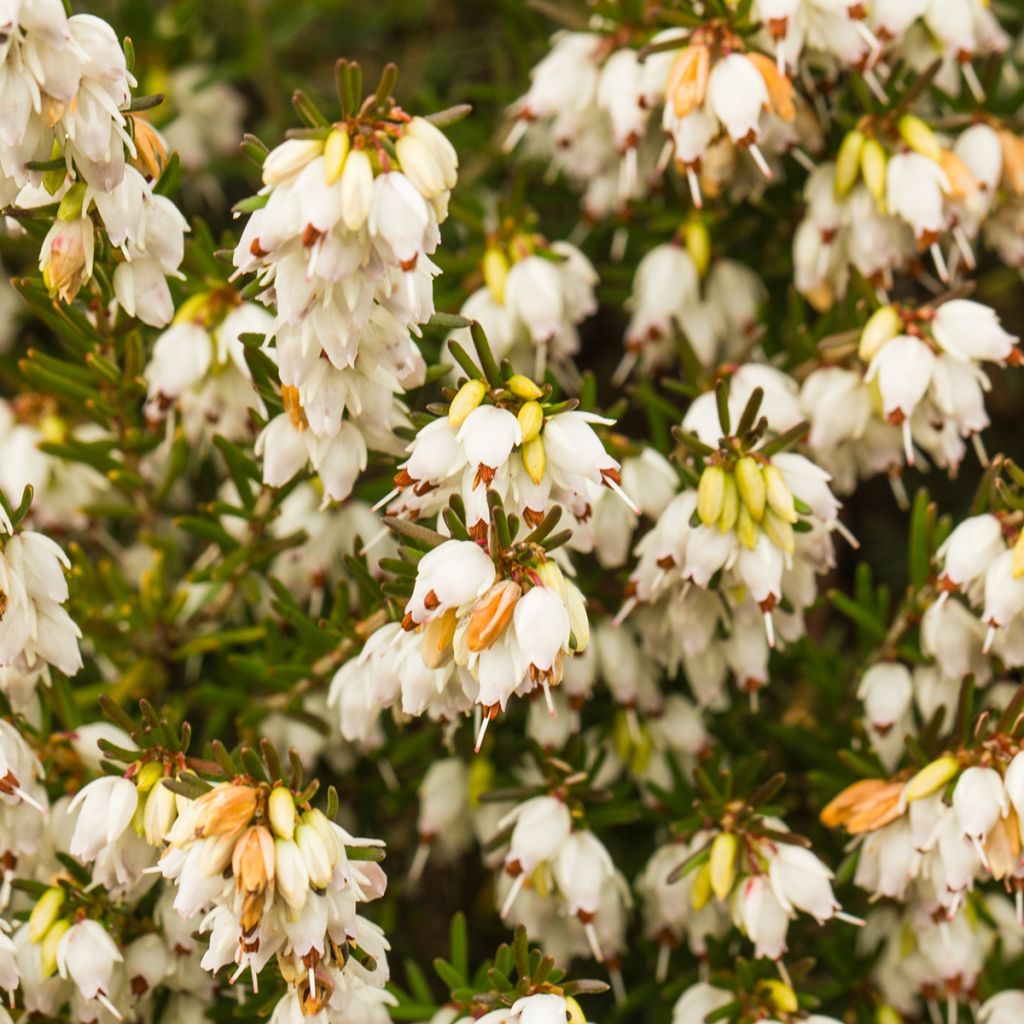
Erica darleyensis f.albiflora Silberschmelze - Winter Heath
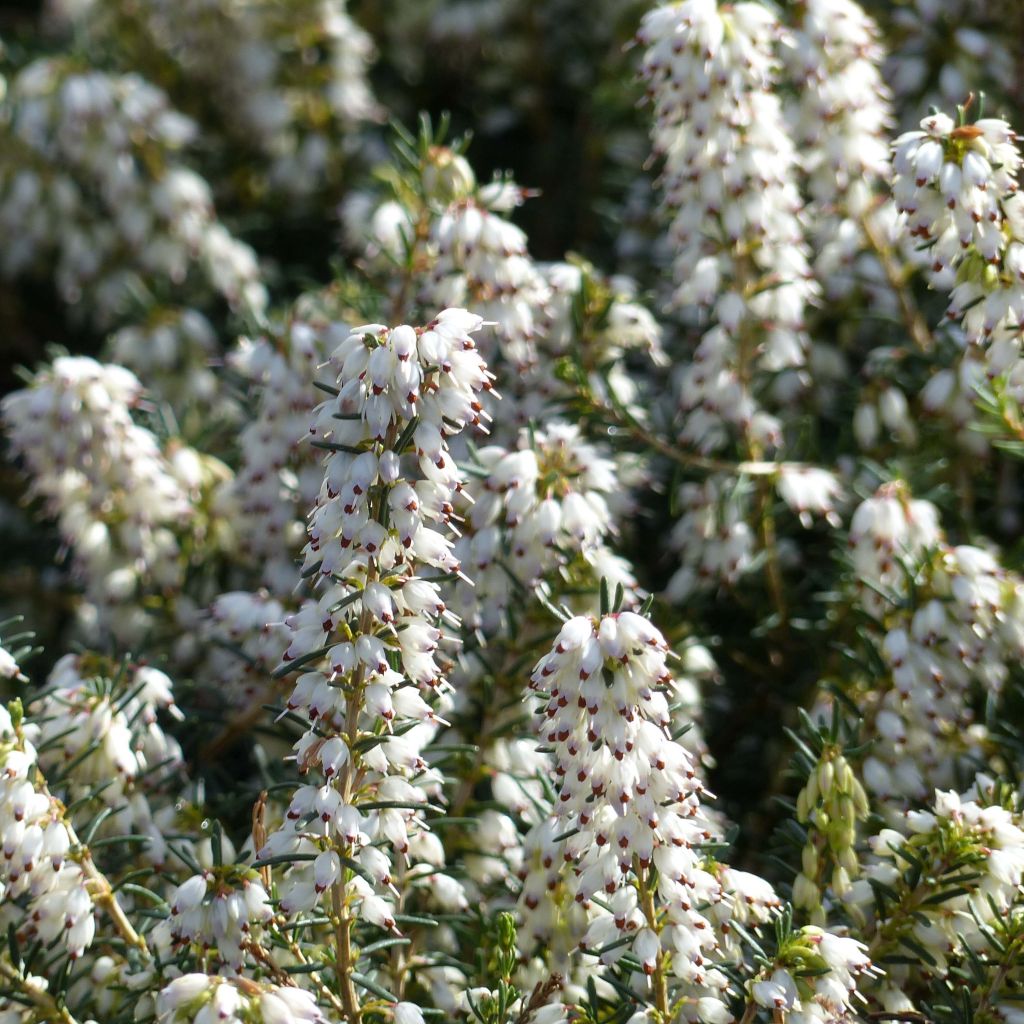
Erica darleyensis f.albiflora Silberschmelze - Winter Heath

Erica darleyensis f.albiflora Silberschmelze - Winter Heath
Erica darleyensis f.albiflora Silberschmelze - Winter Heath
Erica x darleyensis f.albiflora Silberschmelze
Winter Heath, Spring Heath, Snow Heather, Alpine Heath
A lovely young plant arrived in perfect condition.
Emilie, 21/12/2023
Back-to-school special offer!
Get €10 off for every €50 you spend! And get up to €40 off on a single order.
How does it work?
1. Shop your favourites
Add your favourite plants to your basket. For every €50 you spend (excluding delivery charges, store credit and the plastic-free option), you’ll receive a €10 voucher.
€50 spent = €10 voucher
€100 spent = €20 voucher
€150 spent = €30 voucher
€200 spent = €40 voucher
2. Place your order
Once your basket reaches one of the spending thresholds, place your order. You can even choose your delivery date!
3. Receive your voucher
As soon as your order has been shipped, you’ll receive an email containing your personal voucher code and its value.
4. Use it on your next order
Your voucher is valid for 90 days from the date you receive it. It can be used once only, on a new order worth at least the value of the voucher, excluding delivery charges.
Please note: Vouchers can be combined with other offers, but cannot be split or refunded.
Why not try an alternative variety in stock?
View all →
Available in 3 sizes
Available in 1 sizes
Available in 0 sizes

Available in 2 sizes
Available in 2 sizes
Available in 0 sizes
Available in 3 sizes
Available in 1 sizes
Available in 3 sizes
Available in 3 sizes
This plant carries a 24 months recovery warranty
More information
We guarantee the quality of our plants for a full growing cycle, and will replace at our expense any plant that fails to recover under normal climatic and planting conditions.

Would this plant suit my garden?
Set up your Plantfit profile →
Description
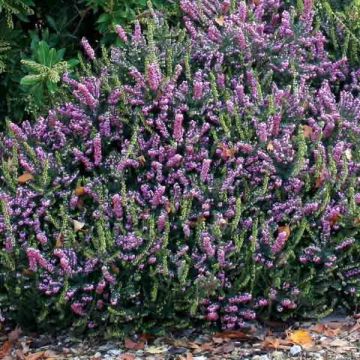
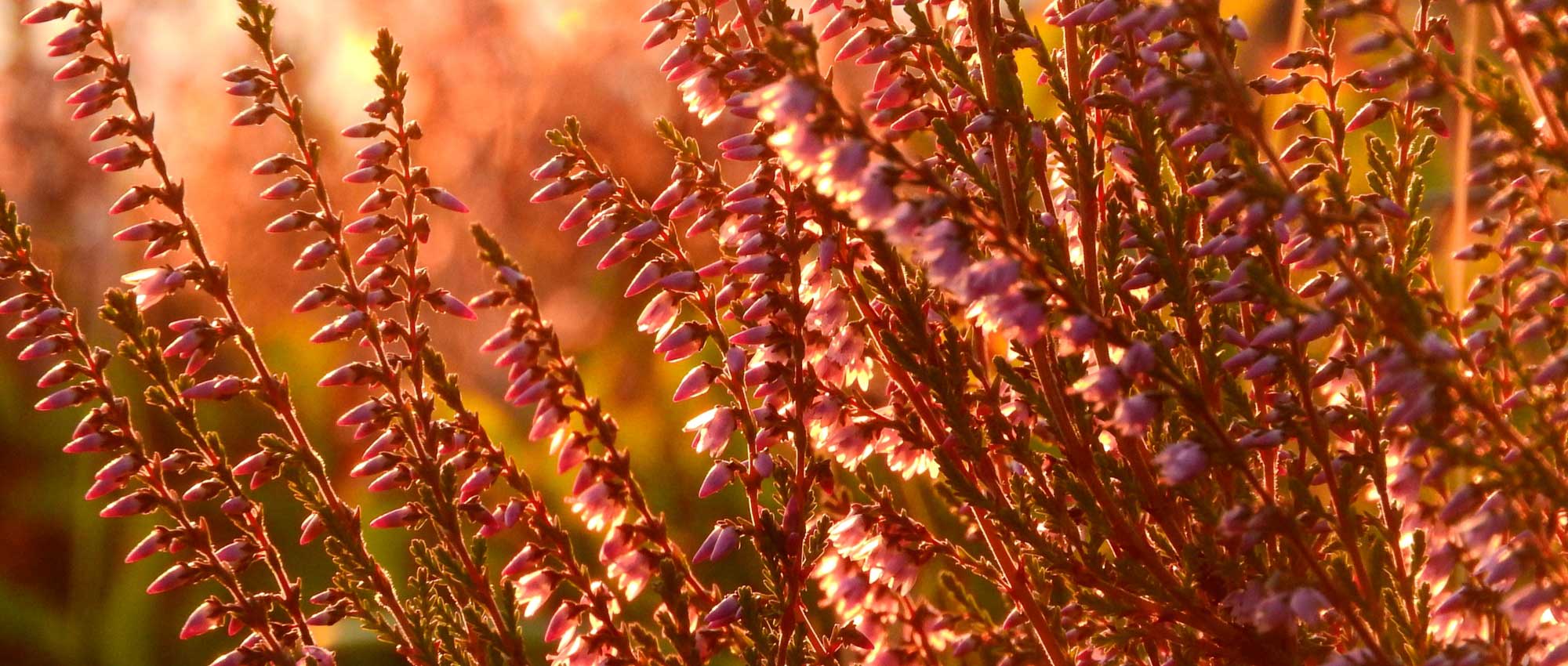
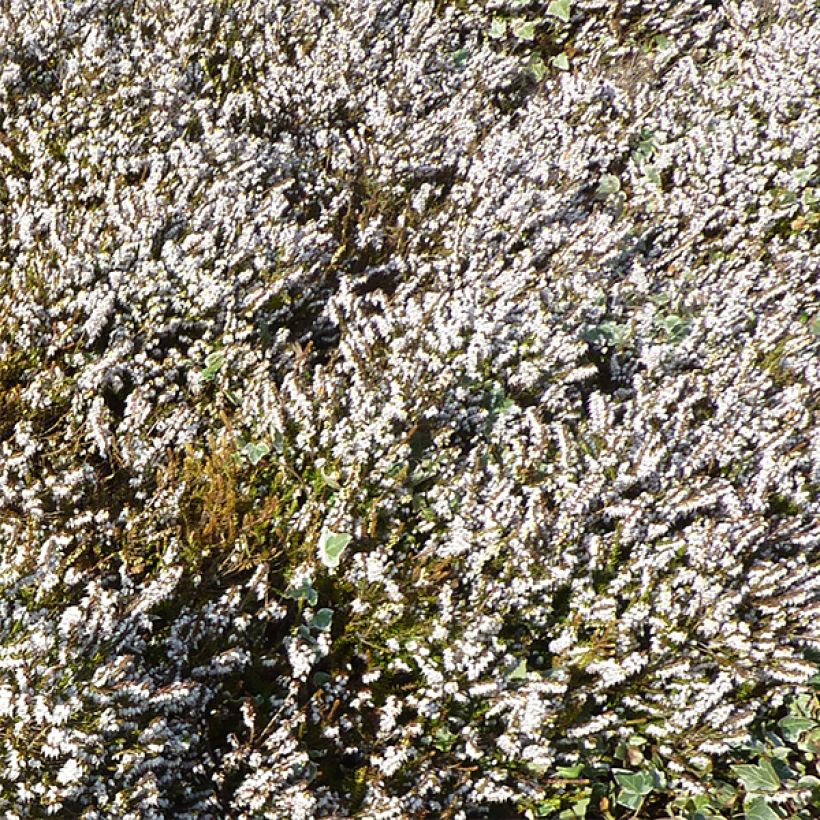
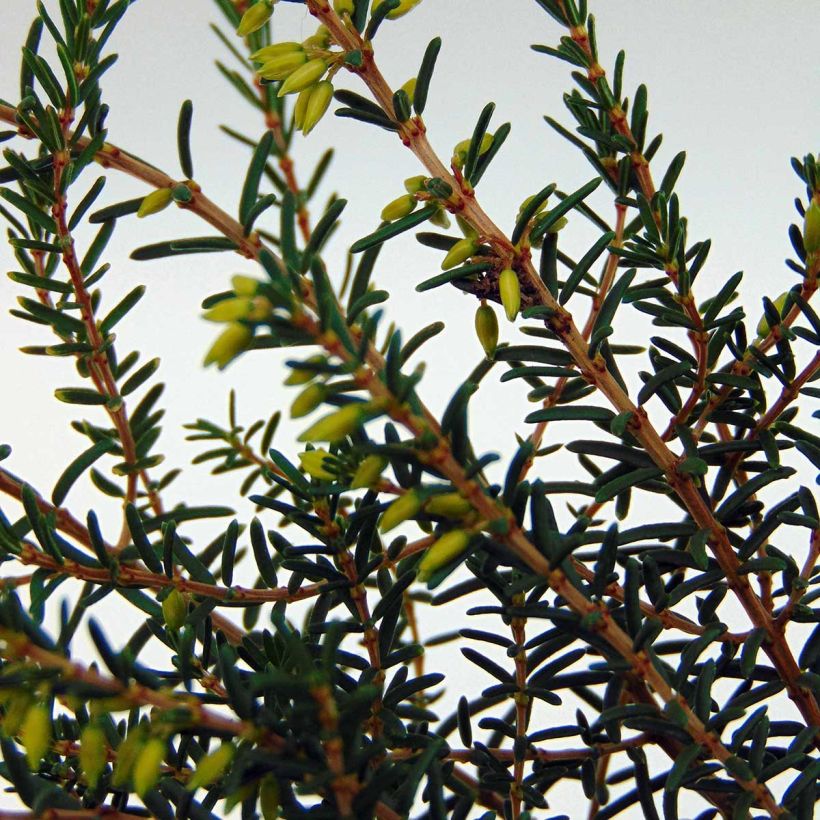
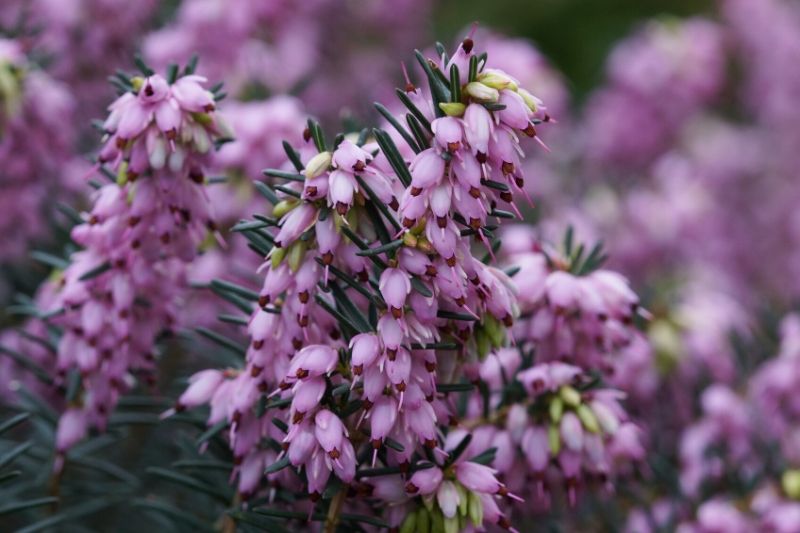
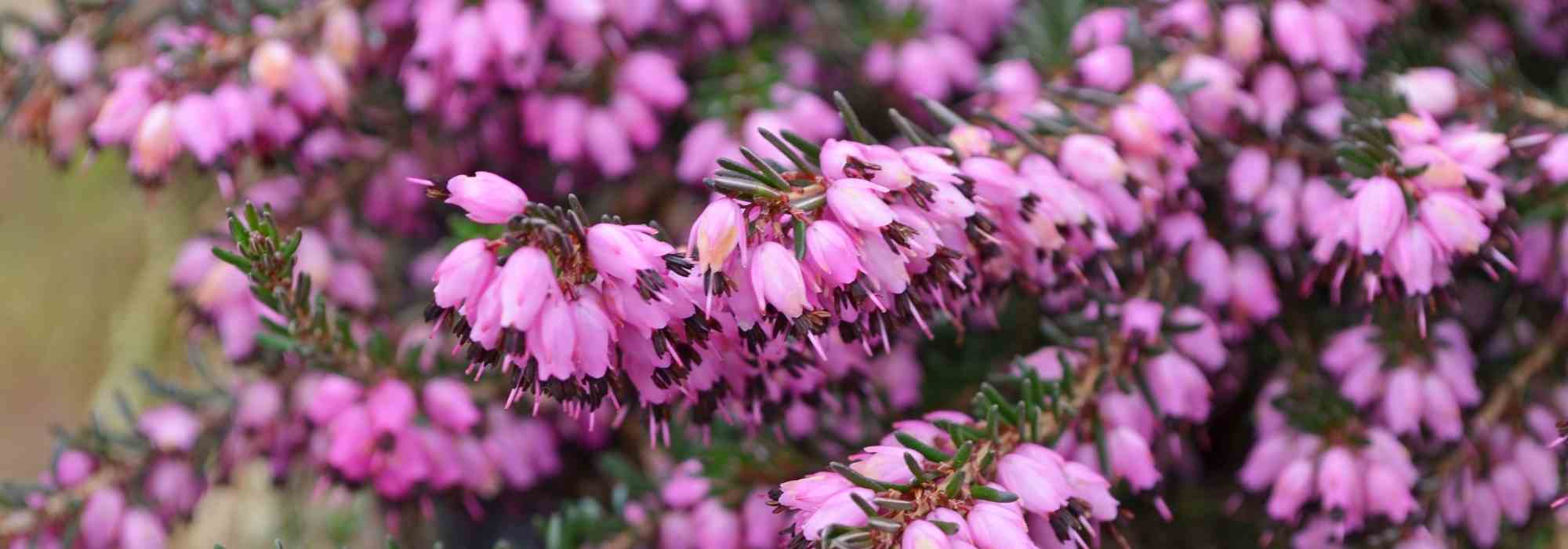
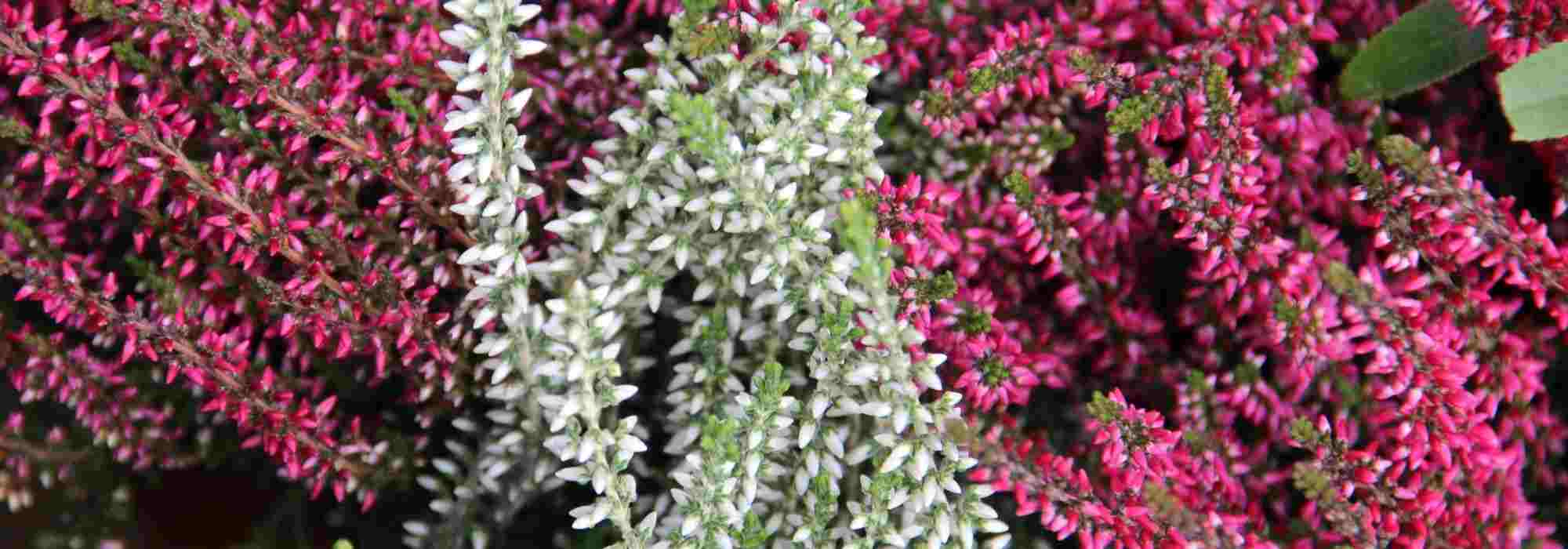
Erica x darleyensis f. albiflora 'Silberschmelze' lives up to its name of snow heather due to its long flowering period consisting of hundreds of small white bell-shaped flowers with silver reflections. This vigorous variety, the most beautiful among the white ones, blooms from November to March-April, depending on the climate, forming a large and bright cushion in the garden during the shortest days of the year. Its evergreen foliage, similar to very fine needles, changes colour throughout the seasons, ranging from a light green speckled with cream in spring to dark green in summer, turning red in cold weather. By combining different varieties with staggered flowering times, heathers create a patchwork of colours for 6 to 7 months, in the garden or in pots, even in slightly chalky soil for certain varieties.
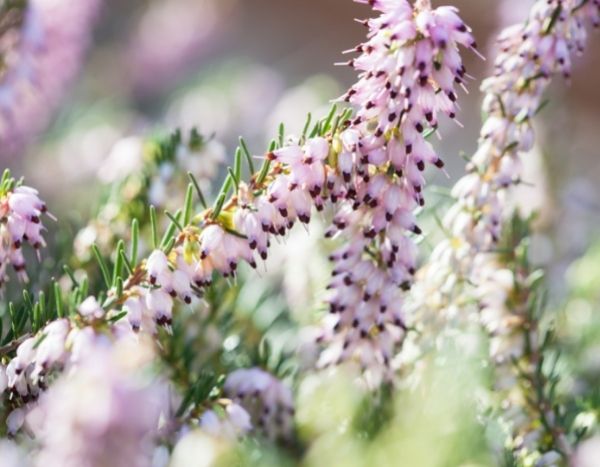
'Silberschmelze' is a German horticultural creation, one of the many cultivars resulting from the crossbreeding between Erica carnea, native to mountainous areas of southern and central Europe, thriving on limestone soil, and Erica erigena, acidophilous, native to western Europe. This hybrid combines the larger growth of the Scottish species with the more abundant flowering of alpine heather. A persistent undershrub with a rounded and spreading habit, it will reach approximately 35 cm (13.8 in) in height and 50 cm (19.7 in) in width at maturity, with a rather slow growth. Its lifespan is around 10 to 15 years. 'Silberschmelze' has a long flowering period, with yellow-green buds blossoming into small urn-shaped flowers of pure white with brown stamens. These flowers, measuring 3 mm to 5 mm (0.1 in to 0.2 in) in length, are gathered in clusters that are 3 cm to 10 cm (1.2 in to 3.9 in) long and scattered along the branches, amidst thin and linear foliage.
Very hardy and not demanding on soil type, this heather is ideal for winter planting, alongside other varieties such as Erica 'Winter Belles', E. 'Furzey', E. 'J.H Brummage' and E. 'Katia'. Darley heather is also an excellent ground cover, whether alone or combined with dwarf creeping conifers (Juniperus squamata 'Blue Star', J. horizontalis 'Blue Chip', J. repanda), or ground cover plants such as Antennaria dioica 'Rubra', Armeria maritima 'Rubrifolia', or Campanula portenschlagiana for example.
Erica darleyensis f.albiflora Silberschmelze - Winter Heath in pictures
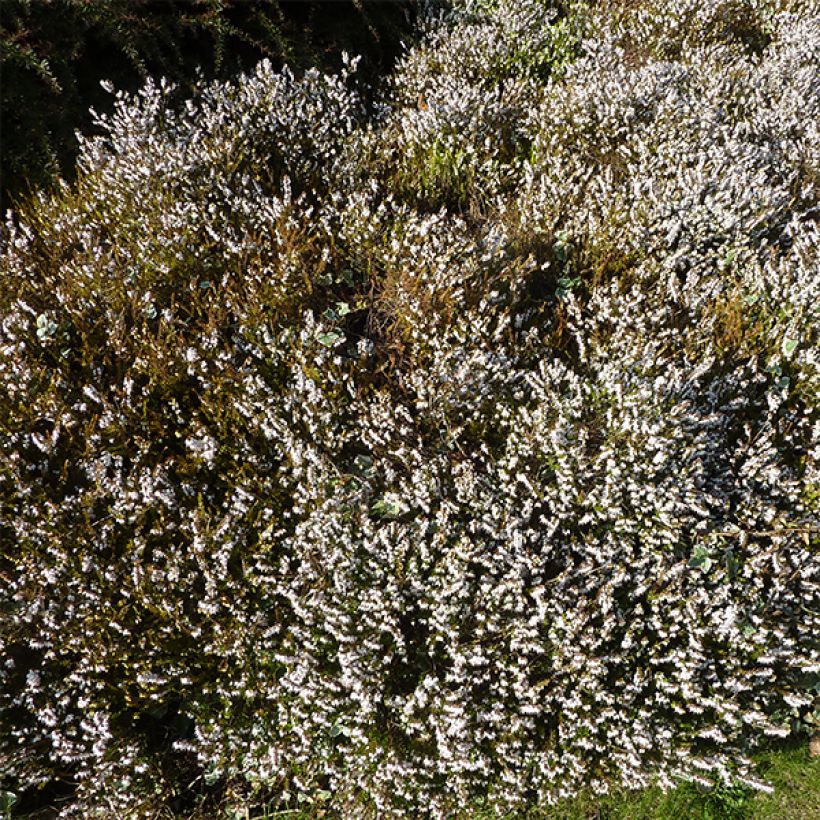
Plant habit
Flowering
Foliage
Botanical data
Erica
x darleyensis f.albiflora
Silberschmelze
Ericaceae
Winter Heath, Spring Heath, Snow Heather, Alpine Heath
Cultivar or hybrid
Planting and care
Erica x darleyensis 'Silberschmelze' appreciates full sun, which enhances its flowering, and can grow in any type of soil, even clayey or slightly calcareous, as long as it is well-drained and deeply loosened. Once well established, it can withstand anything, but its planting must be careful and watering should be followed for the first two years: if the root ball dries out while the root system is still underdeveloped, the plant will die. Conversely, waterlogged soil, especially in hot weather, can promote the development of a fungus called Phytophthora, which, once established, will overcome this heather.
During planting, it is advisable to loosen the root ball a little, prune any long roots, and plant in a 30x30 cm (11.8 x 11.8 in) hole filled with a mixture of turf, ericaceous soil, and garden soil. Water it once or twice a week depending on the ambient temperature to keep the soil moist while the plant establishes. To maintain a compact habit and increase the lifespan of the heather, it is useful, every year after flowering, to prune back the faded branches to 2 cm to 5 cm (0.8 in to 2 in) from the previous year's growth, taking care not to cut below the last green leaves. Erica can also be susceptible to pythium and rhizoctonia during hot and humid periods. Fertiliser is not necessary and is even discouraged to avoid promoting foliage production at the expense of flowering (heathers are generally plants of poor soils).
Planting period
Intended location
Care
Planting & care advice



-
, onOrder confirmed
Reply from on Promesse de fleurs
Recently viewed products
Haven't found what you were looking for?
Hardiness is the lowest winter temperature a plant can endure without suffering serious damage or even dying. However, hardiness is affected by location (a sheltered area, such as a patio), protection (winter cover) and soil type (hardiness is improved by well-drained soil).

The flowering period indicated on our website applies to countries and regions located in USDA zone 8 (France, the United Kingdom, Ireland, the Netherlands, etc.)
It will vary according to where you live:- In zones 9 to 10 (Italy, Spain, Greece, etc.), flowering will occur about 2 to 4 weeks earlier.
- In zones 6 to 7 (Germany, Poland, Slovenia, and lower mountainous regions), flowering will be delayed by 2 to 3 weeks.
- In zone 5 (Central Europe, Scandinavia), blooming will be delayed by 3 to 5 weeks.
In temperate climates, pruning of spring-flowering shrubs (forsythia, spireas, etc.) should be done just after flowering.
Pruning of summer-flowering shrubs (Indian Lilac, Perovskia, etc.) can be done in winter or spring.
In cold regions as well as with frost-sensitive plants, avoid pruning too early when severe frosts may still occur.
The planting period indicated on our website applies to countries and regions located in USDA zone 8 (France, United Kingdom, Ireland, Netherlands).
It will vary according to where you live:
- In Mediterranean zones (Marseille, Madrid, Milan, etc.), autumn and winter are the best planting periods.
- In continental zones (Strasbourg, Munich, Vienna, etc.), delay planting by 2 to 3 weeks in spring and bring it forward by 2 to 4 weeks in autumn.
- In mountainous regions (the Alps, Pyrenees, Carpathians, etc.), it is best to plant in late spring (May-June) or late summer (August-September).
The harvesting period indicated on our website applies to countries and regions in USDA zone 8 (France, England, Ireland, the Netherlands).
In colder areas (Scandinavia, Poland, Austria...) fruit and vegetable harvests are likely to be delayed by 3-4 weeks.
In warmer areas (Italy, Spain, Greece, etc.), harvesting will probably take place earlier, depending on weather conditions.
The sowing periods indicated on our website apply to countries and regions within USDA Zone 8 (France, UK, Ireland, Netherlands).
In colder areas (Scandinavia, Poland, Austria...), delay any outdoor sowing by 3-4 weeks, or sow under glass.
In warmer climes (Italy, Spain, Greece, etc.), bring outdoor sowing forward by a few weeks.
Shipping country and language
Your country of residence may be:
Your country of residence is:
For a better user experience on our website, you can select:
Your shipping country:
-
 Austria
-
 Belgium
-
 Bosnia & Herzegovina
-
 Bulgaria
-
 Croatia
-
 Cyprus
-
 Czechia
-
 Denmark
-
 Estonia
-
 Finland
-
 France
-
 Germany
-
 Greece
-
 Hungary
-
 Iceland
-
 Ireland
-
 Italy
Italy
-
 Latvia
-
 Liechtenstein
-
 Lithuania
-
 Luxembourg
-
 Malta
Malta
-
 Netherlands
-
 Poland
-
 Portugal
-
 Romania
-
 Serbia
-
 Slovakia
-
 Slovenia
-
 Spain
Spain
-
 Sweden
-
 Switzerland
Language:
-
French
-
 English
-
Spanish
-
Italian
-
German
-
Portuguese
-
Dutch
-
Finnish
My Account
Hello
My wish lists
My cart
Log in / Register
Existing customer?
This form is protected by reCAPTCHA - the Google Privacy Policy and Terms of Service apply.
New customer?
Create an account to track your orders, access our customer service and, if you wish, make the most of our upcoming offers.