
Philadelphus Belle Etoile - Mock Orange

Philadelphus Belle Etoile - Mock Orange

Philadelphus Belle Etoile - Mock Orange

Philadelphus Belle Etoile - Mock Orange
View more pictures
Hide images

Cedric V.
Philadelphus Belle Etoile - Mock Orange
Cedric V. • BE
Philadelphus Belle Etoile - Mock Orange
Philadelphus Belle Etoile
Mock Orange
Arrived in perfect condition; was planted immediately and showed signs of recovery right away; endured a harsh winter (Alsace) and is showing its will to live and flower. I look forward to seeing it express itself this spring. I can't wait.
alexandra, 03/03/2026
Back-to-school special offer!
Get €10 off for every €50 you spend! And get up to €40 off on a single order.
How does it work?
1. Shop your favourites
Add your favourite plants to your basket. For every €50 you spend (excluding delivery charges, store credit and the plastic-free option), you’ll receive a €10 voucher.
€50 spent = €10 voucher
€100 spent = €20 voucher
€150 spent = €30 voucher
€200 spent = €40 voucher
2. Place your order
Once your basket reaches one of the spending thresholds, place your order. You can even choose your delivery date!
3. Receive your voucher
As soon as your order has been shipped, you’ll receive an email containing your personal voucher code and its value.
4. Use it on your next order
Your voucher is valid for 90 days from the date you receive it. It can be used once only, on a new order worth at least the value of the voucher, excluding delivery charges.
Please note: Vouchers can be combined with other offers, but cannot be split or refunded.
Home or relay delivery (depending on size and destination)
Important: You may be charged customs duties by your country’s customs authorities upon delivery.
Schedule delivery date,
and select date in basket
This plant carries a 24 months recovery warranty
More information
We guarantee the quality of our plants for a full growing cycle, and will replace at our expense any plant that fails to recover under normal climatic and planting conditions.

Would this plant suit my garden?
Set up your Plantfit profile →
Description
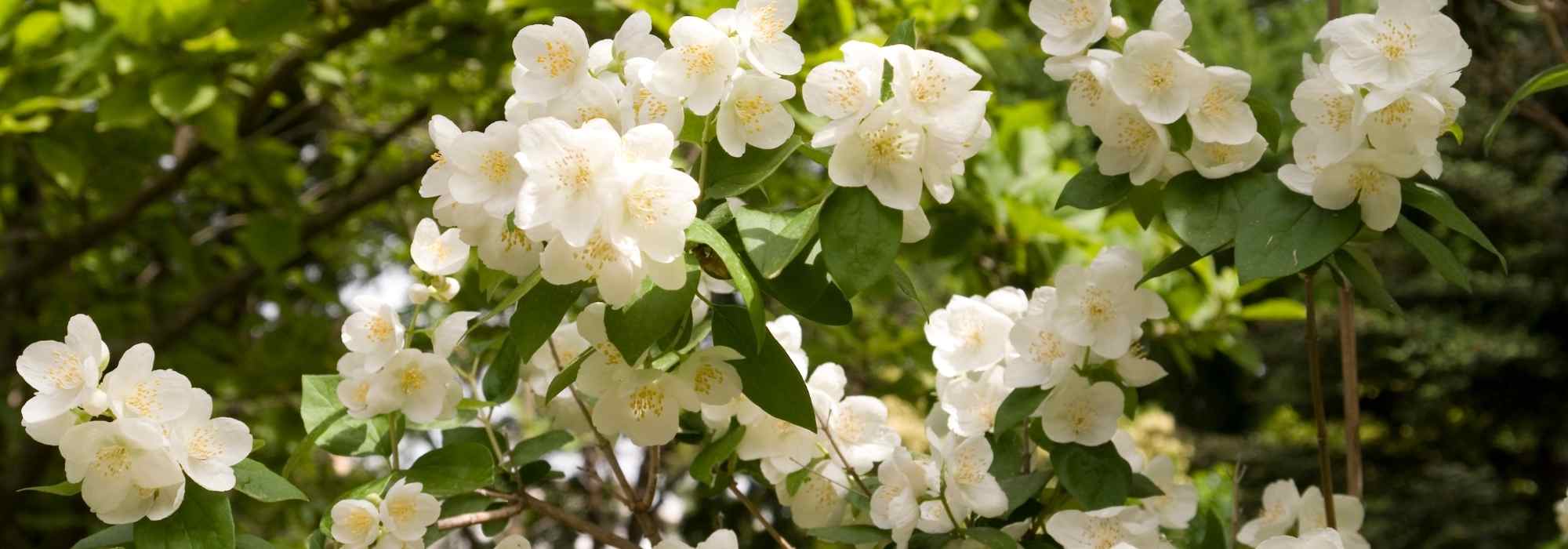
Philadelphus 'Belle Étoile', obtained in the 1920s, remains one of the finest mock oranges created by the Lemoine nursery in Nancy. This variety bears large, single, white flowers adorned with a large purplish-pink blotch around a cluster of yellow stamens. Their powerful, sweet fragrance drifts through the garden in late spring. The flexible branches arch under the weight of the flowers, giving the shrub a very pleasing natural habit. This moderately sized shrub brings plenty of charm to informal hedges and small gardens.
This mock orange belongs to the Hydrangeaceae family. It is a deciduous shrub, and its leaves fall in autumn. 'Belle Étoile' was bred by the Lemoine nurseries in Nancy, attributed to Émile Lemoine and introduced to the horticultural market in 1923. It belongs to the line of mock oranges with flowers blotched with purple, obtained from several species and hybrids of the genus Philadelphus. It is found under several horticultural names, including Philadelphus × lemoinei 'Belle Étoile' and Philadelphus × purpureomaculatus 'Belle Étoile'. It is a branched shrub, fairly upright at first, spreading as the tips of the branches arch. If left unpruned, it reaches 1.50 to 2 m in height and 1.50 to 2.50 m in spread. The opposite, oval leaves, tapering to a point, are 3 to 5 cm long. Medium green, the foliage remains unobtrusive and sets off the flowers beautifully. The bark of older branches may peel slightly, especially on lightly pruned plants. In June or July, depending on the climate, the branches formed the previous year bear large, single flowers, solitary or in clusters of two or three. Their corolla, 5 to 6 cm across, consists of four slightly wavy white petals, heavily blotched with purplish pink at the base; in the centre, the yellow stamens are clearly visible. Their fragrance, powerful and sweet, reveals fruity notes sometimes compared with those of wild strawberry. Flowering is abundant and fruiting is absent or very rare. 'Belle Étoile' received the Royal Horticultural Society's Award of Garden Merit in 1993 for its many qualities, a distinction it still holds. Hardy down to nearly -20 °C, this mock orange tolerates wind well and adapts to a wide range of soils. It flowers more generously in sun, however, in fertile, moisture-retentive soil in spring and with good drainage. Once established, it tolerates a lack of water, but prolonged drought reduces its vigour and the following year's flowering.
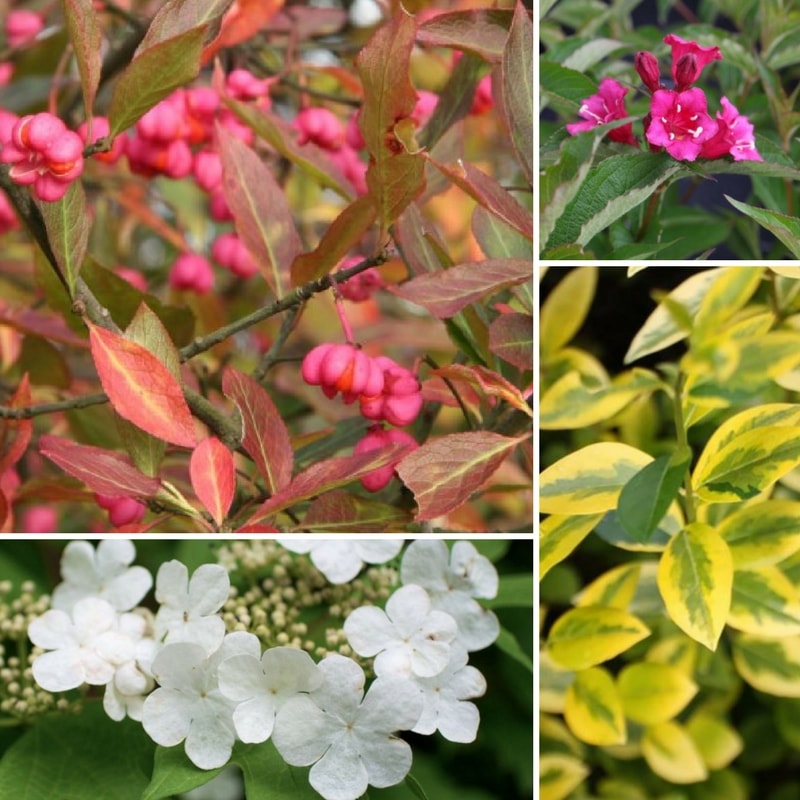
Plant mock orange 'Belle Étoile' near a terrace, an entrance or a path to enjoy its fragrance to the full, but also in a shrub border, an informal hedge or a large container. Its flexible habit is particularly suited to English-style gardens and cottage gardens. To accompany it, choose shrubs of a similar size with complementary flowering periods, such as Viburnum carlesii 'Aurora', Weigela 'Eva Rathke', Deutzia elegantissima 'Rosealind' or Spiraea nipponica 'Snowmound'. Their flowers follow one another from spring to summer, and they require little care.
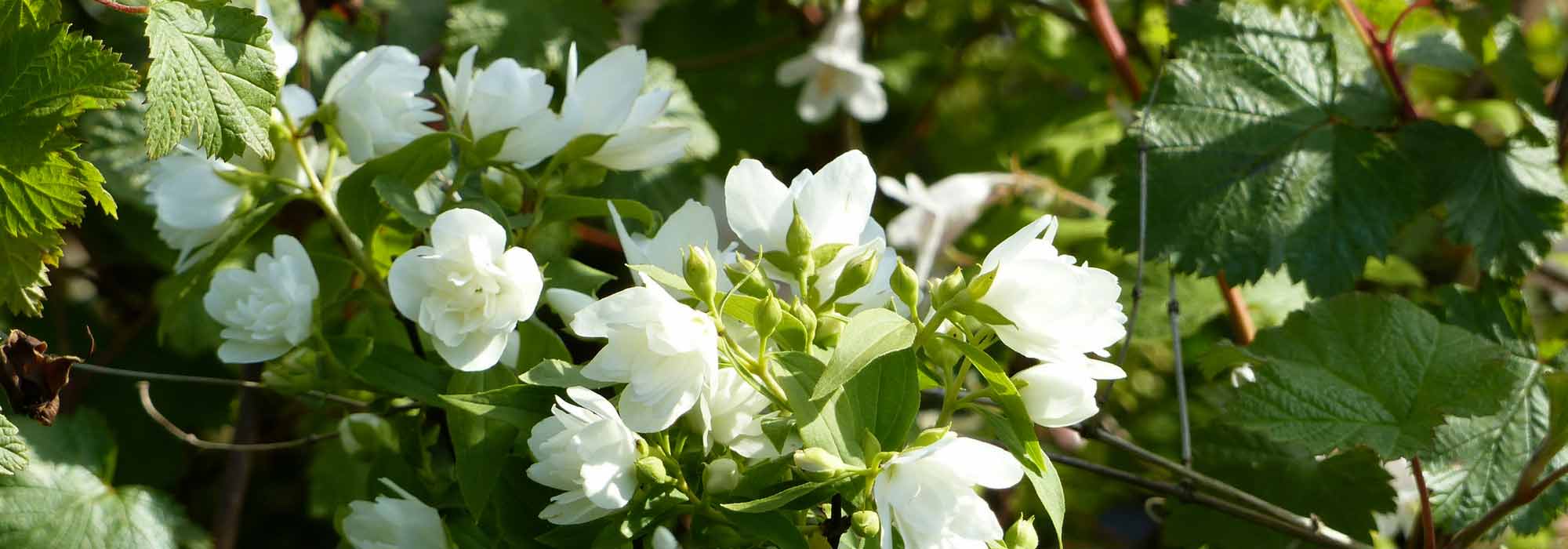
Philadelphus Belle Etoile - Mock Orange in pictures


Plant habit
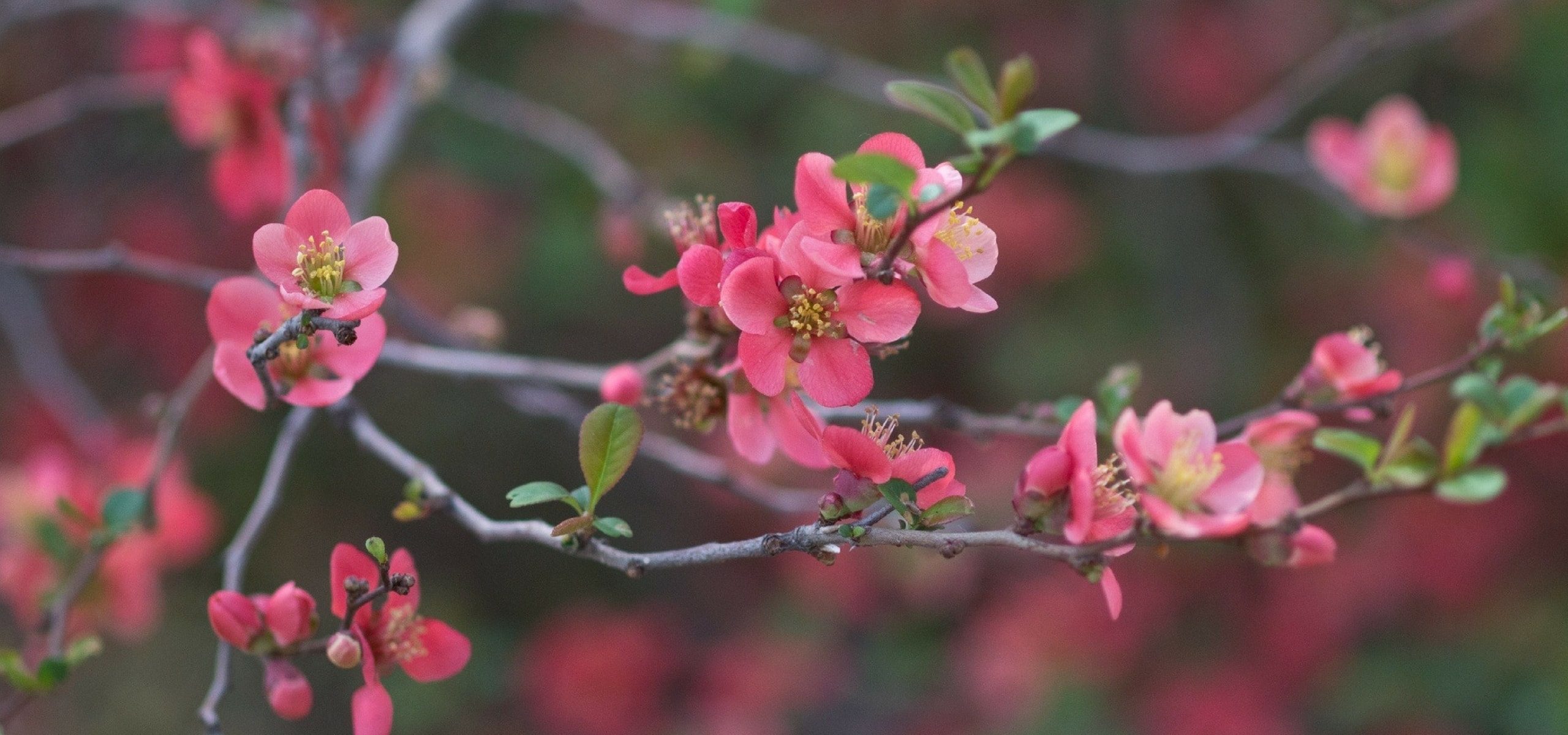
Flowering
Foliage
Botanical data
Philadelphus
Belle Etoile
Hydrangeaceae
Mock Orange
Philadelphus × lemoinei ‘Belle Étoile’, Philadelphus × purpureomaculatus ‘Belle Étoile’
Cultivar or hybrid
Planting and care
Plant mock orange ‘Belle Étoile’ preferably from autumn to early spring, outside periods of frost, in sun or partial shade. Full sun encourages abundant flowering, but light shade is preferable in hot regions. Plant it in ordinary, fairly deep, well-drained soil. It tolerates clay and chalk, as well as poorer soil, but flowers better when the soil does not dry out too much in spring and summer. Water regularly during the first year and during prolonged droughts; once well rooted, it will tolerate dry periods. In a pot, use a large container with drainage holes and a rich but free-draining growing medium, and pay closer attention to watering in summer.
Planting period
Intended location
Care
Planting & care advice
-
-

-
-

-

-

-
-

-
, onOrder confirmed
Reply from on Promesse de fleurs
Recently viewed products
Haven't found what you were looking for?
Hardiness is the lowest winter temperature a plant can endure without suffering serious damage or even dying. However, hardiness is affected by location (a sheltered area, such as a patio), protection (winter cover) and soil type (hardiness is improved by well-drained soil).

The flowering period indicated on our website applies to countries and regions located in USDA zone 8 (France, the United Kingdom, Ireland, the Netherlands, etc.)
It will vary according to where you live:- In zones 9 to 10 (Italy, Spain, Greece, etc.), flowering will occur about 2 to 4 weeks earlier.
- In zones 6 to 7 (Germany, Poland, Slovenia, and lower mountainous regions), flowering will be delayed by 2 to 3 weeks.
- In zone 5 (Central Europe, Scandinavia), blooming will be delayed by 3 to 5 weeks.
In temperate climates, pruning of spring-flowering shrubs (forsythia, spireas, etc.) should be done just after flowering.
Pruning of summer-flowering shrubs (Indian Lilac, Perovskia, etc.) can be done in winter or spring.
In cold regions as well as with frost-sensitive plants, avoid pruning too early when severe frosts may still occur.
The planting period indicated on our website applies to countries and regions located in USDA zone 8 (France, United Kingdom, Ireland, Netherlands).
It will vary according to where you live:
- In Mediterranean zones (Marseille, Madrid, Milan, etc.), autumn and winter are the best planting periods.
- In continental zones (Strasbourg, Munich, Vienna, etc.), delay planting by 2 to 3 weeks in spring and bring it forward by 2 to 4 weeks in autumn.
- In mountainous regions (the Alps, Pyrenees, Carpathians, etc.), it is best to plant in late spring (May-June) or late summer (August-September).
The harvesting period indicated on our website applies to countries and regions in USDA zone 8 (France, England, Ireland, the Netherlands).
In colder areas (Scandinavia, Poland, Austria...) fruit and vegetable harvests are likely to be delayed by 3-4 weeks.
In warmer areas (Italy, Spain, Greece, etc.), harvesting will probably take place earlier, depending on weather conditions.
The sowing periods indicated on our website apply to countries and regions within USDA Zone 8 (France, UK, Ireland, Netherlands).
In colder areas (Scandinavia, Poland, Austria...), delay any outdoor sowing by 3-4 weeks, or sow under glass.
In warmer climes (Italy, Spain, Greece, etc.), bring outdoor sowing forward by a few weeks.
Shipping country and language
Your country of residence may be:
Your country of residence is:
For a better user experience on our website, you can select:
Your shipping country:
-
 Austria
-
 Belgium
-
 Bosnia & Herzegovina
-
 Bulgaria
-
 Croatia
-
 Cyprus
-
 Czechia
-
 Denmark
-
 Estonia
-
 Finland
-
 France
-
 Germany
-
 Greece
-
 Hungary
-
 Iceland
-
 Ireland
-
 Italy
-
 Latvia
-
 Liechtenstein
-
 Lithuania
-
 Luxembourg
-
 Malta
-
 Netherlands
-
 Poland
-
 Portugal
-
 Romania
-
 Serbia
-
 Slovakia
-
 Slovenia
-
 Spain
-
 Sweden
-
 Switzerland
Language:
-
French
-
 English
-
Spanish
-
Italian
-
German
-
Portuguese
-
Dutch
-
Finnish
My Account
Hello
My wish lists
My cart
Log in / Register
Existing customer?
This form is protected by reCAPTCHA - the Google Privacy Policy and Terms of Service apply.
New customer?
Create an account to track your orders, access our customer service and, if you wish, make the most of our upcoming offers.