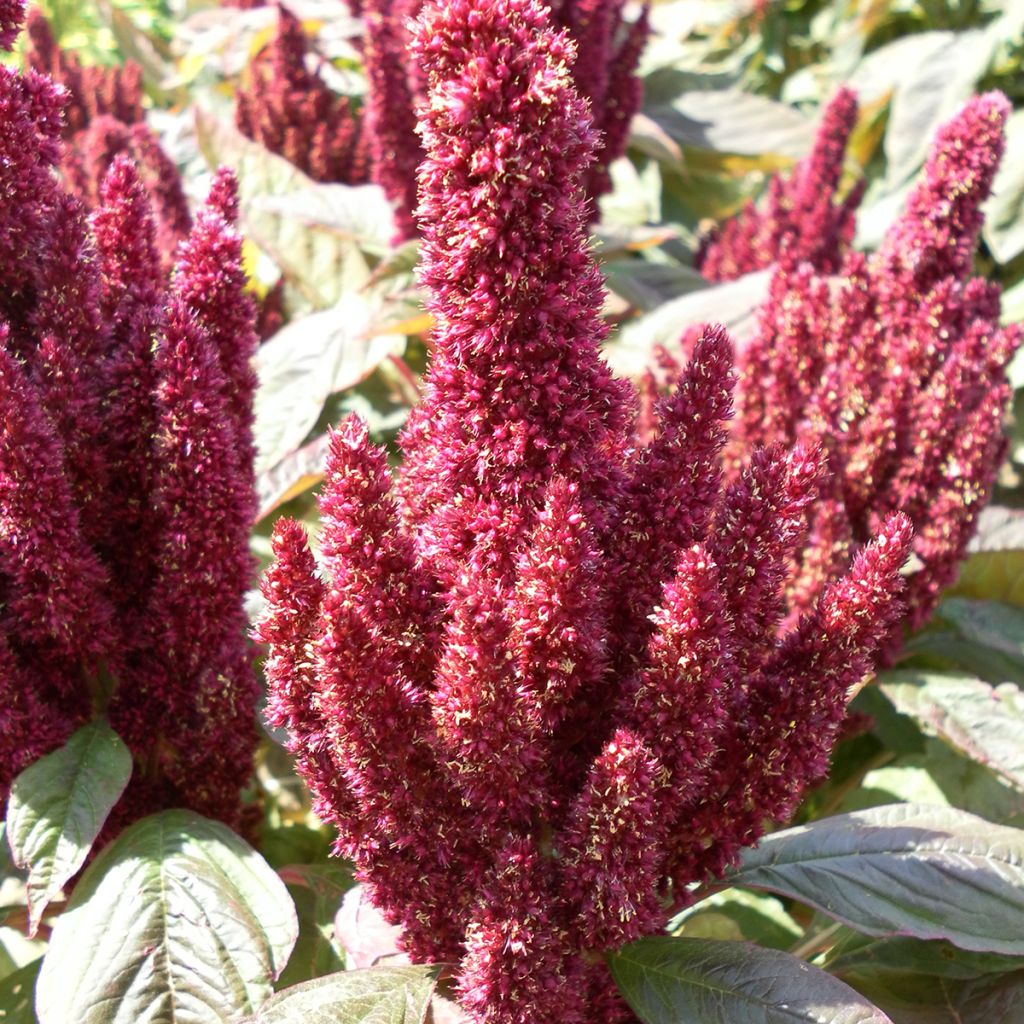
Amaranthus hypochondriacus Pygmy Torch seeds - Prince's feather
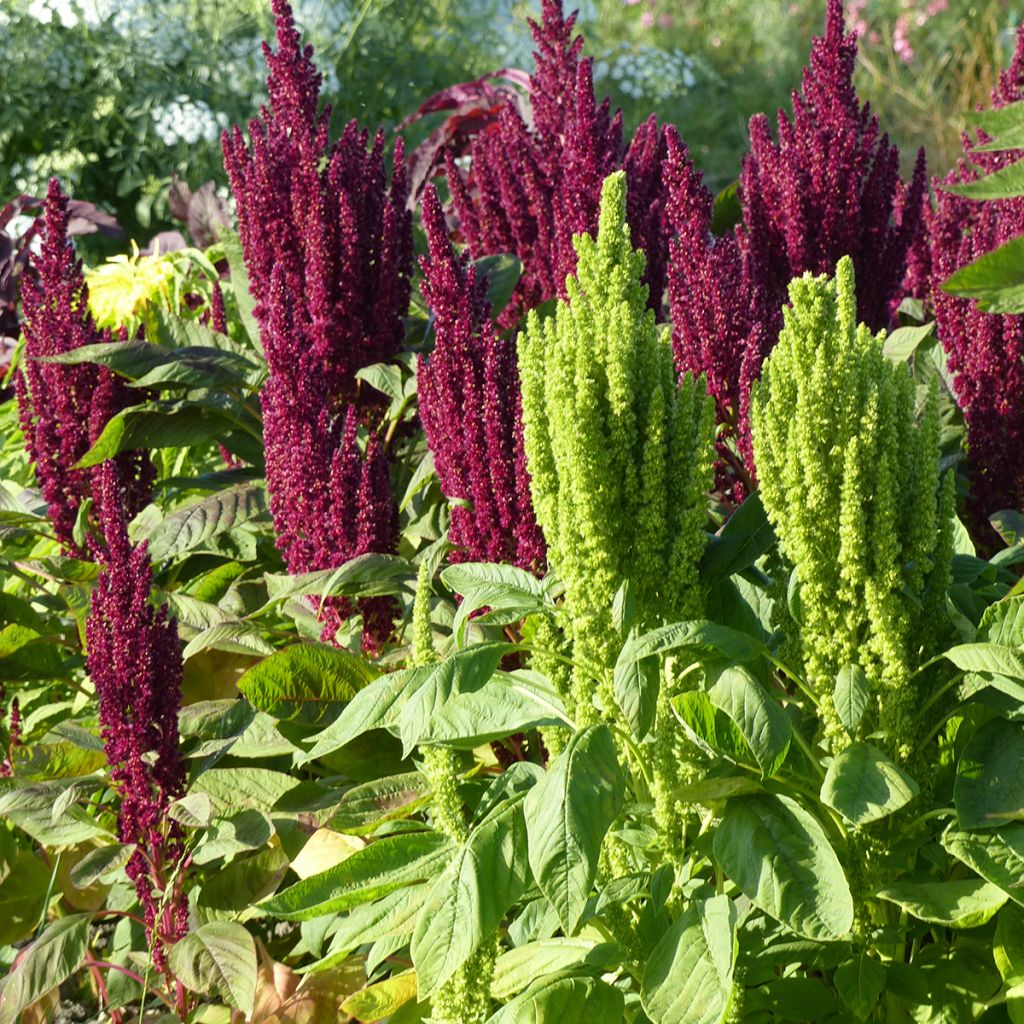
Amaranthus hypochondriacus Pygmy Torch seeds - Prince's feather
Amaranthus hypochondriacus Pygmy Torch seeds - Prince's feather
Amaranthus hypochondriacus Pygmy Torch
Inca Wheat, Foxtail Amaranth
Back-to-school special offer!
Get €10 off for every €50 you spend! And get up to €40 off on a single order.
How does it work?
1. Shop your favourites
Add your favourite plants to your basket. For every €50 you spend (excluding delivery charges, store credit and the plastic-free option), you’ll receive a €10 voucher.
€50 spent = €10 voucher
€100 spent = €20 voucher
€150 spent = €30 voucher
€200 spent = €40 voucher
2. Place your order
Once your basket reaches one of the spending thresholds, place your order. You can even choose your delivery date!
3. Receive your voucher
As soon as your order has been shipped, you’ll receive an email containing your personal voucher code and its value.
4. Use it on your next order
Your voucher is valid for 90 days from the date you receive it. It can be used once only, on a new order worth at least the value of the voucher, excluding delivery charges.
Please note: Vouchers can be combined with other offers, but cannot be split or refunded.
Home or relay delivery (depending on size and destination)
Important: You may be charged customs duties by your country’s customs authorities upon delivery.
Schedule delivery date
and select date in basket
This plant carries a 6 months recovery warranty
More information
We guarantee the quality of our plants for a full growing cycle, and will replace at our expense any plant that fails to recover under normal climatic and planting conditions.
Would this plant suit my garden?
Set up your Plantfit profile →
Description
Amaranthus hypochondriacus ‘Pygmy Torch’ is a compact love-lies-bleeding with large dark purple spikes that add character to borders and floral displays. This annual offers green foliage washed with purple and long, densely flowered panicles. An ornamental variety, it also provides tender leaves and small edible black seeds, while feeding garden birds at the end of the season. Awarded the RHS Award of Garden Merit, ‘Pygmy Torch’ is a reliable choice for the garden or pots!
Amaranthus hypochondriacus, the prince's feather, belongs to the Amaranthaceae family. Native to the central United States and Mexico, it is an annual from warm regions, now widely naturalised and grown as an ornamental and grain plant in many parts of the world.
‘Pygmy Torch’ is a compact cultivar derived from this species. While the classic grain amaranth can exceed 1.50m in height, ‘Pygmy Torch’ forms an upright clump of 40 to 50cm tall and 30 to 45cm wide in one season, sometimes a little more in very rich soil. Its green to reddish stems branch easily, especially if young plants are pinched out. The simple, entire, elliptical to lanceolate leaves are 6 to 12 cm long and a medium green colour, more or less tinged with purple, creating a well-furnished foliage right down to the base of the plant.
At the tips of the stems, upright, densely floriferous panicles of a very dark burgundy red develop, like small velvety torches. The flowering period extends from July until the frosts for a spring sowing. The tiny flowers, gathered in large numbers, are barely perceptible individually; pollination is carried out by the wind, as with most amaranths. In late summer, the spikes become laden with shiny, brown to blackish seeds, appreciated by garden birds and usable, in small quantities, in human food.
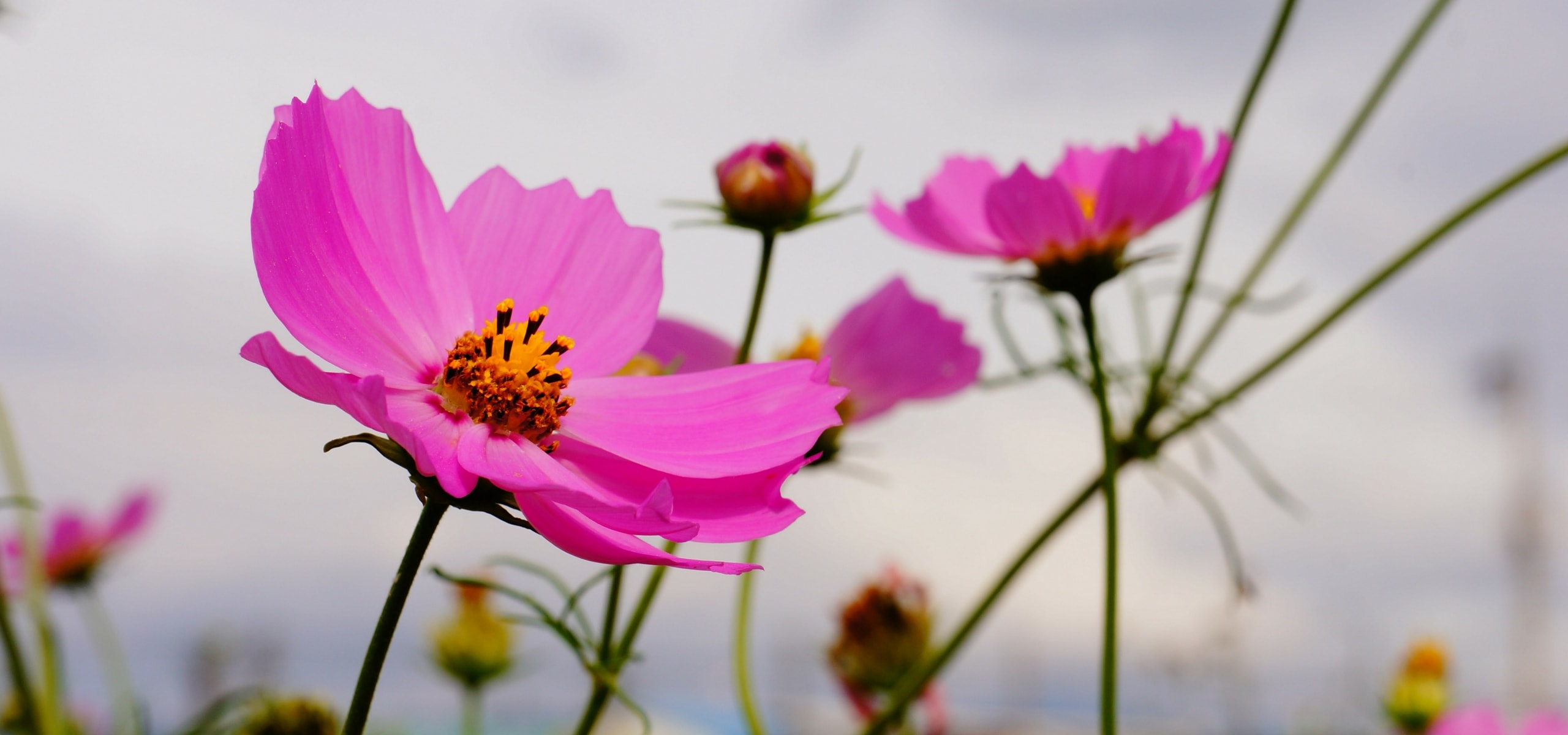
Not very tall, but richly coloured, ‘Pygmy Torch’ easily finds its place in a border, a cottage garden or a small ornamental vegetable garden. It can be sown in groups to form a small colourful screen or slipped into flower containers on a sunny patio. It pairs well with dark dahlias such as ‘Karma Choc’, unusual zinnias like ‘Queen Red Lime’, or purple cosmos 'Rubenza’. To play with contrasts of form and colour, it can be paired with a large orange amaranth such as ‘Hot Biscuits’.
Like all amaranths, the botanical species has a long history: in pre-Columbian America, grain amaranths, including Amaranthus hypochondriacus, were cultivated for food and featured in certain rituals, their seeds sometimes used as a base for moulded offerings, evidence of their symbolic as well as nutritional importance.

Flowering
Foliage
Plant habit
Botanical data
Amaranthus
hypochondriacus
Pygmy Torch
Amaranthaceae
Inca Wheat, Foxtail Amaranth
Amaranthus hypochondriacus 'Pygmy Torch', Amaranthus sanguineus nanus ‘Pygmy Torch’
Cultivar or hybrid
Planting and care
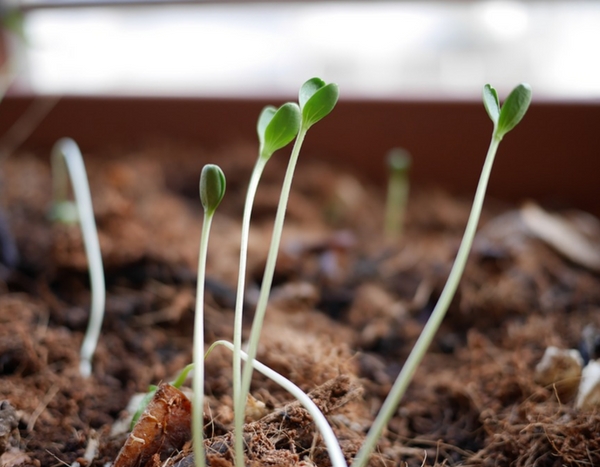
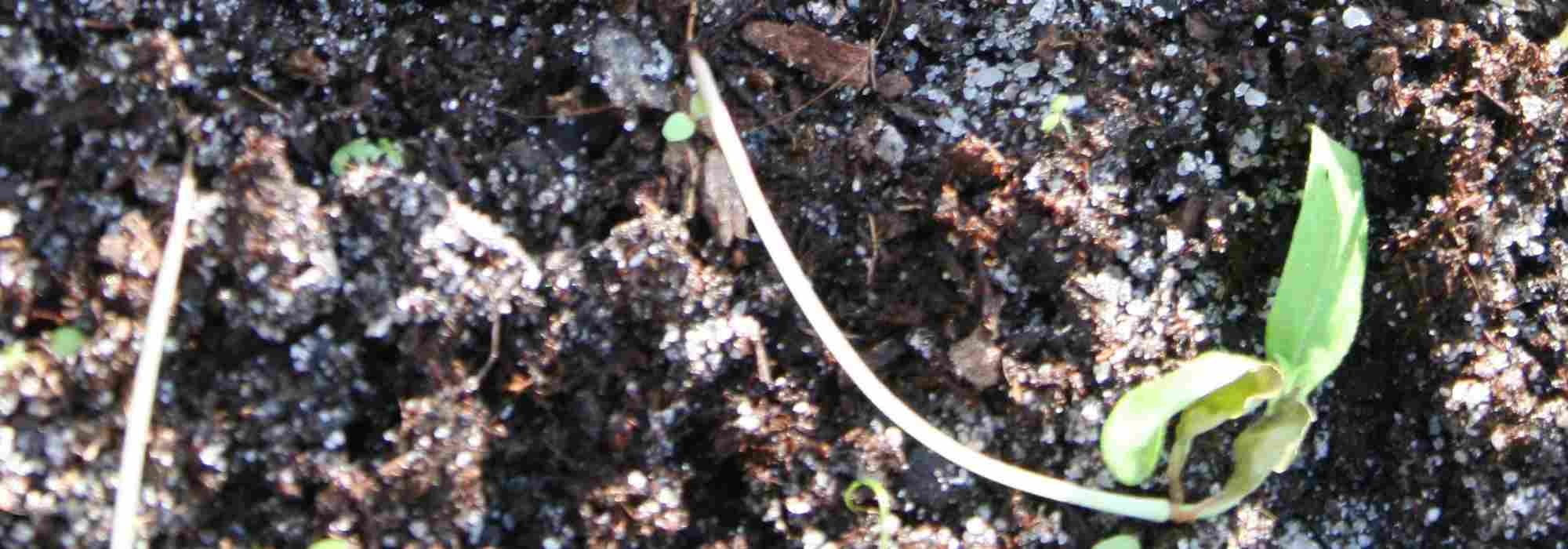
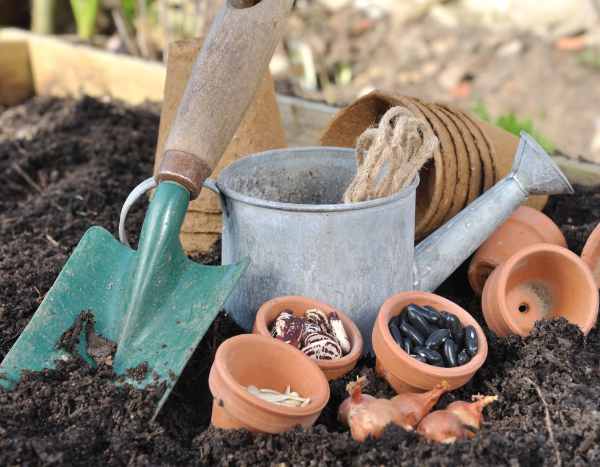
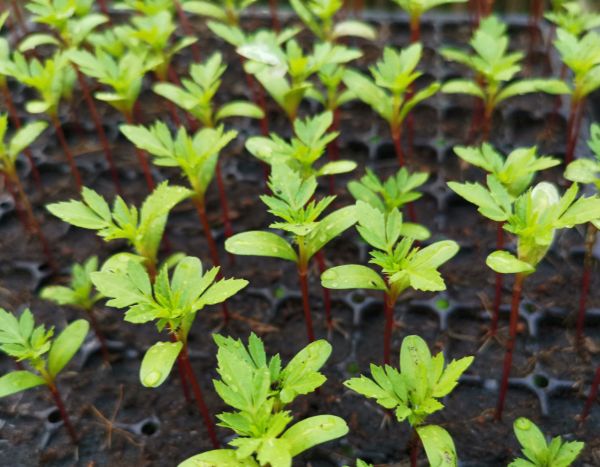
Sow love-lies-bleeding 'Pygmy Torch' from March to April under cover, in pots or seed trays, in light, well-drained potting compost, barely covering the seeds and keeping them moist until germination. You can also sow directly in the ground from mid-May, once all risk of frost has passed, then thin out to leave one young plant every 30 to 40cm.
Plant in full sun, in a light, well-drained, warm soil, preferably rich in organic matter; avoid very clayey soils. Plant at the same depth as in the pot, firm in gently, then water generously.
Care is simple: water regularly for the first few weeks, then more sparingly once the plant is well established, allowing the soil surface to dry out between waterings. A light mulch reduces watering and weed development. Pinching out the tips of young stems at 15–20 cm height encourages branching and more abundant flowering; removing faded spikes prolongs flowering, while leaving a few flower heads to dry on the plant allows you to collect seed.
In healthy, well-aerated soil, love-lies-bleeding 'Pygmy Torch' is not very prone to disease, but young seedlings can be nibbled by slugs.
Sowing period
Intended location
Planting & care advice
-
-
-
-
-

-
-
-
This item has not been reviewed yet - be the first to leave a review about it.
Recently viewed products
Haven't found what you were looking for?
Hardiness is the lowest winter temperature a plant can endure without suffering serious damage or even dying. However, hardiness is affected by location (a sheltered area, such as a patio), protection (winter cover) and soil type (hardiness is improved by well-drained soil).

The flowering period indicated on our website applies to countries and regions located in USDA zone 8 (France, the United Kingdom, Ireland, the Netherlands, etc.)
It will vary according to where you live:- In zones 9 to 10 (Italy, Spain, Greece, etc.), flowering will occur about 2 to 4 weeks earlier.
- In zones 6 to 7 (Germany, Poland, Slovenia, and lower mountainous regions), flowering will be delayed by 2 to 3 weeks.
- In zone 5 (Central Europe, Scandinavia), blooming will be delayed by 3 to 5 weeks.
In temperate climates, pruning of spring-flowering shrubs (forsythia, spireas, etc.) should be done just after flowering.
Pruning of summer-flowering shrubs (Indian Lilac, Perovskia, etc.) can be done in winter or spring.
In cold regions as well as with frost-sensitive plants, avoid pruning too early when severe frosts may still occur.
The planting period indicated on our website applies to countries and regions located in USDA zone 8 (France, United Kingdom, Ireland, Netherlands).
It will vary according to where you live:
- In Mediterranean zones (Marseille, Madrid, Milan, etc.), autumn and winter are the best planting periods.
- In continental zones (Strasbourg, Munich, Vienna, etc.), delay planting by 2 to 3 weeks in spring and bring it forward by 2 to 4 weeks in autumn.
- In mountainous regions (the Alps, Pyrenees, Carpathians, etc.), it is best to plant in late spring (May-June) or late summer (August-September).
The harvesting period indicated on our website applies to countries and regions in USDA zone 8 (France, England, Ireland, the Netherlands).
In colder areas (Scandinavia, Poland, Austria...) fruit and vegetable harvests are likely to be delayed by 3-4 weeks.
In warmer areas (Italy, Spain, Greece, etc.), harvesting will probably take place earlier, depending on weather conditions.
The sowing periods indicated on our website apply to countries and regions within USDA Zone 8 (France, UK, Ireland, Netherlands).
In colder areas (Scandinavia, Poland, Austria...), delay any outdoor sowing by 3-4 weeks, or sow under glass.
In warmer climes (Italy, Spain, Greece, etc.), bring outdoor sowing forward by a few weeks.
Shipping country and language
Your country of residence may be:
Your country of residence is:
For a better user experience on our website, you can select:
Your shipping country:
-
 Austria
-
 Belgium
-
 Bosnia & Herzegovina
-
 Bulgaria
-
 Croatia
-
 Cyprus
-
 Czechia
-
 Denmark
-
 Estonia
-
 Finland
-
 France
-
 Germany
-
 Greece
-
 Hungary
-
 Iceland
-
 Ireland
-
 Italy
Italy
-
 Latvia
-
 Liechtenstein
-
 Lithuania
-
 Luxembourg
-
 Malta
Malta
-
 Netherlands
-
 Poland
-
 Portugal
-
 Romania
-
 Serbia
-
 Slovakia
-
 Slovenia
-
 Spain
Spain
-
 Sweden
-
 Switzerland
Language:
-
French
-
 English
-
Spanish
-
Italian
-
German
-
Portuguese
-
Dutch
-
Finnish
My Account
Hello
My wish lists
My cart
Log in / Register
Existing customer?
This form is protected by reCAPTCHA - the Google Privacy Policy and Terms of Service apply.
New customer?
Create an account to track your orders, access our customer service and, if you wish, make the most of our upcoming offers.