Zinnia marylandica Zahara F1 Double Mix
Zinnia marylandica Zahara F1 Double Mix
Zinnia marylandica Zahara F1 Double Mix
Zinnia marylandica Zahara F1 Double Mix
Zinnia marylandica Zahara F1 Double Mix
Zinnia marylandica Zahara F1 Double Mix
Zinnia marylandica Zahara F1 Double Mix
Zinnia marylandica Zahara F1 Double Mix
Zinnia marylandica Zahara F1 Double Mix
Zinnia
Back-to-school special offer!
Get €10 off for every €50 you spend! And get up to €40 off on a single order.
How does it work?
1. Shop your favourites
Add your favourite plants to your basket. For every €50 you spend (excluding delivery charges, store credit and the plastic-free option), you’ll receive a €10 voucher.
€50 spent = €10 voucher
€100 spent = €20 voucher
€150 spent = €30 voucher
€200 spent = €40 voucher
2. Place your order
Once your basket reaches one of the spending thresholds, place your order. You can even choose your delivery date!
3. Receive your voucher
As soon as your order has been shipped, you’ll receive an email containing your personal voucher code and its value.
4. Use it on your next order
Your voucher is valid for 90 days from the date you receive it. It can be used once only, on a new order worth at least the value of the voucher, excluding delivery charges.
Please note: Vouchers can be combined with other offers, but cannot be split or refunded.
Home or relay delivery (depending on size and destination)
Important: You may be charged customs duties by your country’s customs authorities upon delivery.
Schedule delivery date
and select date in basket
This plant carries a 6 months recovery warranty
More information
We guarantee the quality of our plants for a full growing cycle, and will replace at our expense any plant that fails to recover under normal climatic and planting conditions.
Would this plant suit my garden?
Set up your Plantfit profile →
Description
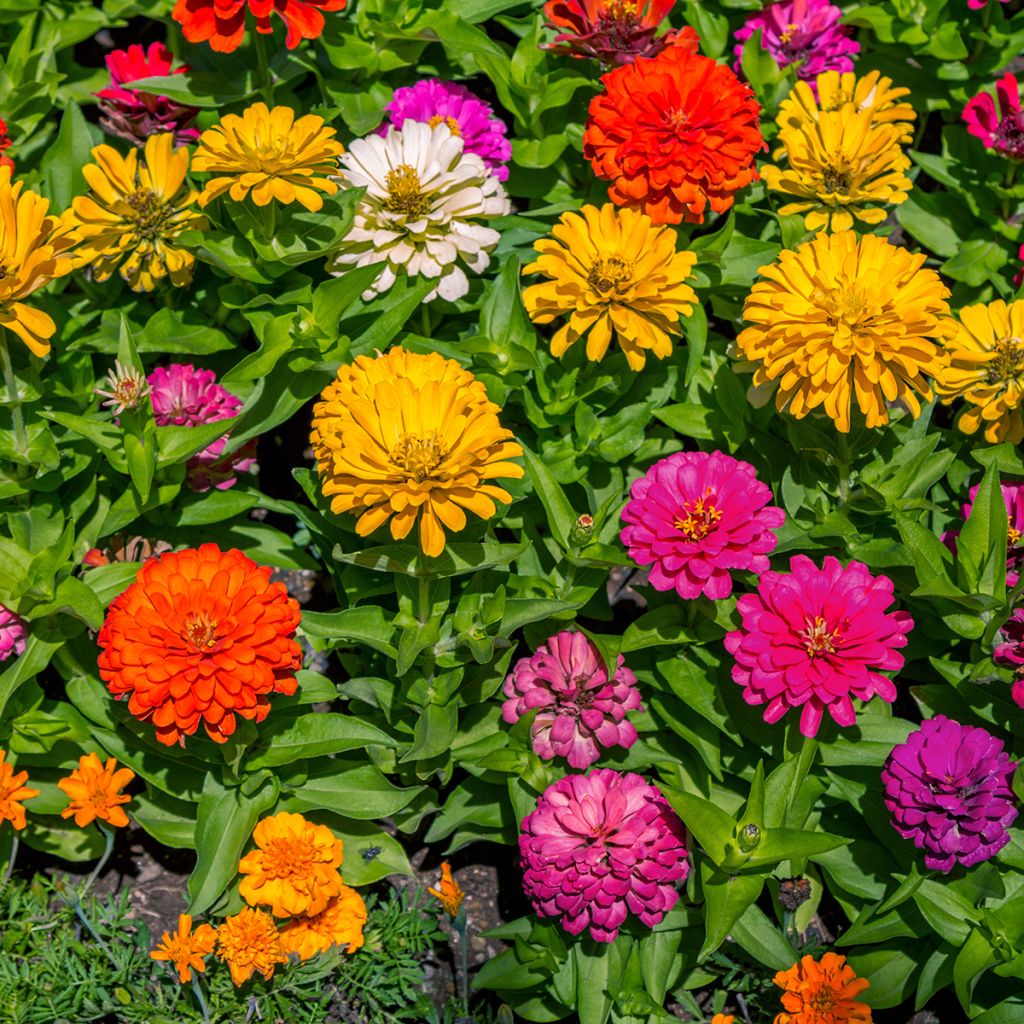
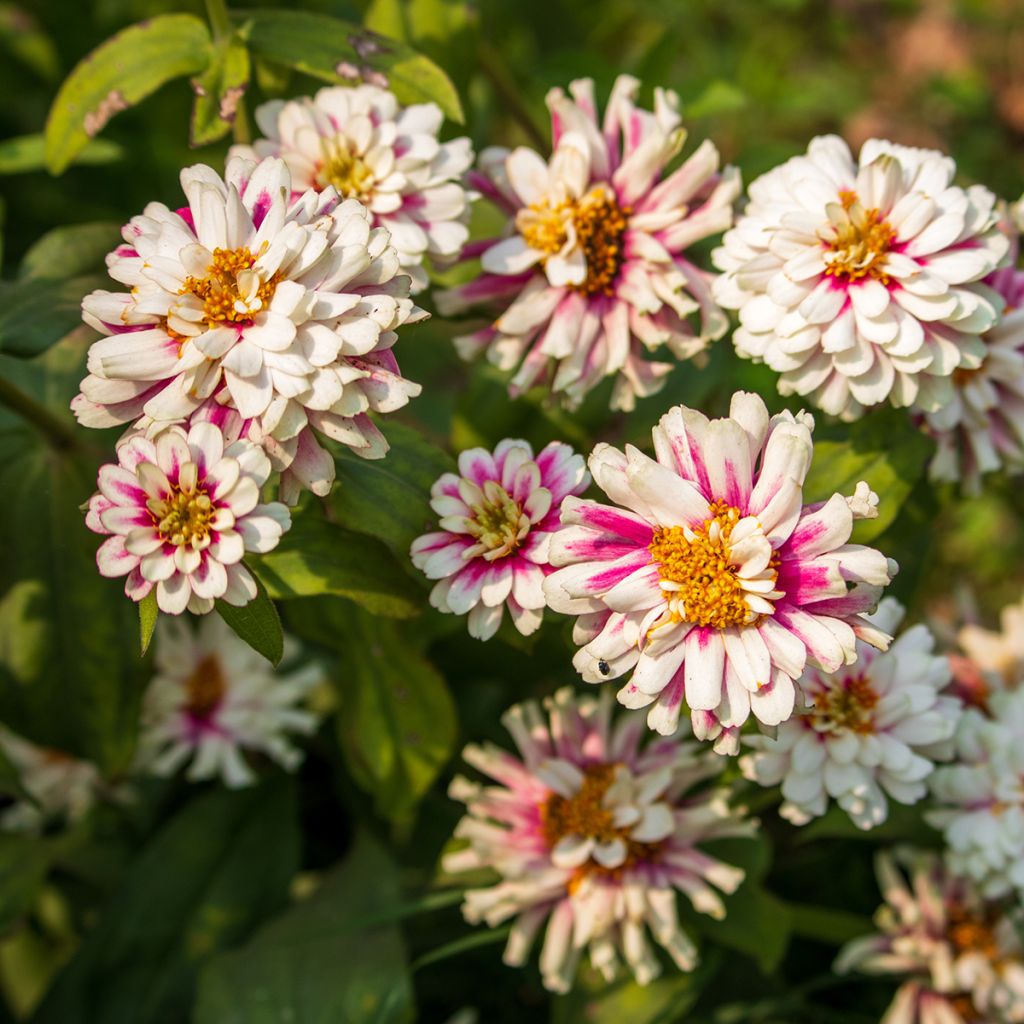
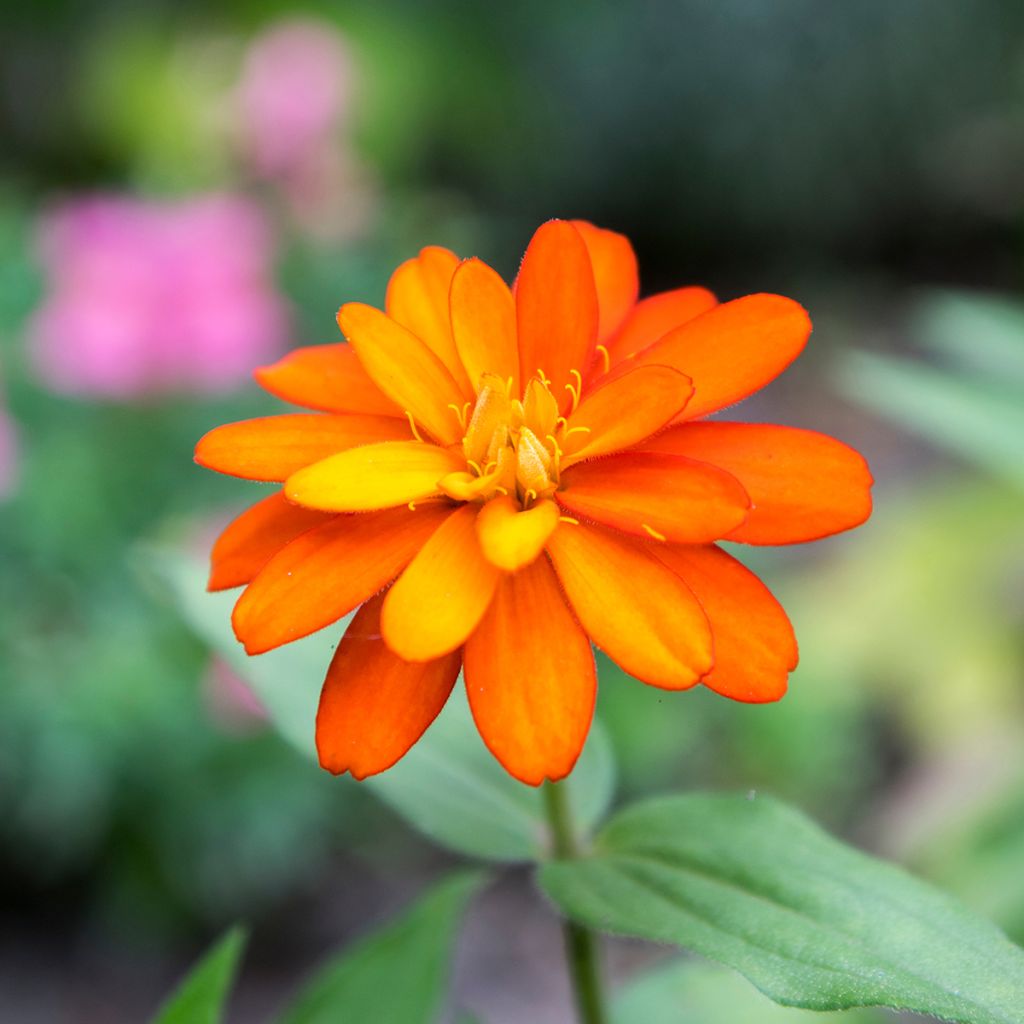
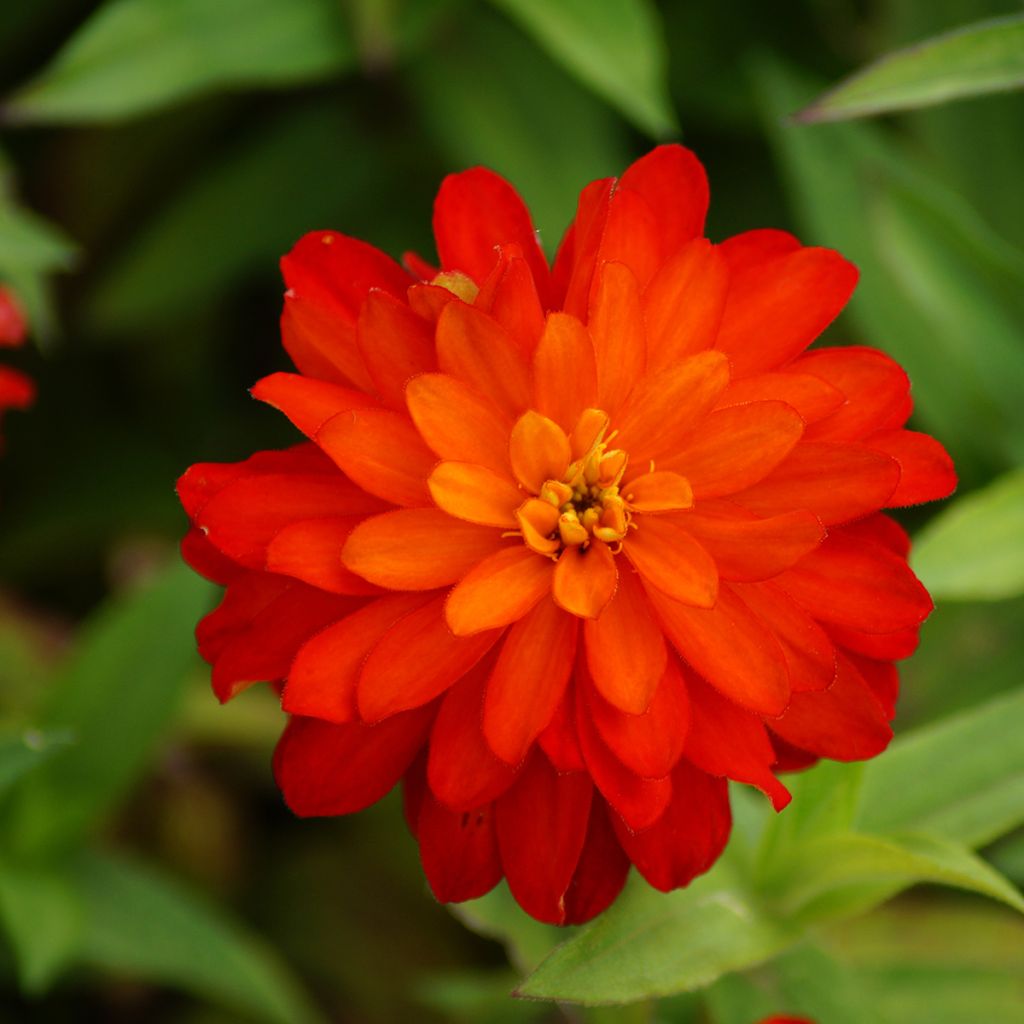
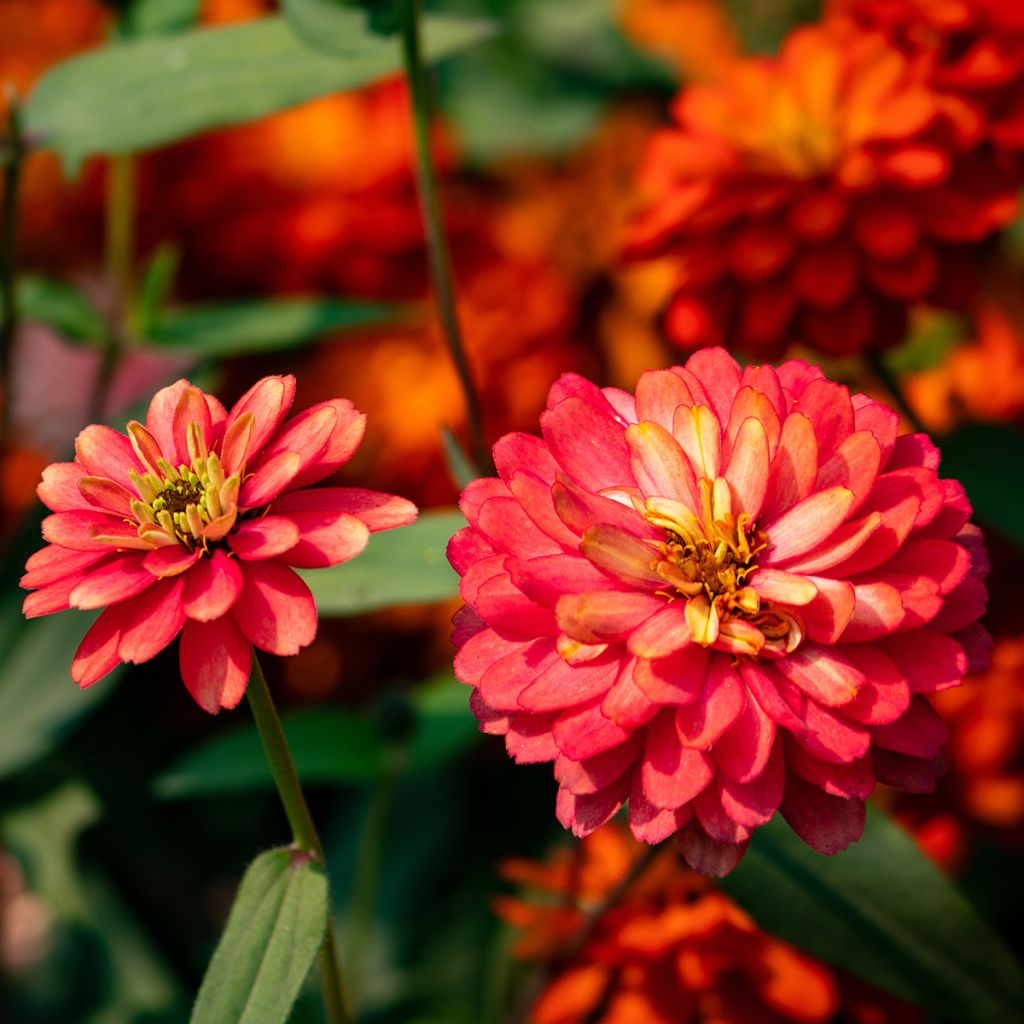
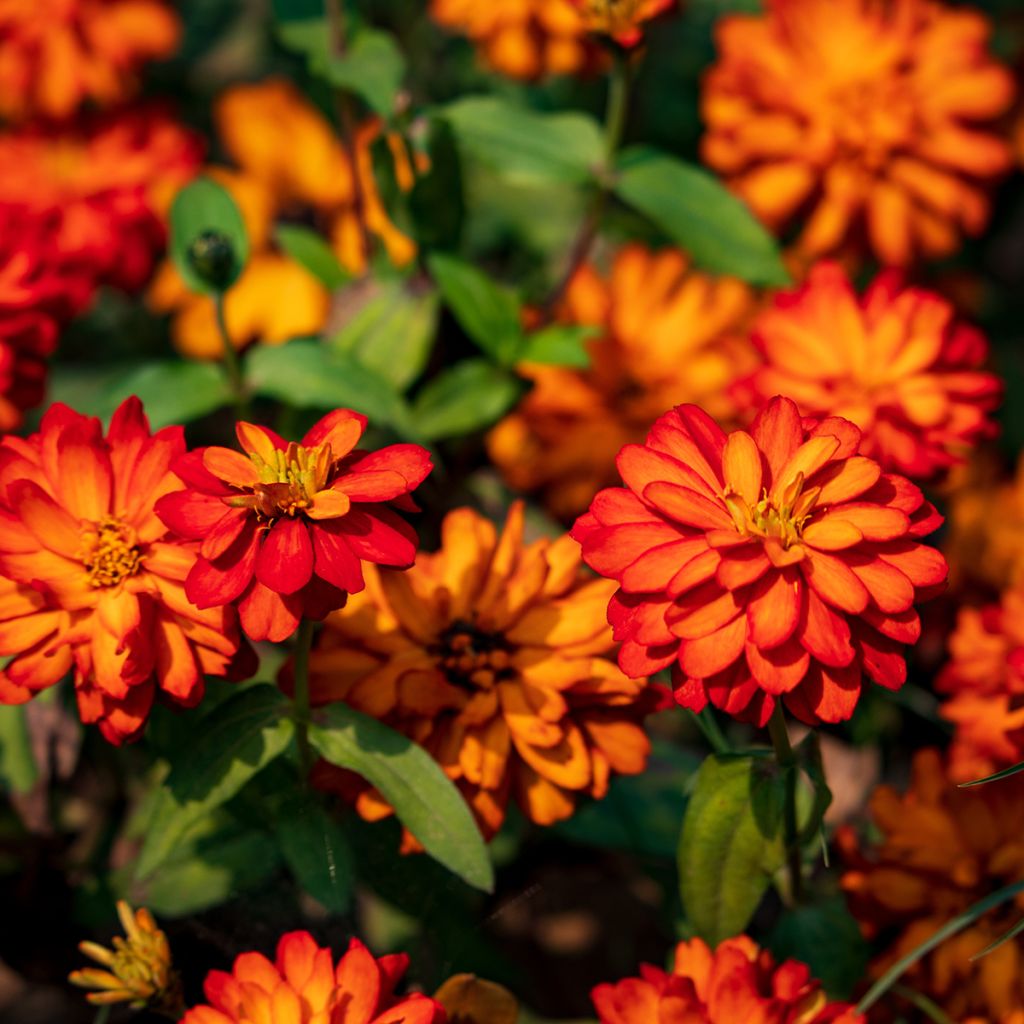
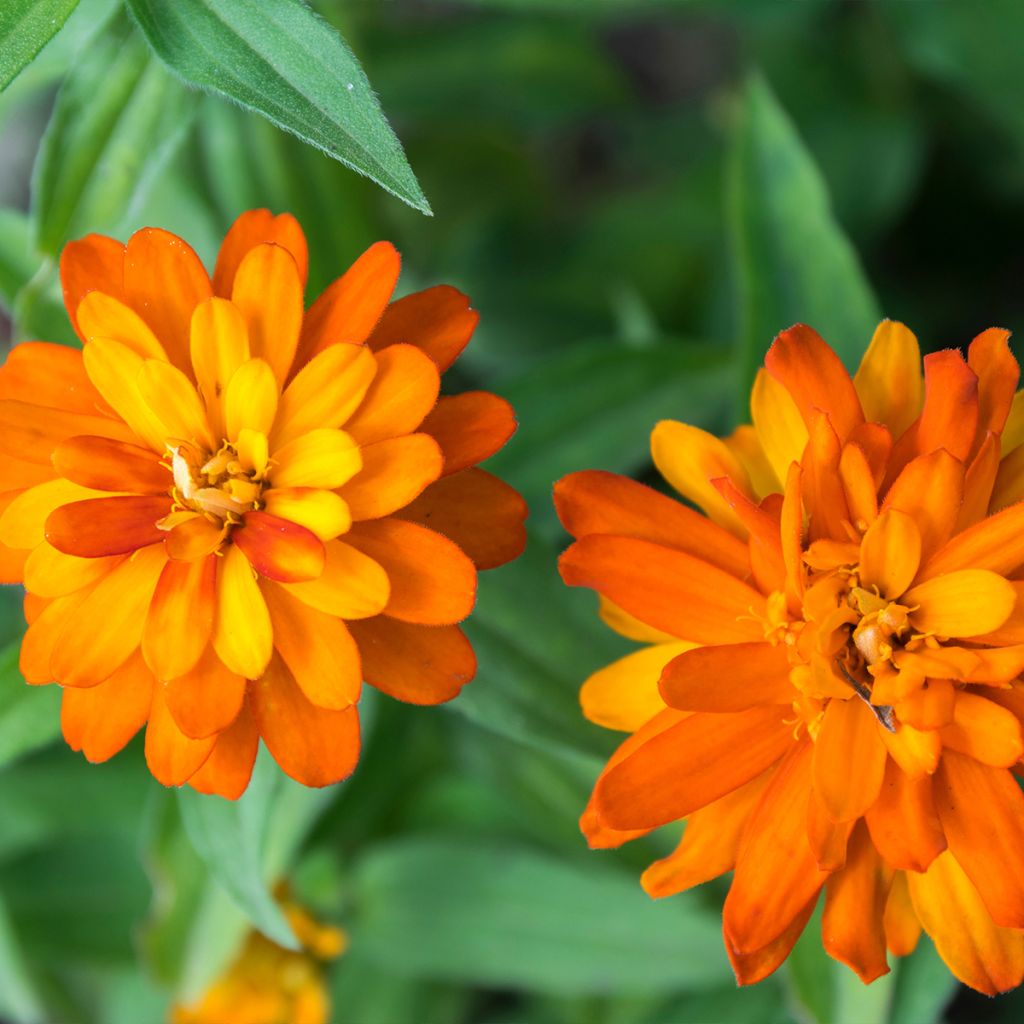
The Zinnia marylandica 'Zahara F1 Double Mixed' is one of the most floriferous high-performance hybrids. From July until the first frost, its large double flowers, 5 cm (2in) in diameter, offer a wide range of vibrant colours, giving your garden a festive atmosphere. It reaches a height of 45 cm (18in), with a width of 45 cm (18in). The flowers exude a scent reminiscent of beeswax and are beautiful in fresh or dried bouquets. Resistant to diseases and tolerant of extreme weather conditions, this type of annual plant is easy to grow and requires little care, but it thrives best in well-drained soil and sunlight. It is perfect for borders and container gardens. An attractive and low-maintenance plant!
Zinnia is an annual herbaceous plant native to the scrublands and desert meadows of southern United States and Mexico. It is a flower of the Asteraceae family, closely related to daisies and cosmos. Zinnias are synonymous with friendship and romantic love in the language of flowers. In Victorian times, red and magenta zinnias were very popular for expressing romantic and amorous feelings. They also represent celebration and gathering among friends. Their Latin name, Zinnia, comes from Dr. Johann Gottfried Zinn, a European scholar who described one of the species in the genus in the 1600s. The common zinnia only became popular a century later.
Zinnia marylandica, also known as the Maryland Zinnia, is a hybrid obtained at the University of Maryland in the early 80s. It produces several varieties resulting from cross-breeding between Zinnia elegans and another disease-resistant species. They thrive in full sun but can tolerate light shade. They require rich and well-drained soil. Drought-tolerant and disease-resistant, they are characterised by deciduous foliage and lanceolate, opposite, petiolate, pale green leaves. From June to autumn, they produce flowers of various colours depending on the cultivar, either single or double, and either solid or bicoloured. They are used in flower beds, borders, pots, or for bouquets. They are easy to grow and require little maintenance. Simply deadhead the faded flowers to maintain their beauty and prolong flowering. They are nectariferous plants that will delight bees and butterflies.
In 2009, the 'Zahara F1 Double' series was introduced for the first time. It offers a vigorous and disease-resistant plant while perfectly tolerating heat and drought. Moreover, it has vibrant and unique colours. It stands out for its robustness and its ability to adapt to climatic conditions. This dwarf variety grows rather quickly, forming a bushy and compact clump, reaching a height of no more than 40 to 50 cm (16 to 20in). The stiff stems are angular or round, and the medium to pale green foliage is rough and slightly fuzzy. The opposite leaves have a linear, ovate, or elliptical shape and measure 4 to 6 cm (2in). Flowering occurs as early as July and continues until the first frost. The solitary heads are composed of several rows of ligulate petals surrounding a central disc and more or less visible pistils. Its palette of colours brings a unique touch to your garden.
Maryland Zinnias are easy-to-grow and versatile annual plants. It tolerates heat well and requires little maintenance. It thrives in well-drained and sunny soils. To promote its long flowering period, it is recommended to remove faded flowers. When mixed, these different varieties of dwarf Zinnias are highly appreciated for their ability to adapt to sunny and challenging areas. They are ideal for dressing up borders and rock gardens. They can be combined with Gauras, Cosmos, Coreopsis, Damask Nigellas, or grasses such as Stipa tenuifolia or Eragrostis trichoides, for a contemporary look. They can be planted as borders, in flower beds, in the vegetable garden, or in pots on the terrace, and can be used to decorate bouquets. They are very low-maintenance and will enhance your outdoor space during the summer.
Gardener's tip: Beware of powdery mildew, which stains the foliage and hinders the plant's development. It can be avoided by spacing out the zinnias and allowing air to circulate between the plants, and by avoiding wetting the leaves through ground-level watering.

Flowering
Foliage
Plant habit
Botanical data
Zinnia
marylandica
Zahara F1 Double Mix
Asteraceae
Zinnia
Cultivar or hybrid
Planting and care
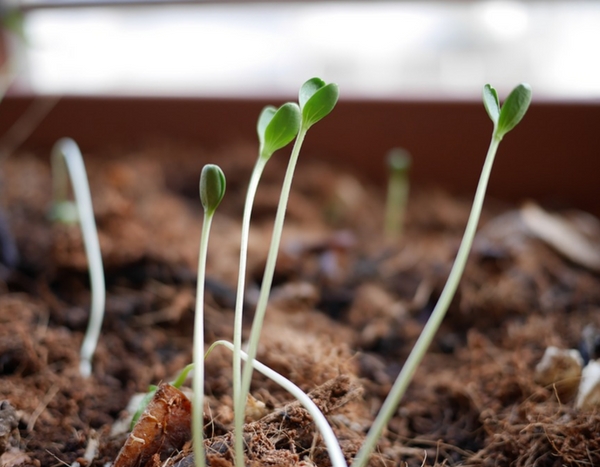
Sow the Zinnia Marylandica 'Zahara Double F1 Mixed' seeds directly from April to May in loosened and warmed soil. Do not bury the seeds too deeply (3 mm (<1in) is sufficient) and space them 30 cm (12in) apart. Keep the soil moist until germination, which usually takes between 7 and 14 days.
For early flowering, sow from March to April (indoors, at a temperature ranging from 15 to 25°C (59 to 77°F)) in a tray filled with good seed compost that you keep moist but not waterlogged. When the plants are large enough to handle, transplant them into pots. Acclimate your Zinnias gradually to cooler conditions for about two weeks before planting them in the garden, once the risk of frost has passed. Space the plants 30 cm (12in) apart.
Zinnias thrive in the sun and withstand high temperatures, provided they are watered a little. They do best in neutral, rich, and well-drained soil. Although they will still tolerate a garden soil that is just average. They may occasionally be susceptible to powdery mildew, a nuisance that can be easily avoided by not planting them in a confined area and being careful not to wet their foliage. Be cautious during planting as slugs are fond of their young tender leaves.
Sowing period
Intended location
Planting & care advice
-

-
-

-

-

-

-

-

This item has not been reviewed yet - be the first to leave a review about it.
Recently viewed products
Haven't found what you were looking for?
Hardiness is the lowest winter temperature a plant can endure without suffering serious damage or even dying. However, hardiness is affected by location (a sheltered area, such as a patio), protection (winter cover) and soil type (hardiness is improved by well-drained soil).

The flowering period indicated on our website applies to countries and regions located in USDA zone 8 (France, the United Kingdom, Ireland, the Netherlands, etc.)
It will vary according to where you live:- In zones 9 to 10 (Italy, Spain, Greece, etc.), flowering will occur about 2 to 4 weeks earlier.
- In zones 6 to 7 (Germany, Poland, Slovenia, and lower mountainous regions), flowering will be delayed by 2 to 3 weeks.
- In zone 5 (Central Europe, Scandinavia), blooming will be delayed by 3 to 5 weeks.
In temperate climates, pruning of spring-flowering shrubs (forsythia, spireas, etc.) should be done just after flowering.
Pruning of summer-flowering shrubs (Indian Lilac, Perovskia, etc.) can be done in winter or spring.
In cold regions as well as with frost-sensitive plants, avoid pruning too early when severe frosts may still occur.
The planting period indicated on our website applies to countries and regions located in USDA zone 8 (France, United Kingdom, Ireland, Netherlands).
It will vary according to where you live:
- In Mediterranean zones (Marseille, Madrid, Milan, etc.), autumn and winter are the best planting periods.
- In continental zones (Strasbourg, Munich, Vienna, etc.), delay planting by 2 to 3 weeks in spring and bring it forward by 2 to 4 weeks in autumn.
- In mountainous regions (the Alps, Pyrenees, Carpathians, etc.), it is best to plant in late spring (May-June) or late summer (August-September).
The harvesting period indicated on our website applies to countries and regions in USDA zone 8 (France, England, Ireland, the Netherlands).
In colder areas (Scandinavia, Poland, Austria...) fruit and vegetable harvests are likely to be delayed by 3-4 weeks.
In warmer areas (Italy, Spain, Greece, etc.), harvesting will probably take place earlier, depending on weather conditions.
The sowing periods indicated on our website apply to countries and regions within USDA Zone 8 (France, UK, Ireland, Netherlands).
In colder areas (Scandinavia, Poland, Austria...), delay any outdoor sowing by 3-4 weeks, or sow under glass.
In warmer climes (Italy, Spain, Greece, etc.), bring outdoor sowing forward by a few weeks.
Shipping country and language
Your country of residence may be:
Your country of residence is:
For a better user experience on our website, you can select:
Your shipping country:
-
 Austria
-
 Belgium
-
 Bosnia & Herzegovina
-
 Bulgaria
-
 Croatia
-
 Cyprus
-
 Czechia
-
 Denmark
-
 Estonia
-
 Finland
-
 France
-
 Germany
-
 Greece
-
 Hungary
-
 Iceland
-
 Ireland
-
 Italy
Italy
-
 Latvia
-
 Liechtenstein
-
 Lithuania
-
 Luxembourg
-
 Malta
Malta
-
 Netherlands
-
 Poland
-
 Portugal
-
 Romania
-
 Serbia
-
 Slovakia
-
 Slovenia
-
 Spain
Spain
-
 Sweden
-
 Switzerland
Language:
-
French
-
 English
-
Spanish
-
Italian
-
German
-
Portuguese
-
Dutch
-
Finnish
My Account
Hello
My wish lists
My cart
Log in / Register
Existing customer?
This form is protected by reCAPTCHA - the Google Privacy Policy and Terms of Service apply.
New customer?
Create an account to track your orders, access our customer service and, if you wish, make the most of our upcoming offers.