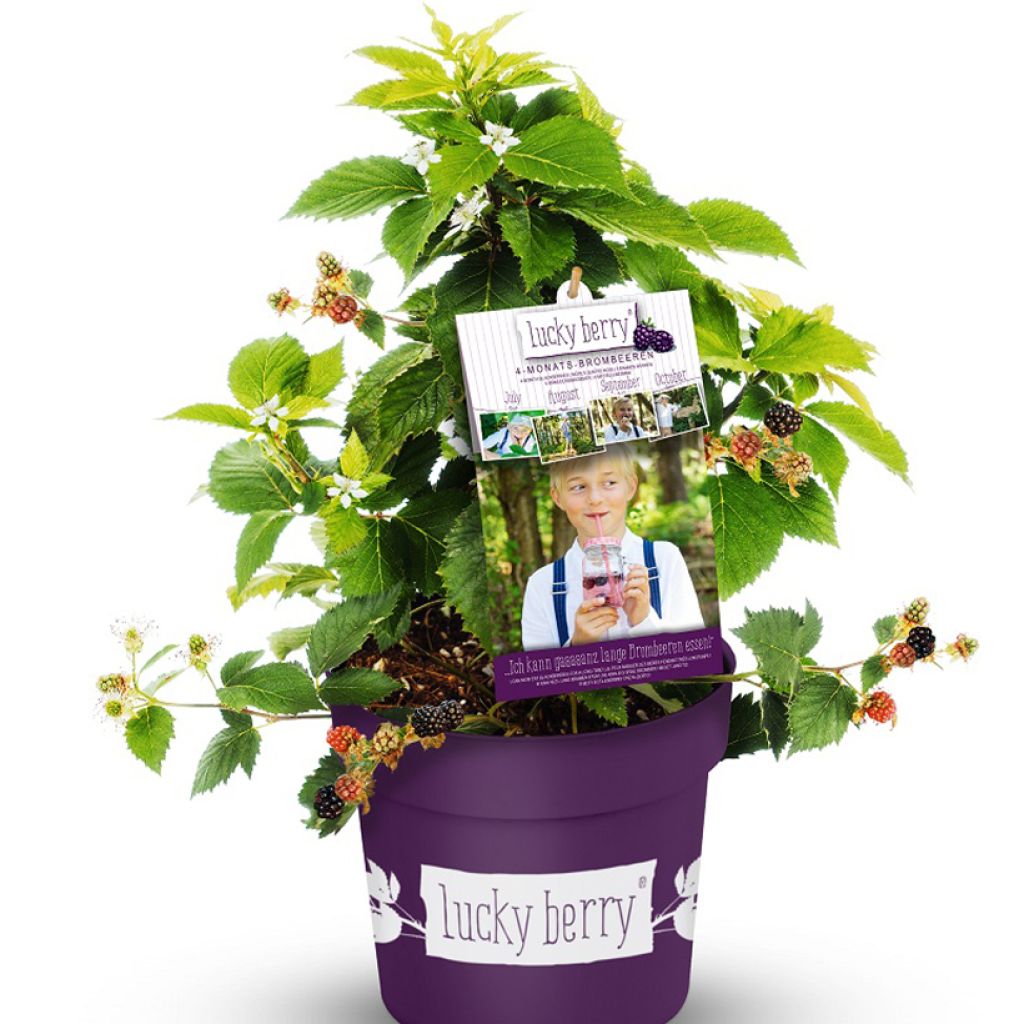
Blackberry Lucky Berry - Rubus fruticosus
Blackberry Lucky Berry - Rubus fruticosus
Rubus fruticosus Lucky Berry®
Blackberry, Bramble
Back-to-school special offer!
Get €10 off for every €50 you spend! And get up to €40 off on a single order.
How does it work?
1. Shop your favourites
Add your favourite plants to your basket. For every €50 you spend (excluding delivery charges, store credit and the plastic-free option), you’ll receive a €10 voucher.
€50 spent = €10 voucher
€100 spent = €20 voucher
€150 spent = €30 voucher
€200 spent = €40 voucher
2. Place your order
Once your basket reaches one of the spending thresholds, place your order. You can even choose your delivery date!
3. Receive your voucher
As soon as your order has been shipped, you’ll receive an email containing your personal voucher code and its value.
4. Use it on your next order
Your voucher is valid for 90 days from the date you receive it. It can be used once only, on a new order worth at least the value of the voucher, excluding delivery charges.
Please note: Vouchers can be combined with other offers, but cannot be split or refunded.
Home or relay delivery (depending on size and destination)
Important: You may be charged customs duties by your country’s customs authorities upon delivery.
Schedule delivery date
and select date in basket
This plant carries a 12 months recovery warranty
More information
We guarantee the quality of our plants for a full growing cycle, and will replace at our expense any plant that fails to recover under normal climatic and planting conditions.
Description
Blackberry 'Lucky Berry' is a dwarf and compact variety, capable of producing consistently for 4 months, from July to October. Blackberries are very healthy and juicy, with a high content of vitamins A and E, magnesium, and antioxidants. They are delicious to eat fresh or to cook with. Due to its small size, not exceeding 0.80 to 1 m, this fruit bush adapts to many uses in the garden. From June to September, its white flowers attract pollinating insects and provide a decorative touch. It can be maintained at the desired height as it tolerates pruning well. Well-drained soil, rich in humus and nutrients, and a sunny to semi-shaded location are the optimal conditions for good fruiting. Planting is recommended in autumn or spring in regions with cold or humid winters.
Rubus belongs to the rose family, it is native to the mountains of the Caucasus in Asia Minor. This genus has diversified over time and has given rise to several subgenera, including the raspberry (Rubus idaeus) and the common blackberry (Rubus fruticosus). This latter genus has many subspecies that differ in fruit size, colour, and acidity. In Europe and America, this berry has been consumed for about 2000 years. Rubus fruticosus is more commonly known as the blackberry or wild mulberry. It is a woody climbing vine that can measure 5 m wide or more, generally with thorny stems. It is present in many temperate regions of the world, where it is often considered an invasive plant.
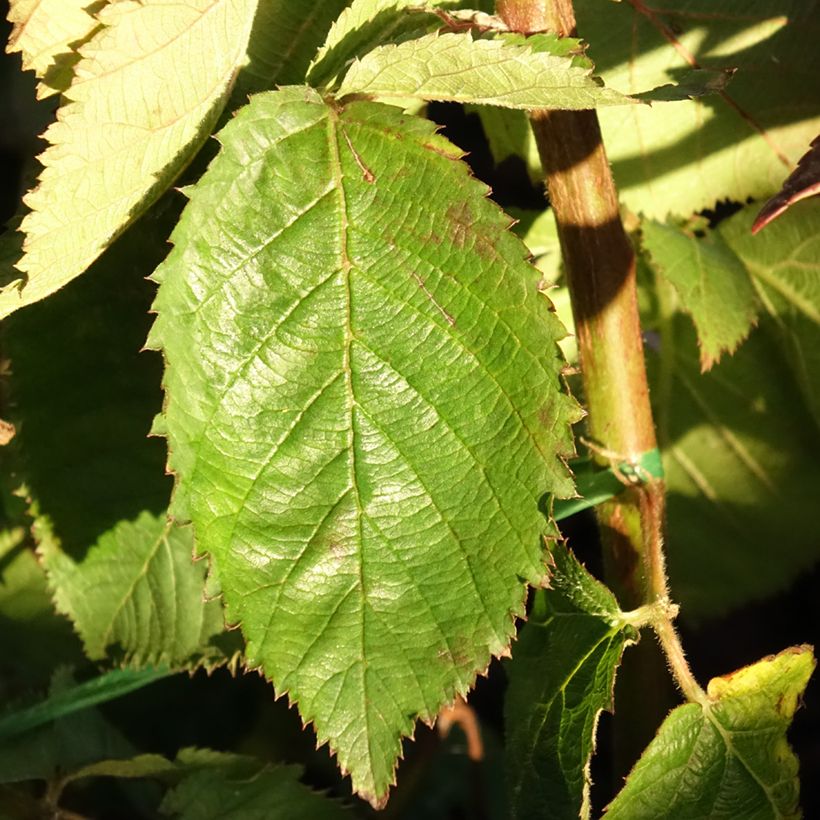
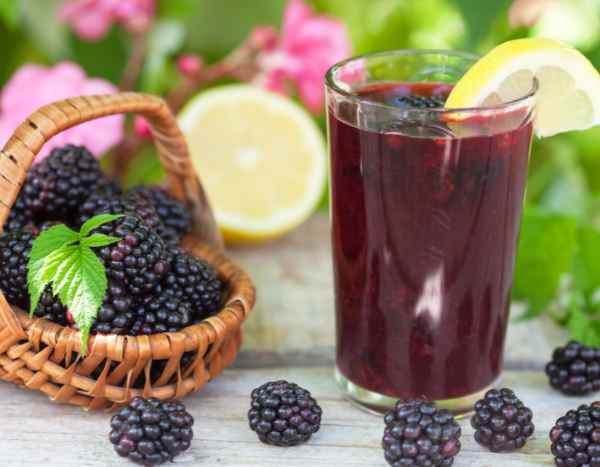
Rubus fruticosus 'Lucky Berry' is part of a selection of very innovative fruit plants distributed under the Lucky Berry brand. It complements a range composed of a blueberry, a strawberry, a raspberry, and a fig tree. All have been selected for their long harvest periods with high yields of sweet and juicy fruits on compact vegetation suitable for pot cultivation, while also being resistant to winter and diseases. This variety of garden blackberry forms a very compact, bushy shrub reaching a height of 80 cm and a spread of 60 cm. The bright green foliage is deciduous, falling in autumn and composed of small, serrated leaves with visible veins, very similar to raspberry leaves. The stems are sparsely thorny, which makes picking easier. Fruiting occurs on the current year's branches, so it is important to renew them each year by pruning the plant to 15 cm above the ground. From the first year, from June to July, the abundant and nectar-rich flowering is composed of numerous small white, single, 1 to 2 cm diameter flowers, grouped in clusters. The fruits that form are composed of drupes clustered on the receptacle. They are quite large, red and then black and shiny when ripe. They should be picked when fully black when they are sweet and tangy, juicy and flavourful.
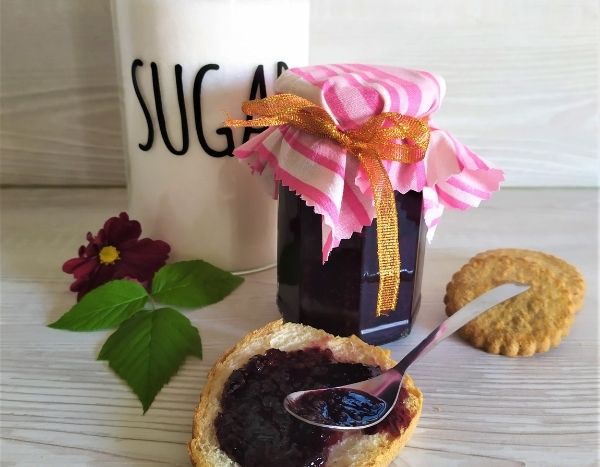
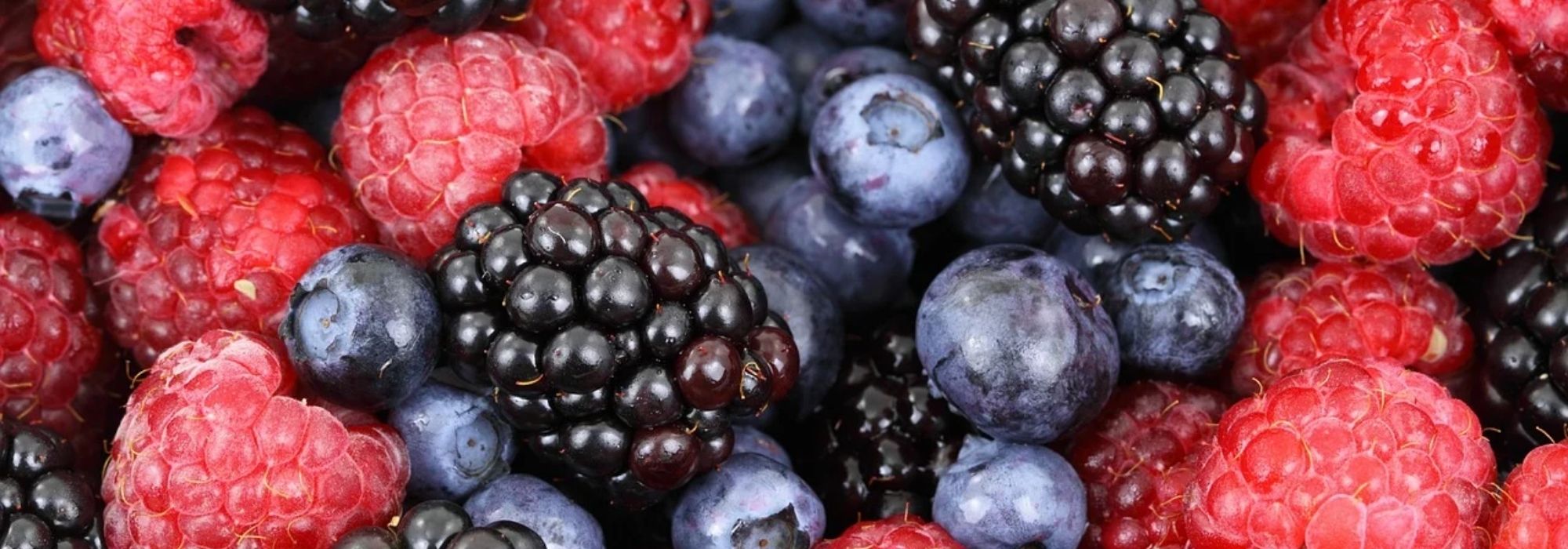
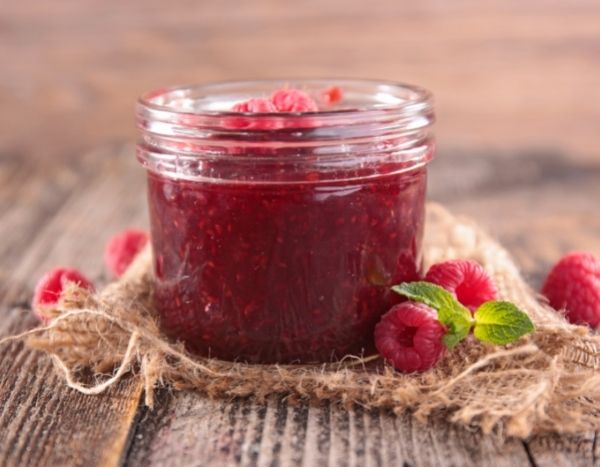
Harvesting of blackberries begins in July and continues until October, which offers the advantage of staggered harvesting. Blackberries are delicate fruits that need to be carefully picked, a light wash with water is possible, and they keep better in the refrigerator. Harvesting is easy, and it is very enjoyable to eat the fruits on the spot or pick them for various culinary uses: jellies, jams, sorbets, coulis, syrups, juices, tiramisu, crumbles, puddings... not to mention the famous blackberry pies... Low in calories, but rich in minerals (manganese, iron, potassium), vitamin C and K, fibre and antioxidants, blackberries contribute to a good nutritional balance.
Hardy down to -20°C and easy to grow, the Lucky Berry blackberry is happy with ordinary soil, with a preference for fertile, well-drained, moist soil, without excessive limestone. This short variety is perfect for balconies and terraces and can easily be grown in pots. Once established, it will quickly become a beautiful ornamental plant for your garden. In the ground, it can be associated with other fruit trees to create a small edible hedge. In this hedge, it can be planted alongside May berries (Lonicera kamchatka), raspberries, blueberries, garden blackberries, redcurrants, or blackcurrants. These plants are vigorous and undemanding, making them perfectly suited for a natural garden.

Blackberry Lucky Berry - Rubus fruticosus in pictures
Plant habit
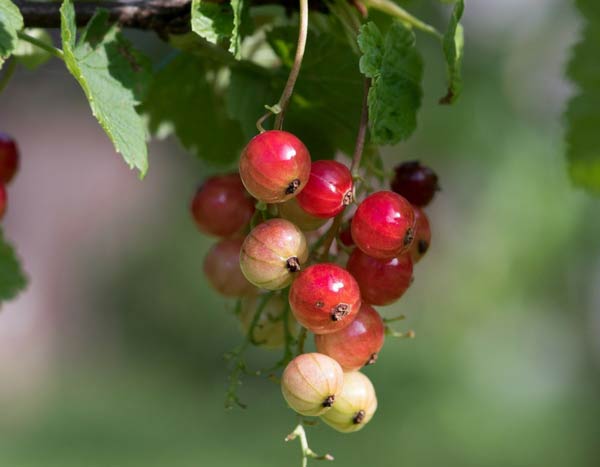
Fruit
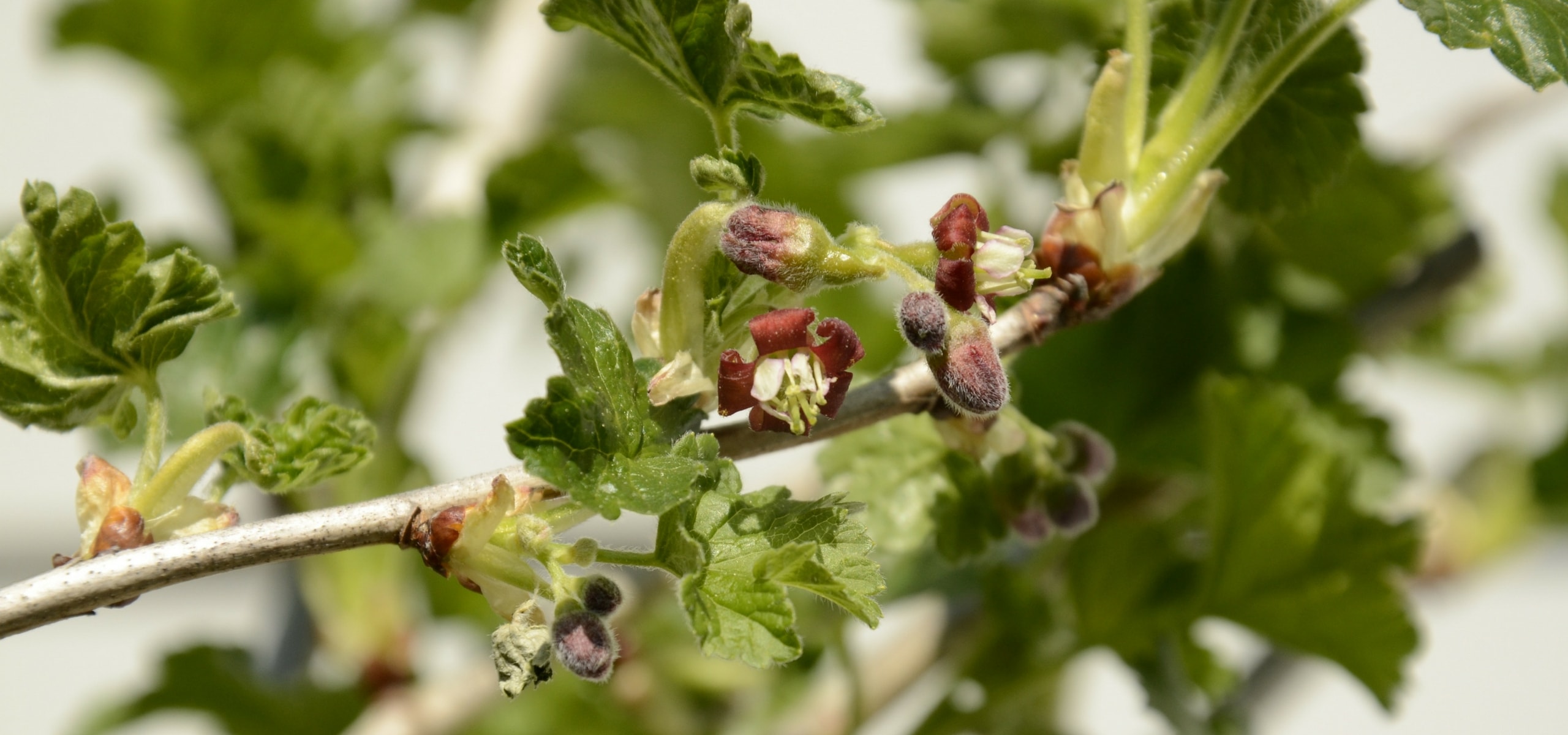
Flowering
Foliage
Botanical data
Rubus
fruticosus
Lucky Berry®
Rosaceae
Blackberry, Bramble
Cultivar or hybrid
Planting and care
The Lucky Berry dwarf Blackberry prefers deep, fertile, and moist soils, but it is a low-maintenance plant that will adapt to any ordinary soil, as long as it is not too dry in summer. This bramble bears fruit in the sun, partial shade, or even shade, but the fruits will be of lower quality. Further north it will tolerate the sun well, while in the south, it will prefer partial shade. It is best to plant it in the garden in autumn, from September to November, avoiding frost periods, or in spring, from March to April, avoiding excessively dry periods.
Dig a hole twice as large as the root system. Loosen the root ball with a slightly sharp tool to untangle the roots and promote growth. Place the bush in the hole without burying it too deep. Water well to compact the soil and remove air around the roots. Make sure the plant does not lack water during the first year after planting.
Water regularly to facilitate root establishment during the first year of planting. During periods of high heat or prolonged drought, provide additional water. Weed the surface, especially at the beginning of planting, and apply mulch to keep the soil cool in summer. Apply some compost on the surface every year in autumn. Mound the base, especially if your soil is very moist. The blackberry bush is not very susceptible to diseases and pests.
For container cultivation: use a mixture of potting soil and garden soil, and create a drainage layer at the bottom of the perforated pot. Feed your blackberry bush with compost or small fruit fertiliser and water regularly to keep the substrate slightly moist, but not waterlogged.
Planting period
Intended location
Care
Planting & care advice
-
-
-
-
-
-
-
-
This item has not been reviewed yet - be the first to leave a review about it.
Recently viewed products
Haven't found what you were looking for?
Hardiness is the lowest winter temperature a plant can endure without suffering serious damage or even dying. However, hardiness is affected by location (a sheltered area, such as a patio), protection (winter cover) and soil type (hardiness is improved by well-drained soil).

The flowering period indicated on our website applies to countries and regions located in USDA zone 8 (France, the United Kingdom, Ireland, the Netherlands, etc.)
It will vary according to where you live:- In zones 9 to 10 (Italy, Spain, Greece, etc.), flowering will occur about 2 to 4 weeks earlier.
- In zones 6 to 7 (Germany, Poland, Slovenia, and lower mountainous regions), flowering will be delayed by 2 to 3 weeks.
- In zone 5 (Central Europe, Scandinavia), blooming will be delayed by 3 to 5 weeks.
In temperate climates, pruning of spring-flowering shrubs (forsythia, spireas, etc.) should be done just after flowering.
Pruning of summer-flowering shrubs (Indian Lilac, Perovskia, etc.) can be done in winter or spring.
In cold regions as well as with frost-sensitive plants, avoid pruning too early when severe frosts may still occur.
The planting period indicated on our website applies to countries and regions located in USDA zone 8 (France, United Kingdom, Ireland, Netherlands).
It will vary according to where you live:
- In Mediterranean zones (Marseille, Madrid, Milan, etc.), autumn and winter are the best planting periods.
- In continental zones (Strasbourg, Munich, Vienna, etc.), delay planting by 2 to 3 weeks in spring and bring it forward by 2 to 4 weeks in autumn.
- In mountainous regions (the Alps, Pyrenees, Carpathians, etc.), it is best to plant in late spring (May-June) or late summer (August-September).
The harvesting period indicated on our website applies to countries and regions in USDA zone 8 (France, England, Ireland, the Netherlands).
In colder areas (Scandinavia, Poland, Austria...) fruit and vegetable harvests are likely to be delayed by 3-4 weeks.
In warmer areas (Italy, Spain, Greece, etc.), harvesting will probably take place earlier, depending on weather conditions.
The sowing periods indicated on our website apply to countries and regions within USDA Zone 8 (France, UK, Ireland, Netherlands).
In colder areas (Scandinavia, Poland, Austria...), delay any outdoor sowing by 3-4 weeks, or sow under glass.
In warmer climes (Italy, Spain, Greece, etc.), bring outdoor sowing forward by a few weeks.
Shipping country and language
Your country of residence may be:
Your country of residence is:
For a better user experience on our website, you can select:
Your shipping country:
-
 Austria
-
 Belgium
-
 Bosnia & Herzegovina
-
 Bulgaria
-
 Croatia
-
 Cyprus
-
 Czechia
-
 Denmark
-
 Estonia
-
 Finland
-
 France
-
 Germany
-
 Greece
-
 Hungary
-
 Iceland
-
 Ireland
-
 Italy
Italy
-
 Latvia
-
 Liechtenstein
-
 Lithuania
-
 Luxembourg
-
 Malta
Malta
-
 Netherlands
-
 Poland
-
 Portugal
-
 Romania
-
 Serbia
-
 Slovakia
-
 Slovenia
-
 Spain
Spain
-
 Sweden
-
 Switzerland
Language:
-
French
-
 English
-
Spanish
-
Italian
-
German
-
Portuguese
-
Dutch
-
Finnish
My Account
Hello
My wish lists
My cart
Log in / Register
Existing customer?
This form is protected by reCAPTCHA - the Google Privacy Policy and Terms of Service apply.
New customer?
Create an account to track your orders, access our customer service and, if you wish, make the most of our upcoming offers.