Maxima Citron - Citrus medica Maxima
Maxima Citron - Citrus medica Maxima
Maxima Citron - Citrus medica Maxima
Maxima Citron - Citrus medica Maxima
Citrus medica Maxima
Citron, Cedrate, Etrog
Fragrant tree and already big fruits!
Tina, 04/08/2025
Back-to-school special offer!
Get €10 off for every €50 you spend! And get up to €40 off on a single order.
How does it work?
1. Shop your favourites
Add your favourite plants to your basket. For every €50 you spend (excluding delivery charges, store credit and the plastic-free option), you’ll receive a €10 voucher.
€50 spent = €10 voucher
€100 spent = €20 voucher
€150 spent = €30 voucher
€200 spent = €40 voucher
2. Place your order
Once your basket reaches one of the spending thresholds, place your order. You can even choose your delivery date!
3. Receive your voucher
As soon as your order has been shipped, you’ll receive an email containing your personal voucher code and its value.
4. Use it on your next order
Your voucher is valid for 90 days from the date you receive it. It can be used once only, on a new order worth at least the value of the voucher, excluding delivery charges.
Please note: Vouchers can be combined with other offers, but cannot be split or refunded.
Home or relay delivery (depending on size and destination)
Important: You may be charged customs duties by your country’s customs authorities upon delivery.
Schedule delivery date
and select date in basket
This plant carries a 12 months recovery warranty
More information
We guarantee the quality of our plants for a full growing cycle, and will replace at our expense any plant that fails to recover under normal climatic and planting conditions.

Description
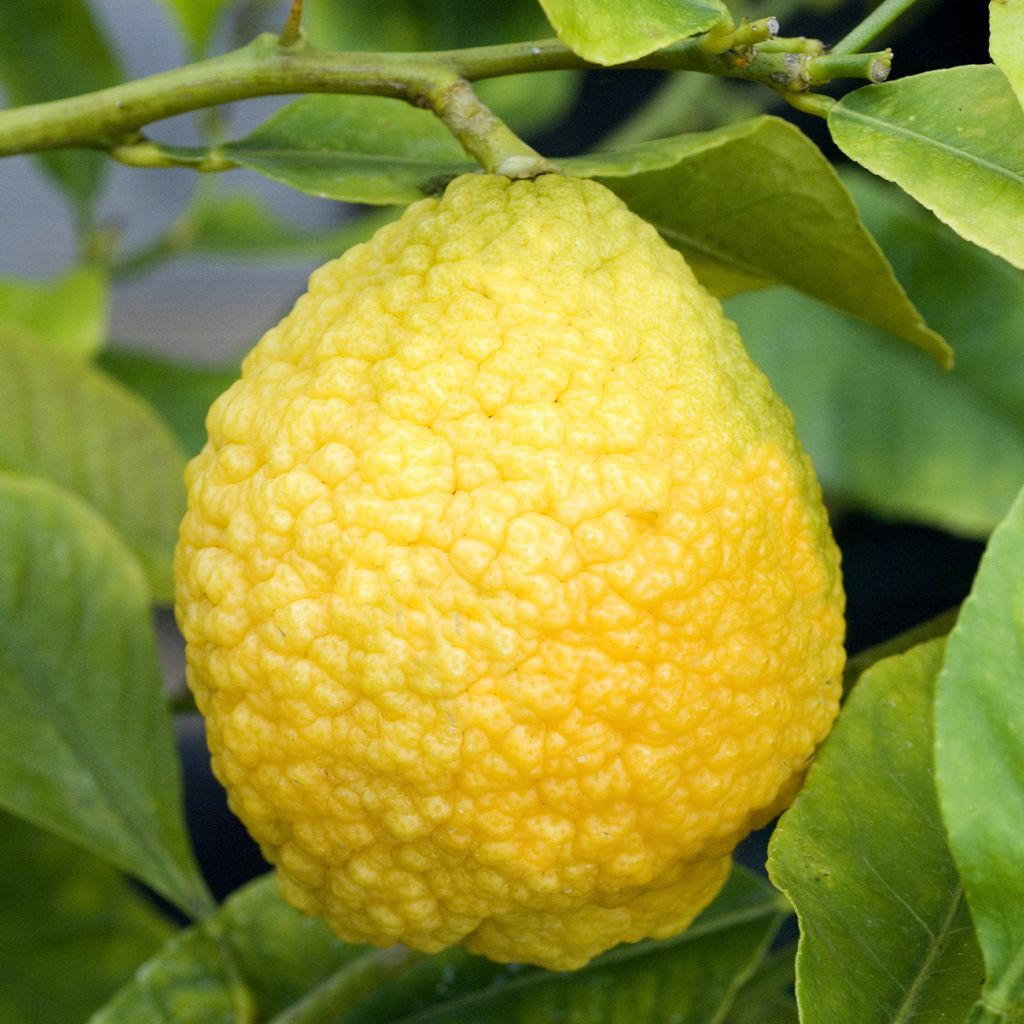
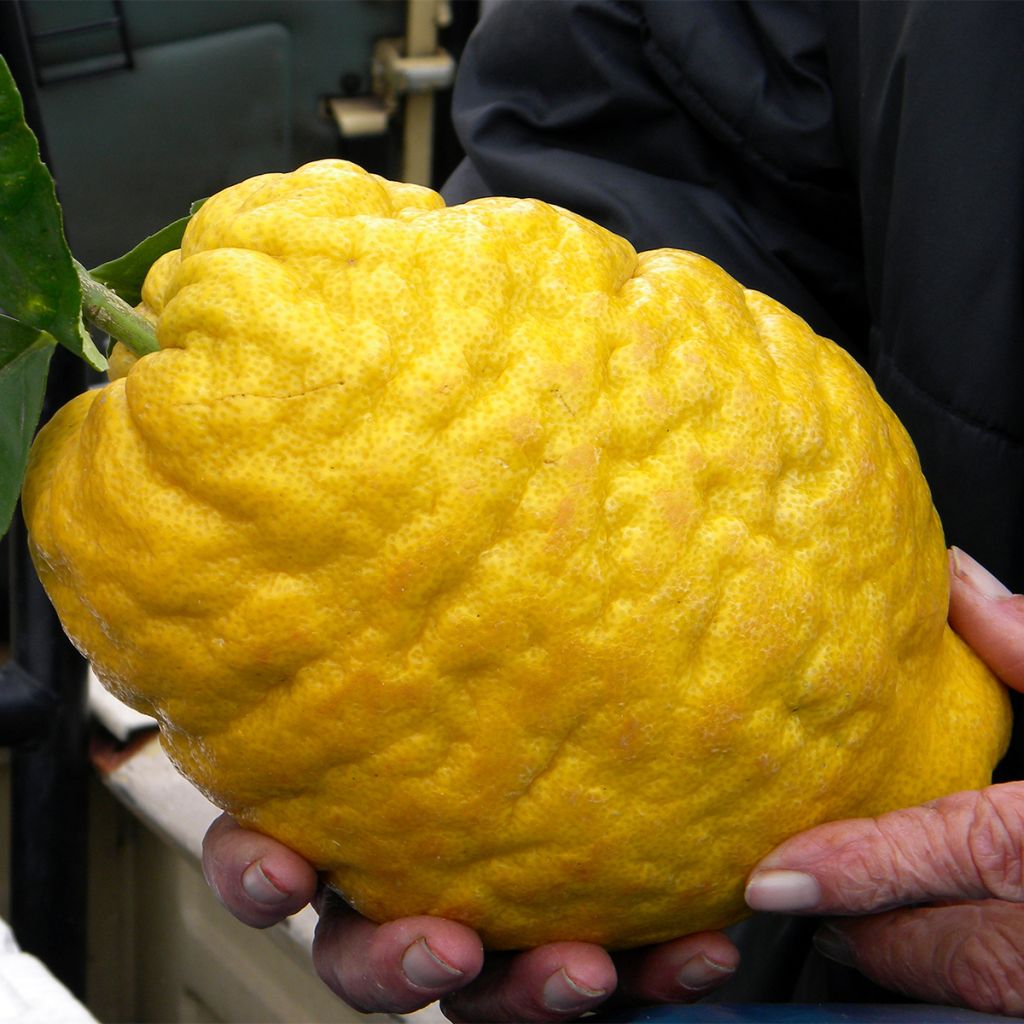
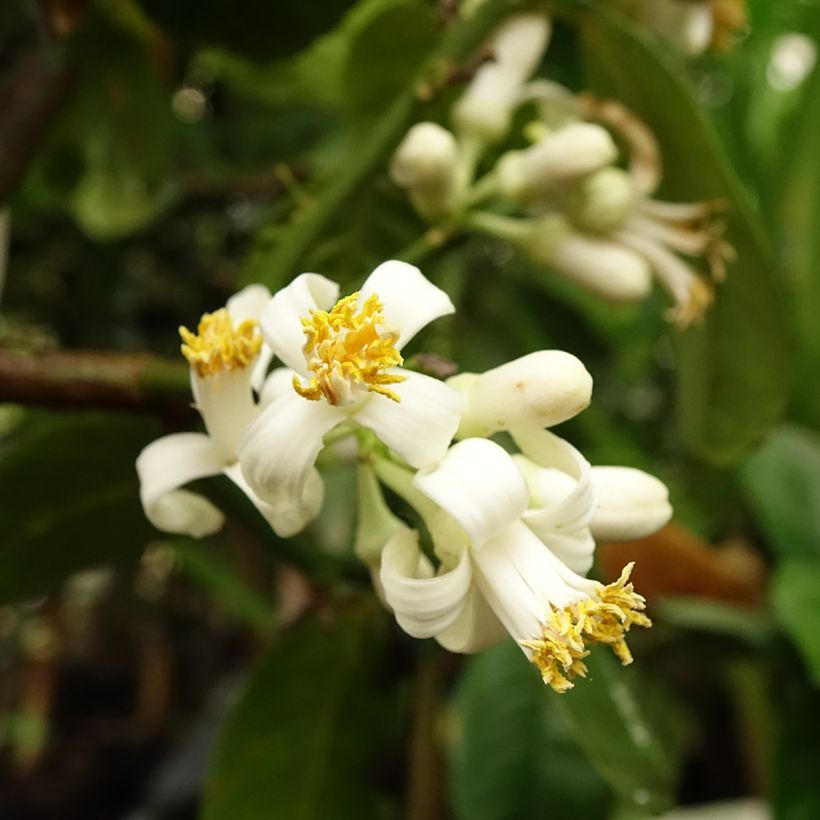
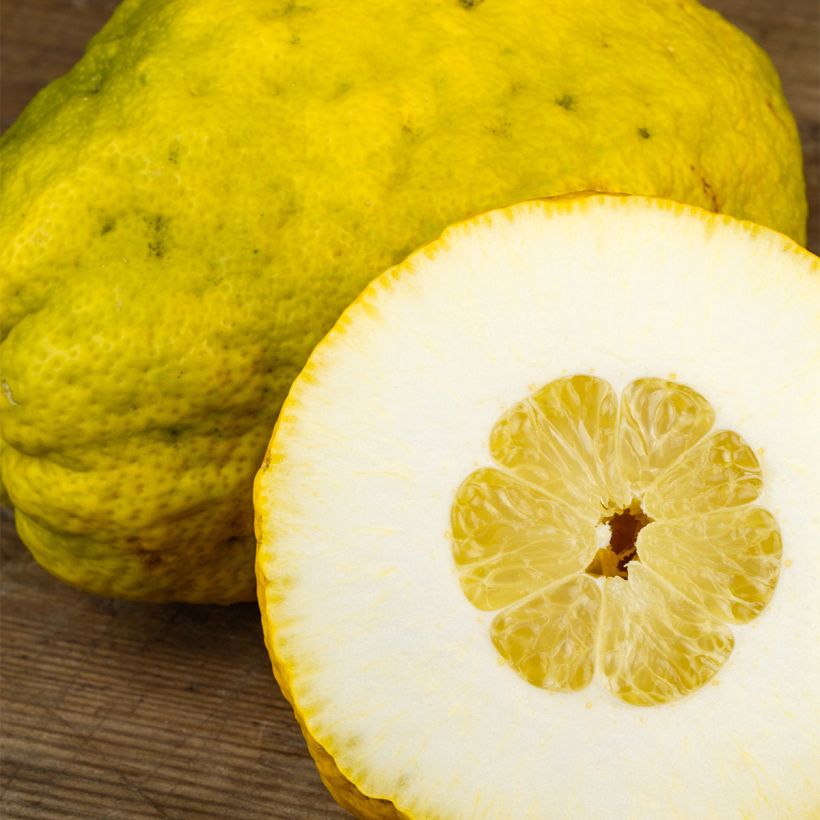
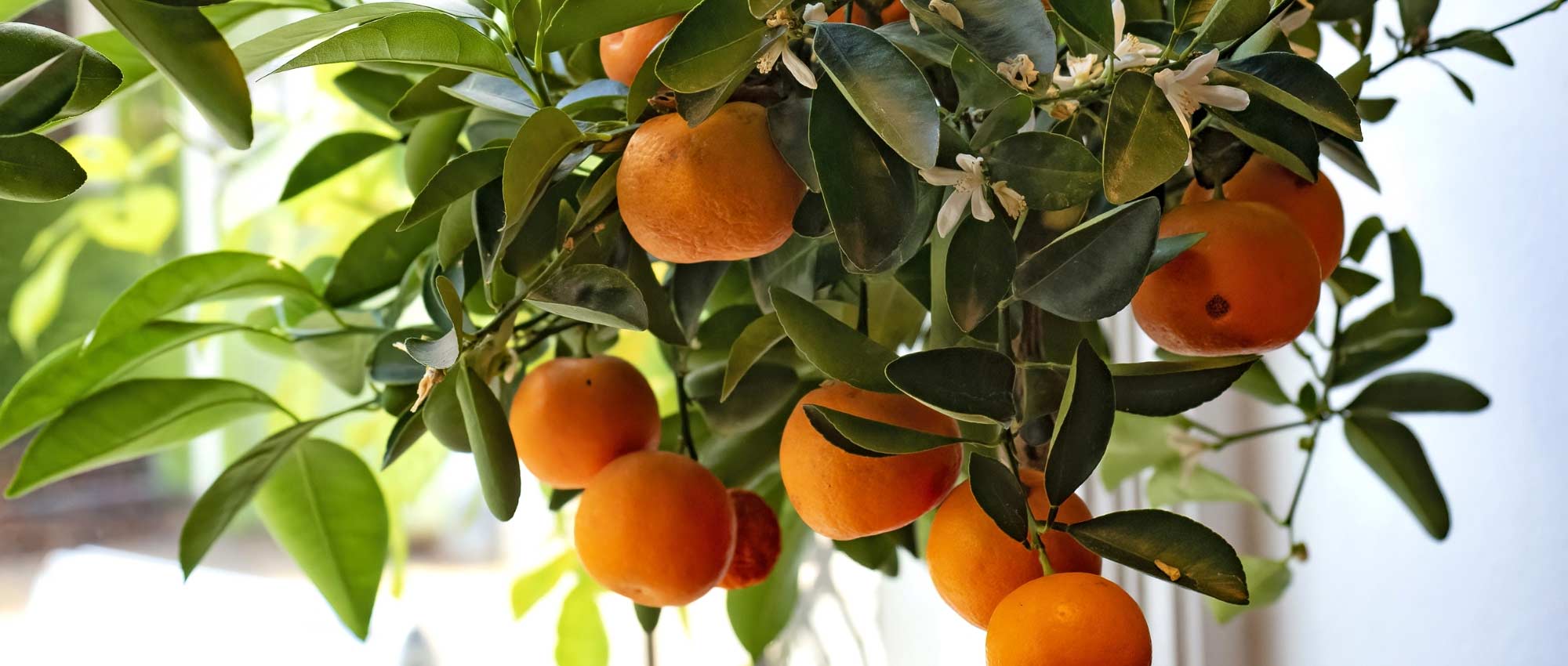
Citrus medica 'Maxima' is a variety of citron sought after by collectors for its enormous and truly spectacular fruits. It is an original and highly decorative citrus tree. This thorny bush bears large, well-scented white flowers, in spring and again in autumn, and its fruits resemble oversized, bumpy lemons, changing from green to yellow when ripe. Their pulp is slightly acidic, not very dense, while the skin is remarkably aromatic. Very sensitive to cold, the 'Maxima' citron is a tropical citrus tree that does not tolerate temperatures below 3°C (37.4°F). It is cultivated in pots, to be stored in a greenhouse or conservatory between October and the end of April, at a temperature of around 12°C (53.6°F).
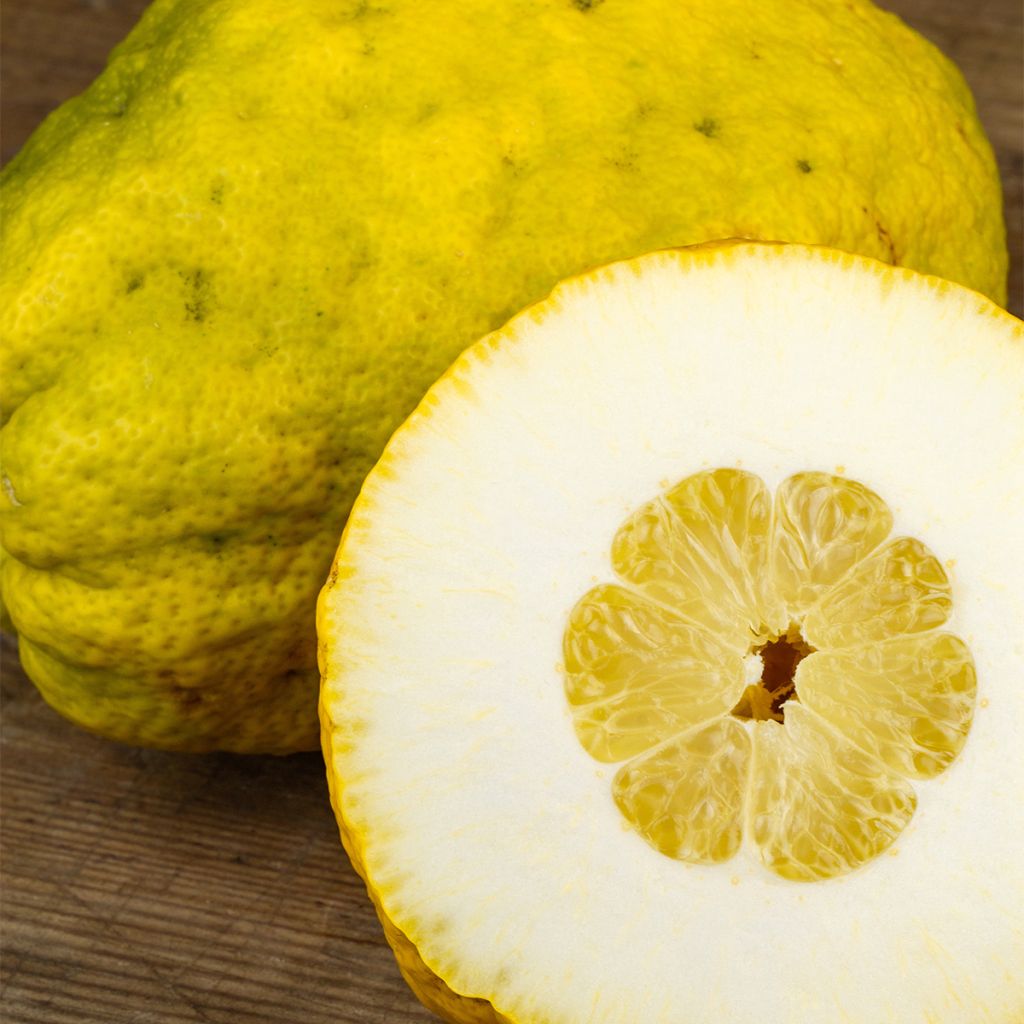
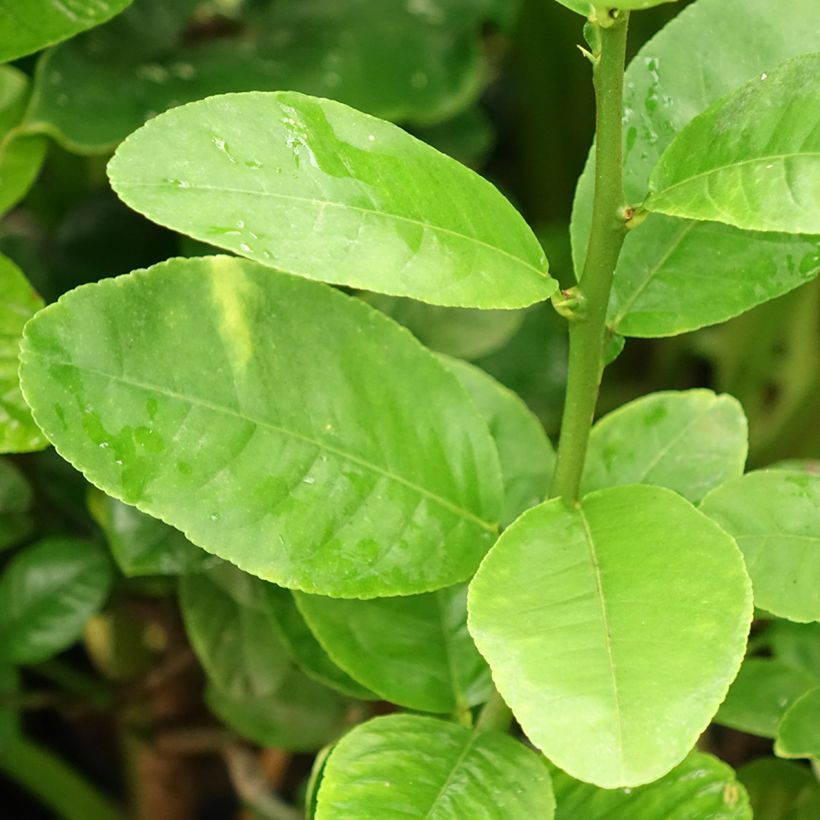
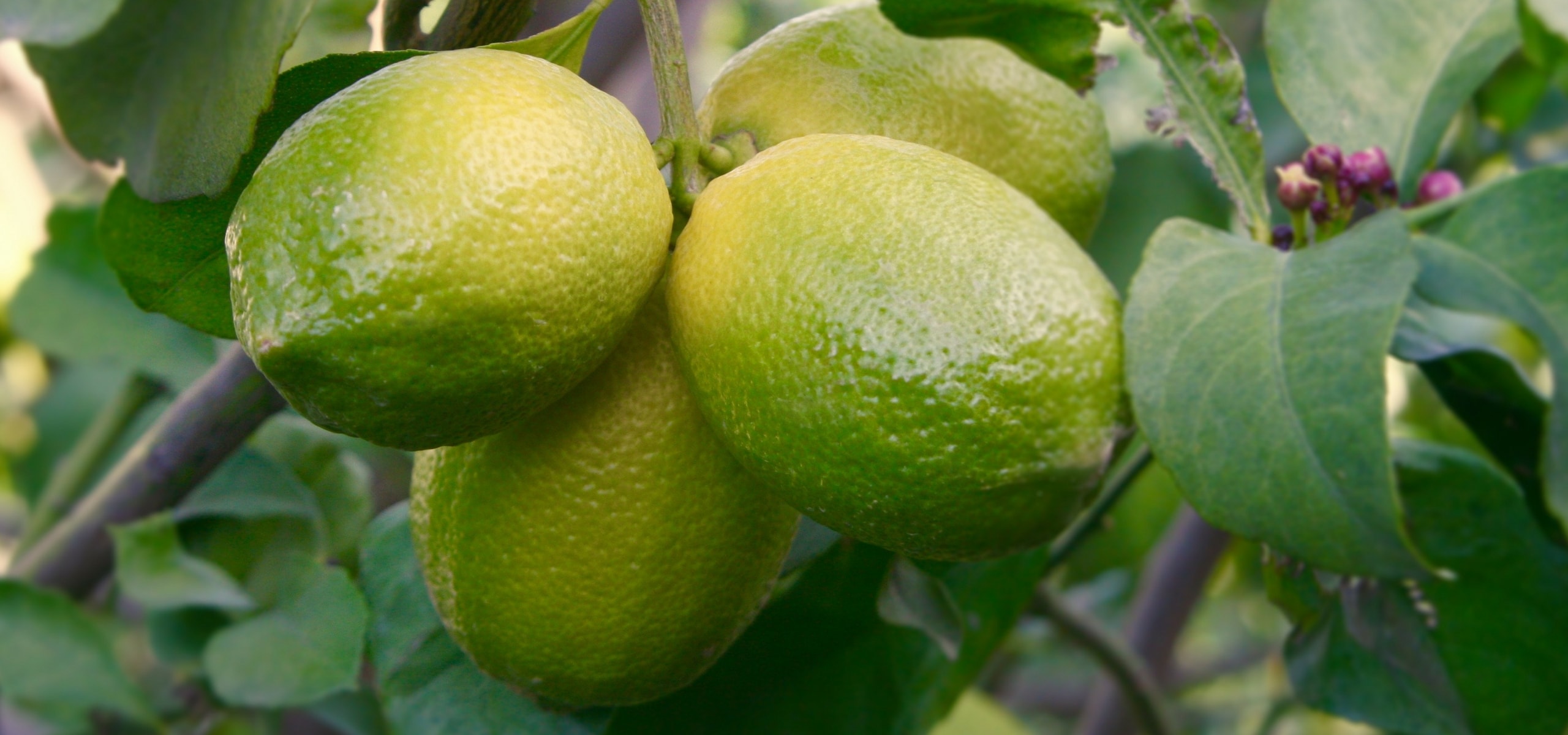
The 'Maxima' citron tree is a small tree of the Rutaceae family, like all citrus trees. The species Cedrus medica originates from Asia, particularly the Himalayas and Indochina. It was introduced to Persia several centuries before our era, and then Alexander the Great brought it to Greece and the Mediterranean basin. It is only grown in the open ground in Italy, Greece, and Corsica. Its habit is sprawling, supported by stiff branches, sometimes a little unruly. It can reach 3m (10ft) in height when grown in the open ground, but will remain smaller when grown in a pot. The branches bear long thorns and evergreen leaves in winter. They are entire, ovate to lanceolate, 6 to 10cm (2 to 4in) long and 3 to 5cm (1 to 2in) wide, fairly dark green, aromatic when crushed. The flowering mainly takes place in spring, in April-May, and then again at the beginning of autumn. Gathered in small clusters, the pinkish-white floral buds open into large, star-shaped white flowers. This flowering is followed by the formation of fruits with irregular shapes. They are more or less rounded to elongated ovals and can measure up to over 20cm (8in) long or wide and weigh up to 3 or 4kg. Their very thick skin is green and gradually turns yellow. It has a slightly bitter taste and is rich in pleasantly fragrant essential oils. The light yellow pulp is slightly acidic, not very abundant, juicy, and not particularly flavourful. The harvest takes place in December in the warmest and sunniest regions.
Cultivated for its ornamental qualities as well as the aroma of its often candied peel, the citron tree is somewhat overlooked in our culinary traditions. The 'Maxima' citron can be used candied to make marmalades, but it can also be used in a more classic way to flavour desserts, grated zest. It is also a medicinal plant with recognized therapeutic properties. The zest of the citron, which is very rich in essential oil, is used in aromatherapy and perfumery. Easy to store, this citrus fruit was once carried on sailing ships, providing a good source of vitamins to combat scurvy.
Flowering and pollination: Citrus medica 'Maxima' is a self-fertile bush, which means that a single individual is sufficient for complete pollination and fruiting. However, if your citrus tree remains indoors permanently, you will need to occasionally let pollinators do their work or, if you feel delicate enough, perform hand pollination.
Maxima Citron - Citrus medica Maxima in pictures
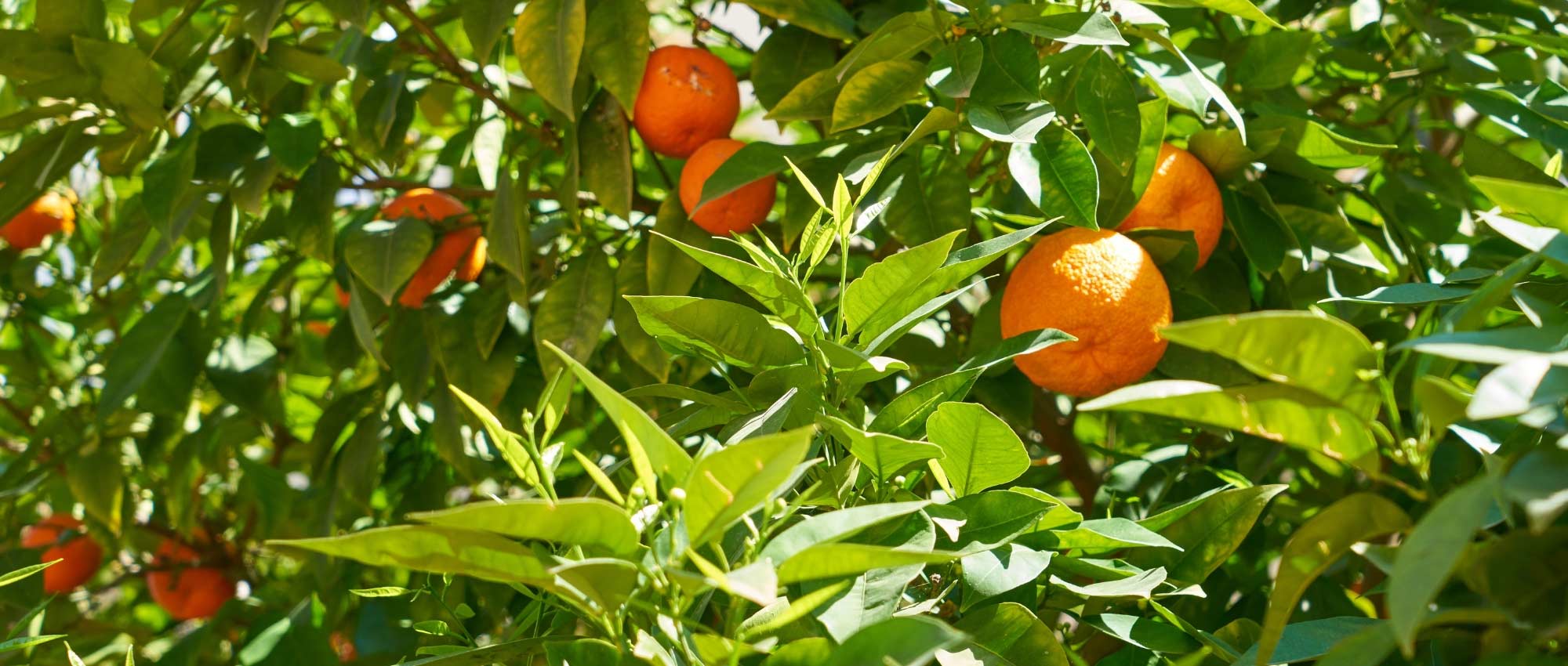
Plant habit
Fruit
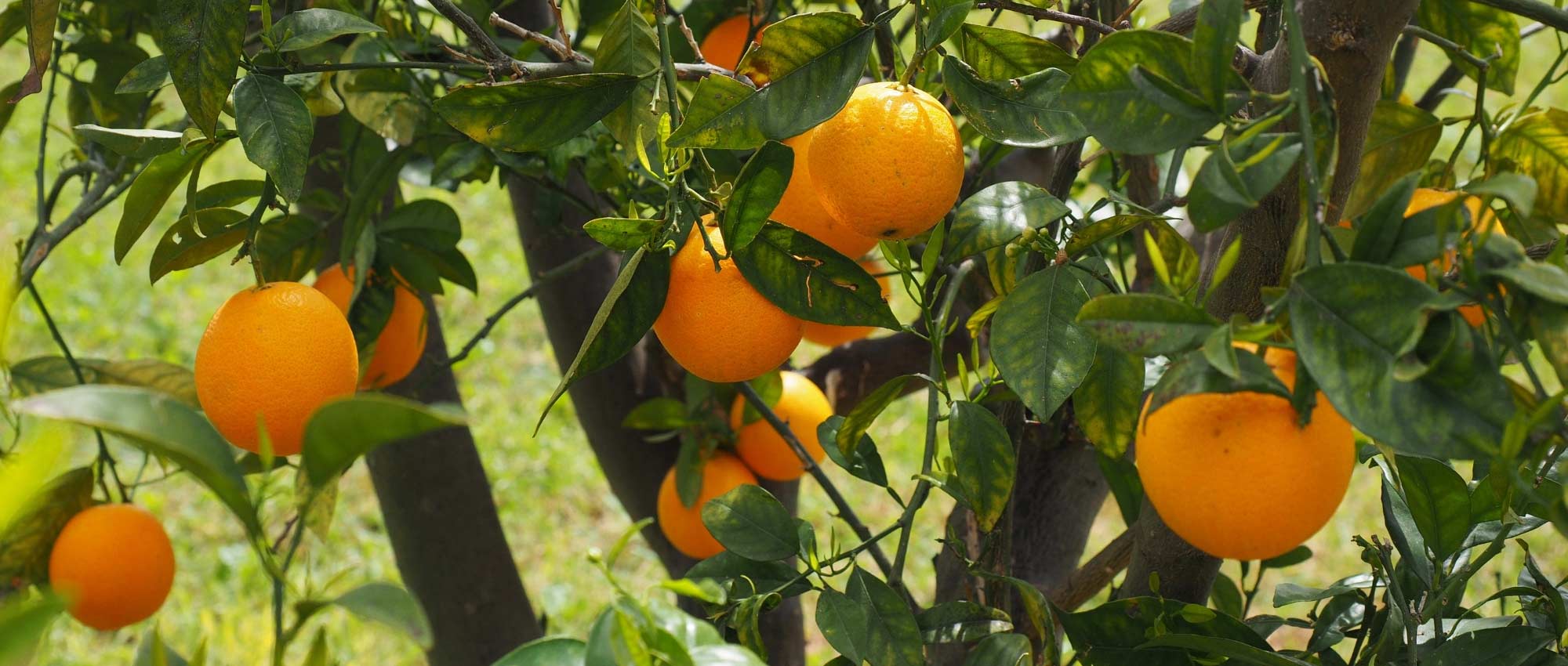
Flowering
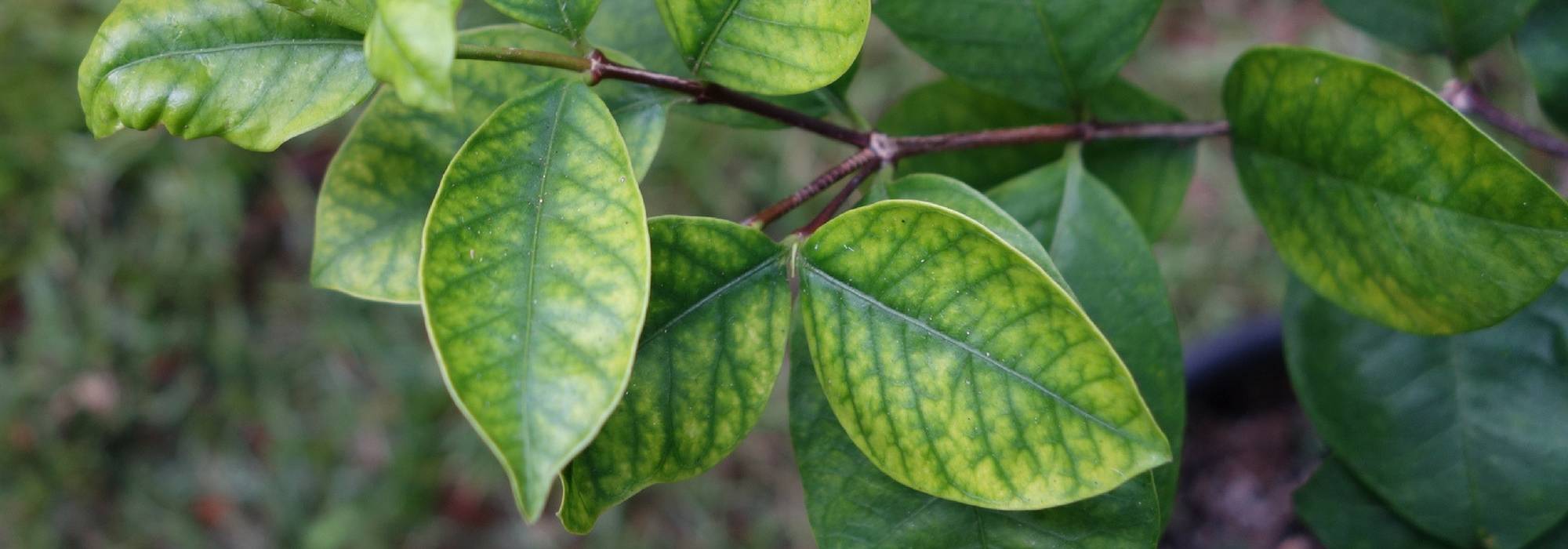
Foliage
Botanical data
Citrus
medica
Maxima
Rutaceae
Citron, Cedrate, Etrog
Southeast Asia
Planting and care
Planting in open ground: The 'Maxima' citron appreciates soils that are not too acidic and not calcareous, close to neutrality, always fresh and fertile. It is only reasonable to plant it in open ground if you reside in the mildest regions of our Mediterranean coast, as it suffers as soon as temperatures drop below 3 °C. Ideally, you should be able to maintain a temperature around 12 °C in winter. The best time to plant is in early spring, in March and April. Start by watering the root ball to moisten it capillary. Dig a hole four to five times the volume of the root ball. If your soil is calcareous, do not hesitate to amend it with heather soil, leaf compost, and topsoil. If it is heavy and compact, lighten it with one third sand.
Citrus trees do not appreciate calcareous or poorly draining soils, as they dislike having their roots in stagnant water. Be careful not to bury the collar, then tamp vigorously. Citrus trees are naturally greedy: in all cases, it is advisable to amend with well-decomposed compost with humus or with "special citrus" fertilizer. Choose a sunny spot for your bush, but not scorching, in a sheltered location to prevent the foliage from drying out and the fruits from falling. Place it away from spray and drying winds. This bush loves heat, but dislikes too dry atmospheres.
Pot planting: in all other regions, Citrus trees will be planted in pots stored in an orangery or cold greenhouse in winter and outdoors as soon as the frosts are over. Pot planting or repotting takes place at the end of summer. Choose a pot slightly larger than the root system, as citrus trees do not like to feel cramped. Moisten the root ball well. To increase the drainage capacity of the mix, line the bottom of the pot with clay balls. Loosen the root ball and mix two-thirds garden soil with one-third "special citrus" potting soil. Water generously. Prefer pots made of clay or breathable material.
Citrus trees need a lot of water to thrive. Your hybrid citron, a fortiori in an apartment, should be watered every day with non-calcareous water and the soil should remain moist at all times. Similarly, make sure to regularly provide the fertilizer it needs: every 6 months for slow-release granular fertilizer or every 3 waterings for liquid fertilizer. Yellowing of the leaves, outside the veins, indicates chlorosis due to excess calcium: apply sequestrant and fertilizer to your citrus tree.
Planting period
Intended location
Care
Planting & care advice
-
-
-
-
-
-
-

-

-
, onOrder confirmed
Reply from on Promesse de fleurs
Recently viewed products
Haven't found what you were looking for?
Hardiness is the lowest winter temperature a plant can endure without suffering serious damage or even dying. However, hardiness is affected by location (a sheltered area, such as a patio), protection (winter cover) and soil type (hardiness is improved by well-drained soil).

The flowering period indicated on our website applies to countries and regions located in USDA zone 8 (France, the United Kingdom, Ireland, the Netherlands, etc.)
It will vary according to where you live:- In zones 9 to 10 (Italy, Spain, Greece, etc.), flowering will occur about 2 to 4 weeks earlier.
- In zones 6 to 7 (Germany, Poland, Slovenia, and lower mountainous regions), flowering will be delayed by 2 to 3 weeks.
- In zone 5 (Central Europe, Scandinavia), blooming will be delayed by 3 to 5 weeks.
In temperate climates, pruning of spring-flowering shrubs (forsythia, spireas, etc.) should be done just after flowering.
Pruning of summer-flowering shrubs (Indian Lilac, Perovskia, etc.) can be done in winter or spring.
In cold regions as well as with frost-sensitive plants, avoid pruning too early when severe frosts may still occur.
The planting period indicated on our website applies to countries and regions located in USDA zone 8 (France, United Kingdom, Ireland, Netherlands).
It will vary according to where you live:
- In Mediterranean zones (Marseille, Madrid, Milan, etc.), autumn and winter are the best planting periods.
- In continental zones (Strasbourg, Munich, Vienna, etc.), delay planting by 2 to 3 weeks in spring and bring it forward by 2 to 4 weeks in autumn.
- In mountainous regions (the Alps, Pyrenees, Carpathians, etc.), it is best to plant in late spring (May-June) or late summer (August-September).
The harvesting period indicated on our website applies to countries and regions in USDA zone 8 (France, England, Ireland, the Netherlands).
In colder areas (Scandinavia, Poland, Austria...) fruit and vegetable harvests are likely to be delayed by 3-4 weeks.
In warmer areas (Italy, Spain, Greece, etc.), harvesting will probably take place earlier, depending on weather conditions.
The sowing periods indicated on our website apply to countries and regions within USDA Zone 8 (France, UK, Ireland, Netherlands).
In colder areas (Scandinavia, Poland, Austria...), delay any outdoor sowing by 3-4 weeks, or sow under glass.
In warmer climes (Italy, Spain, Greece, etc.), bring outdoor sowing forward by a few weeks.
Shipping country and language
Your country of residence may be:
Your country of residence is:
For a better user experience on our website, you can select:
Your shipping country:
-
 Austria
-
 Belgium
-
 Bosnia & Herzegovina
-
 Bulgaria
-
 Croatia
-
 Cyprus
-
 Czechia
-
 Denmark
-
 Estonia
-
 Finland
-
 France
-
 Germany
-
 Greece
-
 Hungary
-
 Iceland
-
 Ireland
-
 Italy
Italy
-
 Latvia
-
 Liechtenstein
-
 Lithuania
-
 Luxembourg
-
 Malta
Malta
-
 Netherlands
-
 Poland
-
 Portugal
-
 Romania
-
 Serbia
-
 Slovakia
-
 Slovenia
-
 Spain
Spain
-
 Sweden
-
 Switzerland
Language:
-
French
-
 English
-
Spanish
-
Italian
-
German
-
Portuguese
-
Dutch
-
Finnish
My Account
Hello
My wish lists
My cart
Log in / Register
Existing customer?
This form is protected by reCAPTCHA - the Google Privacy Policy and Terms of Service apply.
New customer?
Create an account to track your orders, access our customer service and, if you wish, make the most of our upcoming offers.