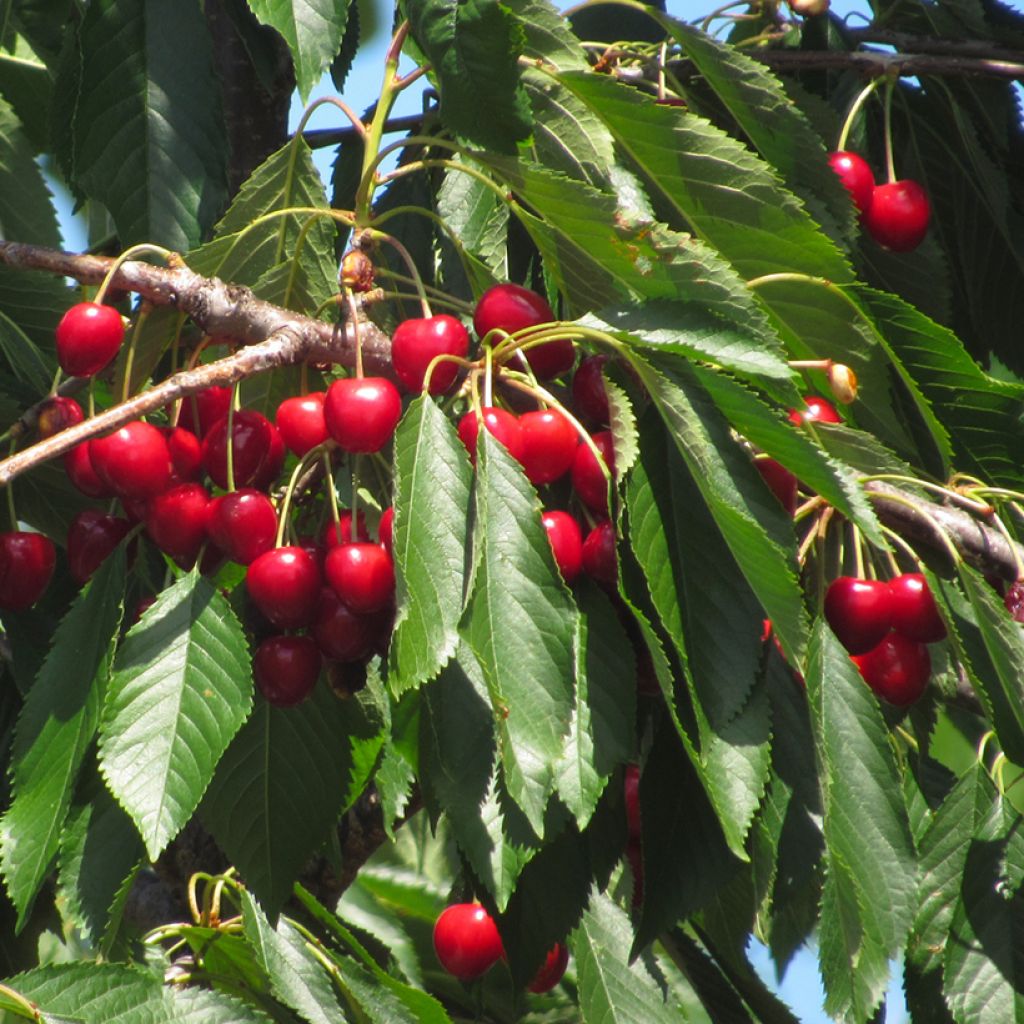
Prunus cerasus Semperflorens - Morello Cherry Tree
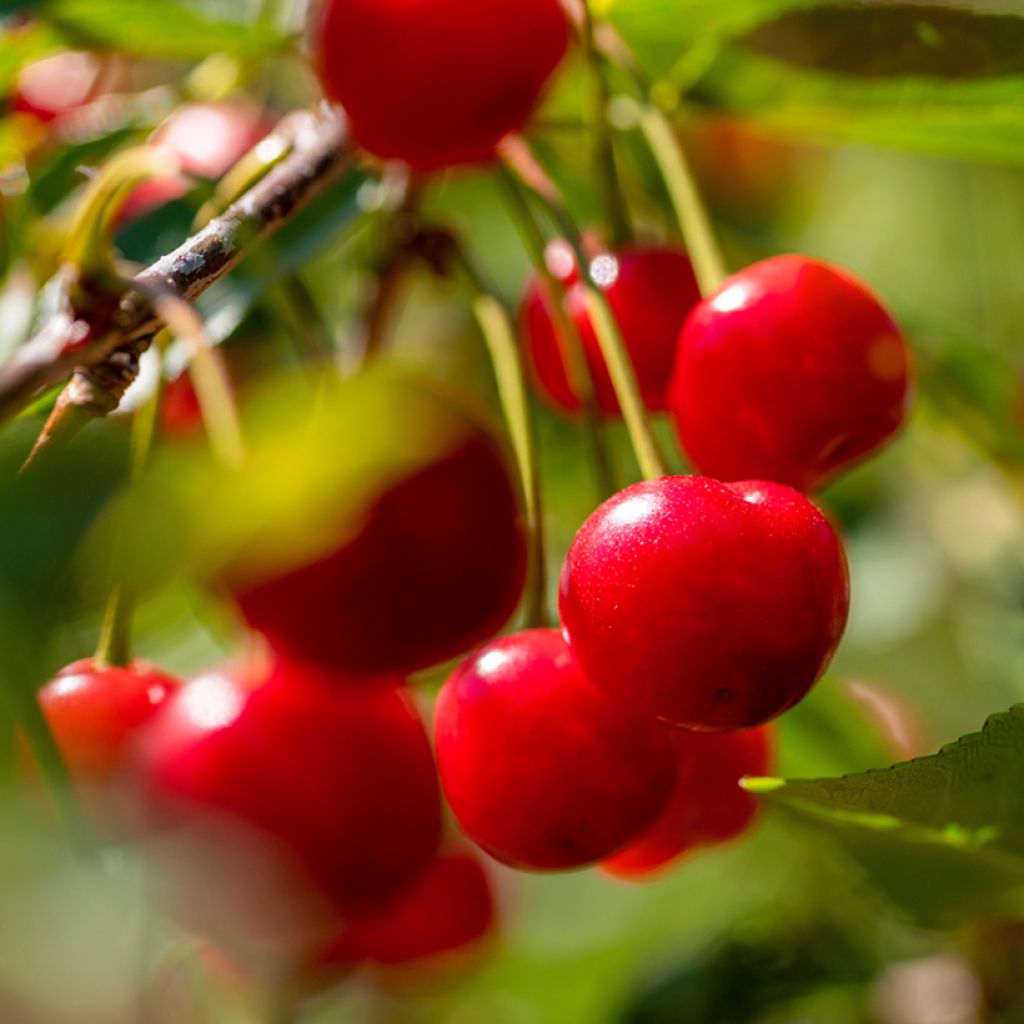
Prunus cerasus Semperflorens - Morello Cherry Tree
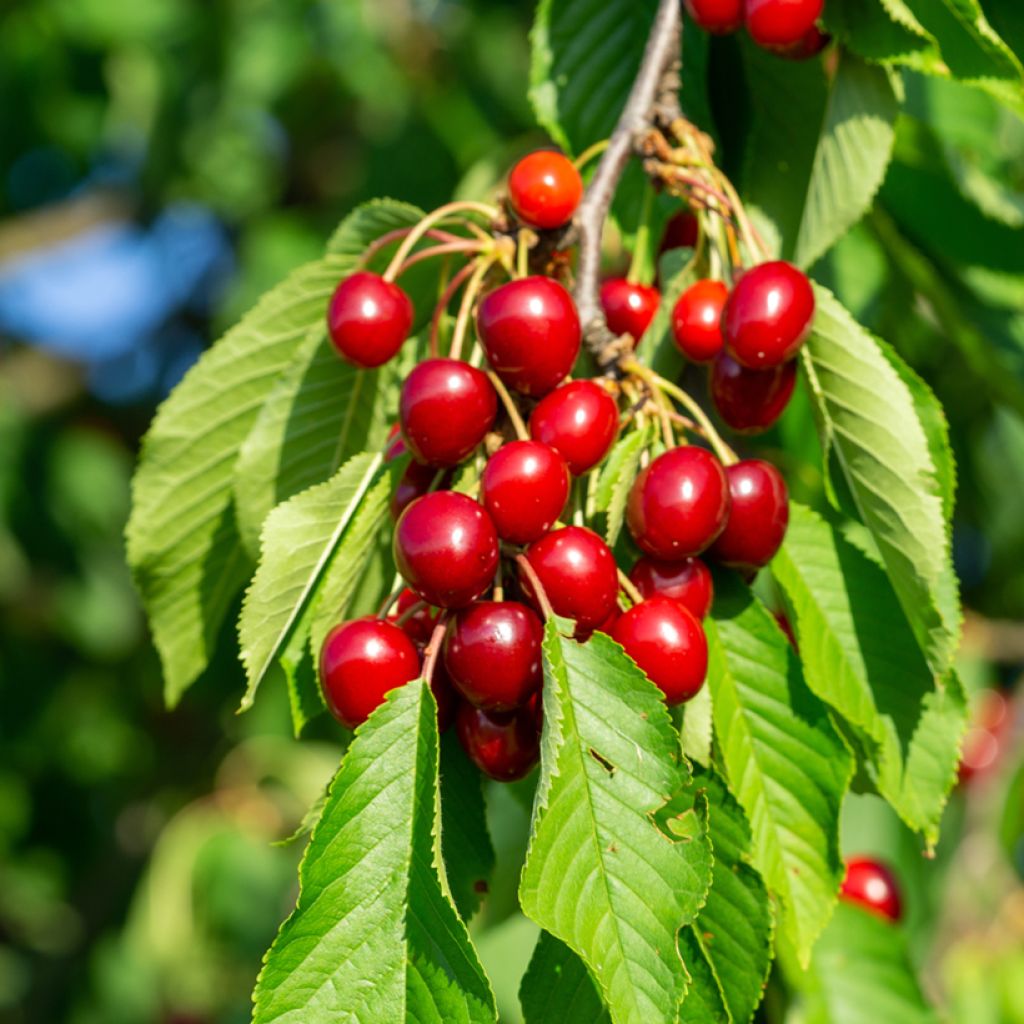
Prunus cerasus Semperflorens - Morello Cherry Tree
Prunus cerasus Semperflorens - Morello Cherry Tree
Prunus cerasus var. semperflorens Griottier de la Toussaint
Sour Cherry, Tart Cherry, Dwarf Cherry, Morello Cherry
Back-to-school special offer!
Get €10 off for every €50 you spend! And get up to €40 off on a single order.
How does it work?
1. Shop your favourites
Add your favourite plants to your basket. For every €50 you spend (excluding delivery charges, store credit and the plastic-free option), you’ll receive a €10 voucher.
€50 spent = €10 voucher
€100 spent = €20 voucher
€150 spent = €30 voucher
€200 spent = €40 voucher
2. Place your order
Once your basket reaches one of the spending thresholds, place your order. You can even choose your delivery date!
3. Receive your voucher
As soon as your order has been shipped, you’ll receive an email containing your personal voucher code and its value.
4. Use it on your next order
Your voucher is valid for 90 days from the date you receive it. It can be used once only, on a new order worth at least the value of the voucher, excluding delivery charges.
Please note: Vouchers can be combined with other offers, but cannot be split or refunded.
Why not try an alternative variety in stock?
View all →
Available in 0 sizes
Available in 0 sizes
Available in 0 sizes
Available in 2 sizes
Available in 4 sizes
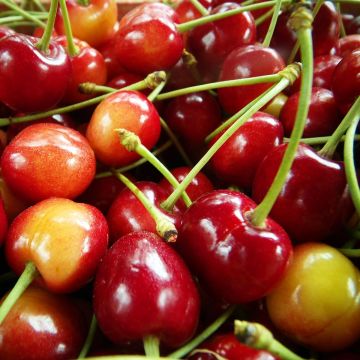
Available in 4 sizes
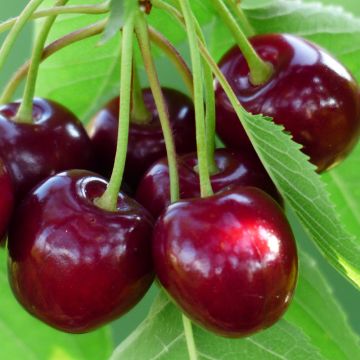
Available in 6 sizes
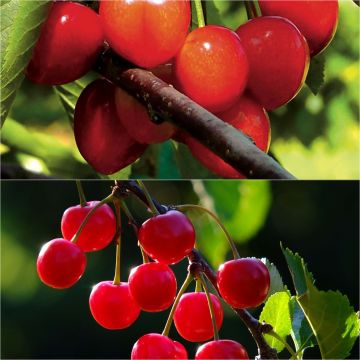
Available in 0 sizes
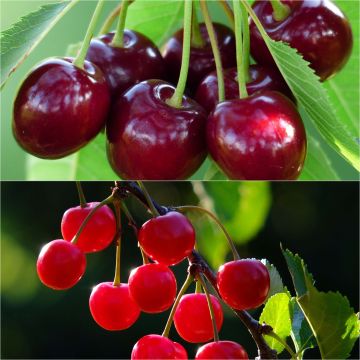
Available in 0 sizes
Available in 0 sizes
This plant carries a 12 months recovery warranty
More information
We guarantee the quality of our plants for a full growing cycle, and will replace at our expense any plant that fails to recover under normal climatic and planting conditions.
Description
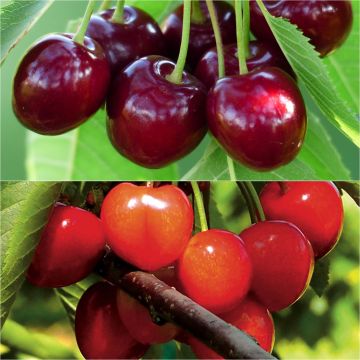
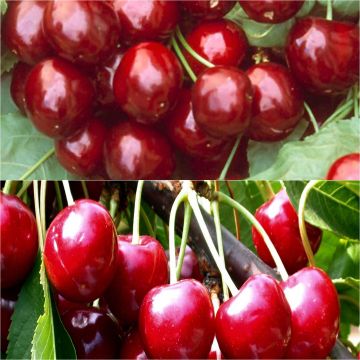
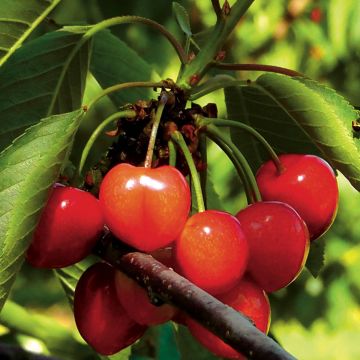
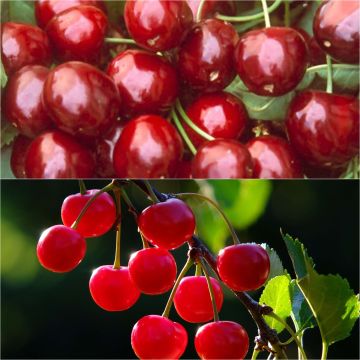
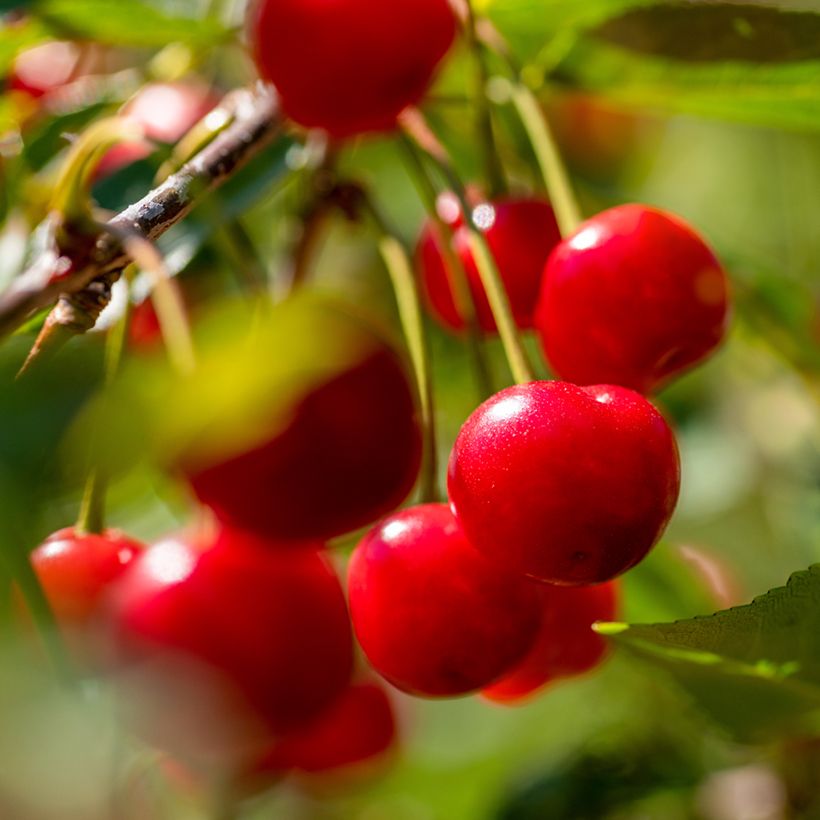
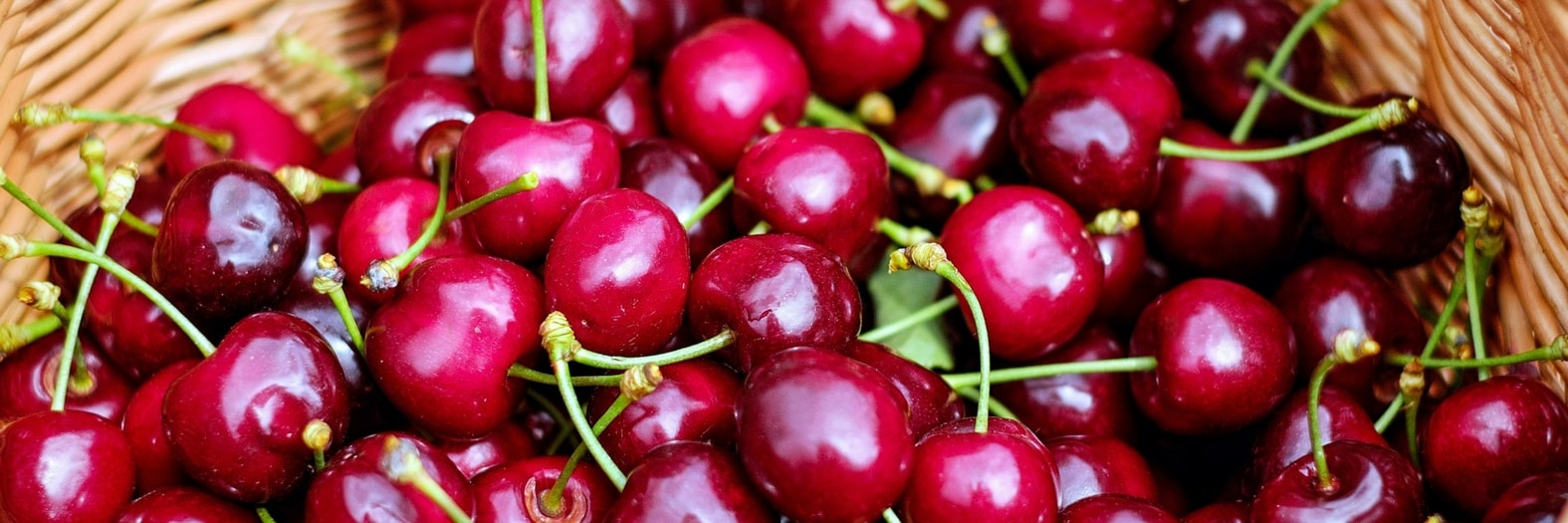
Prunus cerasus Semperflorens is a highly productive variety with a perpetual flowering period that lasts from July to October. The fruit is a medium-sized drupe, measuring 2 to 2.5 cm (1in) in diameter, with a round shape and a thin, shiny red skin. Its translucent, reddish-pink flesh surrounds a round stone. This Morello cherry has soft, juicy pulp that is highly fragrant, slightly sweet, and notably tart when fully ripe, offering numerous culinary uses. The fruits can be consumed or processed immediately after being picked. The fruiting is abundant in July and August, but it can vary greatly depending on the climatic conditions and the region during September and October. Its good cold resistance and ability to grow in all types of soils, except overly clayey ones, make the Morello cherry suitable for cultivation in all regions. The fruits of this variety are highly resistant to cherry flies and rarely attacked by birds.
Prunus cerasus belongs to the Rosaceae family, just like the Sweet Cherry (Prunus avium). Also known as the Sour Cherry or Acid Cherry, it originates from Asia Minor and has been widely grown in Europe since ancient times.
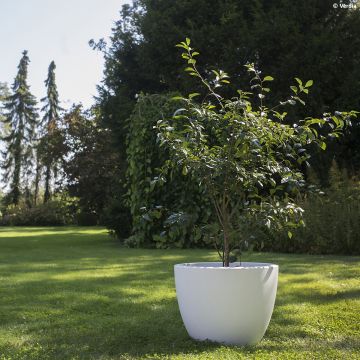
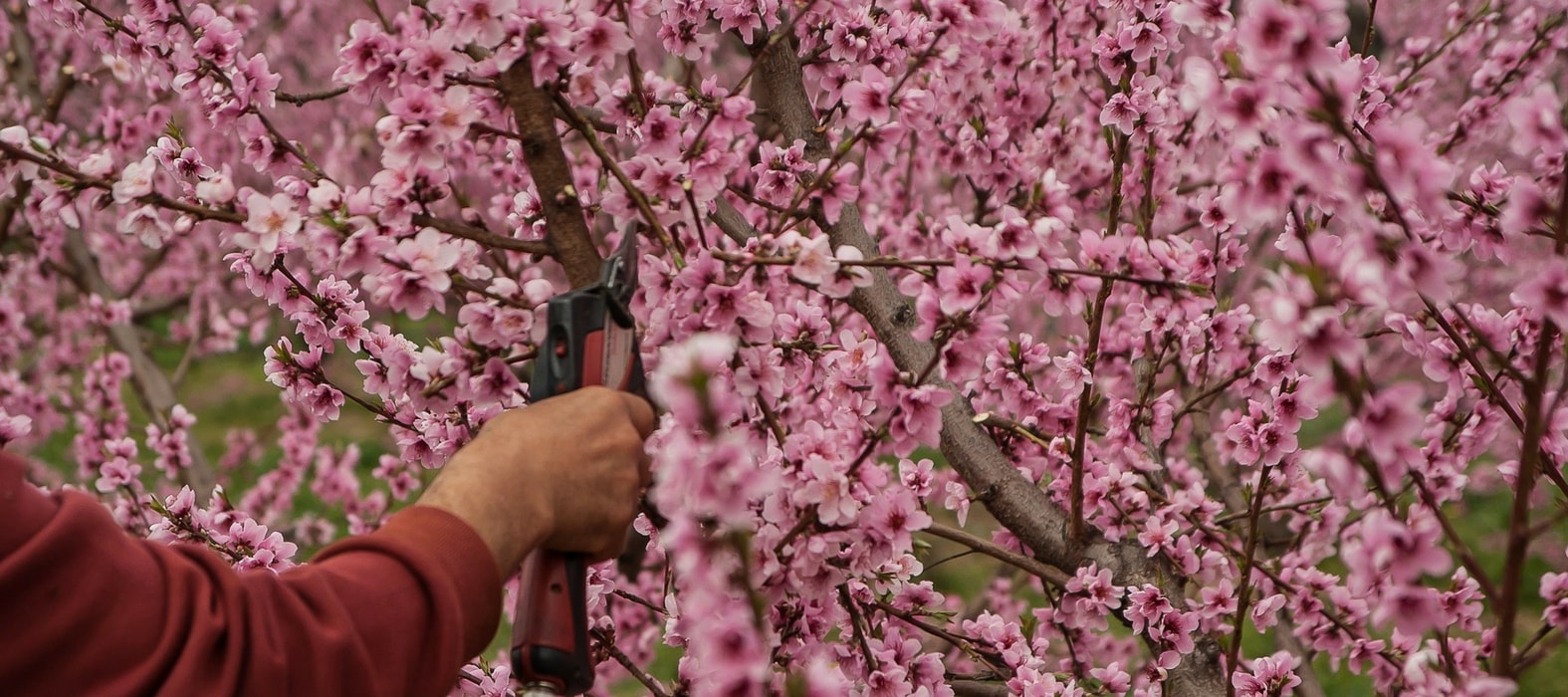
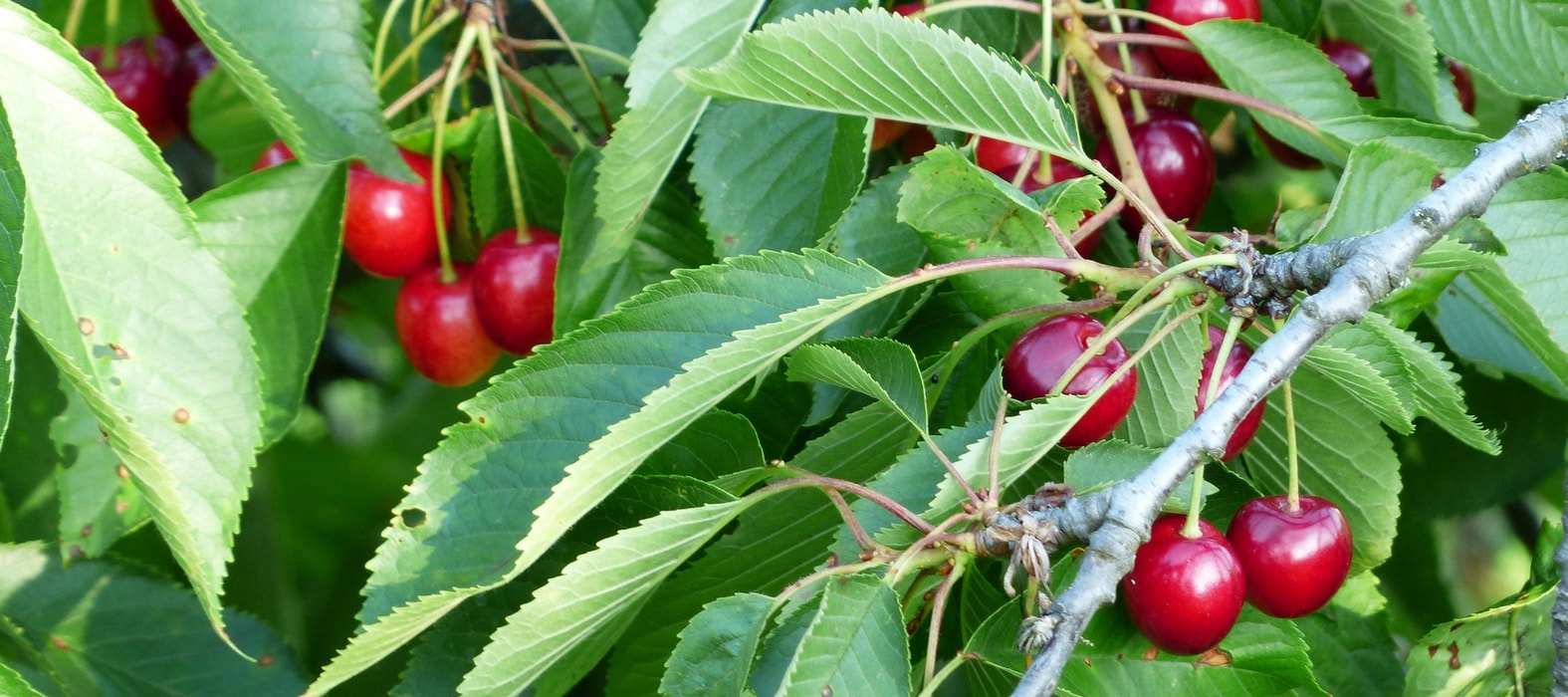
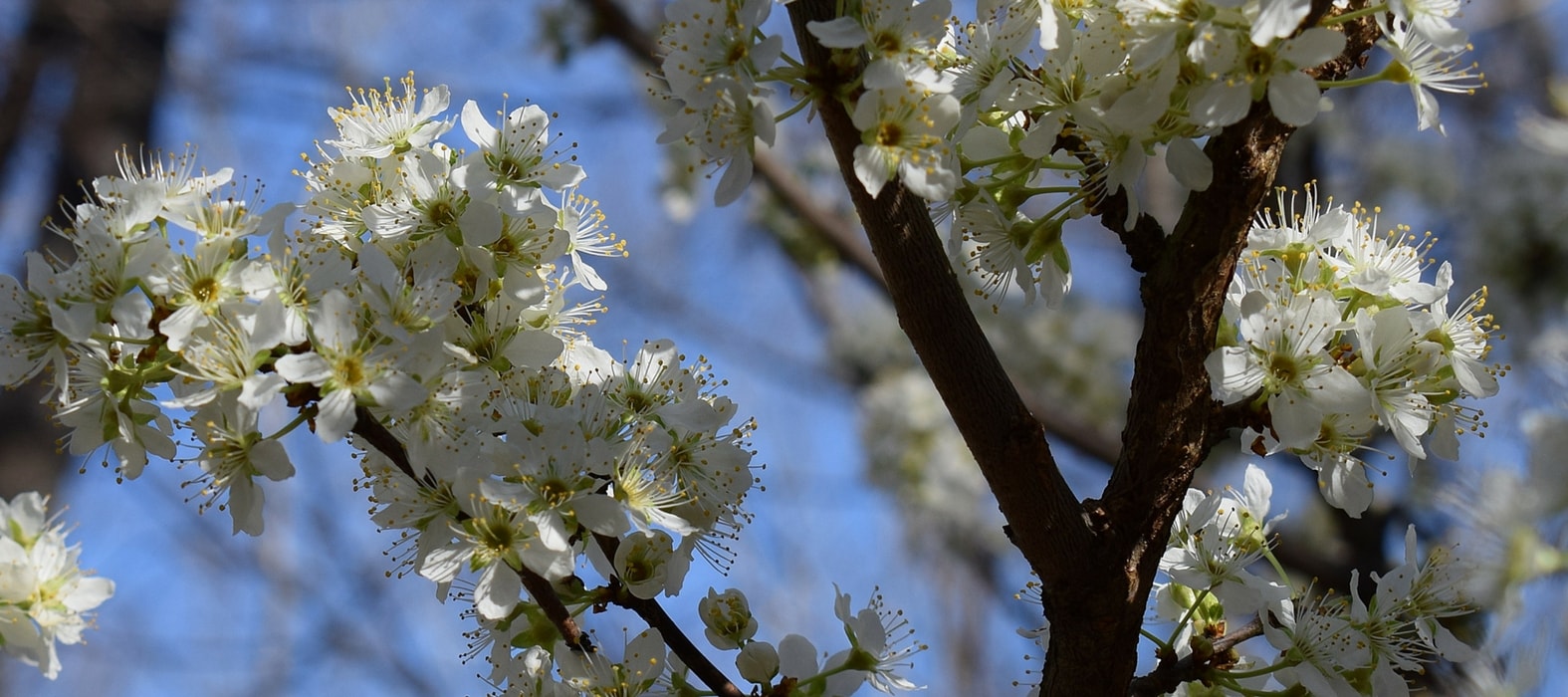
Prunus cerasus Semperflorens, also known as the Saint-Martin Cherry, All Saints' Cherry, or Late Cherry, is a very old variety with somewhat uncertain origins. This cherry tree forms a small, semi-erect tree that spreads with age, reaching approximately 4 to 5 metres (13 to 16 feet) high and 3 to 4 metres (10 to 13 feet) wide when fully grown. It produces numerous trailing branches. The reddish wood is a characteristic feature of the cherry tree family. Its habit is well suited for free-form shapes on half-standards or low goblet shapes. The deciduous foliage consists of large, alternate, obovate leaves with irregularly toothed edges. They are a shiny, bright green and turn orange in autumn. The so-called "perpetual" flowering period extends from May to August, with a break during periods of intense heat, which protects it from frost. The pure white, single flowers, measure 2 to 3 cm (1in) in diameter and are grouped in clusters. It is a flowering tree that is attractive to bees and provides nectar. Hardy and able to withstand temperatures to around -20°C (-4°F), it is suitable for cultivation in all regions, including mountainous areas. This variety is self-fertile and does not require a companion to bear fruit.
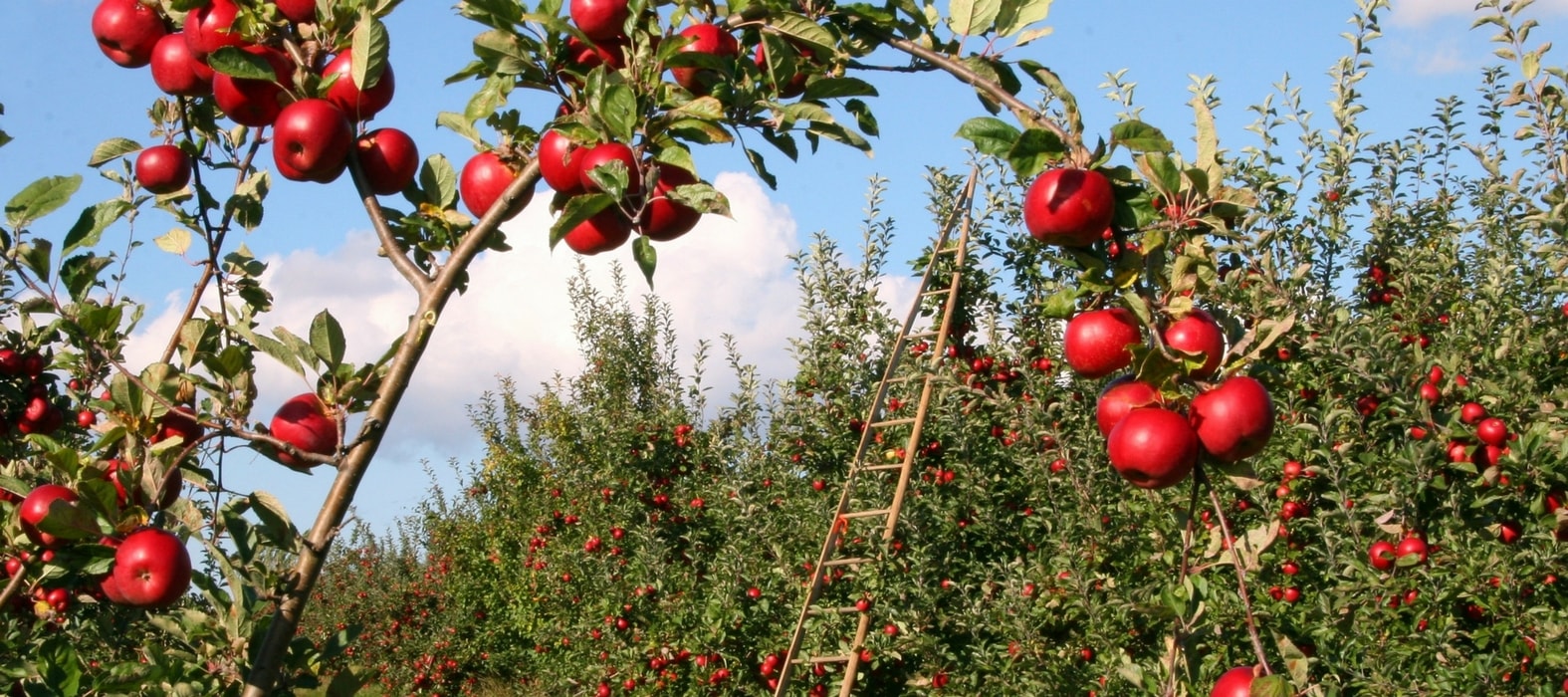
The All Saints Cherry offers an abundant and regular harvest every year (no alternate bearing). The optimal fruit production is achieved after 6 to 7 years. The fruits are attached to the branches in clusters by trailing petioles measuring 4 to 6 cm (2in) long, which gives the fruiting a highly decorative appearance. The harvest is most abundant in July and continues in limited quantities until October. It is important to pick Morello cherries when they are fully ripe and with their stems to improve their storage. An adult Morello cherry tree (between 10 and 20 years old) produces an average of 30 to 50 kilograms of fruit per year. This very juicy and tangy Morello cherry can be enjoyed raw, but its flavours truly shine when cooked or processed. It is delicious in clafoutis, cakes, crumbles, or pies and as an accompaniment to savoury dishes with white meats (turkey, chicken, veal, etc.) or tagines. It is also perfect for making jams, compotes, juices, or preserved fruits in syrup. Not to forget the famous Morello cherry brandy, to be consumed in moderation.
The Morello cherry has a high content of vitamins A, B, and C, phenolic antioxidants, potassium, calcium, and magnesium, and provides a significant amount of iron, making it a healthy choice. The fruits can only be stored for a few days at room temperature. However, they can be frozen after being washed, dried, and pitted, or used in preserves.
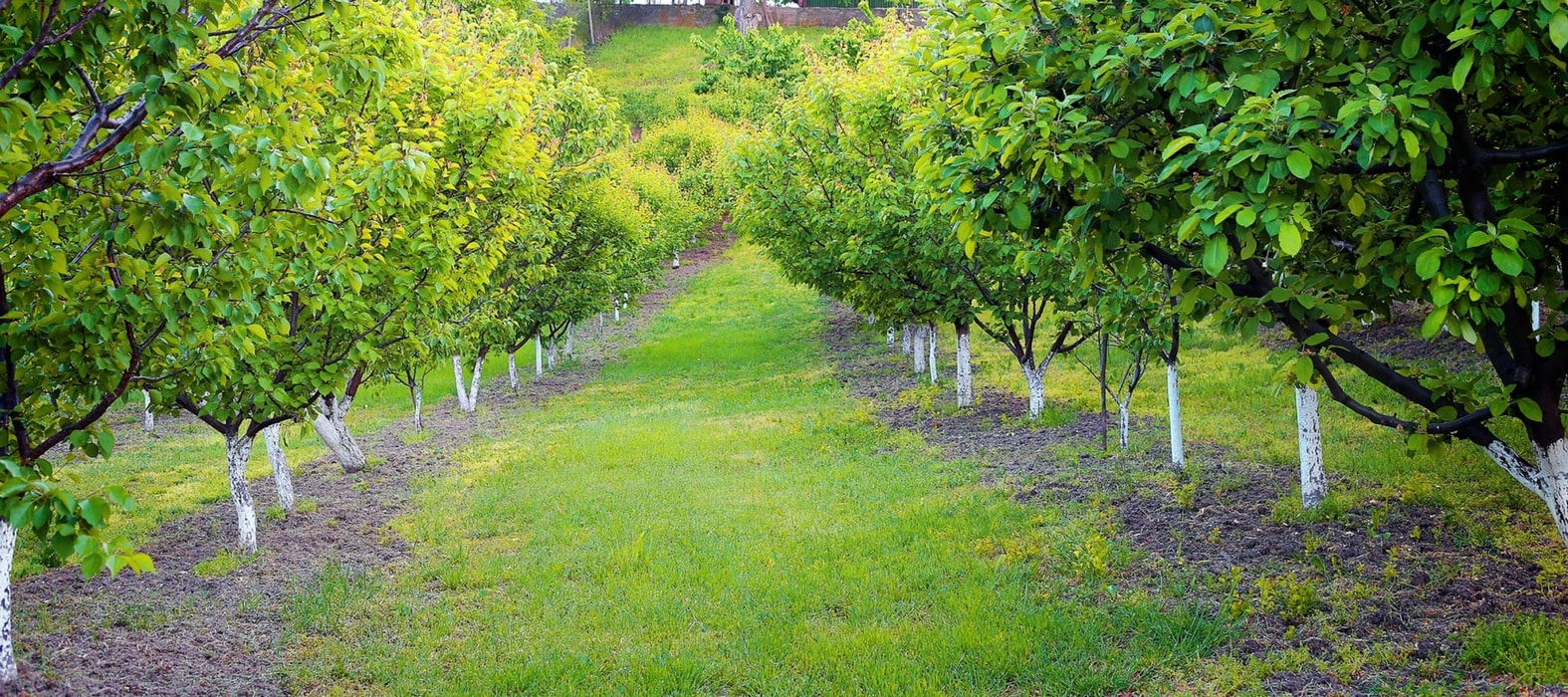
The Morello cherry tree, thanks to its fruits, is very popular and can be planted in various locations in the garden, such as on a lawn, at the back of a flower bed, in an orchard, or as part of an edible hedge. Among the wide range of cherry tree varieties, it is easy to find one that suits.
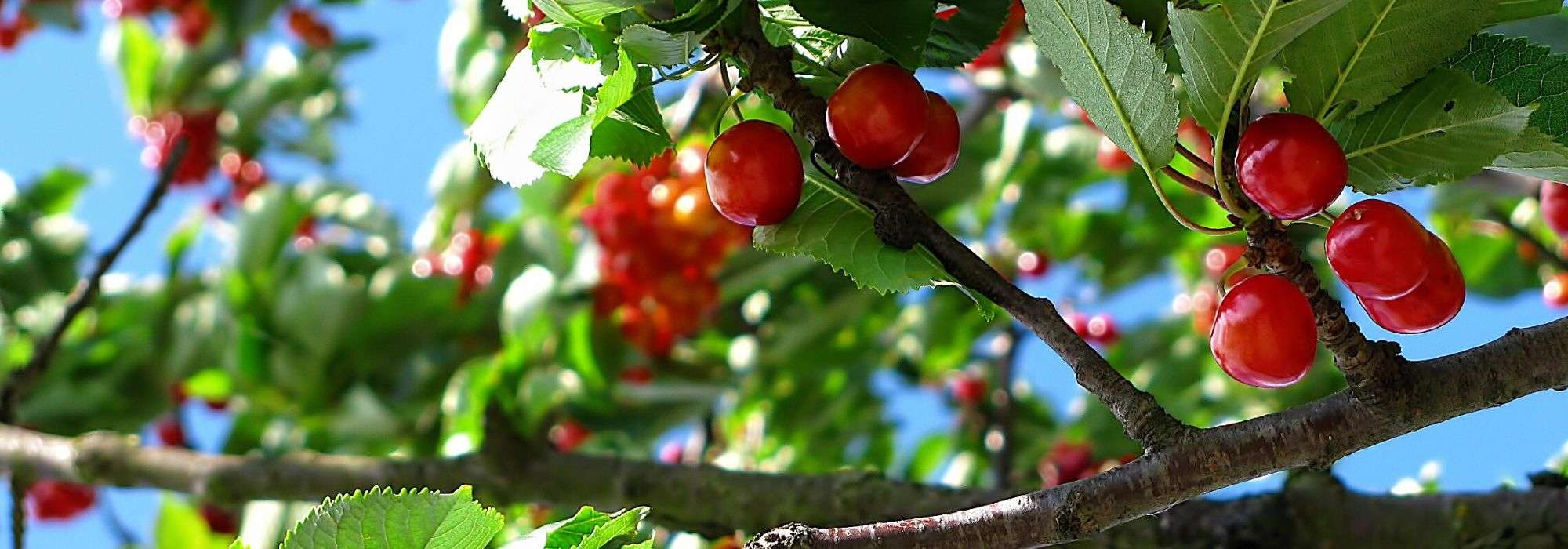
Prunus cerasus Semperflorens - Morello Cherry Tree in pictures
Plant habit
Fruit
Flowering
Foliage
Botanical data
Prunus
cerasus var. semperflorens
Griottier de la Toussaint
Rosaceae
Sour Cherry, Tart Cherry, Dwarf Cherry, Morello Cherry
Cultivar or hybrid
Planting and care
The cherry tree is easy to grow in all types of soil, acidic or chalky. It likes moist, light soils and dislikes heavy and clayey soils. Choose a sunny location. To limit the risks of late frost on the flowers, plant the cherry tree in a sheltered position, facing west and protected from cold winds in regions that experience spring frosts. Planting is best done in autumn or winter, outside the freezing period. If you plant multiple trees, space them 7 to 10 m (23 to 33ft) apart for "standard" cherry trees, 5 to 7 m (16 to 23ft) apart for "half-standard" cherry trees, and 4 to 5 m (13 to 16ft) apart for bush and spindle trees.
Dig the soil deeply and remove stones and unwanted weeds. Add some sand to improve drainage. Dig a hole 4 to 5 times the volume of the root ball. Make sure to separate the subsoil from the topsoil. Mix bonemeal, well-rotted compost or potting compost with the subsoil and pour this mixture into the planting hole. Install a stake. Place the root ball, cover it with the topsoil and firm it down. Water generously (about 10 litres). Position your tie system, crossing it a figure of 8, so that the trunk and stake do not rub against each other.
The cherry tree can be subject to various diseases and pests. If your trees suffer from grey rot (velvety rot on fruits) and brown rot (wilting of flowers and rotting of fruits on the tree), remove and burn the affected parts and as a preventive measure, spray Bordeaux mixture or decoctions of horsetail or garlic in early spring and autumn. Against bacterial canker (wilting of floral clusters, brown spots, bark deformation), spray Bordeaux mixture. The cherry fruit fly or fruit worm can be controlled using the preventive measure of installing yellow cardboard discs covered with glue, pheromone traps (trapping male insects), or a Drosophila trap, which is easy to make from a plastic bottle. In case of black aphid attack, spray a mixture of water and black soap or water and vegetable oil.
Planting period
Intended location
Care
Planting & care advice
-
-
-
-
-
-
-
-
This item has not been reviewed yet - be the first to leave a review about it.
Recently viewed products
Haven't found what you were looking for?
Hardiness is the lowest winter temperature a plant can endure without suffering serious damage or even dying. However, hardiness is affected by location (a sheltered area, such as a patio), protection (winter cover) and soil type (hardiness is improved by well-drained soil).

The flowering period indicated on our website applies to countries and regions located in USDA zone 8 (France, the United Kingdom, Ireland, the Netherlands, etc.)
It will vary according to where you live:- In zones 9 to 10 (Italy, Spain, Greece, etc.), flowering will occur about 2 to 4 weeks earlier.
- In zones 6 to 7 (Germany, Poland, Slovenia, and lower mountainous regions), flowering will be delayed by 2 to 3 weeks.
- In zone 5 (Central Europe, Scandinavia), blooming will be delayed by 3 to 5 weeks.
In temperate climates, pruning of spring-flowering shrubs (forsythia, spireas, etc.) should be done just after flowering.
Pruning of summer-flowering shrubs (Indian Lilac, Perovskia, etc.) can be done in winter or spring.
In cold regions as well as with frost-sensitive plants, avoid pruning too early when severe frosts may still occur.
The planting period indicated on our website applies to countries and regions located in USDA zone 8 (France, United Kingdom, Ireland, Netherlands).
It will vary according to where you live:
- In Mediterranean zones (Marseille, Madrid, Milan, etc.), autumn and winter are the best planting periods.
- In continental zones (Strasbourg, Munich, Vienna, etc.), delay planting by 2 to 3 weeks in spring and bring it forward by 2 to 4 weeks in autumn.
- In mountainous regions (the Alps, Pyrenees, Carpathians, etc.), it is best to plant in late spring (May-June) or late summer (August-September).
The harvesting period indicated on our website applies to countries and regions in USDA zone 8 (France, England, Ireland, the Netherlands).
In colder areas (Scandinavia, Poland, Austria...) fruit and vegetable harvests are likely to be delayed by 3-4 weeks.
In warmer areas (Italy, Spain, Greece, etc.), harvesting will probably take place earlier, depending on weather conditions.
The sowing periods indicated on our website apply to countries and regions within USDA Zone 8 (France, UK, Ireland, Netherlands).
In colder areas (Scandinavia, Poland, Austria...), delay any outdoor sowing by 3-4 weeks, or sow under glass.
In warmer climes (Italy, Spain, Greece, etc.), bring outdoor sowing forward by a few weeks.
Shipping country and language
Your country of residence may be:
Your country of residence is:
For a better user experience on our website, you can select:
Your shipping country:
-
 Austria
-
 Belgium
-
 Bosnia & Herzegovina
-
 Bulgaria
-
 Croatia
-
 Cyprus
-
 Czechia
-
 Denmark
-
 Estonia
-
 Finland
-
 France
-
 Germany
-
 Greece
-
 Hungary
-
 Iceland
-
 Ireland
-
 Italy
Italy
-
 Latvia
-
 Liechtenstein
-
 Lithuania
-
 Luxembourg
-
 Malta
Malta
-
 Netherlands
-
 Poland
-
 Portugal
-
 Romania
-
 Serbia
-
 Slovakia
-
 Slovenia
-
 Spain
Spain
-
 Sweden
-
 Switzerland
Language:
-
French
-
 English
-
Spanish
-
Italian
-
German
-
Portuguese
-
Dutch
-
Finnish
My Account
Hello
My wish lists
My cart
Log in / Register
Existing customer?
This form is protected by reCAPTCHA - the Google Privacy Policy and Terms of Service apply.
New customer?
Create an account to track your orders, access our customer service and, if you wish, make the most of our upcoming offers.