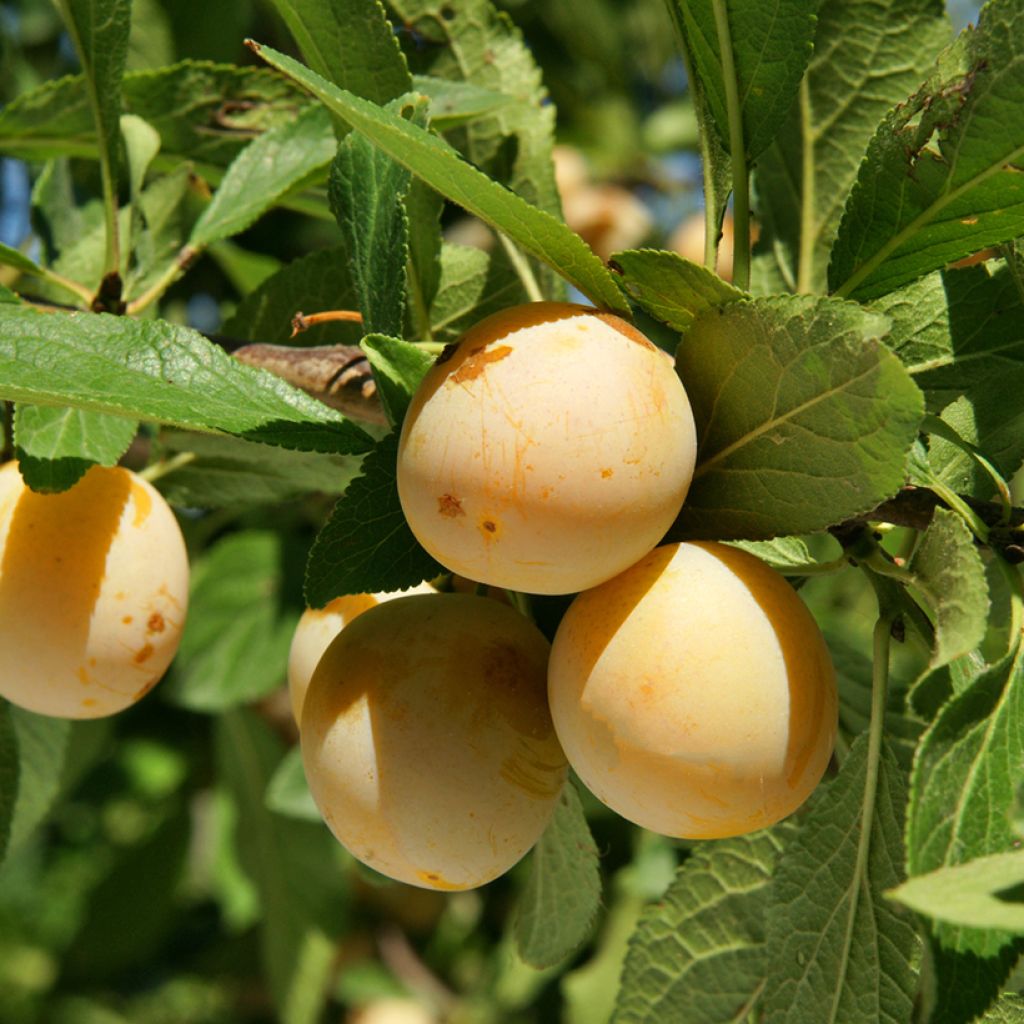
Organic Badoual Mirabelle Plum
Organic Badoual Mirabelle Plum
Prunus x institiae Badoual
Mirabelle Plum, Mirabelle Prune
Back-to-school special offer!
Get €10 off for every €50 you spend! And get up to €40 off on a single order.
How does it work?
1. Shop your favourites
Add your favourite plants to your basket. For every €50 you spend (excluding delivery charges, store credit and the plastic-free option), you’ll receive a €10 voucher.
€50 spent = €10 voucher
€100 spent = €20 voucher
€150 spent = €30 voucher
€200 spent = €40 voucher
2. Place your order
Once your basket reaches one of the spending thresholds, place your order. You can even choose your delivery date!
3. Receive your voucher
As soon as your order has been shipped, you’ll receive an email containing your personal voucher code and its value.
4. Use it on your next order
Your voucher is valid for 90 days from the date you receive it. It can be used once only, on a new order worth at least the value of the voucher, excluding delivery charges.
Please note: Vouchers can be combined with other offers, but cannot be split or refunded.
Why not try an alternative variety in stock?
View all →
Available in 0 sizes
Available in 0 sizes
Available in 0 sizes
Available in 0 sizes
Available in 5 sizes
Available in 2 sizes
Available in 2 sizes
Available in 2 sizes
Available in 1 sizes
Available in 1 sizes
This plant carries a 12 months recovery warranty
More information
We guarantee the quality of our plants for a full growing cycle, and will replace at our expense any plant that fails to recover under normal climatic and planting conditions.
Description
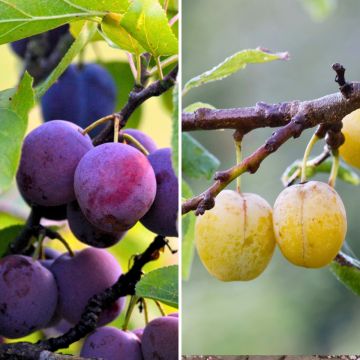
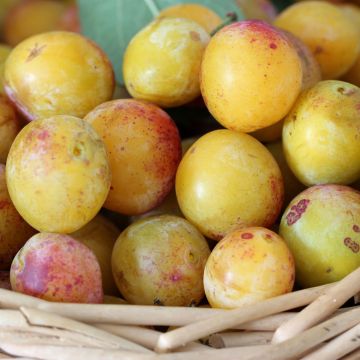
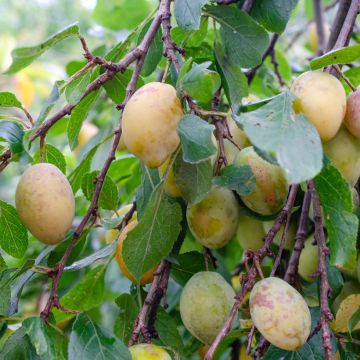
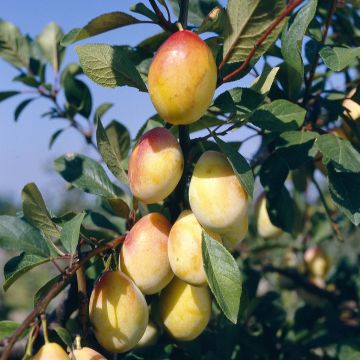
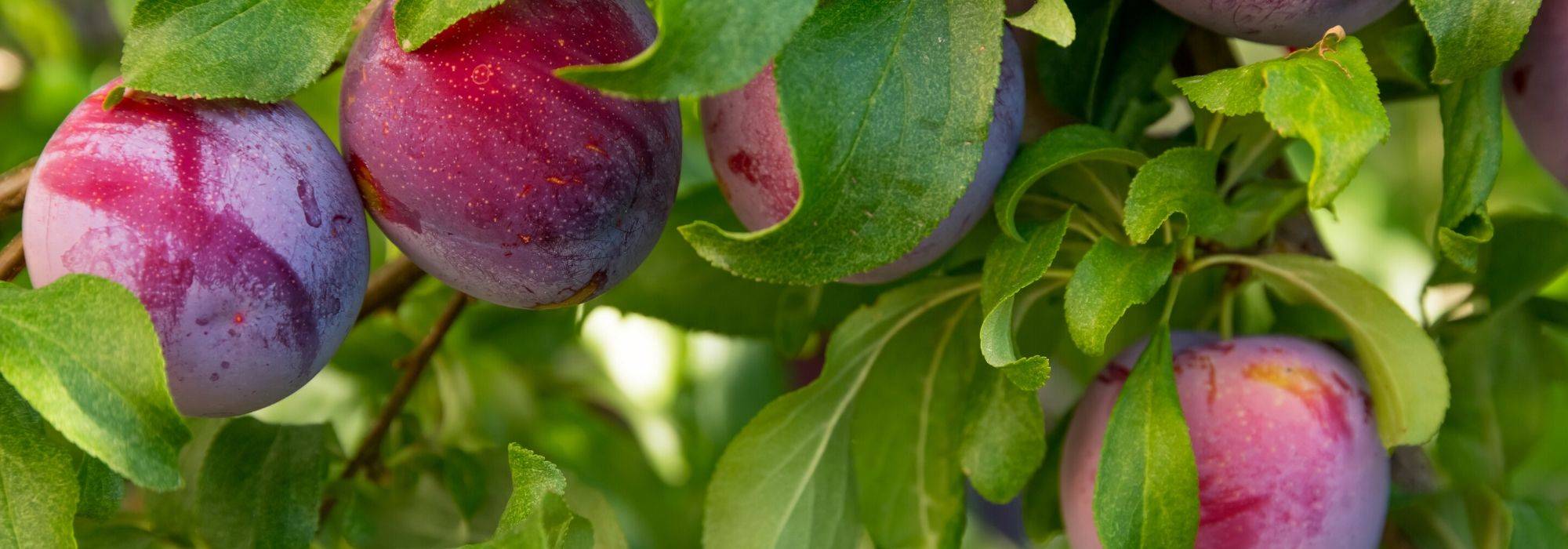
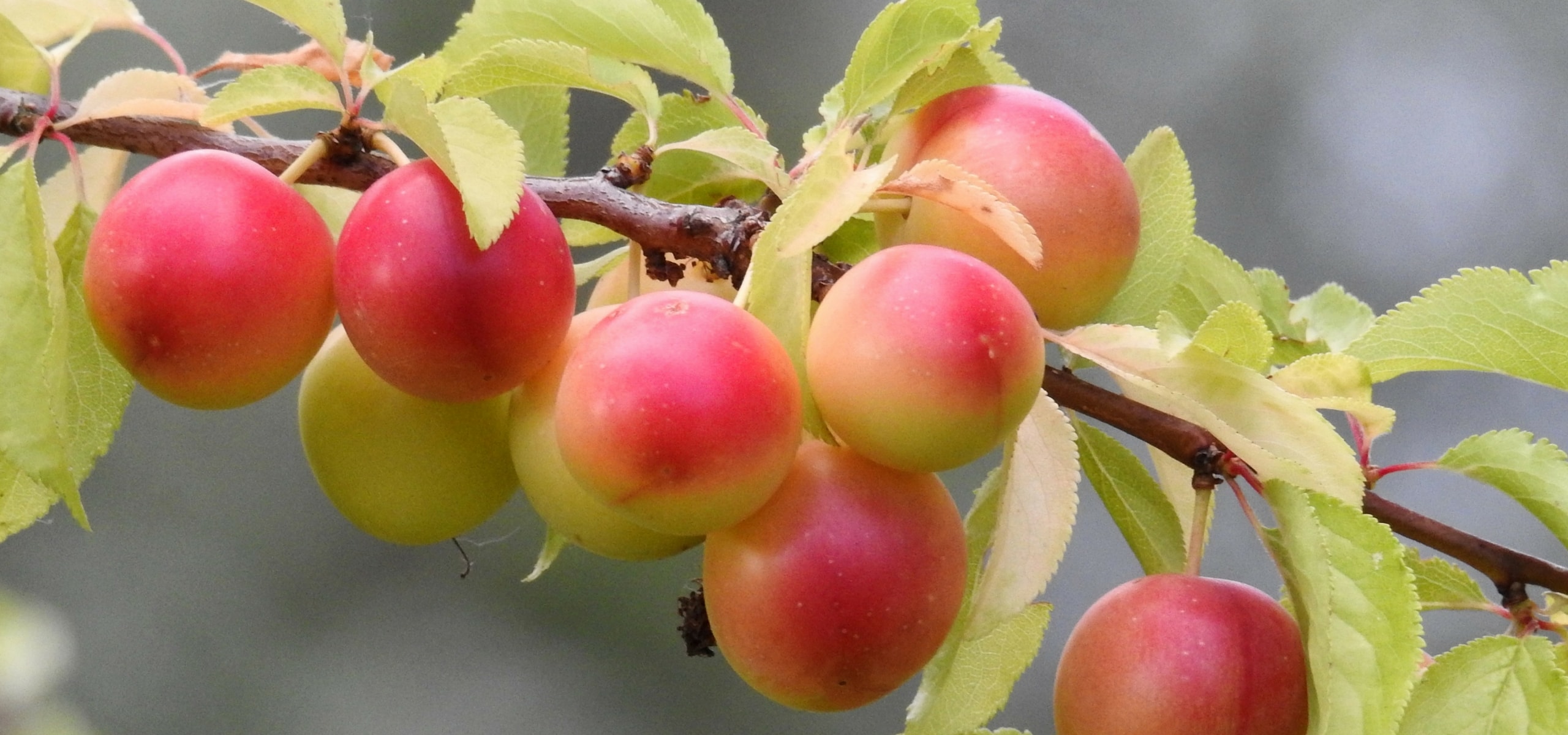
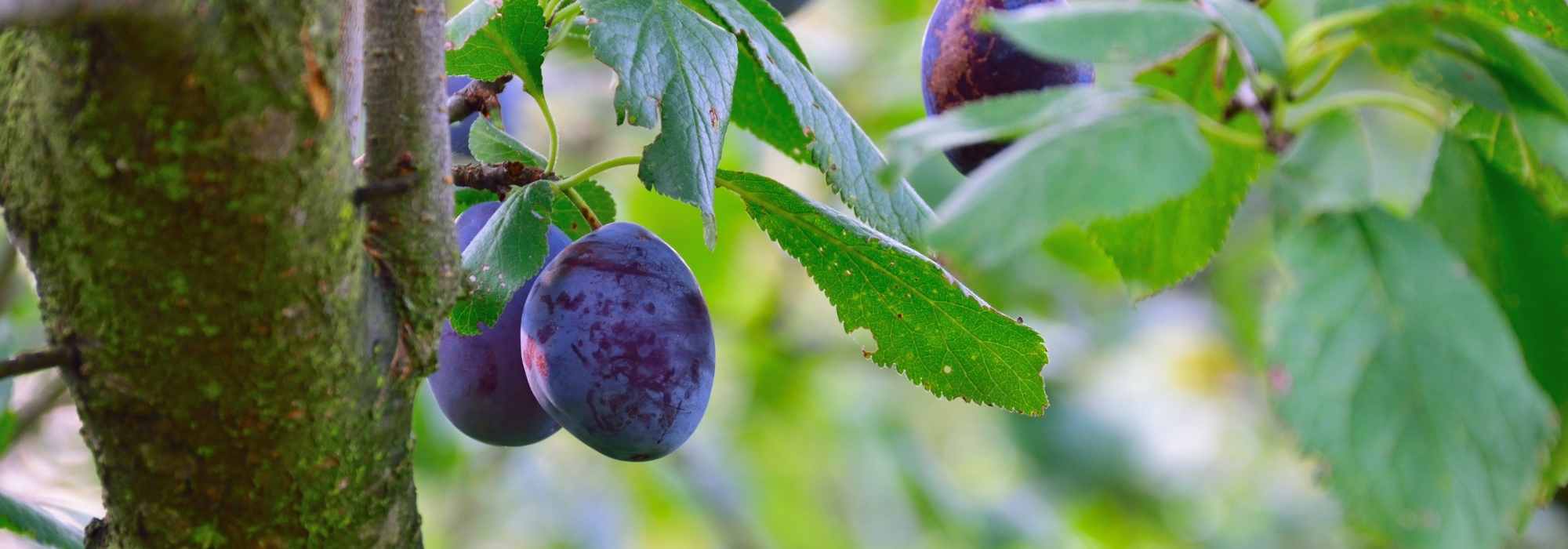
The Mirabelle Plum Badoual Organic is a vigorous, hardy variety that ensures abundant and regular harvests. It produces a round, round Mirabelle plum with thin skin and a yellowish-green colour, turning pinkish at ripeness. Its yellowish flesh is juicy, melting, and pleasantly sweet, with hints of honey. Harvesting takes place from late August and continues throughout September. The fruits are consumed as they ripen. It is a pleasant fruit to enjoy fresh, cooked in many sweet and savoury recipes, or preserved. Like all Mirabelle plum trees, the Mirabelle Badoual is partially self-fertile. It adapts to ordinary, filtering, fresh, deep, and rich soil, but not too chalky and without stagnant moisture.
Plant from Organic Farming.
The Prunus domestica (Common Plum) is a fruit tree belonging to the Rosaceae family, just like the apricot tree, almond tree, and peach tree. It originates from Syria, where it sometimes grows up to an altitude of 1000 metres (3281 feet). The plum tree was introduced to France during the Middle Ages, and during the Renaissance, it experienced its development and spread throughout the territory. Traditionally cultivated in Lorraine (France), without a doubt, the Mirabelle plum finds its ideal territory in Alsace. Possibly originating from northern Brittany, the Badoual variety has relatively unknown origins.
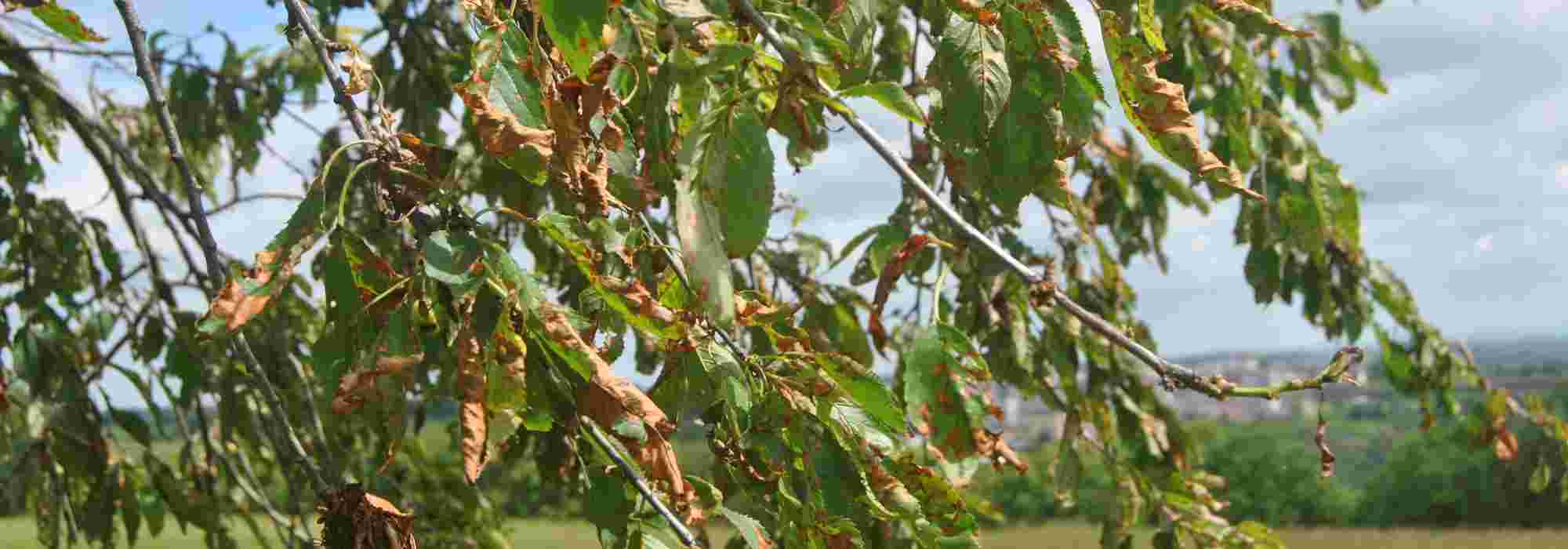
The Badoual Plum forms a fruit tree with a reasonably rounded structure, reaching a final height of about 5 metres (16 feet), producing numerous branches grouped in spreading crowns. Its habit is well-suited for free forms on high, medium, or low stems. Its deciduous foliage comprises obovate leaves, 6 to 8 cm (2 to 3in) long, with serrated edges and crenate, slightly pubescent undersides, dark green. By late March or early April, the white flowers, 1.5 to 2.5 cm (1in) in diameter, appear solitarily before the leaves on the previous year's branches. The flowering is sensitive to spring frosts but so abundant that frost rarely compromises the harvest. It is a remarkably decorative spring flower and is particularly attractive to bees and nectar-loving insects. It is a hardy tree, tolerating temperatures down to -20°C. This variety is self-fertile, so it does not require a companion to bear fruit, but the presence of another variety of plum nearby will increase production.
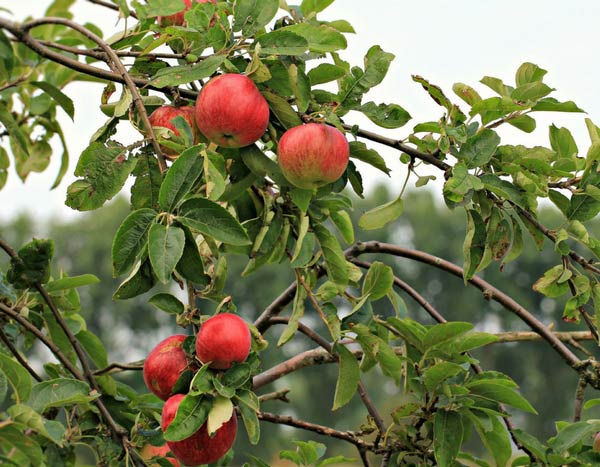
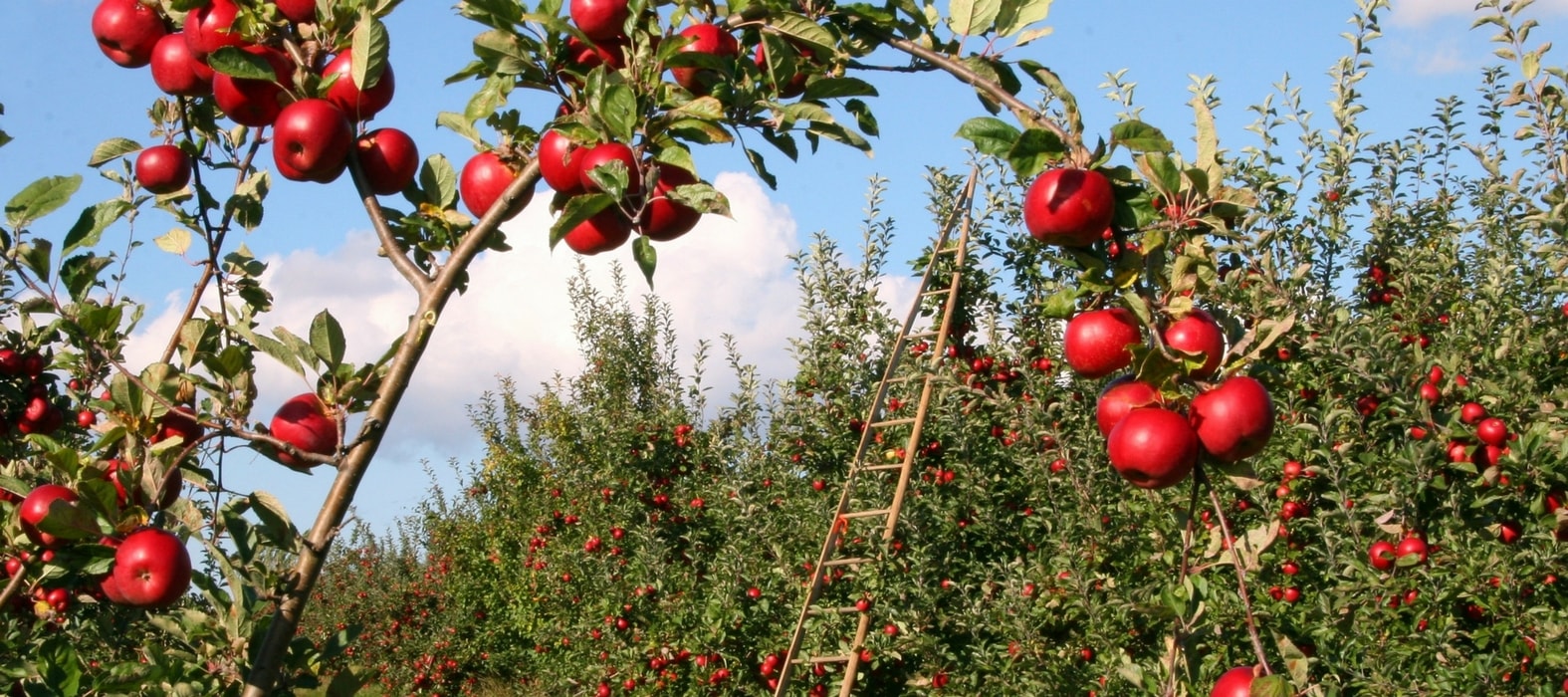
The Badoual Plum is a fertile variety with rapid fruiting. The fruits are harvested from late August to mid-September as they ripen. Since plums are quite fragile, they are harvested with a picking pole or manually using a ladder, but always with delicacy. On average, a plum tree produces between 35 and 60 kilograms of fruit per year. The fruits are consumed as soon as they are harvested. It is a large Mirabelle plum, ovoid in shape, 3 to 4.5 cm (1 to 2in) in diameter, with smooth and delicious flesh. The plums can be eaten fresh from the tree, either raw or mixed in a fruit salad or as a dessert. They are also exquisite in making clafoutis, cakes, crumbles, or tarts and as an accompaniment to savoury dishes with white meats (turkey, chicken, veal, etc.) or tagines. They are also perfect for making jams, compotes, or preserved in syrup. Surprisingly, the combination of plum and rhubarb produces a flavourful jam.
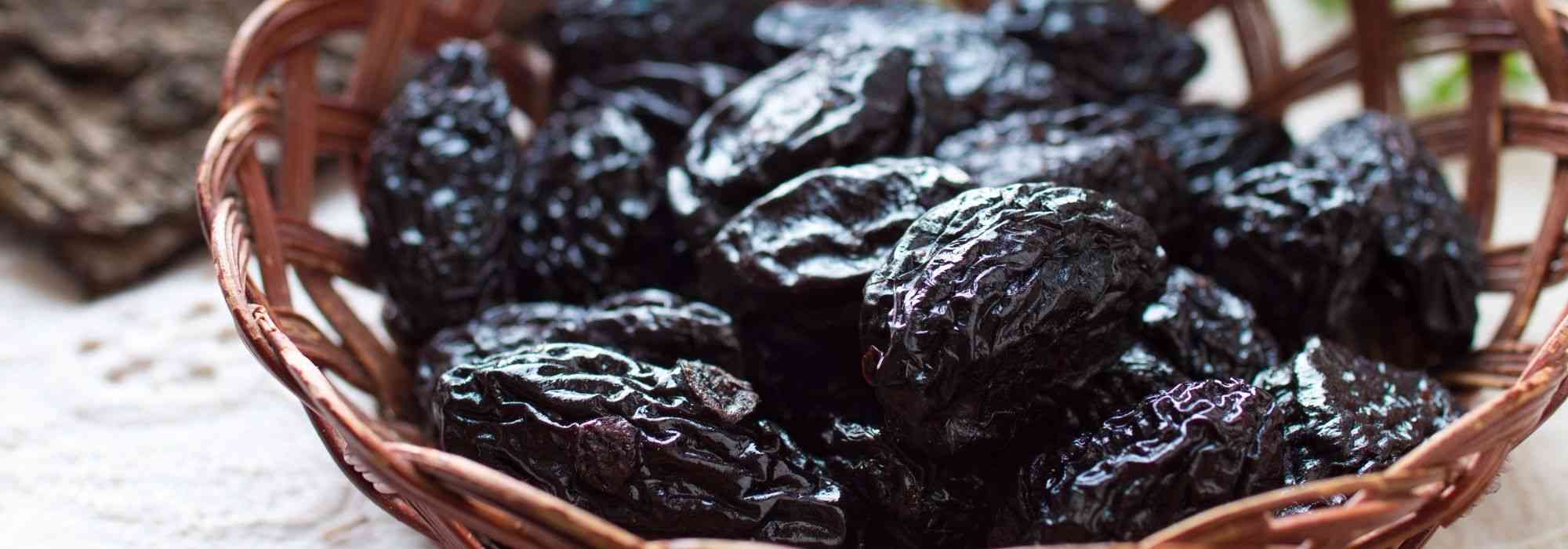
The plum is a light and balanced fruit. Low in calories, it is rich in potassium, calcium, and magnesium, with a significant supply of iron. Its vitamins C, B, E, and K content, phenolic antioxidants, and fibre make the plum a health asset. It is invigorating, energising, and rehydrating. The fruits can only be stored for a few days at room temperature. However, they can be frozen once washed, dried, pitted, or preserved in jams or syrup.
In the Plum - Mirabelle category, the Prunus x institiae Badoual is a highly versatile variety in its culinary uses, and its advantages as a fruit tree make it a top choice in a nourishing garden. It is easy to grow in good conditions, generous in fruit production, and resistant to diseases. Extremely popular, thanks to its fruits, the plum tree finds its rightful place in the garden for the enjoyment of young and old alike. With a wide range of varieties, it is easy to find the one that best suits your desires.
Plant habit
Fruit
Flowering
Foliage
Botanical data
Prunus
x institiae
Badoual
Rosaceae
Mirabelle Plum, Mirabelle Prune
Cultivar or hybrid
Planting and care
Perfectly hardy, the Badoual Mirabelle Plum can withstand temperatures below -15°C (5°F) and can be cultivated up to 1,000 metres (3 feet) in altitude. Cultivated under good conditions, it is one of the easiest fruit trees to grow, as it is both generous and resistant. Plum trees bloom early in spring and are exposed to frost, although frost rarely compromises plum harvests. Avoid areas exposed to north and east winds in the coldest regions. To produce beautiful fruits, the plum tree appreciates warmth and well-situated sunny locations sheltered from strong winds (the branches are very brittle). It is a vigorous tree that can thrive in all types of soil, although it prefers rich, moist, deep, and well-drained soils with a slightly acidic tendency, without stagnant moisture or excessive limestone. It truly only fears waterlogged soil. The plum tree is only cultivated in free forms, known as open-centred. Its white flowering brings a touch of freshness to a natural garden as well as an orchard in spring.
Planting the plum tree is done from November to March during the vegetative rest period, avoiding freezing periods. Container-grown trees can be planted any time of the year, provided the soil is not frozen or waterlogged. Don't forget to dress and prune the bare roots before planting. In open ground, you can plant the plum tree in groups of 3 or 5, spacing the trees 6 to 7 metres (20 to 23 feet) apart.
Prepare the soil well. Dig a wide planting hole at least three times the volume of the root ball (80x80 cm (32in)). Ensure drainage with some gravel. Install the tree in the hole and plant a stake without tying it too tightly. Fill in and firm the soil with garden soil enriched with compost, well-rotted manure, and 2 or 3 handfuls of bonemeal without burying the graft collar (leave the graft point 10 cm (4in) above the ground). Create a shallow basin around the base and water abundantly and regularly to help your plum tree establish itself.
During the first three years after planting, water regularly, as the soil should remain moist throughout the summer. It does not like excessively dry soil. In case of water shortage, its fruits may fall prematurely. After 2 or 3 years, it will better tolerate a short period of drought. Mulch the base of your plum tree during the first few years with dry vegetation (bark, dead leaves, straw, etc.) to maintain freshness in the summer.
If necessary, thin out the fruits. Ripe plums attract wasps: collect fallen fruits from the ground. If needed, remove any suckers that have grown over time at the base of the tree, but be careful when hoeing, as its roots are shallow. In autumn or spring, apply manure or fruit tree fertiliser.
Planting period
Intended location
Care
Planting & care advice
-
-
-
-
-
-
-
-
This item has not been reviewed yet - be the first to leave a review about it.
Recently viewed products
Haven't found what you were looking for?
Hardiness is the lowest winter temperature a plant can endure without suffering serious damage or even dying. However, hardiness is affected by location (a sheltered area, such as a patio), protection (winter cover) and soil type (hardiness is improved by well-drained soil).

The flowering period indicated on our website applies to countries and regions located in USDA zone 8 (France, the United Kingdom, Ireland, the Netherlands, etc.)
It will vary according to where you live:- In zones 9 to 10 (Italy, Spain, Greece, etc.), flowering will occur about 2 to 4 weeks earlier.
- In zones 6 to 7 (Germany, Poland, Slovenia, and lower mountainous regions), flowering will be delayed by 2 to 3 weeks.
- In zone 5 (Central Europe, Scandinavia), blooming will be delayed by 3 to 5 weeks.
In temperate climates, pruning of spring-flowering shrubs (forsythia, spireas, etc.) should be done just after flowering.
Pruning of summer-flowering shrubs (Indian Lilac, Perovskia, etc.) can be done in winter or spring.
In cold regions as well as with frost-sensitive plants, avoid pruning too early when severe frosts may still occur.
The planting period indicated on our website applies to countries and regions located in USDA zone 8 (France, United Kingdom, Ireland, Netherlands).
It will vary according to where you live:
- In Mediterranean zones (Marseille, Madrid, Milan, etc.), autumn and winter are the best planting periods.
- In continental zones (Strasbourg, Munich, Vienna, etc.), delay planting by 2 to 3 weeks in spring and bring it forward by 2 to 4 weeks in autumn.
- In mountainous regions (the Alps, Pyrenees, Carpathians, etc.), it is best to plant in late spring (May-June) or late summer (August-September).
The harvesting period indicated on our website applies to countries and regions in USDA zone 8 (France, England, Ireland, the Netherlands).
In colder areas (Scandinavia, Poland, Austria...) fruit and vegetable harvests are likely to be delayed by 3-4 weeks.
In warmer areas (Italy, Spain, Greece, etc.), harvesting will probably take place earlier, depending on weather conditions.
The sowing periods indicated on our website apply to countries and regions within USDA Zone 8 (France, UK, Ireland, Netherlands).
In colder areas (Scandinavia, Poland, Austria...), delay any outdoor sowing by 3-4 weeks, or sow under glass.
In warmer climes (Italy, Spain, Greece, etc.), bring outdoor sowing forward by a few weeks.
Shipping country and language
Your country of residence may be:
Your country of residence is:
For a better user experience on our website, you can select:
Your shipping country:
-
 Austria
-
 Belgium
-
 Bosnia & Herzegovina
-
 Bulgaria
-
 Croatia
-
 Cyprus
-
 Czechia
-
 Denmark
-
 Estonia
-
 Finland
-
 France
-
 Germany
-
 Greece
-
 Hungary
-
 Iceland
-
 Ireland
-
 Italy
Italy
-
 Latvia
-
 Liechtenstein
-
 Lithuania
-
 Luxembourg
-
 Malta
Malta
-
 Netherlands
-
 Poland
-
 Portugal
-
 Romania
-
 Serbia
-
 Slovakia
-
 Slovenia
-
 Spain
Spain
-
 Sweden
-
 Switzerland
Language:
-
French
-
 English
-
Spanish
-
Italian
-
German
-
Portuguese
-
Dutch
-
Finnish
My Account
Hello
My wish lists
My cart
Log in / Register
Existing customer?
This form is protected by reCAPTCHA - the Google Privacy Policy and Terms of Service apply.
New customer?
Create an account to track your orders, access our customer service and, if you wish, make the most of our upcoming offers.