How much does a 100 m² garden cost in the first year?
Everything you need to know about budgeting for a small garden
Contents
You have just moved into a house with a 100 m² garden, and you’re probably wondering how much it will cost you. A realistic ballpark figure for getting it set up in the first year is between €300 and €5,000, depending on the condition of the plot, your ambitions, and whether or not you do the work yourself. In reality, it all depends on the type of soil and the work required, and costs can quickly mount up. At a time when everyone is trying to save money, this article breaks down the main expenses involved in setting up a small 100 m² garden, from preparing the soil to tools and landscaping, so you can plan your garden without any unpleasant surprises.
Important: the prices given here are indicative, based on current mid-range rates. Every project needs to be costed individually.
A new garden, a head full of plans… Yes, but how much is it going to cost?
The essentials
- The main areas of expenditure depend largely on the garden’s starting condition: waste ground or bare ground, an existing garden to renovate or a new one to create.
- 3 budget brackets: €300–600 for a minimal, cost-conscious project, €600–1,500 for a standard project without hiring a professional, and €1,500–5,000 or more for a complete garden design by a landscape gardener.
- Don’t forget additional costs such as tools and supplies, from €150 (from potting compost and watering equipment to a compost bin or the services of a gardener/landscape gardener).
- Planting in autumn rather than spring can often save you 20 to 30% on certain plants.
Read also
First garden: our tips to startGround conditions: preparation and analysis
The first variable affecting the cost of a small 100 m2 garden — often a first garden, a town garden or one in a housing development — is the condition of your plot. And the differences can be considerable. Your perfectionism on this score will also have a major impact on the budget, which can vary threefold. You might simply want to add a few more plants and create a small vegetable patch for growing tomatoes. Or you may need to lay a whole new lawn, redo the borders, create beds, install an automatic watering system, and so on. There are several possible scenarios:
Scenario 1: the garden is in good order
If the garden is already maintained and planted, all you need to do is keep it that way, which is the main thing with an existing 100 m2 garden. With a decent lawn and established beds, your first year will therefore be all about maintenance. In this case, a budget of €50 to €150 should be more than enough: a few bags of potting compost, some fertiliser and a few plants to freshen up the beds or add your own touch should do the trick.
Scenario 2: the garden still needs creating
The lawn is there, but that is about all… Bear in mind that you will not get everything done in the first year. It is generally best to spend that time observing your garden to discover its strengths, weaknesses and potential. Most of your budget will go on planting one or two small trees and a similar number of shrubs, as you will generally need to create some shade, along with a few perennials to help you start dreaming and make your outdoor space feel more welcoming. You can plan future improvements over the coming months.
For this particular scenario, budget between €200 and €400.
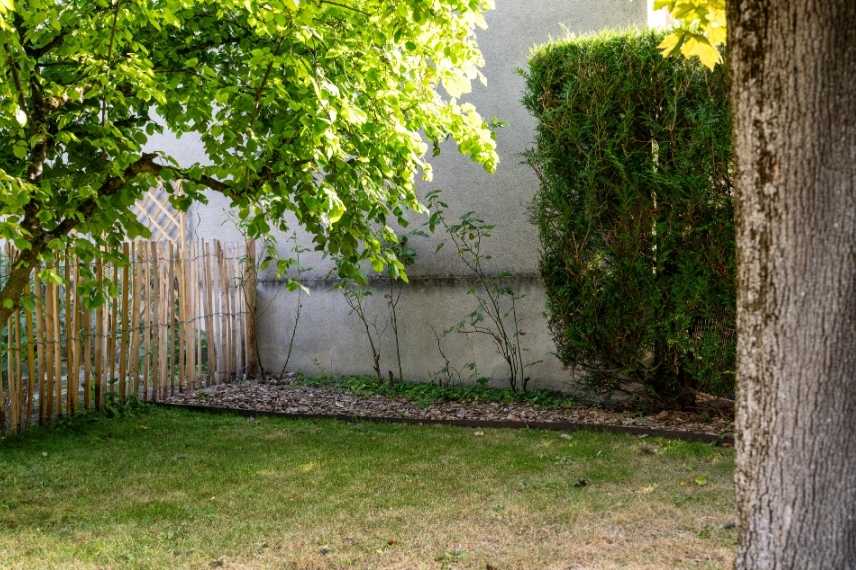
A few extra plants are often enough to fill out the garden in the first year, without breaking the budget.
Scenario 3: a bare plot
This is the most expensive scenario: a plot on a building site, with barren soil. After building work, the soil is compacted, impoverished and full of rubble. Some companies remove the infill and bring in good-quality topsoil: expect to pay €15 to €30 per tonne delivered, or easily €200 to €500 to create decent soil across part of the plot. Add any groundworks carried out by a professional, plus laying a lawn, and the costs can climb further.
The in-between scenario is a plot overgrown with weeds and scrub. This is the most common situation, particularly when buying a house where the garden has been neglected. In that case, you will need to budget for:
- Clearing and tidying up: from €0 if you do it yourself (allow a few weekends and plenty of hard work) to €300 to €600 if you hire a landscaper or garden maintenance company to clear the scrub, remove stumps and take away the waste.
- Digging over the soil: free if you use a digging fork (but a workout on 100 m²!), or €100 to €200 to hire a rotavator for a few days.
- The lawn (sown or laid as turf): from €50 for sowing (€0.50 to €1/m²) to €2,500 for turf rolls (€10 to €25/m²) if you want an instant effect.
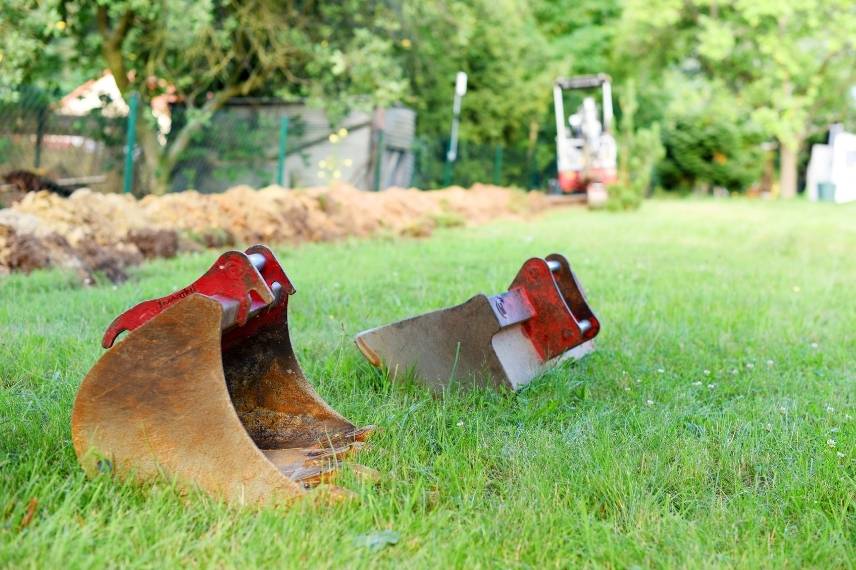
More extensive work will increase the cost of setting up the garden in the first year.
In every scenario, one important factor is often overlooked for lack of time or money: soil analysis. Do not forget it! A basic laboratory soil analysis costs between €30 and €150, and can prevent many mistakes, such as persisting with acid-loving plants (rhododendrons, blueberries…) in chalky soil. Depending on the results, you may need to improve the soil with organic soil improvers, compost or well-rotted manure… Allow €50 to €150 for this step, which you may need to repeat in autumn.
Total for this minimum preparation budget = from €0 to over €1,000, depending on your starting point. This is often where half of the first-year budget goes — and it is not worth cutting corners here, as poorly prepared soil will doom all your plantings and cost you more money later on.
→ Read also: Carrying out a soil analysis: why and how?
Garden tools: THE key investment in your first year in the garden
You may already have the tools you need to look after your garden. If so, move on to the next paragraph.
Tools are the biggest expense when you’re starting out and don’t have any gardening equipment, so it’s worth investing in good-quality kit. As our colleague Olivier says, “the cheapest option is always too expensive“, and sadly that’s often true. In short, don’t skimp: for your essential tools, invest in at least mid-range kit and you’ll spend less in the long run. Prices vary, of course, depending on whether you choose all-electric or petrol-powered equipment, or buy a few second-hand tools.
At a minimum, you’ll need:
- a spade/trenching spade and digging fork to prepare the soil: €80
- a hoe for garden care: €60
- a hand trowel: around €10
- a lawn rake: €20
- a weeding knife: €15
- a cultivator hoe for loosening and working the soil: €40
- secateurs and a pair of gloves: €25 to €50
- loppers: €70
- A garden hose (25 to 50 m) and spray gun: €40 to €80; or a 10 L watering can with a rose: €15-20.
- an electric lawn mower: around €150
- Optionally, a wheelbarrow (€40 to €80) and a hedge trimmer (€50 to €150) if the garden isn’t enclosed by fencing.
- Also optional: a few attractive pots for a patio: around €30
Total for this tools budget = €150 for the essentials, €400 to €700 to be fully equipped. You can spend less by buying second-hand (at car boot sales or online) or sharing larger tools that are only used twice a year with your neighbours.
→ Read also: Essential garden tools, Essential tools for planting in the garden; 8 essential tools for the vegetable garden.
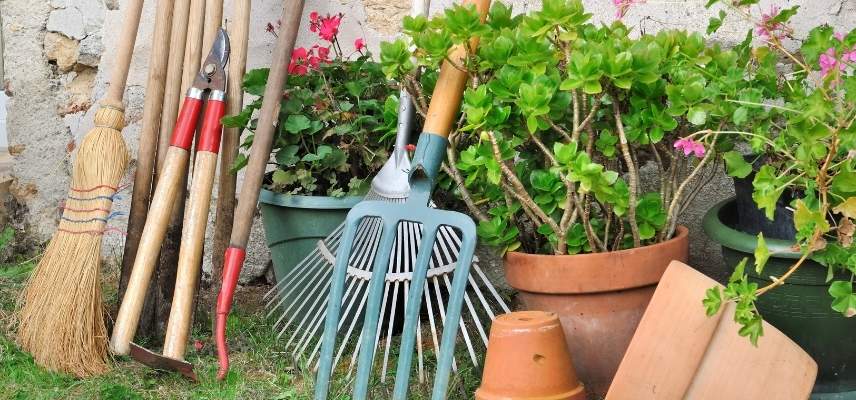
Small tools are essential for looking after a garden.
Buying and planting plants
Planting and greening a small 100 m2 garden isn’t the biggest expense, especially if you know where and when to buy your plants!
The plants themselves aren’t what really push up the budget, but if the garden is a blank canvas, you’ll need to add a few larger plants and buy them in quantity. Evergreen plants are the most expensive because they grow slowly, but some are essential. The cost of the garden in its first year therefore depends largely on the initial planting, which may involve buying just a few plants or many more to fill the space properly. The type of plant you choose, whether a common variety or something more unusual and collectible, will obviously affect the budget. Finally, choosing plants in pots or 3–4 L containers can make a huge difference to the budget (from €2 to €5 for a pot-grown plant, and an average of €10 to €50 for a shrub).
→ My advice: don’t bite off more than you can chew in the first year. It’s always better to try a few things first, or even grow plants in pots on a terrace to see how they fare, especially if you’ve just moved to a new region.
Money-saving tip: Don’t forget to visit plant fairs, plant swaps and other plant sales in spring and autumn. Nurseries often hold open days in these two key seasons, so you can often save 5 to 10% on your purchases.
As well as shrubs, trees and perennials, you’ll need to budget for the soil improvers, growing media and fertilisers required for planting.
Total planting costs: €300 to €500 for an untreed 100 m2 garden.
→ Read also: 7 inexpensive climbing plants to spruce up your garden on a budget; How to fill your garden with flowers on a tight budget using perennial plants; Choosing perennial plants;
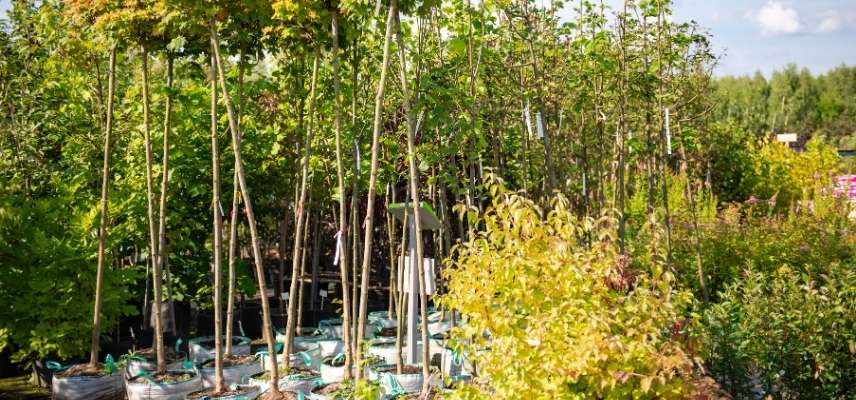
The most expensive plants are large specimens and evergreen shrubs.
Landscaping and advice
This is an optional expense, but a useful one if you know nothing about gardening. If you don’t know anyone who can give you good advice on planning your garden and choosing plants, you can read up on the subject beforehand (on our website!) or buy some good gardening books. But this takes time and a fair amount of thought.
A garden designer generally charges a fixed fee for advice; the budget will increase if you use a landscape architect. Expect to pay €30 to €75 per hour.
Finally, if you hire a garden designer, labour will have a significant impact on your budget. It’s difficult to give an exact figure, as the cost of a project can vary greatly depending on what you want, but allow €2,500 to €5,000 for 100 m².
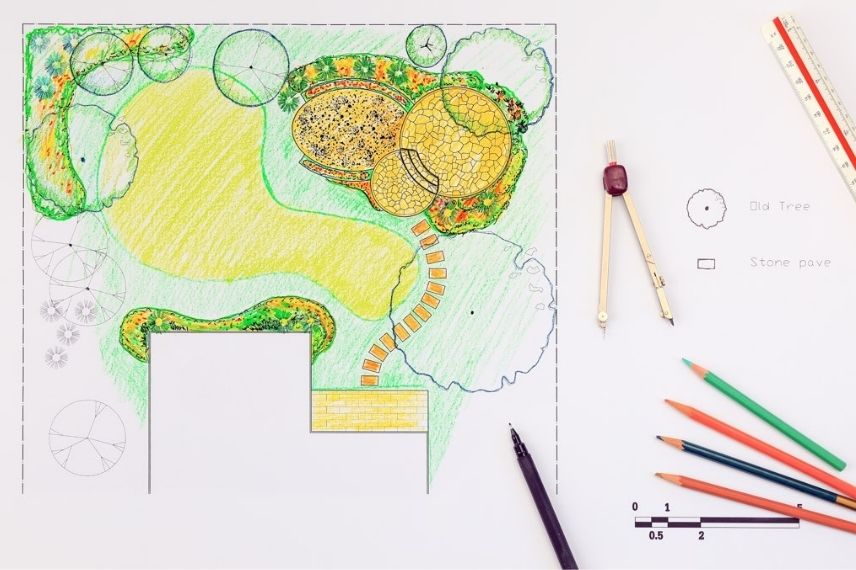
The work involved in planning a garden comes at a cost: you can either factor it into your budget or do the work yourself.
The extra costs of gardening you shouldn't overlook
Once you’ve planned and laid out your garden and planted everything, there are, as everywhere, a few hidden costs that may sometimes push the bill up (a little). This can also happen while the garden is being laid out, when you decide to hire equipment to make the job easier, such as a rotavator.
So remember to factor a few extra costs into your garden budget, such as mulch or the purchase of a garden shredder (more expensive to buy, but quickly pays for itself), possible repairs to petrol or electric tools, a water butt, and so on.
Finally, watering during the first year is essential, even if you plant species that will withstand drought once established. The costs will obviously mount up quickly if you don’t have a well (and need to buy a pump).
The cost of a vegetable garden in a small garden
A vegetable garden can pay for itself in the very first year… or almost, if you plan it well. Creating two raised beds of 9 m² each, for example in your 100 m2 garden, requires a few specialist tools (see paragraph 3) but few other supplies. It costs even less if you make them yourself (a kit costs around €150 from a shop). If you’re laying them over a lawn, the main thing you’ll need is plenty of elbow grease.
Allow €30 for seeds and easy-to-grow young plants for the whole season – enough to harvest tomatoes, courgettes, lettuce and herbs that quickly recoup this investment. Potting compost to get started will cost €30 to €60, depending on the area and the quality of the soil already in place. Starting your own compost in spring (a compost bin costs between €10 and €40, depending on its size, and is now often subsidised by local authorities) will cut costs further in the years that follow.
Total for the vegetable garden: €100 to €400.
We cover the cost of a vegetable garden in more detail in our article: Setting up a vegetable garden: how much should you budget for a successful project? If you’re just starting out, also see our advice in 7 vegetables that are incredibly easy to grow.
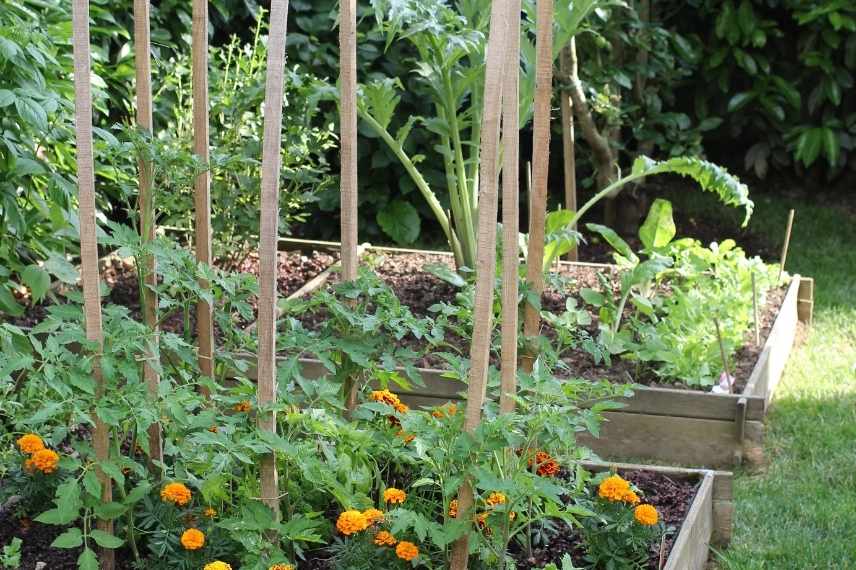
A small vegetable garden costs very little to set up in a small 100 m2 garden
In summary: the garden budget in 6 main categories
Here are some price ranges for the typical work to be carried out in the garden during the first year:
| Cost item | Indicative budget | Type and variable factors of the work |
|
Soil preparation
|
€100–€500 | Testing, soil conditioners, topsoil |
|
Lawn
|
€50–€600 | Sowing or turf rolls (up to €2,500 for turf slabs) |
|
Ornamental planting
|
€300–€1,500 | Plants in pots, container-grown plants, trees |
|
Tools and supplies
|
€150–€700 | Quality of tools, watering |
|
Landscaping (fence, paths)
|
€500–€2,500 | Materials, area, professional or DIY |
|
Vegetable garden (20 to 30 m²)
|
€150–€600 | Sowing or young plants, edging |
These figures are indicative: a plot of waste ground will need more preparation than an existing lawn that simply needs overseeding.
For three specific types of work that homeowners often ask about, here are some typical market prices:
- Groundworks and site preparation: between €1,300 and €1,360 for 100 m².
- Paths and stepping stones: between €40 and €80 per m².
- Underground watering system and lighting: around €10 to €70 per m², depending on the options.
Frequently asked questions
What is the biggest expense in the first year?
Hard landscaping is the biggest expense: everything involved in creating the garden, such as fencing, paths and edging, can easily cost between €500 and €2,500. Plants are often wrongly seen as the main expense, but their cost can be cut considerably by choosing pots and sowing seeds, or even by swapping plants with friends or neighbours.
Should you hire a garden designer or do everything yourself?
It all depends on how much time you have and on the garden. Doing everything yourself is realistic for 100 m² if the soil is in good condition and the project is simple, but above all if you are a practical person. If you hire a professional, their hourly rate will be between €25 and €75, and a complete garden design for this area can quickly cost €2,500 to €5,000, which makes it worth comparing quotes.
- Subscribe!
- Contents
This form is protected by reCAPTCHA - the Google Privacy Policy and Terms of Service apply.

































Comments