Few plants are as divisive as bamboo in the garden! Generally speaking, you either love it or hate it. End of story… Spectacular in the garden, bamboo is also criticised by many of us for its highly invasive nature and other faults that are very much its own. So what should we really think of bamboo? Why does it inspire so much hatred? The discussion is open to everyone on our blog 🙂
Why do we love bamboo?
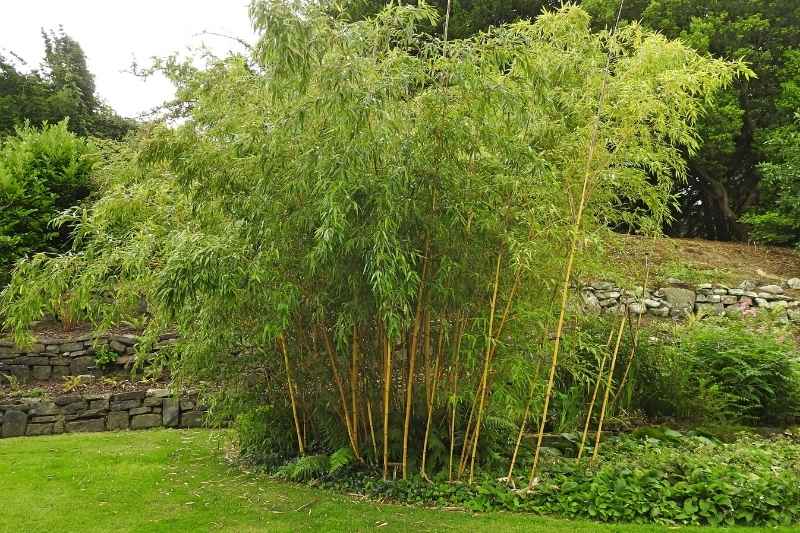
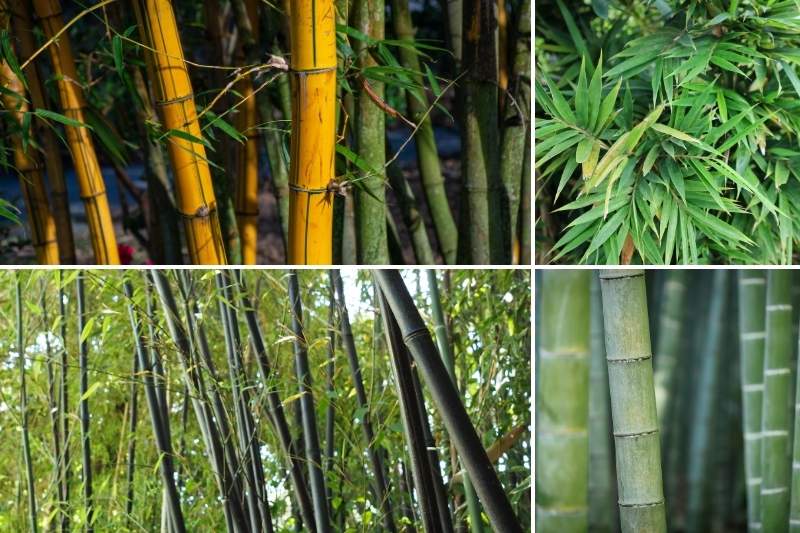
For many people, bamboo brings a taste of escape right into their own garden. It transports us to Asia or the other side of the world without the need to change time zones. Its stature and abundant growth are second to none. Its exotic appearance takes us on a journey, while fitting equally well into an exotic, contemporary or Japanese setting. To my mind, this unique aesthetic is beyond criticism. There is an impressive variety of bamboo, with coloured, variegated, black or green foliage and canes, from dwarf varieties, small and compact, to enormous bamboo…
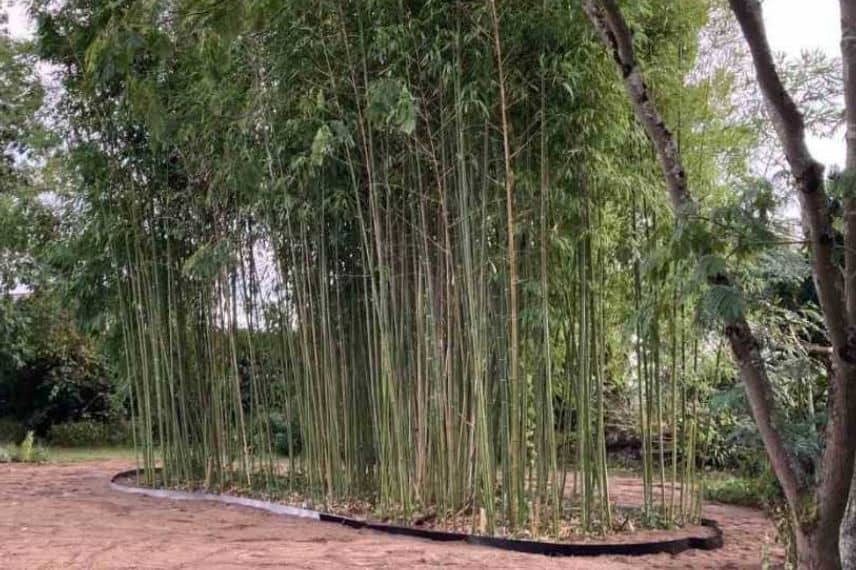
Another quality, and no small one, which makes bamboo a popular choice for creating screening hedges, is its rapid growth. This is essentially why bamboo is generally chosen over the many other options available for creating a dense living screen. Many landscape designers and nurseries offer it as a planting option, especially in urban settings. Screening a house in town from prying eyes is often possible thanks to bamboo's rapid development, creating an effective screen and useful height in just two or three years, compared with other evergreen plants, which grow slowly.
It must also be acknowledged that another specific feature of bamboo is its resistance to disease. These robust tall grasses are rarely affected by any insect or pest. It is more likely that poor watering will cause them to decline, particularly when they are grown in containers. So beginner gardeners can take heart: when the right bamboo is chosen, there is little chance of failing with it.
And what about the joy of hearing their canes clatter together on a windy day! This distinctive dry sound, so characteristic of bamboo, is pleasant and ideal when you want to create a sensory garden at home. Between the rustling of the leaves and the cracking of the wood, I compare it to the sound of a marina, where boats clink together in much the same way…
More poetically, the way this plant bends is truly exemplary, and people from Asia will tell you that bamboo bends but does not break. It is a lovely way of expressing its flexibility and resilience. In Chinese culture, and more broadly throughout Asia, bamboo is also synonymous with moral integrity. It is used in construction, in the paper industry and in everyday life, in cooking and, of course, as a habitat for the giant panda. The fashion for rattan reached Europe much later.
Finally, on a more practical note, when I tell you that bamboo also has the advantage of being highly resistant to cold, as well as to drought when planted in the right conditions, and that it remains inexpensive to buy when creating a hedge compared with other species, you will say: "Enough already, don't give me any more!"
So why is bamboo so unpopular? These are surely qualities for one and the same botanical genus! Yes, but…
Why people fall out of love with bamboo: invasion, and more…
Is “invasive” a strong enough word to describe the sometimes uncontrolled spread of certain running bamboo? Phyllostachys, to name but one example. This species is a calamity in the garden for anyone who finds bamboo planted on their property without a rhizome barrier. In spring, bamboo shoots appear everywhere, usually in the lawn but also in borders, because nothing really stops them when the species is not caespitose, that is, controllable. As if that were not enough, they go off to see whether the neighbour's grass is greener, even causing disputes between neighbours.
As we have seen, bamboo is flexible. It is used to make beautiful arched structures for all sorts of purposes. Unfortunately, this flexibility comes with another unexpected effect: extraordinary strength! Bamboo can break through materials as hard as slate (this happened to me at home with Phyllostachys). It can lift wire fencing and sometimes even low walls, knows no boundaries, and can also spread into ditches.
If the rubbing of their canes and the rustling of their foliage makes me think, as I mentioned, of boats at their moorings, not everyone feels the same way and this recurring noise irritates more than a few people… in this case, the neighbour branded a grumpy one! In short, we do not all have the same sensitivity to noise (or smells!), which promises heated discussions in certain circumstances.
It is also regrettable that many bamboo plants have been planted without any real design in gardens. When the landscaping has not been carefully planned, the result is an amorphous bamboo forest, a long way from the aesthetic of outstanding gardens where everything is done to show the plants at their best.
Finally, and this is generally why bamboo is chosen as a hedge, it is evergreen. Where is the problem, you may ask? It sheds its leaves all year round, just like an evergreen plant! Dry leaves cover the ground almost constantly, with a few peaks at certain times of year. If you live in a windy corridor, you had better not be too particular about keeping the lawn spotless. The leaves can be collected if you shred them with the mower, but this is difficult because the dead sheathing leaf is tough. They are therefore not as useful for compost or mulching borders, leaving you with heaps of coarse leaves to take to the recycling centre… And a year-round raking chore.
My experience with bamboo
I have mixed feelings when it comes to bamboo. It has almost as many advantages as disadvantages.
In my garden, bamboo made a very good impression when I arrived in autumn (they are tall Phyllostachys), but disillusionment soon followed. This bamboo forest was not contained by a rhizome barrier, and it had spread so extensively that I was considering creating a path through it to remove some plants. It was particularly the following spring that I realised what I was up against. Had cutting them right down to the ground stimulated them? Several years later, I understood that the answer was no: in spring, the bamboo inexorably sent up its shoots like lances, all around the original planting area. When this spreading habit is not controlled, it becomes almost stressful. Admittedly, the mower destroys the shoots each time it passes, but the spreading habit is not slowed down as a result.
The only solution was therefore to surround them with a deeply buried barrier. A few years later, the result is convincing: they have exhausted themselves, and very few of the “bamboo daggers”, as I call them, now bother me. That is the good news, because even bamboo that was not enclosed at the outset will eventually slow its spread.
The other nuisance is, I would say, the leaf fall throughout the year, with certain periods being particularly tiresome. You have to enjoy wielding a large rake and dealing with a pile of dry leaves that are not very suitable for composting. You can shred them with the mower, but that adds even more work when the garden is large, just when you really do not need it.
In short, if I stopped there, you might think that bamboo is not my cup of tea. Yet I have kept my Phyllostachys because they provide volume and therefore welcome shade in my front garden. On this poor, sandy patch of ground, they create a screen and have made it possible to shape another small garden behind them, sheltered from view. Their exotic character can also provide an excuse for Japanese or tropical areas. Finally, during this summer of exceptional heatwaves, they have coped well and continue to provide their beautiful leaves and pretty yellow canes, which look even more attractive in rainy weather.
I have no personal experience of bamboo planted in containers, although I find it interesting in contemporary landscaping. Well maintained and given suitable watering, it can, in my view, make a good companion in an urban or designer garden, especially as in this case it is often Fargesia, the caespitose bamboo, that is preferred.
So yes, novice gardeners should be warned that bamboo requires care that its pedigree does not always mention. But that is no reason not to recommend it. For me, bamboo is perfect when you have a large plot, as I always find tall bamboo and giant bamboo more impressive. But varieties with colourful culms or unusual foliage are also worth planting… provided you follow the right growing practices!
What has your experience with bamboo been? Do you love it, or have you grown to hate it? Tell us everything!


































Comments