Olive trees, oleanders, lavender and rosemary… Mediterranean plants bring a little holiday feeling to the garden! But to help them thrive there for years to come, planting these outdoor plants calls for a few precautions: a sunny spot, well-drained soil and timing suited to the climate. Here’s how to give them the best chance of settling in well, even in regions with cold, wet winters.
Key points to remember
| - In cold regions, plant in spring; in mild regions, choose autumn. - Improve drainage in clay soil, planting on a mound if necessary. - Water during the first two summers, even if the plants are drought-tolerant. |
When should you plant a Mediterranean plant?
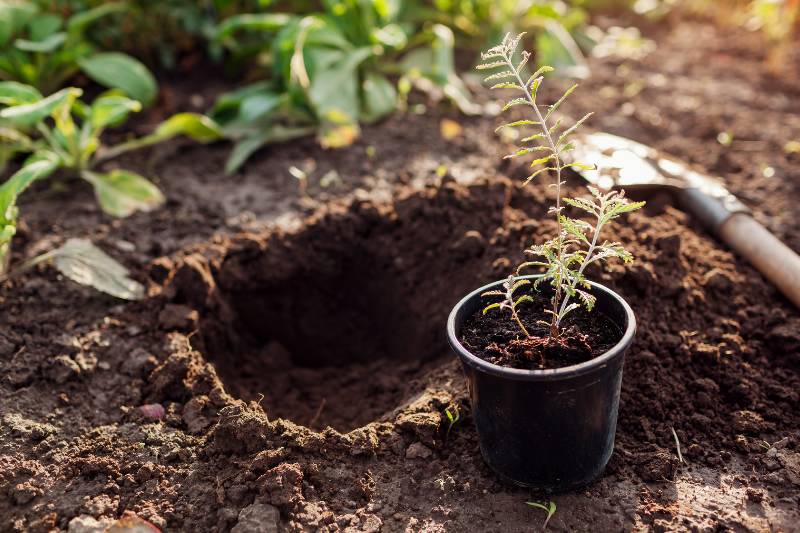
In northern France and regions with cold winters, plant in spring, once severe frosts have passed and the soil has warmed sufficiently. Your plant will then have several months to develop its roots before its first winter.
In Mediterranean regions and areas with mild winters, plant in autumn, while the soil is still warm. Seasonal rainfall will encourage rooting before the first summer heat arrives.
Where should you plant a Mediterranean plant in the garden?
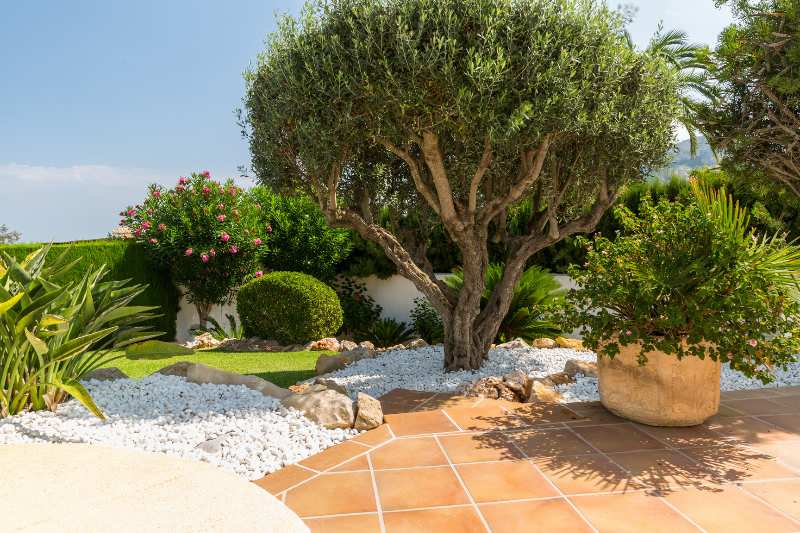
Most Mediterranean plants enjoy sunshine and dislike waterlogged conditions, especially in winter. When choosing a spot for them:
- Choose a sunny aspect, ideally south- or south-west-facing, to give them as much warmth and light as possible.
- Protect them from cold winds, particularly in the northern regions of France. A south-facing wall that releases the heat it has absorbed during the day can create a favourable microclimate.
- Choose a well-drained site, where water does not collect after rain. A gentle slope or a raised bed is particularly suitable.
Remember, not all Mediterranean plants are equally tolerant of cold or damp soil! Check our plant profiles to find out what each one needs.
How do you plant a Mediterranean plant in the ground?
Planting is fairly straightforward in naturally light, free-draining soil. The key is to give them soil that does not hold too much water, especially if your garden has heavy clay soil. Here’s how:
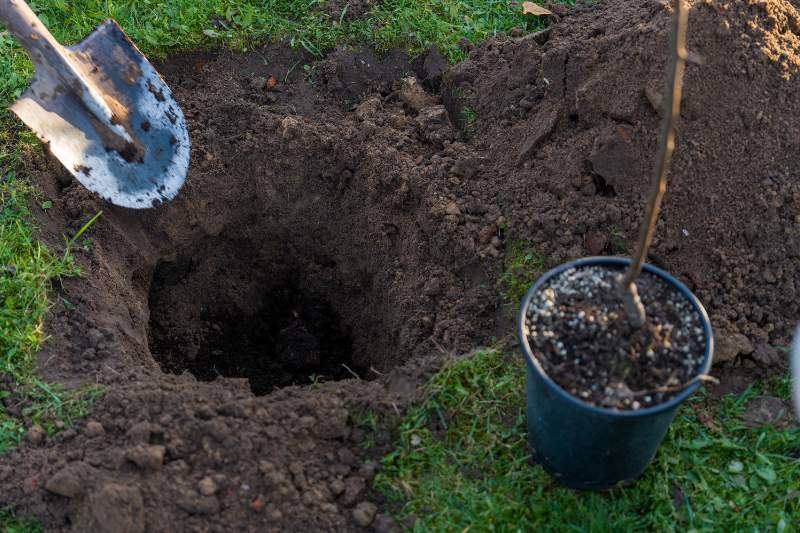
- Dig a hole about twice as wide as the rootball, but no deeper than necessary.
If your soil is clay, take the time to loosen the bottom of the hole thoroughly and scratch the sides with a hand fork. This simple step prevents the "flowerpot effect" and helps the roots explore the surrounding soil. - To improve drainage, mix about 2/3 garden soil with 1/3 potting compost for Mediterranean plants or well-rotted compost. You can also work in grit or pumice to improve drainage, over a sufficiently wide area.
- In very heavy, wet clay soil, we recommend making a planting mound to raise the roots and reduce the risk of waterlogging in winter.
- Carefully position your plant, teasing out the roots if they have become tangled. Keep the root collar level with the soil, then backfill and firm lightly.
- Finish by watering thoroughly to ensure good contact between the soil and the roots.
What should you do after planting?
Watering
Even drought-tolerant Mediterranean plants need water to establish well while they are young! Keep an eye on soil moisture during the first two summers.
Here’s a simple tip: push a finger a few centimetres into the soil, near the rootball. If the soil is still damp, there’s no need to water! If it starts to dry out deeper down, give your plant a thorough watering directly at the base, preferably in the morning.
Then let the soil drain before watering again. During hot spells, check more often, especially in sandy soil.
And what about mulching?
It depends on your plant and your soil! For lavender, thyme and rosemary, choose a little gravel or slate, especially in damp regions. For an olive tree or fig tree, you can also choose a mineral mulch, but organic mulch (dead leaves, shredded prunings) can help retain moisture in summer and protect the roots from the cold. In all cases, keep the root collar clear to prevent excess moisture.
Protecting Mediterranean plants in winter
Finally, in regions with cold winters, protect the more tender species with fleece during severe frosts. However, bear in mind that this protection is no substitute for good drainage or hardiness suited to your climate.


































Comments