
Polystichum polyblepharum - Japanese lace fern

Polystichum polyblepharum - Japanese lace fern

Polystichum polyblepharum - Japanese lace fern
View more pictures
Hide images

Flore G.
Polystichum polyblepharum - Japanese lace fern
Flore G. • 78 FR

Corinne P.
Polystichum polyblepharum - Japanese lace fern
Corinne P. • 64 FR

Laurine B.
Polystichum polyblepharum - Japanese lace fern
Laurine B. • 31 FR
Polystichum polyblepharum - Japanese lace fern
Polystichum polyblepharum
Japanese lace fern, tassel fern
Two small young plants in a bucket planted last November: they have developed well this spring with beautiful foliage and a lovely habit in the shade in clay-limestone soil. I'm waiting to see if my little plants will withstand the hot, dry summer.
Solène G., 23/05/2025
Back-to-school special offer!
Get €10 off for every €50 you spend! And get up to €40 off on a single order.
How does it work?
1. Shop your favourites
Add your favourite plants to your basket. For every €50 you spend (excluding delivery charges, store credit and the plastic-free option), you’ll receive a €10 voucher.
€50 spent = €10 voucher
€100 spent = €20 voucher
€150 spent = €30 voucher
€200 spent = €40 voucher
2. Place your order
Once your basket reaches one of the spending thresholds, place your order. You can even choose your delivery date!
3. Receive your voucher
As soon as your order has been shipped, you’ll receive an email containing your personal voucher code and its value.
4. Use it on your next order
Your voucher is valid for 90 days from the date you receive it. It can be used once only, on a new order worth at least the value of the voucher, excluding delivery charges.
Please note: Vouchers can be combined with other offers, but cannot be split or refunded.
Home or relay delivery (depending on size and destination)
Important: You may be charged customs duties by your country’s customs authorities upon delivery.
Schedule delivery date,
and select date in basket
This plant carries a 12 months recovery warranty
More information
We guarantee the quality of our plants for a full growing cycle, and will replace at our expense any plant that fails to recover under normal climatic and planting conditions.


Would this plant suit my garden?
Set up your Plantfit profile →
Description
Polystichum polyblepharum, l'Aspidie du Japon ou patte d'ours, forme une couronne de frondes persistantes, vert sombre et luisantes. Au printemps, ses crosses épaisses paraissent sous un manteau d’écailles dorées. Leur extrémité reste inclinée pendant les premiers jours, formant une sorte de pompon avant le déploiement complet. Très rustique et robuste, cette espèce botanique conserve un feuillage fourni en hiver et demande peu d’entretien. Elle apporte un peu de luxuriance dans les endroits ombragés du jardin, notamment sous les arbres ou près d’un mur exposé au nord.
L’aspidie ou polystic du Japon appartient à la famille des Dryoptéridacées. C’est une fougère terrestre vivace dont la souche est constituée d’un rhizome court, épais et dressé. Chaque fronde naît directement au centre de la souche. Sa dénomination botanique est désormais Polystichum polyblepharon, Aspidium polyblepharum étant un ancien synonyme. Cette espèce pousse naturellement dans l’est de la Chine, en Corée du Sud et au Japon, dans les forêts tempérées et sur les pentes boisées. Dans ces milieux ombragés, le sol reste frais et se couvre d'une belle couche d'humus.
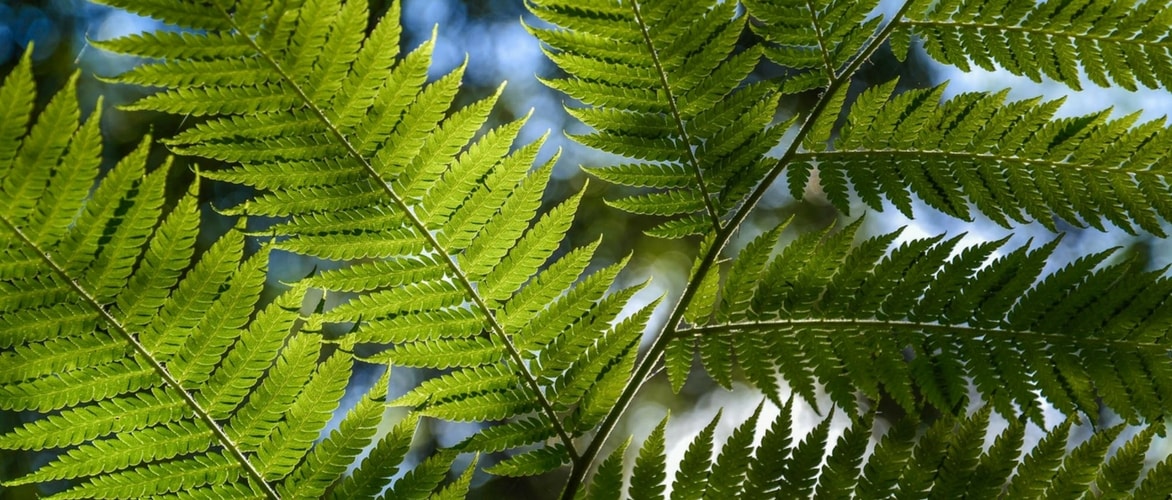
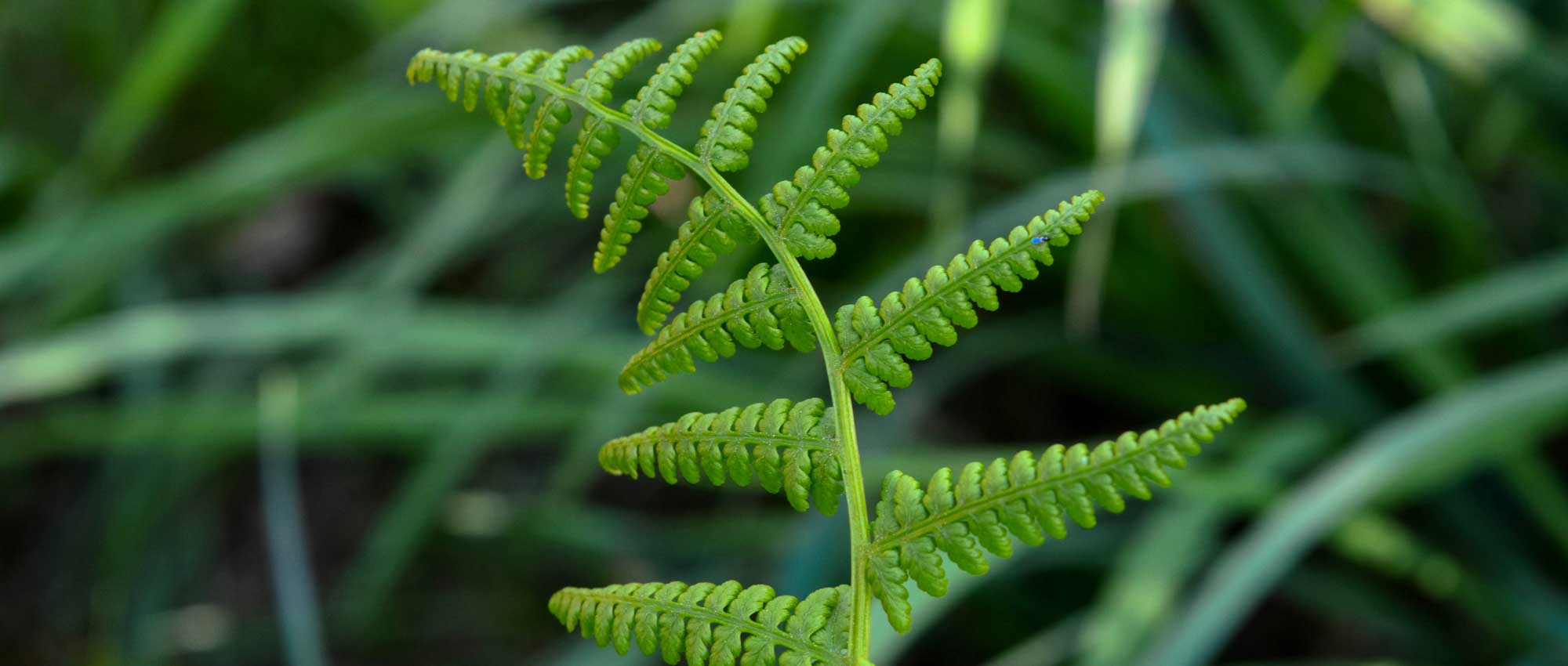
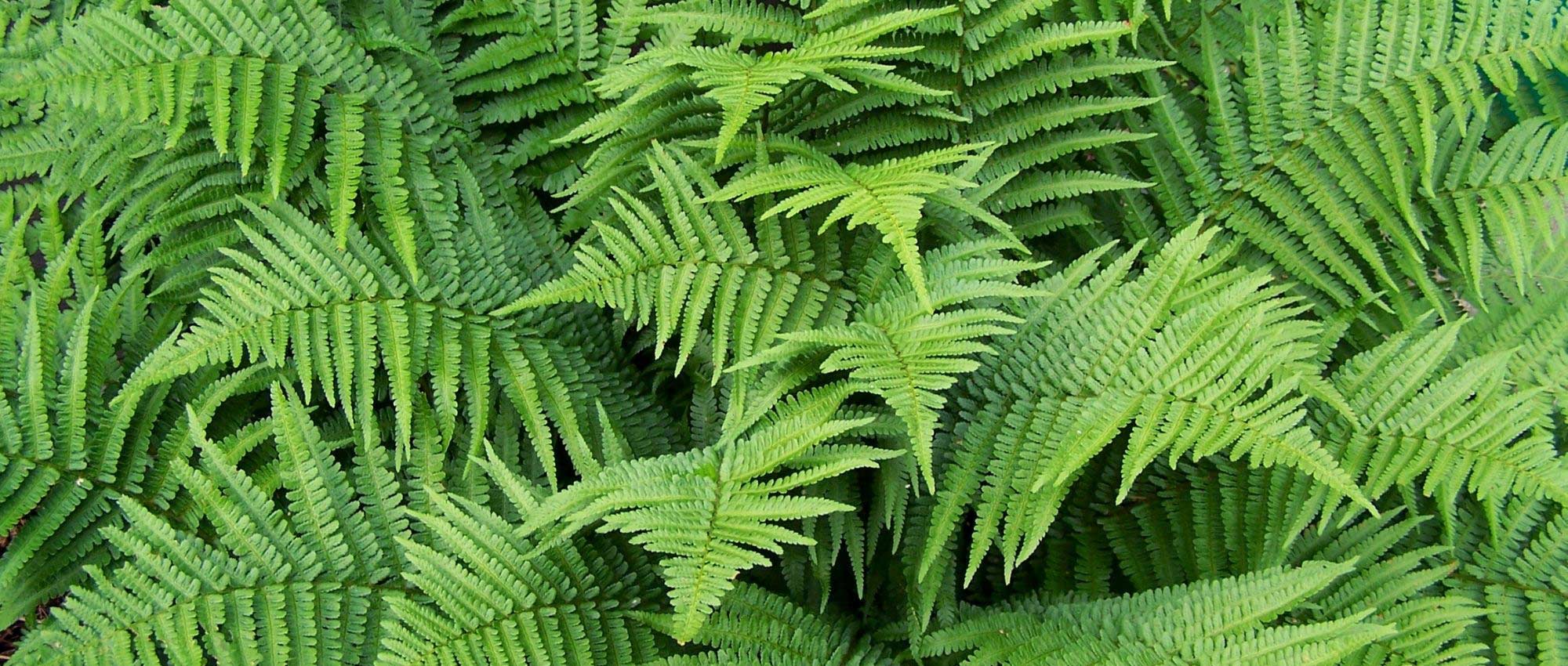
La plante forme à terme une touffe de 60 à 80 cm de hauteur pour 60 à 90 cm de largeur. Sa croissance est modérée durant les premières années ; elle atteint sa taille adulte en deux à cinq ans. Les frondes sont disposées en couronne et s’écartent progressivement du centre de la souche. Leur limbe, lancéolé et effilé à son extrémité, est divisé deux fois. Les divisions principales portent de nombreuses petites folioles dentées, terminées par une pointe courte. Elles se chevauchent légèrement et forment un feuillage dense. D’un vert sombre et brillant, les frondes adultes ont une consistance ferme. Leur pétiole et leur axe central sont couverts d’écailles cuivrées ou brun doré. Le nom polyblepharon signifie « aux nombreux cils » et fait allusion à cet épais revêtement. Au printemps, les jeunes crosses, plus claires et presque dressées, se déroulent lentement. Leur sommet reste courbé vers le sol pendant quelques jours, ce qui leur donne l’aspect d’un pompon. Comme toutes les fougères, cette espèce ne porte ni fleurs ni graines. Les spores se forment dans de petits amas ronds, appelés sores, rangés sous les frondes de part et d’autre des nervures. Le feuillage persiste en hiver, la souche résiste à des températures inférieures à -20 °C. La RHS a attribué à cette fougère son Award of Garden Merit en 1997 ; cette récompense est toujours en vigueur.
Plantée en groupe, cette fougère forme un couvert dense dans un sous-bois clair ou un massif frais et ombragé. Ses larges touffes de frondes masquent progressivement le sol. Elle peut aussi garnir un talus boisé, les abords d’une souche ou le pied d’un mur. On l'associe avec des feuillages larges, des touffes de feuilles rubanées et des floraisons légères. Pensez à l’Hydrangea arborescens ‘Annabelle’, au Liriope muscari ‘Monroe White’, au Geranium nodosum ‘Clos du Coudray’ et au Mukdenia rossii ‘Karasuba’ par exemple.

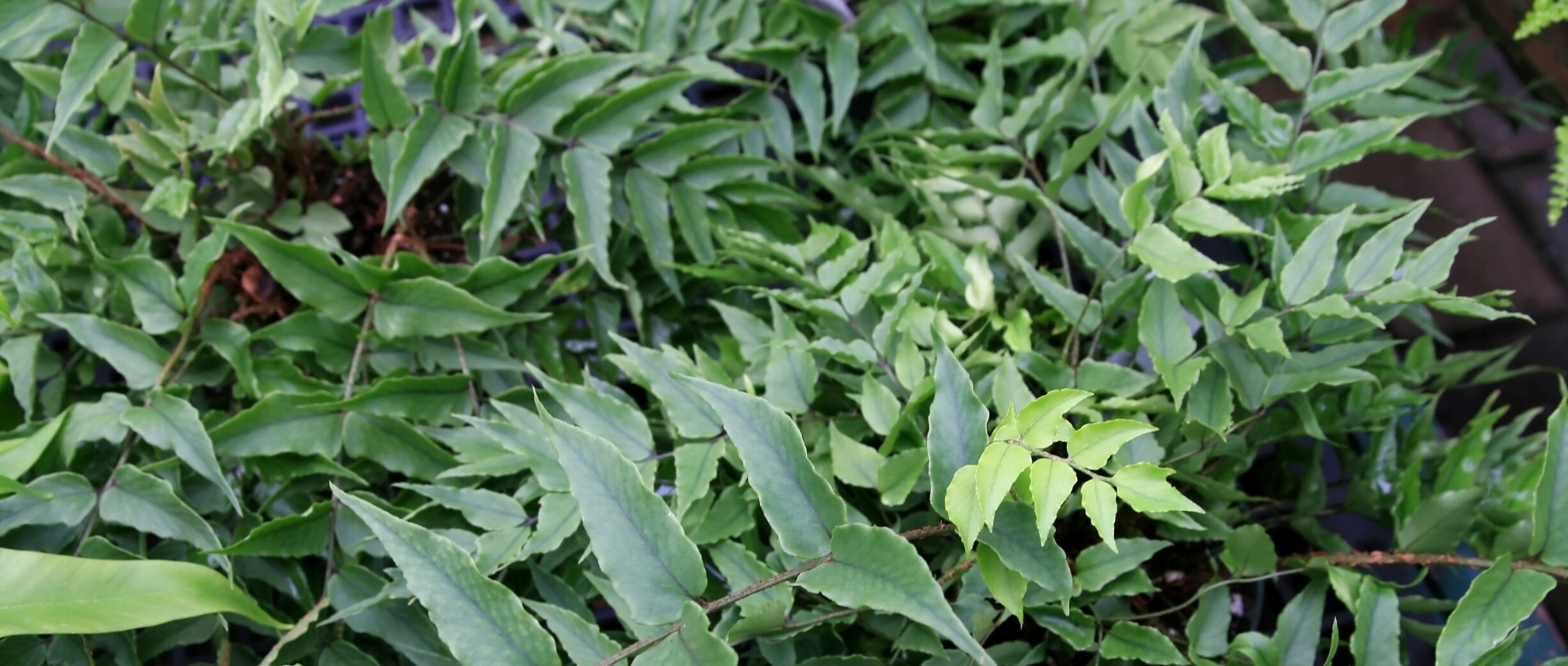
Polystichum polyblepharum - Japanese lace fern in pictures


Foliage
Plant habit
Botanical data
Polystichum
polyblepharum
Dryoptéridacées
Japanese lace fern, tassel fern
Polystichum polyblepharon, Aspidium polyblepharum
East Asia
Planting and care
Polystichum polyblepharum is planted in spring or early autumn, outside periods of frost or drought. Shade and partial shade suit it; a few hours of morning sun are acceptable if the soil remains moist. Loosen the soil deeply and incorporate leaf mould or well-rotted compost. The stump should sit at surface level, without being buried. This fern tolerates clay or chalky soil, provided that water does not accumulate in it in winter. In heavy soil, a slightly raised planting position protects the heart of the stump. Water during the first two summers. A well-rooted plant tolerates a short dry spell. A mulch of dead leaves keeps the soil cool and moist. Stumps are divided in spring. Pot cultivation is possible in a large container, placed in shade and watered regularly.
Planting period
Intended location
Care
Planting & care advice




-
, onOrder confirmed
Reply from on Promesse de fleurs
Recently viewed products
Haven't found what you were looking for?
Hardiness is the lowest winter temperature a plant can endure without suffering serious damage or even dying. However, hardiness is affected by location (a sheltered area, such as a patio), protection (winter cover) and soil type (hardiness is improved by well-drained soil).

The flowering period indicated on our website applies to countries and regions located in USDA zone 8 (France, the United Kingdom, Ireland, the Netherlands, etc.)
It will vary according to where you live:- In zones 9 to 10 (Italy, Spain, Greece, etc.), flowering will occur about 2 to 4 weeks earlier.
- In zones 6 to 7 (Germany, Poland, Slovenia, and lower mountainous regions), flowering will be delayed by 2 to 3 weeks.
- In zone 5 (Central Europe, Scandinavia), blooming will be delayed by 3 to 5 weeks.
In temperate climates, pruning of spring-flowering shrubs (forsythia, spireas, etc.) should be done just after flowering.
Pruning of summer-flowering shrubs (Indian Lilac, Perovskia, etc.) can be done in winter or spring.
In cold regions as well as with frost-sensitive plants, avoid pruning too early when severe frosts may still occur.
The planting period indicated on our website applies to countries and regions located in USDA zone 8 (France, United Kingdom, Ireland, Netherlands).
It will vary according to where you live:
- In Mediterranean zones (Marseille, Madrid, Milan, etc.), autumn and winter are the best planting periods.
- In continental zones (Strasbourg, Munich, Vienna, etc.), delay planting by 2 to 3 weeks in spring and bring it forward by 2 to 4 weeks in autumn.
- In mountainous regions (the Alps, Pyrenees, Carpathians, etc.), it is best to plant in late spring (May-June) or late summer (August-September).
The harvesting period indicated on our website applies to countries and regions in USDA zone 8 (France, England, Ireland, the Netherlands).
In colder areas (Scandinavia, Poland, Austria...) fruit and vegetable harvests are likely to be delayed by 3-4 weeks.
In warmer areas (Italy, Spain, Greece, etc.), harvesting will probably take place earlier, depending on weather conditions.
The sowing periods indicated on our website apply to countries and regions within USDA Zone 8 (France, UK, Ireland, Netherlands).
In colder areas (Scandinavia, Poland, Austria...), delay any outdoor sowing by 3-4 weeks, or sow under glass.
In warmer climes (Italy, Spain, Greece, etc.), bring outdoor sowing forward by a few weeks.
Shipping country and language
Your country of residence may be:
Your country of residence is:
For a better user experience on our website, you can select:
Your shipping country:
-
 Austria
-
 Belgium
-
 Bosnia & Herzegovina
-
 Bulgaria
-
 Croatia
-
 Cyprus
-
 Czechia
-
 Denmark
-
 Estonia
-
 Finland
-
 France
-
 Germany
-
 Greece
-
 Hungary
-
 Iceland
-
 Ireland
-
 Italy
-
 Latvia
-
 Liechtenstein
-
 Lithuania
-
 Luxembourg
-
 Malta
-
 Netherlands
-
 Poland
-
 Portugal
-
 Romania
-
 Serbia
-
 Slovakia
-
 Slovenia
-
 Spain
-
 Sweden
-
 Switzerland
Language:
-
French
-
 English
-
Spanish
-
Italian
-
German
-
Portuguese
-
Dutch
-
Finnish
My Account
Hello
My wish lists
My cart
Log in / Register
Existing customer?
This form is protected by reCAPTCHA - the Google Privacy Policy and Terms of Service apply.
New customer?
Create an account to track your orders, access our customer service and, if you wish, make the most of our upcoming offers.