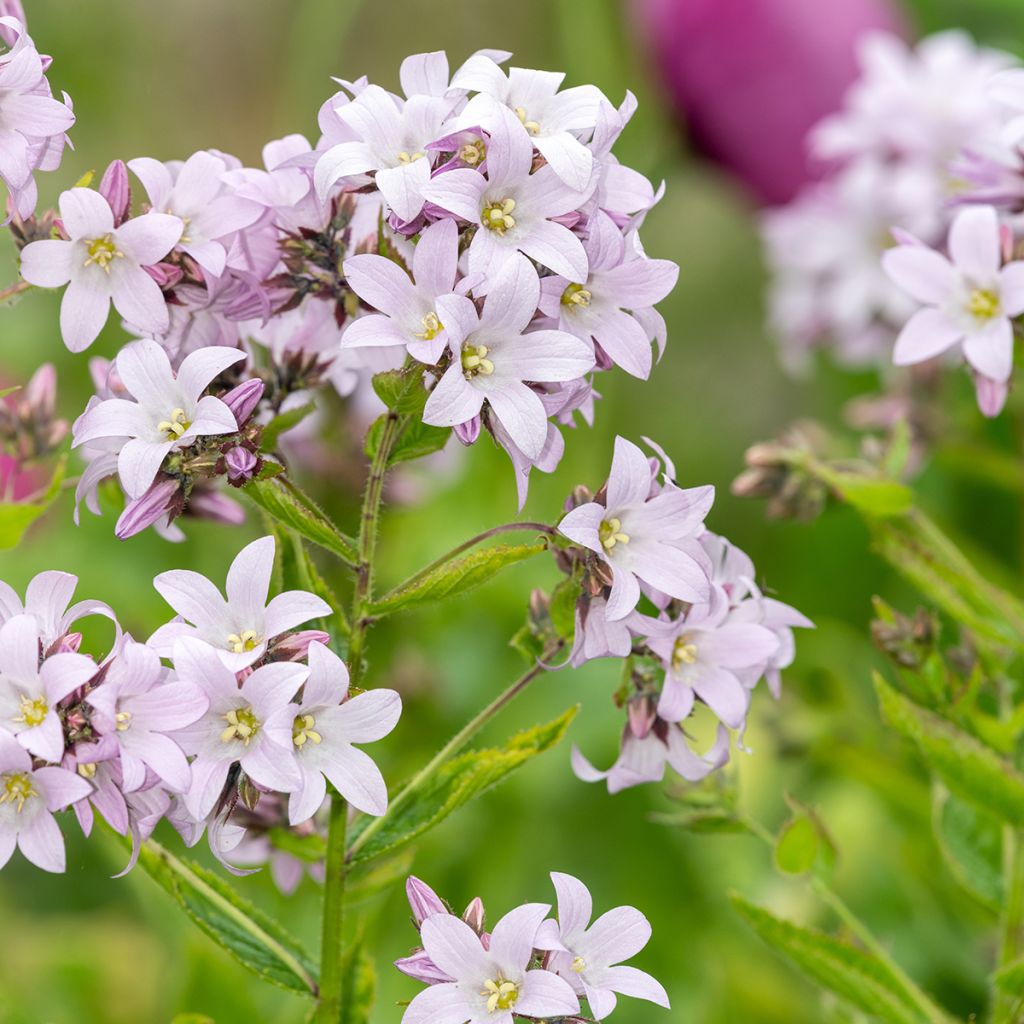
Campanula lactiflora Loddon Anna
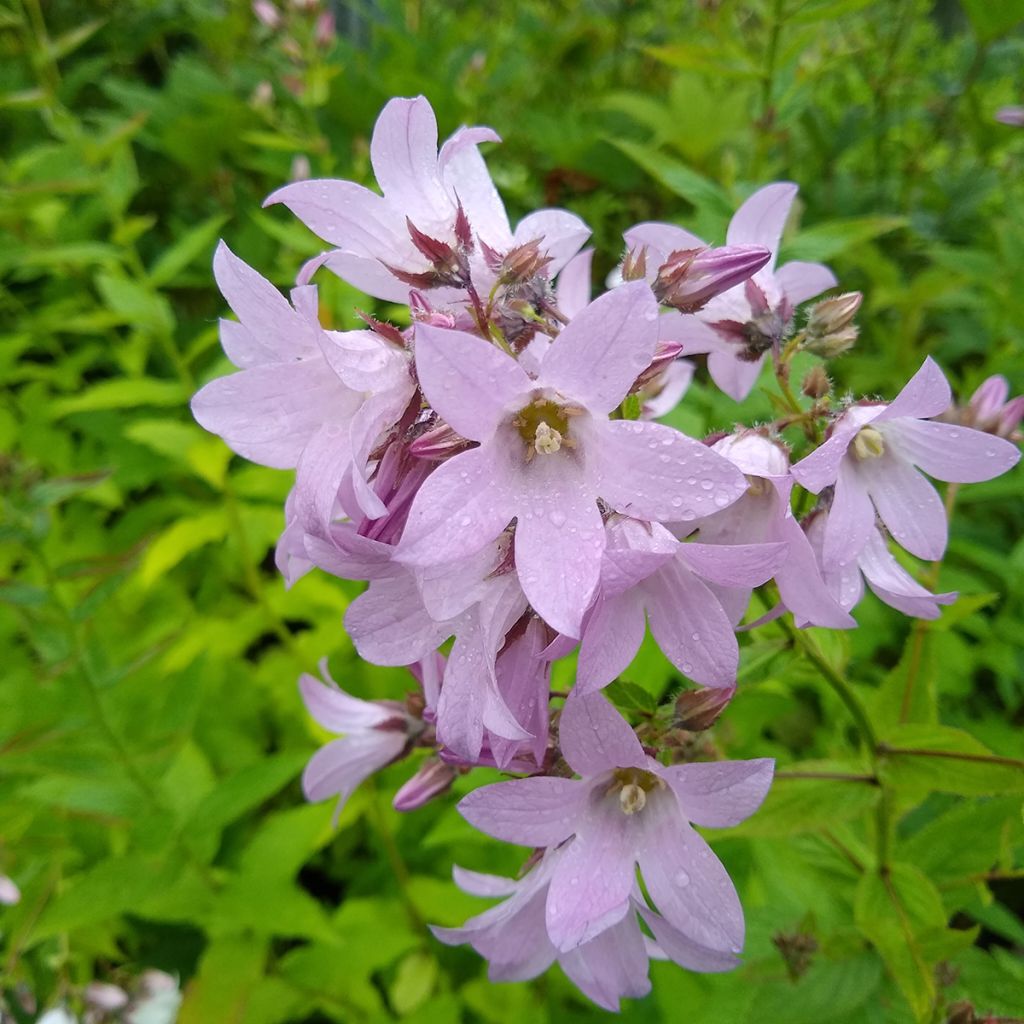
Campanula lactiflora Loddon Anna
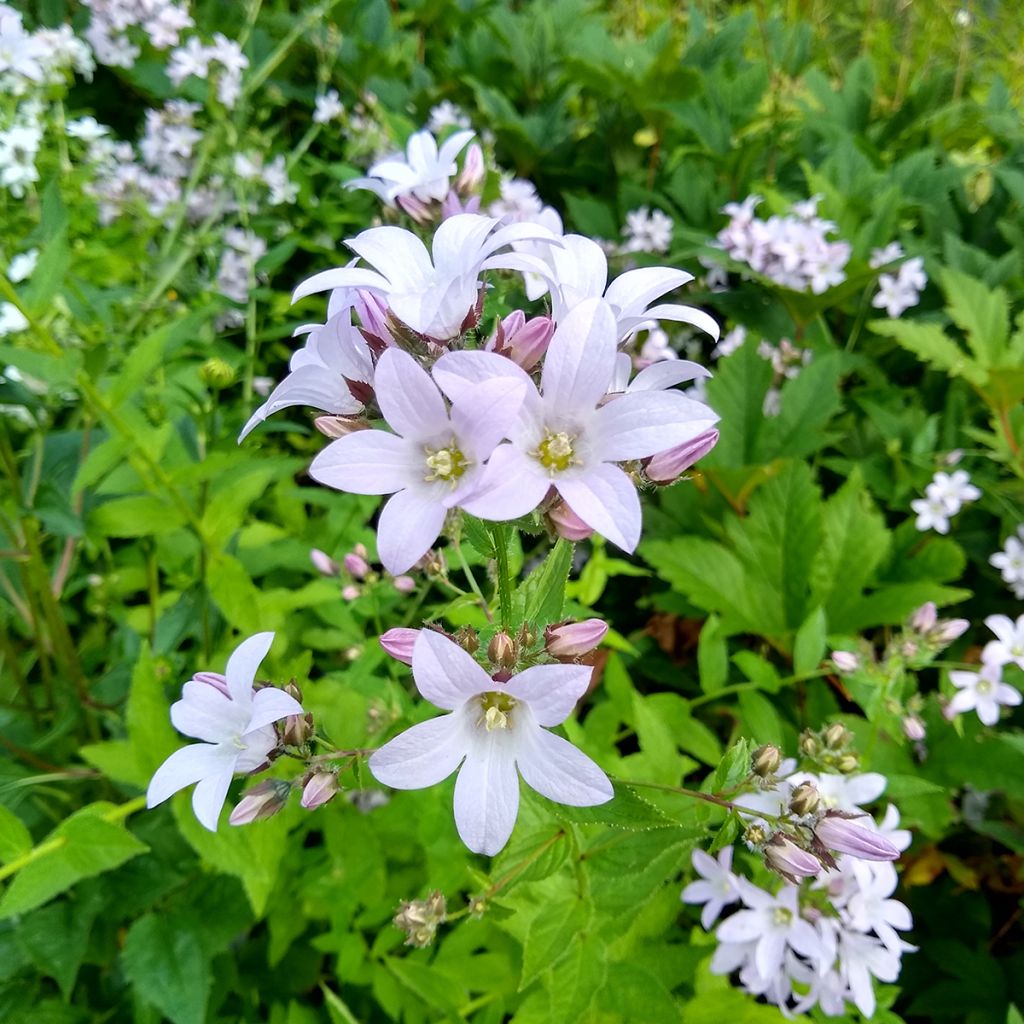
Campanula lactiflora Loddon Anna
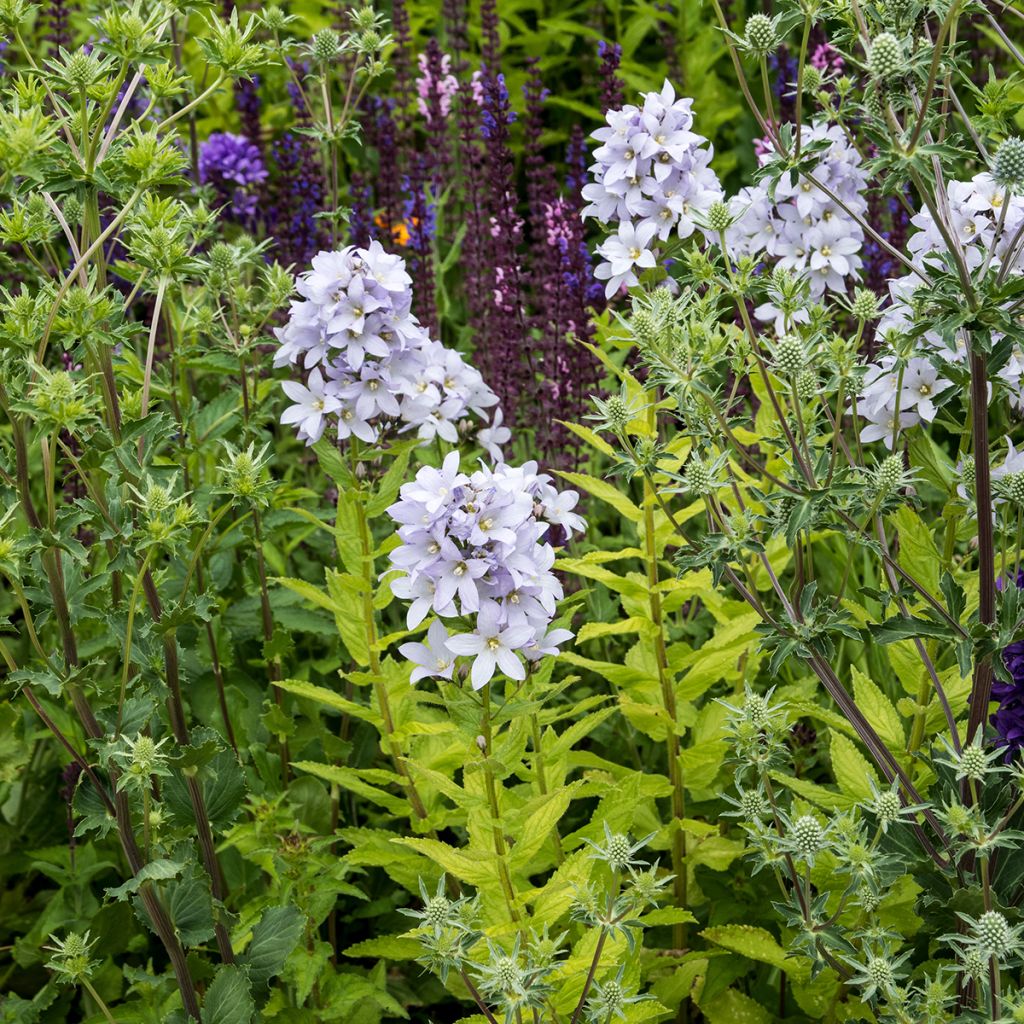
Campanula lactiflora Loddon Anna
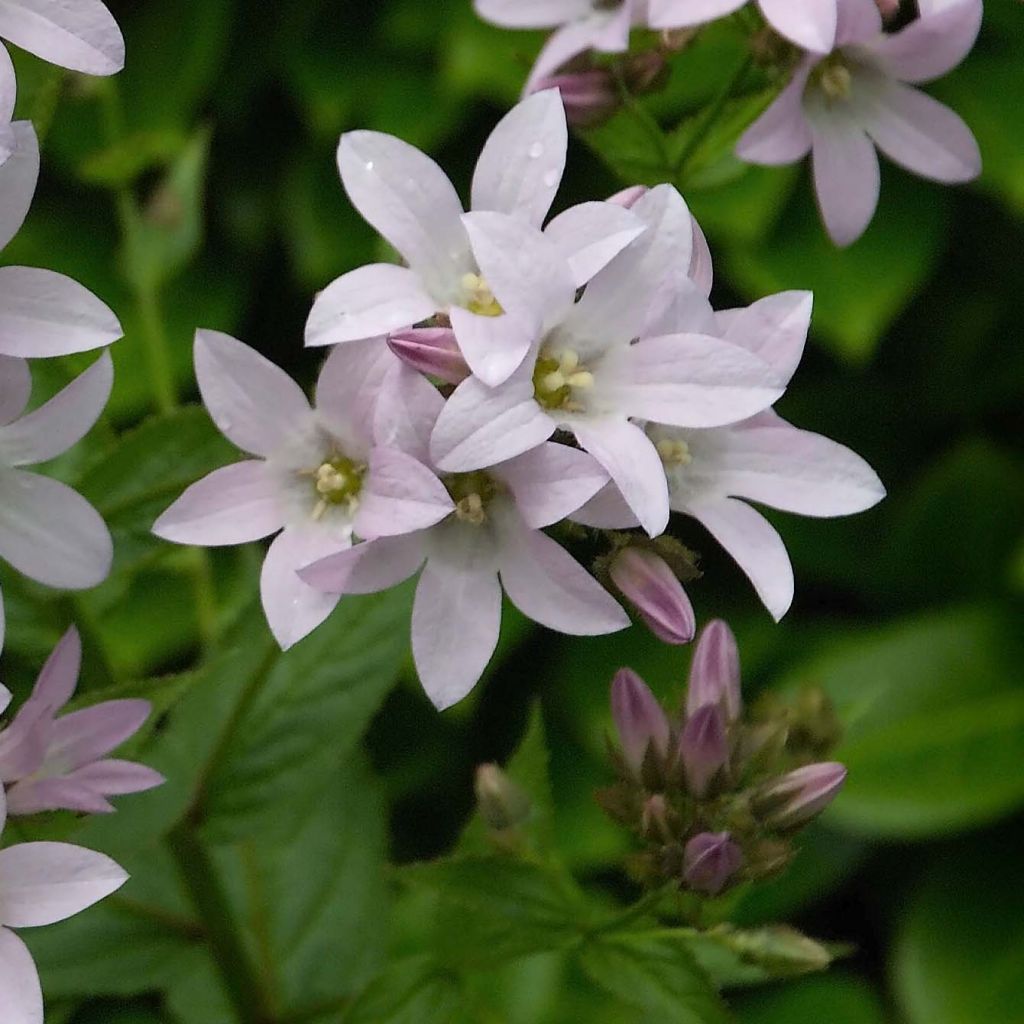
Campanula lactiflora Loddon Anna
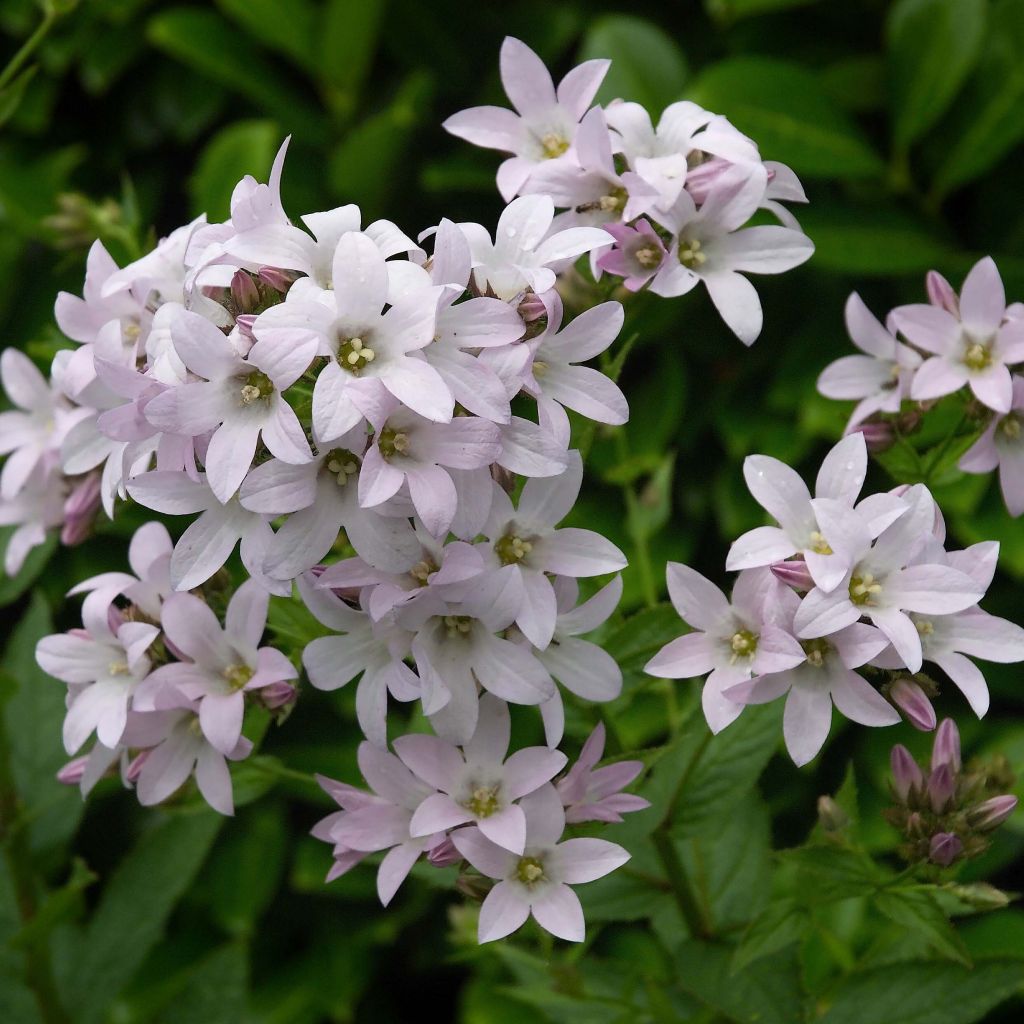
Campanula lactiflora Loddon Anna
Campanula lactiflora Loddon Anna
Campanula lactiflora Loddon Anna
Milky Bellflower
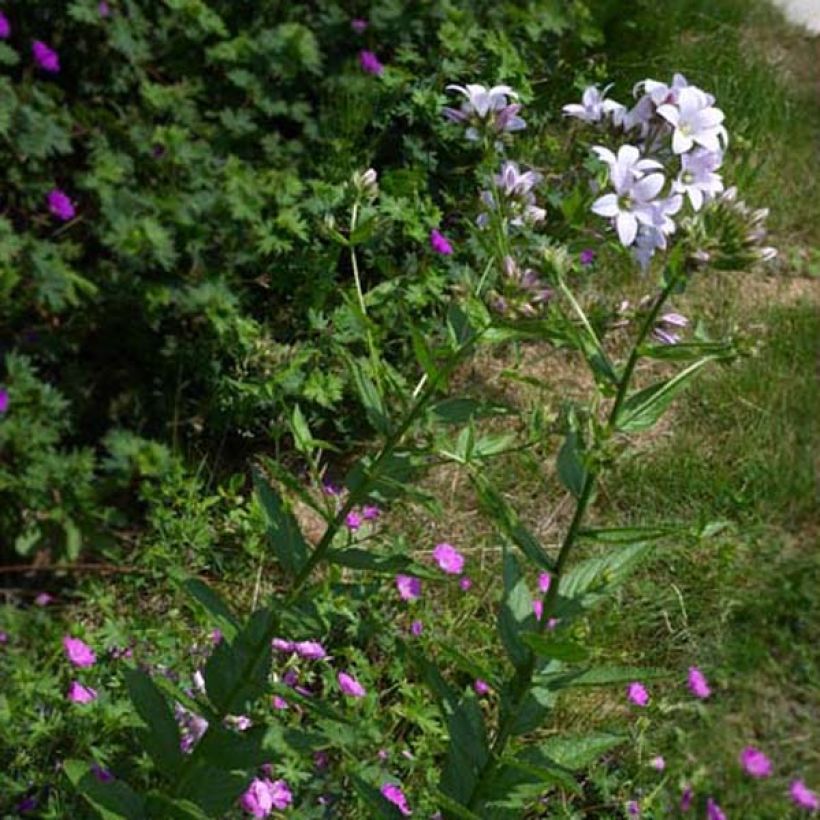
Planted in spring, the three plants have bloomed beautifully. Lovely flowers that grow well in partial shade.
Anne, 29/10/2024
Back-to-school special offer!
Get €10 off for every €50 you spend! And get up to €40 off on a single order.
How does it work?
1. Shop your favourites
Add your favourite plants to your basket. For every €50 you spend (excluding delivery charges, store credit and the plastic-free option), you’ll receive a €10 voucher.
€50 spent = €10 voucher
€100 spent = €20 voucher
€150 spent = €30 voucher
€200 spent = €40 voucher
2. Place your order
Once your basket reaches one of the spending thresholds, place your order. You can even choose your delivery date!
3. Receive your voucher
As soon as your order has been shipped, you’ll receive an email containing your personal voucher code and its value.
4. Use it on your next order
Your voucher is valid for 90 days from the date you receive it. It can be used once only, on a new order worth at least the value of the voucher, excluding delivery charges.
Please note: Vouchers can be combined with other offers, but cannot be split or refunded.
Home or relay delivery (depending on size and destination)
Important: You may be charged customs duties by your country’s customs authorities upon delivery.
Schedule delivery date
and select date in basket
This plant carries a 12 months recovery warranty
More information
We guarantee the quality of our plants for a full growing cycle, and will replace at our expense any plant that fails to recover under normal climatic and planting conditions.

Would this plant suit my garden?
Set up your Plantfit profile →
Description
La Campanula lactiflora ‘Loddon Anna’ est une campanule laiteuse qui séduit par ses grandes inflorescences arrondies remplies de clochettes étoilées d’un rose lilacé très doux. Sa floraison estivale culmine à plus d’un mètre. Très rustique et florifère, récompensée par un Award of Garden Merit de la RHS, c'est une excellente vivace de massif romantique ou champêtre. Elle est parfaite avec des rosiers ou d’autres plantes de terrain frais. Taillée au bon moment, cette variété peut refleurir en septembre.
La campanule laiteuse appartient à la famille des Campanulacées. C’est une vivace herbacée : ses tiges naissent de la souche au printemps, puis toute la végétation aérienne sèche en automne. L’espèce Campanula lactiflora pousse naturellement du nord-est de la Turquie au nord-ouest de l’Iran, en passant par le Caucase, dans des forêts humides, des lisières, des prairies de hautes herbes et des prairies subalpines, entre 600 et 2 500 m d’altitude.
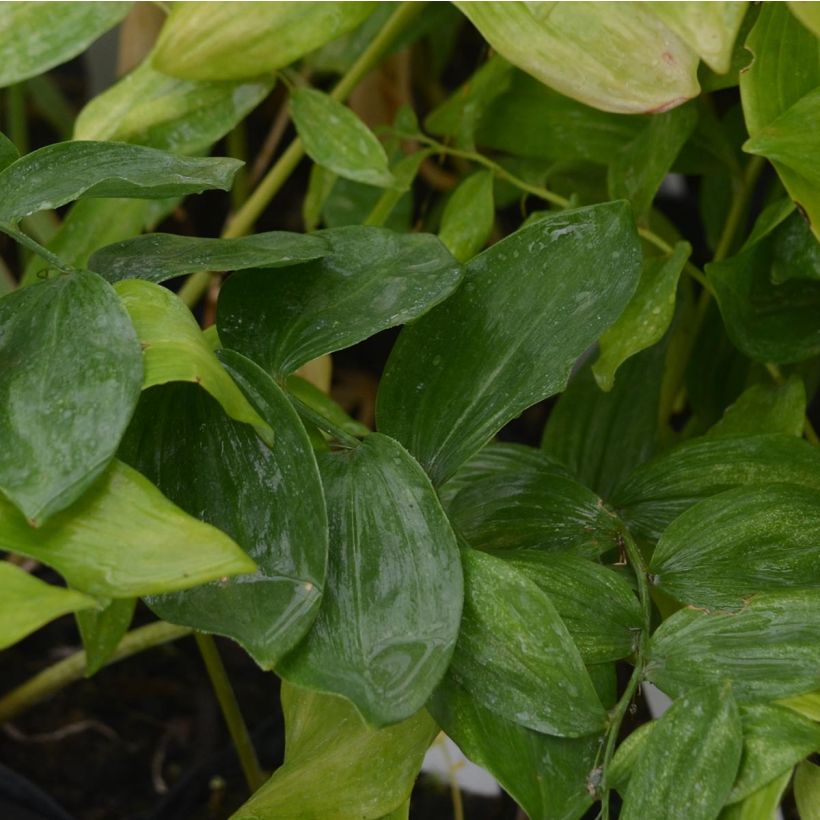
Le cultivar ‘Loddon Anna’ développe une touffe de tiges feuillées, dressées et ramifiées dans leur partie supérieure. À maturité, elle atteint 1,20 à 1,50 m de hauteur pour 50 à 60 cm de largeur. Elle parvient à sa taille adulte en deux à cinq ans. Dans un jardin exposé au vent, ou après la pluie, le poids des inflorescences peut courber les tiges, ce qui nécessite parfois un tuteurage. Les feuilles, d’un vert moyen, sont pointues et nettement dentées. Plus larges vers la base de la plante, elles deviennent plus étroites le long des tiges. La floraison principale s'étale de juin à août. Si les hampes fanées sont taillées, la plante peut refleurir en septembre. Les tiges se terminent par de larges bouquets ramifiés qui réunissent de nombreuses fleurs en forme de clochettes largement ouvertes, divisées en cinq lobes. Leur coloris est un rose tendre, nuancé de lilas. Les fleurs sont fréquentées par les abeilles et d’autres insectes pollinisateurs. Si des graines parviennent à maturité, les jeunes plantes issues de semis ne sont pas forcément identiques à la variété ‘Loddon Anna’. La souche de cette campanule supporte des températures inférieures à -20 °C.
Cette campanule 'Loddon Anna' a toute sa place dans un jardin romantique ou à l'anglaise. Vous pouvez la placer entre les rosiers arbustifs anglais ‘Young Lycidas’, aux grandes roses très doubles d’un pourpre magenta, et ‘Princess Alexandra of Kent’, dont les grosses fleurs sont d’un rose chaud. Au premier plan, on peut planter le Gillenia trifoliata qui sème des petites étoiles blanches au-dessus de ses tiges pourprées et la clématite herbacée Clematis heracleifolia ‘China Purple’, buissonnante, qui s'orne tout l'été de clochettes retroussées bleu violacé. Composez un grand bouquet d’été champêtre avec des roses, des scabieuse ‘Black Knight’, des cosmos ‘Purity’, des phlox ‘David’ et des ombelles de carotte ornementale ‘Dara’.

Campanula lactiflora Loddon Anna in pictures
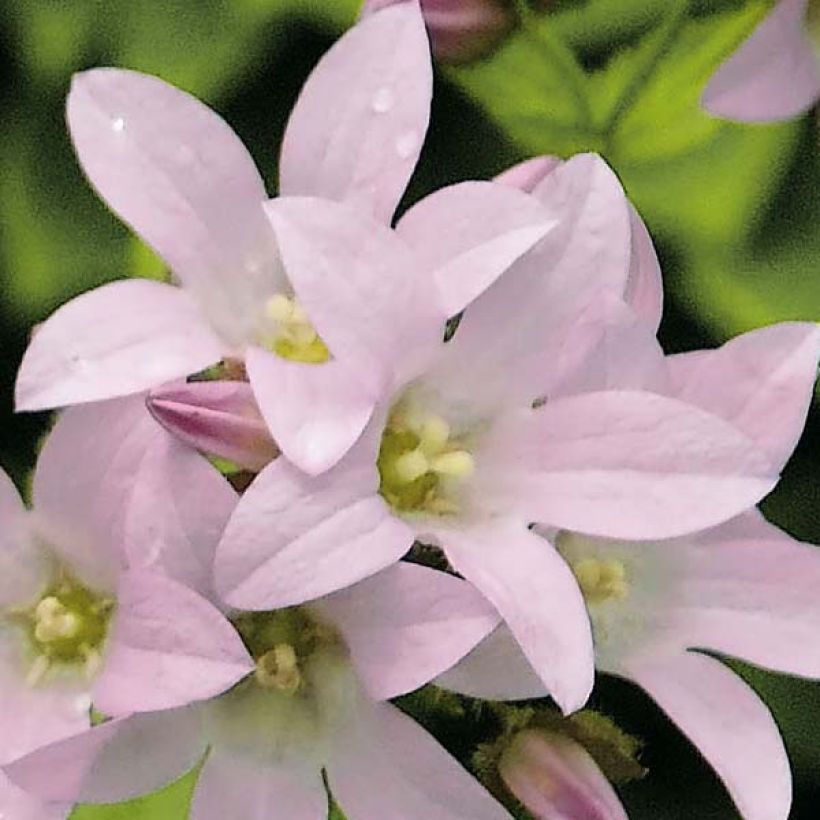
Flowering
Foliage
Plant habit
Botanical data
Campanula
lactiflora
Loddon Anna
Campanulaceae
Milky Bellflower
Cultivar or hybrid
Planting and care
The Campanula lactiflora ‘Loddon Anna’ is planted from February to April or from September to November, when there is no risk of frost. Choose a deep, fertile, humus-bearing soil, neutral to alkaline, moist but well-drained. Loosen the soil thoroughly and mix mature compost with the soil you have removed. Water regularly during the first season. Place an unobtrusive stake in spring in positions exposed to wind. The foliage may be affected by powdery mildew, rust or leaf spots in dry conditions or in a confined position. Division is carried out in spring or autumn when the plant needs to be propagated.
Planting period
Intended location
Care
Planting & care advice




-
, onOrder confirmed
Reply from on Promesse de fleurs
Recently viewed products
Haven't found what you were looking for?
Hardiness is the lowest winter temperature a plant can endure without suffering serious damage or even dying. However, hardiness is affected by location (a sheltered area, such as a patio), protection (winter cover) and soil type (hardiness is improved by well-drained soil).

The flowering period indicated on our website applies to countries and regions located in USDA zone 8 (France, the United Kingdom, Ireland, the Netherlands, etc.)
It will vary according to where you live:- In zones 9 to 10 (Italy, Spain, Greece, etc.), flowering will occur about 2 to 4 weeks earlier.
- In zones 6 to 7 (Germany, Poland, Slovenia, and lower mountainous regions), flowering will be delayed by 2 to 3 weeks.
- In zone 5 (Central Europe, Scandinavia), blooming will be delayed by 3 to 5 weeks.
In temperate climates, pruning of spring-flowering shrubs (forsythia, spireas, etc.) should be done just after flowering.
Pruning of summer-flowering shrubs (Indian Lilac, Perovskia, etc.) can be done in winter or spring.
In cold regions as well as with frost-sensitive plants, avoid pruning too early when severe frosts may still occur.
The planting period indicated on our website applies to countries and regions located in USDA zone 8 (France, United Kingdom, Ireland, Netherlands).
It will vary according to where you live:
- In Mediterranean zones (Marseille, Madrid, Milan, etc.), autumn and winter are the best planting periods.
- In continental zones (Strasbourg, Munich, Vienna, etc.), delay planting by 2 to 3 weeks in spring and bring it forward by 2 to 4 weeks in autumn.
- In mountainous regions (the Alps, Pyrenees, Carpathians, etc.), it is best to plant in late spring (May-June) or late summer (August-September).
The harvesting period indicated on our website applies to countries and regions in USDA zone 8 (France, England, Ireland, the Netherlands).
In colder areas (Scandinavia, Poland, Austria...) fruit and vegetable harvests are likely to be delayed by 3-4 weeks.
In warmer areas (Italy, Spain, Greece, etc.), harvesting will probably take place earlier, depending on weather conditions.
The sowing periods indicated on our website apply to countries and regions within USDA Zone 8 (France, UK, Ireland, Netherlands).
In colder areas (Scandinavia, Poland, Austria...), delay any outdoor sowing by 3-4 weeks, or sow under glass.
In warmer climes (Italy, Spain, Greece, etc.), bring outdoor sowing forward by a few weeks.
Shipping country and language
Your country of residence may be:
Your country of residence is:
For a better user experience on our website, you can select:
Your shipping country:
-
 Austria
-
 Belgium
-
 Bosnia & Herzegovina
-
 Bulgaria
-
 Croatia
-
 Cyprus
-
 Czechia
-
 Denmark
-
 Estonia
-
 Finland
-
 France
-
 Germany
-
 Greece
-
 Hungary
-
 Iceland
-
 Ireland
-
 Italy
-
 Latvia
-
 Liechtenstein
-
 Lithuania
-
 Luxembourg
-
 Malta
-
 Netherlands
-
 Poland
-
 Portugal
-
 Romania
-
 Serbia
-
 Slovakia
-
 Slovenia
-
 Spain
-
 Sweden
-
 Switzerland
Language:
-
French
-
 English
-
Spanish
-
Italian
-
German
-
Portuguese
-
Dutch
-
Finnish
My Account
Hello
My wish lists
My cart
Log in / Register
Existing customer?
This form is protected by reCAPTCHA - the Google Privacy Policy and Terms of Service apply.
New customer?
Create an account to track your orders, access our customer service and, if you wish, make the most of our upcoming offers.