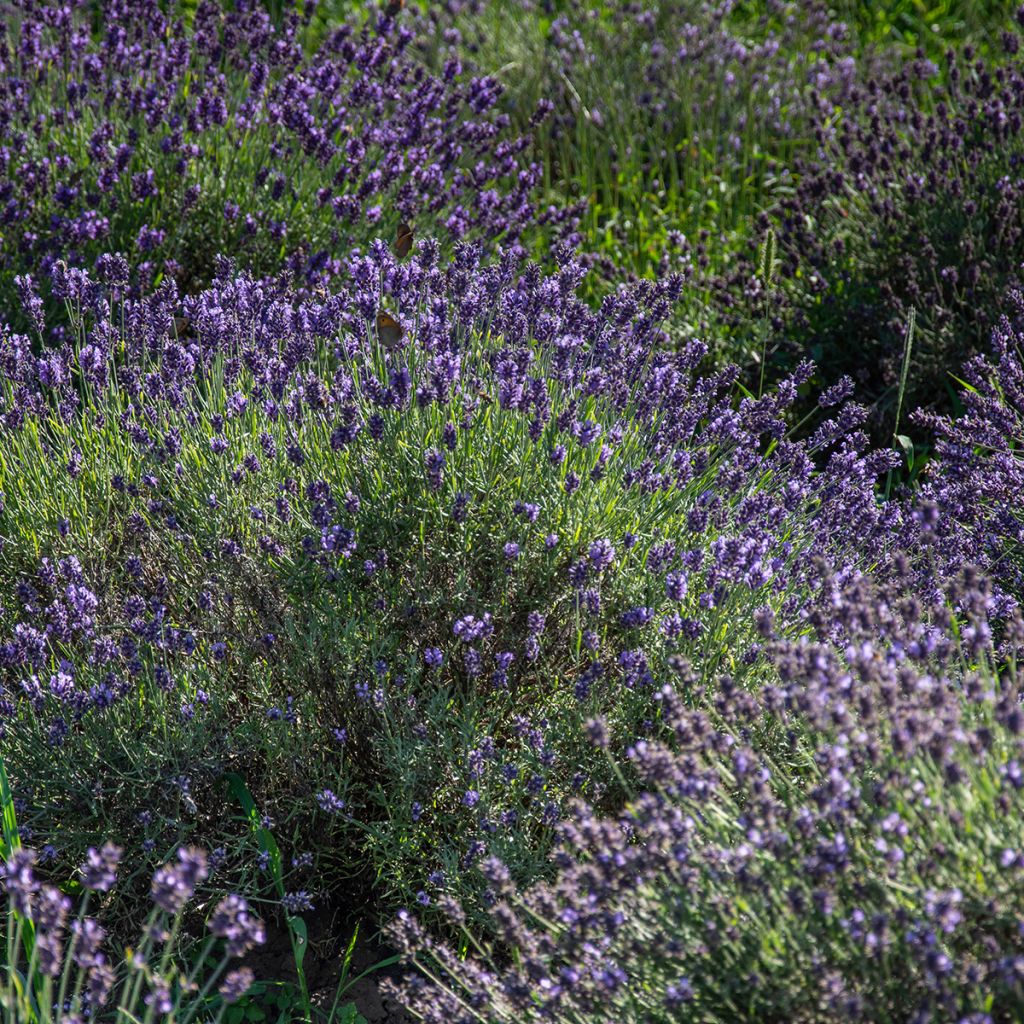
Lavandula angustifolia Havana - True Lavender
Lavandula angustifolia Havana - True Lavender
Lavandula angustifolia 'Arbelpaso’ Havana
True Lavender, English lavender
Back-to-school special offer!
Get €10 off for every €50 you spend! And get up to €40 off on a single order.
How does it work?
1. Shop your favourites
Add your favourite plants to your basket. For every €50 you spend (excluding delivery charges, store credit and the plastic-free option), you’ll receive a €10 voucher.
€50 spent = €10 voucher
€100 spent = €20 voucher
€150 spent = €30 voucher
€200 spent = €40 voucher
2. Place your order
Once your basket reaches one of the spending thresholds, place your order. You can even choose your delivery date!
3. Receive your voucher
As soon as your order has been shipped, you’ll receive an email containing your personal voucher code and its value.
4. Use it on your next order
Your voucher is valid for 90 days from the date you receive it. It can be used once only, on a new order worth at least the value of the voucher, excluding delivery charges.
Please note: Vouchers can be combined with other offers, but cannot be split or refunded.
Why not try an alternative variety in stock?
View all →
Available in 4 sizes
Available in 2 sizes
Available in 6 sizes
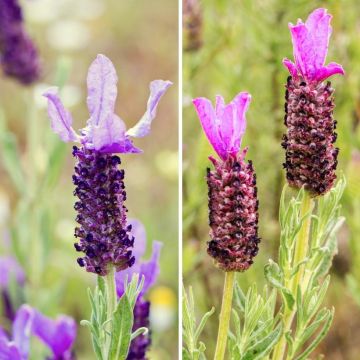
Available in 0 sizes
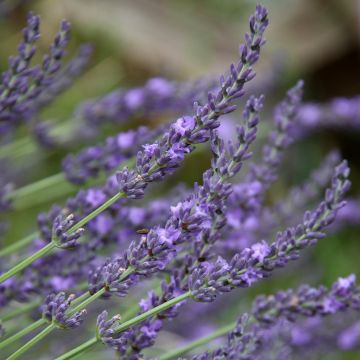
Available in 3 sizes
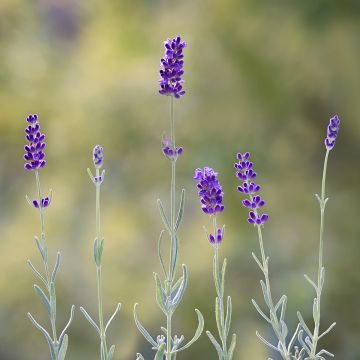
Available in 1 sizes
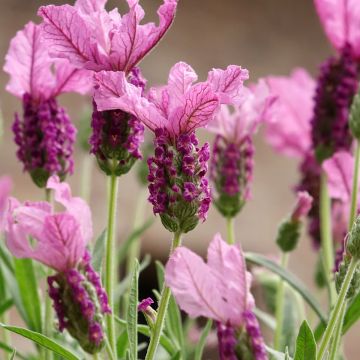
Available in 3 sizes
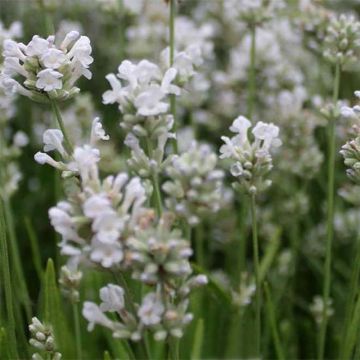
Available in 3 sizes
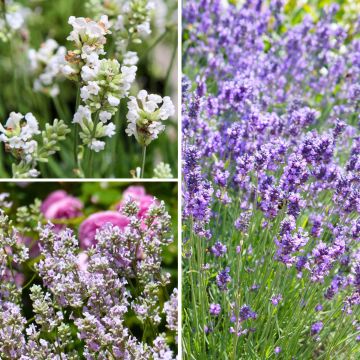
Available in 0 sizes
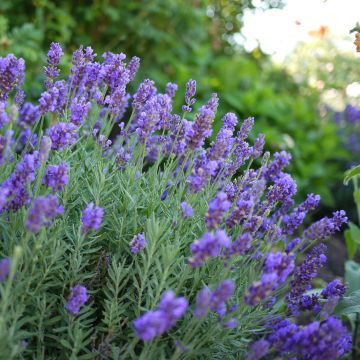
Available in 2 sizes
This plant carries a 12 months recovery warranty
More information
We guarantee the quality of our plants for a full growing cycle, and will replace at our expense any plant that fails to recover under normal climatic and planting conditions.
Would this plant suit my garden?
Set up your Plantfit profile →
Description
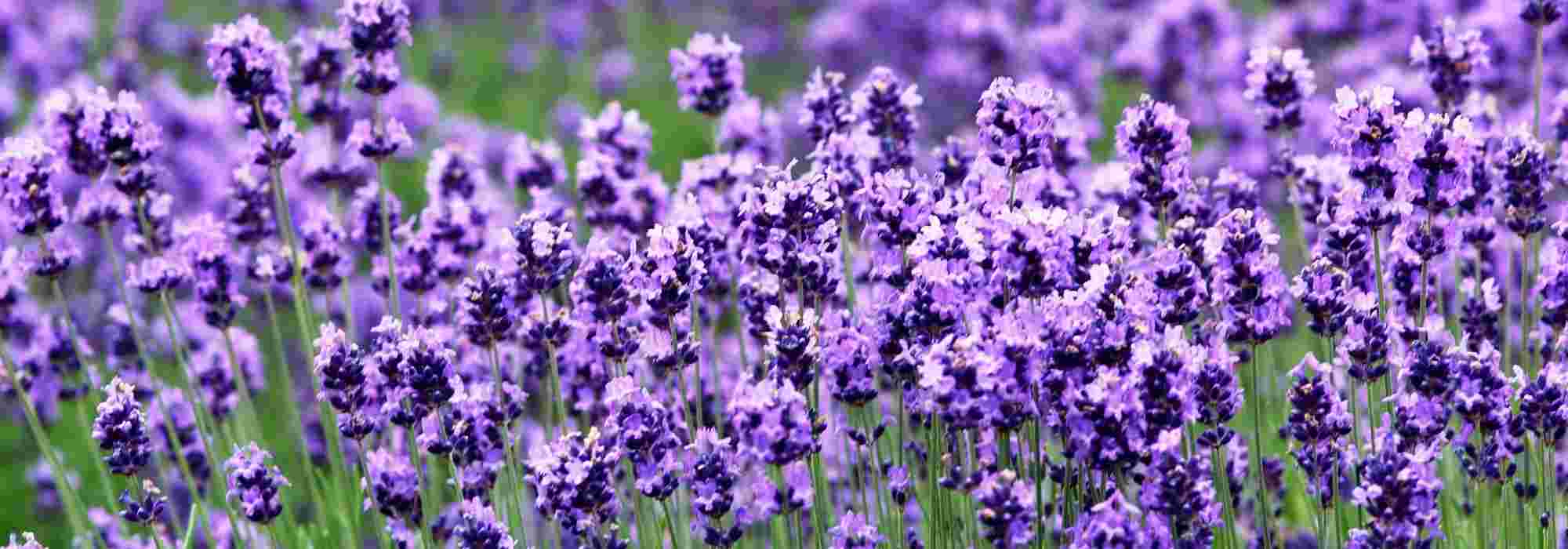
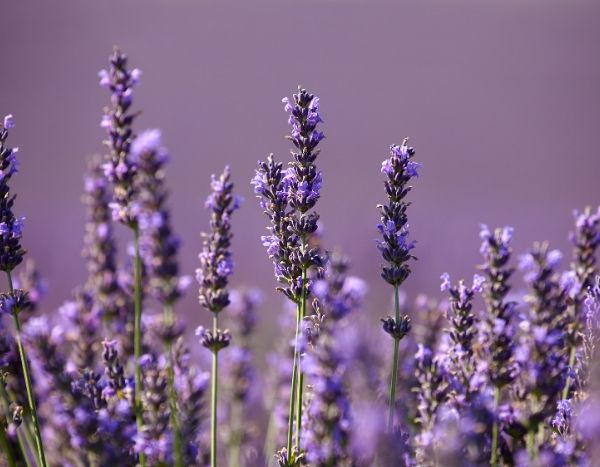
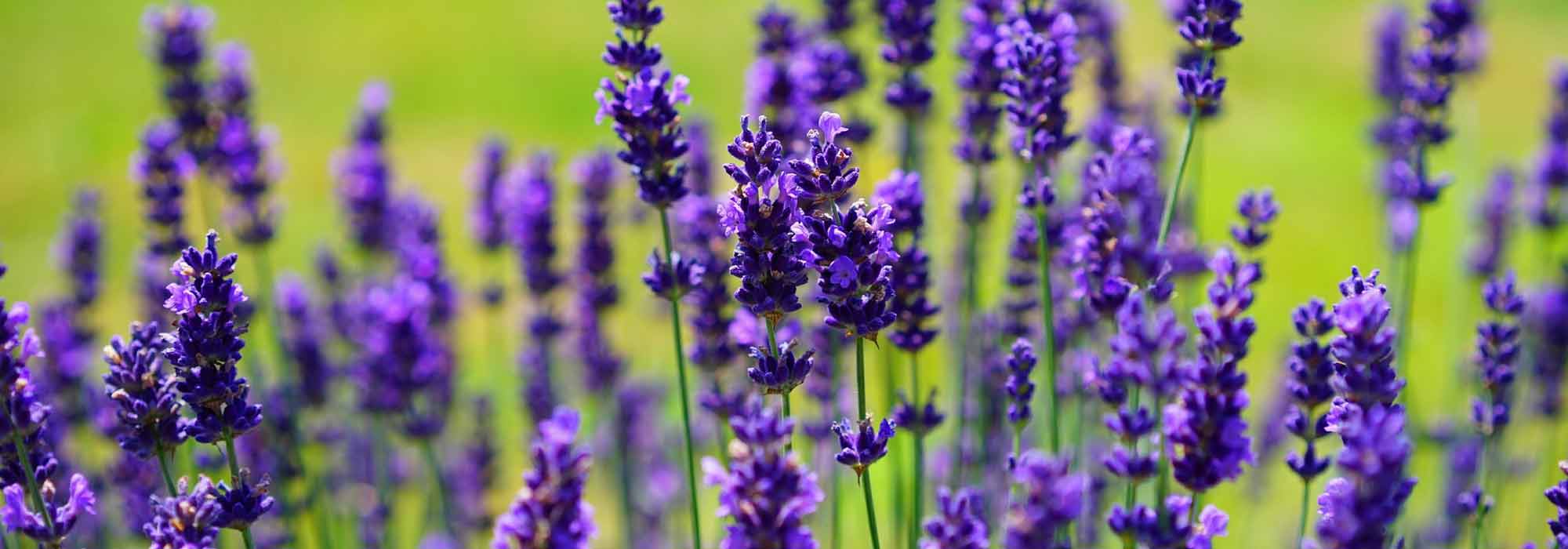
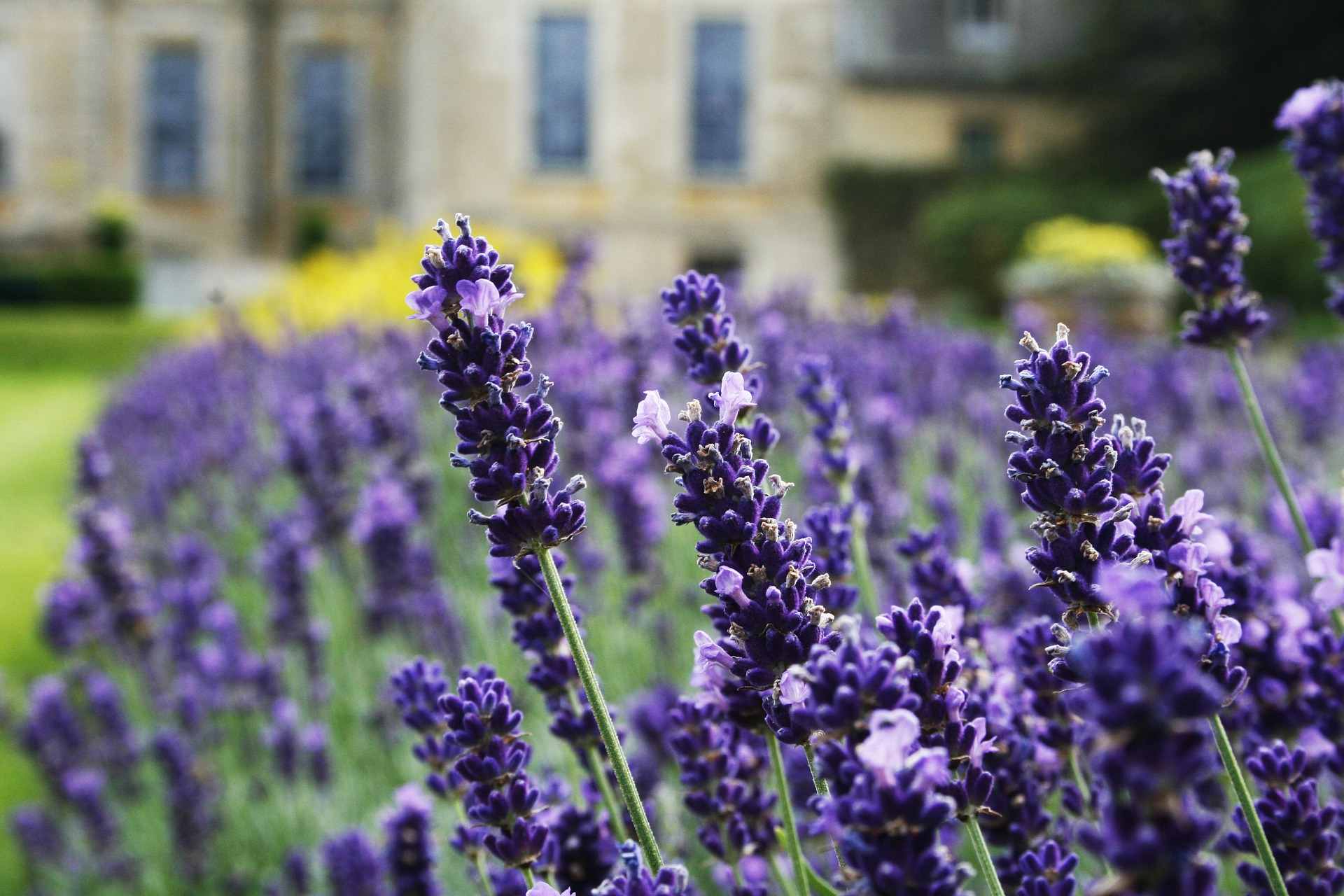
Lavandula angustifolia Havana (‘Arbelpaso’PBR) is a variety of compact true lavender selected for its dense, regular habit and its deep blue-violet flowers. Compared to classic forms, it offers stockier vegetation, produces fuller spikes and maintains a tidier appearance in borders and pots. Its foliage is also less sensitive to humidity. It is an excellent small, fragrant lavender for dry gardens, rock gardens, sunny terraces and Mediterranean borders.
This variety descends from the species Lavandula angustifolia, of the Lamiaceae family, called true lavender, common lavender or narrow-leaved lavender. In the wild, it grows in Mediterranean Europe, particularly in Spain, France and Italy, on dry slopes, stony hillsides, poor grasslands and well-exposed sites, sometimes at altitude.
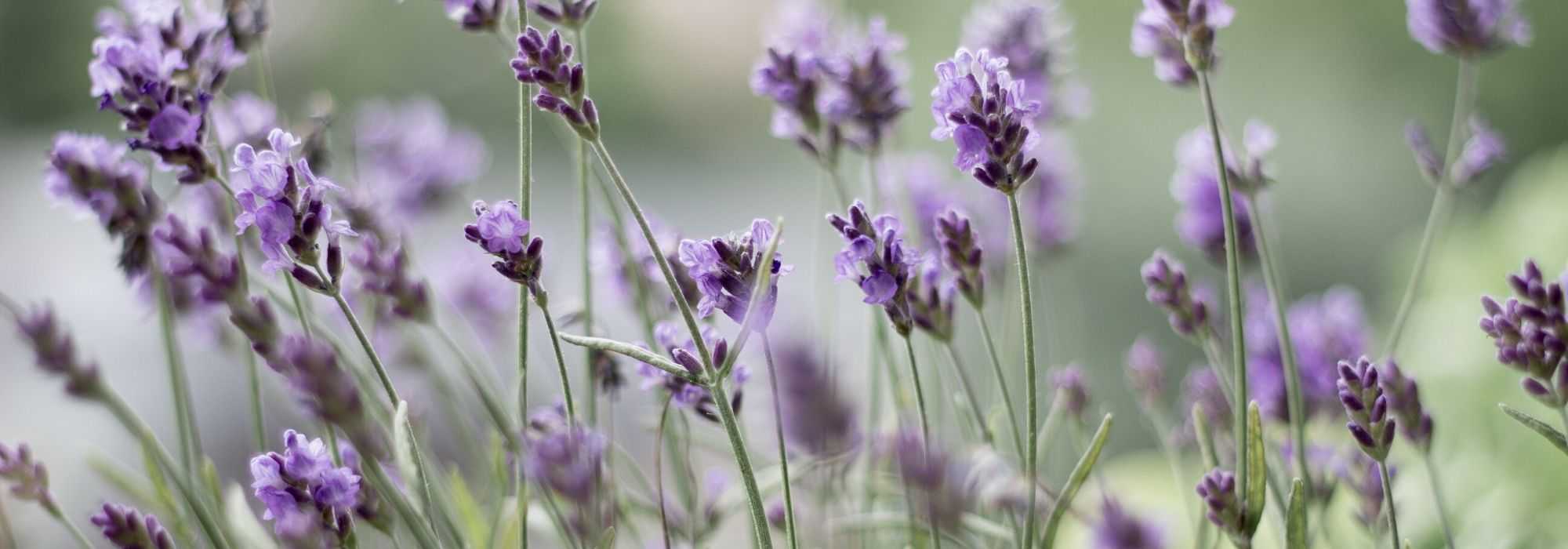
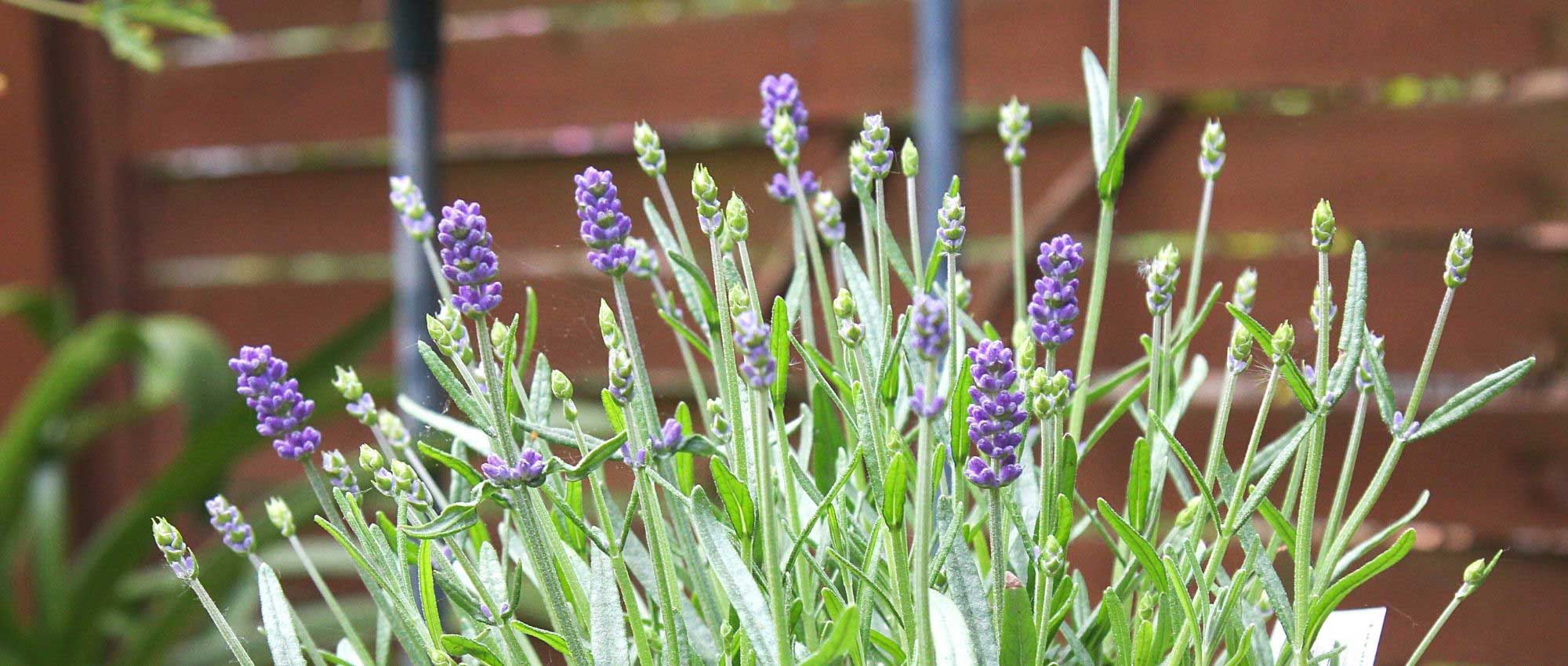
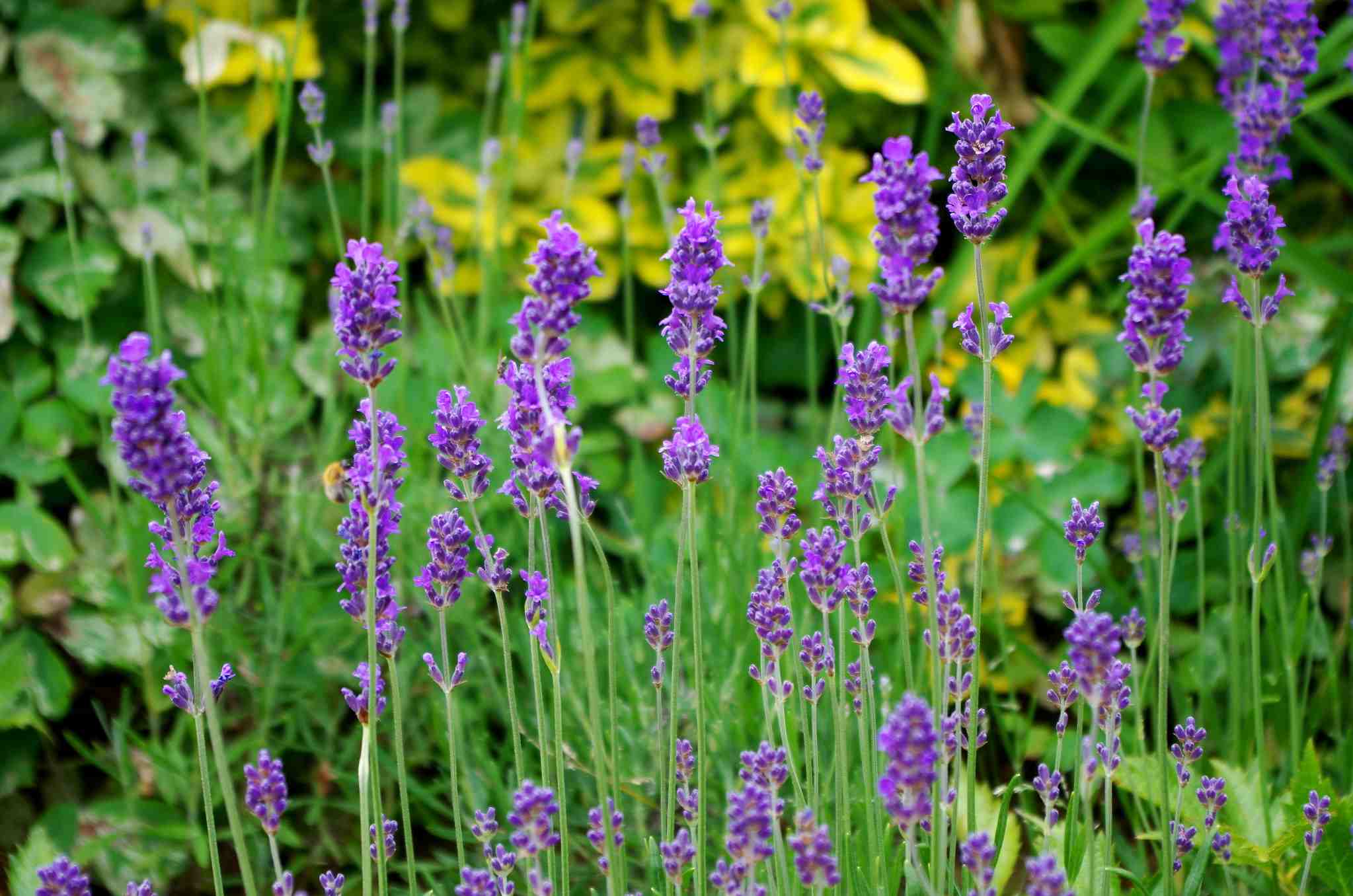
Marketed under the name Havana, or occasionally Havanna, it has a protected variety name: ‘Arbelpaso’PBR. It is not a lavandin. It is a small perennial undershrub, woody at the base, which rounds with age. Its growth is fairly fast; it reaches 40 to 50cm in height with a comparable width. Its stems carry narrow, grey-green foliage with a silvery sheen. The leaves are about 3 to 5 cm long and evergreen in not too cold climates. When crushed, they release a fresh, aromatic, slightly camphoraceous perfume. Flowering occurs in June and July, sometimes extending into August, depending on the climate and how its pruned. The flower buds have a slightly powdery appearance before opening. The small tubular flowers, gathered in short, dense spikes, display a deep blue-violet hue, darker than that of many true lavenders. They are fragrant and nectar-rich, visited by pollinating insects. The deep and branched root system helps the plant resist drought once well established. However, stagnant humidity will cause it to perish. A light pruning after flowering helps keep the clump compact.
Lavender 'Havana' grows in full sun in any well-drained soil. Its hardiness is rated at -10/-15°C peak in good conditions. In soil too clayey or in too humid a climate, plant it on a bank, in a raised bed or in a rock garden. Use it to create a border or at the front of a bed of dwarf roses, mixed with Stipa tenuifolia and Nepeta 'Cat's Pajamas', for example. It can also be planted in the rock garden with lemon thyme 'Aureus' and oregano 'Kent Beauty', to edge a path… Grown in a pot, it should be watered regularly, but spaced out to allow the substrate to dry between waterings.
Tips: put the dried flowers in a handkerchief and close by tying its four corners to scent the linen and repel moths. Make scented sugar by putting lavender leaves in brown sugar.
Lavandula angustifolia is a medicinal plant, whose therapeutic virtues were once widely known: its essential oil has antiseptic, antispasmodic, healing, depurative, and diuretic properties…
Flowering
Foliage
Plant habit
Botanical data
Lavandula
angustifolia
'Arbelpaso’ Havana
Lamiaceae
True Lavender, English lavender
Lavandula angustifolia 'Arbelpaso’, Lavandula angustifolia Havana, Lavandula angustifolial Havanna
Cultivar or hybrid
Planting and care
Plant Lavandula angustifolia 'Havana' in spring in damp regions, or in early autumn in dry, hot climates. Plant it at 40 cm spacing in a well-drained, dry, poor, stony soil in full sun. In soil that is too heavy or in a region that is too damp, mix potting compost, sand and gravel with your garden soil and plant on a mound so that water does not stagnate at the roots. Place gravel at the bottom of the hole for good drainage. Prune after flowering to maintain a compact habit. Once well established in open ground, lavender requires no watering in summer (this can even be harmful). Do not prune into old wood; it may not regrow. After 10 years, the plant will be less floriferous and should be replaced.
Planting period
Intended location
Care
Planting & care advice
-
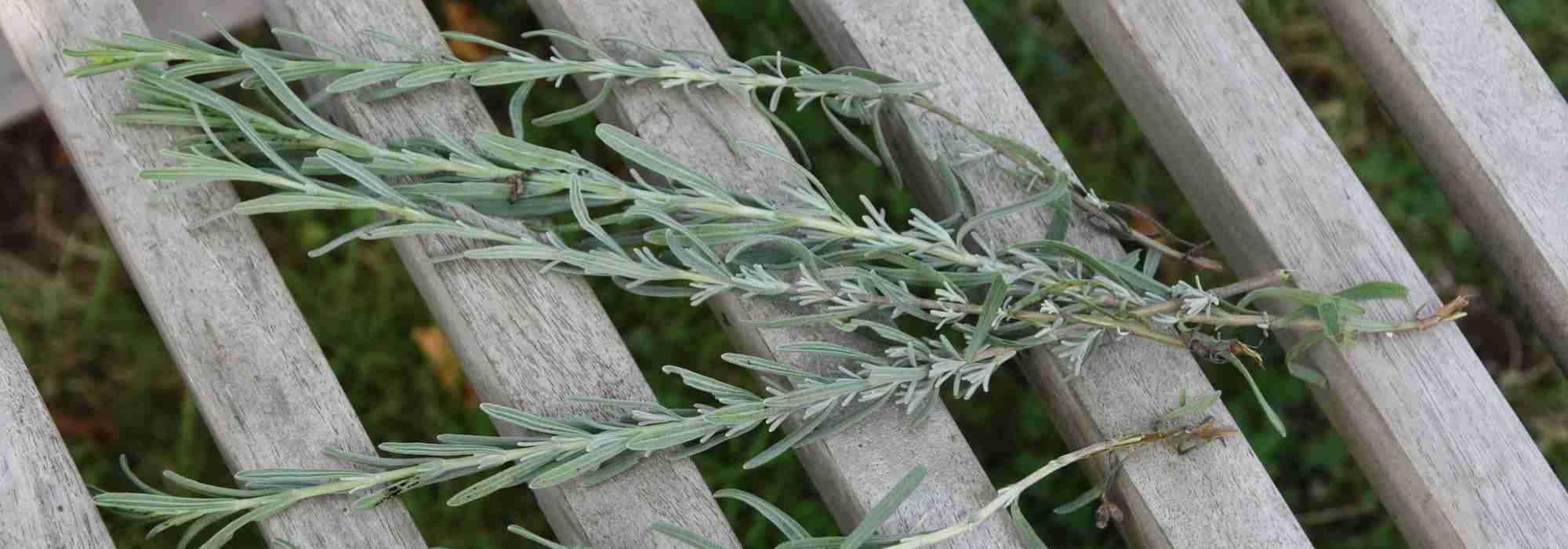
-
-
-
-
-
-
-
This item has not been reviewed yet - be the first to leave a review about it.
Recently viewed products
Haven't found what you were looking for?
Hardiness is the lowest winter temperature a plant can endure without suffering serious damage or even dying. However, hardiness is affected by location (a sheltered area, such as a patio), protection (winter cover) and soil type (hardiness is improved by well-drained soil).

The flowering period indicated on our website applies to countries and regions located in USDA zone 8 (France, the United Kingdom, Ireland, the Netherlands, etc.)
It will vary according to where you live:- In zones 9 to 10 (Italy, Spain, Greece, etc.), flowering will occur about 2 to 4 weeks earlier.
- In zones 6 to 7 (Germany, Poland, Slovenia, and lower mountainous regions), flowering will be delayed by 2 to 3 weeks.
- In zone 5 (Central Europe, Scandinavia), blooming will be delayed by 3 to 5 weeks.
In temperate climates, pruning of spring-flowering shrubs (forsythia, spireas, etc.) should be done just after flowering.
Pruning of summer-flowering shrubs (Indian Lilac, Perovskia, etc.) can be done in winter or spring.
In cold regions as well as with frost-sensitive plants, avoid pruning too early when severe frosts may still occur.
The planting period indicated on our website applies to countries and regions located in USDA zone 8 (France, United Kingdom, Ireland, Netherlands).
It will vary according to where you live:
- In Mediterranean zones (Marseille, Madrid, Milan, etc.), autumn and winter are the best planting periods.
- In continental zones (Strasbourg, Munich, Vienna, etc.), delay planting by 2 to 3 weeks in spring and bring it forward by 2 to 4 weeks in autumn.
- In mountainous regions (the Alps, Pyrenees, Carpathians, etc.), it is best to plant in late spring (May-June) or late summer (August-September).
The harvesting period indicated on our website applies to countries and regions in USDA zone 8 (France, England, Ireland, the Netherlands).
In colder areas (Scandinavia, Poland, Austria...) fruit and vegetable harvests are likely to be delayed by 3-4 weeks.
In warmer areas (Italy, Spain, Greece, etc.), harvesting will probably take place earlier, depending on weather conditions.
The sowing periods indicated on our website apply to countries and regions within USDA Zone 8 (France, UK, Ireland, Netherlands).
In colder areas (Scandinavia, Poland, Austria...), delay any outdoor sowing by 3-4 weeks, or sow under glass.
In warmer climes (Italy, Spain, Greece, etc.), bring outdoor sowing forward by a few weeks.
Shipping country and language
Your country of residence may be:
Your country of residence is:
For a better user experience on our website, you can select:
Your shipping country:
-
 Austria
-
 Belgium
-
 Bosnia & Herzegovina
-
 Bulgaria
-
 Croatia
-
 Cyprus
-
 Czechia
-
 Denmark
-
 Estonia
-
 Finland
-
 France
-
 Germany
-
 Greece
-
 Hungary
-
 Iceland
-
 Ireland
-
 Italy
Italy
-
 Latvia
-
 Liechtenstein
-
 Lithuania
-
 Luxembourg
-
 Malta
Malta
-
 Netherlands
-
 Poland
-
 Portugal
-
 Romania
-
 Serbia
-
 Slovakia
-
 Slovenia
-
 Spain
Spain
-
 Sweden
-
 Switzerland
Language:
-
French
-
 English
-
Spanish
-
Italian
-
German
-
Portuguese
-
Dutch
-
Finnish
My Account
Hello
My wish lists
My cart
Log in / Register
Existing customer?
This form is protected by reCAPTCHA - the Google Privacy Policy and Terms of Service apply.
New customer?
Create an account to track your orders, access our customer service and, if you wish, make the most of our upcoming offers.