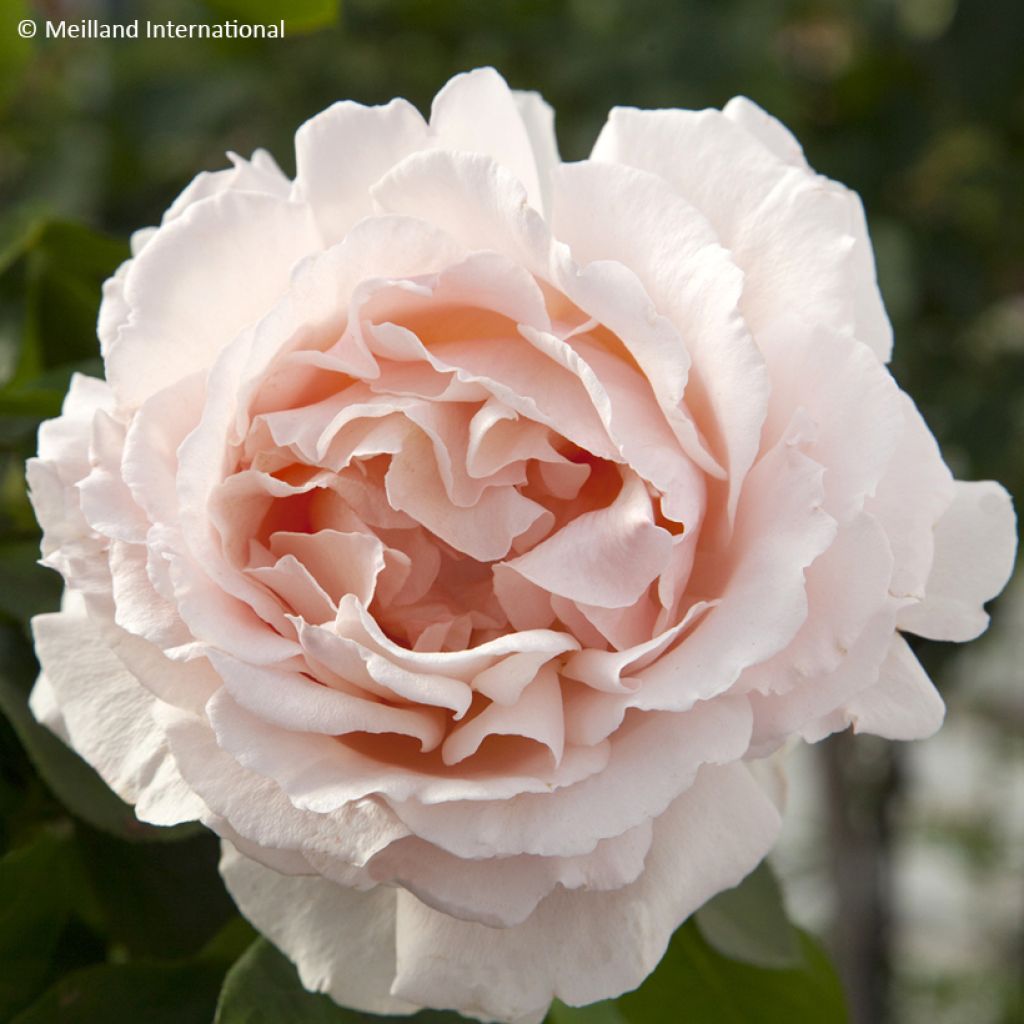
Rosa André Le Nôtre Climbing - Climbing Rose
Rosa André Le Nôtre Climbing - Climbing Rose
Rosa 'Meilinday' GPT ANDRE LE NOTRE®
Climbing Rose
Rose bush bought on promotion as bare roots. I planted it in the ground and am now waiting for it to take.
Thierry, 13/02/2026
Back-to-school special offer!
Get €10 off for every €50 you spend! And get up to €40 off on a single order.
How does it work?
1. Shop your favourites
Add your favourite plants to your basket. For every €50 you spend (excluding delivery charges, store credit and the plastic-free option), you’ll receive a €10 voucher.
€50 spent = €10 voucher
€100 spent = €20 voucher
€150 spent = €30 voucher
€200 spent = €40 voucher
2. Place your order
Once your basket reaches one of the spending thresholds, place your order. You can even choose your delivery date!
3. Receive your voucher
As soon as your order has been shipped, you’ll receive an email containing your personal voucher code and its value.
4. Use it on your next order
Your voucher is valid for 90 days from the date you receive it. It can be used once only, on a new order worth at least the value of the voucher, excluding delivery charges.
Please note: Vouchers can be combined with other offers, but cannot be split or refunded.
Home or relay delivery (depending on size and destination)
Important: You may be charged customs duties by your country’s customs authorities upon delivery.
Schedule delivery date,
and select date in basket
This plant carries a 24 months recovery warranty
More information
We guarantee the quality of our plants for a full growing cycle, and will replace at our expense any plant that fails to recover under normal climatic and planting conditions.

Description
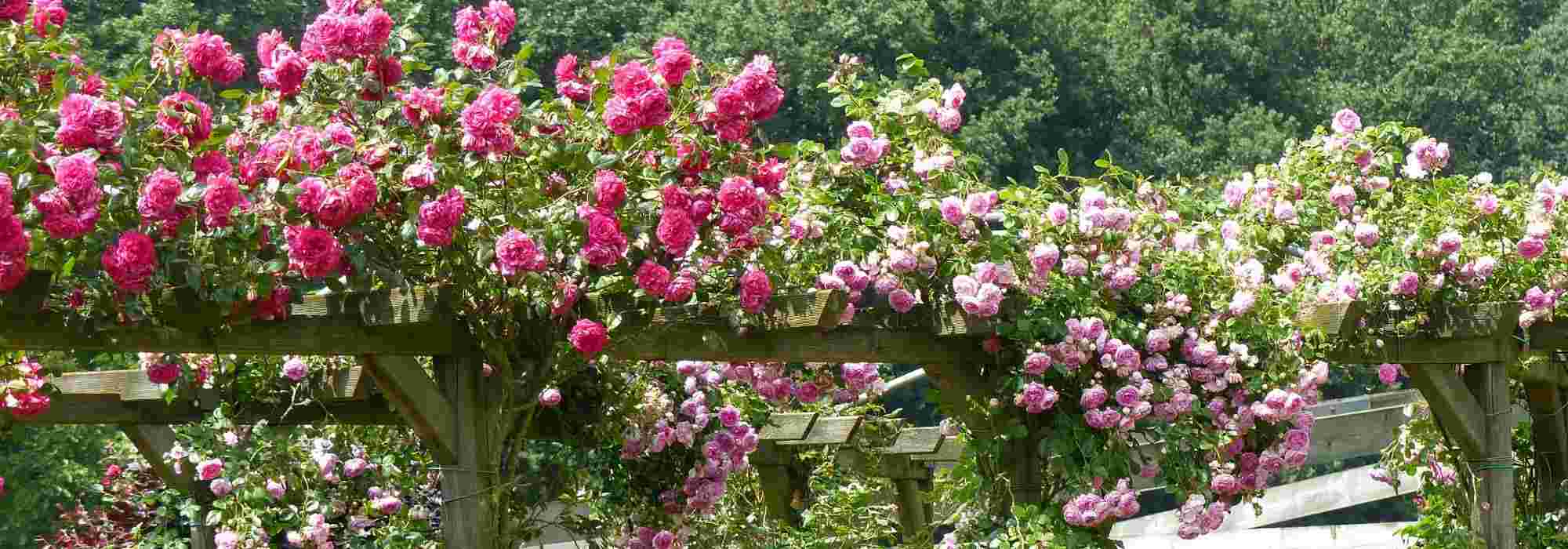
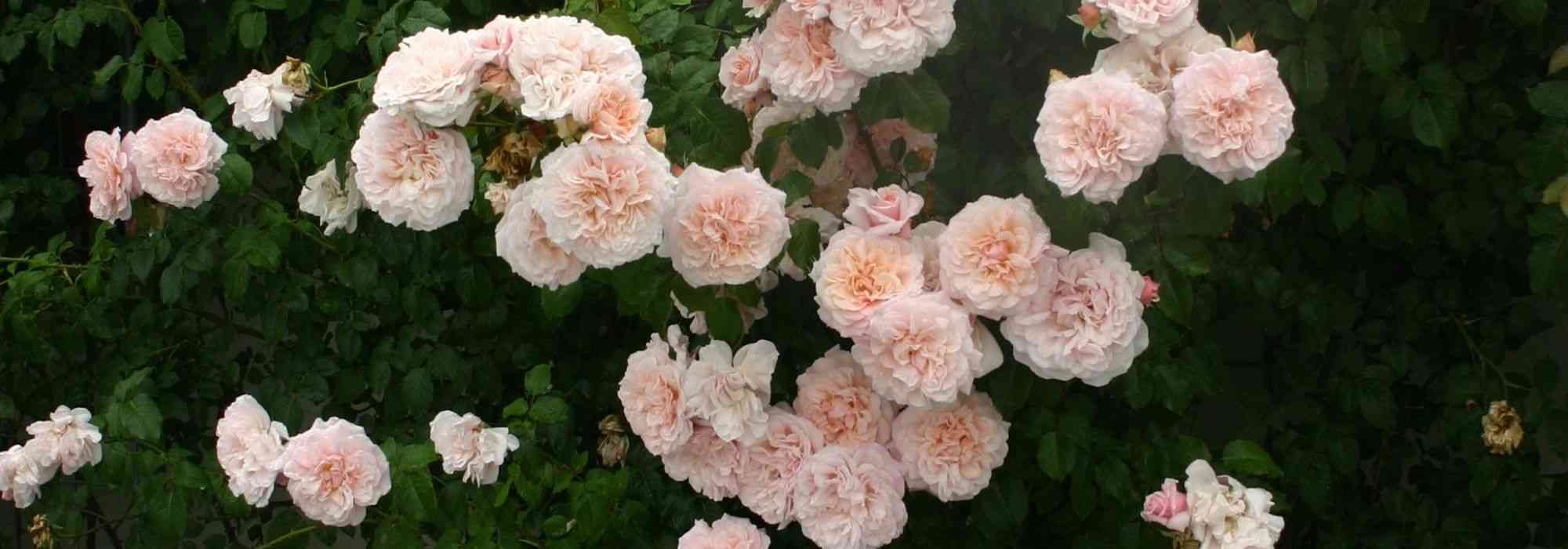
The André Le Nôtre® 'Meilinday' climbing rose - the climbing version of the famous bush - embodies the majesty and refinement of French-style gardens. With its abundant pastel and ochre roses, it offers prolific and fragrant blooms which continue until the first frosts. Remarkably vigorous, it produces long, flexible branches perfect for large structures like walls, pergolas, or arbours. Its dense, disease-resistant foliage enhances the brilliance of its flowers.
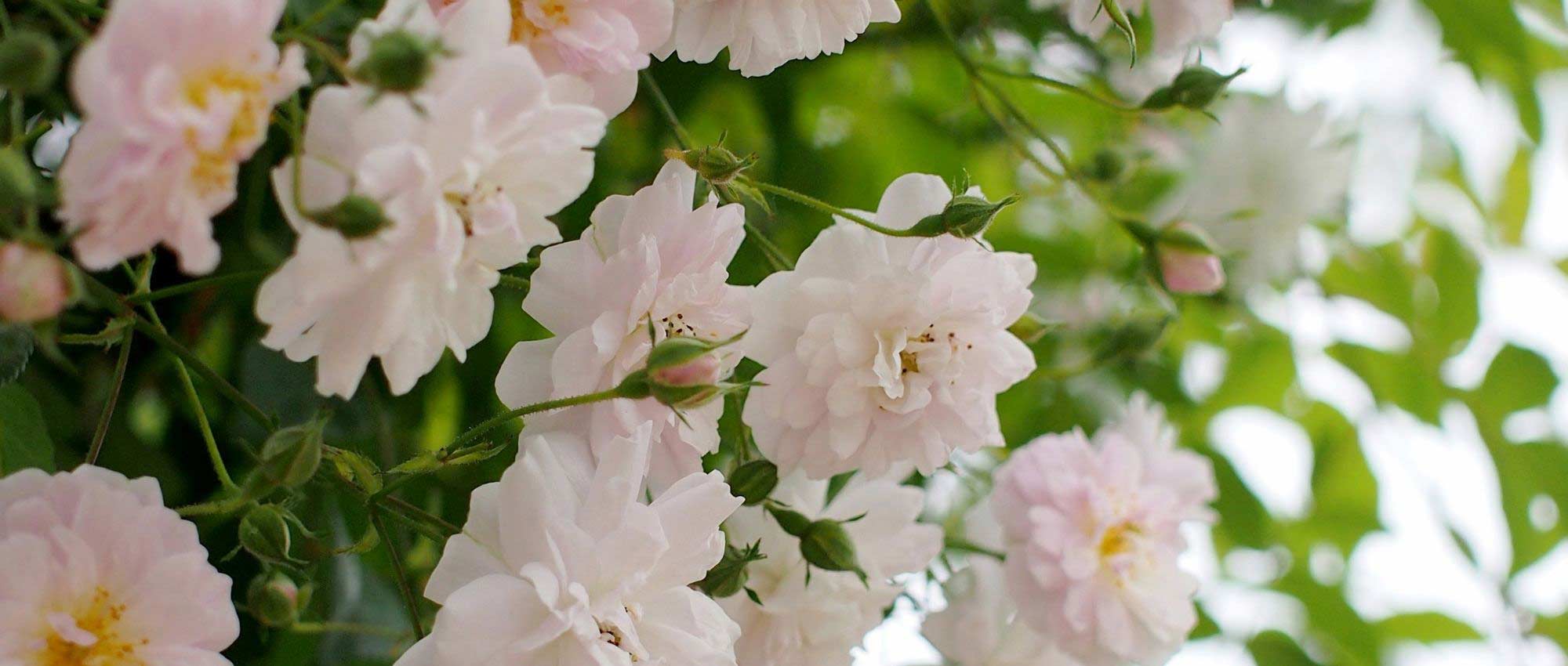
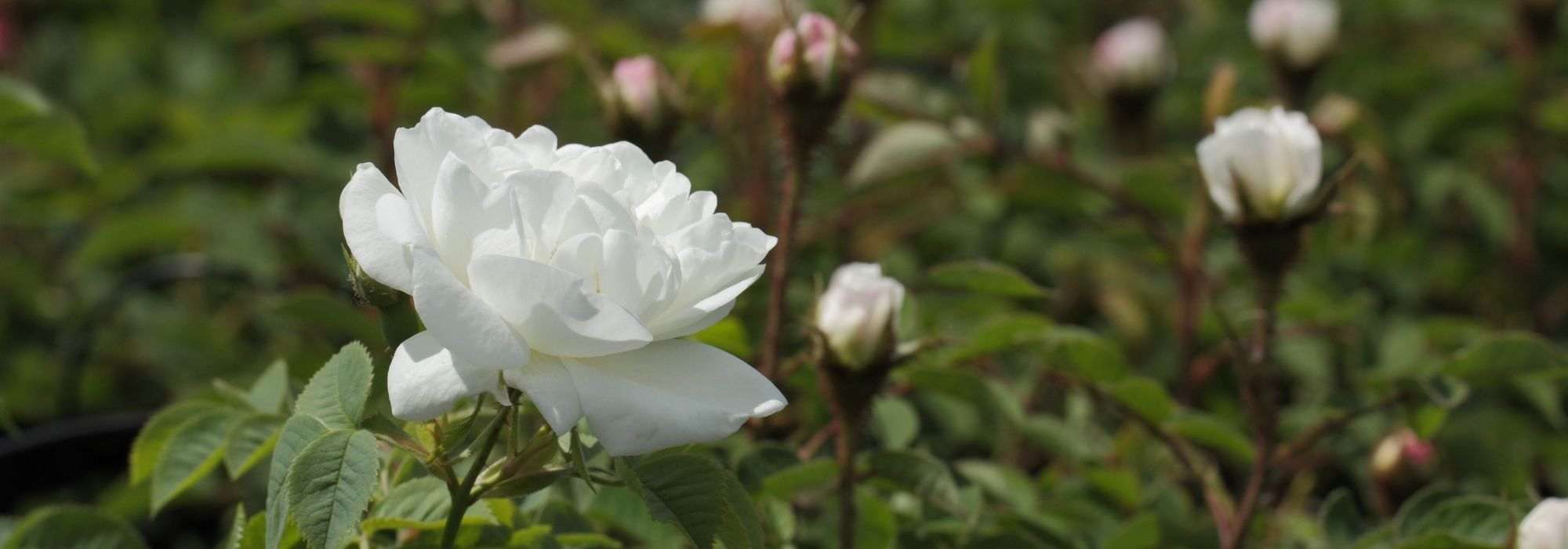
The André Le Nôtre® 'Meilinday' rose belongs to the Rosaceae family and is part of the Large-Flowered Climbers group. In its climbing form, it reinterprets the timeless elegance of old roses while benefiting from exceptional vigour and improved disease resistance. Derived from the André Le Nôtre® 'Meiceppus' bush rose, it retains the fragrant flowering that made the variety famous, while developing a powerful sarmentous habit, ideal for dressing large vertical garden structures. Its large, opulent double roses, measuring 12 to 13 cm in diameter, evoke the charm of old roses with their form and silky texture. formed of 60 to 70 petals, they bloom into romantic corollas of luminous pastel pink, warmed at the heart by subtle ochre tones. Their intense, refined fragrance blends the floral hints of the May Rose with delicate fruity touches. Thanks to their excellent vase life, these sumptuous flowers are perfect for creating refined and romantic cut flower arrangements. Its flowering begins with a spectacular first wave followed by regular repeats throughout the season. A more pronounced resurgence occurs in early autumn, lasting until the first frosts, ensuring a prolonged floral presence in the garden. With vigorous and rapid growth, this climbing rose develops long thorny stems reaching 2.50 to 3 metres in height and about 3 metres in spread. Its medium-green, semi-matt, dense foliage provides the perfect setting for its flowers and persists late into the season. Its disease resistance makes it a top choice for gardeners seeking a robust and floriferous variety.
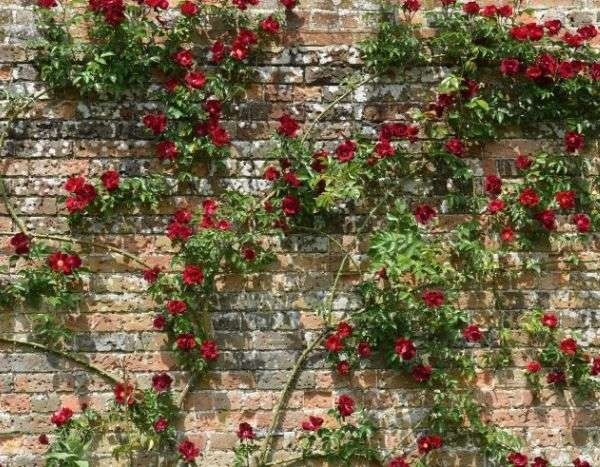
The André Le Nôtre rose requires space to flourish fully and is ideally suited to large walls, pergolas, fences, or arbours where it can elegantly display its long branches. To achieve optimal flowering, it is essential to train it methodically horizontally, which encourages the growth of numerous flowering stems. To enhance its romantic effect, it can be paired with a Pierre de Ronsard® rose whose large, soft pink flowers harmonise subtly with its pastel tones accentuated by ochre highlights. At its base, a 'Grosso' lavender and the slender spikes of a Stipa gigantea will harmoniously give structure to the space while adding movement.
Dedicated to André Le Nôtre, the master of French-style gardens, this rose embodies the legacy of a visionary man who revolutionised landscaping art by playing with perspectives, water features, and groves in plant scenography.
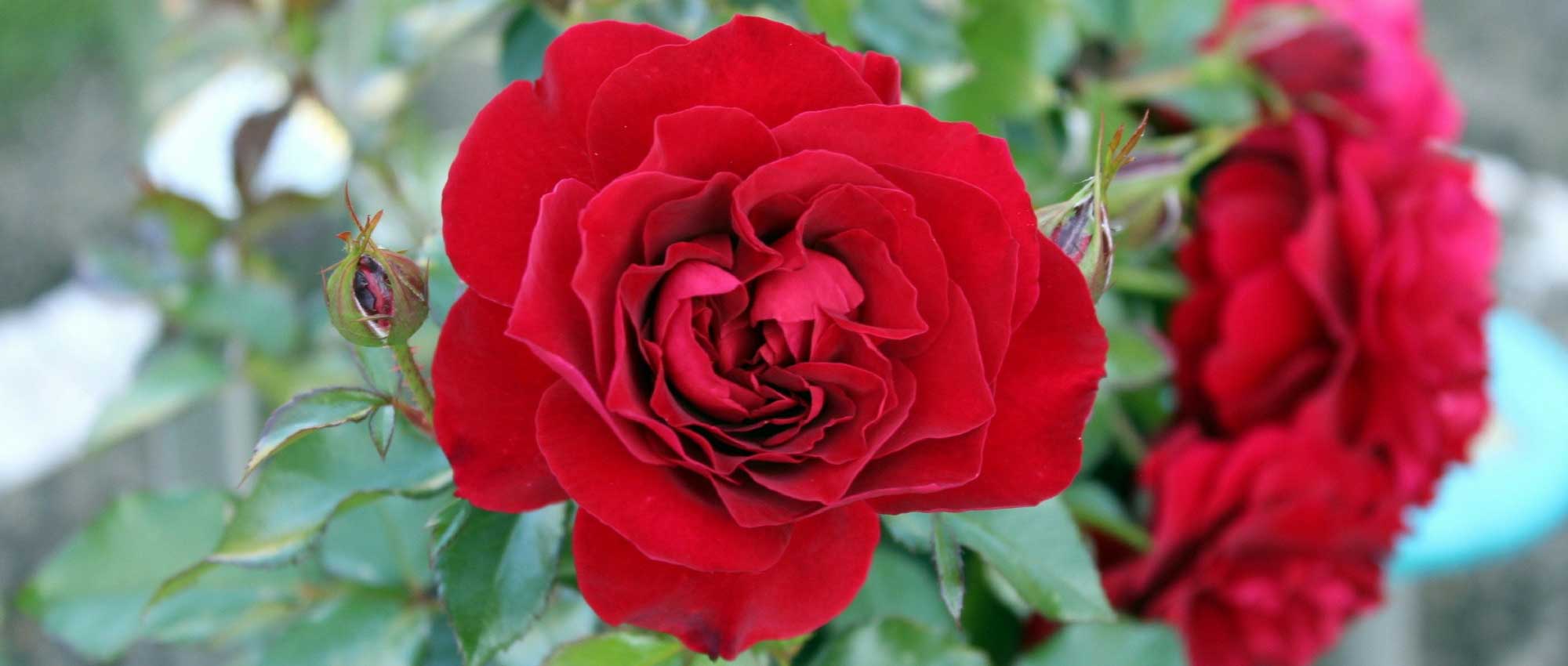
Rosa André Le Nôtre Climbing - Climbing Rose in pictures
Plant habit
Flowering
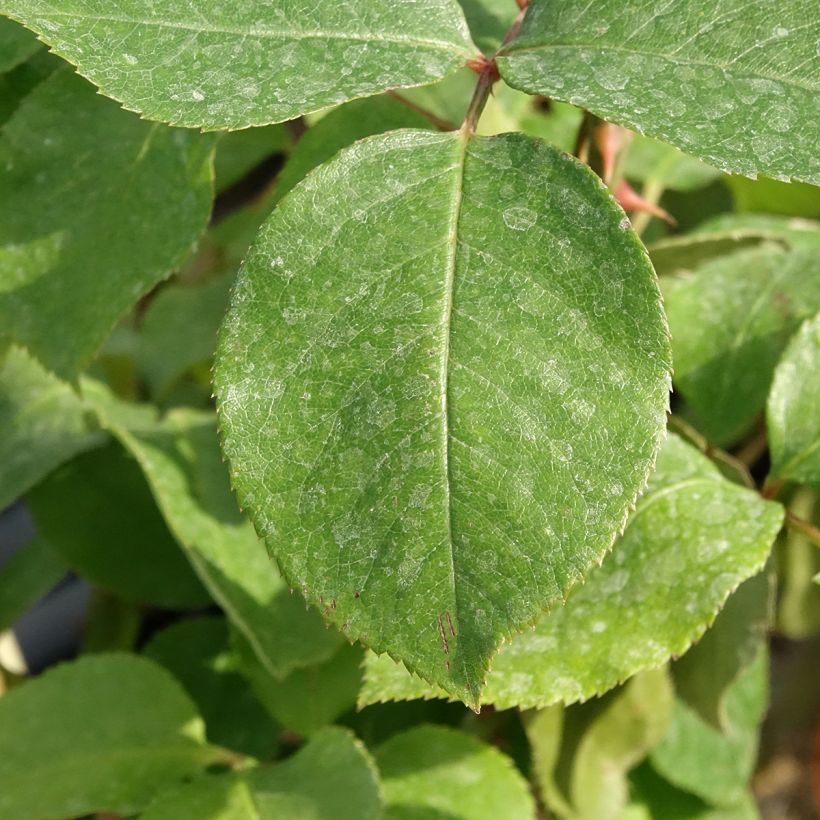
Foliage
Botanical data
Rosa
'Meilinday' GPT ANDRE LE NOTRE®
Rosaceae
Climbing Rose
Rosa 'Meilinday' GPT ANDRE LE NOTRE®
Cultivar or hybrid
Planting and care
Plant your André Le Nôtre Rose in a sunny position. Roses are tolerant but dislike excessive lime and thrive best in fertile, well-drained soil. They will adapt to any garden as long as the ground is well-prepared and sufficiently rich. To plant your rose, work the soil by breaking it up finely and adding an amendment such as dried blood or dehydrated horn at the bottom of the planting hole. Water generously after planting to eliminate any air pockets. Water regularly for a few weeks to encourage root establishment.
In late winter, prune the oldest stems back to 3-5 buds above the ground (at the lowest point), choosing outward-facing buds for a more elegant habit. Use this pruning opportunity to remove any dead wood and unsightly branches. Prune at a slant above a bud. As flowering progresses, deadhead to stimulate the growth of new buds.
If planting a climbing or rambling rose near a living tree, the rose's root system will compete with the well-established tree roots. To control watering, here’s a tip: plant the rose in a large container with the bottom removed, placed at the base of the tree. The tree roots won’t penetrate the container for at least a year. Remove the container after one year, for example by cutting one side, without disturbing the rose's root system. The rose will have had time to develop a deep root system and will be more resilient.
Roses often develop spots or look unsightly by late summer, but this does not affect their growth. These spots are not harmful to the rose—it’s a natural phenomenon. Follow all our advice to address this issue and read our article: Help: My Roses Have Spots
Planting period
Intended location
Care
Planting & care advice
-
-

-
-
-

-

-
-
-
, onOrder confirmed
Reply from on Promesse de fleurs
Recently viewed products
Haven't found what you were looking for?
Hardiness is the lowest winter temperature a plant can endure without suffering serious damage or even dying. However, hardiness is affected by location (a sheltered area, such as a patio), protection (winter cover) and soil type (hardiness is improved by well-drained soil).

The flowering period indicated on our website applies to countries and regions located in USDA zone 8 (France, the United Kingdom, Ireland, the Netherlands, etc.)
It will vary according to where you live:- In zones 9 to 10 (Italy, Spain, Greece, etc.), flowering will occur about 2 to 4 weeks earlier.
- In zones 6 to 7 (Germany, Poland, Slovenia, and lower mountainous regions), flowering will be delayed by 2 to 3 weeks.
- In zone 5 (Central Europe, Scandinavia), blooming will be delayed by 3 to 5 weeks.
In temperate climates, pruning of spring-flowering shrubs (forsythia, spireas, etc.) should be done just after flowering.
Pruning of summer-flowering shrubs (Indian Lilac, Perovskia, etc.) can be done in winter or spring.
In cold regions as well as with frost-sensitive plants, avoid pruning too early when severe frosts may still occur.
The planting period indicated on our website applies to countries and regions located in USDA zone 8 (France, United Kingdom, Ireland, Netherlands).
It will vary according to where you live:
- In Mediterranean zones (Marseille, Madrid, Milan, etc.), autumn and winter are the best planting periods.
- In continental zones (Strasbourg, Munich, Vienna, etc.), delay planting by 2 to 3 weeks in spring and bring it forward by 2 to 4 weeks in autumn.
- In mountainous regions (the Alps, Pyrenees, Carpathians, etc.), it is best to plant in late spring (May-June) or late summer (August-September).
The harvesting period indicated on our website applies to countries and regions in USDA zone 8 (France, England, Ireland, the Netherlands).
In colder areas (Scandinavia, Poland, Austria...) fruit and vegetable harvests are likely to be delayed by 3-4 weeks.
In warmer areas (Italy, Spain, Greece, etc.), harvesting will probably take place earlier, depending on weather conditions.
The sowing periods indicated on our website apply to countries and regions within USDA Zone 8 (France, UK, Ireland, Netherlands).
In colder areas (Scandinavia, Poland, Austria...), delay any outdoor sowing by 3-4 weeks, or sow under glass.
In warmer climes (Italy, Spain, Greece, etc.), bring outdoor sowing forward by a few weeks.
Shipping country and language
Your country of residence may be:
Your country of residence is:
For a better user experience on our website, you can select:
Your shipping country:
-
 Austria
-
 Belgium
-
 Bosnia & Herzegovina
-
 Bulgaria
-
 Croatia
-
 Cyprus
-
 Czechia
-
 Denmark
-
 Estonia
-
 Finland
-
 France
-
 Germany
-
 Greece
-
 Hungary
-
 Iceland
-
 Ireland
-
 Italy
Italy
-
 Latvia
-
 Liechtenstein
-
 Lithuania
-
 Luxembourg
-
 Malta
Malta
-
 Netherlands
-
 Poland
-
 Portugal
-
 Romania
-
 Serbia
-
 Slovakia
-
 Slovenia
-
 Spain
Spain
-
 Sweden
-
 Switzerland
Language:
-
French
-
 English
-
Spanish
-
Italian
-
German
-
Portuguese
-
Dutch
-
Finnish
My Account
Hello
My wish lists
My cart
Log in / Register
Existing customer?
This form is protected by reCAPTCHA - the Google Privacy Policy and Terms of Service apply.
New customer?
Create an account to track your orders, access our customer service and, if you wish, make the most of our upcoming offers.