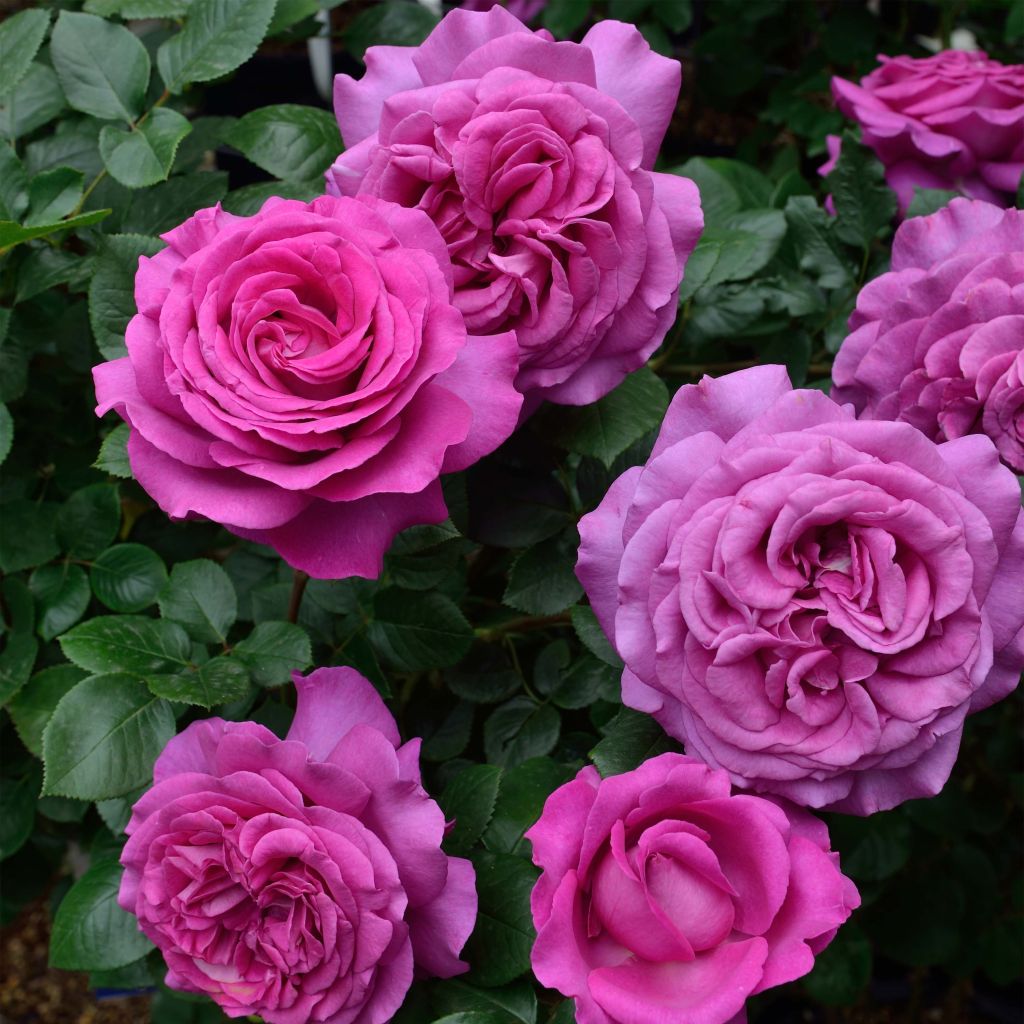
Rosa 'Chartreuse de Parme' - Hybrid Tea Rose
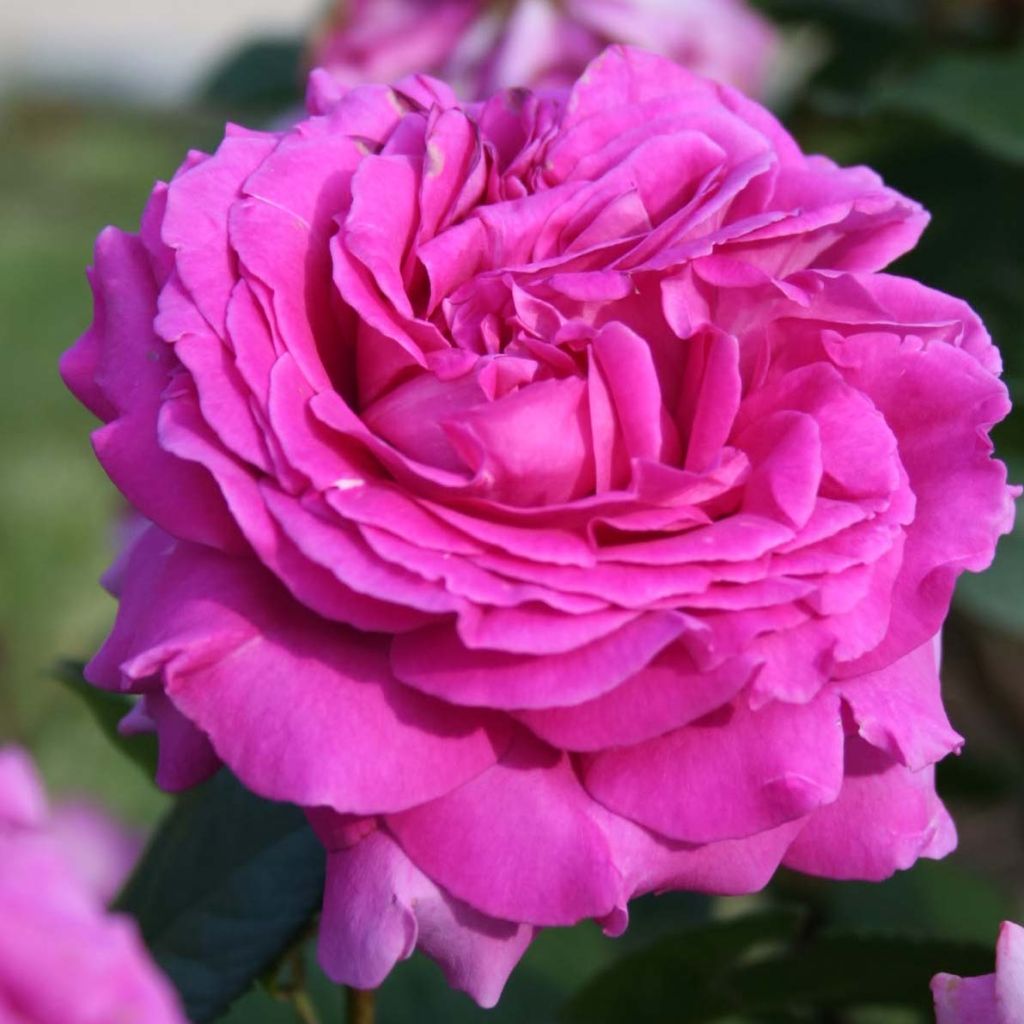
Rosa 'Chartreuse de Parme' - Hybrid Tea Rose
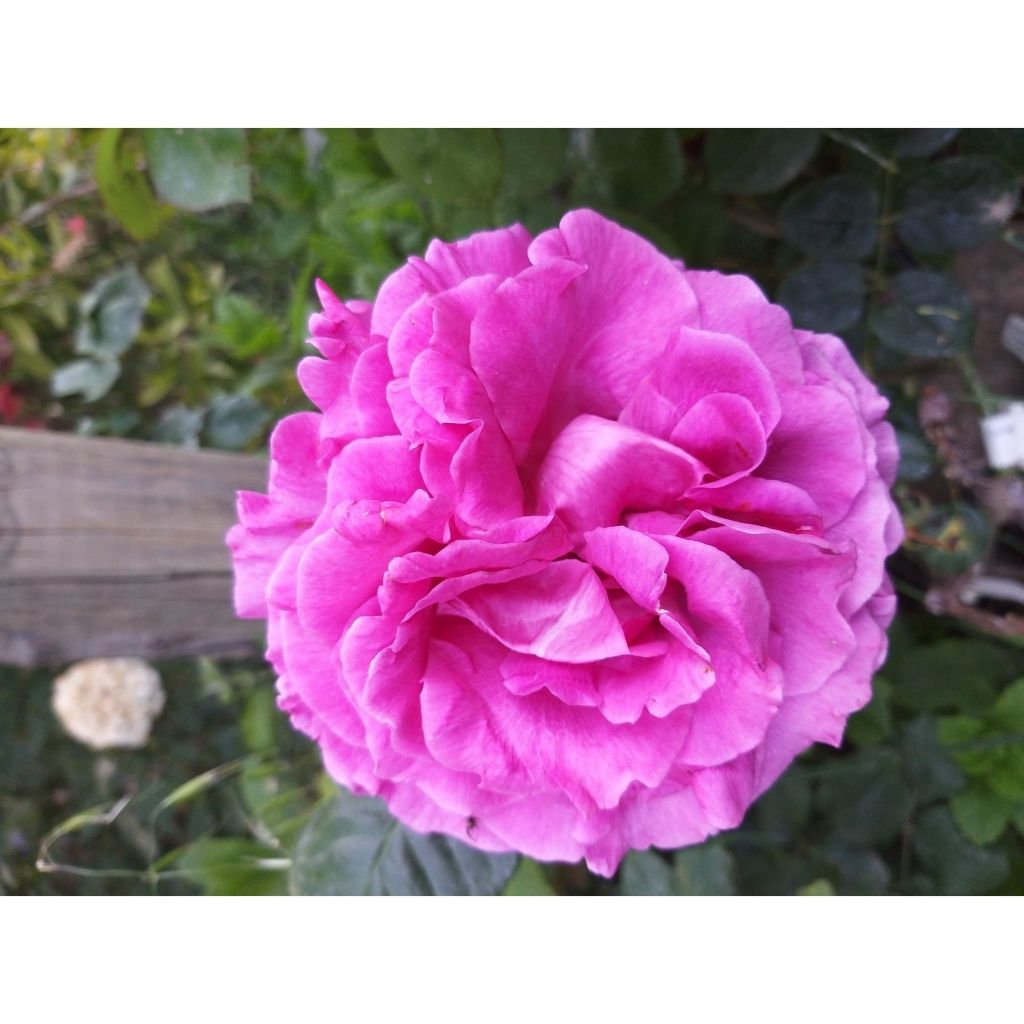
Rosa 'Chartreuse de Parme' - Hybrid Tea Rose
View more pictures
Hide images

Thierry P.
Rosa 'Chartreuse de Parme' - Hybrid Tea Rose
Thierry P. • 84 FR

Thierry P.
Rosa 'Chartreuse de Parme' - Hybrid Tea Rose
Thierry P. • 84 FR

Thierry P.
Rosa 'Chartreuse de Parme' - Hybrid Tea Rose
Thierry P. • 84 FR

Thierry P.
Rosa 'Chartreuse de Parme' - Hybrid Tea Rose
Thierry P. • 84 FR

Thierry P.
Rosa 'Chartreuse de Parme' - Hybrid Tea Rose
Thierry P. • 84 FR
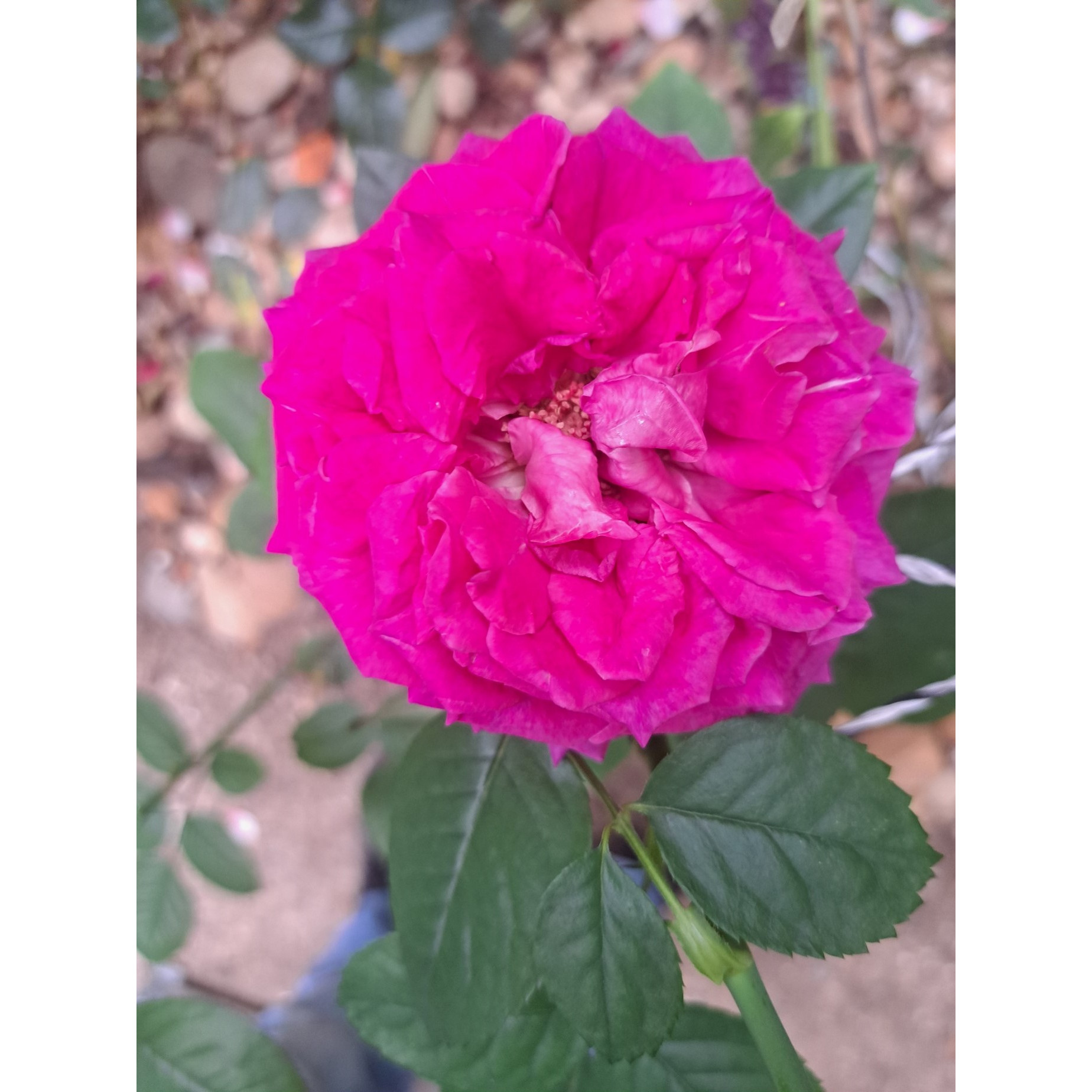
Thierry P.
Rosa 'Chartreuse de Parme' - Hybrid Tea Rose
Thierry P. • 84 FR

Thierry P.
Rosa 'Chartreuse de Parme' - Hybrid Tea Rose
Thierry P. • 84 FR

Thierry P.
Rosa 'Chartreuse de Parme' - Hybrid Tea Rose
Thierry P. • 84 FR
Elisabeth M.
Rosa 'Chartreuse de Parme' - Hybrid Tea Rose
Elisabeth M. • 68 FR
Elisabeth M.
Rosa 'Chartreuse de Parme' - Hybrid Tea Rose
Elisabeth M. • 68 FR

Thierry P.
Rosa 'Chartreuse de Parme' - Hybrid Tea Rose
Thierry P. • 84 FR

Thierry P.
Rosa 'Chartreuse de Parme' - Hybrid Tea Rose
Thierry P. • 84 FR

Thierry P.
Rosa 'Chartreuse de Parme' - Hybrid Tea Rose
Thierry P. • 84 FR

Thierry P.
Rosa 'Chartreuse de Parme' - Hybrid Tea Rose
Thierry P. • 84 FR
Thierry P.
Rosa 'Chartreuse de Parme' - Hybrid Tea Rose
Thierry P. • 84 FR
Thierry P.
Rosa 'Chartreuse de Parme' - Hybrid Tea Rose
Thierry P. • 84 FR

Thierry P.
Rosa 'Chartreuse de Parme' - Hybrid Tea Rose
Thierry P. • 84 FR
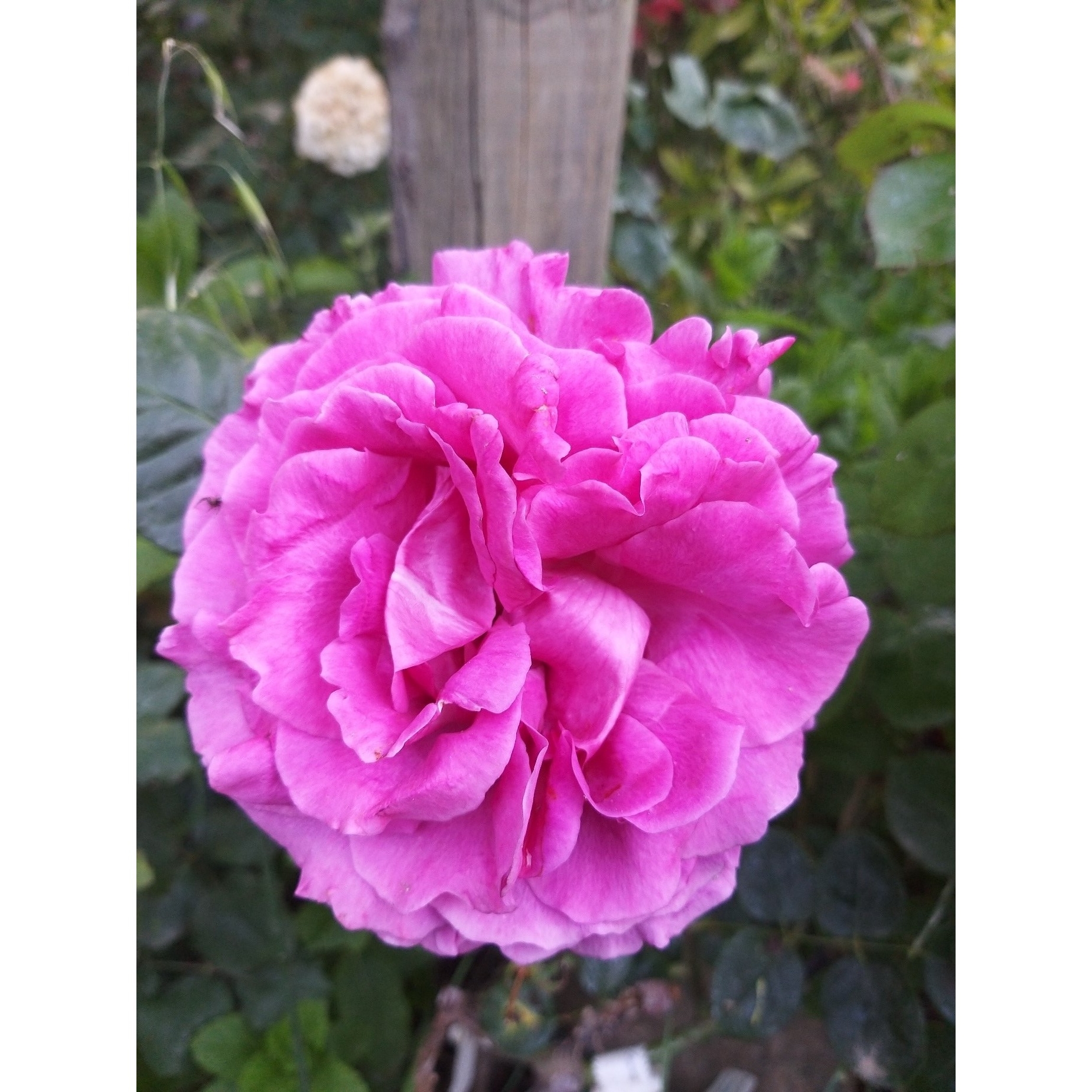
Thierry P.
Rosa 'Chartreuse de Parme' - Hybrid Tea Rose
Thierry P. • 84 FR

Thierry P.
Rosa 'Chartreuse de Parme' - Hybrid Tea Rose
Thierry P. • 84 FR

Thierry P.
Rosa 'Chartreuse de Parme' - Hybrid Tea Rose
Thierry P. • 84 FR
Rosa 'Chartreuse de Parme' - Hybrid Tea Rose
Rosa Chartreuse de Parme ® 'Delviola'
Delviola
Rose received in excellent condition, with vigorous foliage and strong roots.
telmomaquedones@gmail.com, 21/07/2025
Back-to-school special offer!
Get €10 off for every €50 you spend! And get up to €40 off on a single order.
How does it work?
1. Shop your favourites
Add your favourite plants to your basket. For every €50 you spend (excluding delivery charges, store credit and the plastic-free option), you’ll receive a €10 voucher.
€50 spent = €10 voucher
€100 spent = €20 voucher
€150 spent = €30 voucher
€200 spent = €40 voucher
2. Place your order
Once your basket reaches one of the spending thresholds, place your order. You can even choose your delivery date!
3. Receive your voucher
As soon as your order has been shipped, you’ll receive an email containing your personal voucher code and its value.
4. Use it on your next order
Your voucher is valid for 90 days from the date you receive it. It can be used once only, on a new order worth at least the value of the voucher, excluding delivery charges.
Please note: Vouchers can be combined with other offers, but cannot be split or refunded.
Home or relay delivery (depending on size and destination)
Important: You may be charged customs duties by your country’s customs authorities upon delivery.
Schedule delivery date
and select date in basket
This plant carries a 24 months recovery warranty
More information
We guarantee the quality of our plants for a full growing cycle, and will replace at our expense any plant that fails to recover under normal climatic and planting conditions.

Description
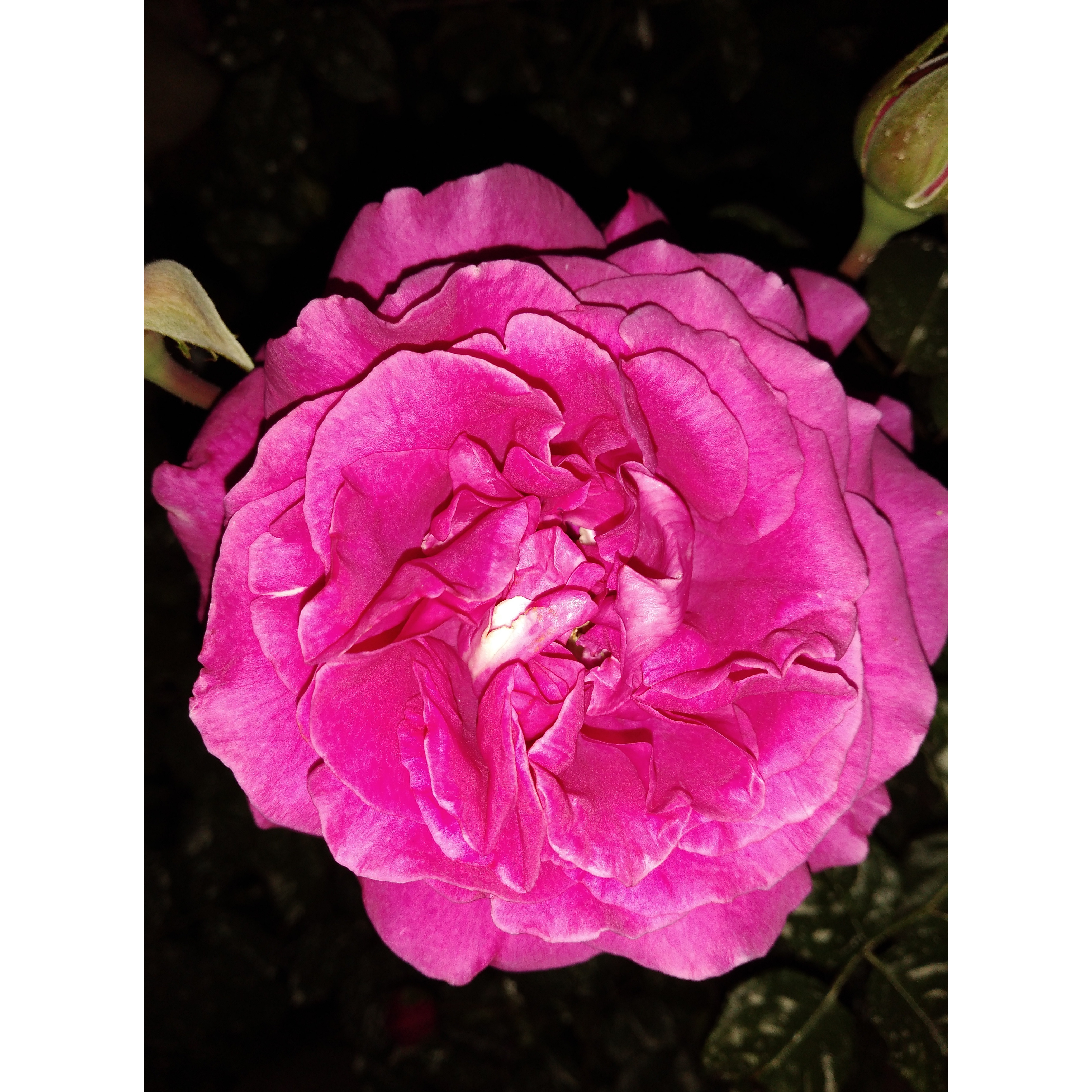
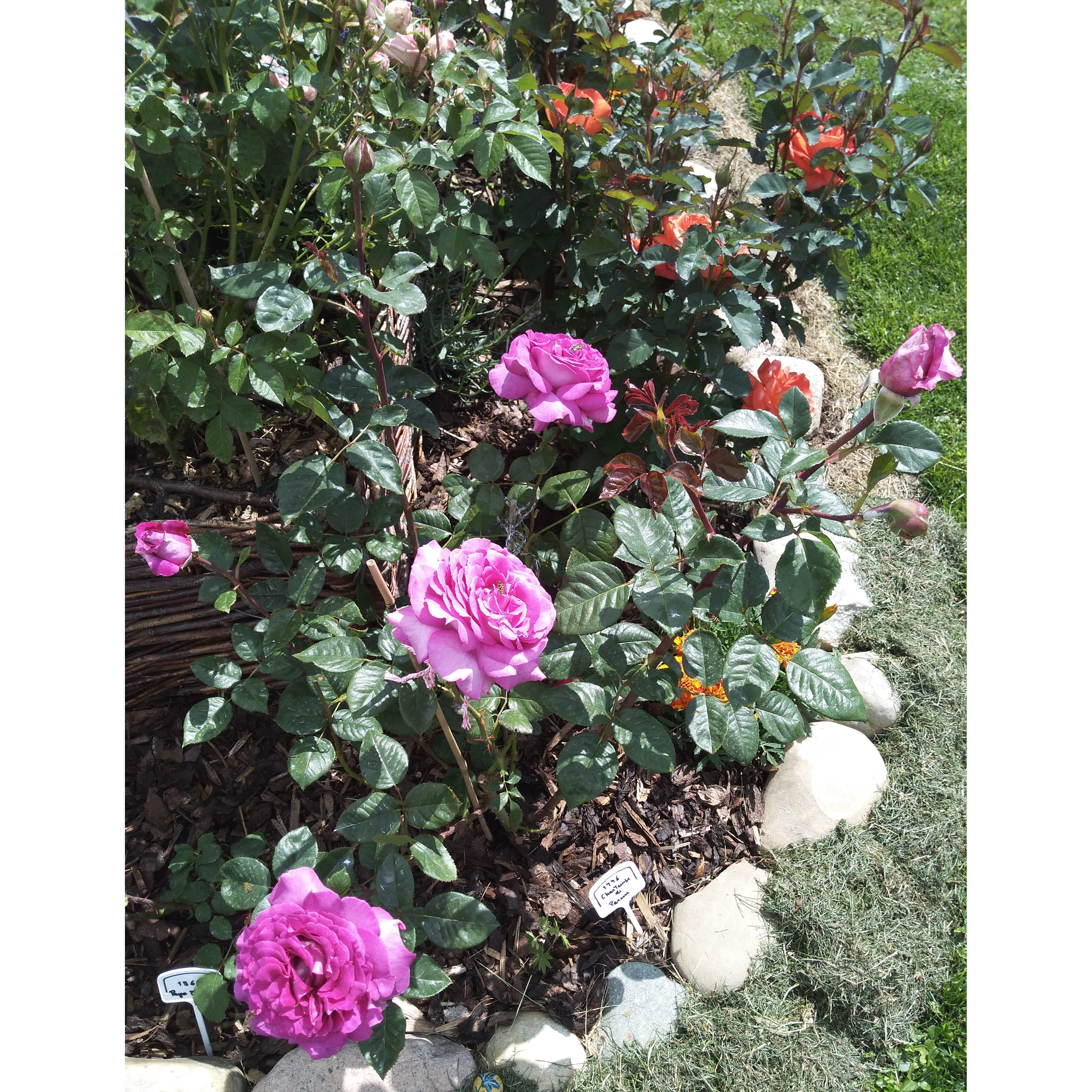
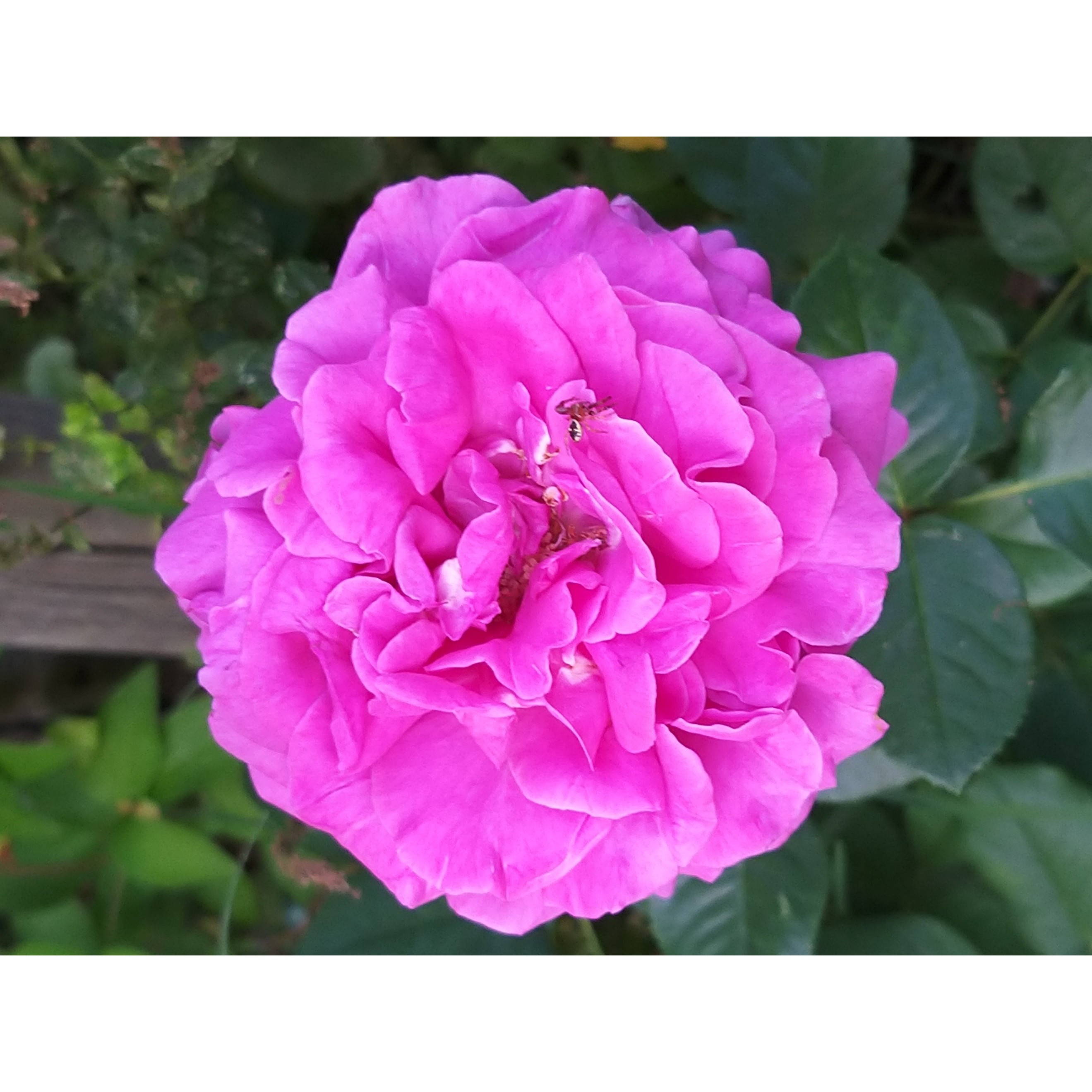
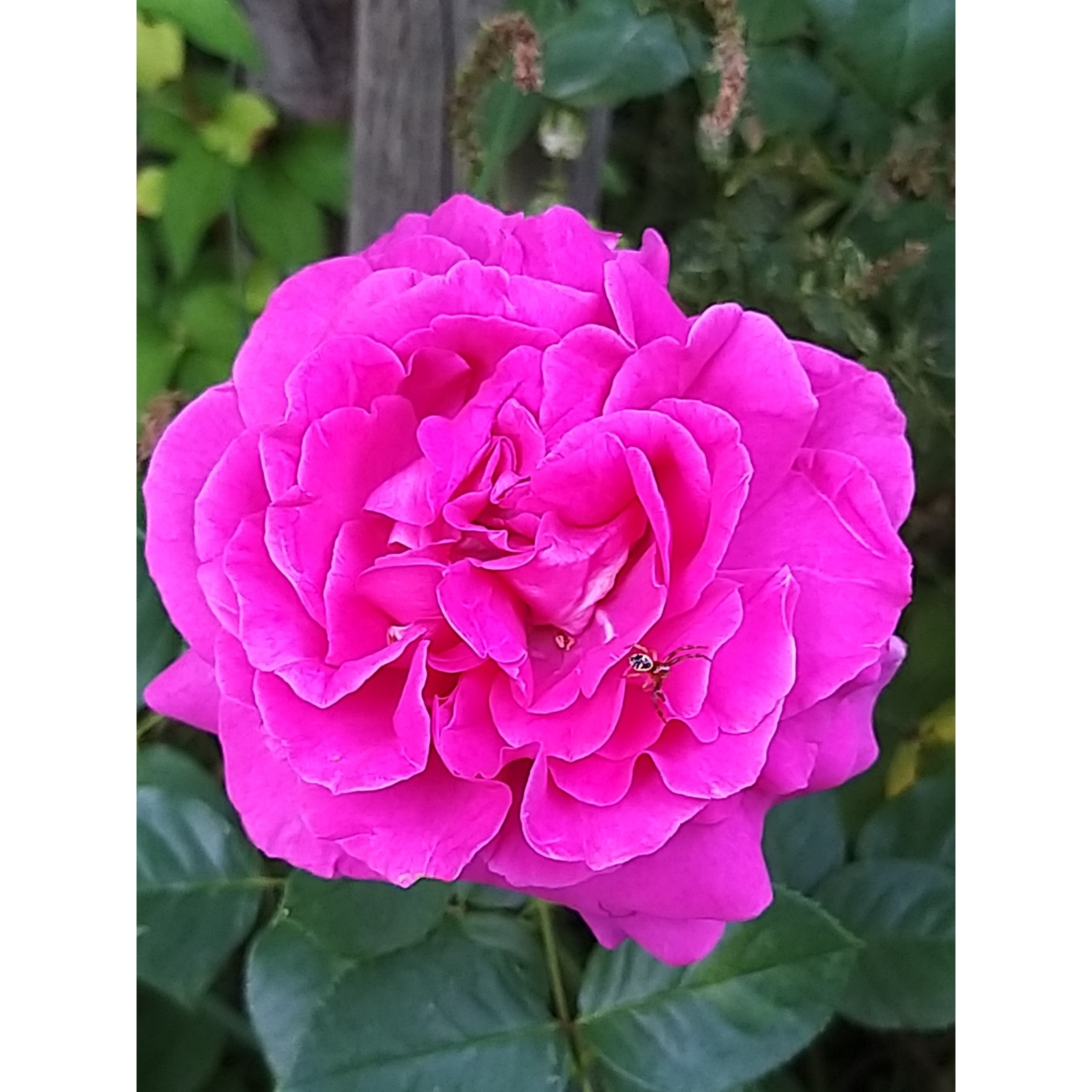
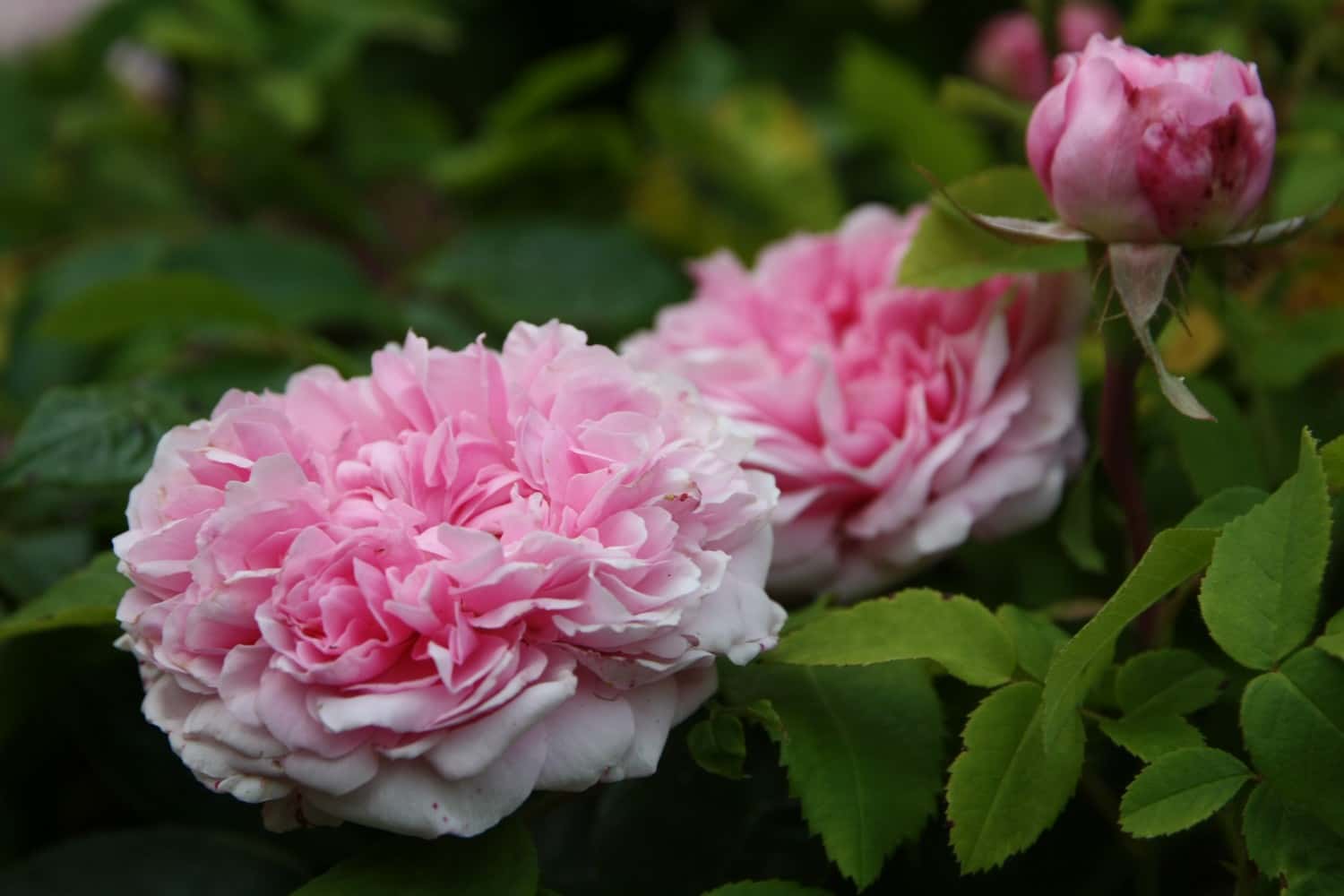
The Rosa 'Chartreuse de Parme' (Delviola) is a modern hybrid tea rose that has received numerous awards for the beauty of its large flowers and its truly remarkable fragrance. On a vigorous bush, large flowers of a pinkish-purple hue bloom, arranged in quarters like old-fashioned roses, flowers that emit a fragrance as powerful as it is captivating, revealing notes of citrus and mandarin. In the garden, it is a generous, romantic, and modern shrub to be planted solely for its fragrance!
'Chartreuse de Parme' or 'Delviola' holds an impressive record that many envy: 10 medals, including 4 gold medals for its fragrance at Bagatelle, Madrid, Baden-Baden, and Geneva.
It is a modern bush rose with large clustered flowers created in 1996 by Delbard, belonging to the series of roses 'Souvenirs of Scented Love'. A bushy and upright shrub, it reaches about 90 cm (35in) in height and 70 cm (28in) in width at maturity, with rapid growth. It produces strong, thorny branches with dense foliage and large, thick, and toothed dark green leaflets. Throughout the summer and until October, if faded flowers are removed, the plant continuously produces medium-sized flowers, 10-12 cm (4-5in) in diameter, whose shape evolves as they bloom: initially turban-shaped and typical of hybrid tea roses, the flowers open in tight quarters surrounded by wider and fringed petals. Very double, they are composed of over 40 satin petals in shades ranging from deep pink-red in the centre to lilac-pink on the edges. A gently violet hue that does not fade in the sun. The flowers are clustered at the ends of long shoots from the current year or emerging from 2-year-old stems. The foliage of this variety, generally quite healthy, does show some sensitivity to black spot disease in humid climates.
As explained by Rosarian Delbard, the 'Souvenirs of Scented Love' roses are "Voluptuous, romantic, and fragrant, these roses have the unique charm of old-fashioned roses, memories of childhood and moments of rediscovered happiness!"
'Chartreuse de Parme' deserves to be planted more than any other in a small garden where space is limited, solely for its fragrance. Ideal for planting in borders or in groups of 3 plants, it will also stand out in a large pot on the terrace or balcony. It blends well with light perennials and annuals such as panicled baby's breath, bellflowers, panicled phlox, or tall foxgloves. It can be beautifully showcased in front of a boxwood or yew hedge, or, conversely, surrounded by a miniature hedge or a carefully arranged maze, as in Italian or French gardens. It is also, and above all, a nostalgic and enchanting rose with a rich, faded silk color, just like the Charles de Gaulle variety, a rose that is neither violet nor pink. For example, it can be paired with purple or pink flowers (Aster novi-belgii Winston S. Churchill, Hemerocallis Grappe velvet, Rosa The Prince, or Nuit de Chine). It can be placed near the house to also enjoy its superb fragrance, alone or combined with a touch of audacity with the Charles Darwin rose, which constantly oscillates between orange, yellow, and cream. Finally, its roses are stunning in bouquets, combined with lilies in summer or asters in autumn.
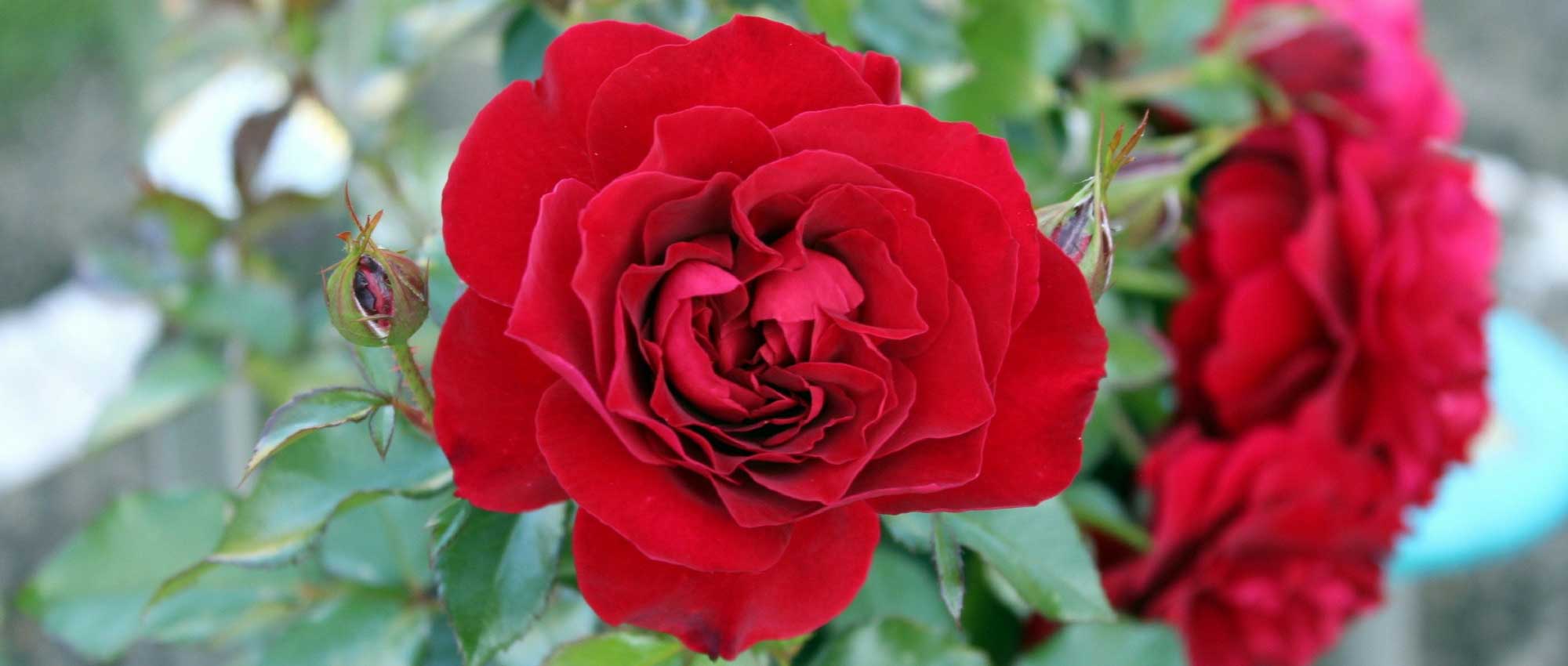
Rosa 'Chartreuse de Parme' - Hybrid Tea Rose in pictures
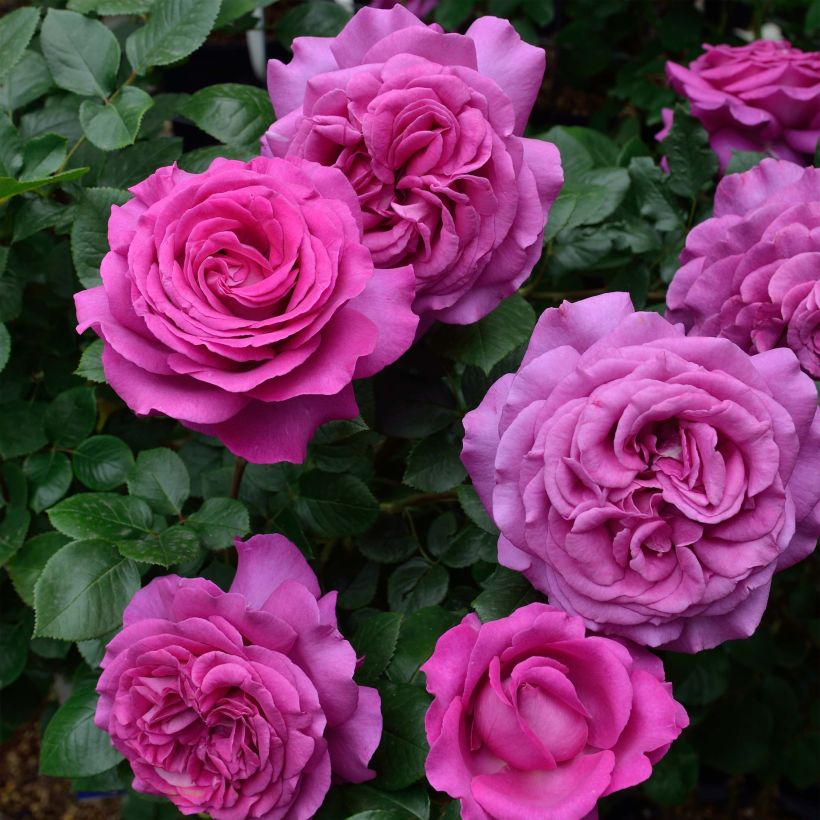
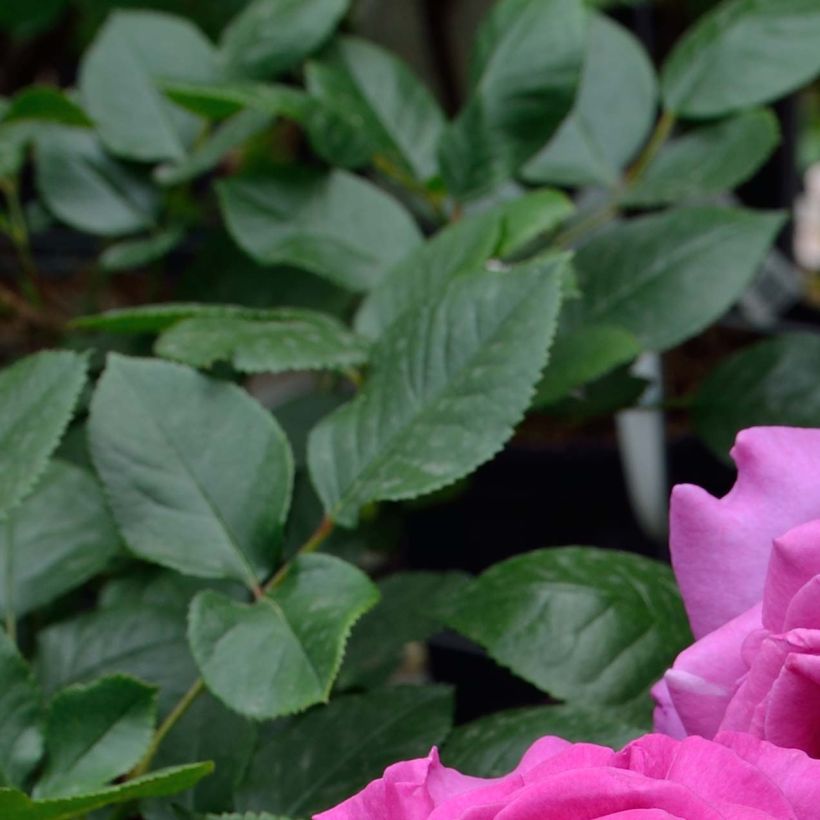
Plant habit
Flowering
Foliage
Botanical data
Rosa
Chartreuse de Parme ® 'Delviola'
Rosaceae
Delviola
Cultivar or hybrid
Planting and care
Choose a sunny or lightly shaded spot with well-worked soil that is not too heavy and has enough nutrients. Avoid planting in poor and excessively dry soils. Prepare the soil by crumbling it and adding an amendment, such as blood, fish and bone, at the bottom of the planting hole. After planting, water abundantly to remove air pockets and continue to water regularly for a few weeks to help the roots establish.
Pruning modern repeat flowering roses is important for flowering and should be done in three stages:
1. Regular maintenance pruning: During the season, regularly shorten the flowering branches and remove faded flowers along with their stem, leaving 2 or 3 leaves to encourage repeat flowering.
2. Preparatory autumn pruning: Lightly prune in preparation for the 'main' spring pruning. Note: This is not recommended in regions with cold winters as this could weaken the bush.
3. Spring pruning: In February-March, when the buds have become shoots 2 to 3 cm (1in) long, prune the young, strong branches to one-quarter of their length.
When pruning, always aim to remove dead wood, diseased branches, and weak shoots while opening up the centre of the bush. Retain the most vigorous branches, generally 3 to 6 well-positioned, to maintain an attractive habit. Always prune at a slant ½ cm or 1 cm (0in) above an outward-facing bud.
Roses may develop unsightly spots at the end of summer, but this is a natural occurrence and doesn't harm the rose's growth.
Planting period
Intended location
Care
Planting & care advice
-
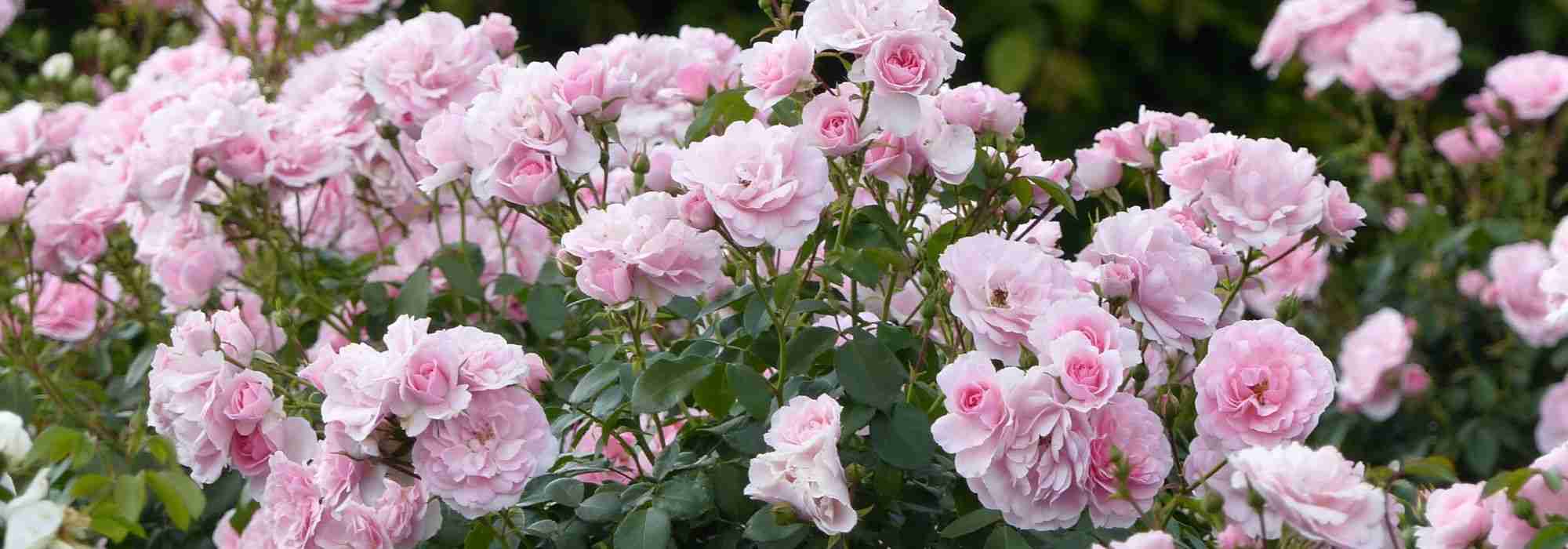
-

-

-

-
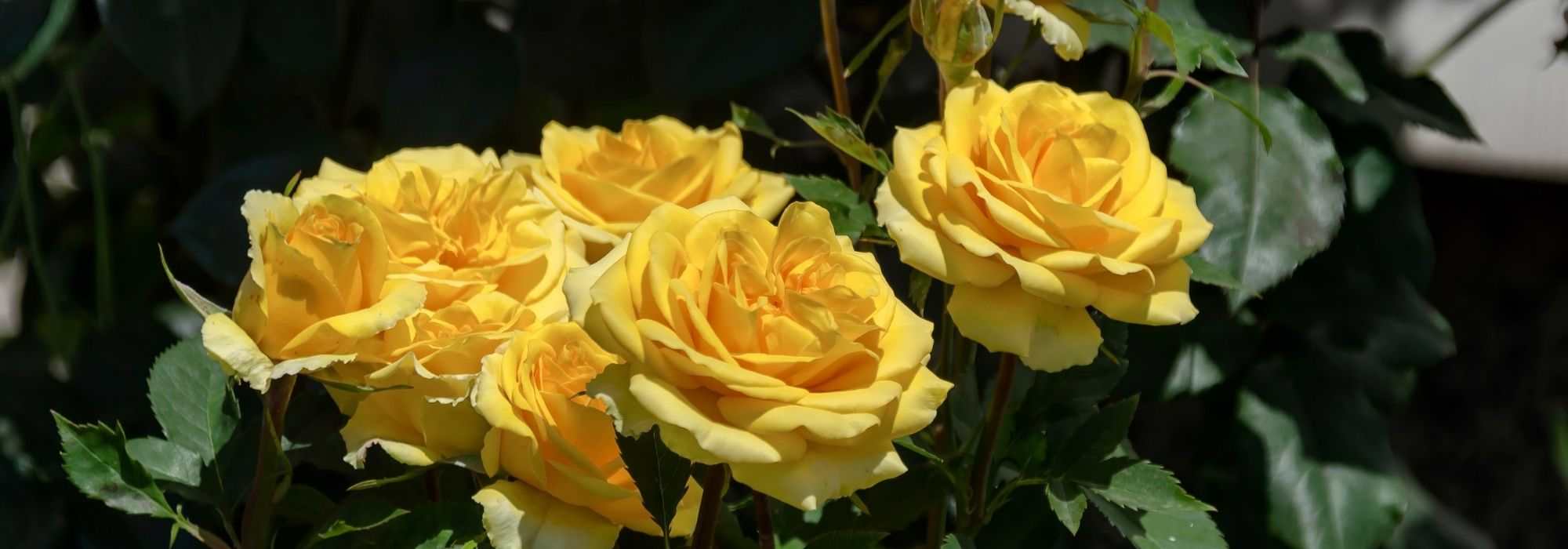
-

-
-

-
, onOrder confirmed
Reply from on Promesse de fleurs
Recently viewed products
Haven't found what you were looking for?
Hardiness is the lowest winter temperature a plant can endure without suffering serious damage or even dying. However, hardiness is affected by location (a sheltered area, such as a patio), protection (winter cover) and soil type (hardiness is improved by well-drained soil).

The flowering period indicated on our website applies to countries and regions located in USDA zone 8 (France, the United Kingdom, Ireland, the Netherlands, etc.)
It will vary according to where you live:- In zones 9 to 10 (Italy, Spain, Greece, etc.), flowering will occur about 2 to 4 weeks earlier.
- In zones 6 to 7 (Germany, Poland, Slovenia, and lower mountainous regions), flowering will be delayed by 2 to 3 weeks.
- In zone 5 (Central Europe, Scandinavia), blooming will be delayed by 3 to 5 weeks.
In temperate climates, pruning of spring-flowering shrubs (forsythia, spireas, etc.) should be done just after flowering.
Pruning of summer-flowering shrubs (Indian Lilac, Perovskia, etc.) can be done in winter or spring.
In cold regions as well as with frost-sensitive plants, avoid pruning too early when severe frosts may still occur.
The planting period indicated on our website applies to countries and regions located in USDA zone 8 (France, United Kingdom, Ireland, Netherlands).
It will vary according to where you live:
- In Mediterranean zones (Marseille, Madrid, Milan, etc.), autumn and winter are the best planting periods.
- In continental zones (Strasbourg, Munich, Vienna, etc.), delay planting by 2 to 3 weeks in spring and bring it forward by 2 to 4 weeks in autumn.
- In mountainous regions (the Alps, Pyrenees, Carpathians, etc.), it is best to plant in late spring (May-June) or late summer (August-September).
The harvesting period indicated on our website applies to countries and regions in USDA zone 8 (France, England, Ireland, the Netherlands).
In colder areas (Scandinavia, Poland, Austria...) fruit and vegetable harvests are likely to be delayed by 3-4 weeks.
In warmer areas (Italy, Spain, Greece, etc.), harvesting will probably take place earlier, depending on weather conditions.
The sowing periods indicated on our website apply to countries and regions within USDA Zone 8 (France, UK, Ireland, Netherlands).
In colder areas (Scandinavia, Poland, Austria...), delay any outdoor sowing by 3-4 weeks, or sow under glass.
In warmer climes (Italy, Spain, Greece, etc.), bring outdoor sowing forward by a few weeks.
Shipping country and language
Your country of residence may be:
Your country of residence is:
For a better user experience on our website, you can select:
Your shipping country:
-
 Austria
-
 Belgium
-
 Bosnia & Herzegovina
-
 Bulgaria
-
 Croatia
-
 Cyprus
-
 Czechia
-
 Denmark
-
 Estonia
-
 Finland
-
 France
-
 Germany
-
 Greece
-
 Hungary
-
 Iceland
-
 Ireland
-
 Italy
Italy
-
 Latvia
-
 Liechtenstein
-
 Lithuania
-
 Luxembourg
-
 Malta
Malta
-
 Netherlands
-
 Poland
-
 Portugal
-
 Romania
-
 Serbia
-
 Slovakia
-
 Slovenia
-
 Spain
Spain
-
 Sweden
-
 Switzerland
Language:
-
French
-
 English
-
Spanish
-
Italian
-
German
-
Portuguese
-
Dutch
-
Finnish
My Account
Hello
My wish lists
My cart
Log in / Register
Existing customer?
This form is protected by reCAPTCHA - the Google Privacy Policy and Terms of Service apply.
New customer?
Create an account to track your orders, access our customer service and, if you wish, make the most of our upcoming offers.