Rosa x floribunda Hansestadt Rostock - Floribunda Rose
Rosa x floribunda Hansestadt Rostock - Floribunda Rose
Rosa x floribunda Hansestadt Rostock - Floribunda Rose

Rosa x floribunda Hansestadt Rostock - Floribunda Rose
Rosa x floribunda Hansestadt Rostock - Floribunda Rose
Rosa x floribunda Hansestadt Rostock® Tan 04-603
Floribunda Rose, Cluster-flowered Rose, Cluster Rose
I ordered this potted rose bush as a gift for a friend; it arrived in perfect condition and already full of buds at the end of January. It's absolutely stunning! A thousand thanks.
Claudine, 04/02/2026
Back-to-school special offer!
Get €10 off for every €50 you spend! And get up to €40 off on a single order.
How does it work?
1. Shop your favourites
Add your favourite plants to your basket. For every €50 you spend (excluding delivery charges, store credit and the plastic-free option), you’ll receive a €10 voucher.
€50 spent = €10 voucher
€100 spent = €20 voucher
€150 spent = €30 voucher
€200 spent = €40 voucher
2. Place your order
Once your basket reaches one of the spending thresholds, place your order. You can even choose your delivery date!
3. Receive your voucher
As soon as your order has been shipped, you’ll receive an email containing your personal voucher code and its value.
4. Use it on your next order
Your voucher is valid for 90 days from the date you receive it. It can be used once only, on a new order worth at least the value of the voucher, excluding delivery charges.
Please note: Vouchers can be combined with other offers, but cannot be split or refunded.
Home or relay delivery (depending on size and destination)
Important: You may be charged customs duties by your country’s customs authorities upon delivery.
Schedule delivery date
and select date in basket
This plant carries a 24 months recovery warranty
More information
We guarantee the quality of our plants for a full growing cycle, and will replace at our expense any plant that fails to recover under normal climatic and planting conditions.

Description
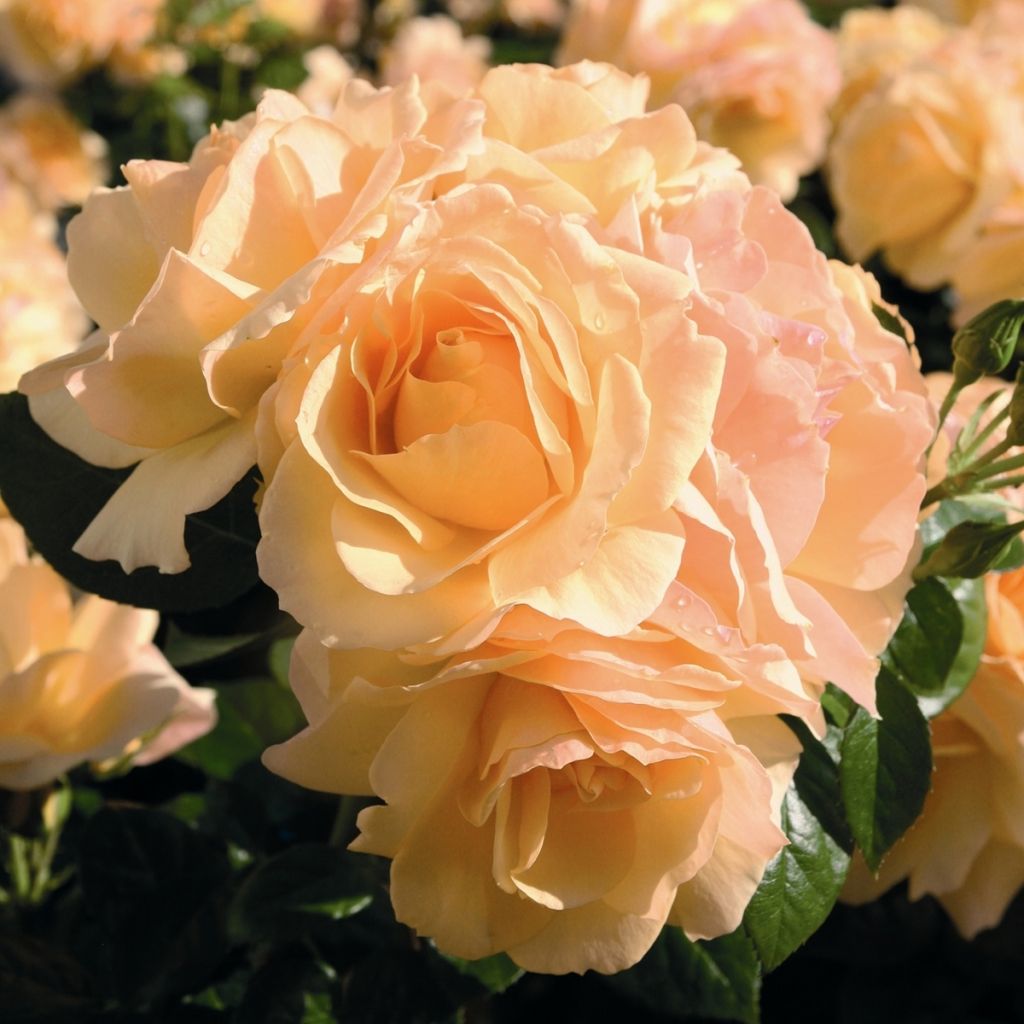
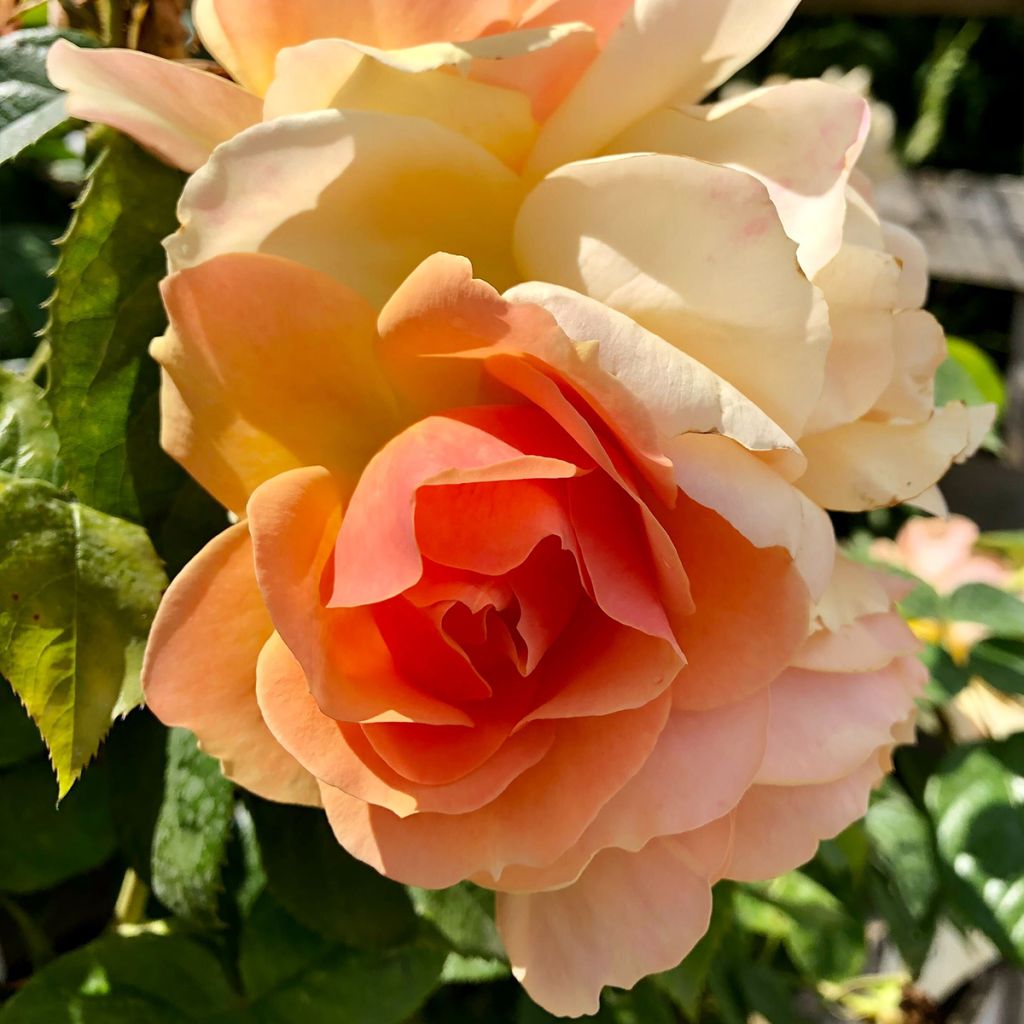
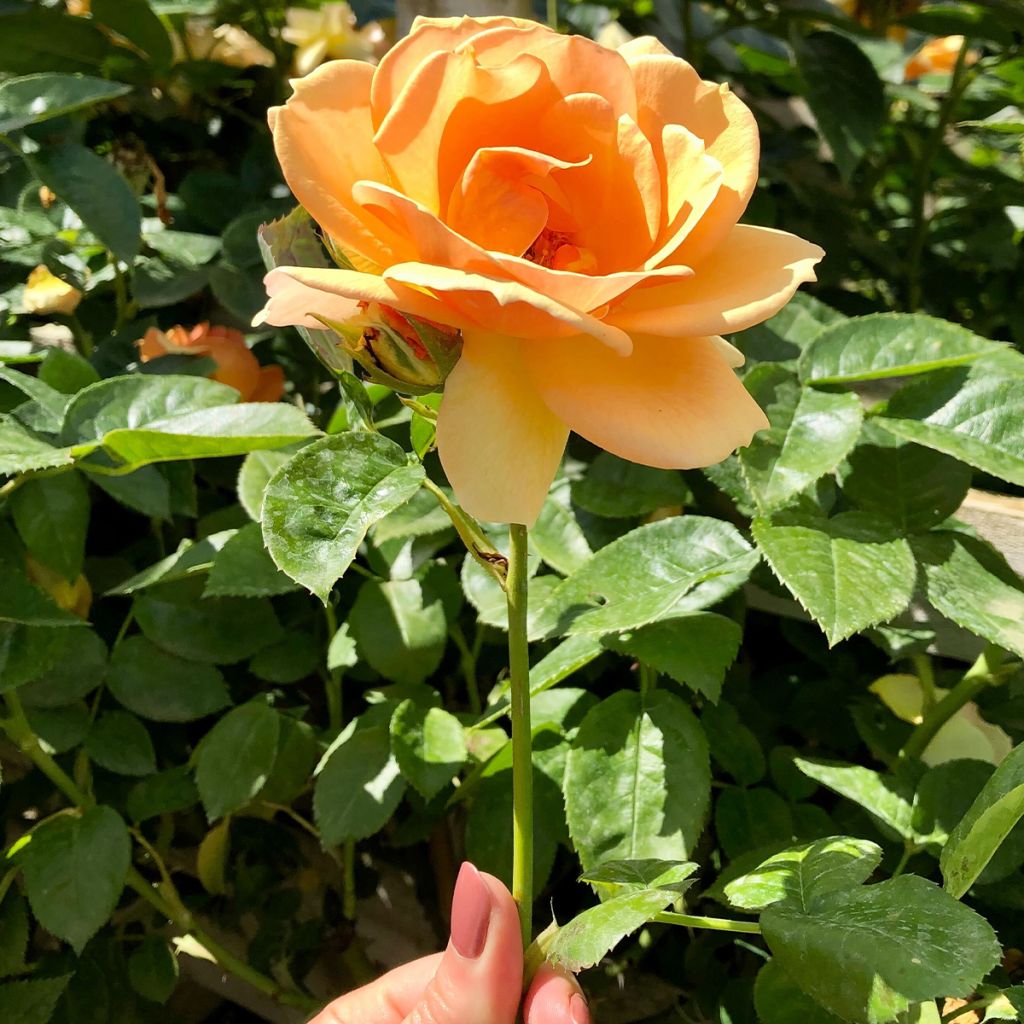
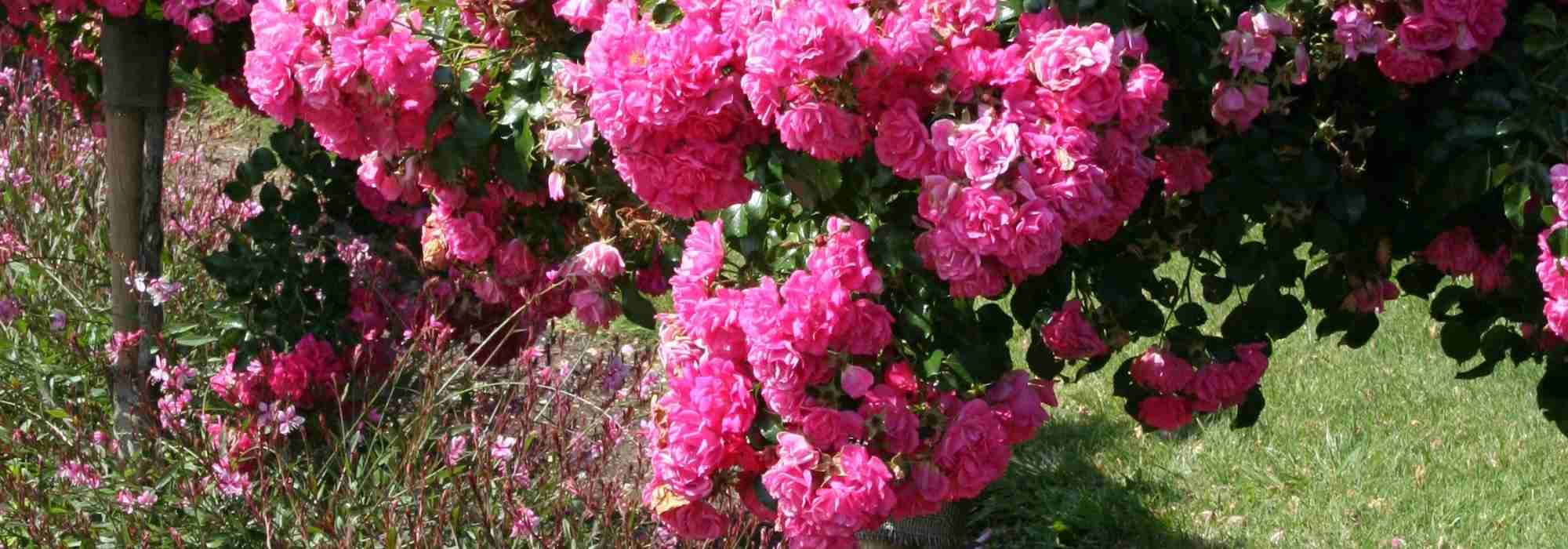
The 'Hansestadt Rostock' Clustered Flower Standard Rose (also known as the Mythical or Queen Bee rose) forms a kind of small tree with a single trunk, and its rounded crown is covered in flowers from May-June until autumn. The plant is floriferous, particularly vigorous, and resistant to diseases. Its naturally shaped double roses, gathered in bouquets, display a lovely palette of orange, apricot, and amber tones, fading to a creamy yellow when they wither. Their fragrance, rather light, reminds one of both honey and lemon. An excellent variety, gentle and warm, to be installed prominently in the garden or even on the terrace.
Standard roses are obtained by grafting a variety onto a single and upright stem belonging to a different rose (Rosa canina, R. laxa, or R. multiflora). The grafting is done at a certain height, here at 60-70 cm (24-28in) above the ground. In very cold regions, it may be useful to protect the rootstock during winter.
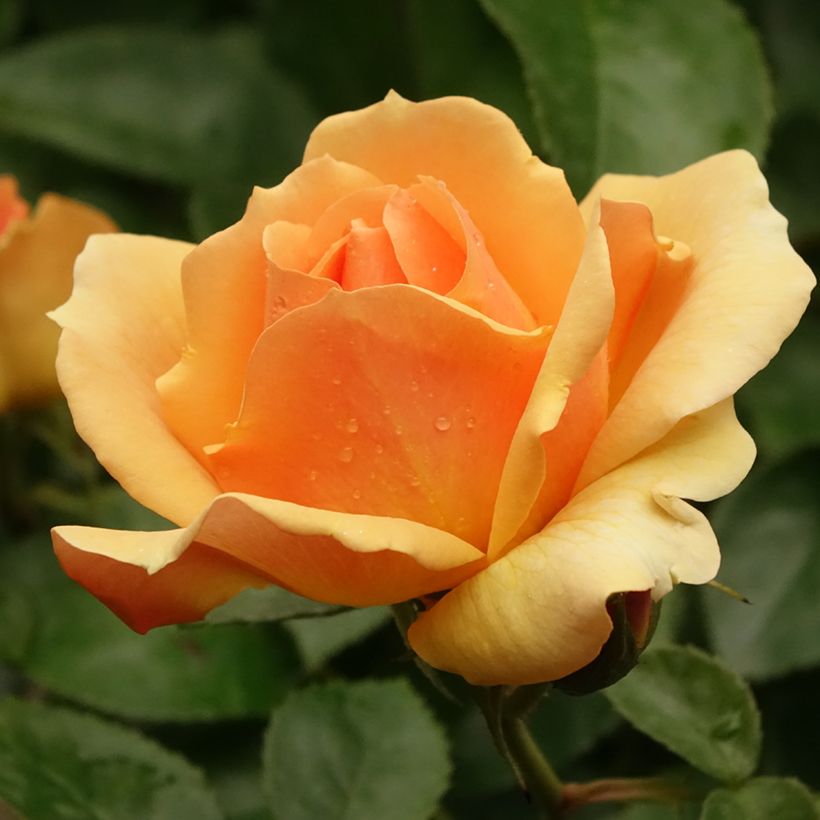
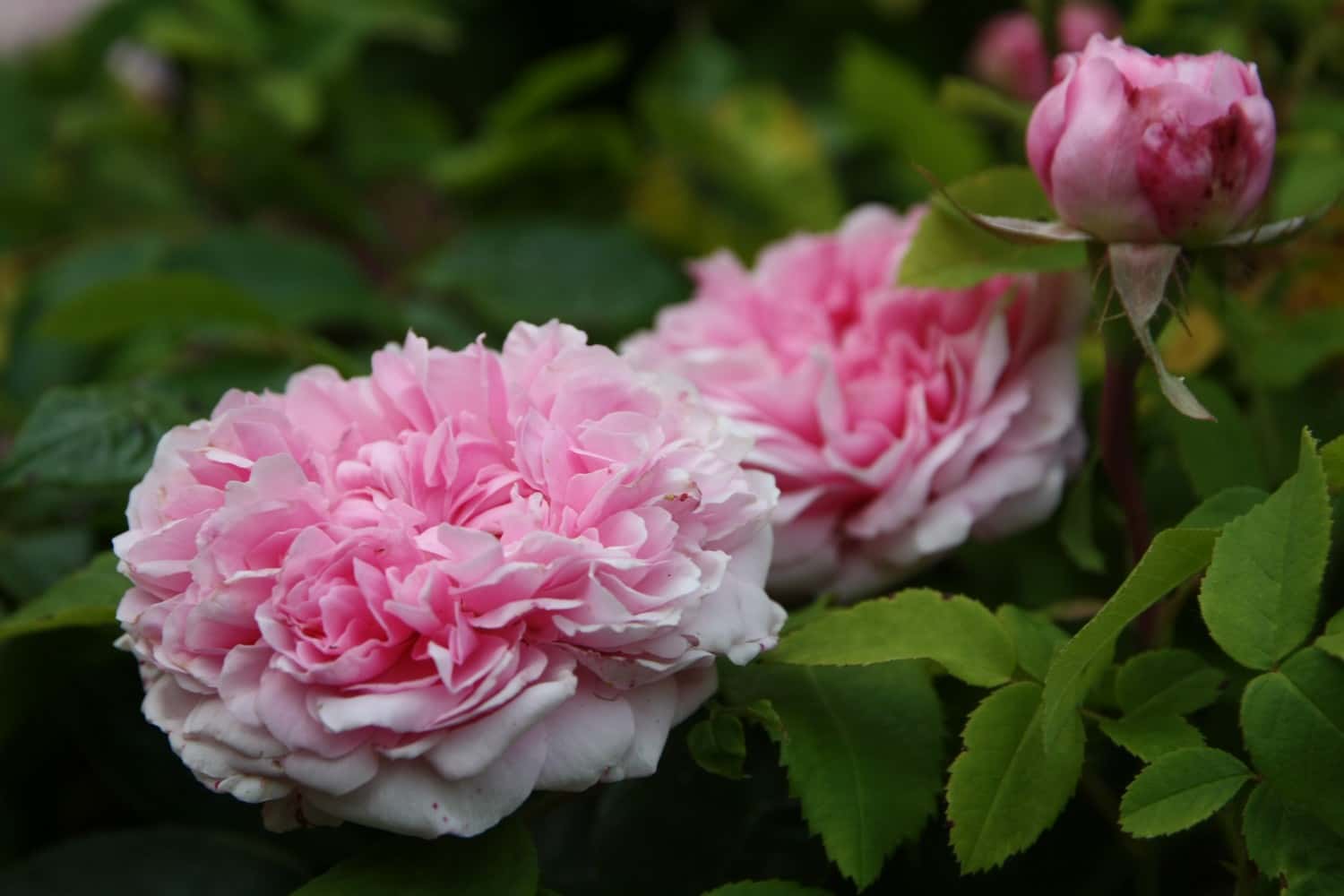
The 'Hansestadt Rostock' Rose is a German creation by Tantau, dating back to 2004 and launched in 2010. This excellent rose has received numerous awards in international competitions*. Grafted onto a stem, it has a characteristic upright habit. Its crown is composed of vigorous and highly branched thorny stems. They bear healthy deciduous foliage, divided into glossy leaflets of a rather dark green. Its flowering is abundant from May until October-November. Its wide corollas, measuring 6 to 8 cm (2 to 3in), are double, slightly disheveled, gathered in large clusters of 10 to 15 flowers. The tightly packed yellow-orange buds open into round cups with a somewhat blurry pattern, not fully open, with 30 petals. Their colour evolves between soft orange, golden orange, and cream.
The Hansestadt Rostock' Standard Rose can be planted prominently, in the centre of a flower bed, among perennials or low bushes, in a row along a pathway, near a terrace, or even in a large pot on a balcony. It can also be planted in groups of 3, arranged in a triangle, or as a solitary plant on a lawn. It pairs well with perennial geraniums (Geranium 'Blue Cloud', 'Anne Folkard', 'Nimbus', 'Orion'), bellflowers (lactiflora, rapunculoides), catmints, snapdragons, foxgloves etc. Standard roses are perfect for adding volume to bush or ground cover rose beds.
*Awards: Gold Rose Paris 2011, 1st Prize Paris 2011, Lyon Certificate 2011, Paris Journalists' Prize 2011, Gold Medal Monza 2011, Gold Rose Baden-Baden 2011, Gold Medal Baden-Baden 2011, La Haye Public Prize 2011, La Haye Certificate 2011, Monaco Certificate 2012.

Rosa x floribunda Hansestadt Rostock - Floribunda Rose in pictures

Plant habit
Flowering
Foliage
Botanical data
Rosa
x floribunda
Hansestadt Rostock® Tan 04-603
Rosaceae
Floribunda Rose, Cluster-flowered Rose, Cluster Rose
Cultivar or hybrid
Planting and care
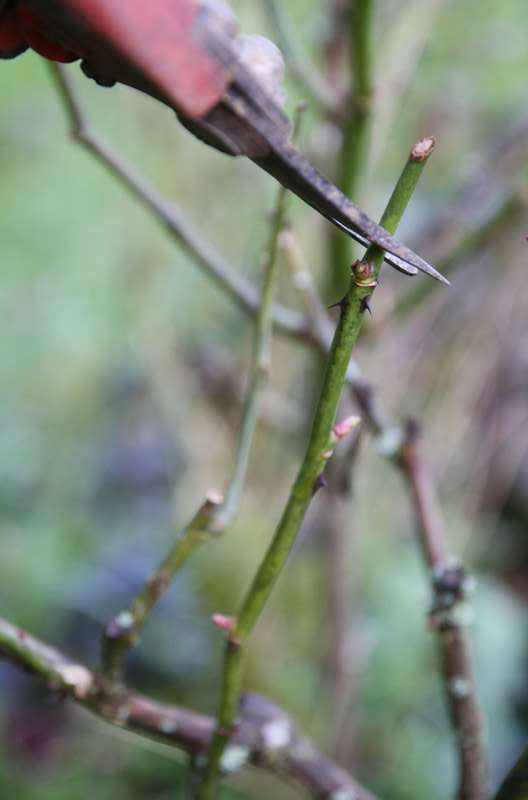
Plant the 'Hansestadt Rostock' standard rose from November to March, in ordinary, well-tilled and well-drained soil. Roses prefer clayey soils, rather heavy than light. In soil that is too sandy, compact or dry in summer, it is preferable to bury compost, decomposed manure or compost at the bottom of the planting hole. However, this rose fears waterlogged soils in winter. Install it in a sunny exposure, at most in partial shade. Roses are greedy plants, a specific fertiliser application will be beneficial at the start of vegetation, and then regularly throughout the flowering period. To encourage reblooming, regularly remove faded flowers. Floribunda type rose varieties are more vigorous and more floriferous than large-flowered rose varieties. Therefore, the stems should be pruned by about a quarter of their length (4 to 6 buds from the base of the stem) at the end of winter. Always prune above an outward-facing eye so that the bush thickens and the branches do not become tangled in the centre of the canopy.
In regions with very cold winters, it is advisable to protect the graft of standard roses (the "trunk") by wrapping it in a thick winter protection cloth.
Planting period
Intended location
Care
Planting & care advice
-

-

-

-

-
-
-

-
-
, onOrder confirmed
Reply from on Promesse de fleurs
Recently viewed products
Haven't found what you were looking for?
Hardiness is the lowest winter temperature a plant can endure without suffering serious damage or even dying. However, hardiness is affected by location (a sheltered area, such as a patio), protection (winter cover) and soil type (hardiness is improved by well-drained soil).

The flowering period indicated on our website applies to countries and regions located in USDA zone 8 (France, the United Kingdom, Ireland, the Netherlands, etc.)
It will vary according to where you live:- In zones 9 to 10 (Italy, Spain, Greece, etc.), flowering will occur about 2 to 4 weeks earlier.
- In zones 6 to 7 (Germany, Poland, Slovenia, and lower mountainous regions), flowering will be delayed by 2 to 3 weeks.
- In zone 5 (Central Europe, Scandinavia), blooming will be delayed by 3 to 5 weeks.
In temperate climates, pruning of spring-flowering shrubs (forsythia, spireas, etc.) should be done just after flowering.
Pruning of summer-flowering shrubs (Indian Lilac, Perovskia, etc.) can be done in winter or spring.
In cold regions as well as with frost-sensitive plants, avoid pruning too early when severe frosts may still occur.
The planting period indicated on our website applies to countries and regions located in USDA zone 8 (France, United Kingdom, Ireland, Netherlands).
It will vary according to where you live:
- In Mediterranean zones (Marseille, Madrid, Milan, etc.), autumn and winter are the best planting periods.
- In continental zones (Strasbourg, Munich, Vienna, etc.), delay planting by 2 to 3 weeks in spring and bring it forward by 2 to 4 weeks in autumn.
- In mountainous regions (the Alps, Pyrenees, Carpathians, etc.), it is best to plant in late spring (May-June) or late summer (August-September).
The harvesting period indicated on our website applies to countries and regions in USDA zone 8 (France, England, Ireland, the Netherlands).
In colder areas (Scandinavia, Poland, Austria...) fruit and vegetable harvests are likely to be delayed by 3-4 weeks.
In warmer areas (Italy, Spain, Greece, etc.), harvesting will probably take place earlier, depending on weather conditions.
The sowing periods indicated on our website apply to countries and regions within USDA Zone 8 (France, UK, Ireland, Netherlands).
In colder areas (Scandinavia, Poland, Austria...), delay any outdoor sowing by 3-4 weeks, or sow under glass.
In warmer climes (Italy, Spain, Greece, etc.), bring outdoor sowing forward by a few weeks.
Shipping country and language
Your country of residence may be:
Your country of residence is:
For a better user experience on our website, you can select:
Your shipping country:
-
 Austria
-
 Belgium
-
 Bosnia & Herzegovina
-
 Bulgaria
-
 Croatia
-
 Cyprus
-
 Czechia
-
 Denmark
-
 Estonia
-
 Finland
-
 France
-
 Germany
-
 Greece
-
 Hungary
-
 Iceland
-
 Ireland
-
 Italy
Italy
-
 Latvia
-
 Liechtenstein
-
 Lithuania
-
 Luxembourg
-
 Malta
Malta
-
 Netherlands
-
 Poland
-
 Portugal
-
 Romania
-
 Serbia
-
 Slovakia
-
 Slovenia
-
 Spain
Spain
-
 Sweden
-
 Switzerland
Language:
-
French
-
 English
-
Spanish
-
Italian
-
German
-
Portuguese
-
Dutch
-
Finnish
My Account
Hello
My wish lists
My cart
Log in / Register
Existing customer?
This form is protected by reCAPTCHA - the Google Privacy Policy and Terms of Service apply.
New customer?
Create an account to track your orders, access our customer service and, if you wish, make the most of our upcoming offers.