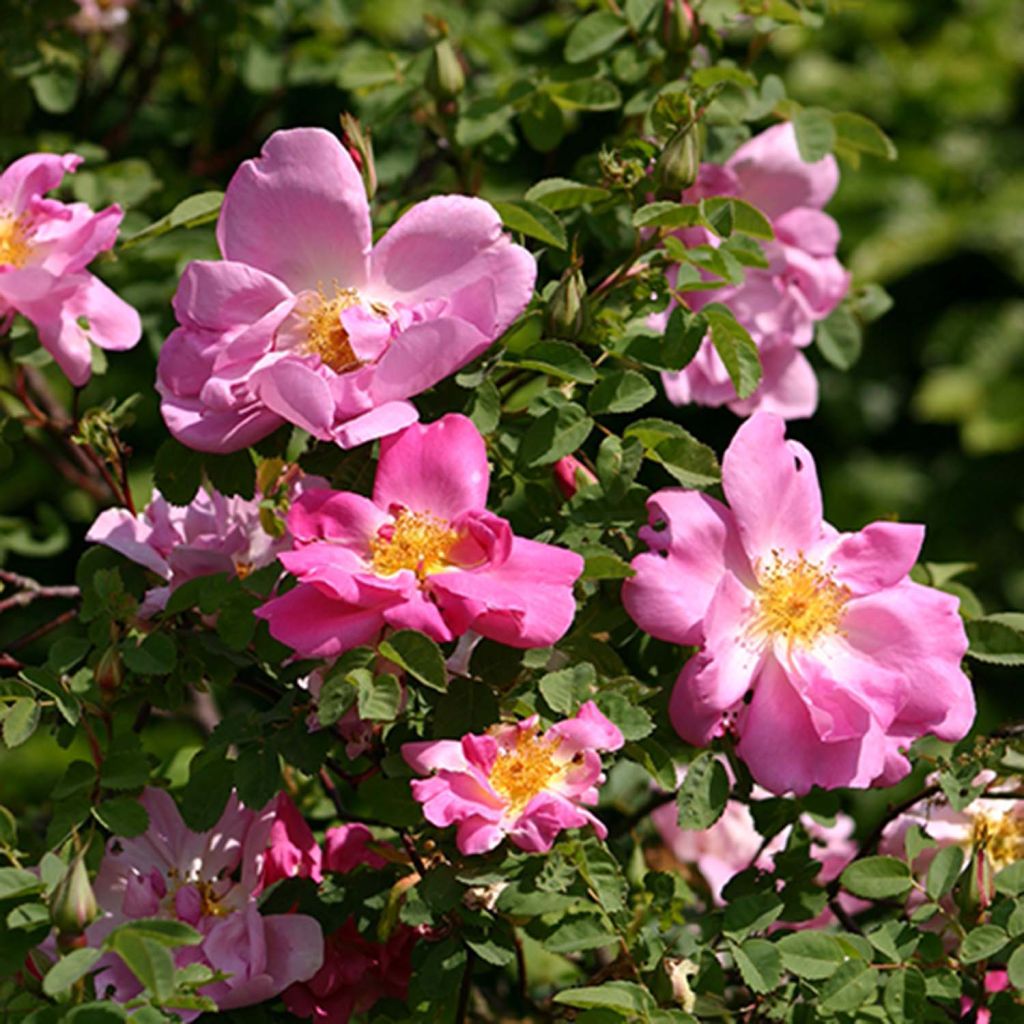
Rosa moyesii Marguerite Hilling
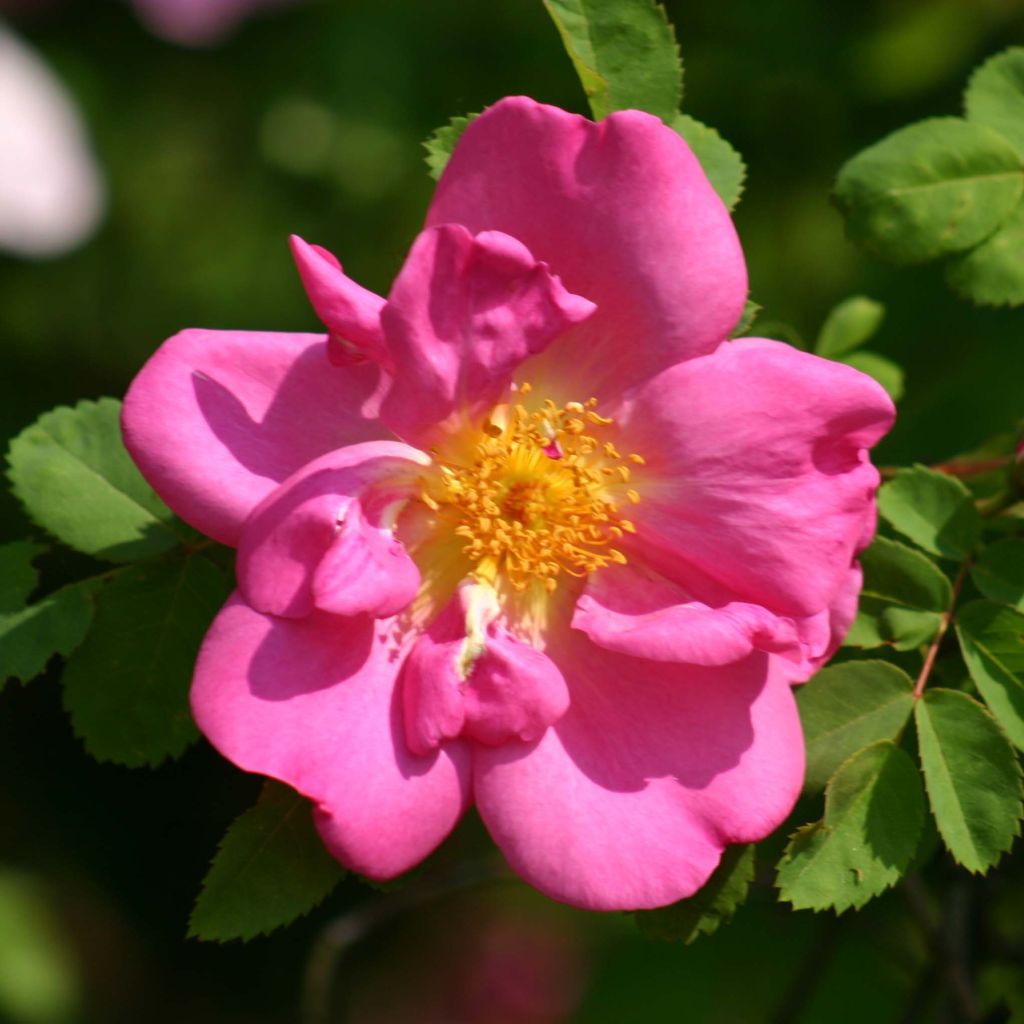
Rosa moyesii Marguerite Hilling
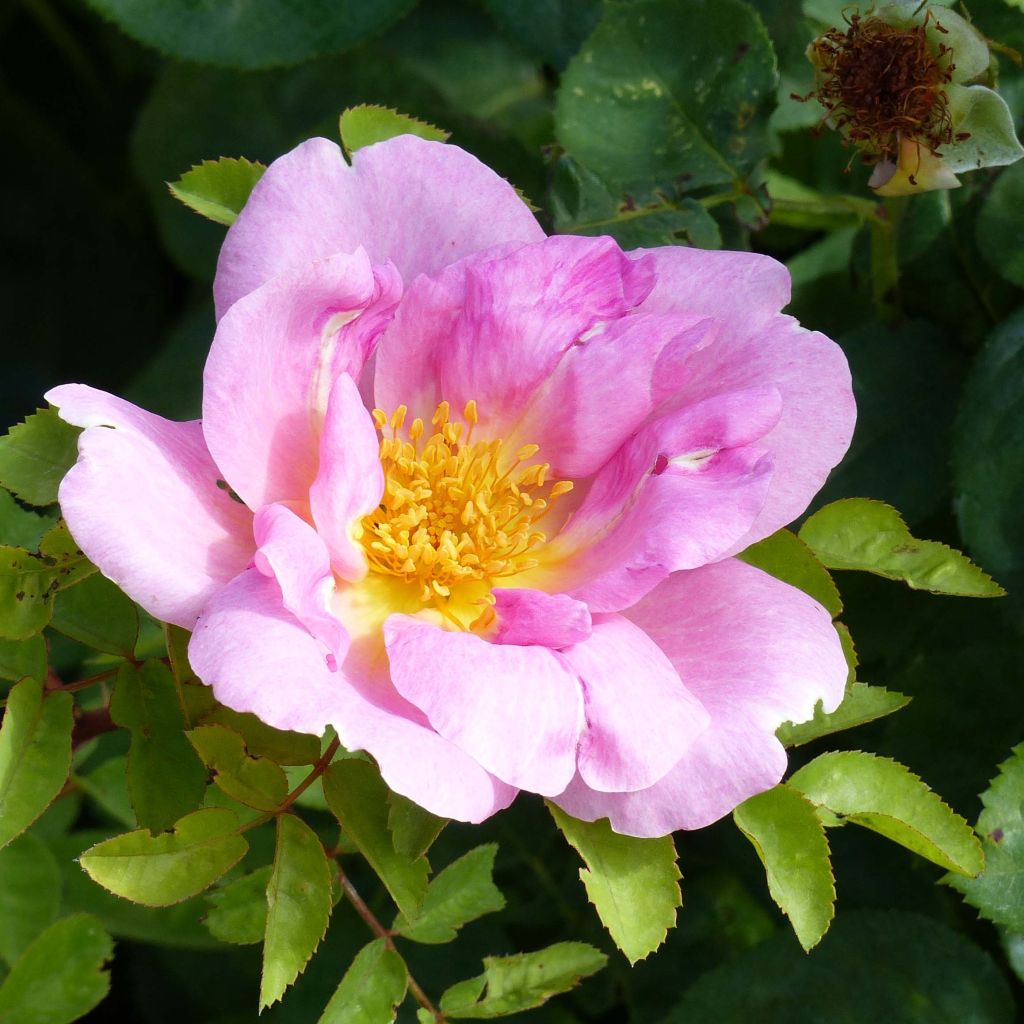
Rosa moyesii Marguerite Hilling
View more pictures
Hide images
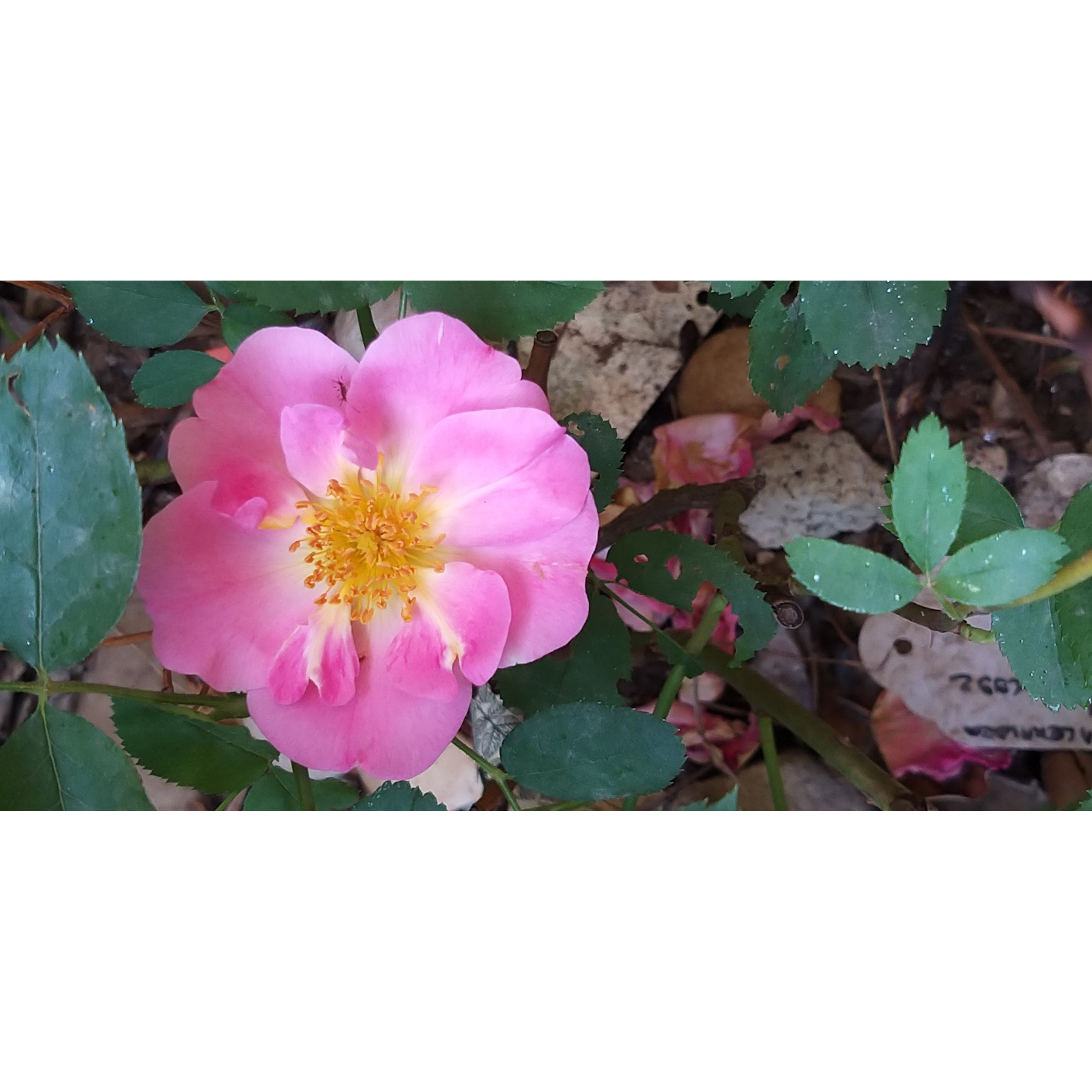
Thierry P.
Rosa moyesii Marguerite Hilling
Thierry P. • 84 FR
Thierry P.
Rosa moyesii Marguerite Hilling
Thierry P. • 84 FR
Thierry P.
Rosa moyesii Marguerite Hilling
Thierry P. • 84 FR
Thierry P.
Rosa moyesii Marguerite Hilling
Thierry P. • 84 FR
Paysage H.
Rosa moyesii Marguerite Hilling
Paysage H. • 26 FR
Rosa moyesii Marguerite Hilling
Rosa x moyesii Marguerite Hilling
Moyes Rose
Thanks to the individuals (Laurent for the order preparation and P.F. from the shipping department), the bare root rose received appears healthy to me. Planted near the 'Abellio alias Rosanatura Rosea' variety, I am now patiently waiting for spring growth (or not)...
Thierry, 17/02/2022
Back-to-school special offer!
Get €10 off for every €50 you spend! And get up to €40 off on a single order.
How does it work?
1. Shop your favourites
Add your favourite plants to your basket. For every €50 you spend (excluding delivery charges, store credit and the plastic-free option), you’ll receive a €10 voucher.
€50 spent = €10 voucher
€100 spent = €20 voucher
€150 spent = €30 voucher
€200 spent = €40 voucher
2. Place your order
Once your basket reaches one of the spending thresholds, place your order. You can even choose your delivery date!
3. Receive your voucher
As soon as your order has been shipped, you’ll receive an email containing your personal voucher code and its value.
4. Use it on your next order
Your voucher is valid for 90 days from the date you receive it. It can be used once only, on a new order worth at least the value of the voucher, excluding delivery charges.
Please note: Vouchers can be combined with other offers, but cannot be split or refunded.
Home or relay delivery (depending on size and destination)
Important: You may be charged customs duties by your country’s customs authorities upon delivery.
Schedule delivery date
and select date in basket
This plant carries a 24 months recovery warranty
More information
We guarantee the quality of our plants for a full growing cycle, and will replace at our expense any plant that fails to recover under normal climatic and planting conditions.
Description
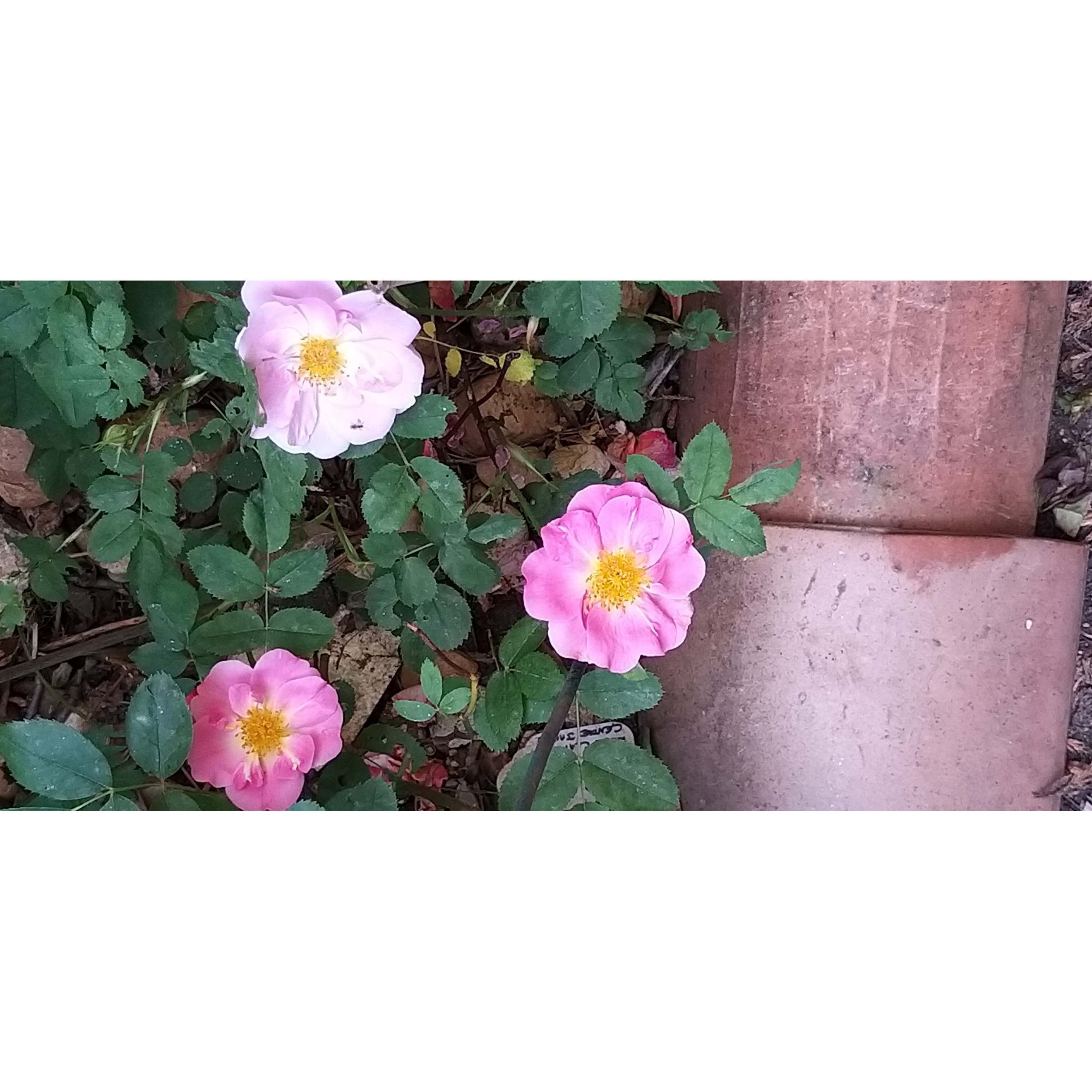
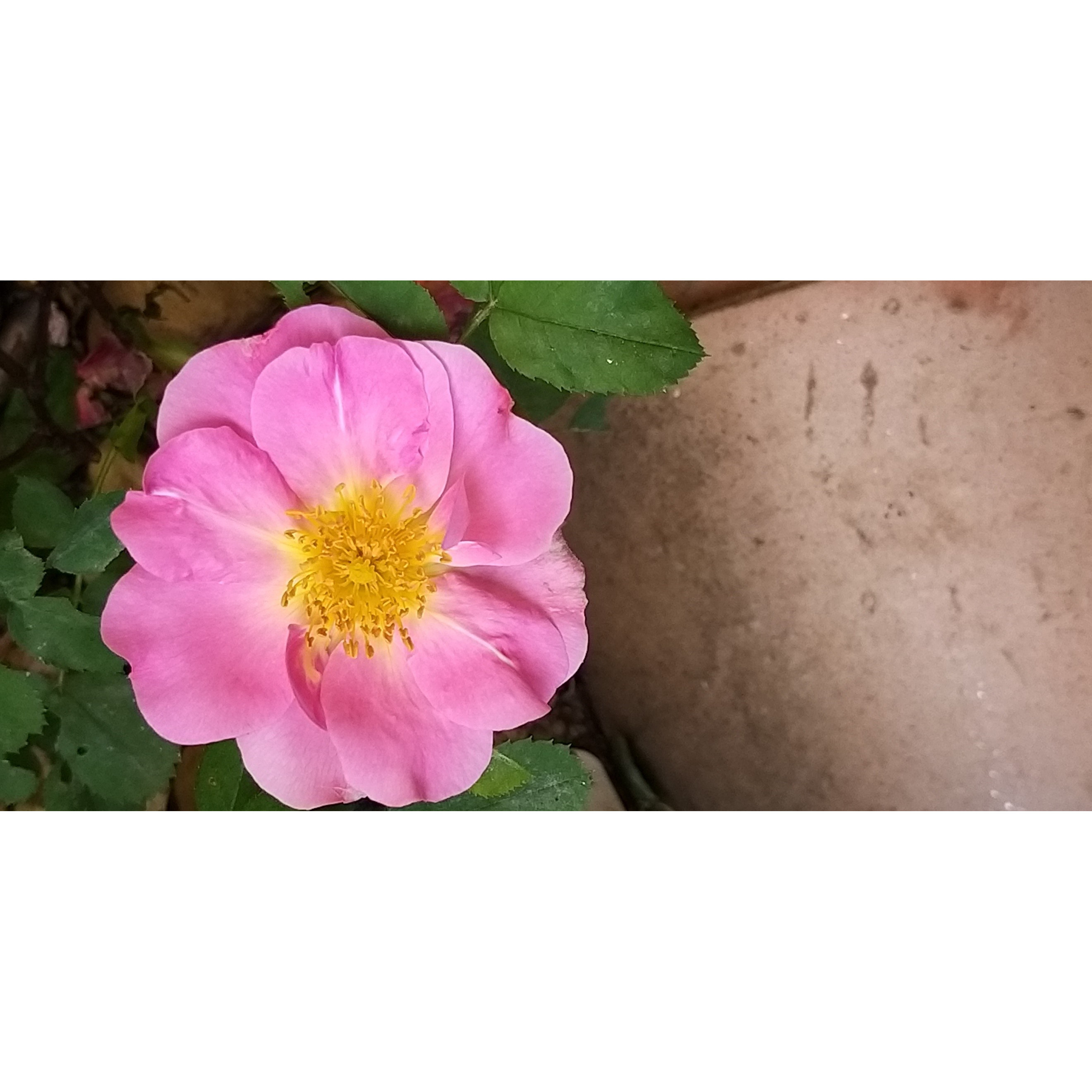
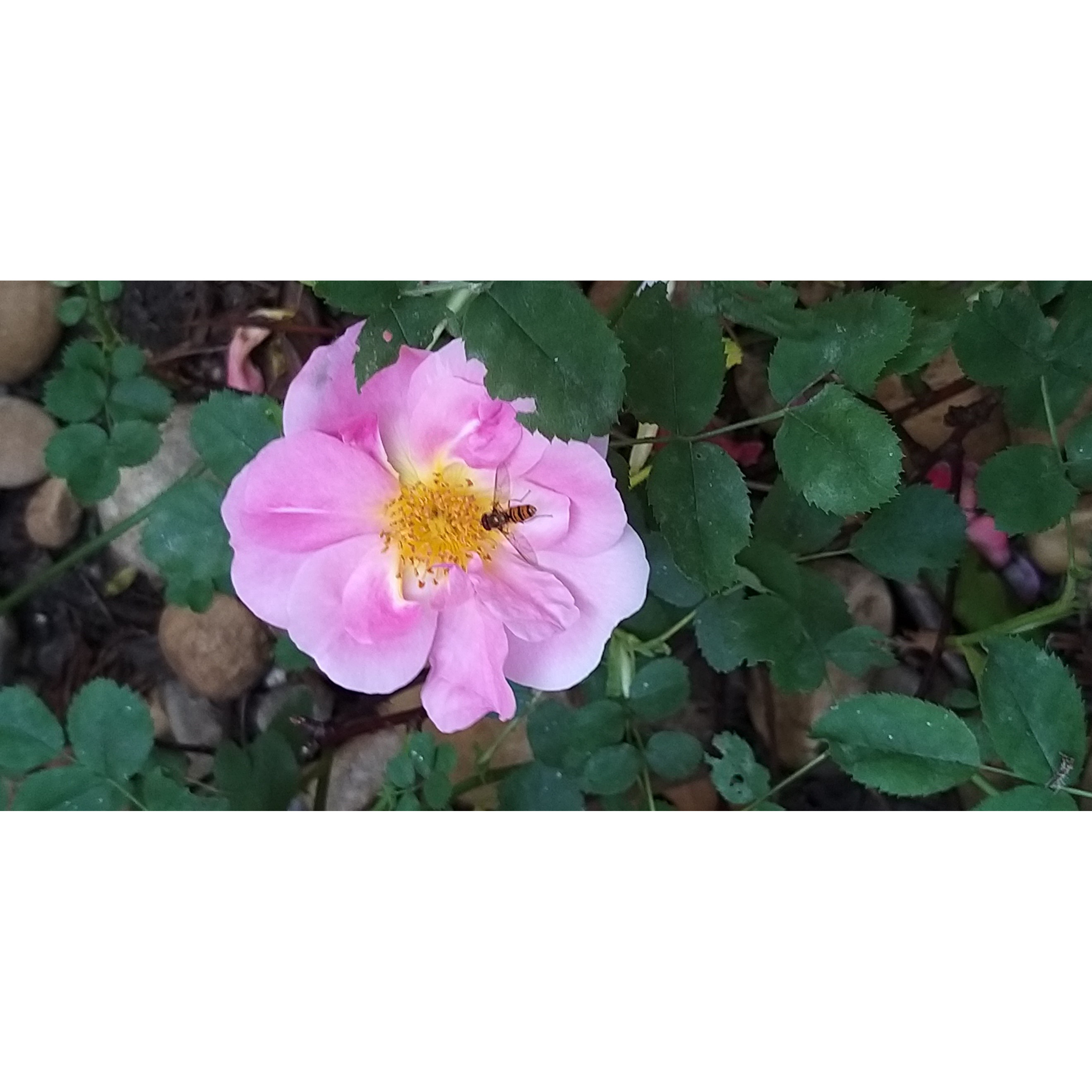
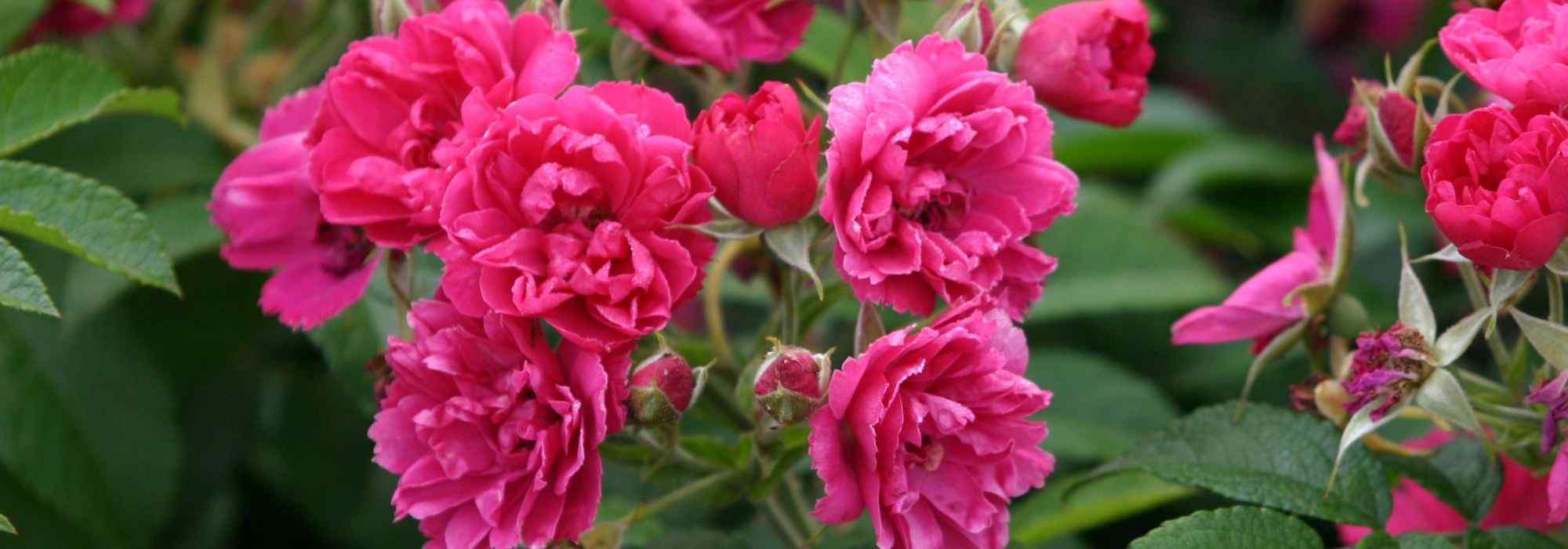
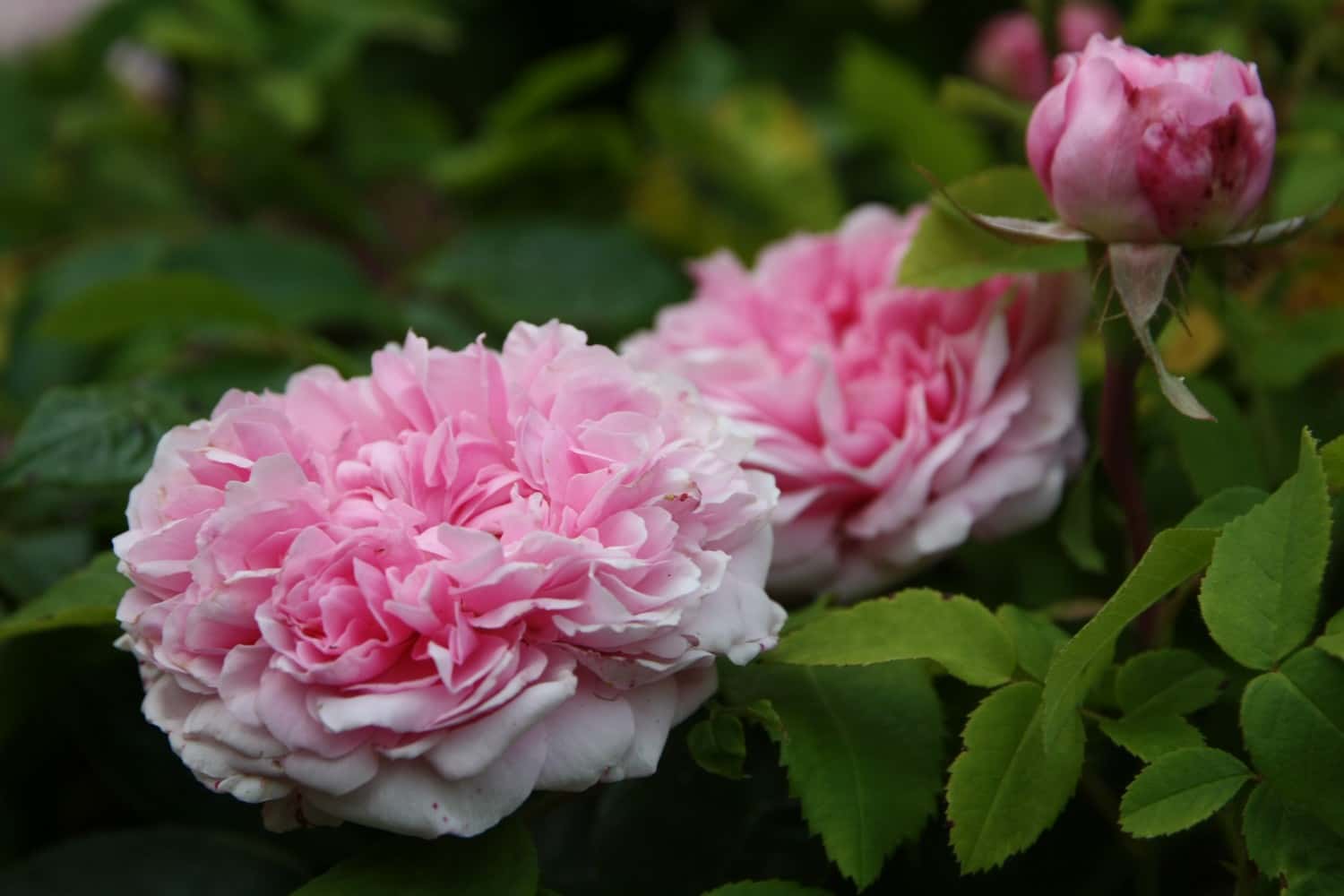
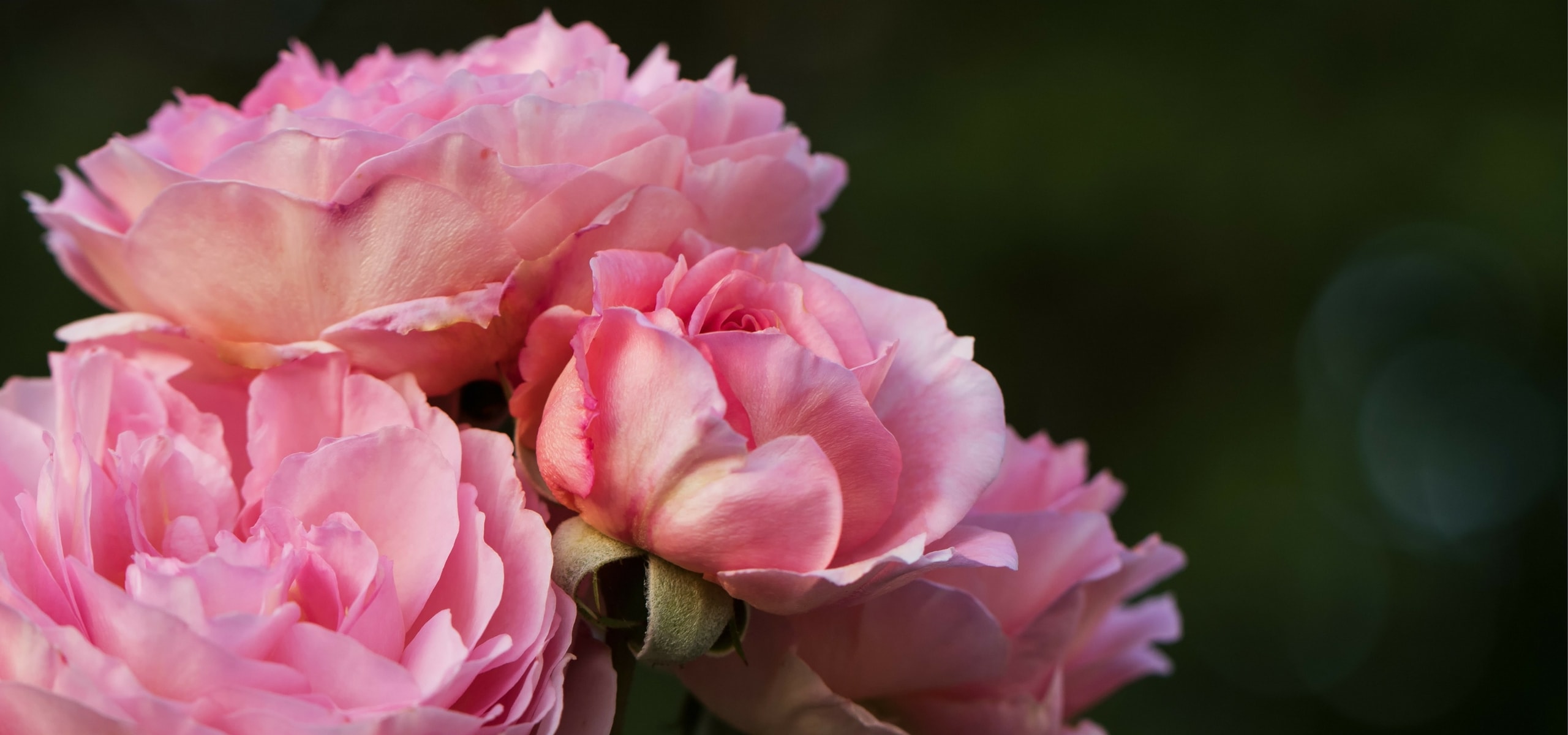
The Marguerite Hilling bush rose, just like the famous 'Nevada' from which it descends, has the charm of wild roses, as well as the floribundity of modern roses. The petals are fresh pink, slightly more mauve on the outside of the flower, and open to a beautiful heart bristling with golden stamens, somewhat like Japanese anemones. The flowering is continuous, but it is at the beginning and end of summer that it is truly generous; the bush, densely packed, gracefully bends under the weight of these pretty little roses gathered in dense clusters.
The Marguerite Hilling Rose, obtained by Hilling and commercialised since 1959, is a sport of pink flowers from the Nevada Rose. These two hybrids are officially presented as descendants of the hybridisation of a cultivated rose with Rosa moyesii. The latter is a botanical species native to the mountains of western China, discovered in 1890 by a British missionary, Father J. Moyes, and was introduced to Europe in 1894.
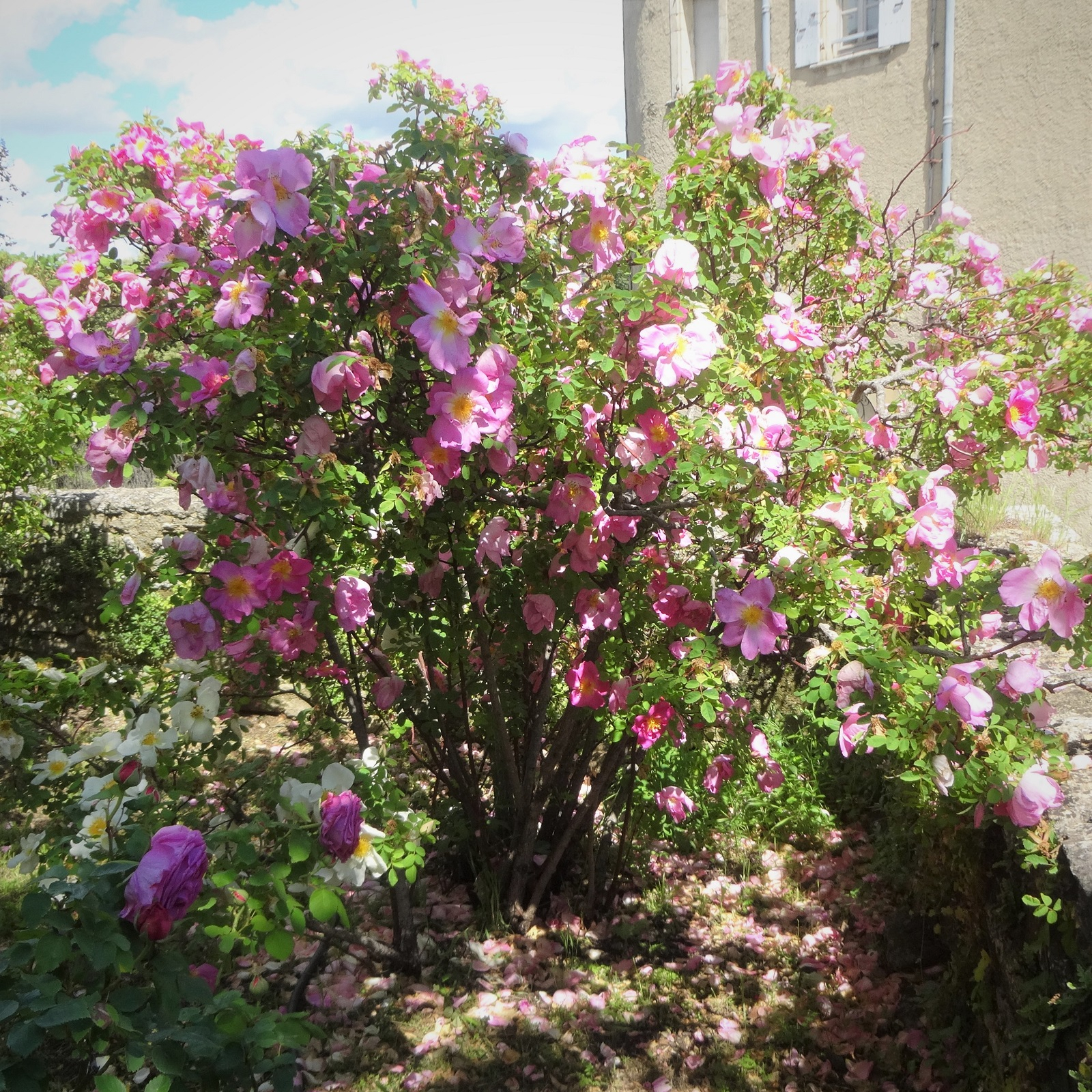
Marguerite Hilling's habit, a little less vigorous than that of 'Nevada', is naturally harmonious, dense, and well-proportioned. At maturity, it will reach about 1.25m (4 ft 1 in) in height and 1.50m (4 ft 11 in) in width. Its growth consists of long, slightly thorny, reddish branches that bend slightly under the weight of the flowers. To maintain this graceful habit for as long as possible, it is necessary to regularly remove dead wood. The deciduous foliage is composed of small, medium green leaflets, somewhat reminiscent of burnet roses. The flowering is very abundant in June (sometimes as early as May), in the form of clusters. Individual flowers continue to appear throughout the summer, followed by a beautiful second bloom in September. Each flower, almost single, with a flat cup shape, 5 to 8cm (2 to 3.1 in) wide, is composed of 7 to 9 petals of a fairly bright pink washed with mauve reflections, surrounding a lighter centre with golden stamens. They are slightly fragrant and do not produce hips.
Marguerite Hilling is a particularly endearing and wonderfully romantic rose. Just like Nevada, Astronomia, Canicule and many others, it has that rustic look and accommodating character that we love to find in botanical species. Elegant and natural at the same time, it deserves to be placed in isolation to be able to spread its branches laden with such light flowers comfortably and express its uniqueness. In flower beds, each gardener will give free rein by pairing it with beautiful perennial bushes such as gauras, lavenders, artemisias, or baptisia, or in front of large shrubs or botanical roses.
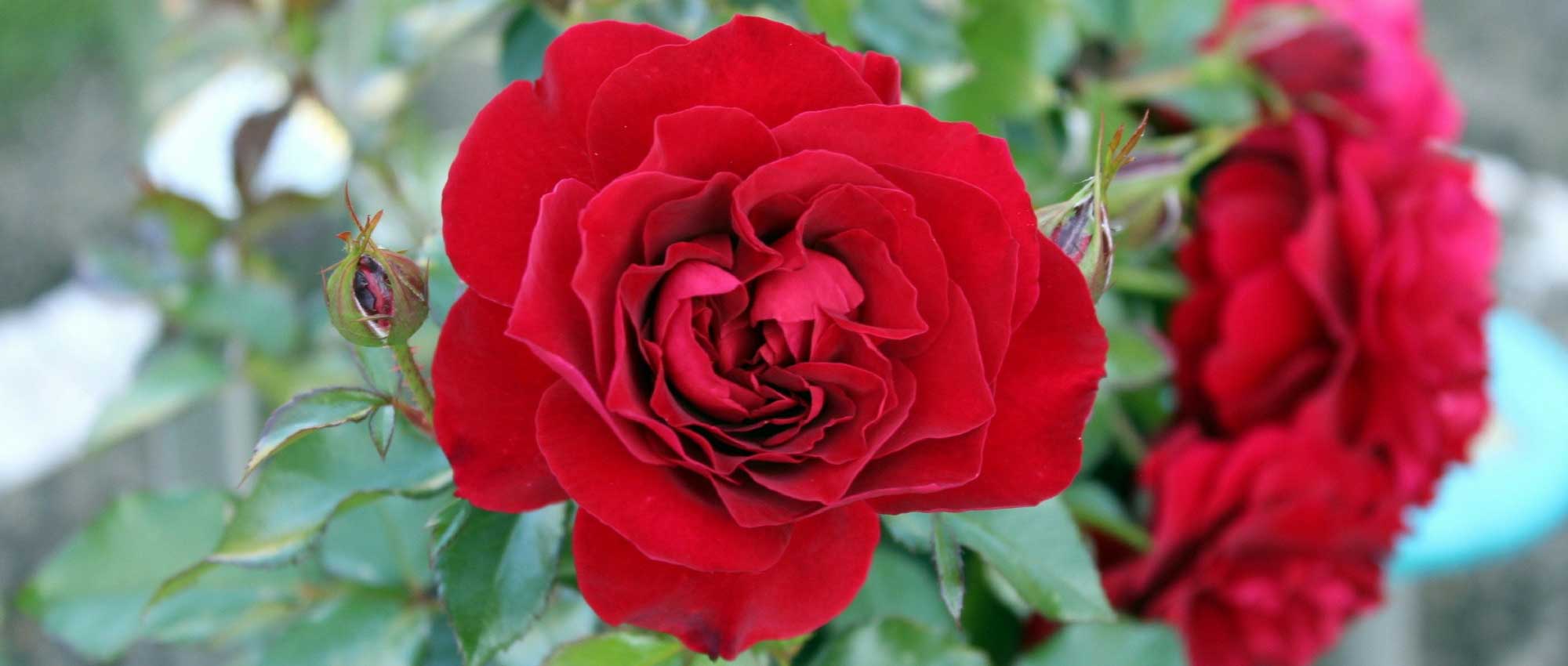
Rosa moyesii Marguerite Hilling in pictures
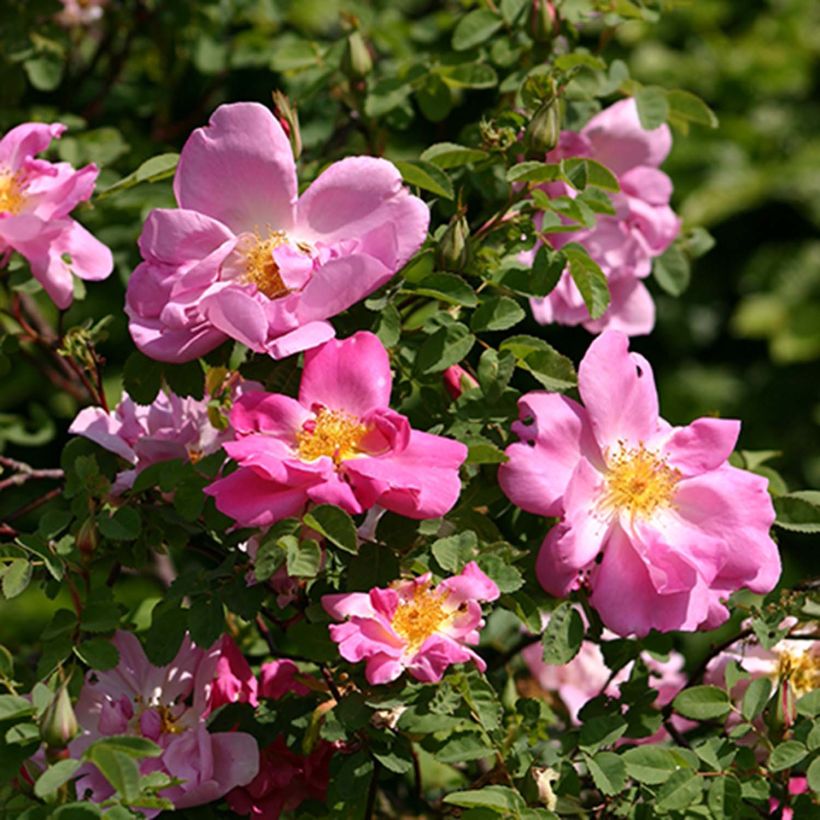
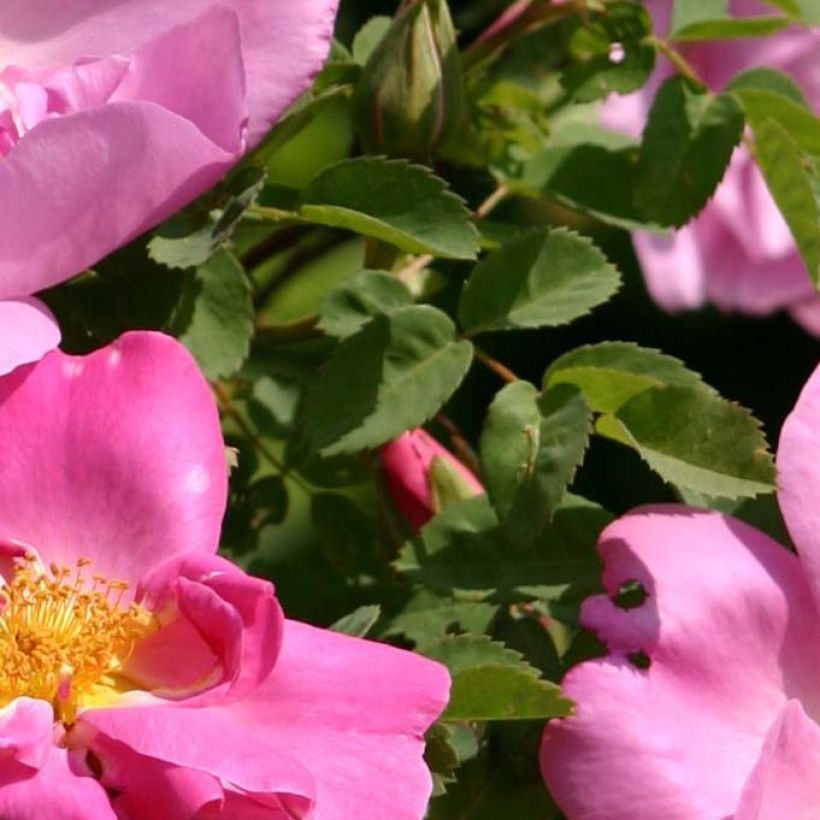
Plant habit
Flowering
Foliage
Botanical data
Rosa
x moyesii
Marguerite Hilling
Rosaceae
Moyes Rose
Cultivar or hybrid
Planting and care
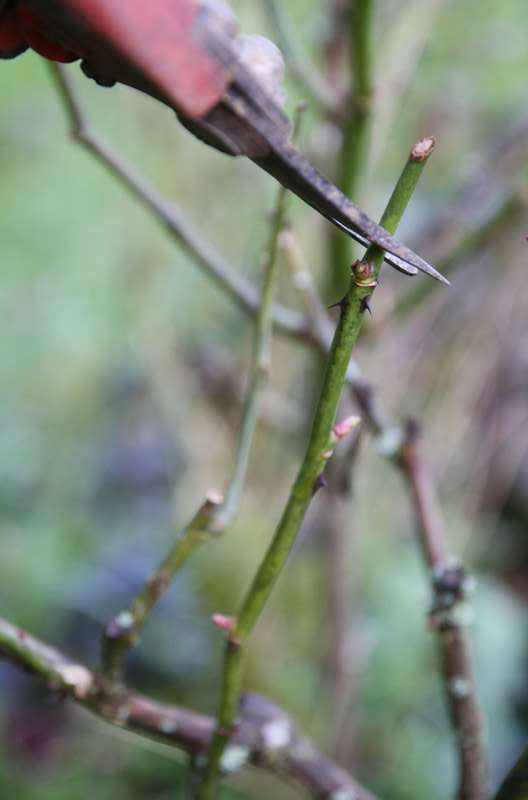
Plant your Marguerite Hilling shrub rose in a sunny or semi-shady location where its flowers will be protected from the strong midday rays. Roses are tolerant but do not like excessive limestone. They will adapt to any garden as long as the soil is well worked and rich enough. This rose tolerates poor soils well and is not particularly susceptible to diseases. If you notice any stained or affected leaves, remove them without delay. To plant your rose, work the soil by crumbling it and placing blood, fish and bone at the bottom of the planting hole. Water generously after planting to remove air pockets. Water regularly for a few weeks to facilitate rooting. Pruning Nevada is essential to remove old wood, as without this, the rose will eventually become weak. For pruning, choose a bud that is facing outward and cut just above at an angle. Take advantage of this pruning to remove dead wood. As the flowers bloom, remove faded flowers, as this stimulates the development of other buds.
Roses are often stained or unsightly at the end of summer, but this is not a problem for their development. These spots are not dangerous for the rose and is a natural phenomenon.
Planting period
Intended location
Care
Planting & care advice
-

-
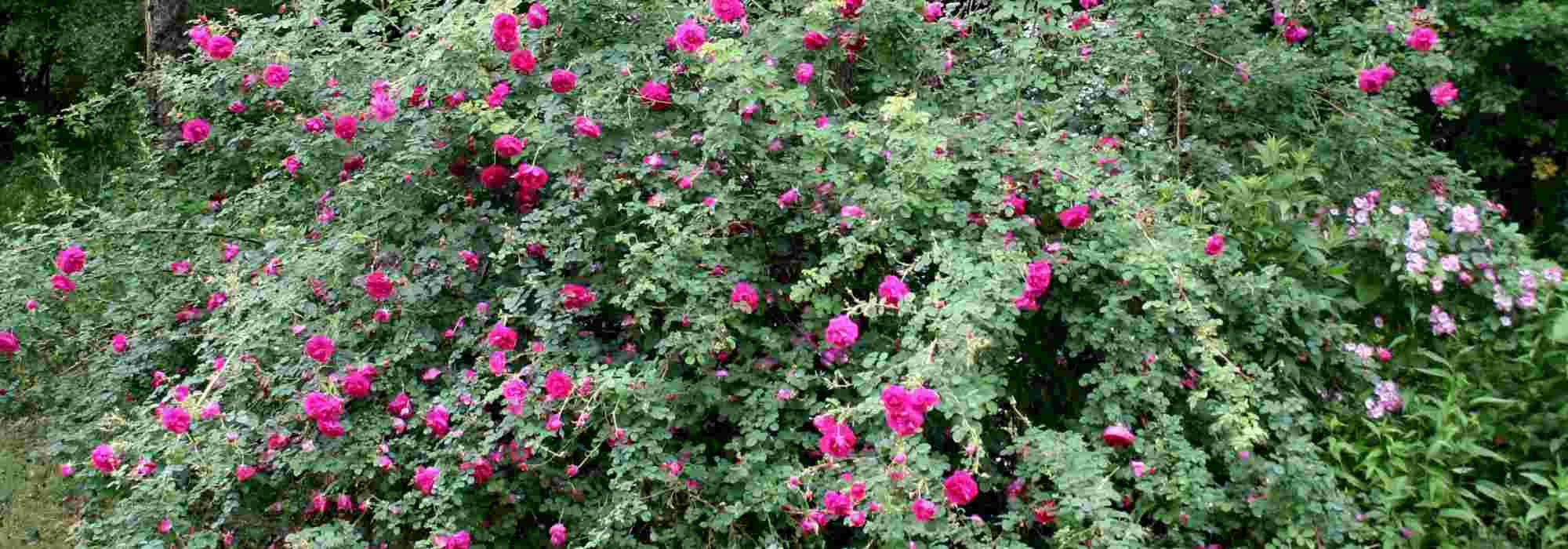
-
-

-
-
-
-

-
, onOrder confirmed
Reply from on Promesse de fleurs
Recently viewed products
Haven't found what you were looking for?
Hardiness is the lowest winter temperature a plant can endure without suffering serious damage or even dying. However, hardiness is affected by location (a sheltered area, such as a patio), protection (winter cover) and soil type (hardiness is improved by well-drained soil).

The flowering period indicated on our website applies to countries and regions located in USDA zone 8 (France, the United Kingdom, Ireland, the Netherlands, etc.)
It will vary according to where you live:- In zones 9 to 10 (Italy, Spain, Greece, etc.), flowering will occur about 2 to 4 weeks earlier.
- In zones 6 to 7 (Germany, Poland, Slovenia, and lower mountainous regions), flowering will be delayed by 2 to 3 weeks.
- In zone 5 (Central Europe, Scandinavia), blooming will be delayed by 3 to 5 weeks.
In temperate climates, pruning of spring-flowering shrubs (forsythia, spireas, etc.) should be done just after flowering.
Pruning of summer-flowering shrubs (Indian Lilac, Perovskia, etc.) can be done in winter or spring.
In cold regions as well as with frost-sensitive plants, avoid pruning too early when severe frosts may still occur.
The planting period indicated on our website applies to countries and regions located in USDA zone 8 (France, United Kingdom, Ireland, Netherlands).
It will vary according to where you live:
- In Mediterranean zones (Marseille, Madrid, Milan, etc.), autumn and winter are the best planting periods.
- In continental zones (Strasbourg, Munich, Vienna, etc.), delay planting by 2 to 3 weeks in spring and bring it forward by 2 to 4 weeks in autumn.
- In mountainous regions (the Alps, Pyrenees, Carpathians, etc.), it is best to plant in late spring (May-June) or late summer (August-September).
The harvesting period indicated on our website applies to countries and regions in USDA zone 8 (France, England, Ireland, the Netherlands).
In colder areas (Scandinavia, Poland, Austria...) fruit and vegetable harvests are likely to be delayed by 3-4 weeks.
In warmer areas (Italy, Spain, Greece, etc.), harvesting will probably take place earlier, depending on weather conditions.
The sowing periods indicated on our website apply to countries and regions within USDA Zone 8 (France, UK, Ireland, Netherlands).
In colder areas (Scandinavia, Poland, Austria...), delay any outdoor sowing by 3-4 weeks, or sow under glass.
In warmer climes (Italy, Spain, Greece, etc.), bring outdoor sowing forward by a few weeks.
Shipping country and language
Your country of residence may be:
Your country of residence is:
For a better user experience on our website, you can select:
Your shipping country:
-
 Austria
-
 Belgium
-
 Bosnia & Herzegovina
-
 Bulgaria
-
 Croatia
-
 Cyprus
-
 Czechia
-
 Denmark
-
 Estonia
-
 Finland
-
 France
-
 Germany
-
 Greece
-
 Hungary
-
 Iceland
-
 Ireland
-
 Italy
Italy
-
 Latvia
-
 Liechtenstein
-
 Lithuania
-
 Luxembourg
-
 Malta
Malta
-
 Netherlands
-
 Poland
-
 Portugal
-
 Romania
-
 Serbia
-
 Slovakia
-
 Slovenia
-
 Spain
Spain
-
 Sweden
-
 Switzerland
Language:
-
French
-
 English
-
Spanish
-
Italian
-
German
-
Portuguese
-
Dutch
-
Finnish
My Account
Hello
My wish lists
My cart
Log in / Register
Existing customer?
This form is protected by reCAPTCHA - the Google Privacy Policy and Terms of Service apply.
New customer?
Create an account to track your orders, access our customer service and, if you wish, make the most of our upcoming offers.