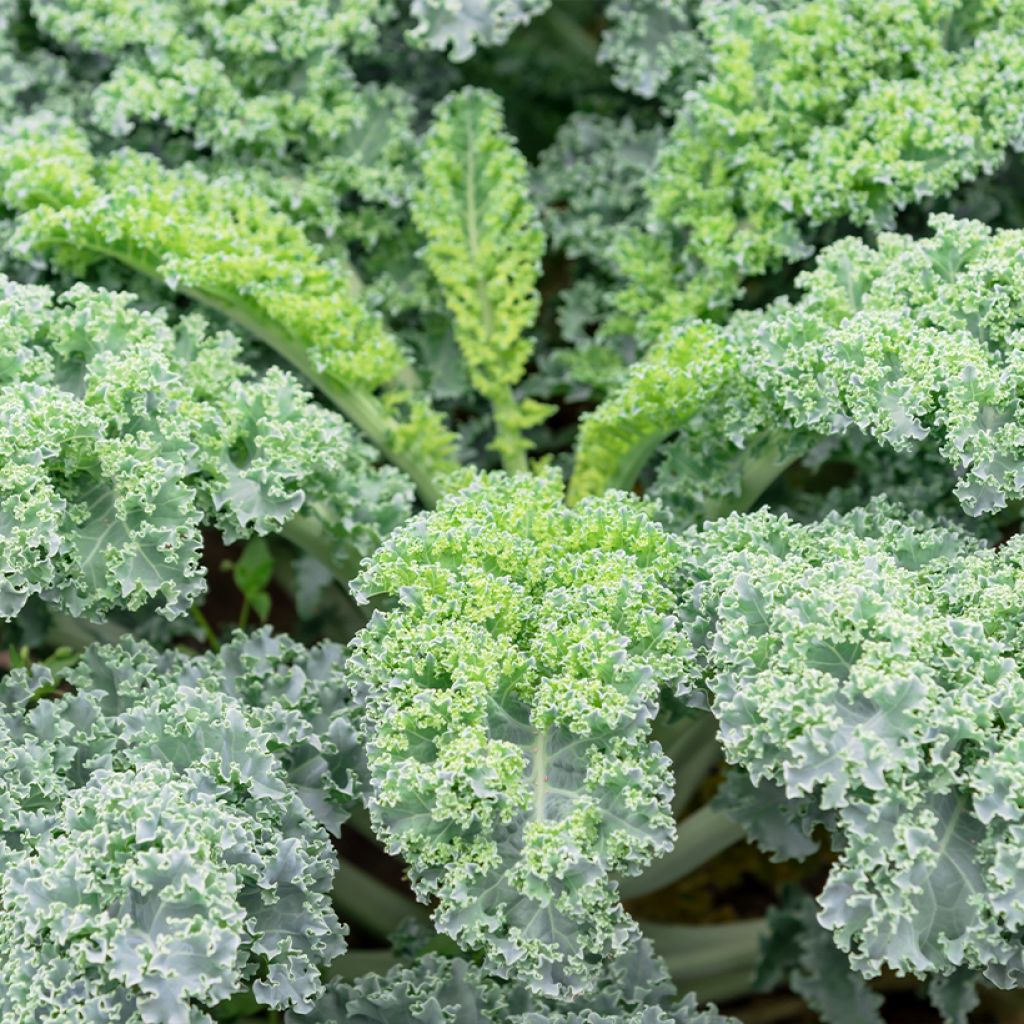
Brassica oleracea Winterbor F1 - Curly Kale
Brassica oleracea Winterbor F1 - Curly Kale
Brassica oleracea var. sabellica Winterbor F1
Curly Kale
Back-to-school special offer!
Get €10 off for every €50 you spend! And get up to €40 off on a single order.
How does it work?
1. Shop your favourites
Add your favourite plants to your basket. For every €50 you spend (excluding delivery charges, store credit and the plastic-free option), you’ll receive a €10 voucher.
€50 spent = €10 voucher
€100 spent = €20 voucher
€150 spent = €30 voucher
€200 spent = €40 voucher
2. Place your order
Once your basket reaches one of the spending thresholds, place your order. You can even choose your delivery date!
3. Receive your voucher
As soon as your order has been shipped, you’ll receive an email containing your personal voucher code and its value.
4. Use it on your next order
Your voucher is valid for 90 days from the date you receive it. It can be used once only, on a new order worth at least the value of the voucher, excluding delivery charges.
Please note: Vouchers can be combined with other offers, but cannot be split or refunded.
Why not try an alternative variety in stock?
View all →
Available in 1 sizes

Available in 1 sizes

Available in 1 sizes
Available in 1 sizes
Available in 1 sizes

Available in 1 sizes
Available in 1 sizes
Available in 1 sizes
Available in 1 sizes
Available in 1 sizes
This plant carries a 6 months recovery warranty
More information
We guarantee the quality of our plants for a full growing cycle, and will replace at our expense any plant that fails to recover under normal climatic and planting conditions.
Description
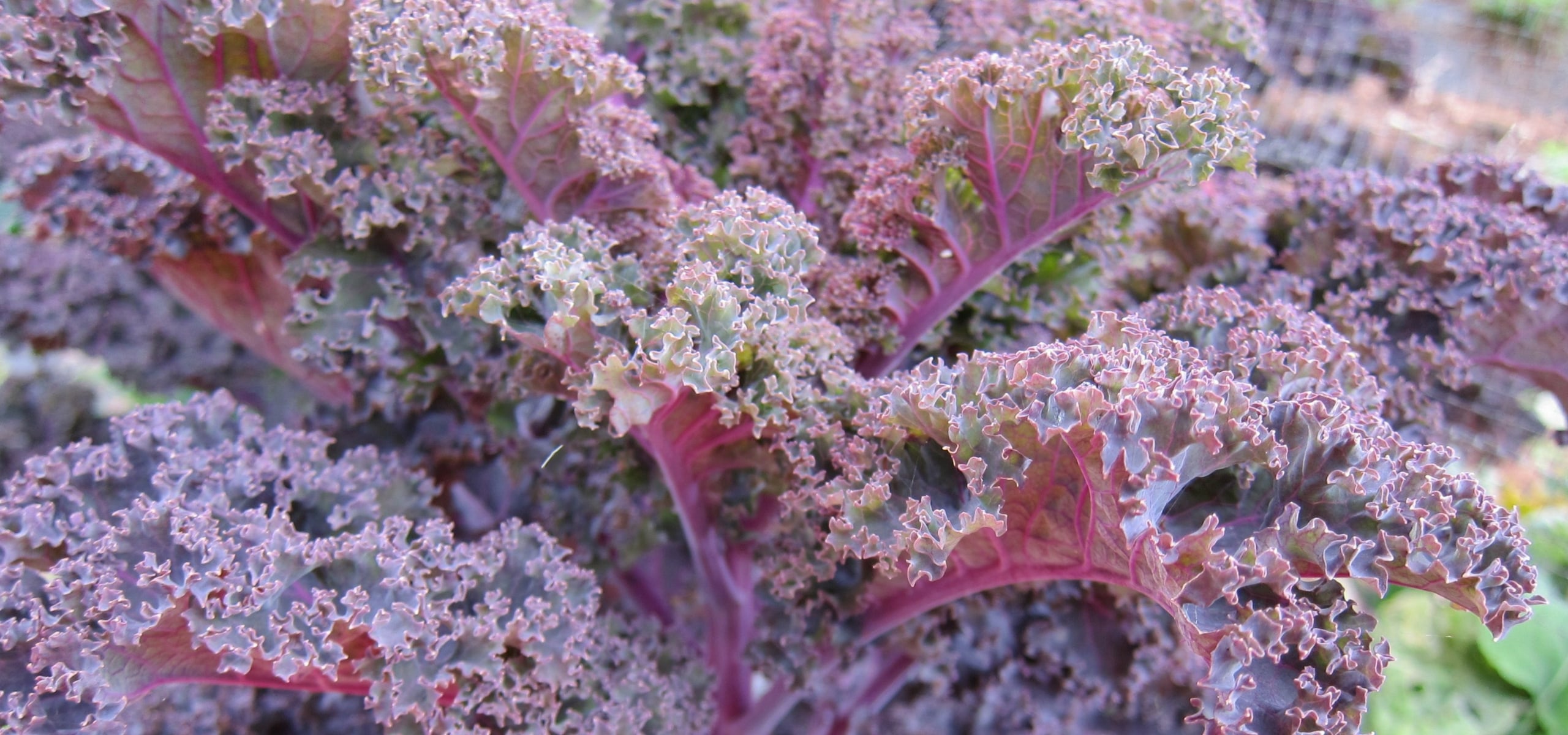
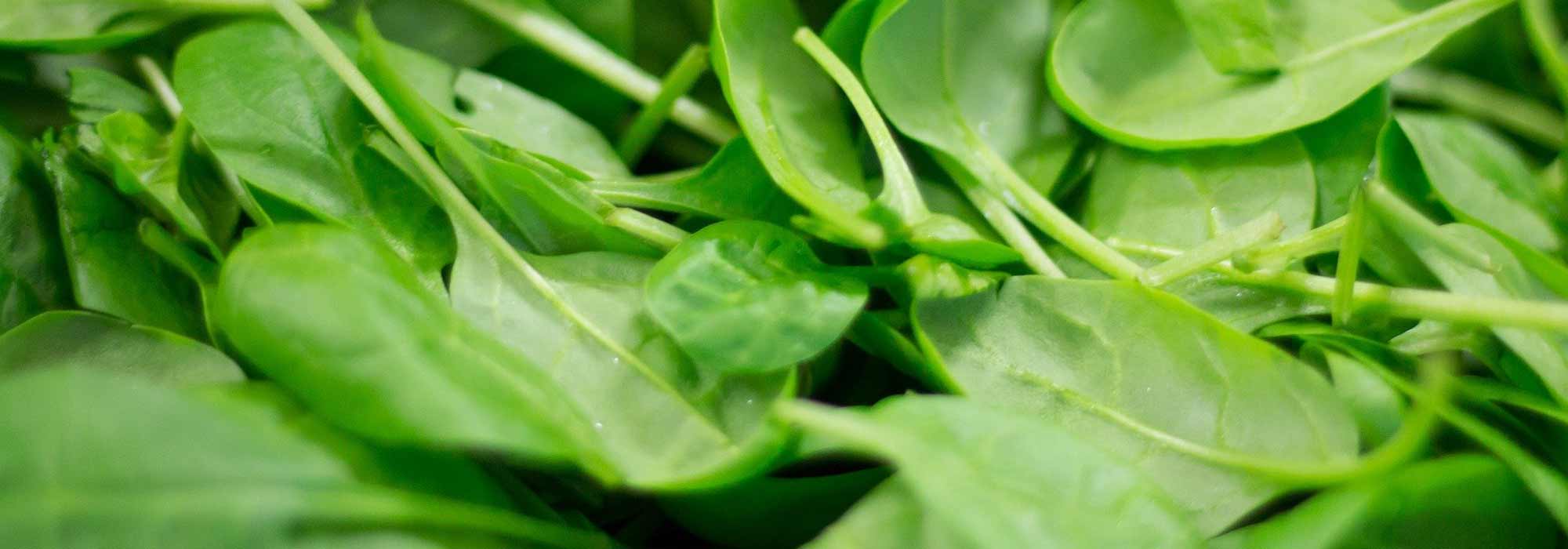
'Winterbor' F1 kale is a hybrid kale variety renowned for its cold resistance and high yield throughout autumn and winter. Selected for its vigour, this kale forms a beautiful clump of decorative, blue-green curly foliage that is tasty and nutritious. Suitable for growing in open ground or in a pot, 'Winterbor' adapts to many recipes: its tender young leaves can be eaten raw, while older leaves are easily cooked in soups, stir-fries or bakes. An essential for the winter vegetable garden, hardy, ornamental and bountiful!
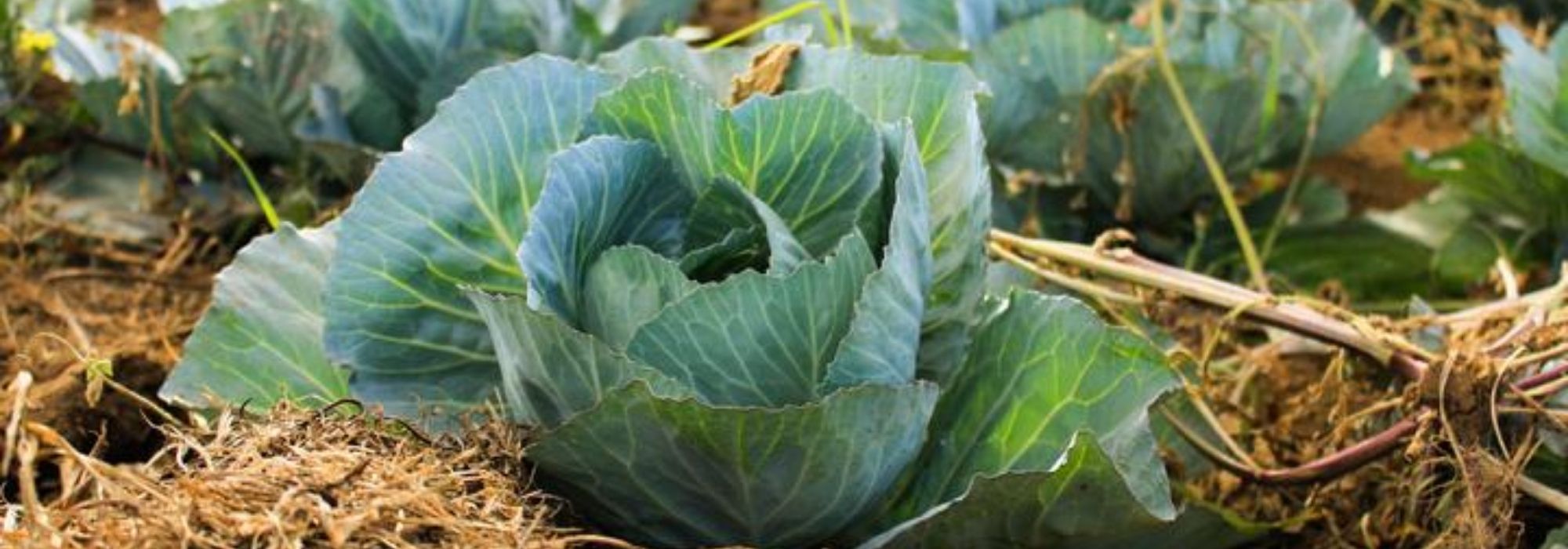
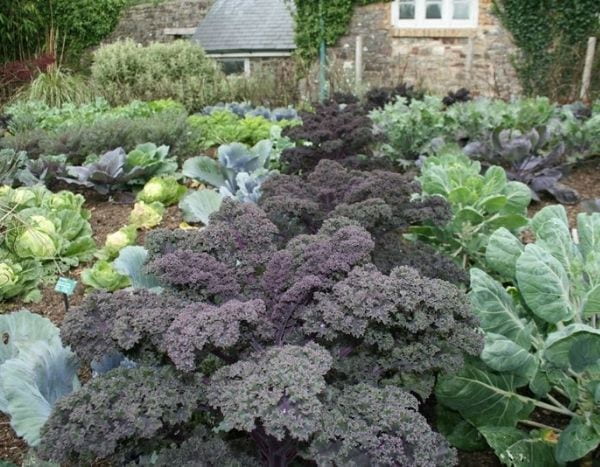
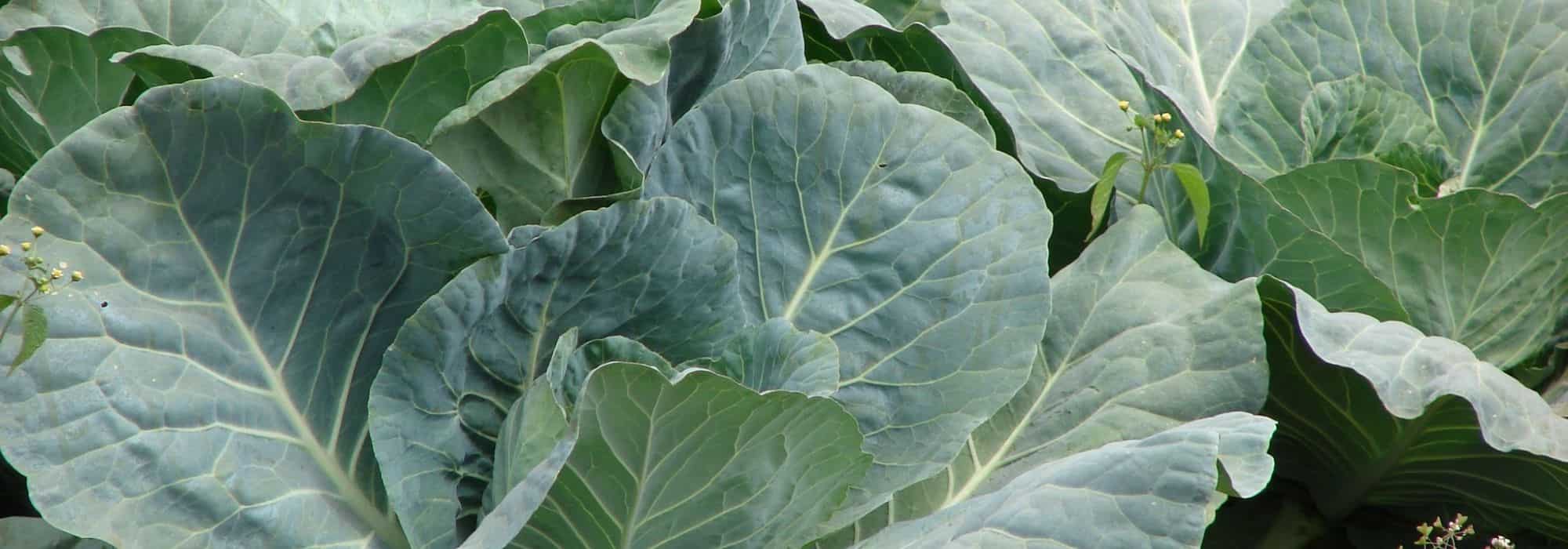
'Winterbor' F1 kale is a hybrid kale cultivar, a horticultural selection of the species Brassica oleracea, included in the varieties var. sabellica, within the Acephala horticultural group. It is a cabbage that does not form a head (kale). Although botanically biennial, it is usually grown as an annual. It produces no offshoots, and its growth slows greatly after the second-year flowering. Originating from a Dutch cross-breeding, 'Winterbor' is known for its finely crinkled blue-green foliage and its ability to produce abundantly from 60 days after sowing or transplanting. The plant has an upright and vigorous habit. It reaches a height of 60 to 90 cm and a diameter of 30 to 40 cm, or even more under optimal conditions. The foliage is dense, with regular production of new leaves. The leaves are dark blue-green, very curly, thick, yet tender. After experiencing cold, they develop a marked sweetness, particularly sought after in winter. This variety can withstand temperatures down to –15 °C to –18 °C in open ground, even more under cover or with mulch.
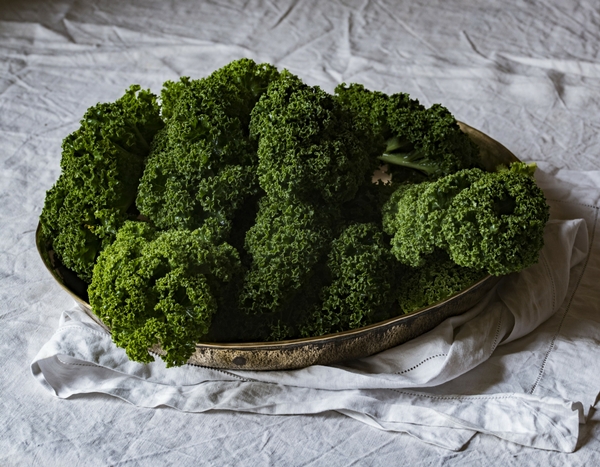
Harvest leaf by leaf, taking the largest leaves from the base, which stimulates regrowth. The taste of kale improves after a few frosts, as its leaves become sweeter and more tender.
Storage: this kale can be stored for a few days in the refrigerator, but to get the most vitamins, consume it quickly after harvesting. It freezes very well after being blanched for 3 minutes in salted boiling water.
In cooking, 'Winterbor' lends itself to various preparations. Young leaves can be eaten raw in salads or smoothies, despite a slight bitterness. Mature leaves are better suited to gentle cooking: sautéed, in gratins, in soup, or as oven-baked crisps. This kale, appreciated in Europe and North America, is traditionally used in Dutch cuisine with accompaniments such as rookworst and mashed potatoes. And if you really lack inspiration, there are several recipe books solely dedicated to this very special kale.
From a nutritional point of view, 'Winterbor' kale is a true powerhouse of vitality. Rich in vitamins A, C and K, it also contains calcium, potassium, iron, fibre, and powerful antioxidants such as carotenoids and flavonoids. Low in calories but nutrient-dense, it is a healthy choice to eat raw or cooked, especially to boost immunity, support bone health, and fight oxidative stress.
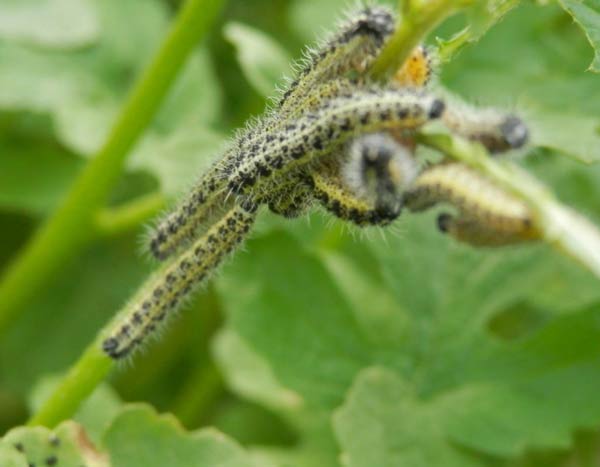
As for care, 'Winterbor' is very easy to grow, as it requires little space. Note, however, that like almost all cabbages, its cultivation requires an excellent base fertiliser and regular moisture. It is robust and not very susceptible to common cabbage pests, although populations of cabbage white butterflies or flea beetles can sometimes be a threat. It benefits from good crop rotation (3 to 4 years before replanting other cabbages in the same spot) to prevent fungal diseases such as downy mildew or clubroot.
The gardener's little tip: to keep the soil moist in summer and protect from cold in winter, we advise you to mulch the soil with thin successive layers of grass clippings, mixed if possible with dead leaves. This protection, which keeps the soil moist, also limits weeding.
Very common on tables in the Middle Ages, then relegated to fodder cabbages, Kale is experiencing a spectacular craze in the United States for its nutritional qualities.
Harvest
Plant habit
Foliage
Botanical data
Brassica
oleracea var. sabellica
Winterbor F1
Brassicaceae
Curly Kale
Brassica oleracea 'Winterbor', Brassica oleracea var. sabellica 'Winterbor'
Cultivar or hybrid
Biennial
Planting and care
Growing: Kale 'Winterbor' thrives in full sun or partial shade. It is a heavy feeder, requiring well-manured soil rich in nitrogen and potash. It is advisable to apply a generous amount of well-rotted compost (about ¾ kg per m²) in the autumn, raking it in to a depth of 5 cm after thoroughly loosening the soil, as is standard for any vegetable plot.
Plant in spring, from April to May. Dig a hole three times the size of the root ball, place the root ball in the hole and cover with soil. Firm down and water to keep the soil moist. Water regularly at the base, but without overdoing it. Apply a mulch around the base of the plants.
It is not very tolerant of soil pH, which should be between 5.6 and 6.5. In acidic soil, gradually raise the pH by adding calcium in the form of dolomitic lime or garden lime. It is a good companion for many vegetables such as tomatoes and lettuce, but avoid planting it near other Brassicaceae, as well as courgettes, fennel, lamb's lettuce, leeks, and strawberries.
Cultivation
Care
Intended location
Planting & care advice
-
-
-
-
-
-
-
-
This item has not been reviewed yet - be the first to leave a review about it.
Recently viewed products
Haven't found what you were looking for?
Hardiness is the lowest winter temperature a plant can endure without suffering serious damage or even dying. However, hardiness is affected by location (a sheltered area, such as a patio), protection (winter cover) and soil type (hardiness is improved by well-drained soil).

The flowering period indicated on our website applies to countries and regions located in USDA zone 8 (France, the United Kingdom, Ireland, the Netherlands, etc.)
It will vary according to where you live:- In zones 9 to 10 (Italy, Spain, Greece, etc.), flowering will occur about 2 to 4 weeks earlier.
- In zones 6 to 7 (Germany, Poland, Slovenia, and lower mountainous regions), flowering will be delayed by 2 to 3 weeks.
- In zone 5 (Central Europe, Scandinavia), blooming will be delayed by 3 to 5 weeks.
In temperate climates, pruning of spring-flowering shrubs (forsythia, spireas, etc.) should be done just after flowering.
Pruning of summer-flowering shrubs (Indian Lilac, Perovskia, etc.) can be done in winter or spring.
In cold regions as well as with frost-sensitive plants, avoid pruning too early when severe frosts may still occur.
The planting period indicated on our website applies to countries and regions located in USDA zone 8 (France, United Kingdom, Ireland, Netherlands).
It will vary according to where you live:
- In Mediterranean zones (Marseille, Madrid, Milan, etc.), autumn and winter are the best planting periods.
- In continental zones (Strasbourg, Munich, Vienna, etc.), delay planting by 2 to 3 weeks in spring and bring it forward by 2 to 4 weeks in autumn.
- In mountainous regions (the Alps, Pyrenees, Carpathians, etc.), it is best to plant in late spring (May-June) or late summer (August-September).
The harvesting period indicated on our website applies to countries and regions in USDA zone 8 (France, England, Ireland, the Netherlands).
In colder areas (Scandinavia, Poland, Austria...) fruit and vegetable harvests are likely to be delayed by 3-4 weeks.
In warmer areas (Italy, Spain, Greece, etc.), harvesting will probably take place earlier, depending on weather conditions.
The sowing periods indicated on our website apply to countries and regions within USDA Zone 8 (France, UK, Ireland, Netherlands).
In colder areas (Scandinavia, Poland, Austria...), delay any outdoor sowing by 3-4 weeks, or sow under glass.
In warmer climes (Italy, Spain, Greece, etc.), bring outdoor sowing forward by a few weeks.
Shipping country and language
Your country of residence may be:
Your country of residence is:
For a better user experience on our website, you can select:
Your shipping country:
-
 Austria
-
 Belgium
-
 Bosnia & Herzegovina
-
 Bulgaria
-
 Croatia
-
 Cyprus
-
 Czechia
-
 Denmark
-
 Estonia
-
 Finland
-
 France
-
 Germany
-
 Greece
-
 Hungary
-
 Iceland
-
 Ireland
-
 Italy
Italy
-
 Latvia
-
 Liechtenstein
-
 Lithuania
-
 Luxembourg
-
 Malta
Malta
-
 Netherlands
-
 Poland
-
 Portugal
-
 Romania
-
 Serbia
-
 Slovakia
-
 Slovenia
-
 Spain
Spain
-
 Sweden
-
 Switzerland
Language:
-
French
-
 English
-
Spanish
-
Italian
-
German
-
Portuguese
-
Dutch
-
Finnish
My Account
Hello
My wish lists
My cart
Log in / Register
Existing customer?
This form is protected by reCAPTCHA - the Google Privacy Policy and Terms of Service apply.
New customer?
Create an account to track your orders, access our customer service and, if you wish, make the most of our upcoming offers.