Smallanthus sonchifolius Red Yacon - Earth Pear
Smallanthus sonchifolius Red Yacon - Earth Pear
Smallanthus sonchifolius Red Yacon - Earth Pear
Smallanthus sonchifolius Red
Yacón, Peruvian ground apple
Back-to-school special offer!
Get €10 off for every €50 you spend! And get up to €40 off on a single order.
How does it work?
1. Shop your favourites
Add your favourite plants to your basket. For every €50 you spend (excluding delivery charges, store credit and the plastic-free option), you’ll receive a €10 voucher.
€50 spent = €10 voucher
€100 spent = €20 voucher
€150 spent = €30 voucher
€200 spent = €40 voucher
2. Place your order
Once your basket reaches one of the spending thresholds, place your order. You can even choose your delivery date!
3. Receive your voucher
As soon as your order has been shipped, you’ll receive an email containing your personal voucher code and its value.
4. Use it on your next order
Your voucher is valid for 90 days from the date you receive it. It can be used once only, on a new order worth at least the value of the voucher, excluding delivery charges.
Please note: Vouchers can be combined with other offers, but cannot be split or refunded.
Home or relay delivery (depending on size and destination)
Important: You may be charged customs duties by your country’s customs authorities upon delivery.
Schedule delivery date
and select date in basket
This plant carries a 6 months recovery warranty
More information
We guarantee the quality of our plants for a full growing cycle, and will replace at our expense any plant that fails to recover under normal climatic and planting conditions.
Description
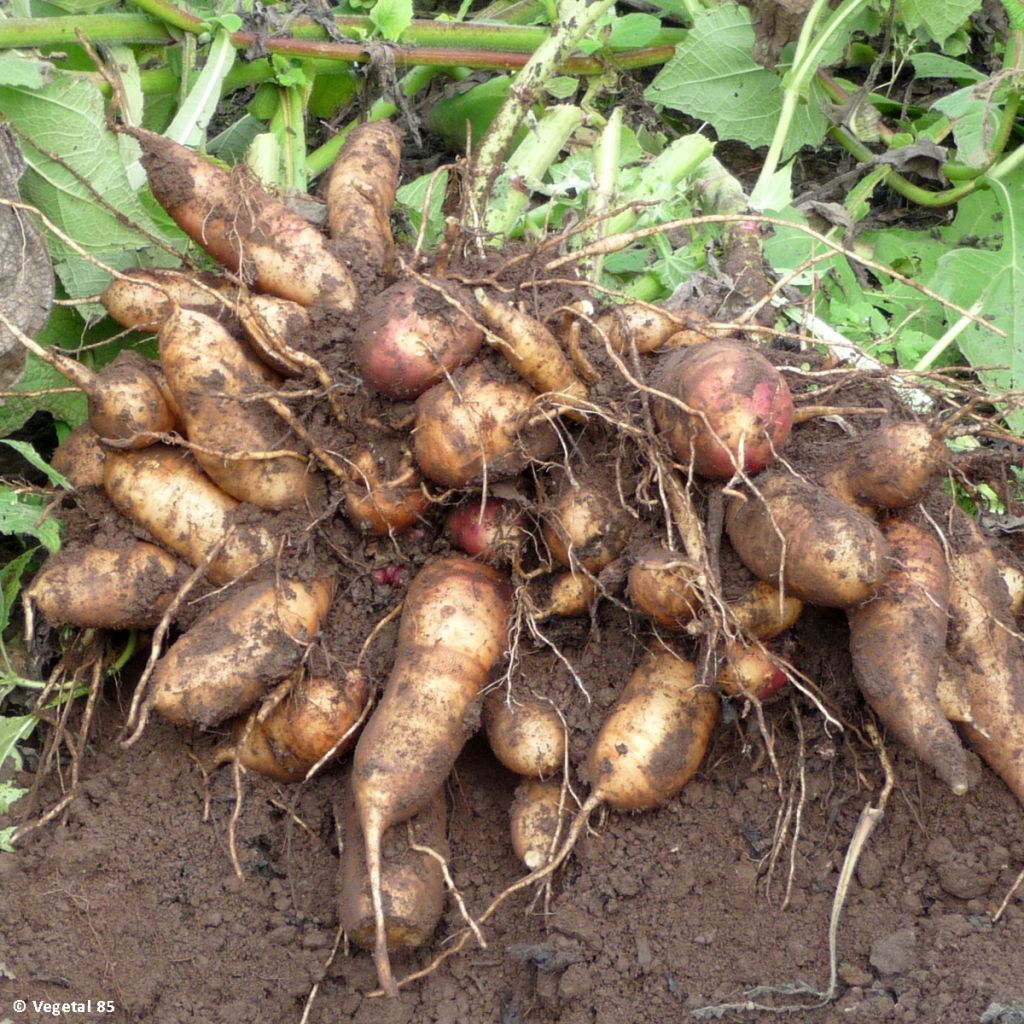
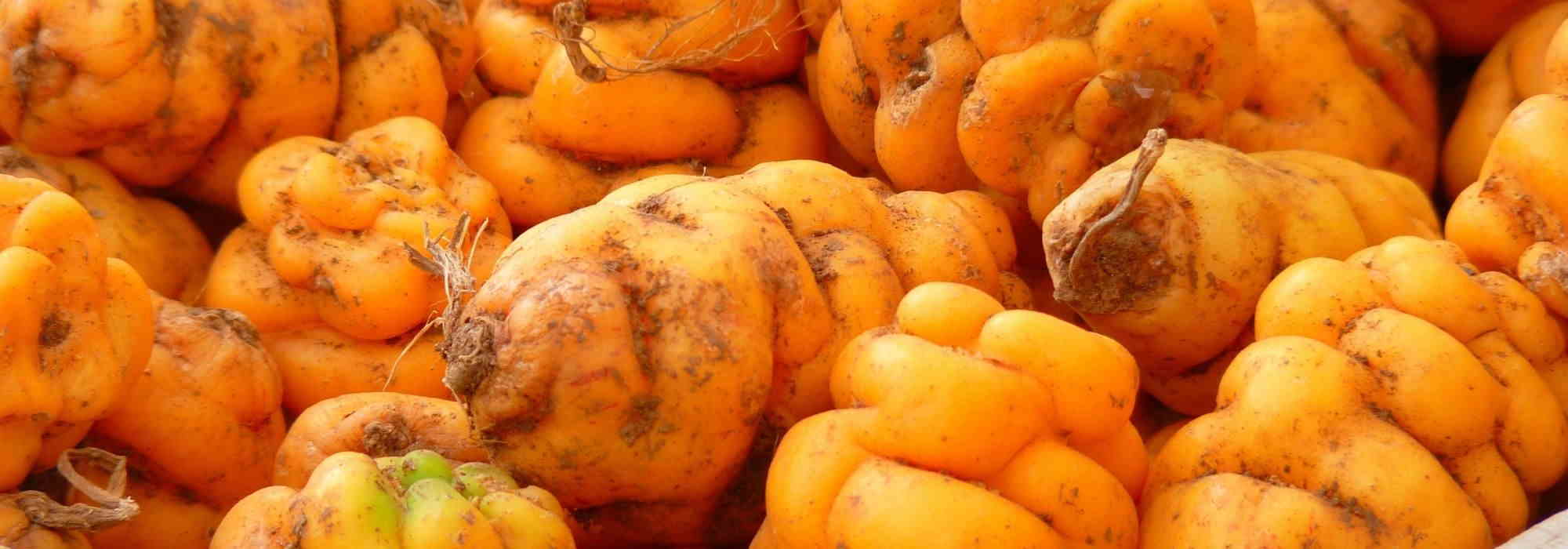
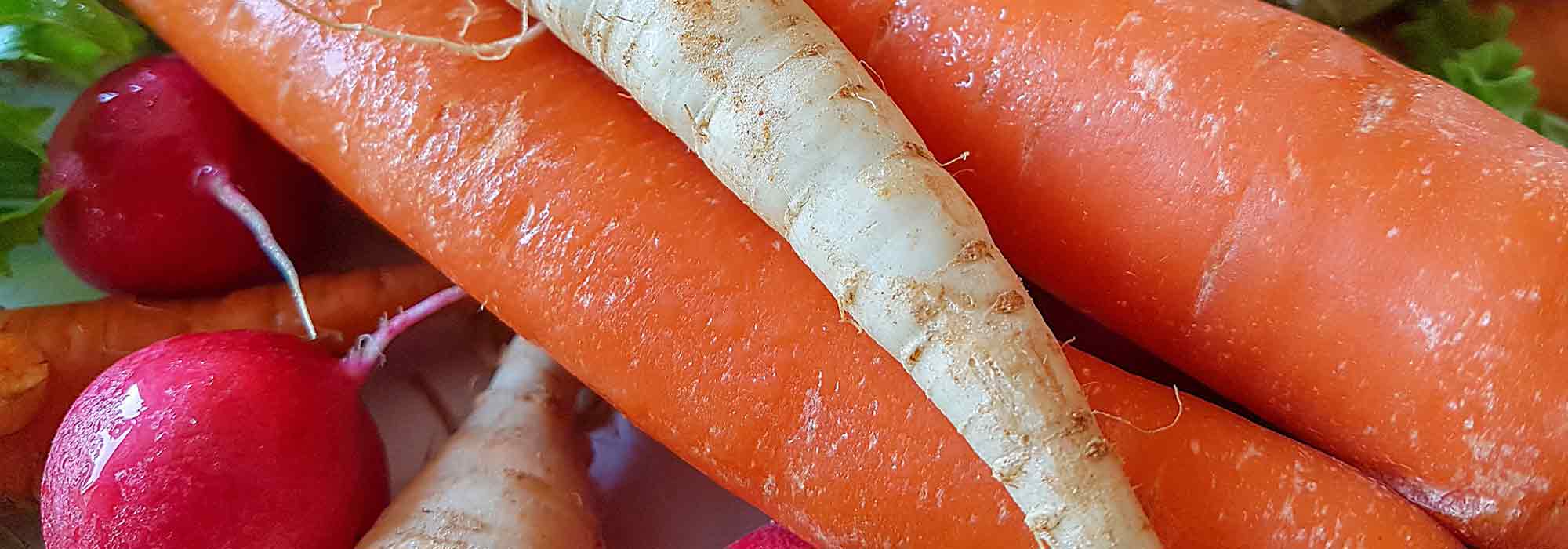
The Earth Apple or Yacon, in Latin Smallanthus sonchifolius, is a root vegetable, very ancient, consumed in Peru for centuries, hence its common name of "Inca Root". This tuberous perennial, with a hardiness not exceeding -5°C (23°F), is cultivated as an annual and requires the bulbs to be dug up before winter. Red Yacon produces numerous tubers weighing 300 to 400 grams, with elongated shape and red skin. This fleshy vegetable, with its granular texture and white flesh, resembles that of a pear. Rich in water, the Incas used it as a refreshing juice. The sweet-tasting roots contain a very low-calorie natural sweetener. In the vegetable garden, in a warm and sunny location, red Yacon is grown in good garden soil, which is rich and light. Regular watering is necessary during the summer. This can be limited by mulching around the plants. The young Yacon plants are ideally planted from mid-May to mid-June, and the harvest takes place when the tubers are fully ripe from October to November, before the heavy frosts.
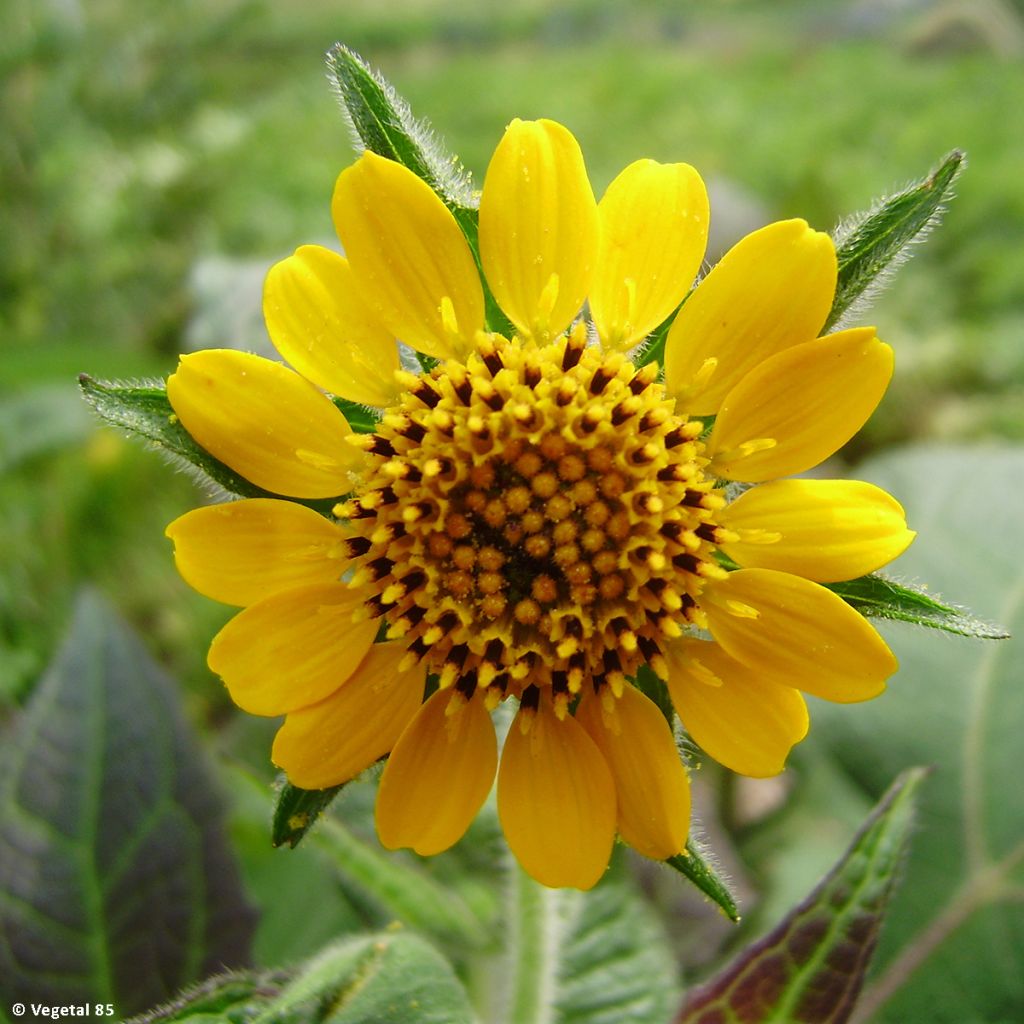
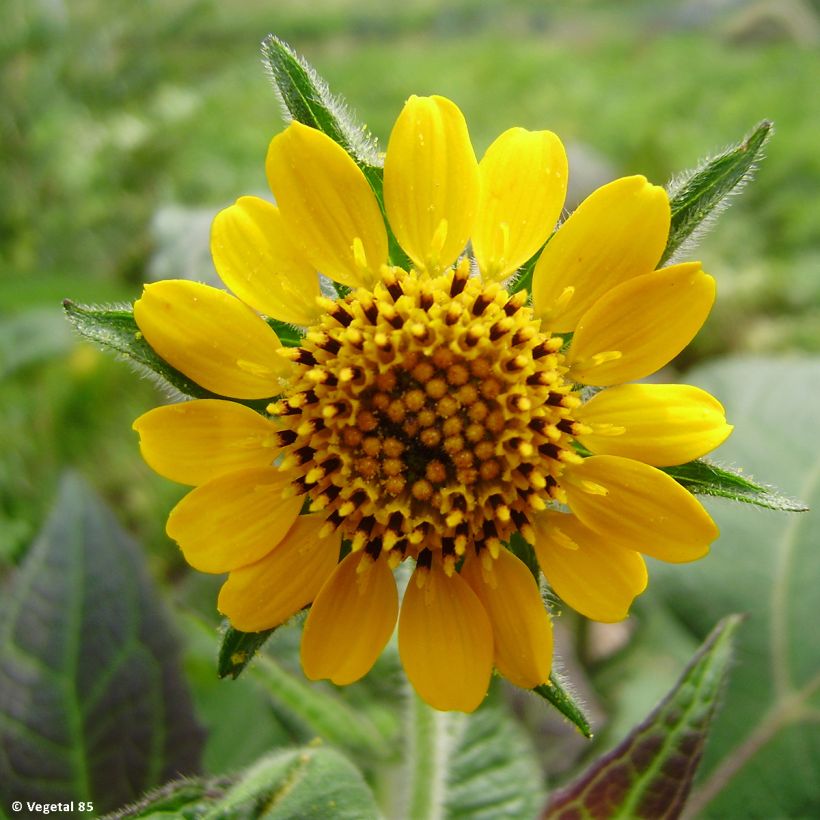
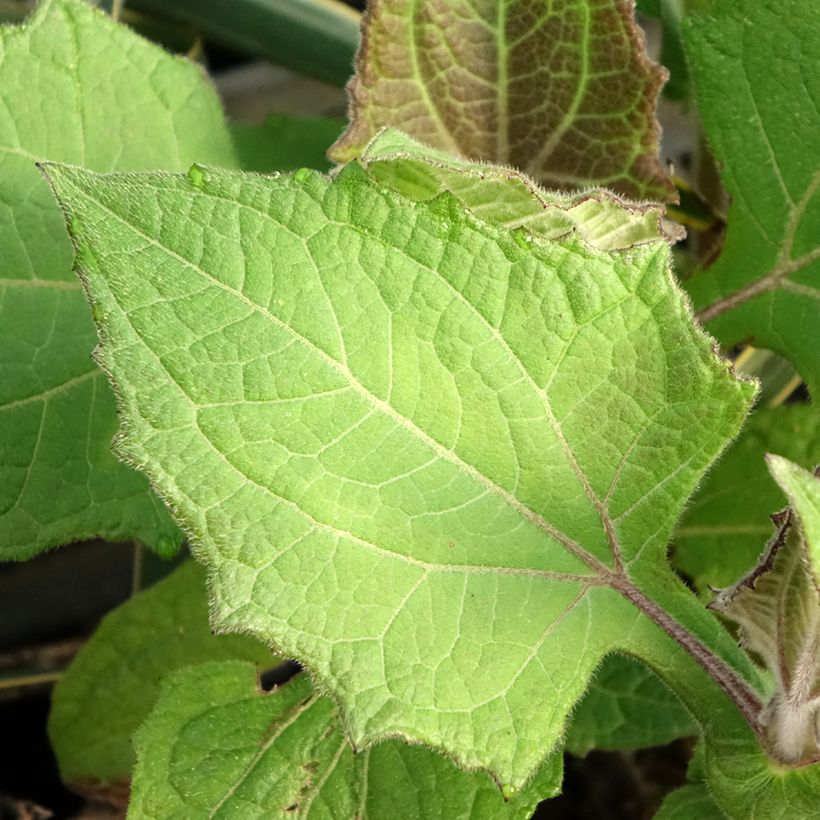
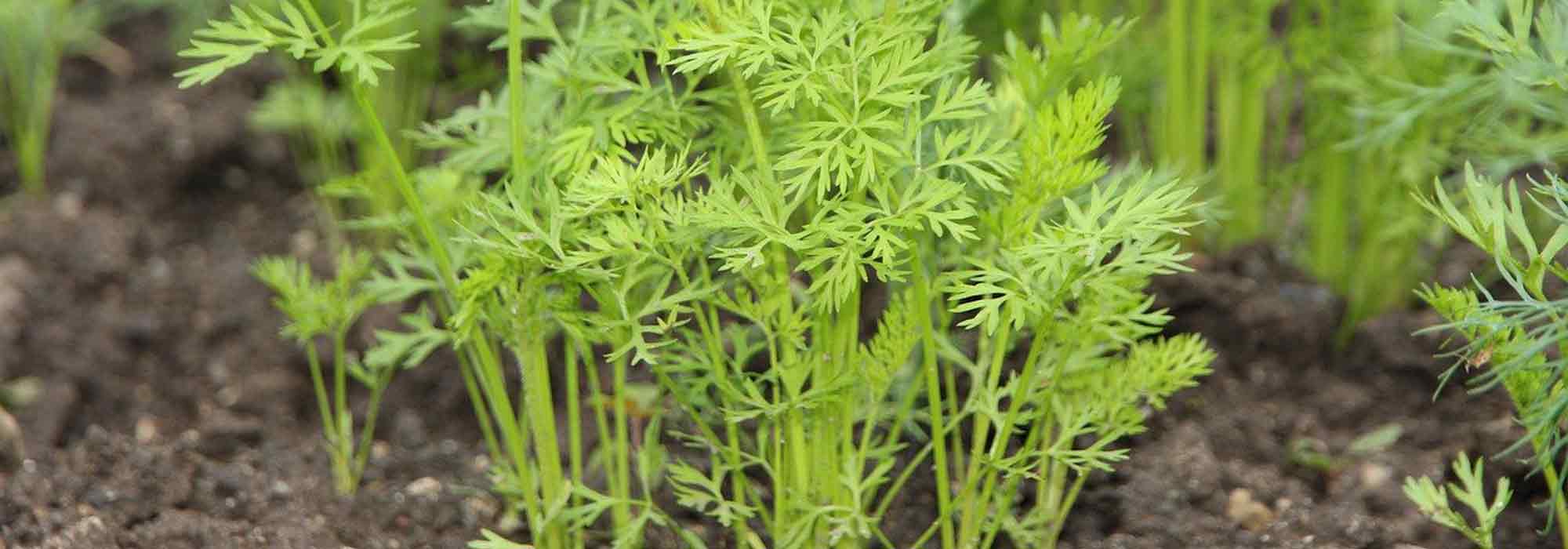
The earth apple belongs to the Asteraceae family, like Dahlias which have similar roots. This tuberous perennial plant, native to South America, is frost-sensitive and is grown as an annual in our climates. During the summer, the earth apple produces yellow flowers in heads, similar to sunflowers but smaller. They are borne at the top of hairy stems above a foliage composed of large triangular leaves. In the vegetable garden, allow for ample space, as Yacon can reach a height and width of 1.50 m (5ft)! This vigorous growth also means that the earth apple will shade neighboring plants.
In terms of cooking, Yacon, with its subtly sweet flavor and granular texture similar to a pear, can be eaten raw or cooked, in both savory and sweet dishes. Raw, it adds crunchiness to raw vegetable salads or fruit salads. If you want to cook it, it can be prepared like potatoes: boiled, steamed, sautéed, roasted in the oven, etc. In desserts, it pairs particularly well with chocolate. Like Jerusalem artichokes, it is rich in insulin and low in calories. Additionally, the leaves can be stuffed like cabbage leaves or dried for infusion (Yacon tea).
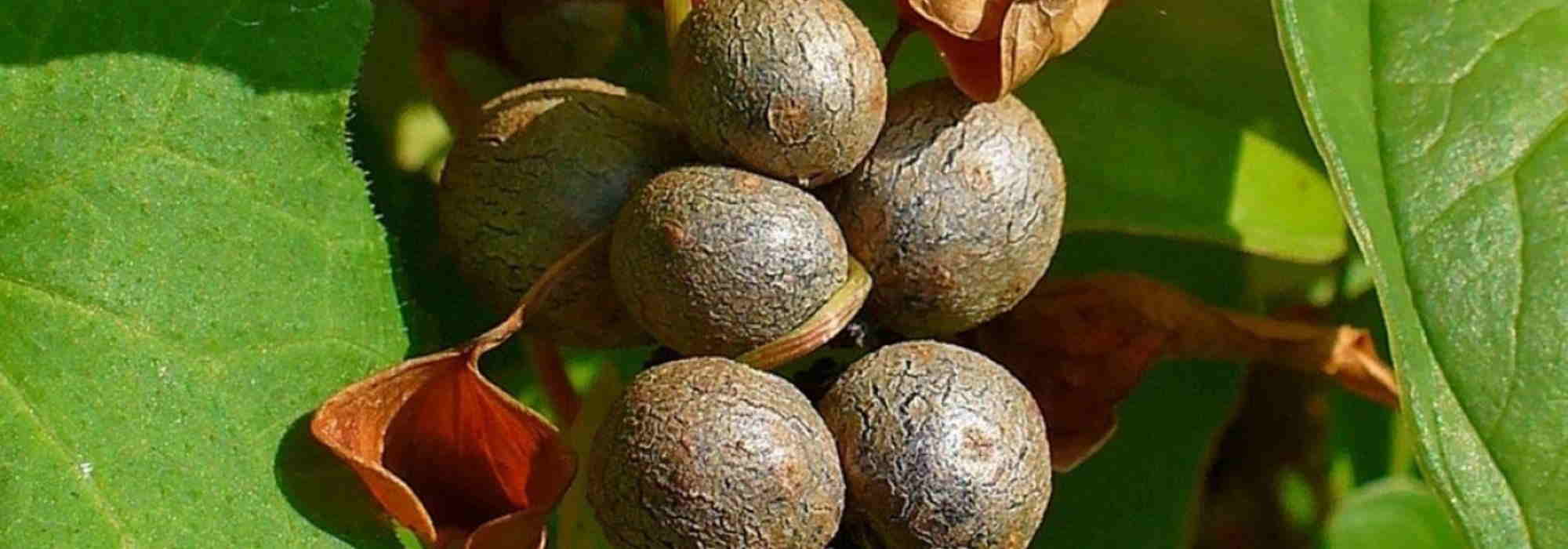
Harvesting: Yacon is a short-day plant. Tuber formation generally begins in September-October, when the foliage turns yellow. To allow for complete maturation, it is necessary to leave the tubers in the ground. In November, they are harvested when the leaves wilt after the first frost. Carefully, using a fork or a spade, dig up the entire stump and harvest the tubers. Let them dry for a few hours on the ground in dry weather.
Storage: The earth apple stores very well for several months. Store the tubers, like potatoes, in a cool and dry place, protected from light, in dry sand. The earth apples become slightly sweeter over time. Store the rest of the stump in the same conditions if you want to multiply it by division in the following spring.
Gardener's tip: Although the plant provides ground cover, we recommend mulching the soil to keep it moist and reduce weed growth, especially at the beginning of cultivation. This can be done with thin successive layers of grass clippings, preferably mixed with dead leaves.
Report an error about the product description
Smallanthus sonchifolius Red Yacon - Earth Pear in pictures
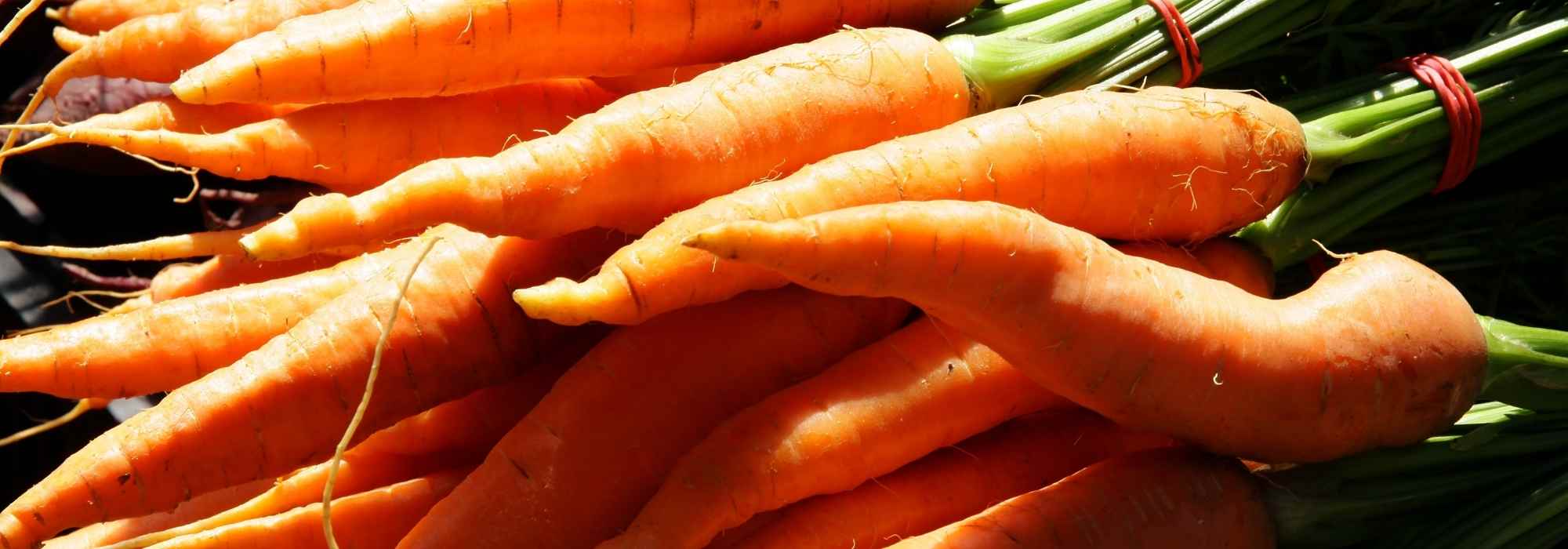
Harvest
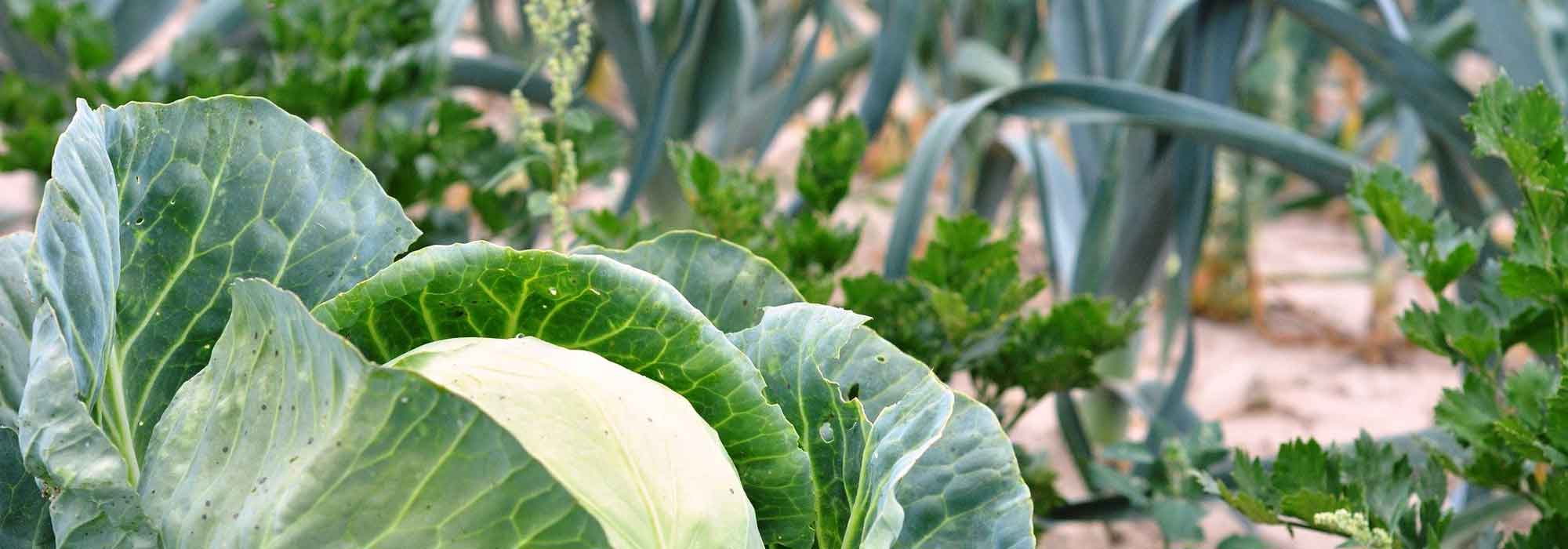
Plant habit
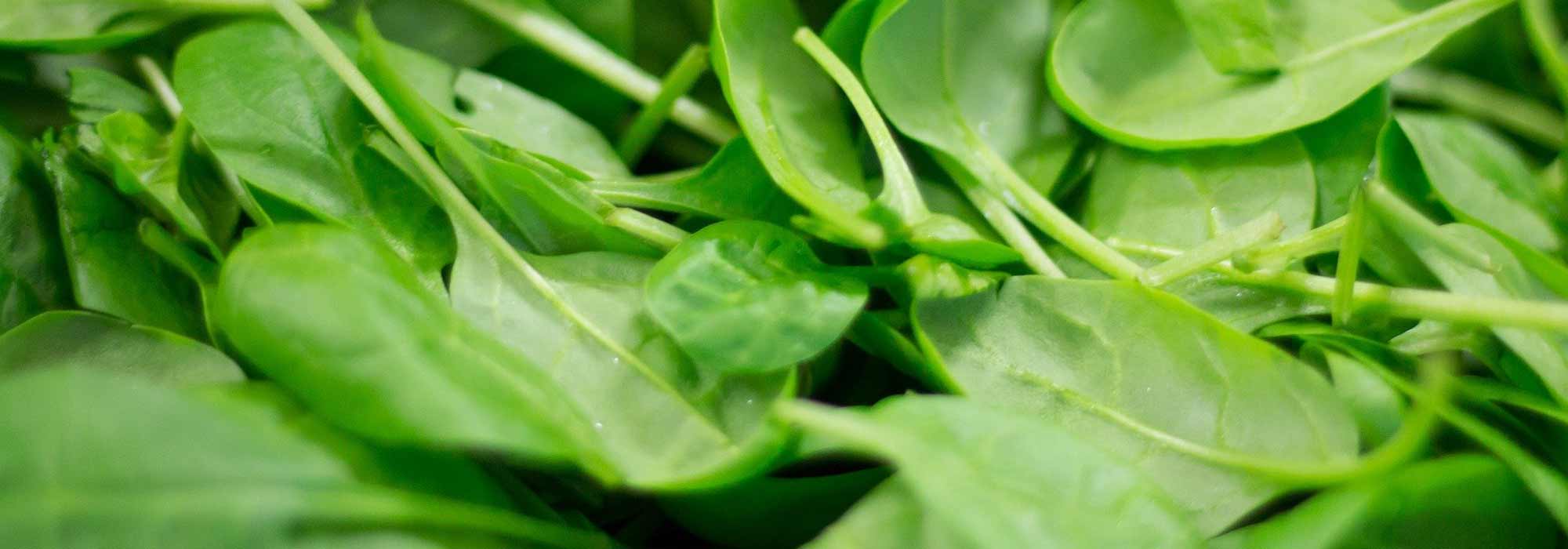
Foliage
Botanical data
Smallanthus
sonchifolius
Red
Asteraceae
Yacón, Peruvian ground apple
South America
Annual
Planting and care
Planting of the ground pear should be done from mid-May, when the risk of frost has passed. The Ground Pear prefers deep, rich, and moist soil. Choose a sunny location. Add well-rotted compost in the previous autumn, after loosening the soil.
The Ground Pear will grow in size during its growth. Therefore, the young plants should be spaced 1.50m (5ft) apart in all directions. Dig a hole (3 times the volume of the root ball), place the root ball, and cover with fine soil. Firmly press down and water to keep the soil moist.
At the beginning of cultivation, lightly mound the base of the plants.
The Ground Pear can be propagated by division in spring. Cut the stump into several pieces, with each piece retaining at least one bud. Plant them in buckets and then transplant them into the ground when the soil has warmed sufficiently.
Cultivation
Care
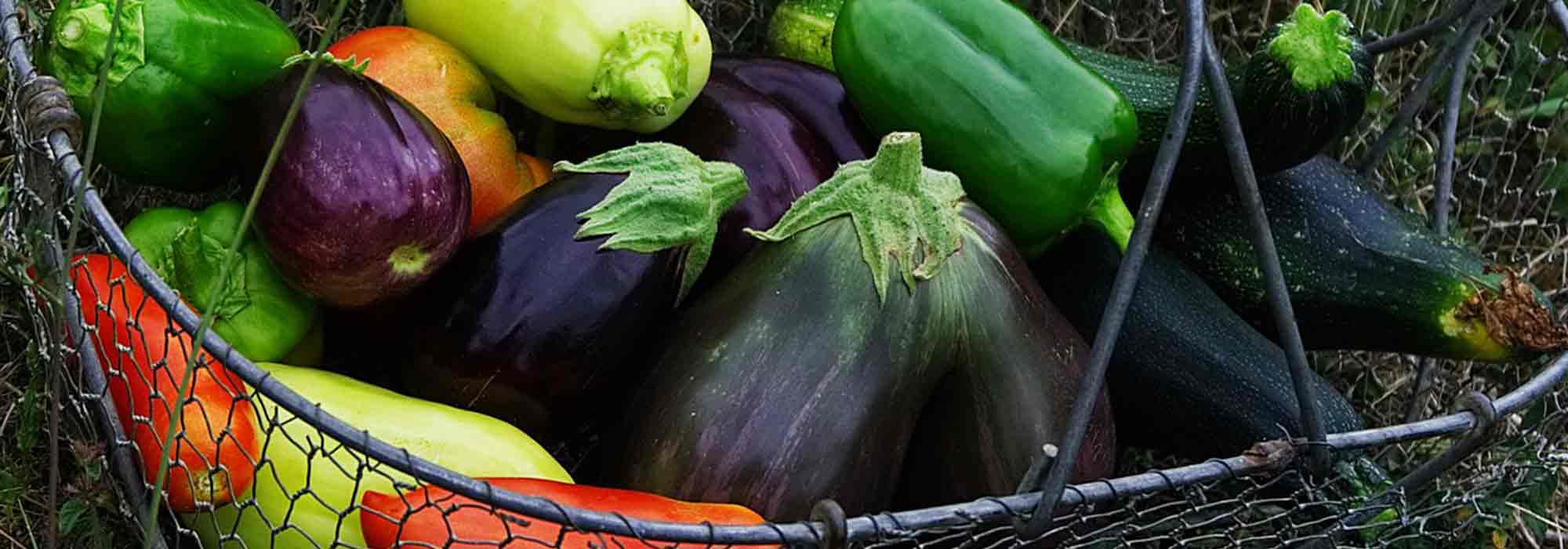
Intended location
Planting & care advice
-
-
-
-
-
-
-
-
This item has not been reviewed yet - be the first to leave a review about it.
Recently viewed products
Haven't found what you were looking for?
Hardiness is the lowest winter temperature a plant can endure without suffering serious damage or even dying. However, hardiness is affected by location (a sheltered area, such as a patio), protection (winter cover) and soil type (hardiness is improved by well-drained soil).

The flowering period indicated on our website applies to countries and regions located in USDA zone 8 (France, the United Kingdom, Ireland, the Netherlands, etc.)
It will vary according to where you live:- In zones 9 to 10 (Italy, Spain, Greece, etc.), flowering will occur about 2 to 4 weeks earlier.
- In zones 6 to 7 (Germany, Poland, Slovenia, and lower mountainous regions), flowering will be delayed by 2 to 3 weeks.
- In zone 5 (Central Europe, Scandinavia), blooming will be delayed by 3 to 5 weeks.
In temperate climates, pruning of spring-flowering shrubs (forsythia, spireas, etc.) should be done just after flowering.
Pruning of summer-flowering shrubs (Indian Lilac, Perovskia, etc.) can be done in winter or spring.
In cold regions as well as with frost-sensitive plants, avoid pruning too early when severe frosts may still occur.
The planting period indicated on our website applies to countries and regions located in USDA zone 8 (France, United Kingdom, Ireland, Netherlands).
It will vary according to where you live:
- In Mediterranean zones (Marseille, Madrid, Milan, etc.), autumn and winter are the best planting periods.
- In continental zones (Strasbourg, Munich, Vienna, etc.), delay planting by 2 to 3 weeks in spring and bring it forward by 2 to 4 weeks in autumn.
- In mountainous regions (the Alps, Pyrenees, Carpathians, etc.), it is best to plant in late spring (May-June) or late summer (August-September).
The harvesting period indicated on our website applies to countries and regions in USDA zone 8 (France, England, Ireland, the Netherlands).
In colder areas (Scandinavia, Poland, Austria...) fruit and vegetable harvests are likely to be delayed by 3-4 weeks.
In warmer areas (Italy, Spain, Greece, etc.), harvesting will probably take place earlier, depending on weather conditions.
The sowing periods indicated on our website apply to countries and regions within USDA Zone 8 (France, UK, Ireland, Netherlands).
In colder areas (Scandinavia, Poland, Austria...), delay any outdoor sowing by 3-4 weeks, or sow under glass.
In warmer climes (Italy, Spain, Greece, etc.), bring outdoor sowing forward by a few weeks.
Shipping country and language
Your country of residence may be:
Your country of residence is:
For a better user experience on our website, you can select:
Your shipping country:
-
 Austria
-
 Belgium
-
 Bosnia & Herzegovina
-
 Bulgaria
-
 Croatia
-
 Cyprus
-
 Czechia
-
 Denmark
-
 Estonia
-
 Finland
-
 France
-
 Germany
-
 Greece
-
 Hungary
-
 Iceland
-
 Ireland
-
 Italy
Italy
-
 Latvia
-
 Liechtenstein
-
 Lithuania
-
 Luxembourg
-
 Malta
Malta
-
 Netherlands
-
 Poland
-
 Portugal
-
 Romania
-
 Serbia
-
 Slovakia
-
 Slovenia
-
 Spain
Spain
-
 Sweden
-
 Switzerland
Language:
-
French
-
 English
-
Spanish
-
Italian
-
German
-
Portuguese
-
Dutch
-
Finnish
My Account
Hello
My wish lists
My cart
Log in / Register
Existing customer?
This form is protected by reCAPTCHA - the Google Privacy Policy and Terms of Service apply.
New customer?
Create an account to track your orders, access our customer service and, if you wish, make the most of our upcoming offers.