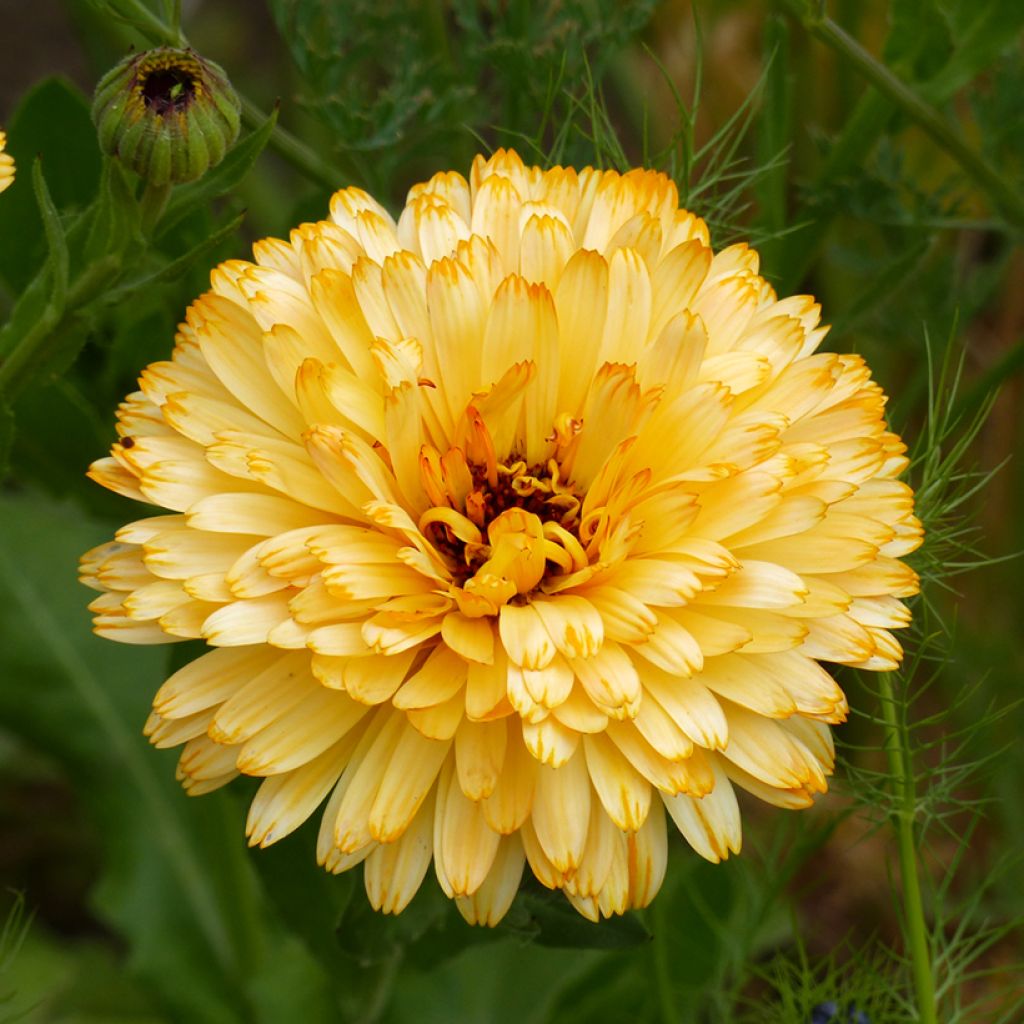
Calendula officinalis Pacific Beauty Apricot seeds - Marigold
Calendula officinalis Pacific Beauty Apricot seeds - Marigold
Calendula officinalis Pacific Beauty Apricot (Pacific Beauty series)
Pot Marigold, Common Marigold, Scotch Marigold
Back-to-school special offer!
Get €10 off for every €50 you spend! And get up to €40 off on a single order.
How does it work?
1. Shop your favourites
Add your favourite plants to your basket. For every €50 you spend (excluding delivery charges, store credit and the plastic-free option), you’ll receive a €10 voucher.
€50 spent = €10 voucher
€100 spent = €20 voucher
€150 spent = €30 voucher
€200 spent = €40 voucher
2. Place your order
Once your basket reaches one of the spending thresholds, place your order. You can even choose your delivery date!
3. Receive your voucher
As soon as your order has been shipped, you’ll receive an email containing your personal voucher code and its value.
4. Use it on your next order
Your voucher is valid for 90 days from the date you receive it. It can be used once only, on a new order worth at least the value of the voucher, excluding delivery charges.
Please note: Vouchers can be combined with other offers, but cannot be split or refunded.
Home or relay delivery (depending on size and destination)
Important: You may be charged customs duties by your country’s customs authorities upon delivery.
Schedule delivery date
and select date in basket
This plant carries a 6 months recovery warranty
More information
We guarantee the quality of our plants for a full growing cycle, and will replace at our expense any plant that fails to recover under normal climatic and planting conditions.
Would this plant suit my garden?
Set up your Plantfit profile →
Description
The 'Pacific Beauty Apricot' Marigold is a Calendula officinalis that forms a medium-sized and uniform plant, and offers beautiful double flowers, with a unique pastel tone, a soft melon orange colour. Very floriferous, robust, and wind-resistant, it fits well in borders and sunny containers, bringing life to them for weeks. Sown in March-April, this fast-growing annual is easy to cultivate in ordinary soil and blooms approximately 10 weeks later.
Calendula officinalis belongs to the asteraceae family, and has the characteristic inflorescence in the shape of a daisy. 'Pacific Beauty Apricot' is a recent variety. The annual plant forms a clump of sturdy and branched stems in a few months, giving it a compact appearance. It reaches a height of 60 cm and a width of 40 cm. Its lanceolate leaves are velvety and highly aromatic when crushed. Their bright green colour provides a beautiful backdrop for its gentle flowers with a dark orange centre. Its flowering starts in June and regularly extends until the end of summer, attracting numerous pollinating insects. Each head measures approximately 6 cm in diameter. It consists of a centre of fertile florets surrounded by numerous long "petals" which are actually ligulate flowers gathered in a crown. This crown opens in the sun and closes at night or in cloudy weather. The seeds of the Marigold easily spread in various ways: by the wind, falling to the ground, but also by attaching to clothes and animal fur, as these small crescents are barbed. They self-sow easily, as their germination is not hindered by the cold. The seedlings can thrive in all types of soil, as long as they receive a good amount of sunlight during the day.
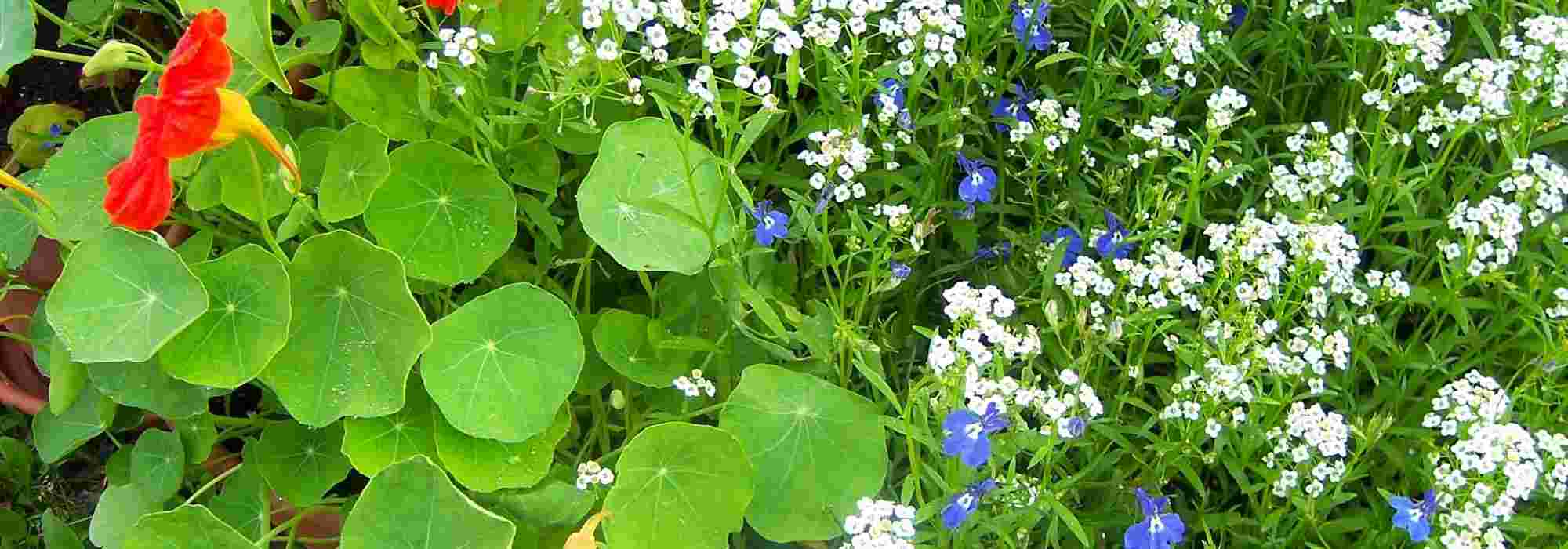
The 'Pacific Beauty Apricot' Calendula is reliable in the garden for quickly creating a flower border or filling a container on a sunny terrace. It is a perfect companion to colourful Dahlias and swaying ornamental grasses. Plants with foliage such as artemisias or silver stachys complement it, as well as flowering plants for well-drained soil such as salvias, roses, or annual nigellas in a perfect orange and blue duo. Calendula is also an edible flower, to be enjoyed in moderation, which can be used in salads, soups, or desserts. Some say that its flavour is peppery.
Listed in gardens since the 12th century, Calendula officinalis has virtues that are exploited in many fields. It is first and foremost a dye plant but it is also used in cosmetics, pharmacology, and homoeopathy for its soothing, astringent, healing, anti-inflammatory, and hepatic properties, among others. Finally, its nickname 'False Saffron' comes from its culinary use. Marigold can replace this spice by colouring rice-based dishes, as well as stews, soups, and herbal teas. When raw, it adds fragrance to cheeses, salads, and even butter. Moreover, it has long been established in vegetable gardens as an ally to other edible plants, as it repels nematodes and attracts numerous pollinating insects.

Flowering
Foliage
Plant habit
Botanical data
Calendula
officinalis
Pacific Beauty Apricot (Pacific Beauty series)
Asteraceae
Pot Marigold, Common Marigold, Scotch Marigold
Cultivar or hybrid
Planting and care
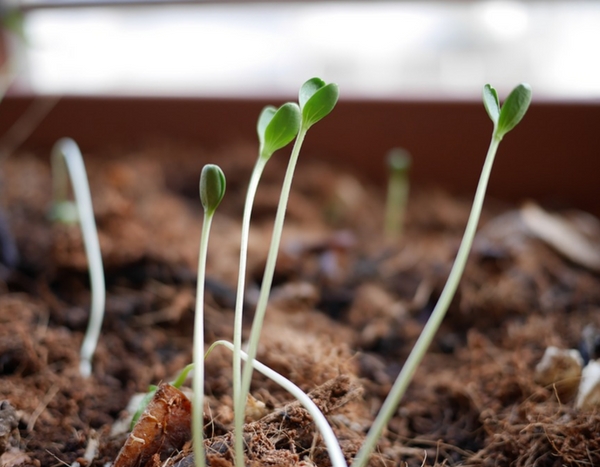
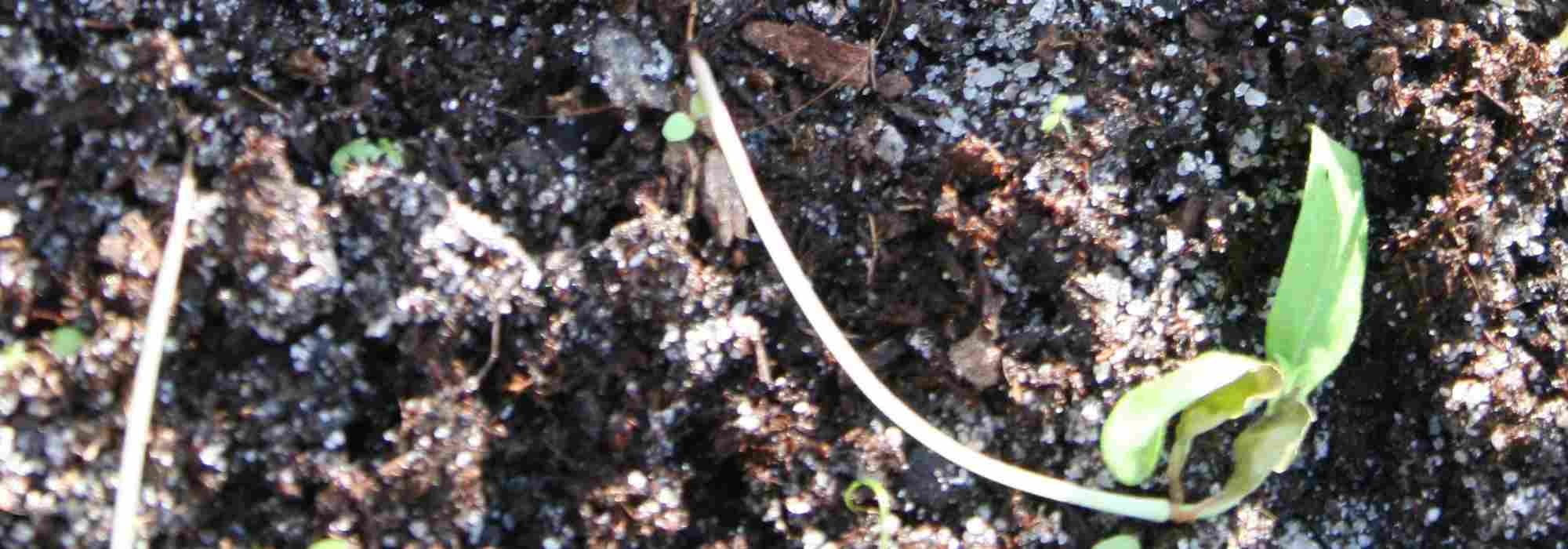
Marigolds can be sown directly in place from March in mild regions. If you are in a cold region, wait until the end of heavy frosts, as the seeds prefer temperatures close to 20°C. Loosen the soil a bit and choose a sunny location. So the seeds by broadcasting, cover with 1 or 2 mm of soil, and lightly water. They will germinate between 5 and 10 days and you can thin them out if necessary by spacing them 30 cm apart.
However, if you don't mind the winter frosts, you can start your sowings as early as September by sowing in pots and keeping them under shelter until spring. Then you can transplant the shoots from March in pots or directly in the ground to benefit from earlier flowers.
Cultivation:
Marigolds are fast-growing plants that thrive in full sun or partial shade in warm climates, and in sheltered positions. They are not very demanding, as long as they are planted in well-drained, fairly fertile, and light soil. Protect the plants from slugs and snails, which are fond of them.
Sowing period
Intended location
Planting & care advice
-

-
-
-
-

-

-

-

This item has not been reviewed yet - be the first to leave a review about it.
Recently viewed products
Haven't found what you were looking for?
Hardiness is the lowest winter temperature a plant can endure without suffering serious damage or even dying. However, hardiness is affected by location (a sheltered area, such as a patio), protection (winter cover) and soil type (hardiness is improved by well-drained soil).

The flowering period indicated on our website applies to countries and regions located in USDA zone 8 (France, the United Kingdom, Ireland, the Netherlands, etc.)
It will vary according to where you live:- In zones 9 to 10 (Italy, Spain, Greece, etc.), flowering will occur about 2 to 4 weeks earlier.
- In zones 6 to 7 (Germany, Poland, Slovenia, and lower mountainous regions), flowering will be delayed by 2 to 3 weeks.
- In zone 5 (Central Europe, Scandinavia), blooming will be delayed by 3 to 5 weeks.
In temperate climates, pruning of spring-flowering shrubs (forsythia, spireas, etc.) should be done just after flowering.
Pruning of summer-flowering shrubs (Indian Lilac, Perovskia, etc.) can be done in winter or spring.
In cold regions as well as with frost-sensitive plants, avoid pruning too early when severe frosts may still occur.
The planting period indicated on our website applies to countries and regions located in USDA zone 8 (France, United Kingdom, Ireland, Netherlands).
It will vary according to where you live:
- In Mediterranean zones (Marseille, Madrid, Milan, etc.), autumn and winter are the best planting periods.
- In continental zones (Strasbourg, Munich, Vienna, etc.), delay planting by 2 to 3 weeks in spring and bring it forward by 2 to 4 weeks in autumn.
- In mountainous regions (the Alps, Pyrenees, Carpathians, etc.), it is best to plant in late spring (May-June) or late summer (August-September).
The harvesting period indicated on our website applies to countries and regions in USDA zone 8 (France, England, Ireland, the Netherlands).
In colder areas (Scandinavia, Poland, Austria...) fruit and vegetable harvests are likely to be delayed by 3-4 weeks.
In warmer areas (Italy, Spain, Greece, etc.), harvesting will probably take place earlier, depending on weather conditions.
The sowing periods indicated on our website apply to countries and regions within USDA Zone 8 (France, UK, Ireland, Netherlands).
In colder areas (Scandinavia, Poland, Austria...), delay any outdoor sowing by 3-4 weeks, or sow under glass.
In warmer climes (Italy, Spain, Greece, etc.), bring outdoor sowing forward by a few weeks.
Shipping country and language
Your country of residence may be:
Your country of residence is:
For a better user experience on our website, you can select:
Your shipping country:
-
 Austria
-
 Belgium
-
 Bosnia & Herzegovina
-
 Bulgaria
-
 Croatia
-
 Cyprus
-
 Czechia
-
 Denmark
-
 Estonia
-
 Finland
-
 France
-
 Germany
-
 Greece
-
 Hungary
-
 Iceland
-
 Ireland
-
 Italy
Italy
-
 Latvia
-
 Liechtenstein
-
 Lithuania
-
 Luxembourg
-
 Malta
Malta
-
 Netherlands
-
 Poland
-
 Portugal
-
 Romania
-
 Serbia
-
 Slovakia
-
 Slovenia
-
 Spain
Spain
-
 Sweden
-
 Switzerland
Language:
-
French
-
 English
-
Spanish
-
Italian
-
German
-
Portuguese
-
Dutch
-
Finnish
My Account
Hello
My wish lists
My cart
Log in / Register
Existing customer?
This form is protected by reCAPTCHA - the Google Privacy Policy and Terms of Service apply.
New customer?
Create an account to track your orders, access our customer service and, if you wish, make the most of our upcoming offers.