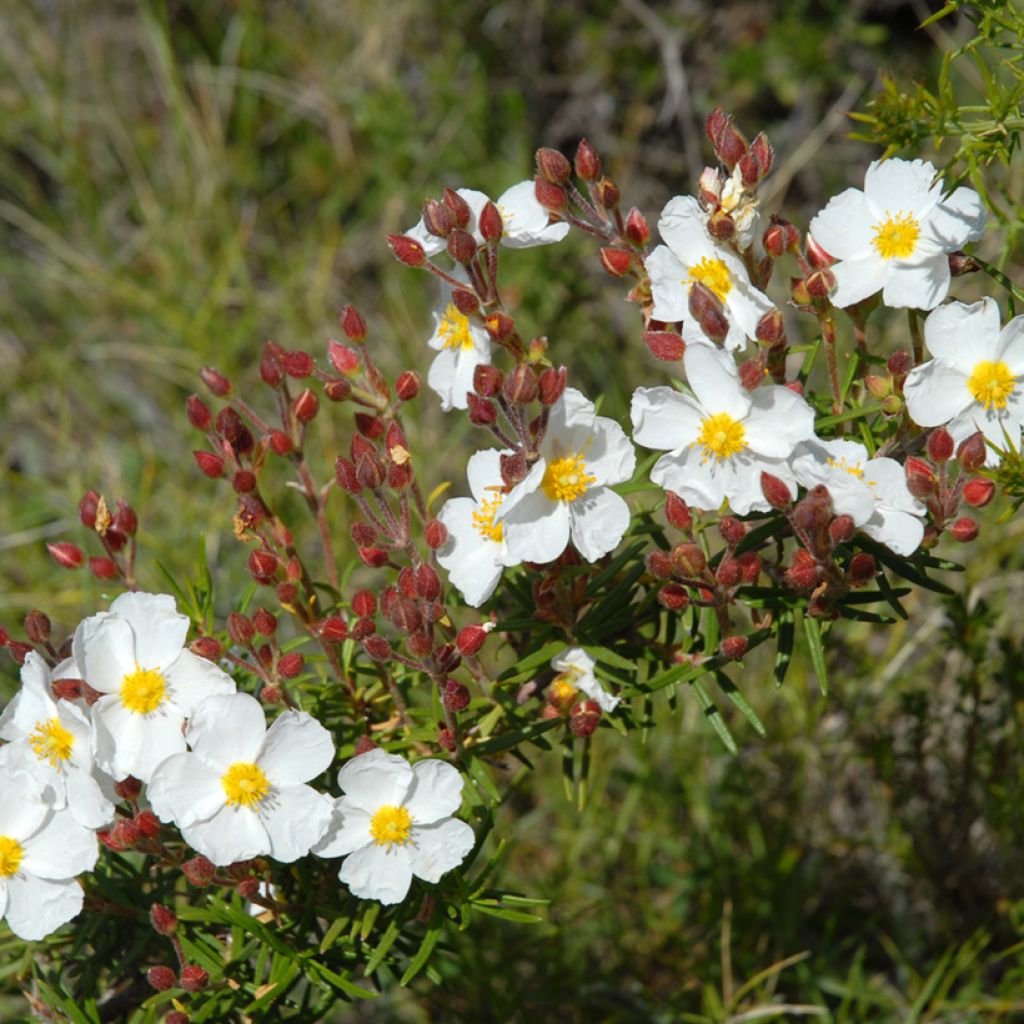
Cistus monspeliensis seeds - Montpelier rock rose
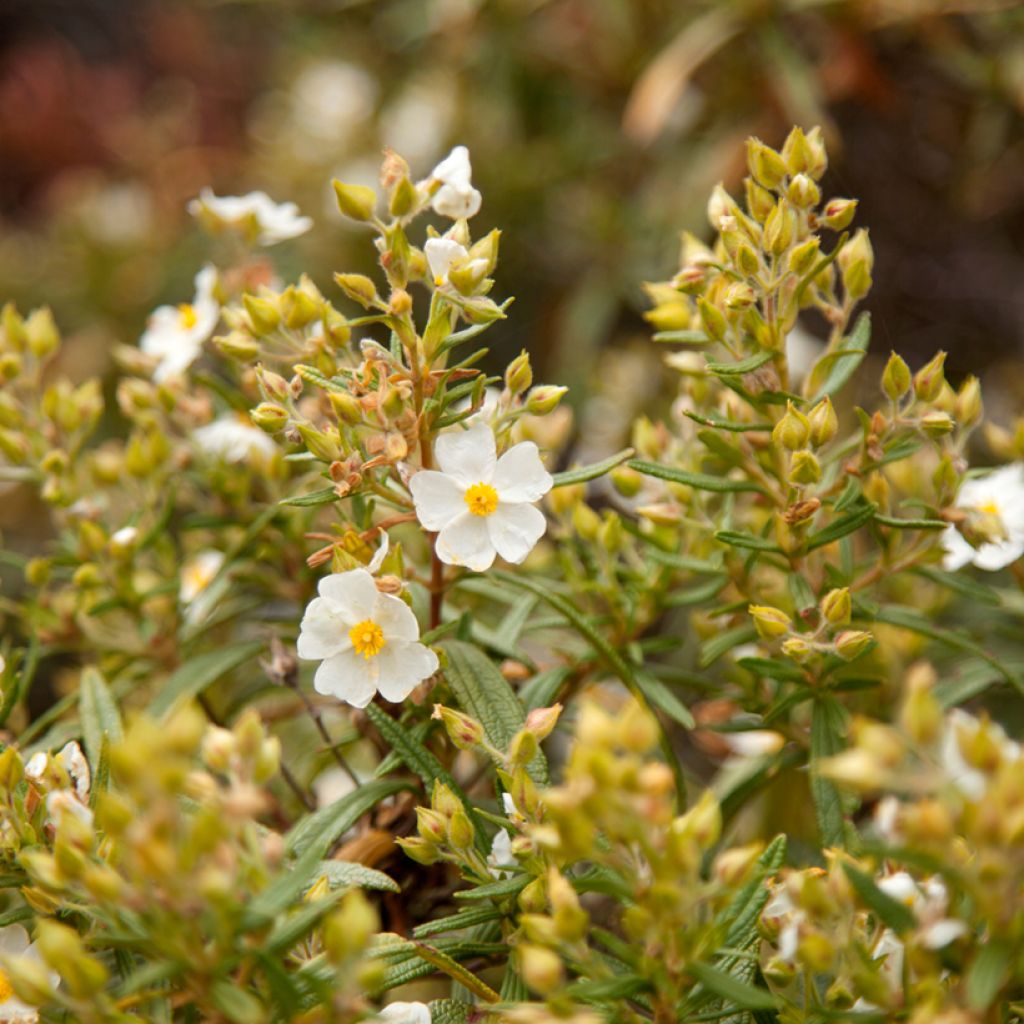
Cistus monspeliensis seeds - Montpelier rock rose
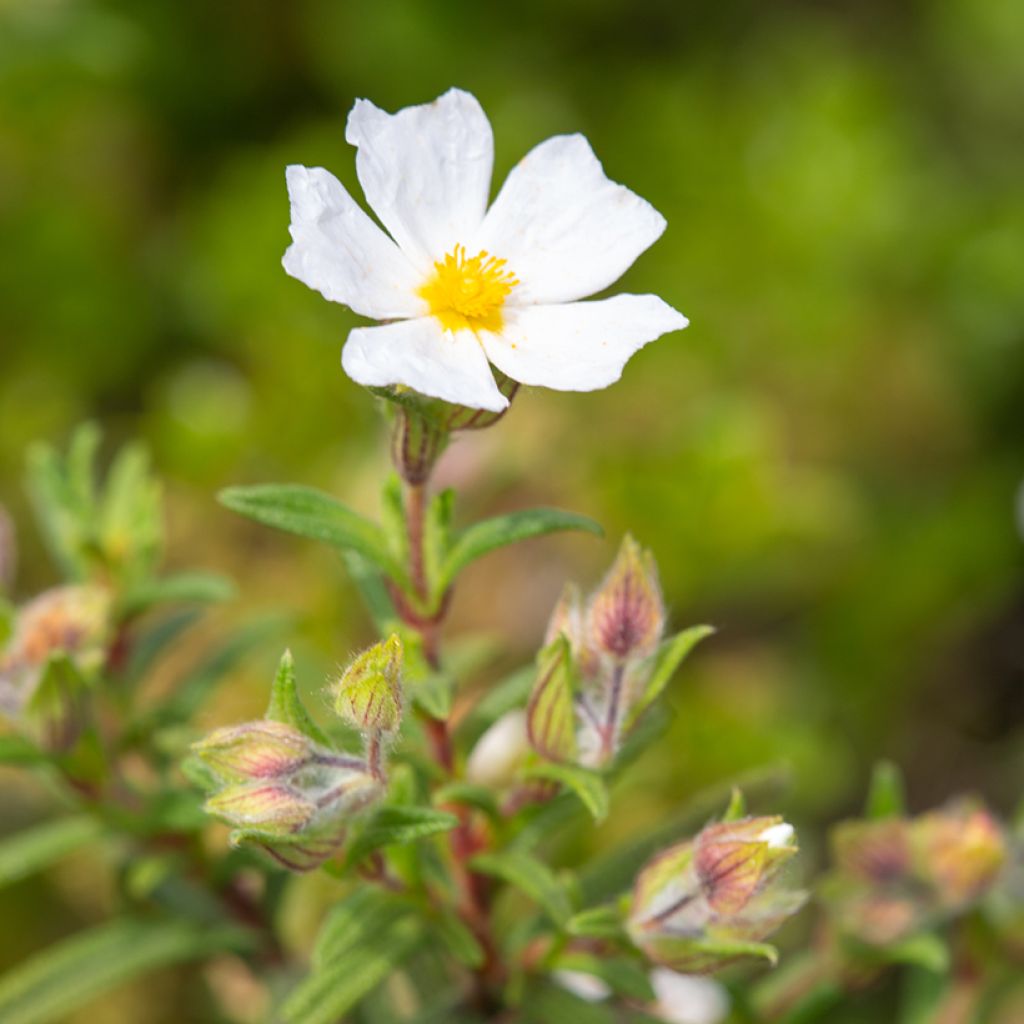
Cistus monspeliensis seeds - Montpelier rock rose
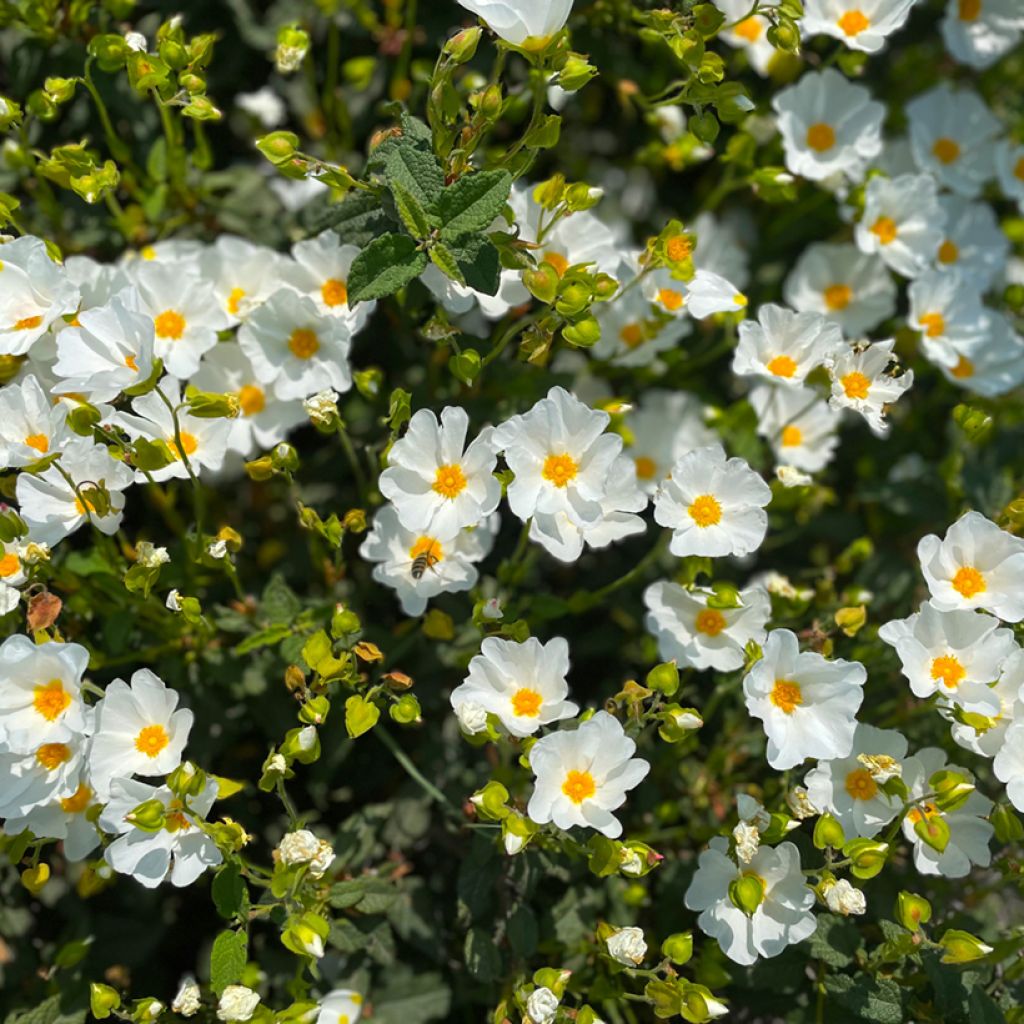
Cistus monspeliensis seeds - Montpelier rock rose
Cistus monspeliensis seeds - Montpelier rock rose
Cistus monspeliensis seeds - Montpelier rock rose
Cistus monspeliensis seeds - Montpelier rock rose
Cistus monspeliensis seeds - Montpelier rock rose
Cistus monspeliensis
Montpelier Rockrose
Back-to-school special offer!
Get €10 off for every €50 you spend! And get up to €40 off on a single order.
How does it work?
1. Shop your favourites
Add your favourite plants to your basket. For every €50 you spend (excluding delivery charges, store credit and the plastic-free option), you’ll receive a €10 voucher.
€50 spent = €10 voucher
€100 spent = €20 voucher
€150 spent = €30 voucher
€200 spent = €40 voucher
2. Place your order
Once your basket reaches one of the spending thresholds, place your order. You can even choose your delivery date!
3. Receive your voucher
As soon as your order has been shipped, you’ll receive an email containing your personal voucher code and its value.
4. Use it on your next order
Your voucher is valid for 90 days from the date you receive it. It can be used once only, on a new order worth at least the value of the voucher, excluding delivery charges.
Please note: Vouchers can be combined with other offers, but cannot be split or refunded.
Home or relay delivery (depending on size and destination)
Important: You may be charged customs duties by your country’s customs authorities upon delivery.
Schedule delivery date
and select date in basket
This plant carries a 6 months recovery warranty
More information
We guarantee the quality of our plants for a full growing cycle, and will replace at our expense any plant that fails to recover under normal climatic and planting conditions.
Would this plant suit my garden?
Set up your Plantfit profile →
Description
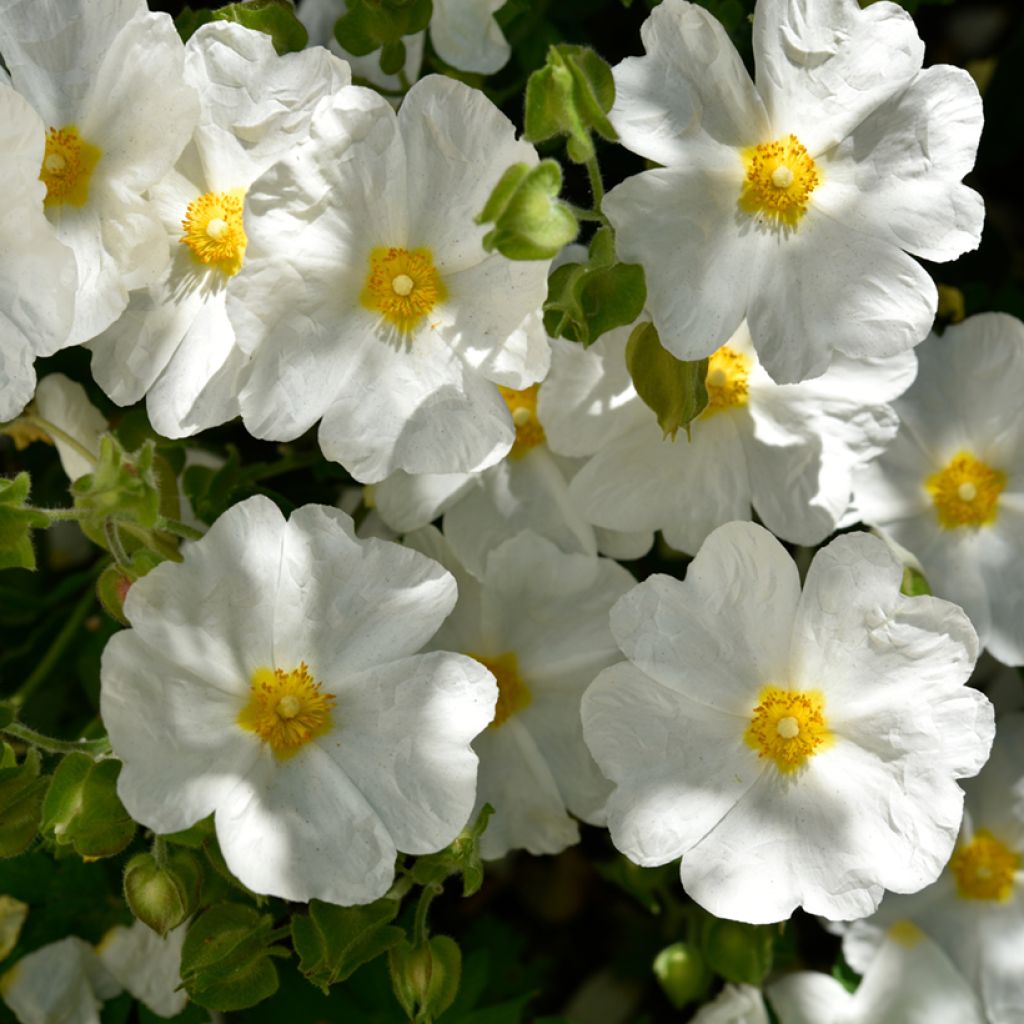
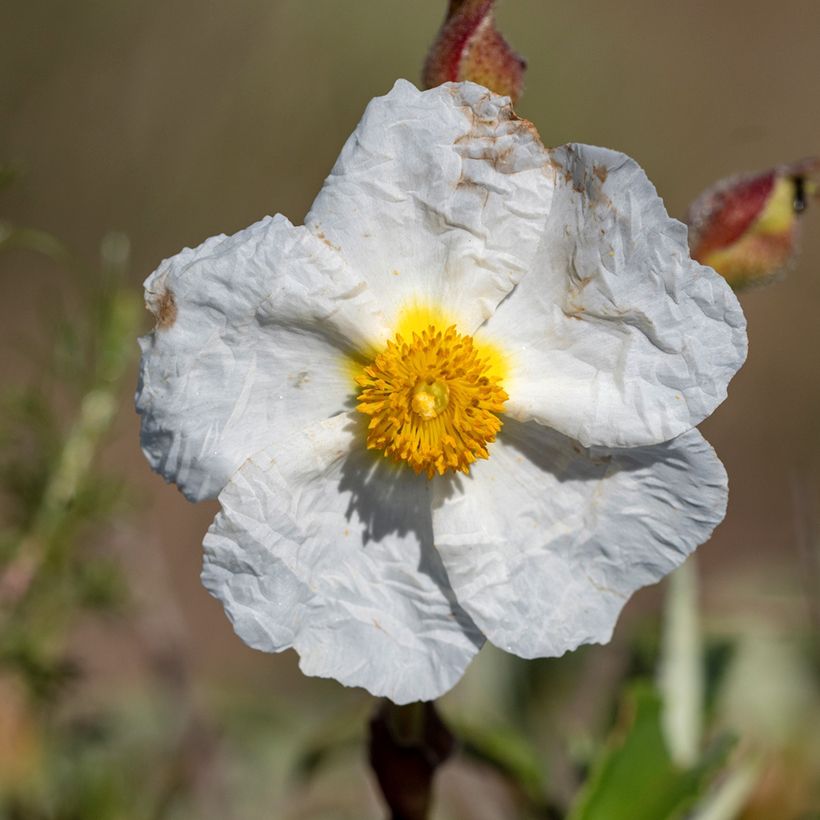
The Montpellier Cistus, or Cistus monspeliensis, is an evergreen Mediterranean bush valued for its utterly charming white spring flowering and its good cold resistance. A plant of poor and dry soils, tolerant of limestone, it is perfectly suited to dry Mediterranean gardens, rockeries, and shrub borders.
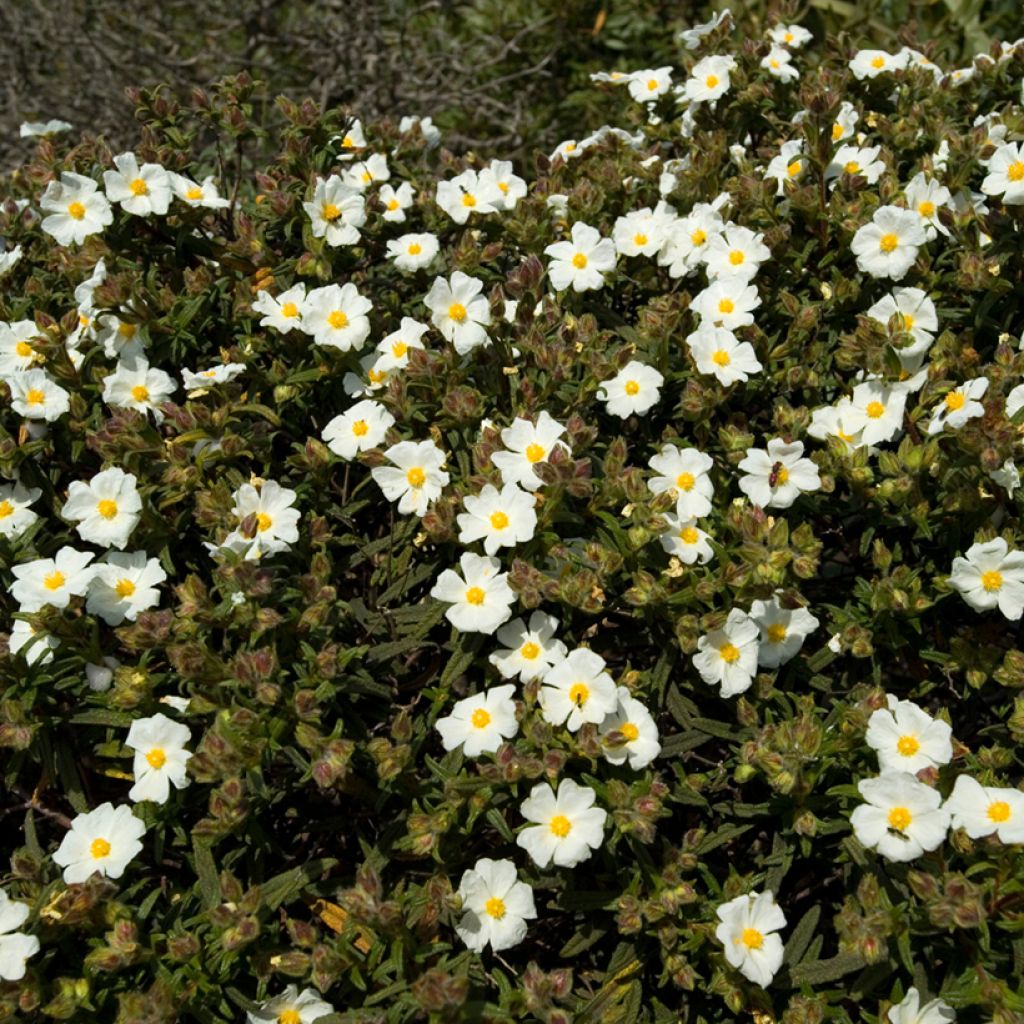
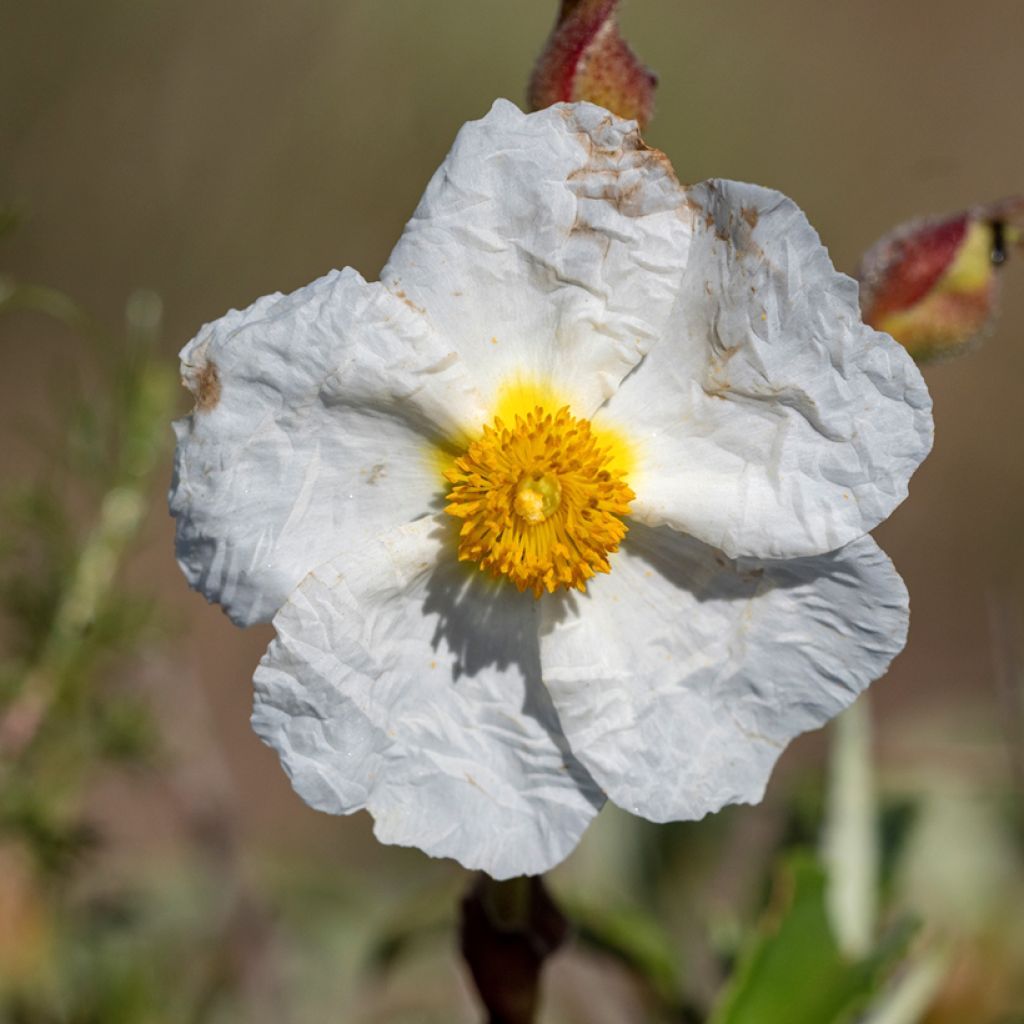
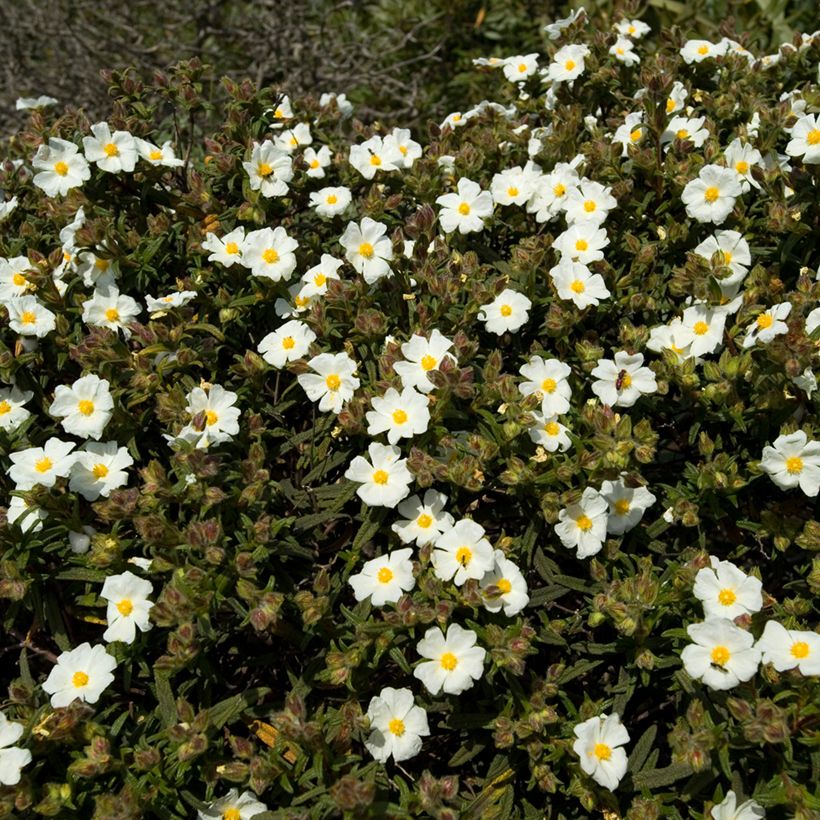
Belonging to the Cistaceae family, Cistus monspeliensis is native to the western Mediterranean basin, covering regions of southern Europe, North Africa, and the Canary Islands. Its specific name, "monspeliensis", refers to the city of Montpellier in France, where the plant is abundant. This bush grows quickly, but its lifespan is not very long, around 10 to 12 years. It reaches a height of about 90 cm with a similar spread. It has a bushy, rounded habit, with hairy and sticky shoots. The young spring shoots are sticky and pleasantly aromatic. The lanceolate to linear leaves, without petioles, measuring up to 5 cm long, are rough, reticulate, and trinerved, with rolled edges. In cases of intense drought, the leaves may become partially deciduous by late summer. The flowering, which extends from May to June, consists of very numerous, 2 to 3 centimetres in diameter, white flowers, grouped in one-sided clusters of 2 to 8 flowers. Each flower has five ovate sepals and five petals slightly longer than the calyx. The fruit is a rounded five-chambered capsule, containing slightly rough seeds. The root system is adapted to poor, well-drained soils, allowing the plant to withstand arid conditions.
Traditionally, in some regions, the aerial parts of Cistus monspeliensis are used for their medicinal properties, particularly for treating asthma and, reportedly, as an aphrodisiac.
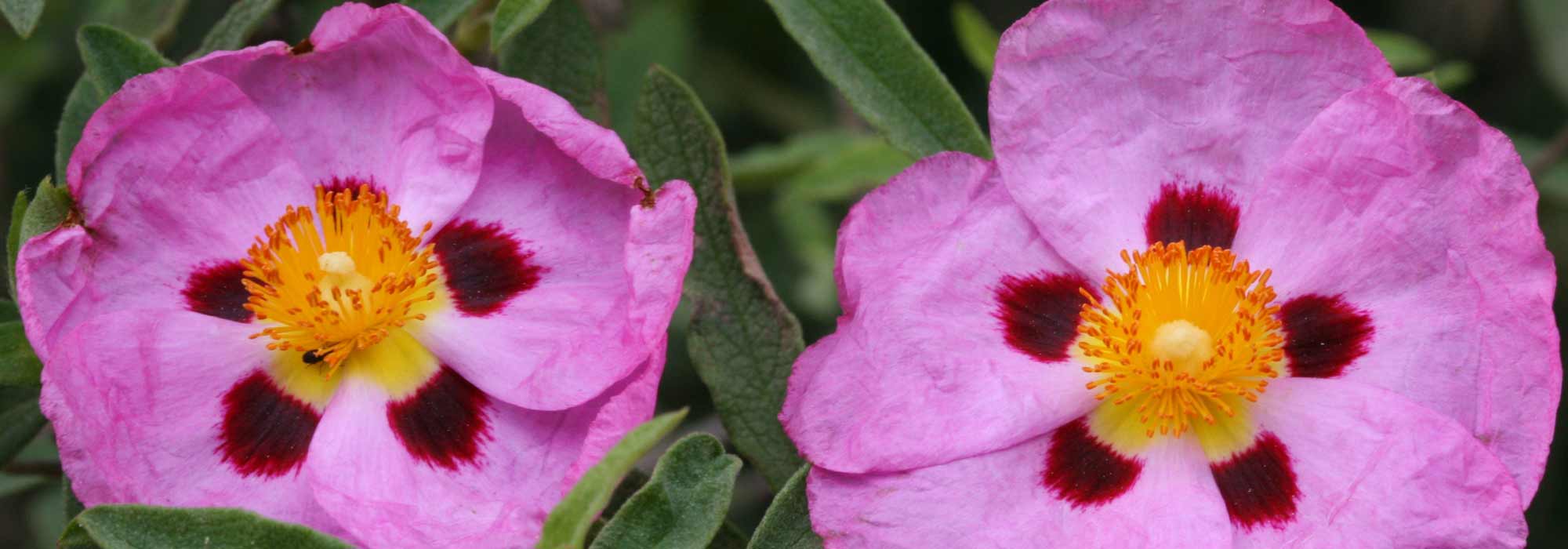
The Montpellier Cistus excels in Mediterranean borders, rockeries, or along sunny pathways. To create a cohesive display, it can be paired with other cistus such as Cistus purpureus and Cistus salviifolius, as well as Phlomis purpurea and Teucrium fruticans 'Azureum'. These plants share similar growing requirements and bring a lovely diversity of colours and textures to a dry garden.
Cistus monspeliensis seeds - Montpelier rock rose in pictures
Flowering
Foliage
Plant habit
Botanical data
Cistus
monspeliensis
Cistaceae
Montpelier Rockrose
Southern Europe, North Africa
Planting and care
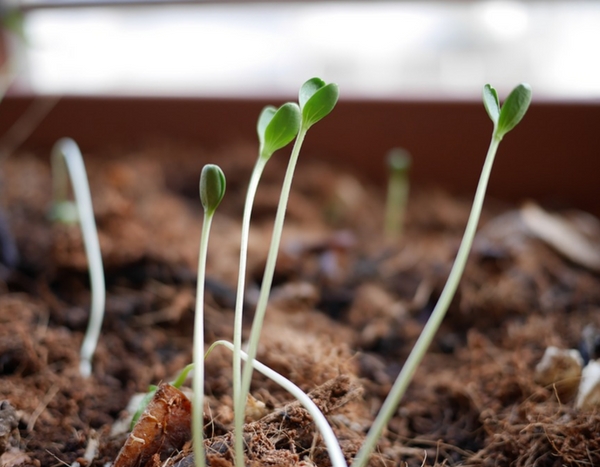
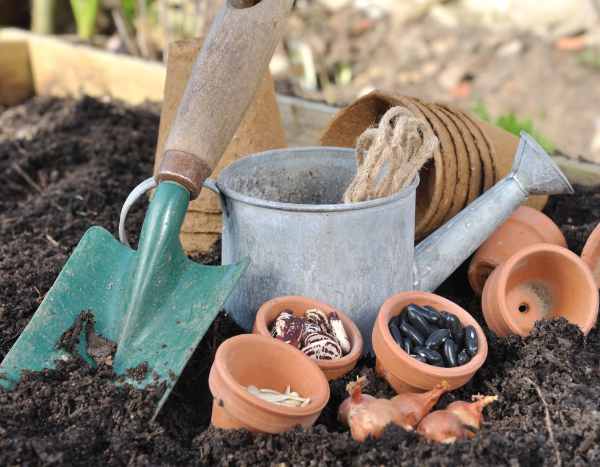
Sowing Montpellier Cistus (Cistus monspeliensis) requires a specific method due to the natural dormancy of its seeds. In the wild, this pioneer plant often germinates after a fire.
To optimise germination, start by immersing the seeds in water at 60-80°C for one minute, then immediately transfer them to room-temperature water and soak them for 24 hours. This method helps soften the seed coat and facilitates germination.
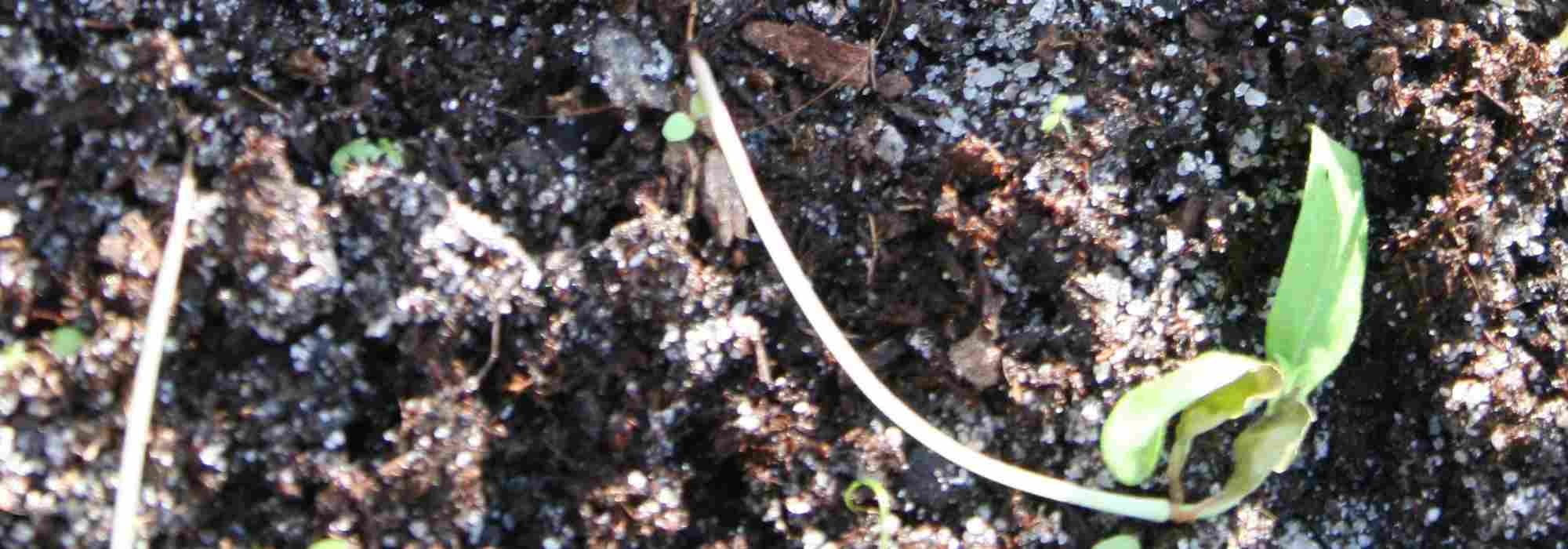
Next, sow the seeds at a temperature between 15 and 22°C, using a well-draining substrate, preferably sandy soil. A specialised seed compost mixed with gravel will work well. Keep the substrate consistently moist but avoid excess water, which may cause seed rot. Germination can be slow and irregular, so patience is essential.
Once the seedlings have developed several leaves and are sturdy enough to handle, proceed with transplanting. Move them into deep individual pots or directly into the ground, ensuring a sunny location with well-drained, even stony, and preferably poor soil, as Montpellier Cistus thrives in conditions similar to its natural habitat. Avoid rich or overly moist soils, as they can hinder its growth. After transplanting, water moderately to help the young plants establish, then gradually reduce watering. Once well-rooted, the plants require no summer watering at all. Excessively moist soil in summer can lead to the plant's death.
Sowing period
Intended location
Planting & care advice
-

-
-
-

-

-
-

-

This item has not been reviewed yet - be the first to leave a review about it.
Recently viewed products
Haven't found what you were looking for?
Hardiness is the lowest winter temperature a plant can endure without suffering serious damage or even dying. However, hardiness is affected by location (a sheltered area, such as a patio), protection (winter cover) and soil type (hardiness is improved by well-drained soil).

The flowering period indicated on our website applies to countries and regions located in USDA zone 8 (France, the United Kingdom, Ireland, the Netherlands, etc.)
It will vary according to where you live:- In zones 9 to 10 (Italy, Spain, Greece, etc.), flowering will occur about 2 to 4 weeks earlier.
- In zones 6 to 7 (Germany, Poland, Slovenia, and lower mountainous regions), flowering will be delayed by 2 to 3 weeks.
- In zone 5 (Central Europe, Scandinavia), blooming will be delayed by 3 to 5 weeks.
In temperate climates, pruning of spring-flowering shrubs (forsythia, spireas, etc.) should be done just after flowering.
Pruning of summer-flowering shrubs (Indian Lilac, Perovskia, etc.) can be done in winter or spring.
In cold regions as well as with frost-sensitive plants, avoid pruning too early when severe frosts may still occur.
The planting period indicated on our website applies to countries and regions located in USDA zone 8 (France, United Kingdom, Ireland, Netherlands).
It will vary according to where you live:
- In Mediterranean zones (Marseille, Madrid, Milan, etc.), autumn and winter are the best planting periods.
- In continental zones (Strasbourg, Munich, Vienna, etc.), delay planting by 2 to 3 weeks in spring and bring it forward by 2 to 4 weeks in autumn.
- In mountainous regions (the Alps, Pyrenees, Carpathians, etc.), it is best to plant in late spring (May-June) or late summer (August-September).
The harvesting period indicated on our website applies to countries and regions in USDA zone 8 (France, England, Ireland, the Netherlands).
In colder areas (Scandinavia, Poland, Austria...) fruit and vegetable harvests are likely to be delayed by 3-4 weeks.
In warmer areas (Italy, Spain, Greece, etc.), harvesting will probably take place earlier, depending on weather conditions.
The sowing periods indicated on our website apply to countries and regions within USDA Zone 8 (France, UK, Ireland, Netherlands).
In colder areas (Scandinavia, Poland, Austria...), delay any outdoor sowing by 3-4 weeks, or sow under glass.
In warmer climes (Italy, Spain, Greece, etc.), bring outdoor sowing forward by a few weeks.
Shipping country and language
Your country of residence may be:
Your country of residence is:
For a better user experience on our website, you can select:
Your shipping country:
-
 Austria
-
 Belgium
-
 Bosnia & Herzegovina
-
 Bulgaria
-
 Croatia
-
 Cyprus
-
 Czechia
-
 Denmark
-
 Estonia
-
 Finland
-
 France
-
 Germany
-
 Greece
-
 Hungary
-
 Iceland
-
 Ireland
-
 Italy
Italy
-
 Latvia
-
 Liechtenstein
-
 Lithuania
-
 Luxembourg
-
 Malta
Malta
-
 Netherlands
-
 Poland
-
 Portugal
-
 Romania
-
 Serbia
-
 Slovakia
-
 Slovenia
-
 Spain
Spain
-
 Sweden
-
 Switzerland
Language:
-
French
-
 English
-
Spanish
-
Italian
-
German
-
Portuguese
-
Dutch
-
Finnish
My Account
Hello
My wish lists
My cart
Log in / Register
Existing customer?
This form is protected by reCAPTCHA - the Google Privacy Policy and Terms of Service apply.
New customer?
Create an account to track your orders, access our customer service and, if you wish, make the most of our upcoming offers.