Should you turn over the vegetable garden soil before winter?
Our tips for preparing your vegetable garden in autumn
Contents
Deeply turning over the soil in the vegetable garden before winter is no longer routinely recommended and can even be counterproductive. Digging, the traditional practice of loosening the soil, disrupts microbial life and the soil’s natural structure. It is generally better to aerate it without turning it over, then protect it with a mulch. However, very compacted soil may need appropriate treatment.

The essentials of turning over vegetable garden soil before winter
|
Why did people used to turn the soil over before winter?
For decades, gardeners in their forebears’ kitchen gardens considered digging the vegetable garden in autumn essential preparation for spring crops. They routinely turned the soil over to a depth of around 20 to 30 cm, leaving large clods exposed to winter weather. The aim was clear: to help frost and thaw break up the clods, and to bury manure, plant debris and weeds deep in the soil.
But that was then! Routinely turning over the vegetable garden soil before winter is no longer considered necessary for a good harvest. Other practices can preserve soil fertility and structure. However, digging is still useful in some situations, particularly on heavily compacted, heavy clay ground.
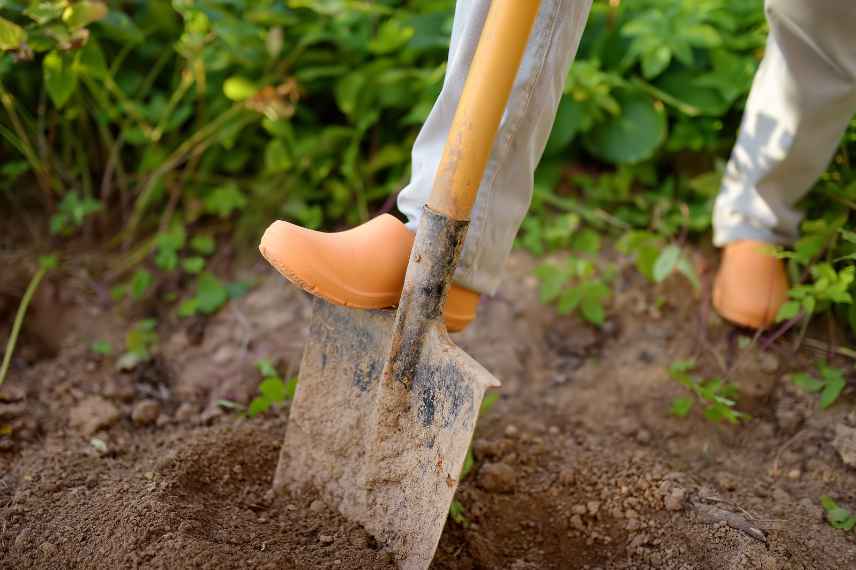
For decades, turning over vegetable garden soil in autumn was standard practice.
Why is it best not to dig over the vegetable garden soil?
Vegetable garden soil is a living, balanced medium made up of different layers of soil. Turning it over inevitably disturbs this balance and weakens its structure. Beneath the soil surface, in the top few centimetres, aerobic bacteria live, while anaerobic micro-organisms are found deeper down, alongside fungal networks, earthworms and insects. Every one of them has a role to play! Earthworms, for example, burrow tunnels that help air circulate, water infiltrate the soil and roots grow.
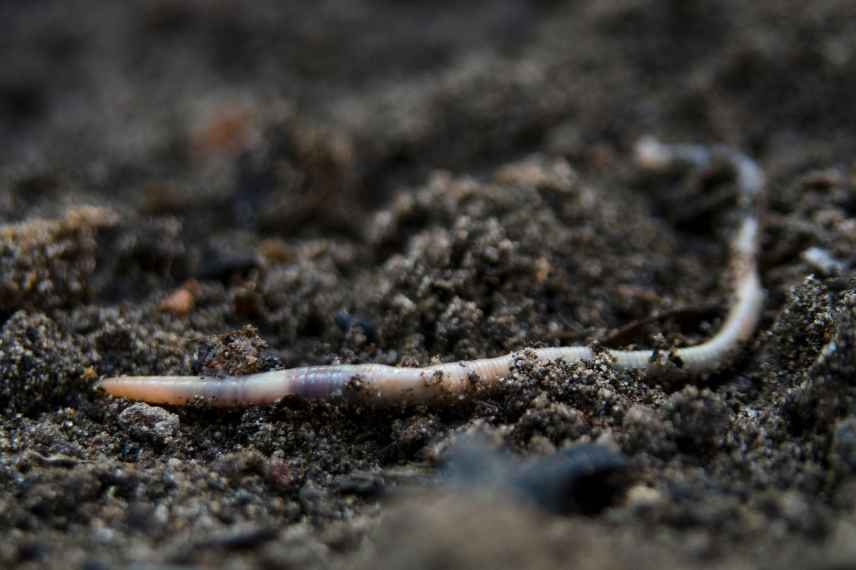
Turning over the soil in the vegetable garden before winter disturbs its different layers and disrupts the balance of micro-organisms.
When you dig the soil over to a depth of 20 to 30 cm, you bury surface-dwelling wildlife, which eventually suffocates, and bring organisms adapted to life without oxygen up to the surface. Digging also destroys the network of tunnels made by earthworms and damages fungal networks, which are essential for plant nutrition. There is another significant drawback: digging brings buried weed seeds to the surface, where they can germinate in spring.
By contrast, limiting soil disturbance helps maintain a more balanced soil structure and better biological activity. And that means better fertility!
When should you still work the soil before winter?
In some situations, digging over the vegetable plot is essential: when the soil is very compacted or when creating a new vegetable plot. The key is to adapt your digging to the condition of the soil rather than digging it over routinely.
Should you dig over clay or very compacted soil?
Heavy soils with a high clay content do not necessarily need to be turned over. It all depends on their structure. Clay soil is rich in minerals and retains water, so it is very fertile. However, it can be difficult to work. More importantly, it can easily form a dense mass that is difficult to break into with a garden tool and allows water to drain very poorly. In this particular case, lightly turning over the soil is recommended. This allows winter frosts to break up the clods, provided the climate is cold enough. You will then have fine, crumbly soil by early spring.
Our advice: never work clay soil when it is waterlogged. It compacts easily underfoot and beneath tools. Wait until it has drained sufficiently to crumble without sticking excessively.
Should you turn over the soil to create a new vegetable plot?
You can create a vegetable plot without turning over the soil, even on an old lawn. The method involves covering the grass with plain, uncoated brown cardboard, with all tape and adhesives removed, then adding a layer of mature compost or other organic matter. This deprives the vegetation of light. Preparation can take several months, depending on the vegetation and climatic conditions. Particularly persistent perennial weeds, such as bindweed or couch grass, will often need additional treatment.
If the ground has been heavily compacted by machinery, you may need to loosen it first to allow the roots to develop properly.
How can you prepare your vegetable garden soil for winter without digging it over?
Deeply digging the soil is not the best option! Protecting it, on the other hand, is ideal. Here’s how…
Loosen the soil gently, if necessary
There’s no need to get out the broadfork on friable soil, let alone the spade! Simply remove any crop residues showing signs of disease, along with troublesome weeds.

The broadfork is used on slightly compacted soil
If the soil is a little more compacted, use a broadfork, also known as a biofork, digging fork or aerating fork. Simply push the tines into the soil and rock the tool gently to break up large clods and aerate the soil. Work your way across the plot without treading on areas you have already covered.
Protect the soil with mulch
Covering the soil with fallen leaves, straw or healthy plant matter, to a depth of a few centimetres, helps limit the impact of rainfall, prevent erosion and slow the growth of weeds. Over the months, organic matter breaks down and helps nourish soil organisms.
However, on heavy, very wet soil, avoid thick layers of compact, waterlogged material. Choose an airy mulch and keep an eye on soil moisture.
Feed the soil on the surface
Mature compost can be spread directly over the surface of the vegetable garden, without being dug in. Earthworms and other soil organisms will gradually incorporate this organic matter. On plots intended for hungry crops such as squash or tomatoes, this addition will help maintain fertility.
Autumn is also a good time to apply fresh manure, provided you reserve it for plots that will remain uncropped for several months. Spread in a moderate layer over the soil, it can begin to break down over winter without any digging. It is best to compost it beforehand, however, particularly to reduce health risks and prevent any contact with vegetables eaten raw.
Sow green manures
Green manures are an excellent alternative to autumn digging. Their foliage protects the soil, while their roots help maintain its structure.
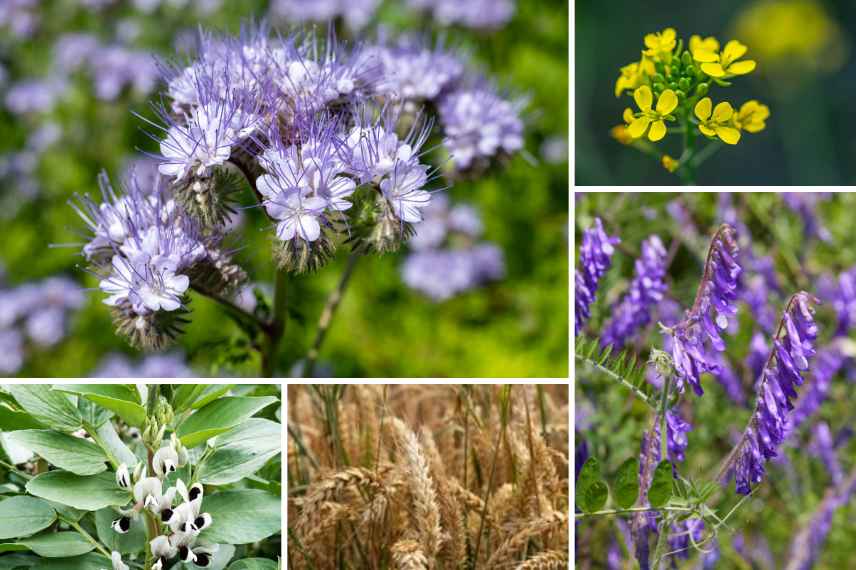
Green manures are an excellent alternative to autumn digging
Phacelia, white mustard, hairy vetch, field beans and rye can be sown from late summer until October. In November, only certain species, such as field beans and rye, can still become established in favourable climates.
Turning, loosening or simply covering the soil: what should you do for each soil type?
Preparing the vegetable garden for winter depends above all on the soil structure and how compacted it is.
| Vegetable garden soil type | Recommended action |
| Loose, naturally fertile soil | Do not dig it over; mulch. |
| Well-structured clay soil | Preserve the structure with a broadfork and add organic matter. |
| Very compacted soil | Loosen it without turning it over, or turn it over lightly, when the soil has drained. |
| Sandy, light soil | Avoid digging; keep it mulched. |
| Waterlogged soil | Do not work it; wait for it to drain. |
| Creating a new vegetable garden on a lawn | Cover it with cardboard and organic matter. |
Frequently asked questions about digging the soil before winter
Can you leave the vegetable garden soil bare over winter?
It is best not to leave soil bare for several months. Heavy rain can cause a surface crust to form, particularly in silty soils, and encourage erosion. Mulch or a living cover crop provides effective protection for empty beds.
Does frost really loosen the soil?
Yes, alternating frost and thaw breaks up clods of clay soil. This is most beneficial in regions that experience sufficiently hard frosts. It is much less effective in climates with mild winters.
Should manure or compost be dug in before winter?
It is not necessary to dig compost or well-rotted manure in deeply. You can spread them on the surface. Fresh manure requires more care: it must be composted or sufficiently well-rotted before growing sensitive crops, particularly vegetables eaten raw, to reduce health risks.
When should you use a broadfork in the vegetable garden?
Use a broadfork when the soil is compacted enough to impede root growth or water infiltration. You can use it in autumn, between October and November, or in spring, provided the soil is neither waterlogged nor frozen. Using it on soil that is already loose may not bring any benefit.
What should you do if weeds have taken over the vegetable garden in autumn?
Cut or hand-weed the surface weeds without turning the soil, then spread a layer of plain, unprinted cardboard covered with 10 cm of straw or compost. Deprived of light throughout winter, the unwanted plants will break down on their own and enrich the soil.
- Subscribe!
- Contents
This form is protected by reCAPTCHA - the Google Privacy Policy and Terms of Service apply.

































Comments