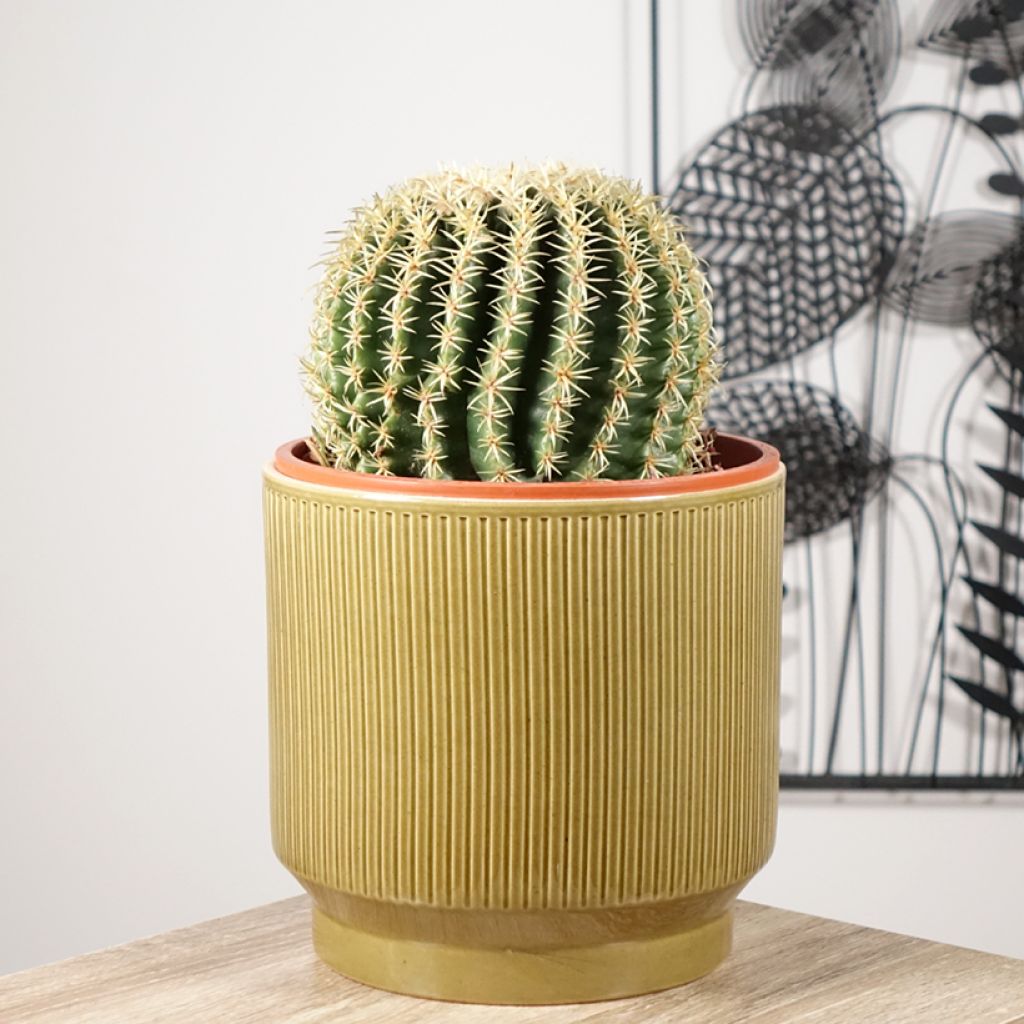
Echinocactus grusonii var. brevispinus - Golden barrel cactus
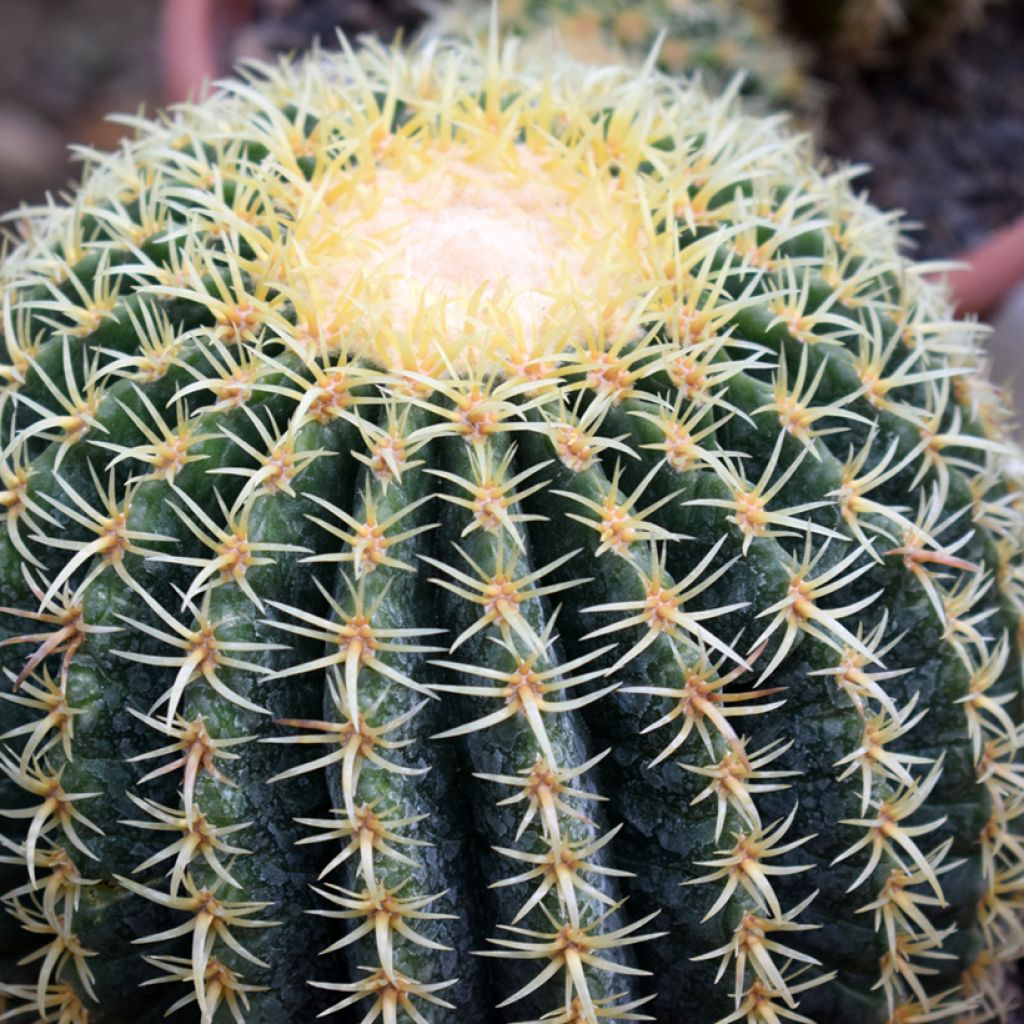
Echinocactus grusonii var. brevispinus - Golden barrel cactus
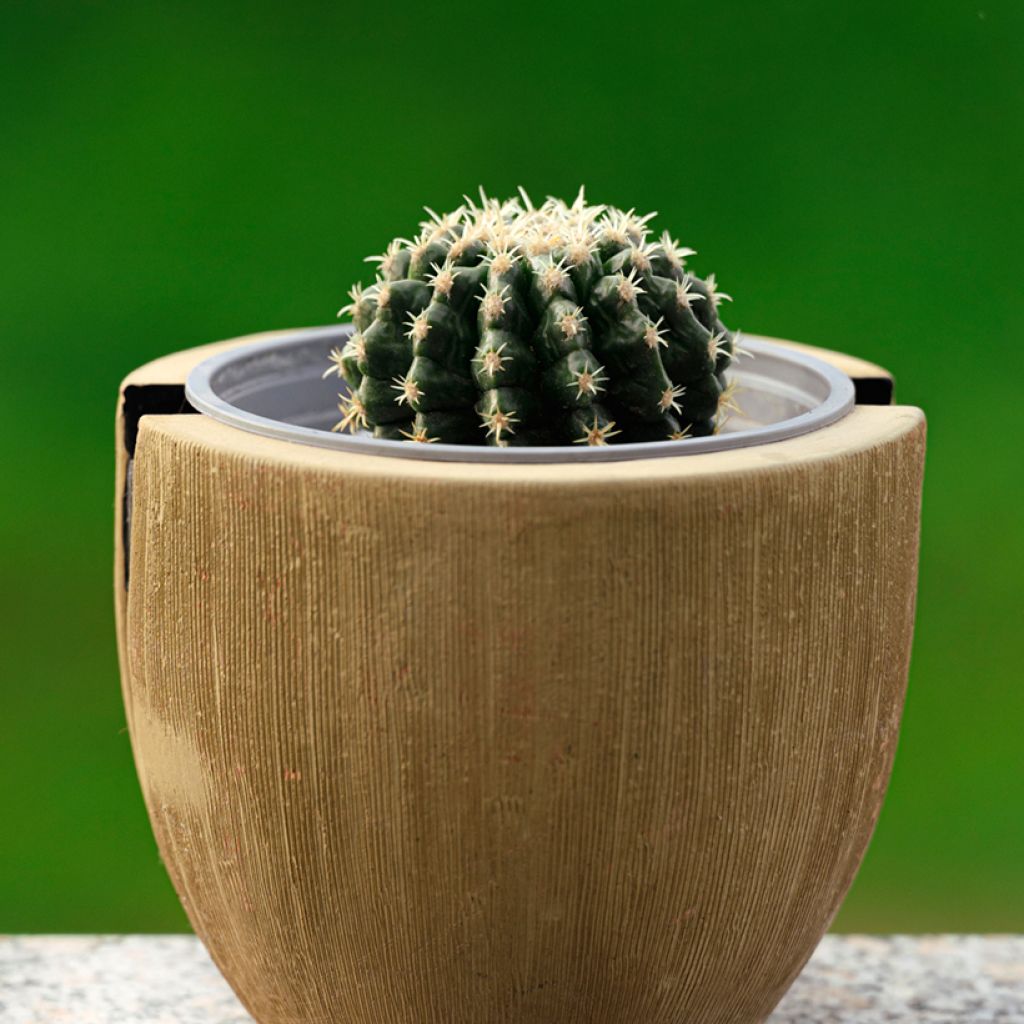
Echinocactus grusonii var. brevispinus - Golden barrel cactus
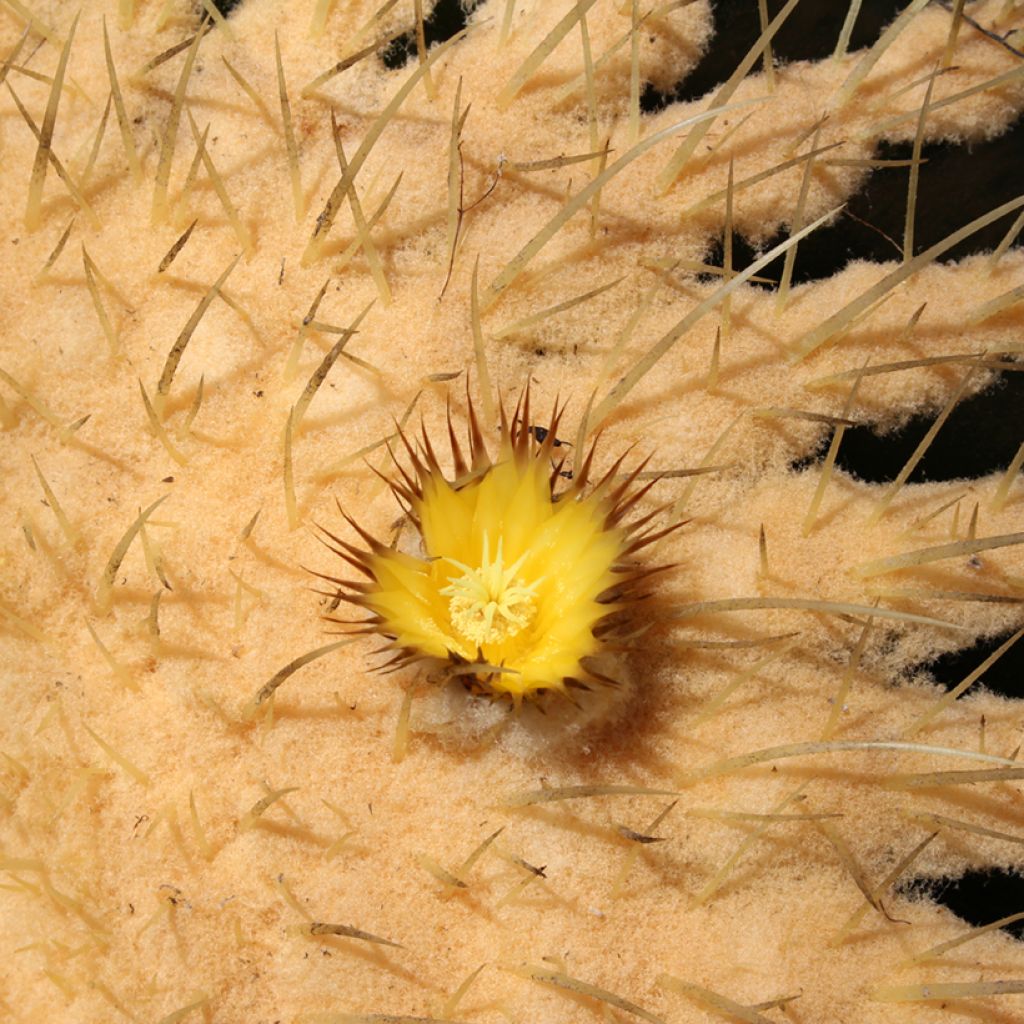
Echinocactus grusonii var. brevispinus - Golden barrel cactus
Echinocactus grusonii var. brevispinus - Golden barrel cactus
Echinocactus grusonii var. brevispinus
Golden barrel cactus ,golden ball cactus, mother-in-law's seat
Back-to-school special offer!
Get €10 off for every €50 you spend! And get up to €40 off on a single order.
How does it work?
1. Shop your favourites
Add your favourite plants to your basket. For every €50 you spend (excluding delivery charges, store credit and the plastic-free option), you’ll receive a €10 voucher.
€50 spent = €10 voucher
€100 spent = €20 voucher
€150 spent = €30 voucher
€200 spent = €40 voucher
2. Place your order
Once your basket reaches one of the spending thresholds, place your order. You can even choose your delivery date!
3. Receive your voucher
As soon as your order has been shipped, you’ll receive an email containing your personal voucher code and its value.
4. Use it on your next order
Your voucher is valid for 90 days from the date you receive it. It can be used once only, on a new order worth at least the value of the voucher, excluding delivery charges.
Please note: Vouchers can be combined with other offers, but cannot be split or refunded.
Home or relay delivery (depending on size and destination)
Important: You may be charged customs duties by your country’s customs authorities upon delivery.
Schedule delivery date
and select date in basket
This plant carries a 12 months recovery warranty
More information
We guarantee the quality of our plants for a full growing cycle, and will replace at our expense any plant that fails to recover under normal climatic and planting conditions.
Would this plant suit my garden?
Set up your Plantfit profile →
Description
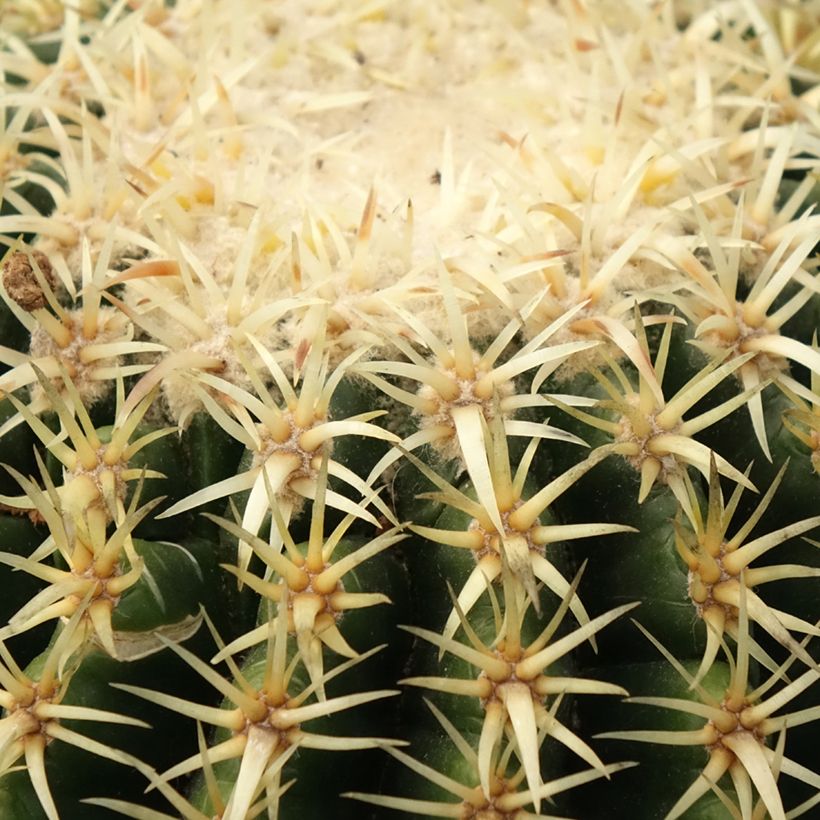
Echinocactus grusonii var. brevispinus, nicknamed "Spineless Mother-in-Law's Cushion", is a friendly cactus, much less thorny than the classic form. It is characterised by its almost perfect globular shape, its many well-defined ribs, and its almost smooth appearance. Highly drought-resistant, its plump silhouette can sometimes be spotted in exotic rockeries along the Mediterranean coast, where frost never occurs. Elsewhere, its disarming roundness is highly appreciated in pots, particularly in bright interiors.
Echinocactus grusonii var. brevispinus belongs to the Cactaceae family. It is a mutation that appeared in cultivation. This horticultural selection was first described in 1981. The species originates from east-central Mexico, more precisely from the states of Querétaro and Hidalgo, where it grows on rocky volcanic slopes at around 1,400 m altitude. This cactus develops a fleshy, pale green globular stem, marked by 21 to 37 well-defined ribs. Unlike the classic form, its fuzzy areoles produce only short and fine thorns, sometimes almost non-existent, giving it a smoother and less fearsome appearance. At maturity, after several decades, Echinocactus grusonii var. brevispinus can reach around 60 cm in height with a diameter close to 90 cm. Its growth is very slow, often taking more than 20 years for the plant to reach its full size. Flowering indoors is exceptional, as it requires optimal conditions. In hot and very sunny climates, specimens aged 20 years or more may flower in summer. They produce beautiful cup-shaped yellow flowers, about 5 cm in diameter, arranged in a crown at the top of the cactus. The fruits of this cactus are spherical, slightly elongated, greenish-yellow and covered with fine white down, containing brown and smooth seeds. Its root system is mainly fibrous and spreading near the surface, perfectly adapted to quickly capture water from occasional rainfall in its native habitat.
Echinocactus grusonii var. brevispinus is very sensitive to cold and cannot tolerate temperatures below -5 °C. It can only be grown outdoors in regions with a warm and dry climate (USDA hardiness zones 9 and 10). Elsewhere, it is essential to grow it in a pot so it can be overwintered in a greenhouse, conservatory, or bright room. This cactus needs a very well-draining substrate, composed of sand or gravel, as well as moderate watering in summer and almost none in winter. Placed in full sun, it will reveal its full beauty and its growth will be optimised. In your cacti and succulents collection, it will stand out for its original look!
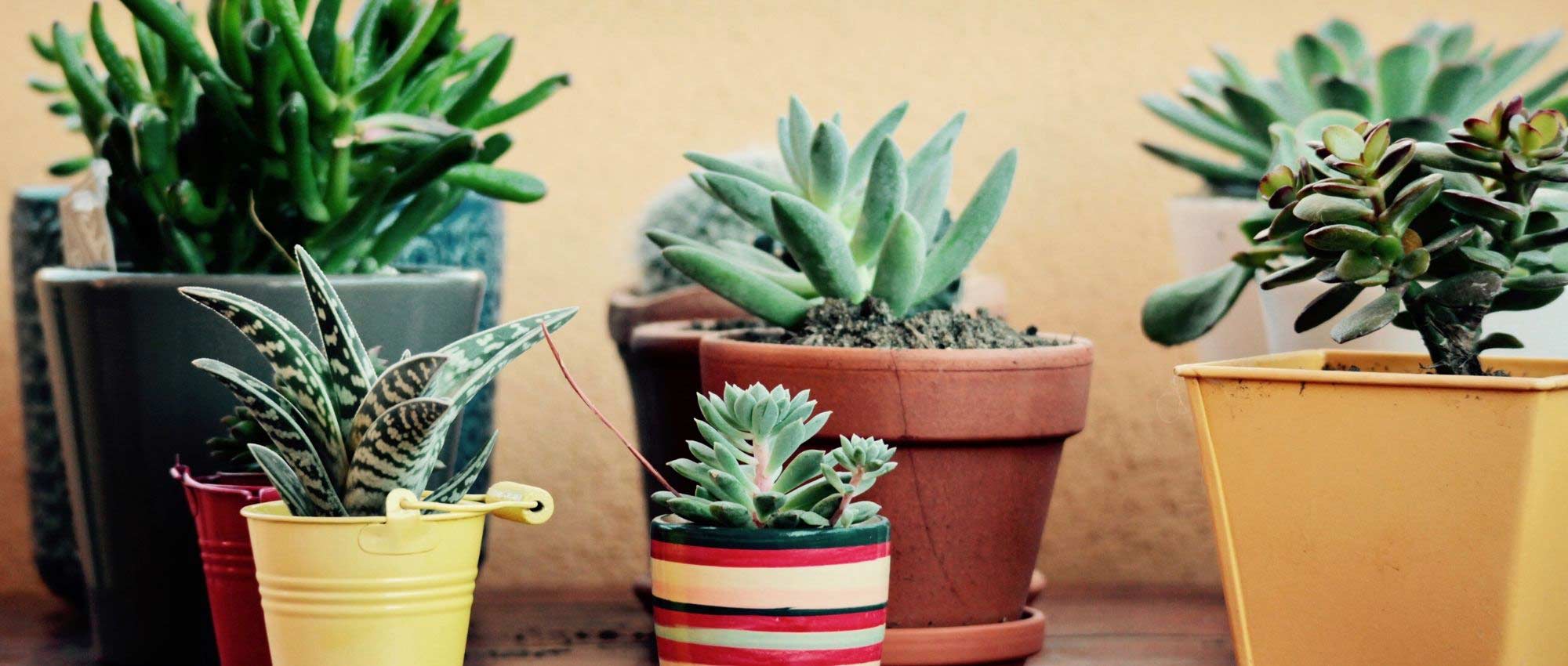
Echinocactus grusonii var. brevispinus - Golden barrel cactus in pictures
Flowering
Foliage
Plant habit
Botanical data
Echinocactus
grusonii var. brevispinus
Cactaceae
Golden barrel cactus ,golden ball cactus, mother-in-law's seat
Echinocactus grusonii var. subinermis, Echinocactus grusonii var. inermis, Kroenleinia grusonii
North America
Planting and care
Echinocactus grusonii var. brevispinus is an outdoor cactus in very hot and dry climates, but it adapts very well to pot cultivation in regions where it freezes in winter. Not very hardy (minimum temperature -5°C, when kept dry), it must be brought indoors in autumn, to a bright and well-ventilated space such as a conservatory, greenhouse, or a bright interior.
In a pot, use a very well-draining substrate composed of a mix of cactus compost, coarse sand, and pumice. A terracotta pot with good drainage is ideal to avoid excess moisture. Water moderately in summer (every 2 to 3 weeks when the substrate is dry deep down) and almost never in winter, during its dormant period.
For repotting, choose a slightly larger pot every 3 to 4 years, at the beginning of spring. Full sun exposure is essential for its growth and development. If grown indoors, place it in front of a south-facing window for maximum light.
Finally, avoid stagnant moisture and cold, which are its worst enemies, and it can live happily for several decades!
Planting period
Intended location
Care
Planting & care advice
-
-
-
-
-
-
-
-
This item has not been reviewed yet - be the first to leave a review about it.
Recently viewed products
Haven't found what you were looking for?
Hardiness is the lowest winter temperature a plant can endure without suffering serious damage or even dying. However, hardiness is affected by location (a sheltered area, such as a patio), protection (winter cover) and soil type (hardiness is improved by well-drained soil).

The flowering period indicated on our website applies to countries and regions located in USDA zone 8 (France, the United Kingdom, Ireland, the Netherlands, etc.)
It will vary according to where you live:- In zones 9 to 10 (Italy, Spain, Greece, etc.), flowering will occur about 2 to 4 weeks earlier.
- In zones 6 to 7 (Germany, Poland, Slovenia, and lower mountainous regions), flowering will be delayed by 2 to 3 weeks.
- In zone 5 (Central Europe, Scandinavia), blooming will be delayed by 3 to 5 weeks.
In temperate climates, pruning of spring-flowering shrubs (forsythia, spireas, etc.) should be done just after flowering.
Pruning of summer-flowering shrubs (Indian Lilac, Perovskia, etc.) can be done in winter or spring.
In cold regions as well as with frost-sensitive plants, avoid pruning too early when severe frosts may still occur.
The planting period indicated on our website applies to countries and regions located in USDA zone 8 (France, United Kingdom, Ireland, Netherlands).
It will vary according to where you live:
- In Mediterranean zones (Marseille, Madrid, Milan, etc.), autumn and winter are the best planting periods.
- In continental zones (Strasbourg, Munich, Vienna, etc.), delay planting by 2 to 3 weeks in spring and bring it forward by 2 to 4 weeks in autumn.
- In mountainous regions (the Alps, Pyrenees, Carpathians, etc.), it is best to plant in late spring (May-June) or late summer (August-September).
The harvesting period indicated on our website applies to countries and regions in USDA zone 8 (France, England, Ireland, the Netherlands).
In colder areas (Scandinavia, Poland, Austria...) fruit and vegetable harvests are likely to be delayed by 3-4 weeks.
In warmer areas (Italy, Spain, Greece, etc.), harvesting will probably take place earlier, depending on weather conditions.
The sowing periods indicated on our website apply to countries and regions within USDA Zone 8 (France, UK, Ireland, Netherlands).
In colder areas (Scandinavia, Poland, Austria...), delay any outdoor sowing by 3-4 weeks, or sow under glass.
In warmer climes (Italy, Spain, Greece, etc.), bring outdoor sowing forward by a few weeks.
Shipping country and language
Your country of residence may be:
Your country of residence is:
For a better user experience on our website, you can select:
Your shipping country:
-
 Austria
-
 Belgium
-
 Bosnia & Herzegovina
-
 Bulgaria
-
 Croatia
-
 Cyprus
-
 Czechia
-
 Denmark
-
 Estonia
-
 Finland
-
 France
-
 Germany
-
 Greece
-
 Hungary
-
 Iceland
-
 Ireland
-
 Italy
Italy
-
 Latvia
-
 Liechtenstein
-
 Lithuania
-
 Luxembourg
-
 Malta
Malta
-
 Netherlands
-
 Poland
-
 Portugal
-
 Romania
-
 Serbia
-
 Slovakia
-
 Slovenia
-
 Spain
Spain
-
 Sweden
-
 Switzerland
Language:
-
French
-
 English
-
Spanish
-
Italian
-
German
-
Portuguese
-
Dutch
-
Finnish
My Account
Hello
My wish lists
My cart
Log in / Register
Existing customer?
This form is protected by reCAPTCHA - the Google Privacy Policy and Terms of Service apply.
New customer?
Create an account to track your orders, access our customer service and, if you wish, make the most of our upcoming offers.