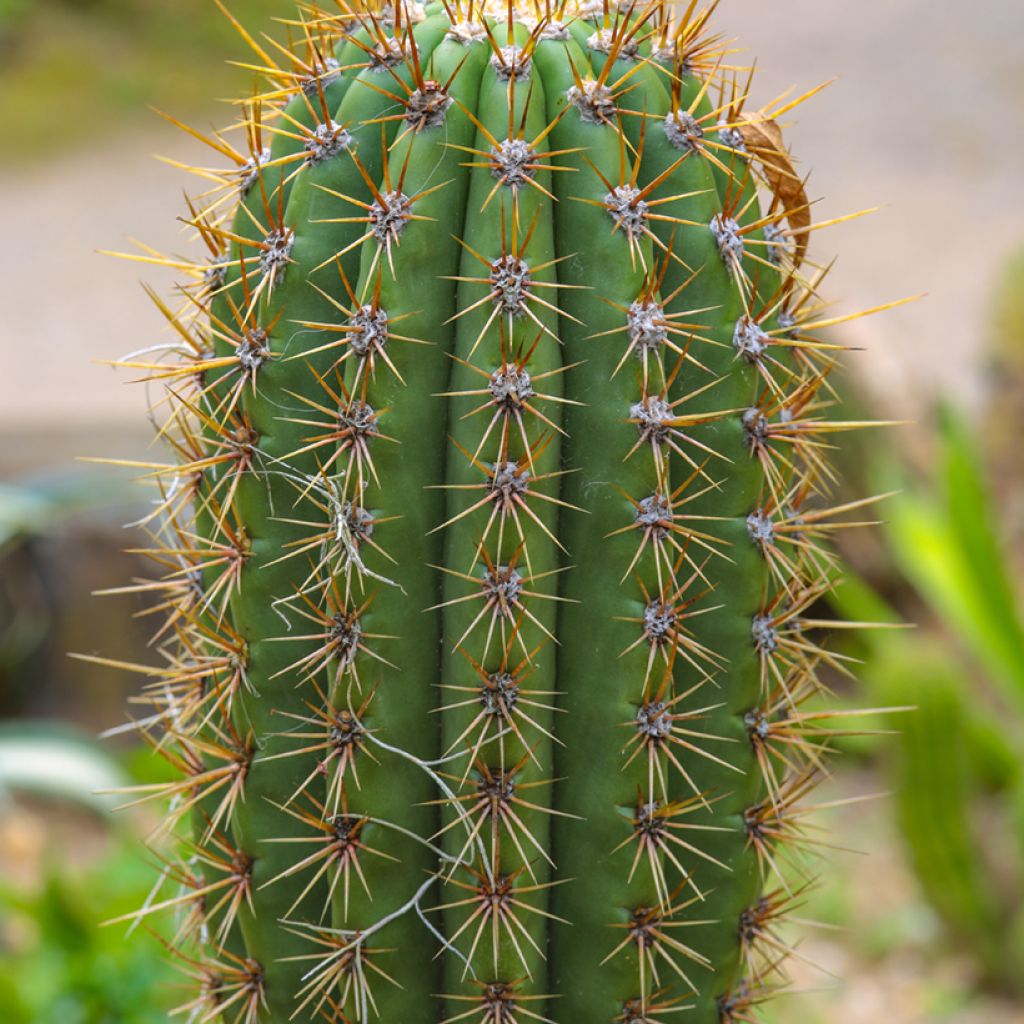
Echinopsis atacamensis subsp. pasacana - Columnar cactus
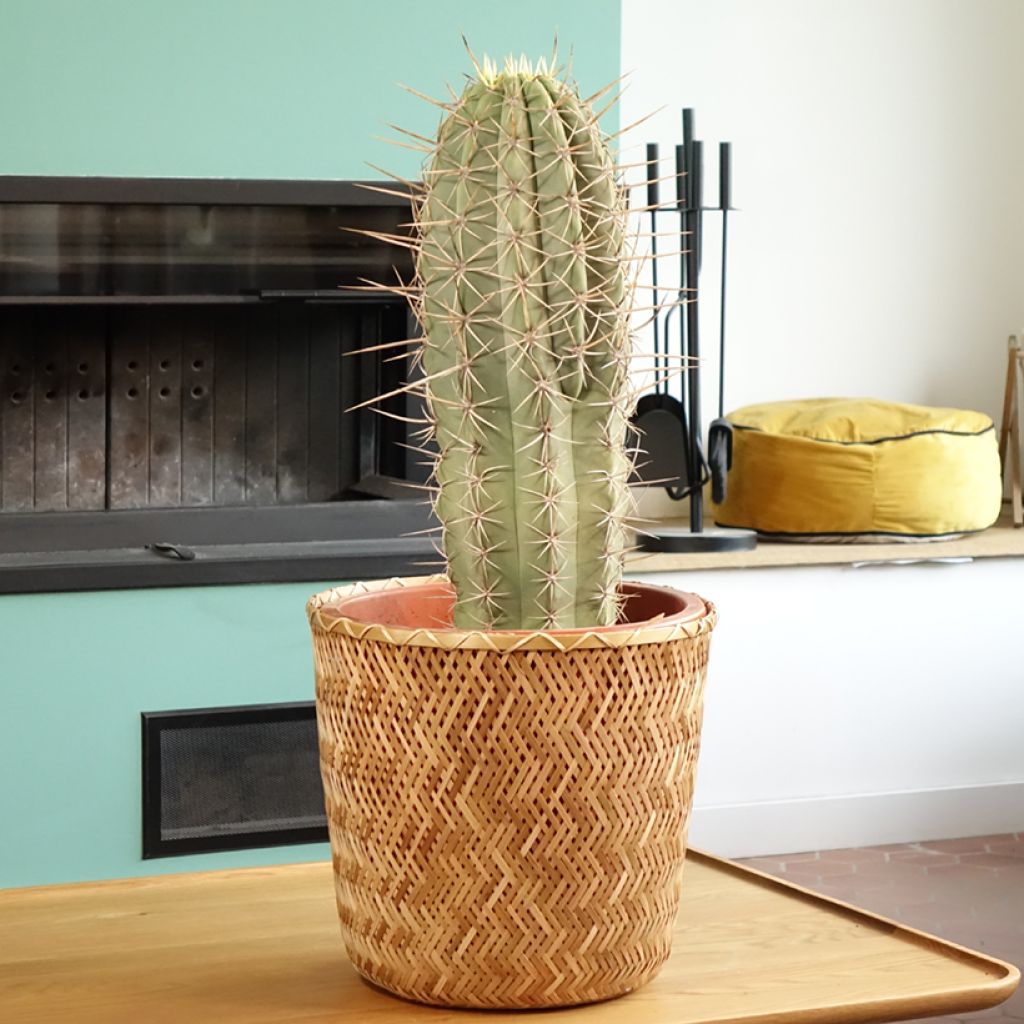
Echinopsis atacamensis subsp. pasacana - Columnar cactus
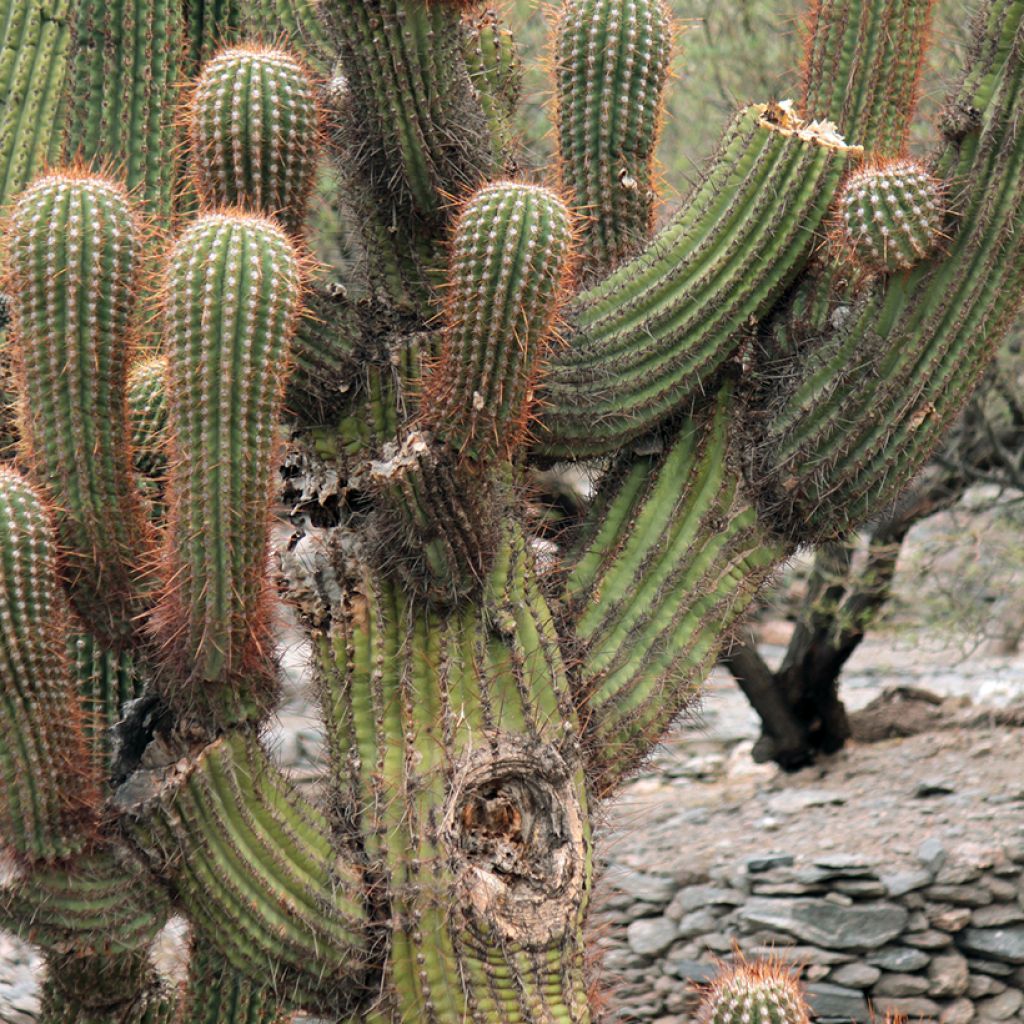
Echinopsis atacamensis subsp. pasacana - Columnar cactus
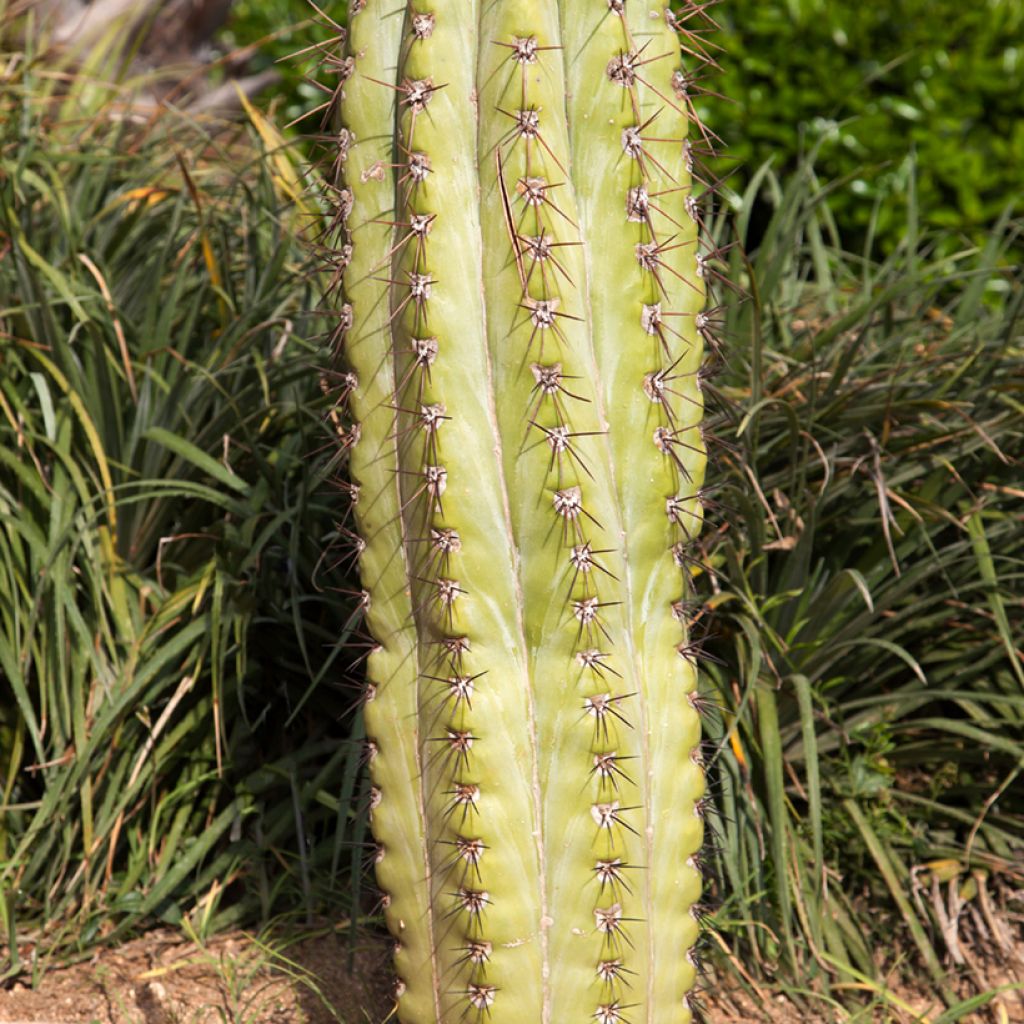
Echinopsis atacamensis subsp. pasacana - Columnar cactus
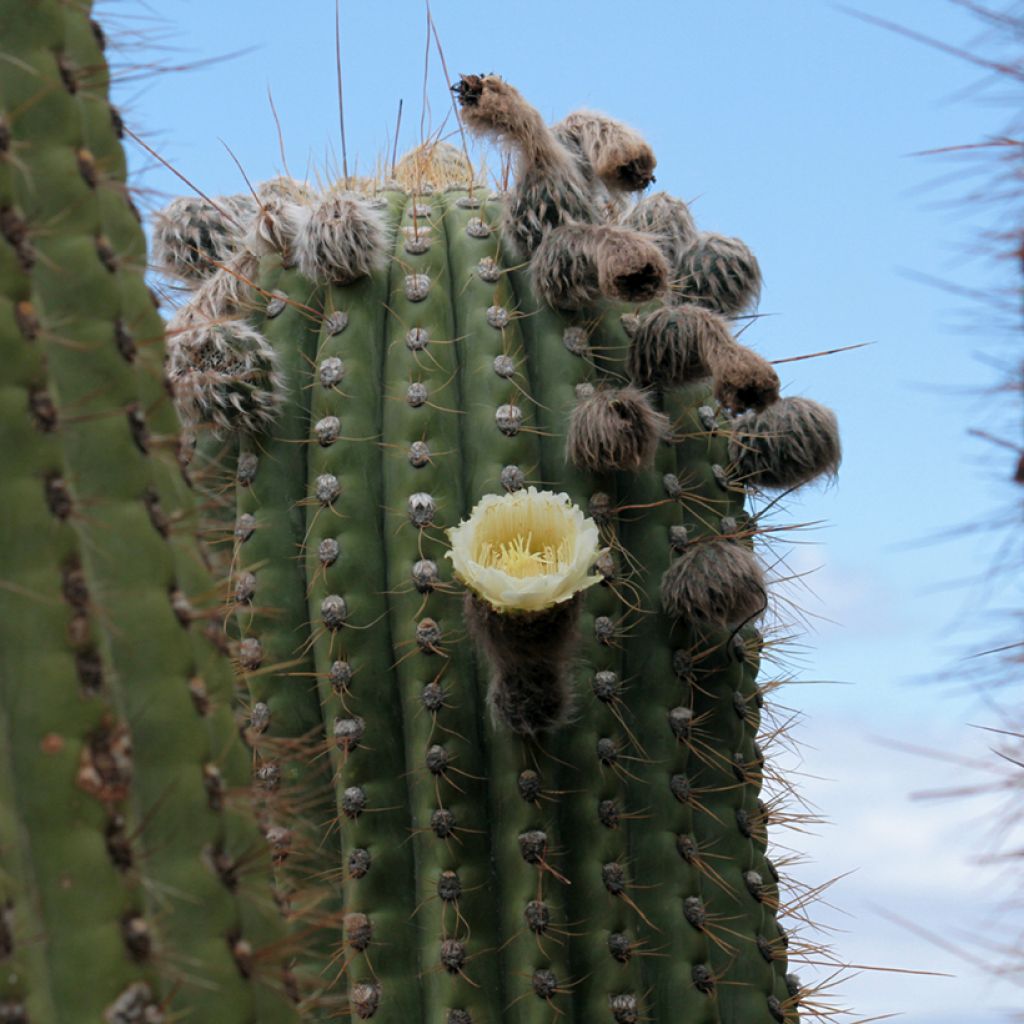
Echinopsis atacamensis subsp. pasacana - Columnar cactus
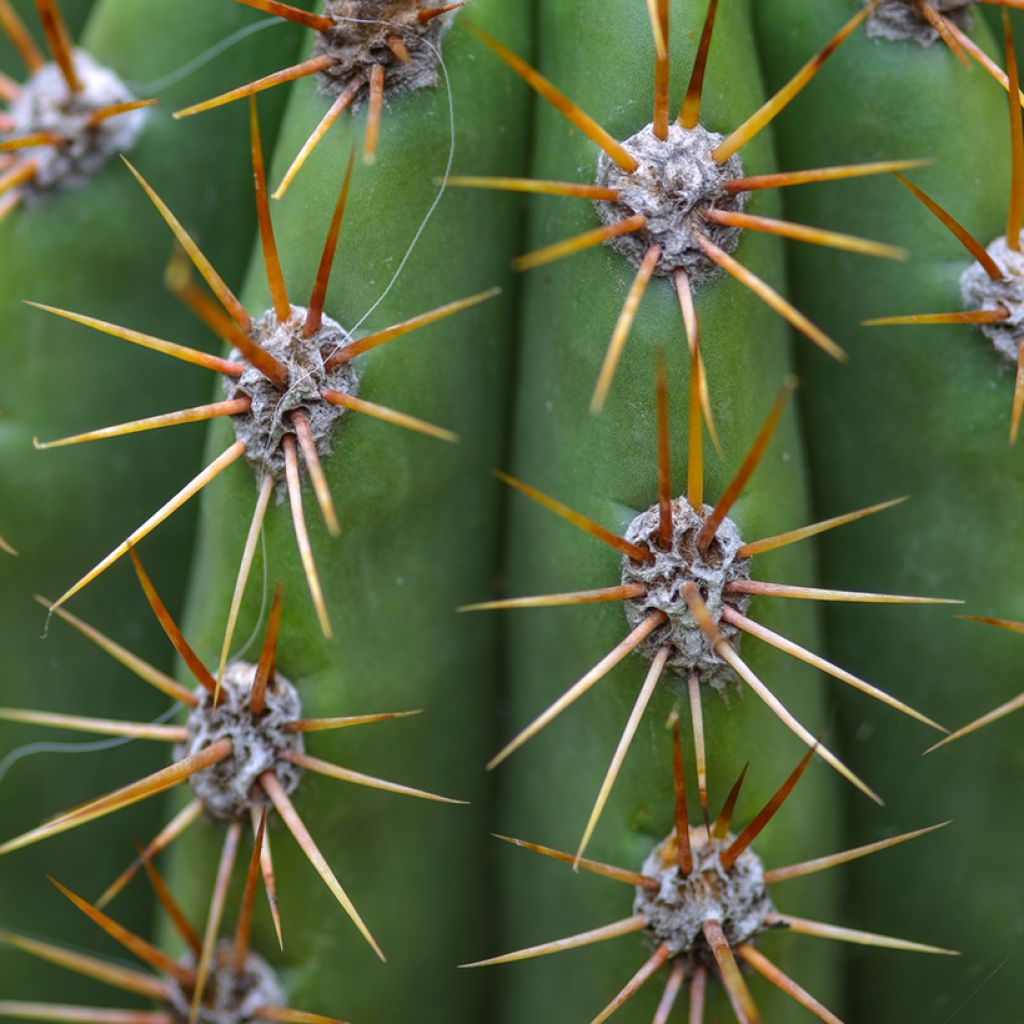
Echinopsis atacamensis subsp. pasacana - Columnar cactus
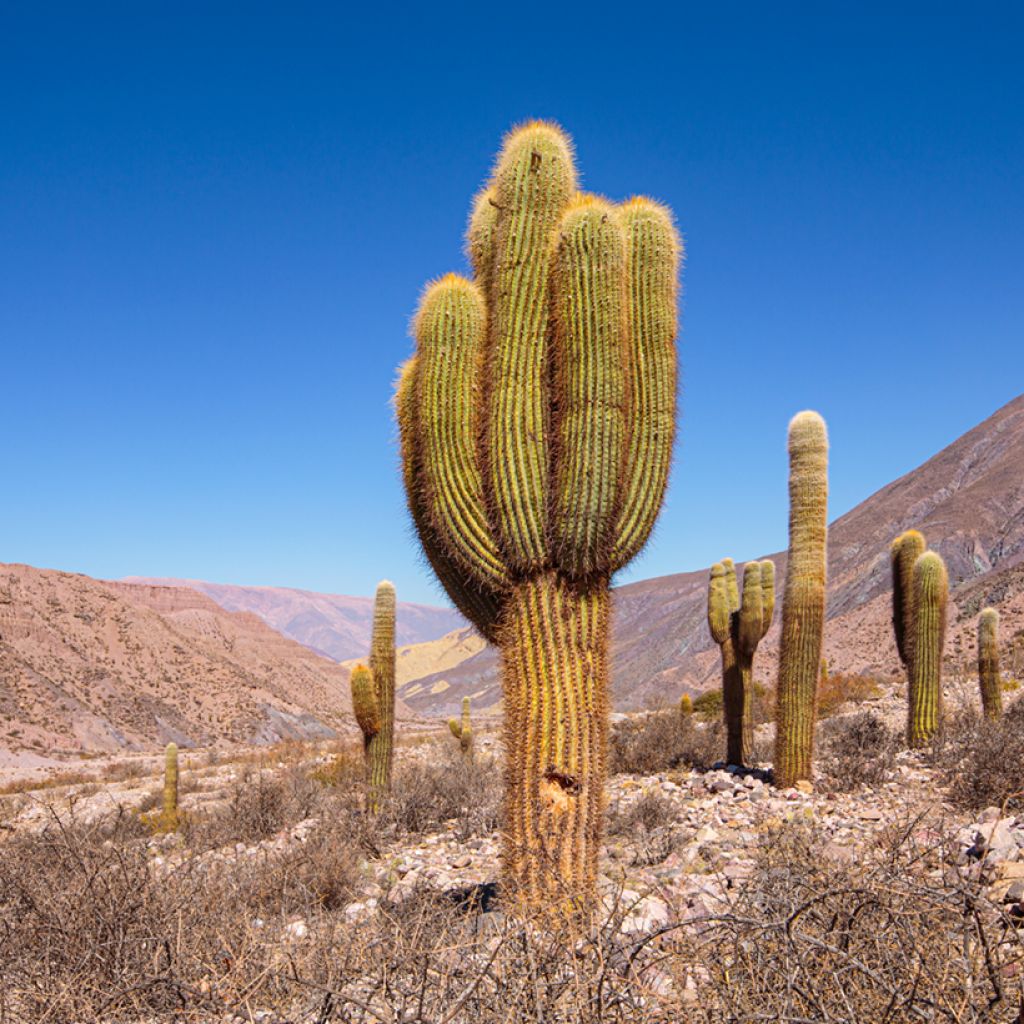
Echinopsis atacamensis subsp. pasacana - Columnar cactus
Echinopsis atacamensis subsp. pasacana - Columnar cactus
Echinopsis atacamensis subsp. pasacana
Columnar cactus
Back-to-school special offer!
Get €10 off for every €50 you spend! And get up to €40 off on a single order.
How does it work?
1. Shop your favourites
Add your favourite plants to your basket. For every €50 you spend (excluding delivery charges, store credit and the plastic-free option), you’ll receive a €10 voucher.
€50 spent = €10 voucher
€100 spent = €20 voucher
€150 spent = €30 voucher
€200 spent = €40 voucher
2. Place your order
Once your basket reaches one of the spending thresholds, place your order. You can even choose your delivery date!
3. Receive your voucher
As soon as your order has been shipped, you’ll receive an email containing your personal voucher code and its value.
4. Use it on your next order
Your voucher is valid for 90 days from the date you receive it. It can be used once only, on a new order worth at least the value of the voucher, excluding delivery charges.
Please note: Vouchers can be combined with other offers, but cannot be split or refunded.
Why not try an alternative variety in stock?
View all →
Available in 2 sizes
This plant carries a 12 months recovery warranty
More information
We guarantee the quality of our plants for a full growing cycle, and will replace at our expense any plant that fails to recover under normal climatic and planting conditions.
Would this plant suit my garden?
Set up your Plantfit profile →
Description
Echinopsis pasacana, nicknamed the candelabra cactus, is a spectacular species native to the Argentine and Bolivian Andes. Tall and slender, forming a column bristling with golden thorns and branching with age, it stands out in rocky or arid landscapes. It can be acclimatised in open ground, in a Mediterranean rockery. It also makes a striking feature on a terrace or balcony, in a large, wide pot. Hardy down to -10°C in dry soil, it is drought-resistant and requires little maintenance.
Echinopsis pasacana (syn. Trichocereus pasacana) belongs to the Cactaceae family. It originates from the Andean regions of South America, mainly in Argentina (provinces of Jujuy, Salta, Catamarca, Tucumán) and Bolivia (departments of Potosí and Tarija). It is found at altitudes between 2,000 and 4,000 metres, where it grows on the rocky, arid slopes of high mountains. The climate of its habitat is arid and semi-desert, characterised by significant temperature variations between day and night. Daytime temperatures can reach 30°C in summer, while winter nights sometimes record lows of -7°C to -10°C. Annual rainfall is low (100 to 250 mm/year) and concentrated over a few months. The air is dry, with strong sun exposure and regular winds. Echinopsis pasacana develops an extensive and deep root system, adapted to its habitat. This root network allows it to efficiently capture water in well-drained soils and anchor itself firmly in often steep and rocky terrain.
Echinopsis pasacana is a species adapted to sandy, gravelly or rocky soils, always well-drained. It tolerates extreme drought. This cactus has an upright columnar habit, with thick stems reaching 30 to 45 cm in diameter. In its natural habitat, it can exceed 10 metres in height, but its growth is very slow (5 to 10 cm per year). In cultivation, it typically reaches 1.5 to 2 metres in pots and 3 to 5 metres in open ground after several decades. Its stems have 18 to 22 well-defined ribs, covered in woolly areoles bearing long, rigid thorns, initially golden then turning greyish with age. Older specimens often branch, taking on a candelabra-like silhouette. Flowering occurs from April to July. In cultivation, flowering is triggered by a dry winter rest period at low temperatures, ideally between 7 and 10°C. The flowers of Echinopsis pasacana are large; they measure between 10 and 14 cm in length. They are pinkish-white and bloom on the sides of the stems. The floral tube is covered in long, blackish hairs. These nocturnal flowers open in the evening and remain open for 18 to 40 hours. They emit a subtle fragrance that attracts pollinators. Given its slow growth, Echinopsis pasacana only reaches flowering maturity after several decades.
After pollination, the plant produces round fruits, measuring up to 5 centimetres in length. These fruits are dark green and densely covered in hairs. They are also edible. In South America, this cactus is pollinated by nectar-feeding bats and large nocturnal insects such as certain hawk moths. In our regions, some species may occasionally ensure pollination: night-flying moths (convolvulus hawk-moth, hummingbird hawk-moth) that visit certain nocturnal flowers or beetles attracted by the flowers' fragrance. If the plant does not produce fruit spontaneously, hand pollination is an option. Simply collect pollen from one flower with a brush and deposit it onto the pistil of another flower.
Echinopsis pasacana is an impressive plant, but its cultivation requires patience. It rewards the attentive gardener with its unique beauty and resilience. In a favourable climate, this cactus thrives in a large rockery, a gravel bed, or at the edges of a dry garden. Its bold, solitary silhouette stands out strikingly against a rocky backdrop. It can be surrounded by wispy ornamental grasses like Stipa pulcherrima, lush agaves, Hesperaloe parviflora, and other desert plants such as Dasylirions. This magnificent cactus can also be grown in a large pot on a terrace, carefully choosing the sunniest and warmest spot, which allows it to be sheltered from rain in winter.
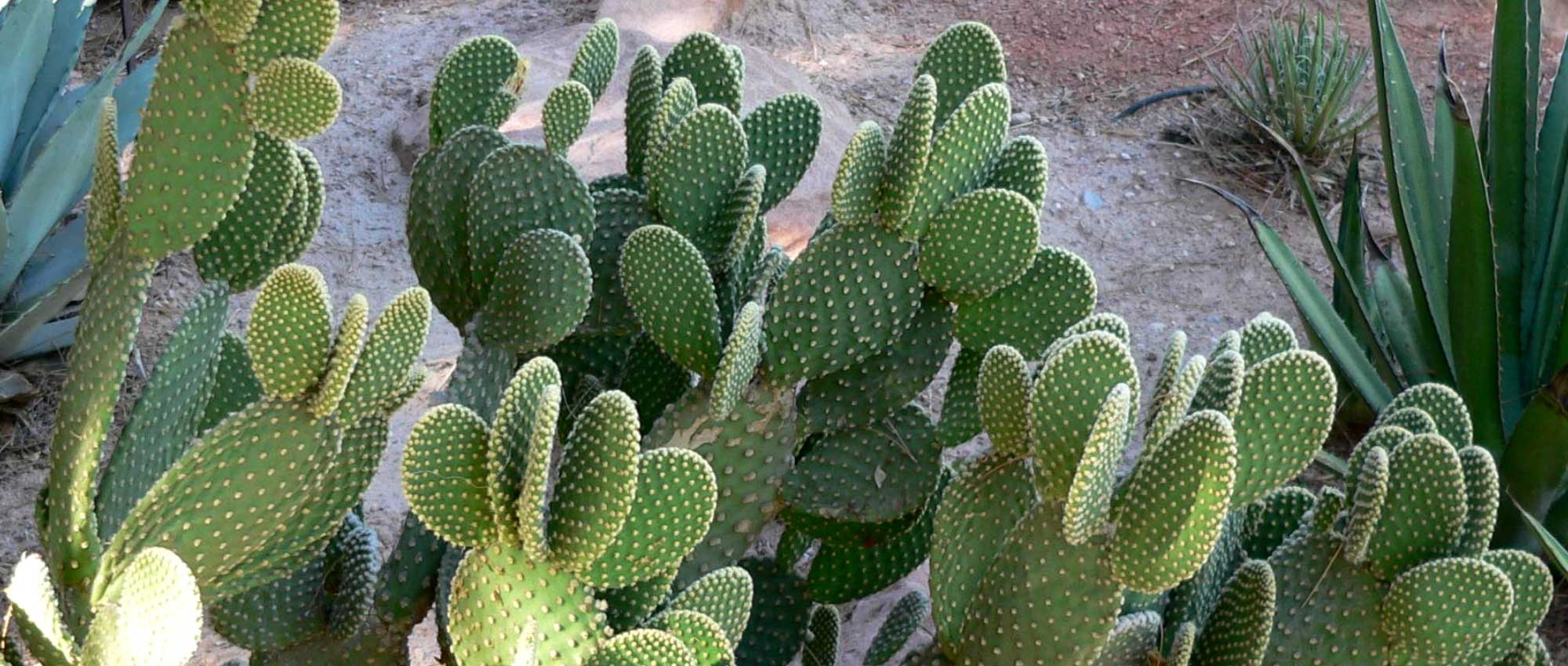
Echinopsis atacamensis subsp. pasacana - Columnar cactus in pictures
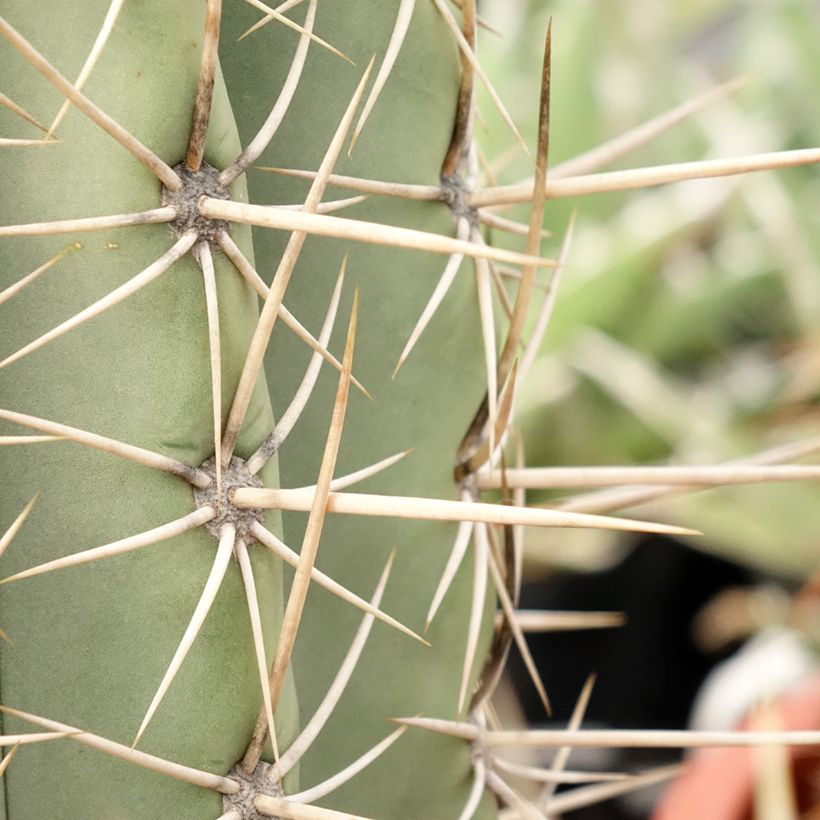
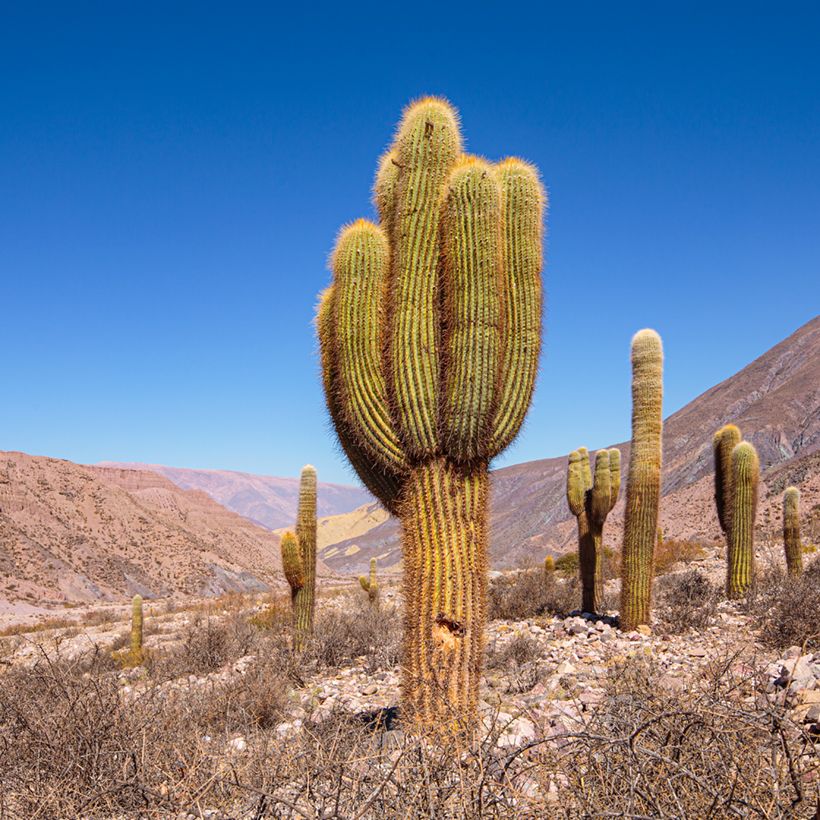
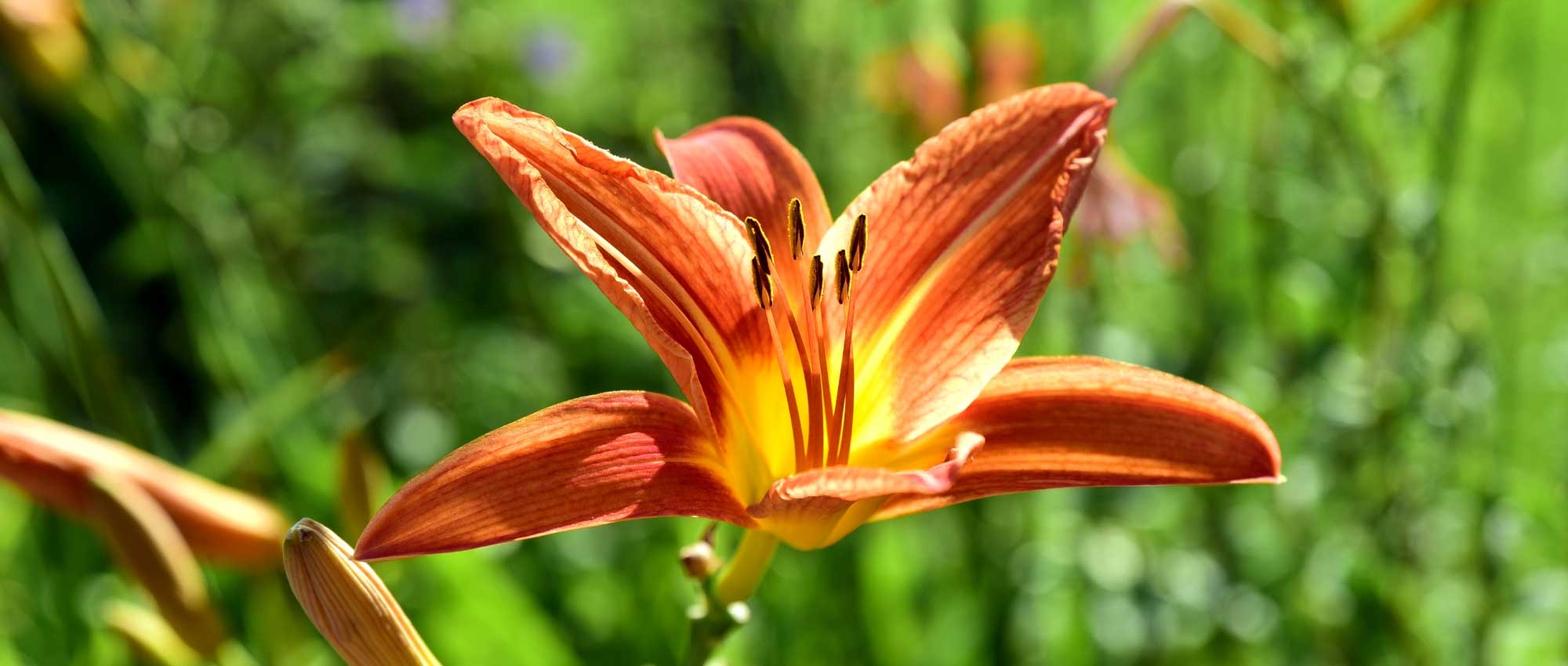
Flowering
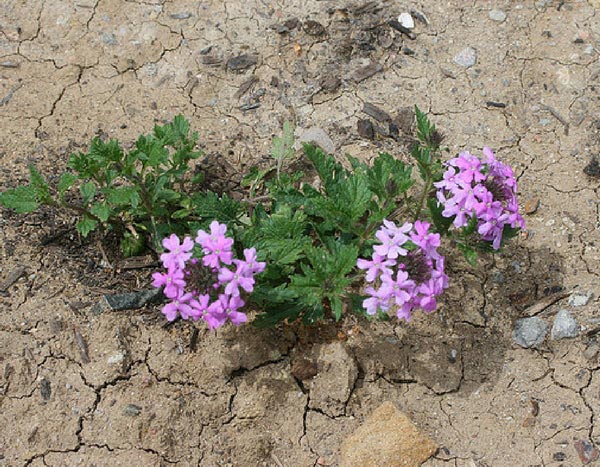
Foliage
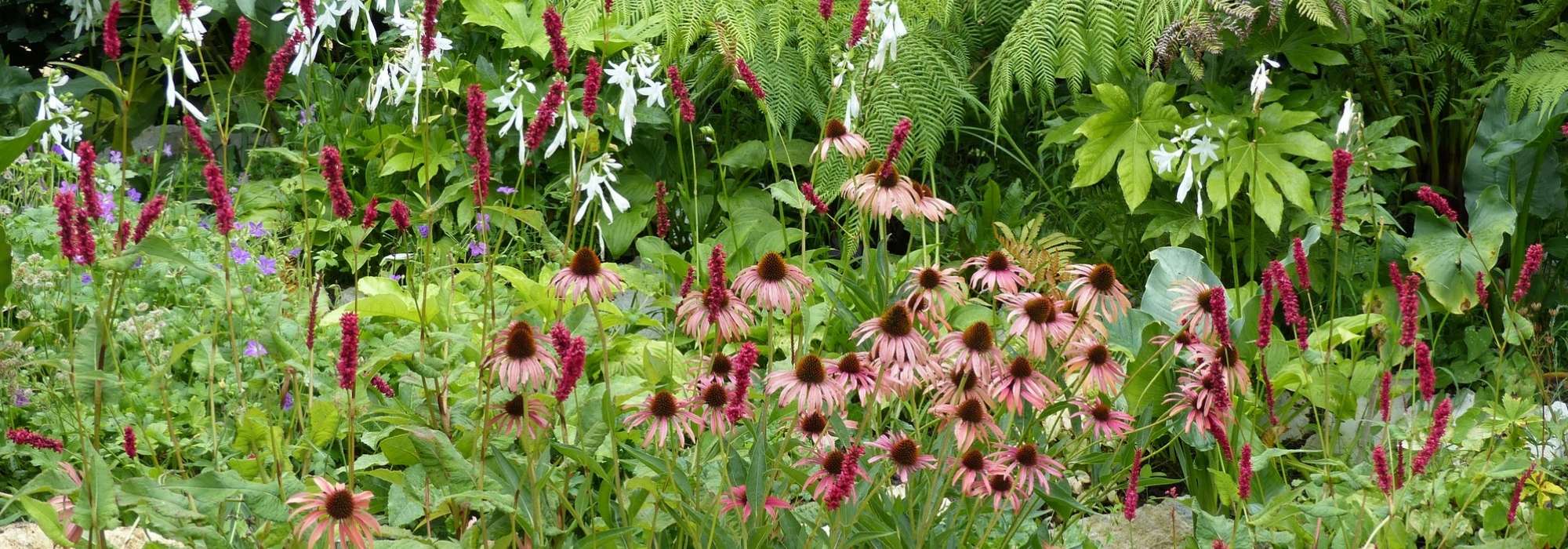
Plant habit
Botanical data
Echinopsis
atacamensis subsp. pasacana
Cactaceae
Columnar cactus
Leucostele atacamensis subsp. pasacana, Trichocereus pasacana, Echinopsis pasacana, Cereus atacamensis, Pilocereus pasacanus, Trichocereus atacamensis
South America
Planting and care
Handle your candelabra cactus with gloves and protective goggles!
Echinopsis pasacana is a plant native to the Andes. Its cultivation requires special attention, whether in the ground or in a pot.
Ground cultivation:
Echinopsis pasacana is hardy down to around -10°C (in short bursts) in dry, well-drained soil. However, its cold resistance depends heavily on soil moisture. It is therefore essential to plant it in very well-drained soil, ideally on a slope or mound to facilitate water drainage. A south-facing position is recommended to maximise sunlight exposure. This species is adapted to arid climates and does not tolerate excessive moisture, especially in winter. Consequently, ground cultivation is mainly reserved for the warmest and driest regions. In these areas, it can be grown outdoors, provided it is protected from excess moisture.
Pot cultivation:
For regions with harsher or wetter winters, pot cultivation is preferable. Use a very well-draining substrate, such as a mix of cactus compost and coarse sand or gravel. Wide, shallow pots are well-suited to its root system. It is advisable to add a layer of drainage gravel at the bottom of the pot to improve drainage. Place the pot in a very bright spot, ideally in full sun, during the growth period. In winter, reduce watering to a minimum and keep the plant dry in a cool place, but protected from frost. This winter dormancy period is crucial for its health and promotes flowering.
General advice:
-
Watering: during the growth period (spring and summer), water moderately when the substrate is dry on the surface. In autumn and winter, drastically reduce watering to prevent root rot.
-
Fertilisation: Apply a diluted cactus fertiliser once a month during the growth period.
-
Repotting: Repot every 2 to 3 years in spring, renewing the substrate to ensure good root aeration.
Planting period
Intended location
Care
Planting & care advice
-
-
-
-
-

-
-
-
This item has not been reviewed yet - be the first to leave a review about it.
Recently viewed products
Haven't found what you were looking for?
Hardiness is the lowest winter temperature a plant can endure without suffering serious damage or even dying. However, hardiness is affected by location (a sheltered area, such as a patio), protection (winter cover) and soil type (hardiness is improved by well-drained soil).

The flowering period indicated on our website applies to countries and regions located in USDA zone 8 (France, the United Kingdom, Ireland, the Netherlands, etc.)
It will vary according to where you live:- In zones 9 to 10 (Italy, Spain, Greece, etc.), flowering will occur about 2 to 4 weeks earlier.
- In zones 6 to 7 (Germany, Poland, Slovenia, and lower mountainous regions), flowering will be delayed by 2 to 3 weeks.
- In zone 5 (Central Europe, Scandinavia), blooming will be delayed by 3 to 5 weeks.
In temperate climates, pruning of spring-flowering shrubs (forsythia, spireas, etc.) should be done just after flowering.
Pruning of summer-flowering shrubs (Indian Lilac, Perovskia, etc.) can be done in winter or spring.
In cold regions as well as with frost-sensitive plants, avoid pruning too early when severe frosts may still occur.
The planting period indicated on our website applies to countries and regions located in USDA zone 8 (France, United Kingdom, Ireland, Netherlands).
It will vary according to where you live:
- In Mediterranean zones (Marseille, Madrid, Milan, etc.), autumn and winter are the best planting periods.
- In continental zones (Strasbourg, Munich, Vienna, etc.), delay planting by 2 to 3 weeks in spring and bring it forward by 2 to 4 weeks in autumn.
- In mountainous regions (the Alps, Pyrenees, Carpathians, etc.), it is best to plant in late spring (May-June) or late summer (August-September).
The harvesting period indicated on our website applies to countries and regions in USDA zone 8 (France, England, Ireland, the Netherlands).
In colder areas (Scandinavia, Poland, Austria...) fruit and vegetable harvests are likely to be delayed by 3-4 weeks.
In warmer areas (Italy, Spain, Greece, etc.), harvesting will probably take place earlier, depending on weather conditions.
The sowing periods indicated on our website apply to countries and regions within USDA Zone 8 (France, UK, Ireland, Netherlands).
In colder areas (Scandinavia, Poland, Austria...), delay any outdoor sowing by 3-4 weeks, or sow under glass.
In warmer climes (Italy, Spain, Greece, etc.), bring outdoor sowing forward by a few weeks.
Shipping country and language
Your country of residence may be:
Your country of residence is:
For a better user experience on our website, you can select:
Your shipping country:
-
 Austria
-
 Belgium
-
 Bosnia & Herzegovina
-
 Bulgaria
-
 Croatia
-
 Cyprus
-
 Czechia
-
 Denmark
-
 Estonia
-
 Finland
-
 France
-
 Germany
-
 Greece
-
 Hungary
-
 Iceland
-
 Ireland
-
 Italy
Italy
-
 Latvia
-
 Liechtenstein
-
 Lithuania
-
 Luxembourg
-
 Malta
Malta
-
 Netherlands
-
 Poland
-
 Portugal
-
 Romania
-
 Serbia
-
 Slovakia
-
 Slovenia
-
 Spain
Spain
-
 Sweden
-
 Switzerland
Language:
-
French
-
 English
-
Spanish
-
Italian
-
German
-
Portuguese
-
Dutch
-
Finnish
My Account
Hello
My wish lists
My cart
Log in / Register
Existing customer?
This form is protected by reCAPTCHA - the Google Privacy Policy and Terms of Service apply.
New customer?
Create an account to track your orders, access our customer service and, if you wish, make the most of our upcoming offers.