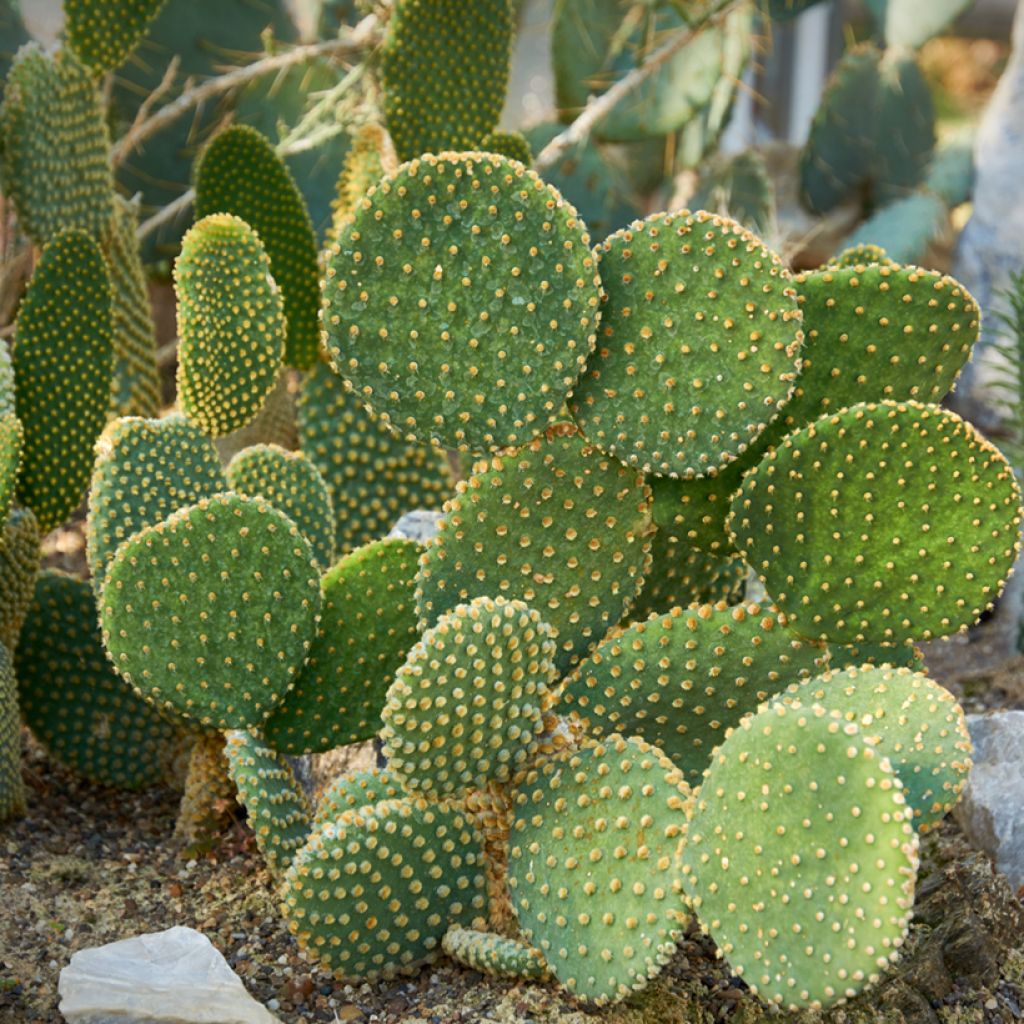
Opuntia microdasys var. pallida - Bunny ears cactus
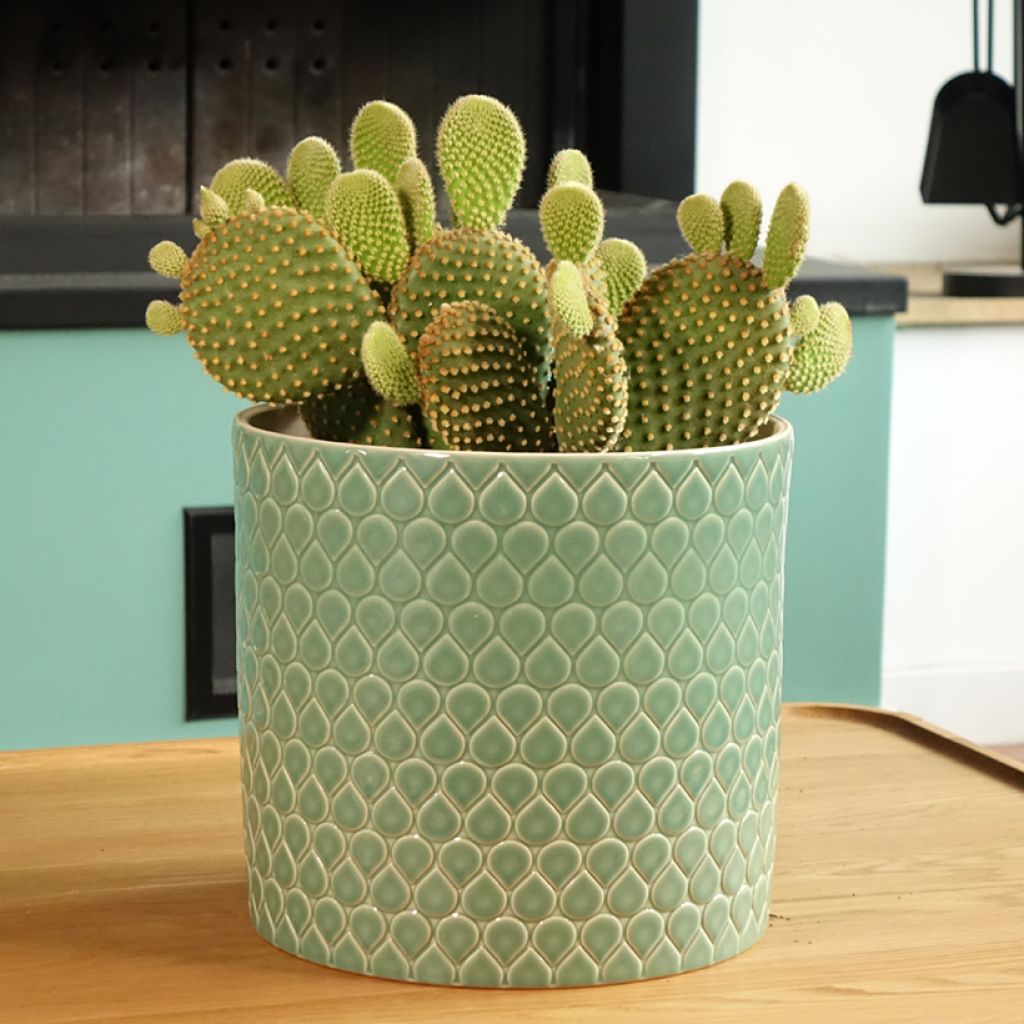
Opuntia microdasys var. pallida - Bunny ears cactus
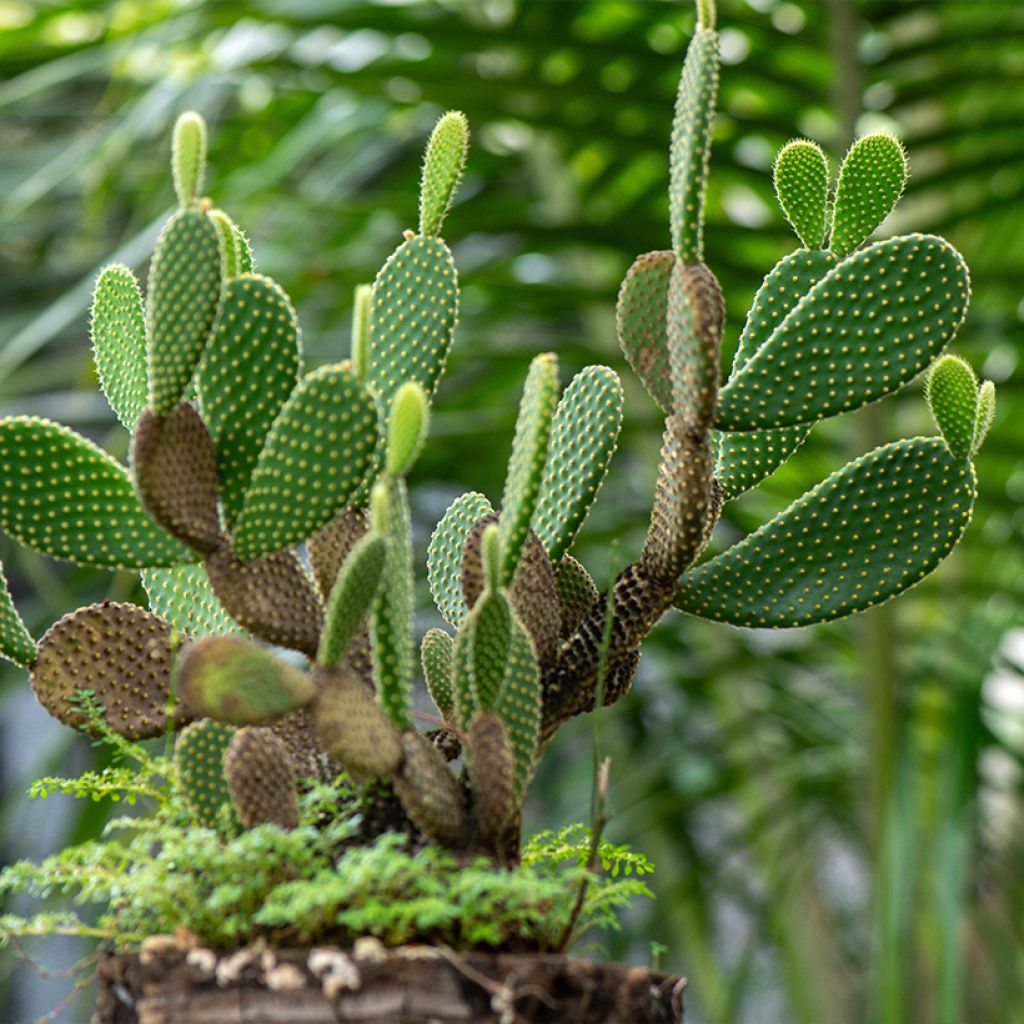
Opuntia microdasys var. pallida - Bunny ears cactus
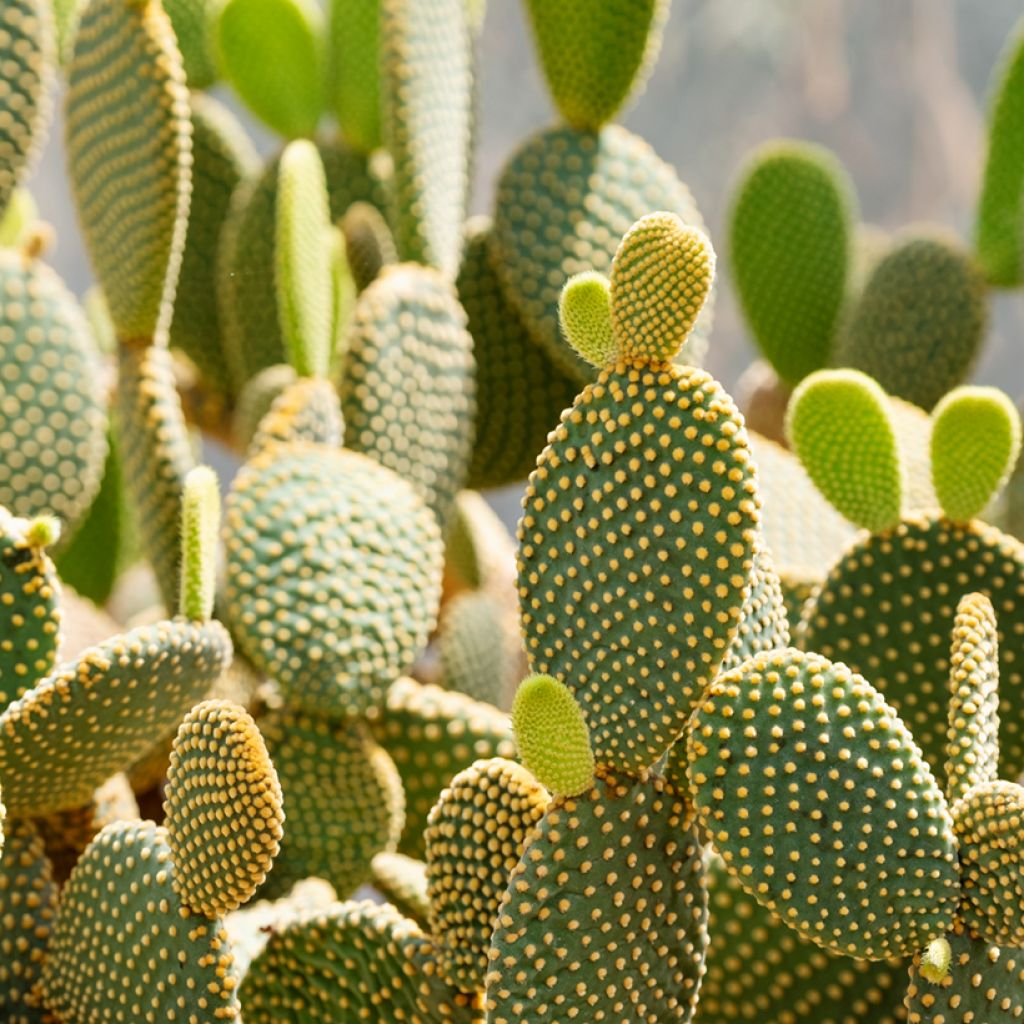
Opuntia microdasys var. pallida - Bunny ears cactus
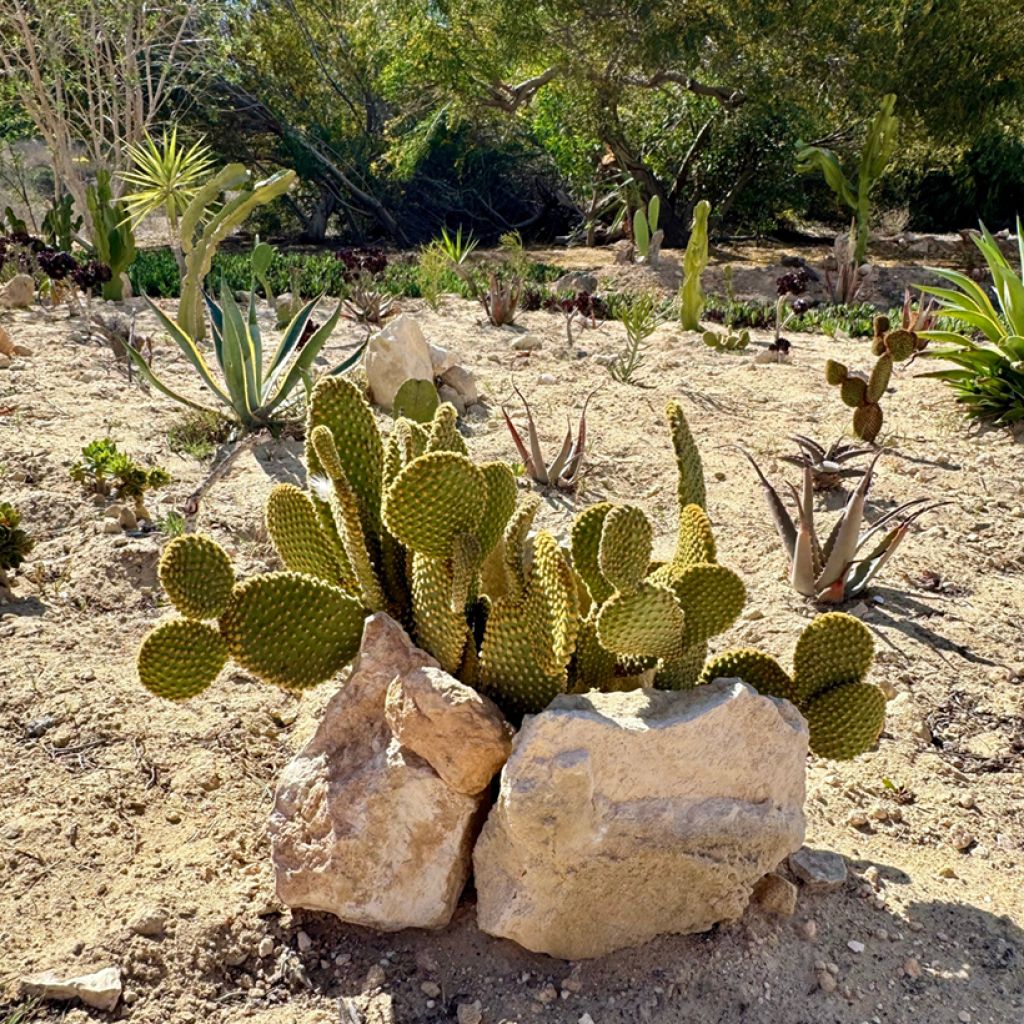
Opuntia microdasys var. pallida - Bunny ears cactus

Opuntia microdasys var. pallida - Bunny ears cactus
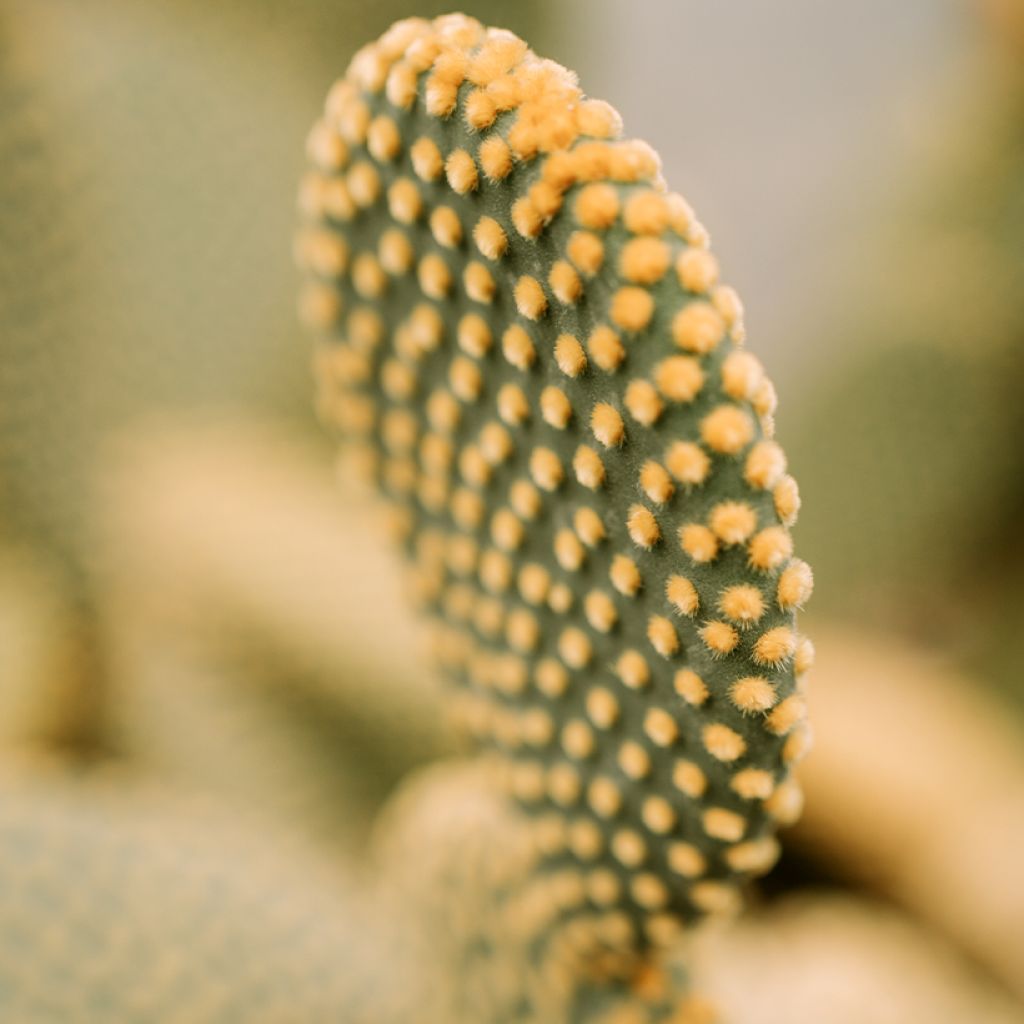
Opuntia microdasys var. pallida - Bunny ears cactus
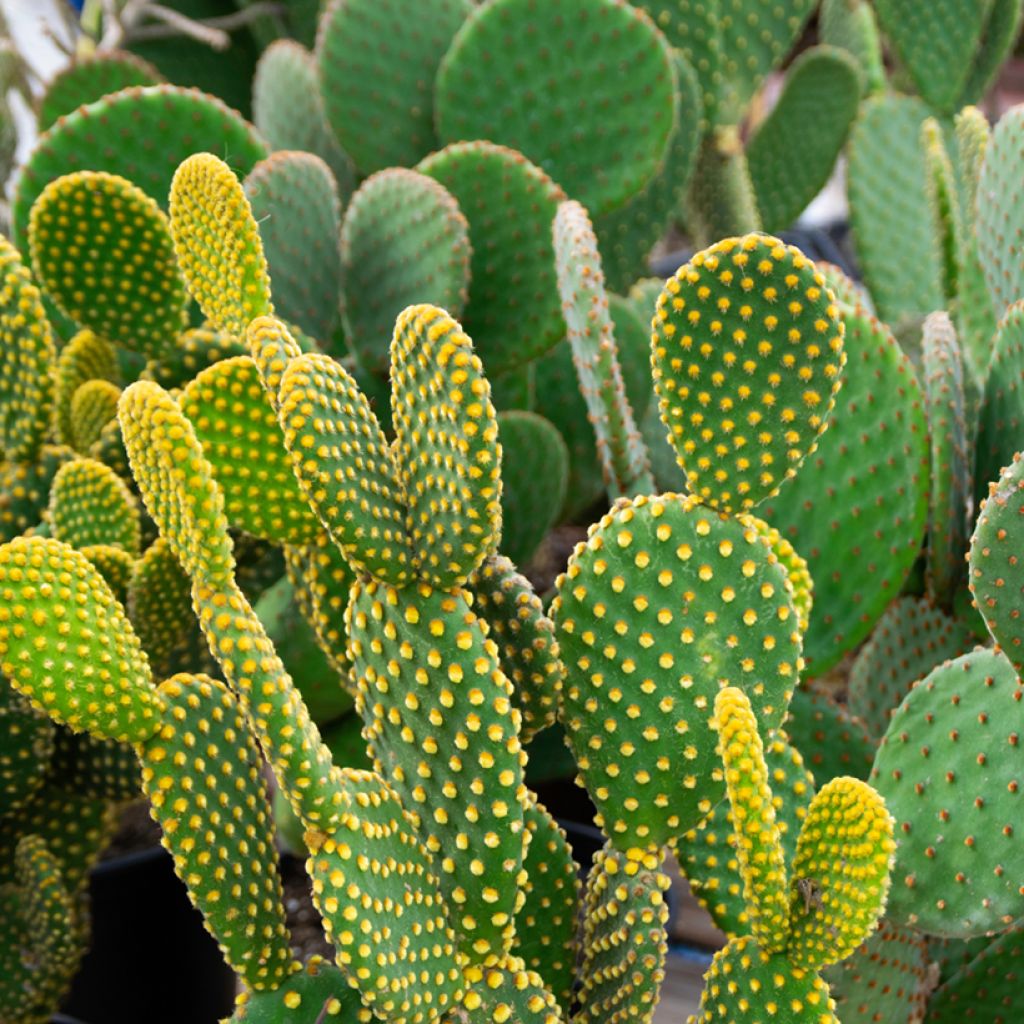
Opuntia microdasys var. pallida - Bunny ears cactus
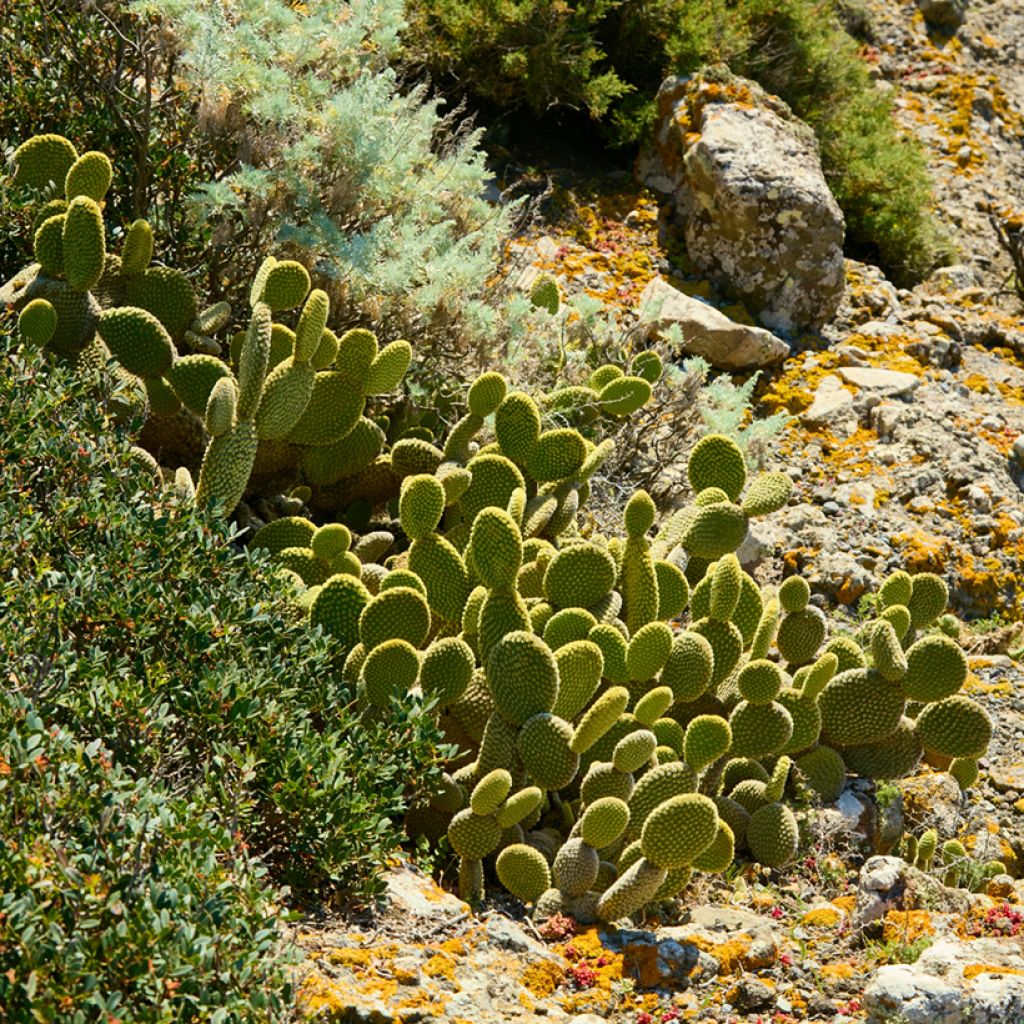
Opuntia microdasys var. pallida - Bunny ears cactus
Opuntia microdasys var. pallida - Bunny ears cactus
Opuntia microdasys var. pallida - Bunny ears cactus
Opuntia microdasys var. pallida
Bunny ears cactus
Back-to-school special offer!
Get €10 off for every €50 you spend! And get up to €40 off on a single order.
How does it work?
1. Shop your favourites
Add your favourite plants to your basket. For every €50 you spend (excluding delivery charges, store credit and the plastic-free option), you’ll receive a €10 voucher.
€50 spent = €10 voucher
€100 spent = €20 voucher
€150 spent = €30 voucher
€200 spent = €40 voucher
2. Place your order
Once your basket reaches one of the spending thresholds, place your order. You can even choose your delivery date!
3. Receive your voucher
As soon as your order has been shipped, you’ll receive an email containing your personal voucher code and its value.
4. Use it on your next order
Your voucher is valid for 90 days from the date you receive it. It can be used once only, on a new order worth at least the value of the voucher, excluding delivery charges.
Please note: Vouchers can be combined with other offers, but cannot be split or refunded.
Home or relay delivery (depending on size and destination)
Important: You may be charged customs duties by your country’s customs authorities upon delivery.
Schedule delivery date
and select date in basket
This plant carries a 12 months recovery warranty
More information
We guarantee the quality of our plants for a full growing cycle, and will replace at our expense any plant that fails to recover under normal climatic and planting conditions.
Would this plant suit my garden?
Set up your Plantfit profile →
Description
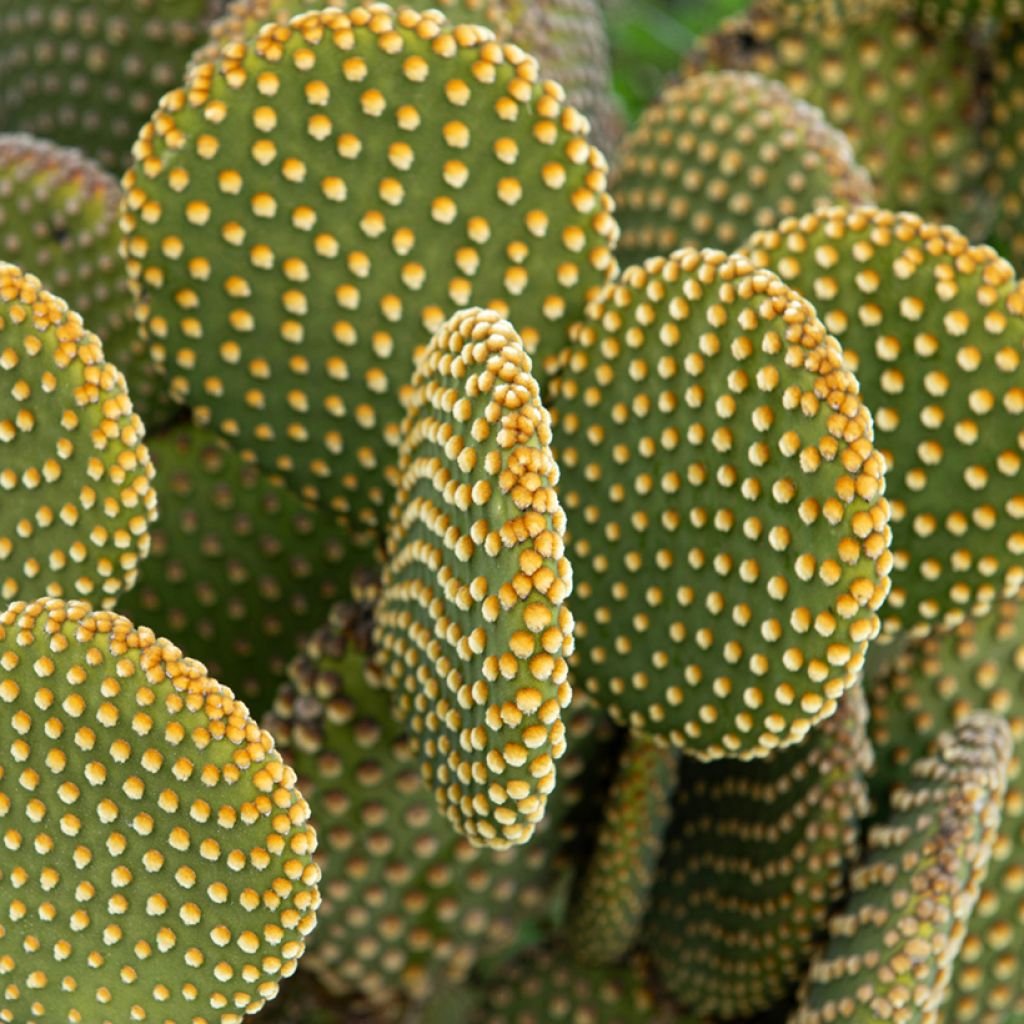
Opuntia microdasys var. pallida, sometimes nicknamed the "Bunny Ear Cactus", is a bushy succulent plant with striking visual appeal. Much rarer than the typical species, this pallida variety stands out with its pale yellow glochidia and yellowish-green prickly pears. Drought-resistant but sensitive to wet and cold winters, it thrives best in rock gardens along the Mediterranean coast. In pots, it should be moved to a conservatory or a cool, bright room during winter.
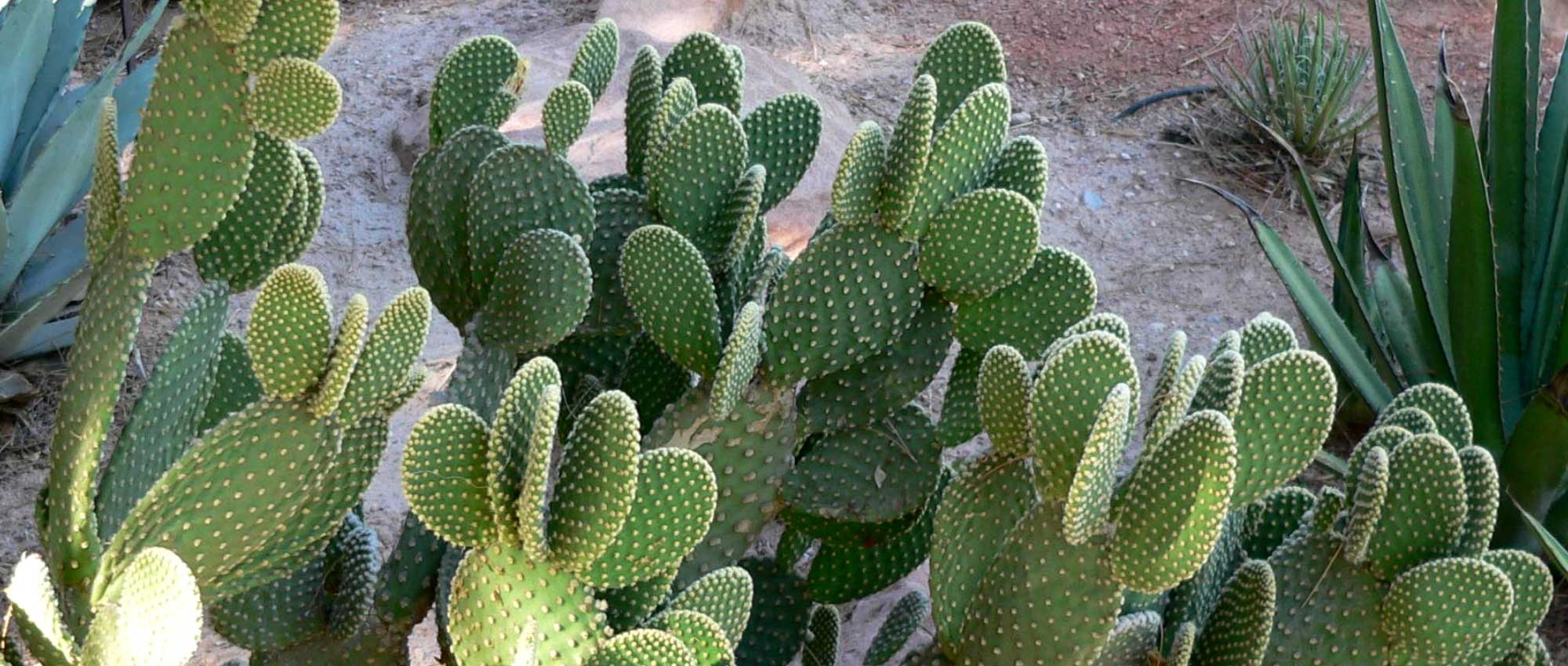
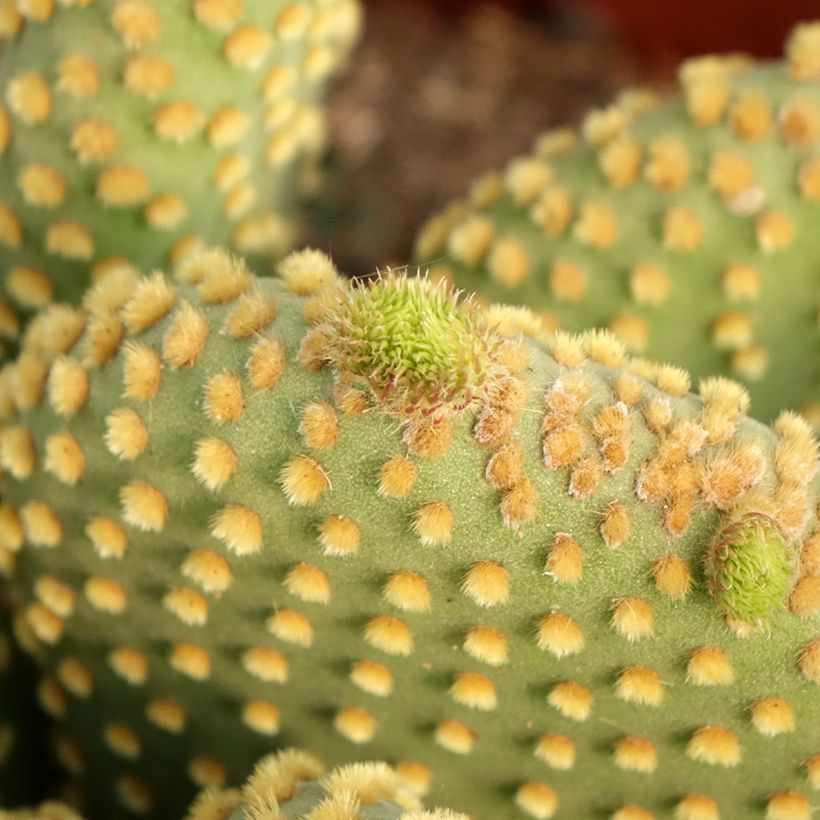
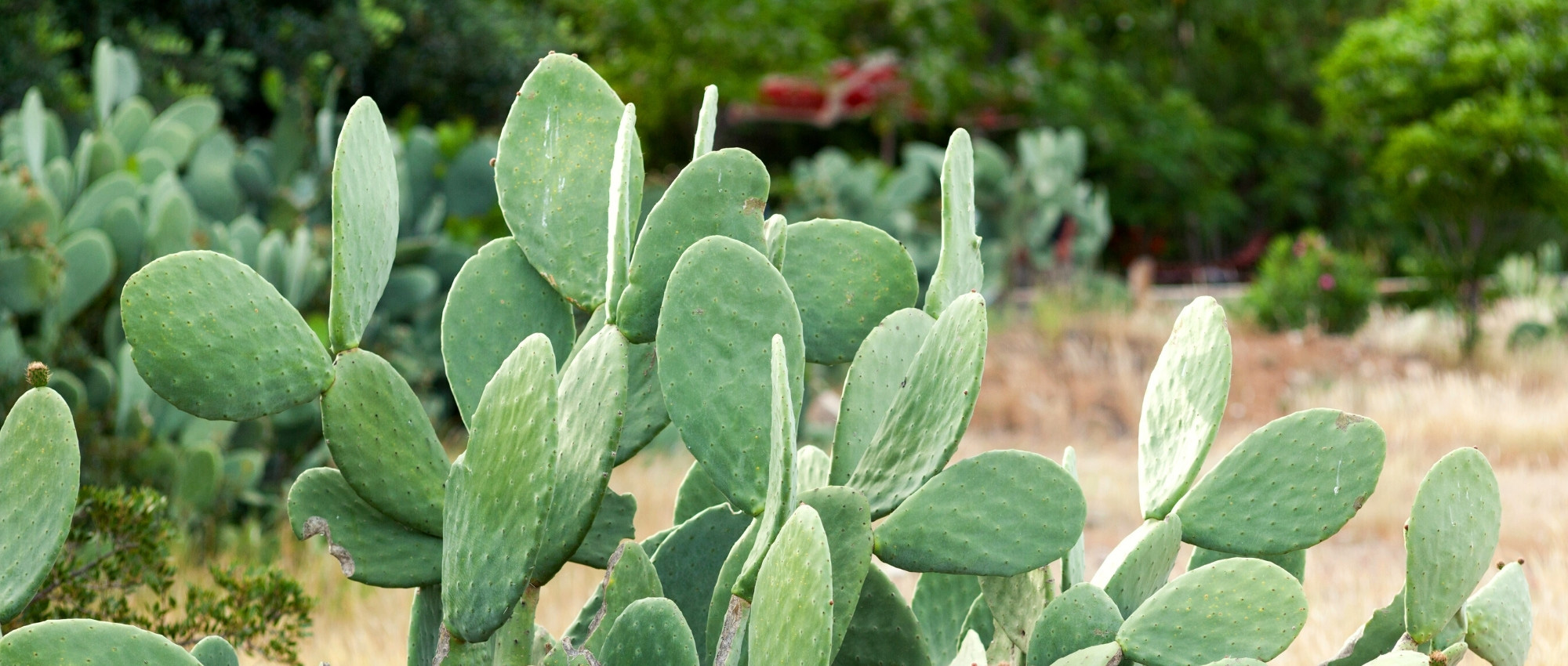
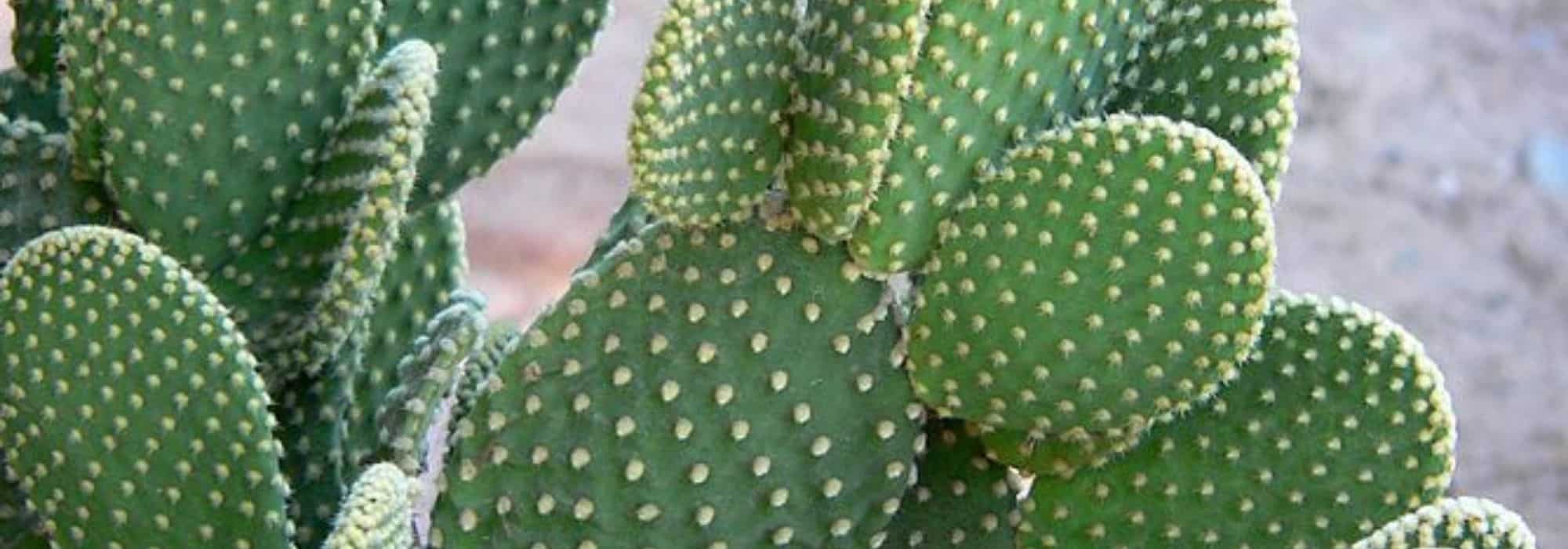
Opuntia microdasys var. pallida belongs to the Cactaceae family. The species with yellow glochidia originates from the semi-desert regions of Mexico. Its scientific name, Opuntia microdasys, derives from the Greek "mikros" (small) and "dasys" (pilous), referring to the glochidia covering its segments. The pallida variety differs mainly in its pale yellow glochidia. Like all prickly pears, its growth consists of a stout trunk, becoming woody with age, which branches into flattened, fleshy shoots composed of segments called articles, cladodes, or prickly pears. Opuntia microdasys var. pallida forms a low, dense bush, typically reaching 80-90 cm in height at maturity, with a spread of up to 2 m when planted in the ground. In pots, it remains more compact. Its ovate and flattened segments (cladodes) display an olive-green hue and are covered in numerous small tufts of glochidia, ranging from yellow to brown and measuring 2 to 3 mm. Though decorative, these glochidia are very fine and can easily cling to the skin upon contact.
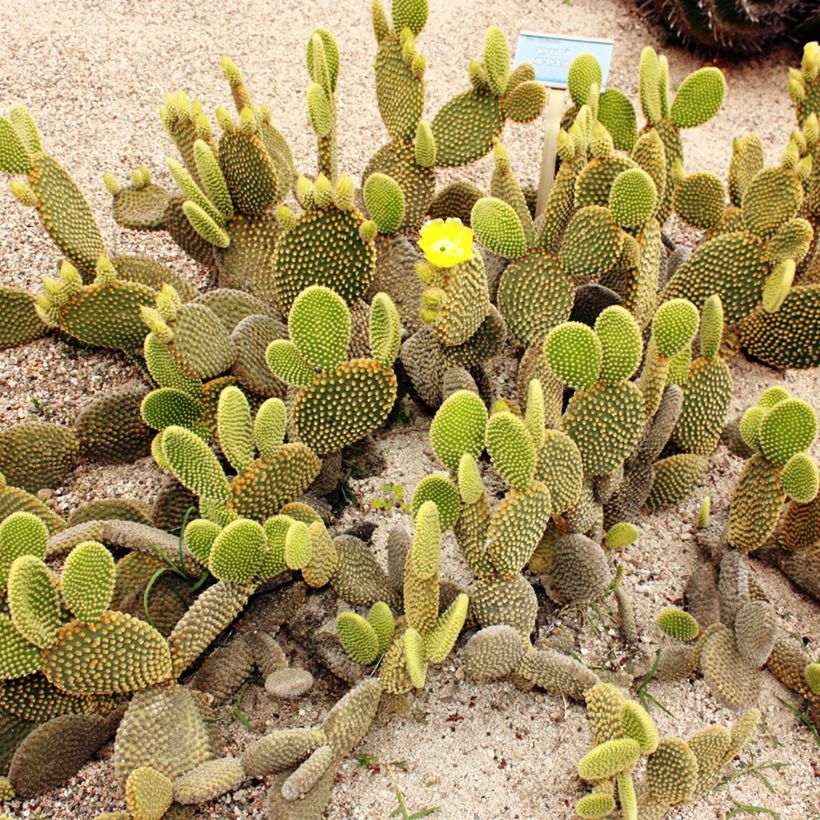
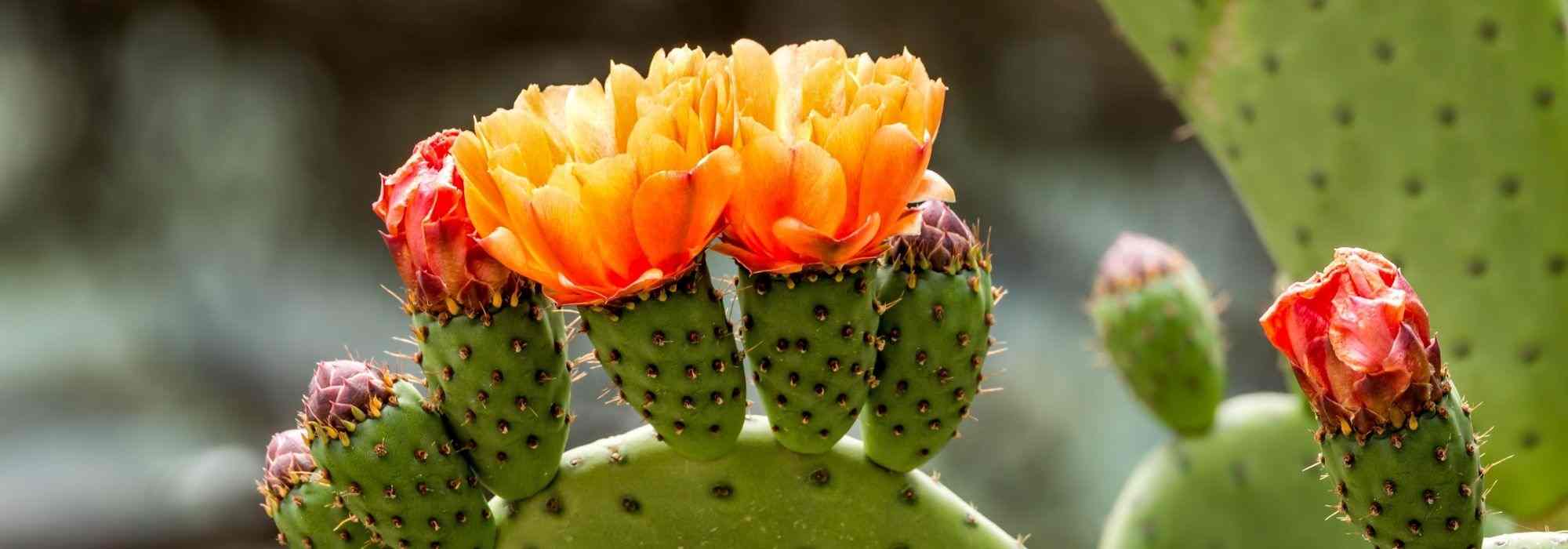
Flowering occurs in spring, though it is rare in cultivation except when planted in the ground under a Mediterranean climate. The pale yellow flowers measure 3 to 5 cm in diameter and develop at the tips of the cladodes; they are followed by red, ovoid fruits. Like the species, this variety adapts to USDA hardiness zones 9a to 10b and thrives in well-drained soil under full sun exposure. In its natural habitat, it grows on sandy, rocky terrain, often alongside other xerophytic species.
Opuntia microdasys var. pallida excels in dry gardens, arid rockeries, challenging slopes, and Mediterranean compositions. However, the plant is highly sensitive to frost and winter moisture. It grows exceptionally well in pots on a sunny terrace or balcony. It pairs naturally with other xerophytic plants such as houseleeks with their colourful rosettes, Sedum reflexum, an evergreen ground cover with bluish tones, and Echinocactus grusonii, a spectacular spherical cactus. Grouped together, these plants create stunning arrangements atop a gravel bed. For a natural effect, they can be complemented with ground covers like Delosperma, which offer vibrant summer flowering.
Opuntia microdasys var. pallida - Bunny ears cactus in pictures
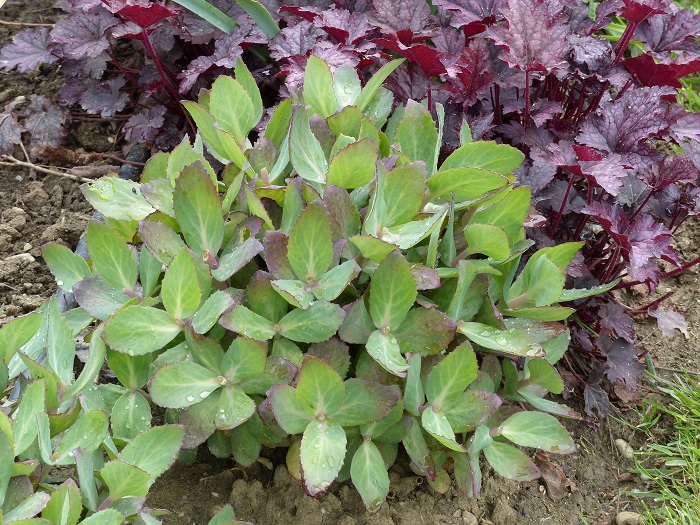
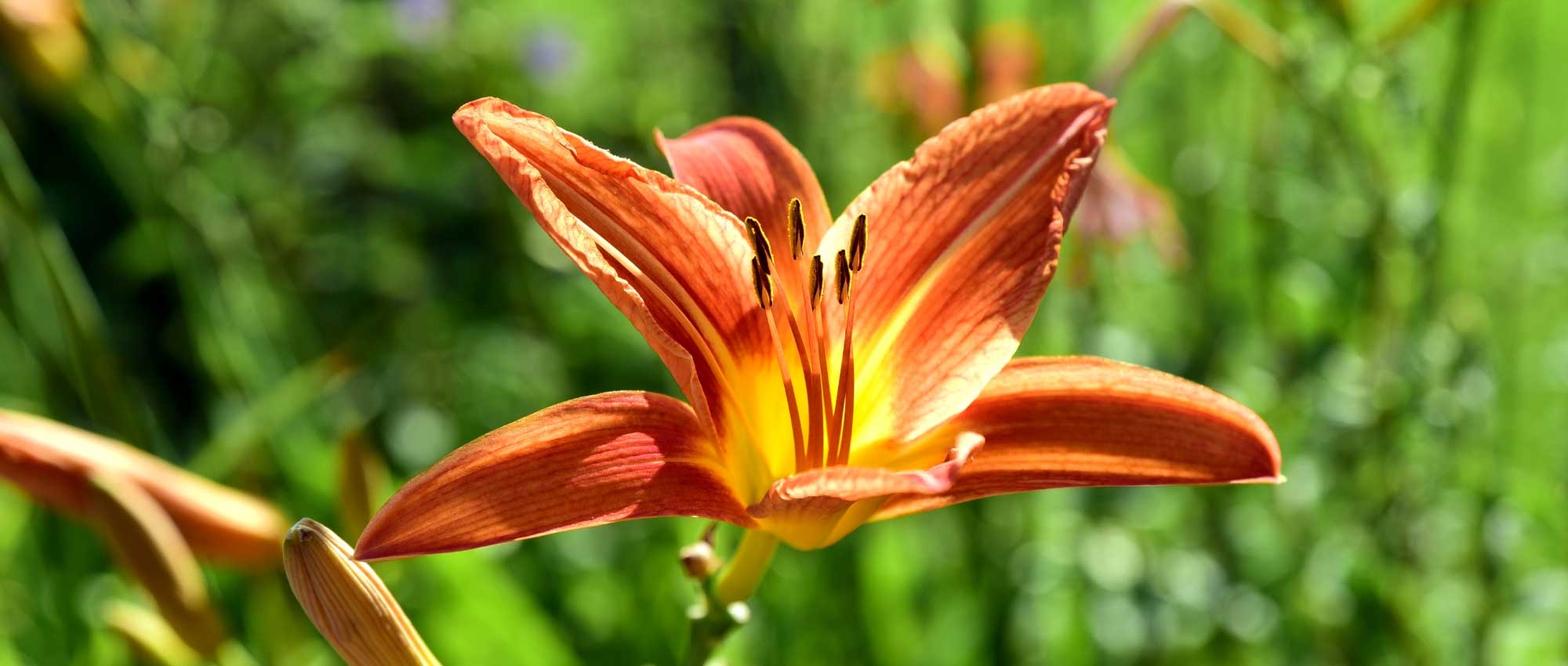
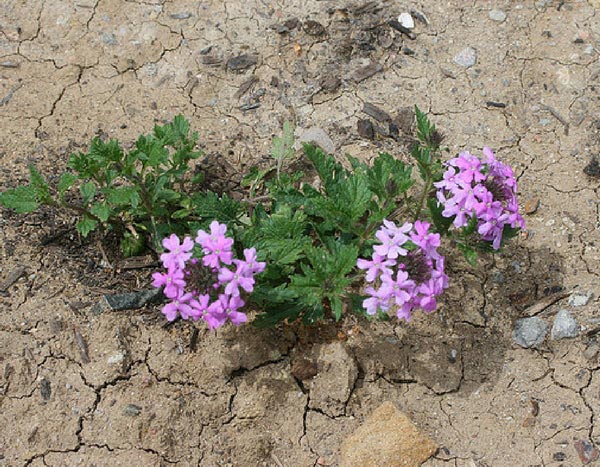
Flowering
Foliage
Plant habit
Botanical data
Opuntia
microdasys var. pallida
Cactaceae
Bunny ears cactus
Opuntia pallida
North America
Planting and care
Only plant Opuntia microdasys var. pallida in the ground in regions spared from heavy frost and rather dry in winter. Do so in spring, choosing a full sun exposure. The soil should be poor, even rocky, stony, chalky, sandy, perfectly well-drained: this plant thrives in dry, even arid soils in summer, as well as in winter. Container cultivation is therefore preferable in most regions, so the plant can be sheltered from frost in winter, ideally at a temperature above 5°C. This species also tolerates sea spray and can therefore be grown by the coast. It has no known pests, apart from scale insects.
Growing substrate: 3/4 potting compost + 1/4 garden soil + organic fertiliser for potted plants. Sandy, very stony, clay-poor soil for outdoor cultivation.
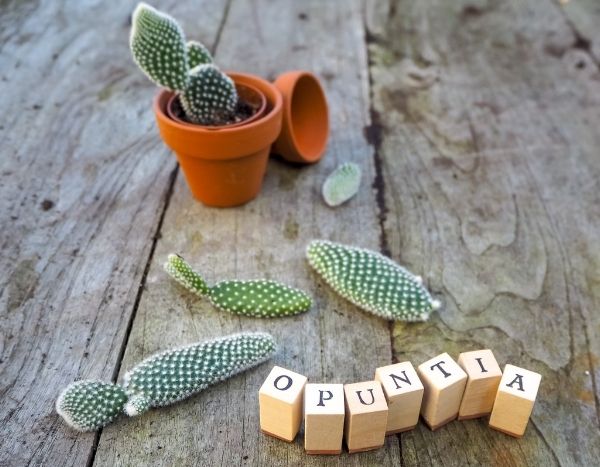
Propagation: by prickly pear cutting, easy: remove a segment at a joint, place it on a cactus soil-type substrate for a few days until a callus forms. Then insert the base of the cutting slightly deeper into the soil and water regularly. The plant will not flower or bear fruit until it is 3 years old.
Handle this cactus with gloves and remove them carefully, as the glochidia stick to all fabrics and, of course, to the skin!
Planting period
Intended location
Care
Planting & care advice
-
-
-
-
-
-
-
-
This item has not been reviewed yet - be the first to leave a review about it.
Recently viewed products
Haven't found what you were looking for?
Hardiness is the lowest winter temperature a plant can endure without suffering serious damage or even dying. However, hardiness is affected by location (a sheltered area, such as a patio), protection (winter cover) and soil type (hardiness is improved by well-drained soil).

The flowering period indicated on our website applies to countries and regions located in USDA zone 8 (France, the United Kingdom, Ireland, the Netherlands, etc.)
It will vary according to where you live:- In zones 9 to 10 (Italy, Spain, Greece, etc.), flowering will occur about 2 to 4 weeks earlier.
- In zones 6 to 7 (Germany, Poland, Slovenia, and lower mountainous regions), flowering will be delayed by 2 to 3 weeks.
- In zone 5 (Central Europe, Scandinavia), blooming will be delayed by 3 to 5 weeks.
In temperate climates, pruning of spring-flowering shrubs (forsythia, spireas, etc.) should be done just after flowering.
Pruning of summer-flowering shrubs (Indian Lilac, Perovskia, etc.) can be done in winter or spring.
In cold regions as well as with frost-sensitive plants, avoid pruning too early when severe frosts may still occur.
The planting period indicated on our website applies to countries and regions located in USDA zone 8 (France, United Kingdom, Ireland, Netherlands).
It will vary according to where you live:
- In Mediterranean zones (Marseille, Madrid, Milan, etc.), autumn and winter are the best planting periods.
- In continental zones (Strasbourg, Munich, Vienna, etc.), delay planting by 2 to 3 weeks in spring and bring it forward by 2 to 4 weeks in autumn.
- In mountainous regions (the Alps, Pyrenees, Carpathians, etc.), it is best to plant in late spring (May-June) or late summer (August-September).
The harvesting period indicated on our website applies to countries and regions in USDA zone 8 (France, England, Ireland, the Netherlands).
In colder areas (Scandinavia, Poland, Austria...) fruit and vegetable harvests are likely to be delayed by 3-4 weeks.
In warmer areas (Italy, Spain, Greece, etc.), harvesting will probably take place earlier, depending on weather conditions.
The sowing periods indicated on our website apply to countries and regions within USDA Zone 8 (France, UK, Ireland, Netherlands).
In colder areas (Scandinavia, Poland, Austria...), delay any outdoor sowing by 3-4 weeks, or sow under glass.
In warmer climes (Italy, Spain, Greece, etc.), bring outdoor sowing forward by a few weeks.
Shipping country and language
Your country of residence may be:
Your country of residence is:
For a better user experience on our website, you can select:
Your shipping country:
-
 Austria
-
 Belgium
-
 Bosnia & Herzegovina
-
 Bulgaria
-
 Croatia
-
 Cyprus
-
 Czechia
-
 Denmark
-
 Estonia
-
 Finland
-
 France
-
 Germany
-
 Greece
-
 Hungary
-
 Iceland
-
 Ireland
-
 Italy
Italy
-
 Latvia
-
 Liechtenstein
-
 Lithuania
-
 Luxembourg
-
 Malta
Malta
-
 Netherlands
-
 Poland
-
 Portugal
-
 Romania
-
 Serbia
-
 Slovakia
-
 Slovenia
-
 Spain
Spain
-
 Sweden
-
 Switzerland
Language:
-
French
-
 English
-
Spanish
-
Italian
-
German
-
Portuguese
-
Dutch
-
Finnish
My Account
Hello
My wish lists
My cart
Log in / Register
Existing customer?
This form is protected by reCAPTCHA - the Google Privacy Policy and Terms of Service apply.
New customer?
Create an account to track your orders, access our customer service and, if you wish, make the most of our upcoming offers.