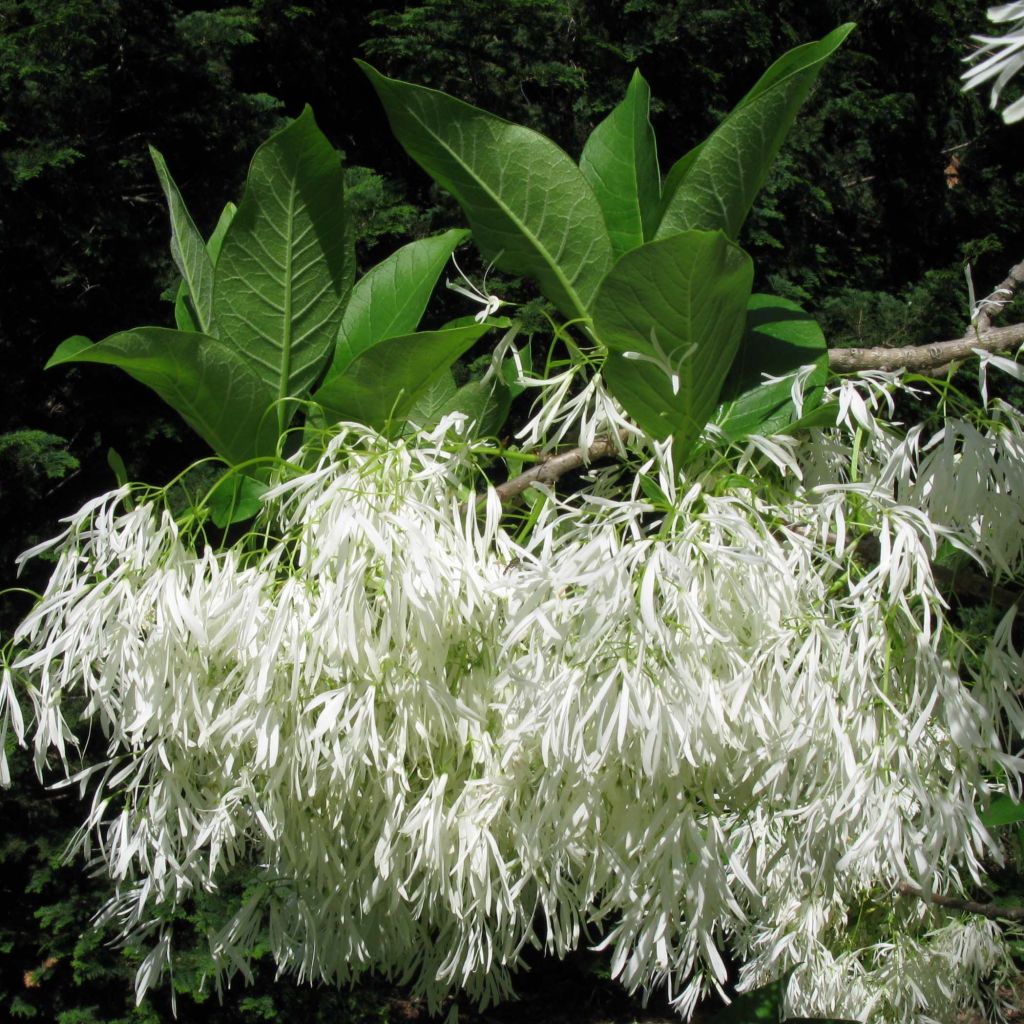
Chionanthus virginicus
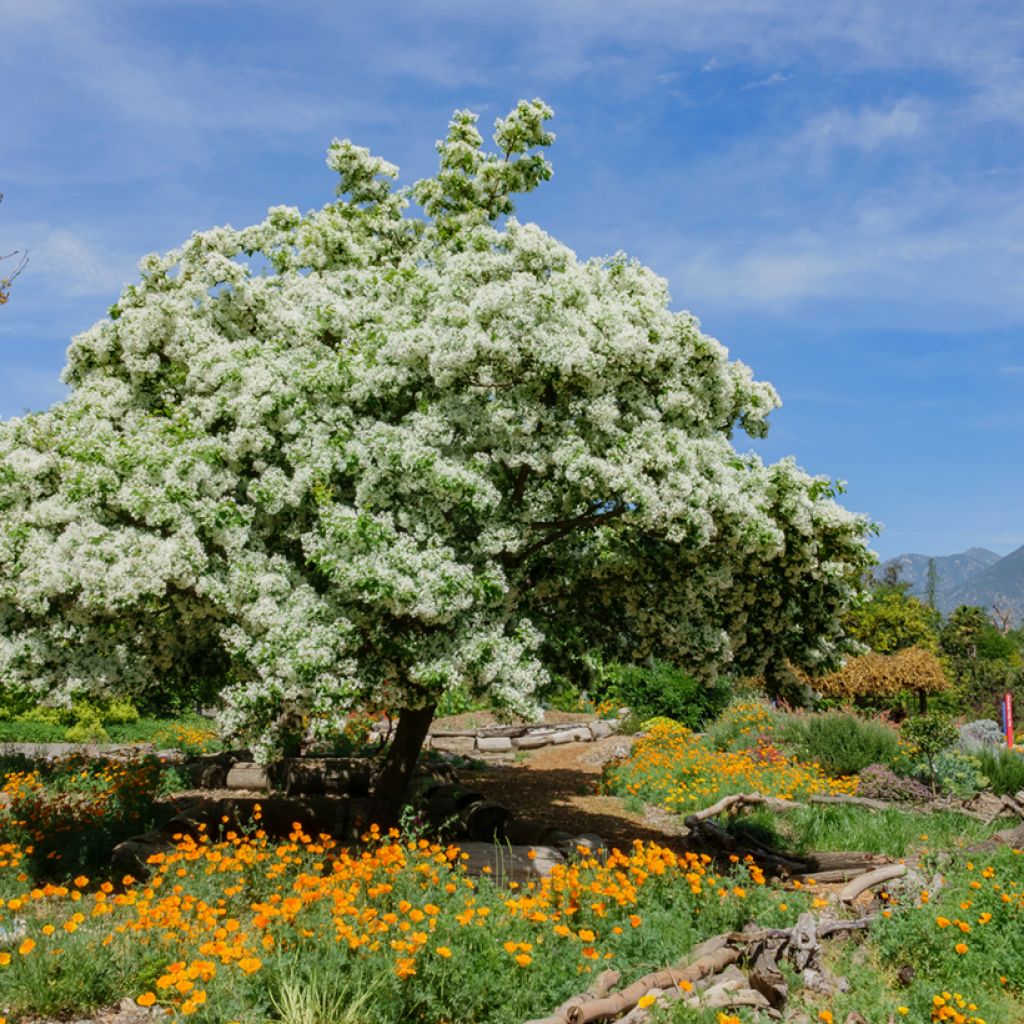
Chionanthus virginicus
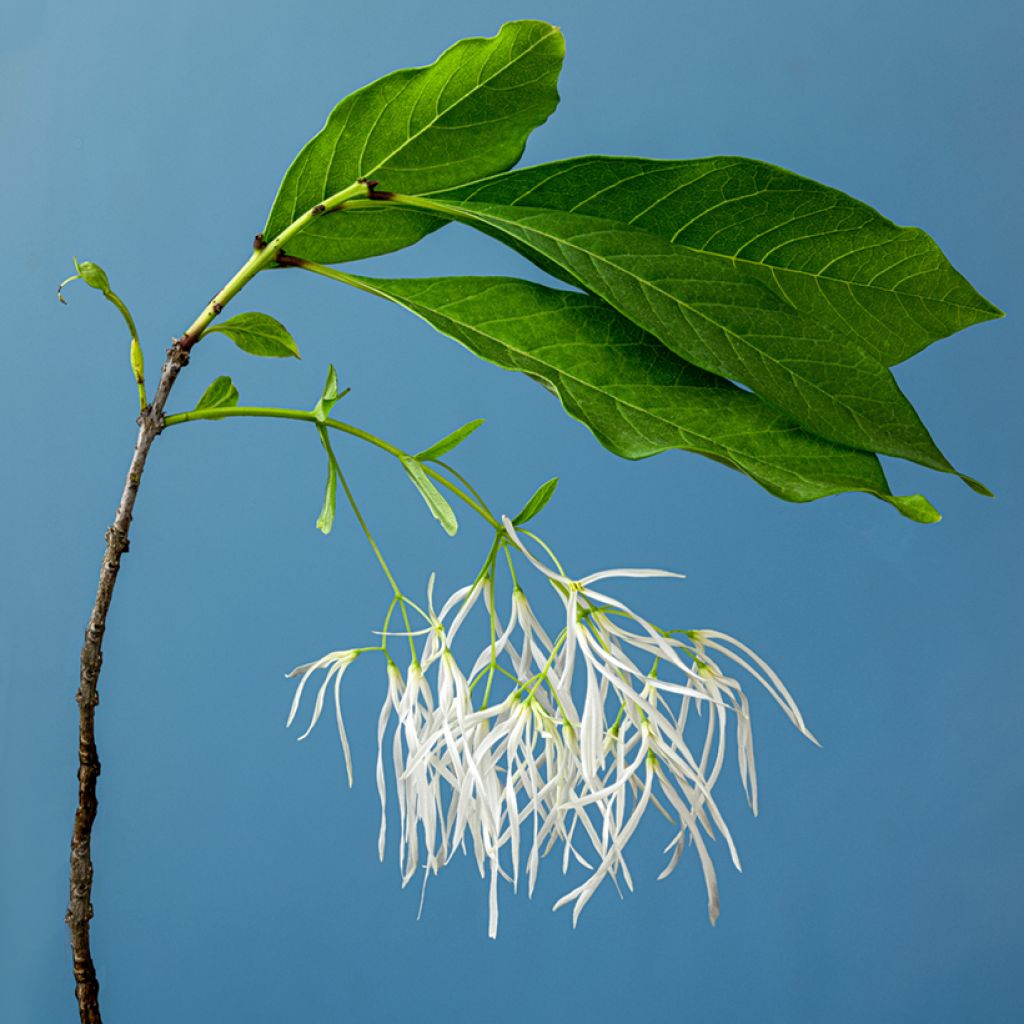
Chionanthus virginicus
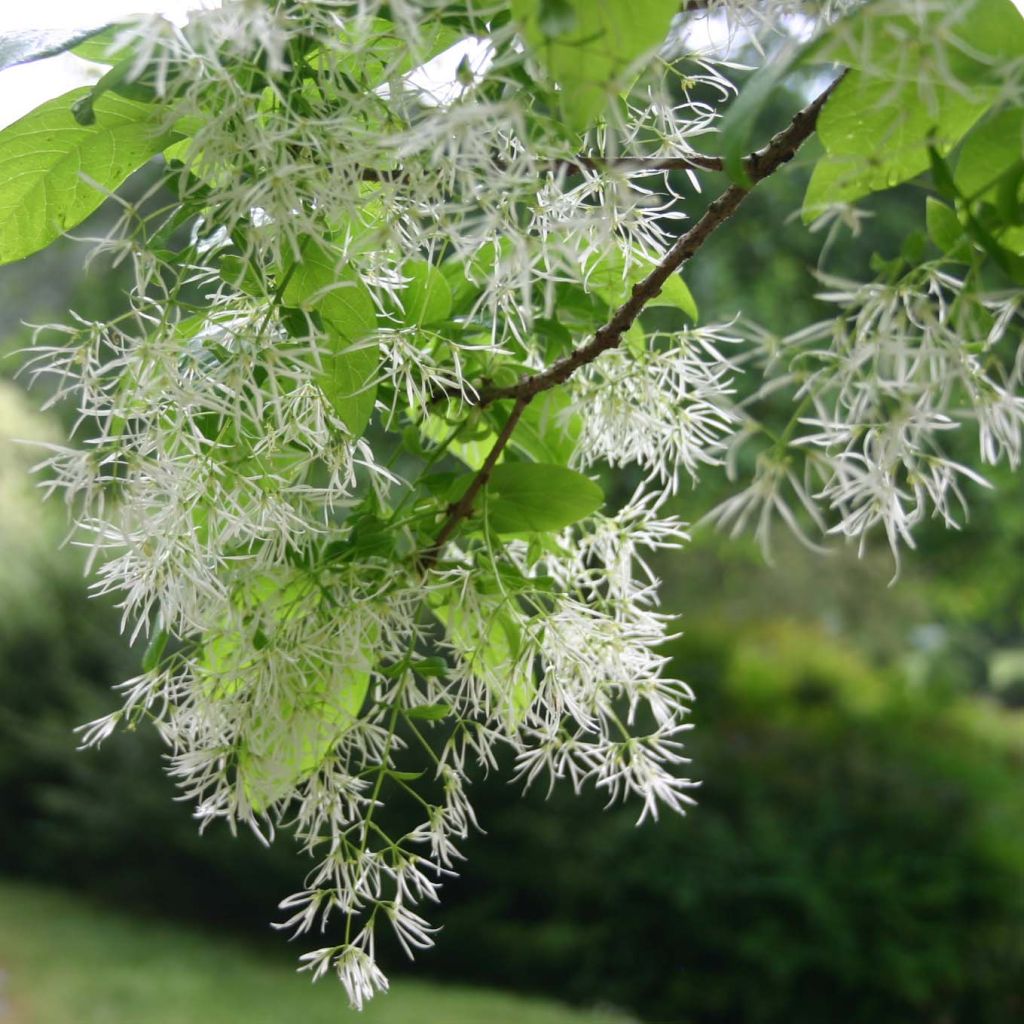
Chionanthus virginicus
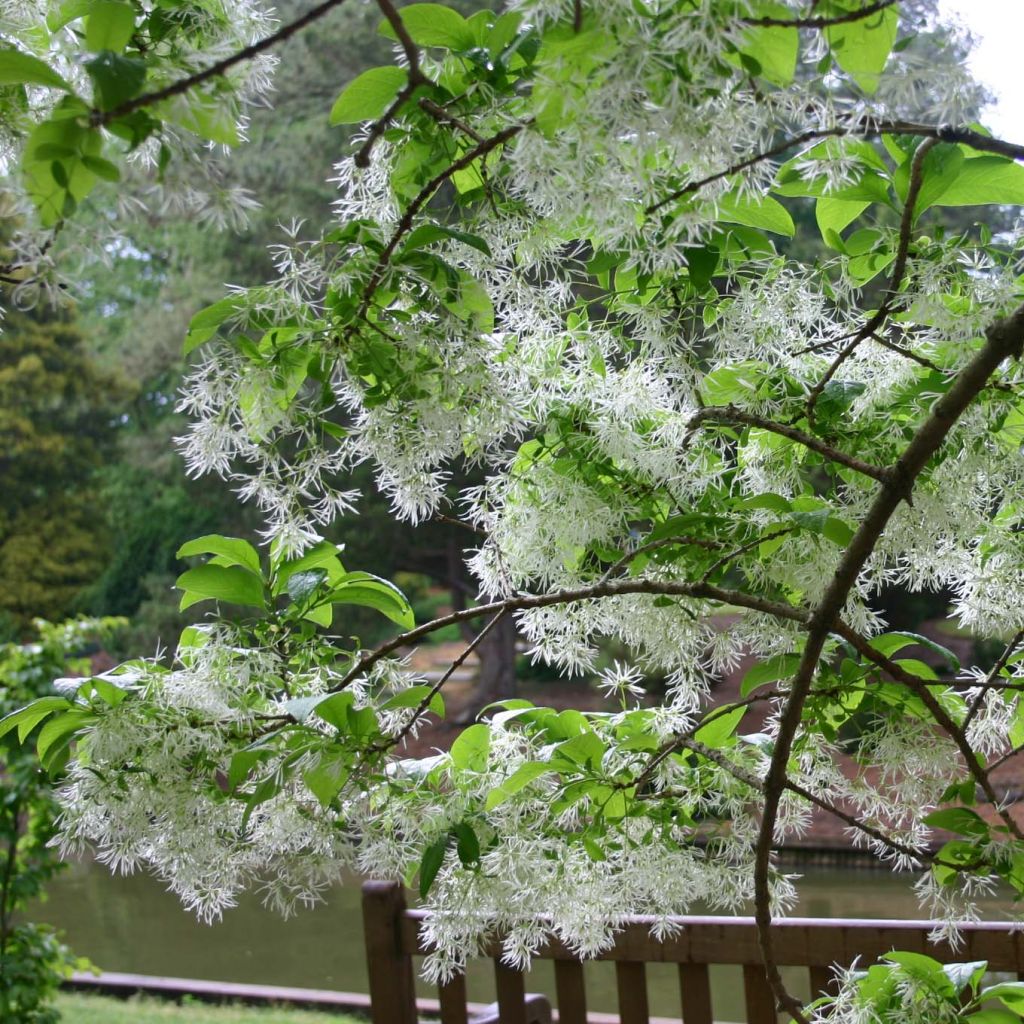
Chionanthus virginicus
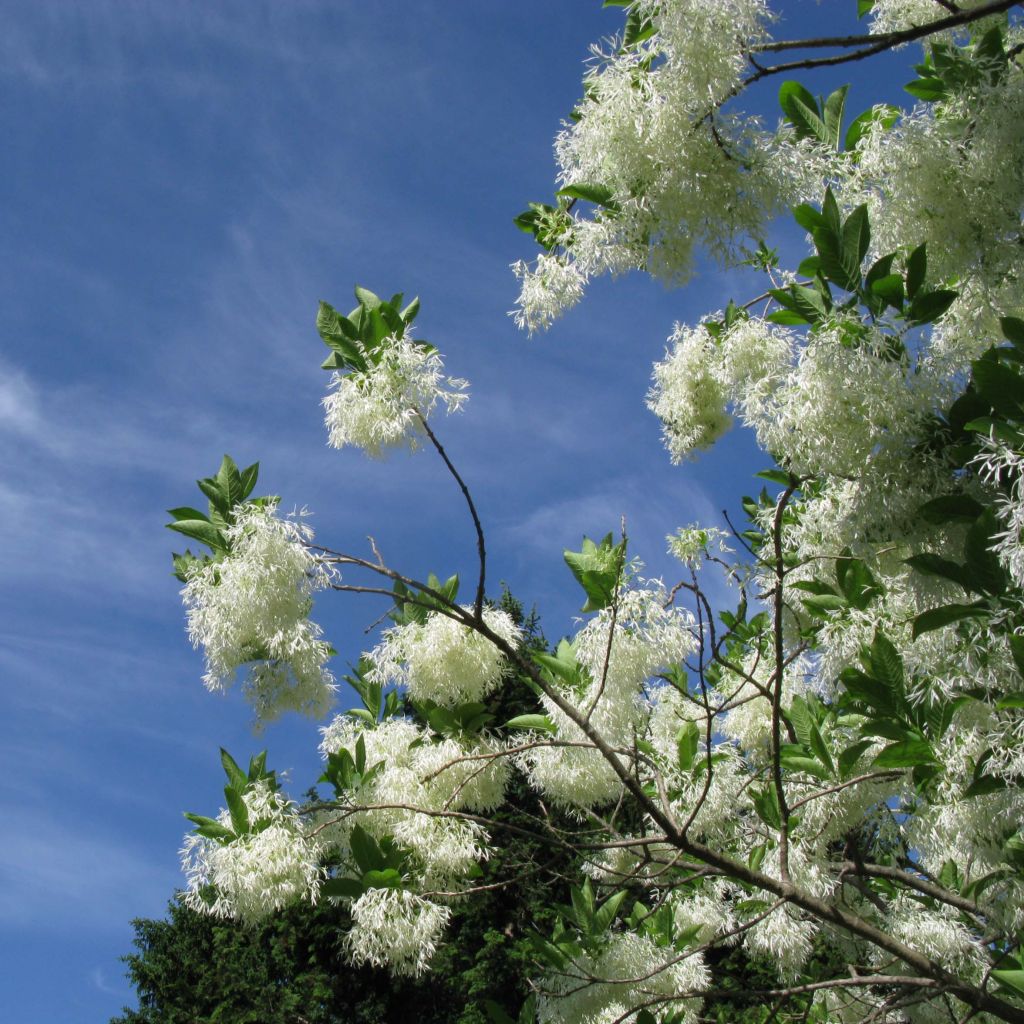
Chionanthus virginicus
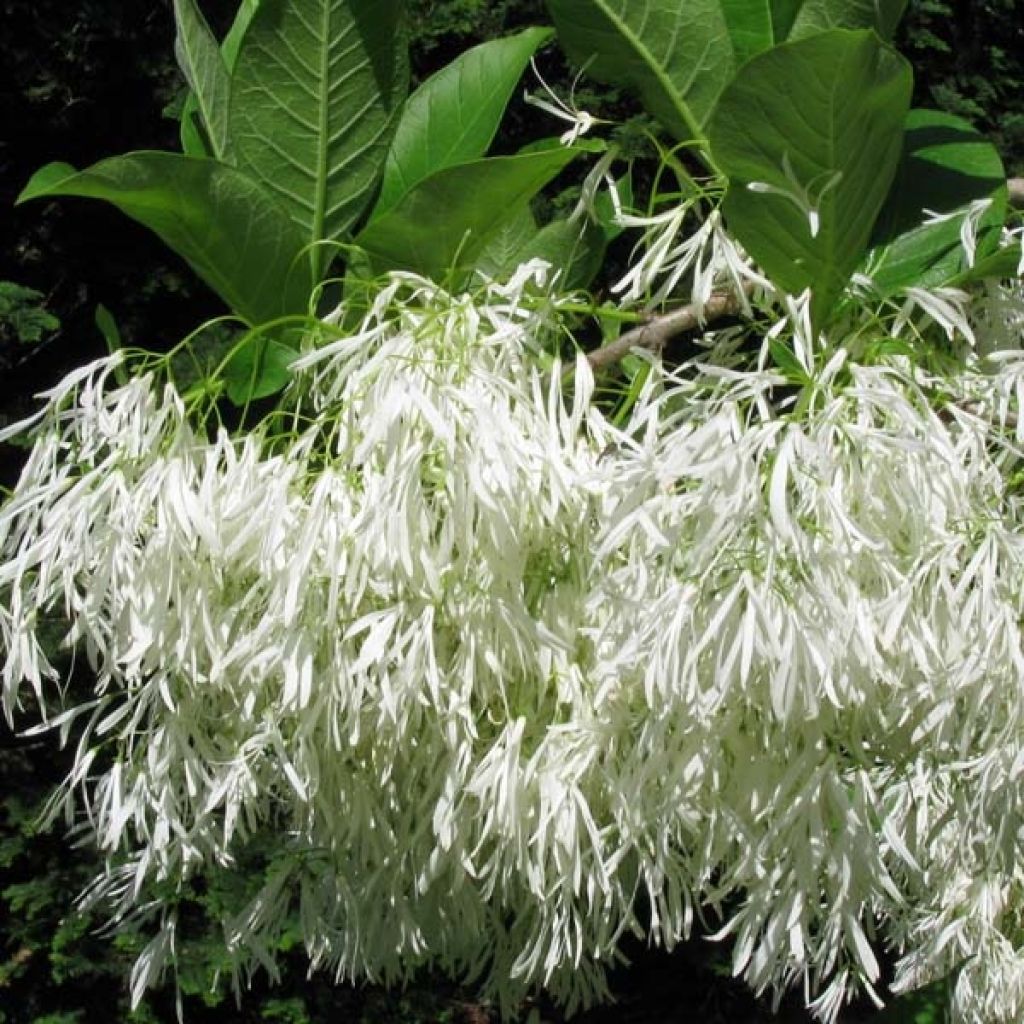
Chionanthus virginicus
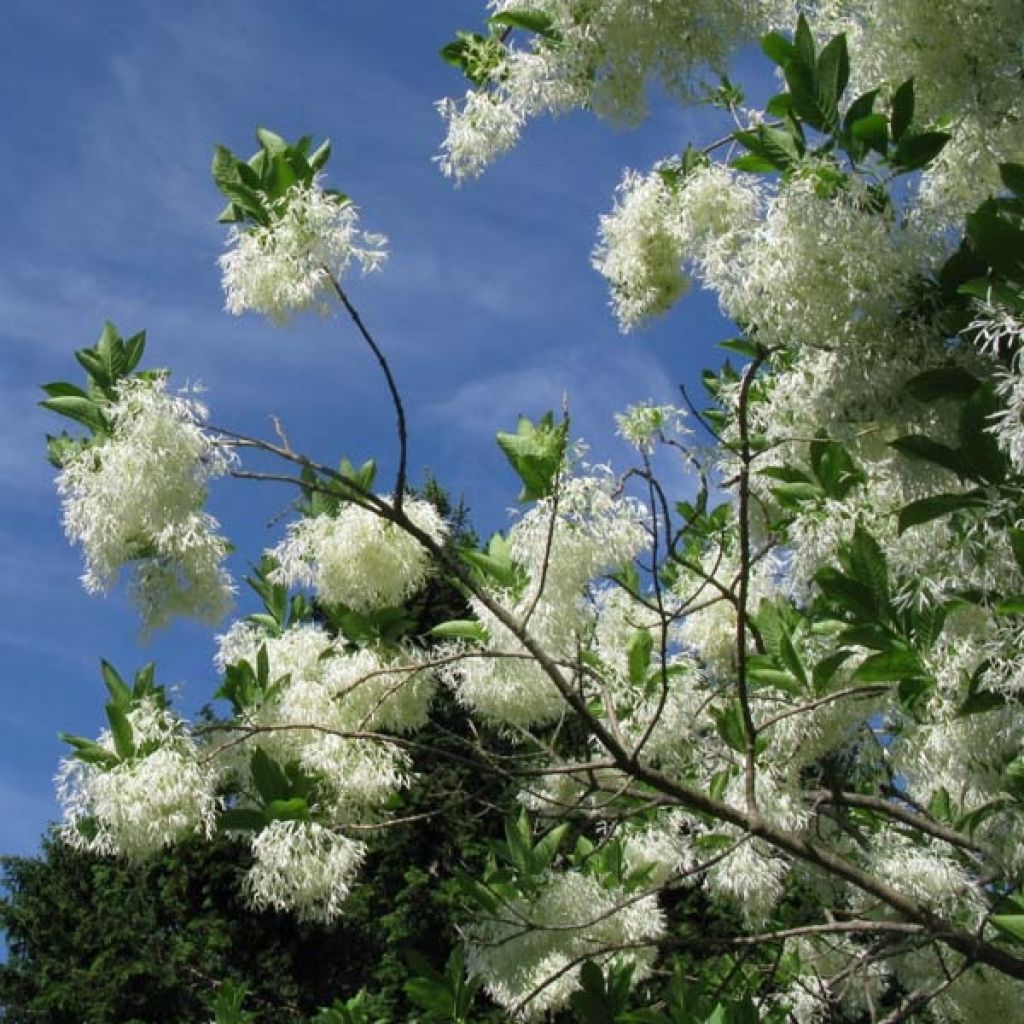
Chionanthus virginicus
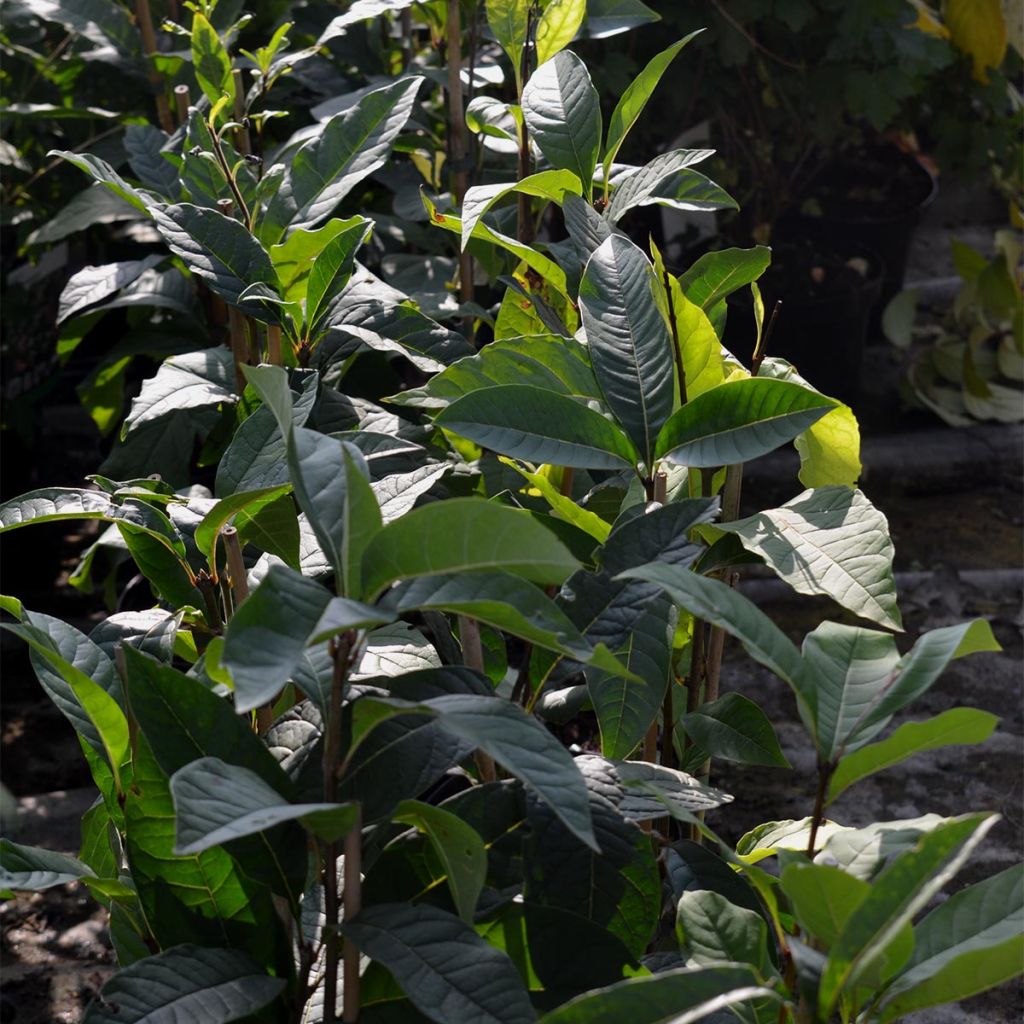
Chionanthus virginicus
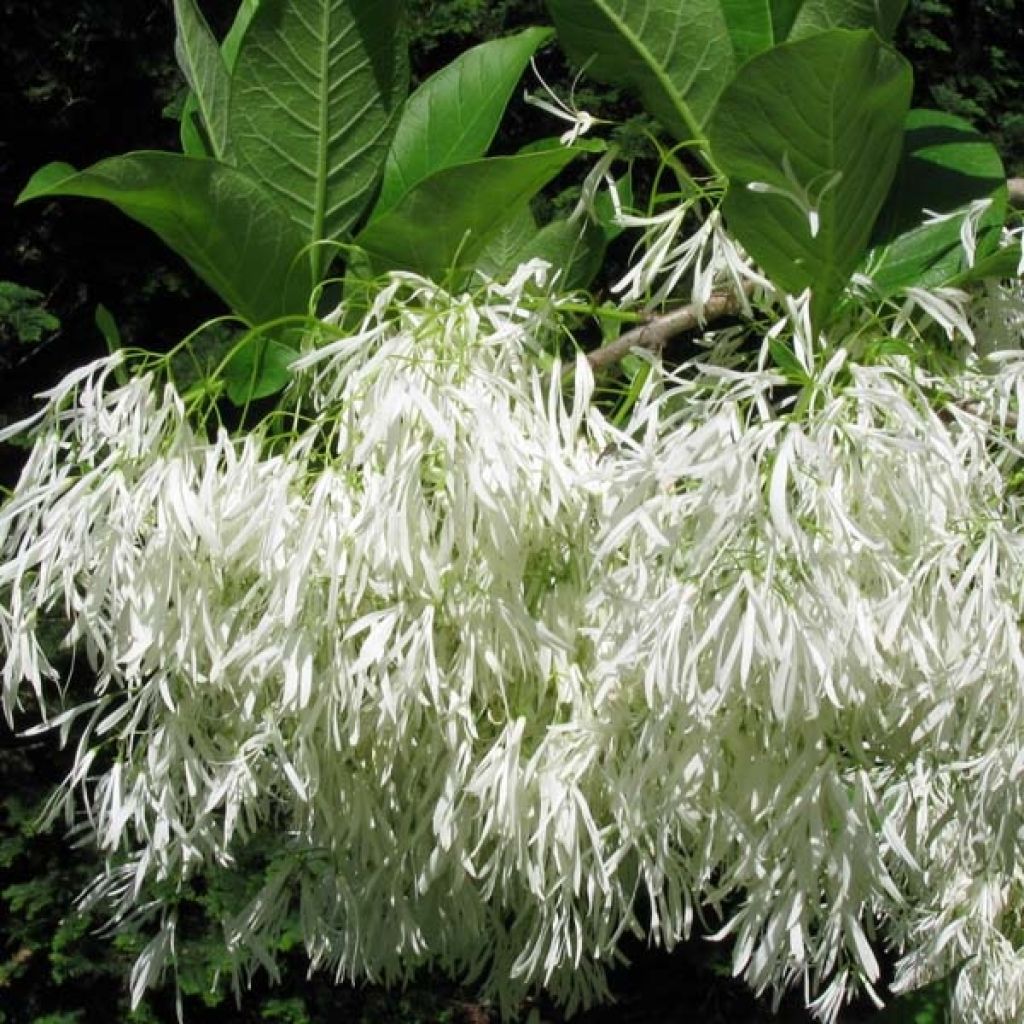
Chionanthus virginicus
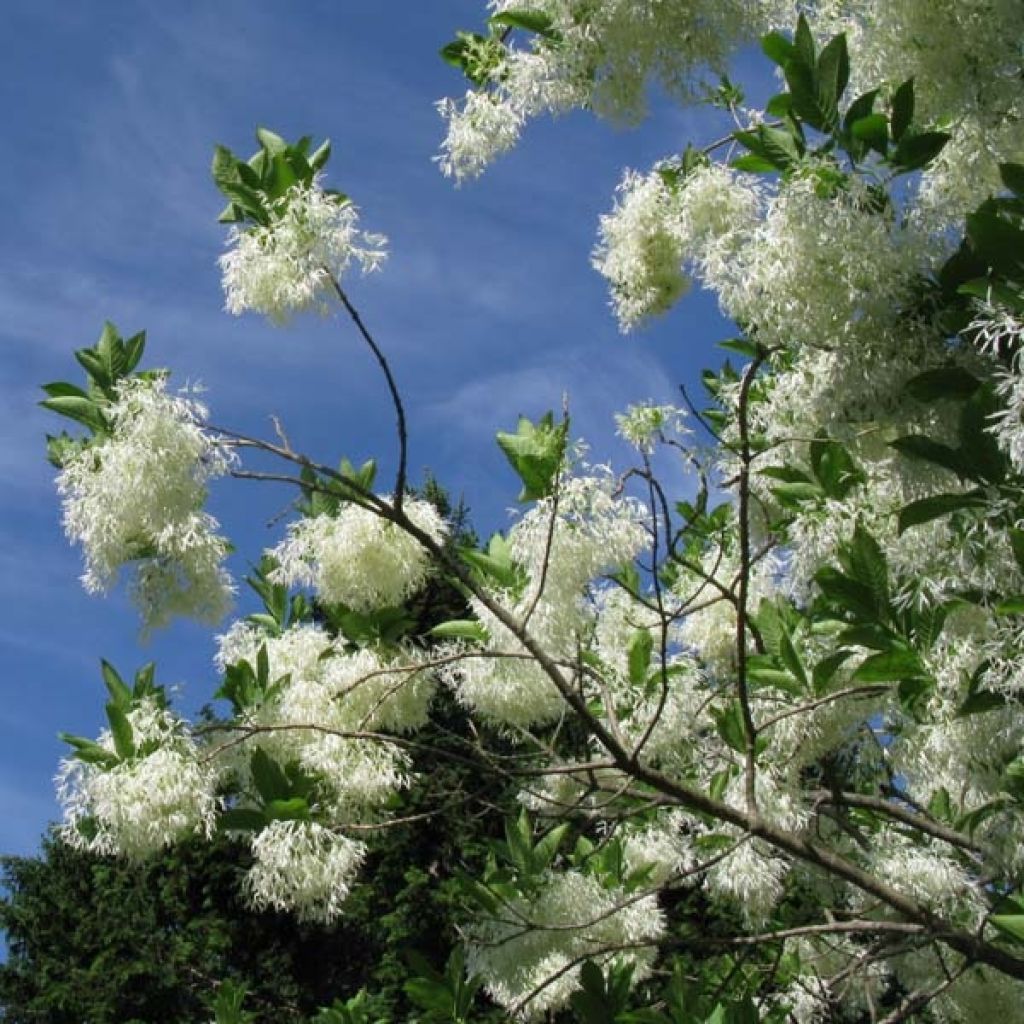
Chionanthus virginicus
Chionanthus virginicus
Chionanthus virginicus
Fringe Tree, North American fringe tree, old man's beard, poison ash, Virginian snow flower
Can cultivation in a pot be considered?
Coevoet martine, 24/11/2025
Back-to-school special offer!
Get €10 off for every €50 you spend! And get up to €40 off on a single order.
How does it work?
1. Shop your favourites
Add your favourite plants to your basket. For every €50 you spend (excluding delivery charges, store credit and the plastic-free option), you’ll receive a €10 voucher.
€50 spent = €10 voucher
€100 spent = €20 voucher
€150 spent = €30 voucher
€200 spent = €40 voucher
2. Place your order
Once your basket reaches one of the spending thresholds, place your order. You can even choose your delivery date!
3. Receive your voucher
As soon as your order has been shipped, you’ll receive an email containing your personal voucher code and its value.
4. Use it on your next order
Your voucher is valid for 90 days from the date you receive it. It can be used once only, on a new order worth at least the value of the voucher, excluding delivery charges.
Please note: Vouchers can be combined with other offers, but cannot be split or refunded.
Home or relay delivery (depending on size and destination)
Important: You may be charged customs duties by your country’s customs authorities upon delivery.
Schedule delivery date,
and select date in basket
This plant carries a 24 months recovery warranty
More information
We guarantee the quality of our plants for a full growing cycle, and will replace at our expense any plant that fails to recover under normal climatic and planting conditions.

Would this plant suit my garden?
Set up your Plantfit profile →
Description
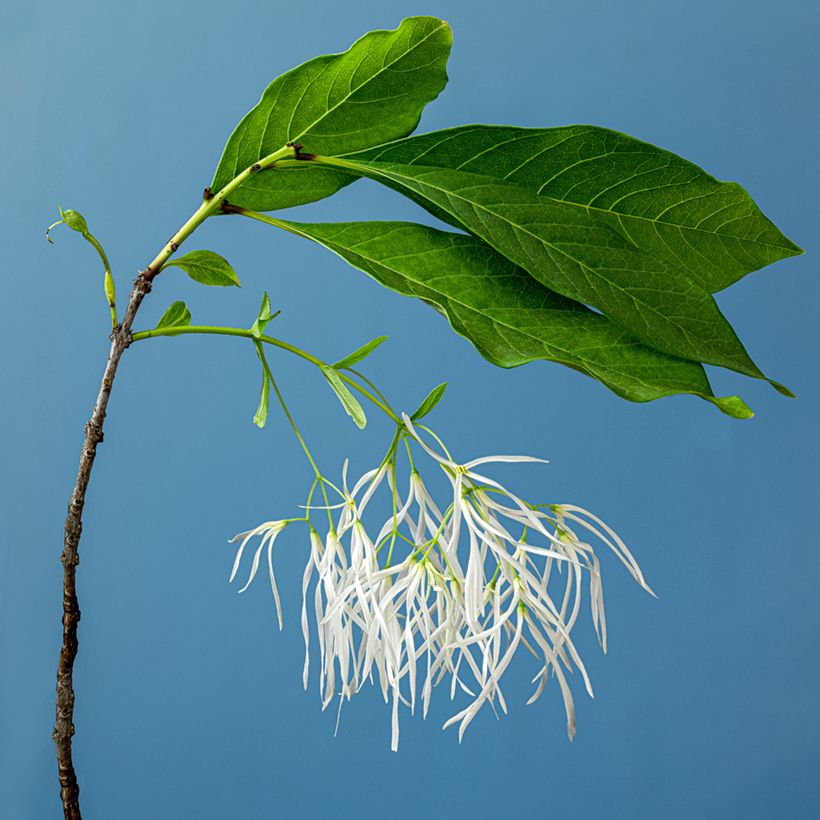
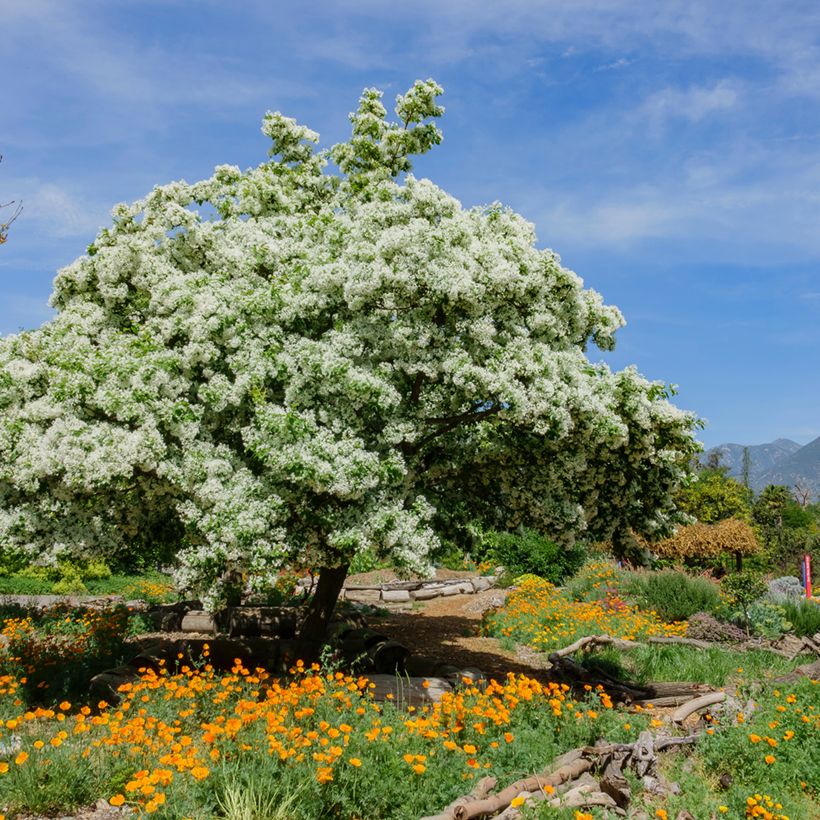
Chionanthus virginicus, appelé arbre à neige ou arbre à franges de Virginie, possède une floraison remarquable en fin de printemps, formée de longs pétales blancs qui retombent en franges souples. Ces panicules légèrement parfumées couvrent la ramure d’un voile lumineux, d’autant plus spectaculaire que l’arbuste reçoit du soleil. Son port souple et ample, sa croissance lente et sa grande rusticité en font un beau sujet pour un petit jardin. Il fait un bel effet sur une pelouse ou l’arrière d’un massif.
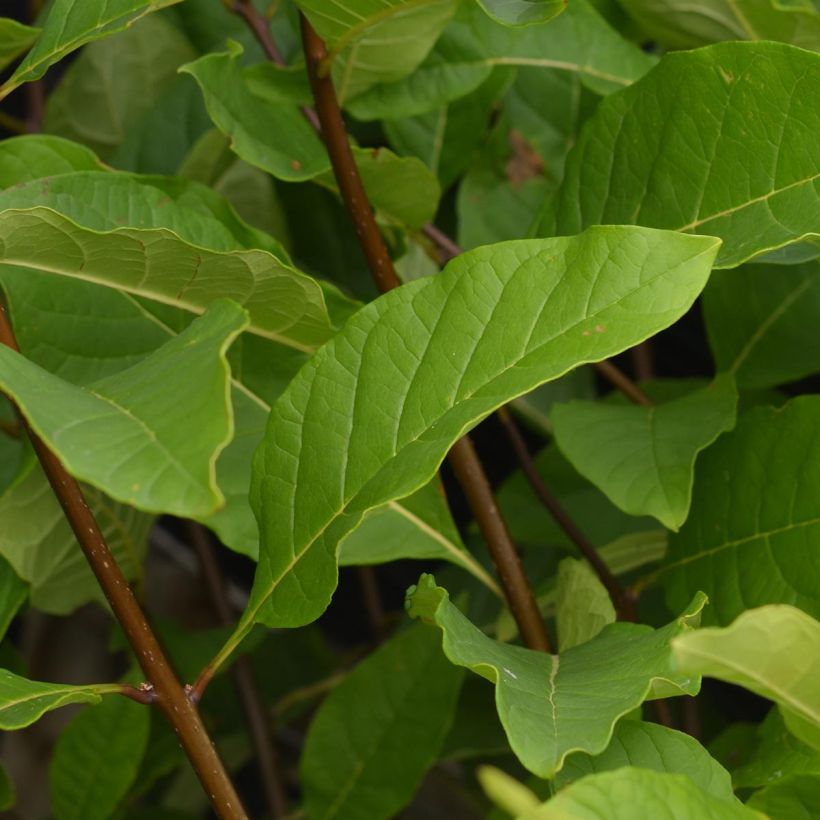
Le Chionanthus virginicus appartient à la famille des Oléacées, comme les lilas, les osmanthes et les frênes. C’est un arbuste ou un petit arbre à feuilles caduques : son feuillage tombe en automne et réapparaît au printemps. Cette espèce botanique pousse naturellement dans le centre et l’est des États-Unis, depuis le Massachusetts jusqu’à la Floride et au Texas. On la rencontre dans les bois frais, sur les versants humides, au bord des cours d’eau et, plus ponctuellement, sur des escarpements rocheux. Elle supporte donc des conditions assez variées, mais se développe mieux dans une terre profonde qui ne sèche pas trop. Sa croissance est lente, de l’ordre de 15 à 25 cm par an. Après dix ans, un sujet bien établi mesure 2,50 à 3 m de haut et de large. Dans un jardin européen, il atteint à maturité 3 à 4 m en tous sens ; dans son aire naturelle, de très vieux arbres placés dans des conditions favorables peuvent dépasser 6 m. Plusieurs troncs partent fréquemment de la base et portent une ramure arrondie, assez ouverte, qui s’élargit avec l’âge. On peut le conduire sur un tronc en supprimant progressivement les branches les plus basses. Les feuilles, disposées par paires, sont elliptiques à obovales et longues de 8 à 20 cm. D'un vert moyen à vert foncé durant l’été, elles deviennent jaunes en automne. En mai-juin, selon le climat, des panicules retombantes de 10 à 20 cm se forment sur le bois de l’année précédente. Chaque petite fleur porte quatre pétales très étroits, blanc ivoire, longs de 1 à 2,5 cm. Leur finesse et leur nombre possèdent cet aspect de franges qui a inspiré son nom commun français. Cette floraison exhale un parfum discret. Le Chionanthus virginicus est fonctionnellement dioïque : certains sujets portent principalement des fleurs mâles, d’autres des fleurs femelles, même si quelques fleurs hermaphrodites peuvent apparaître. Les fleurs mâles, munies de pétales plus longs, composent une floraison plus fournie. Après pollinisation, les sujets femelles produisent des drupes ovoïdes bleu noir, semblables à de petites olives, qui mûrissent à la fin de l’été et attirent les oiseaux. Le sexe d’un jeune plant étant difficile à déterminer avant sa première floraison, la fructification ne peut pas être garantie. Cette espèce a reçu la distinction Plant of Merit du Missouri Botanical Garden en 2002. Sa rusticité est de l'ordre de -20°C pour un sujet bien établi et dans de bonnes conditions de culture.
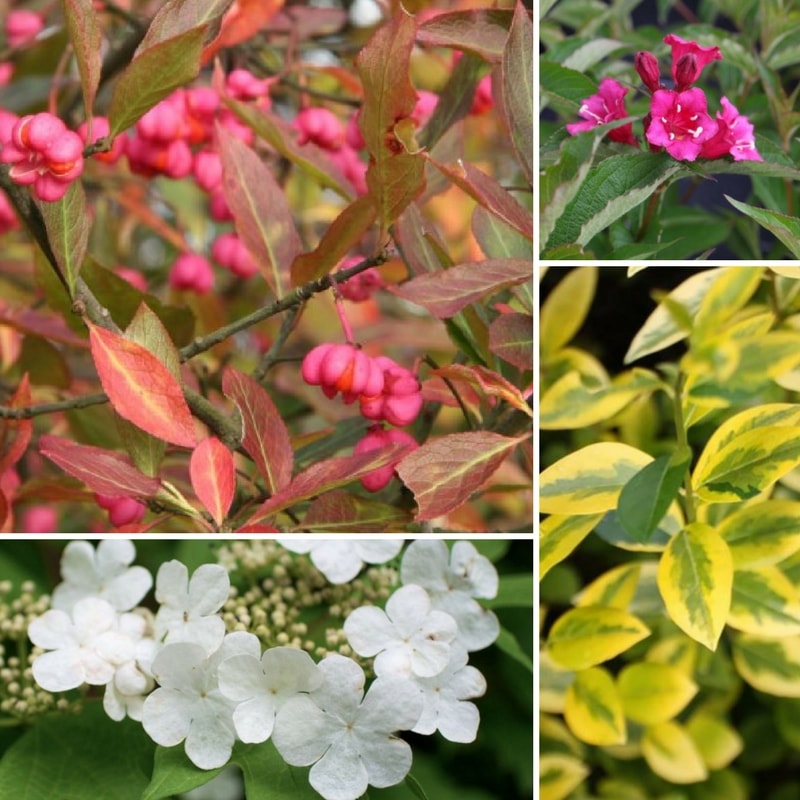
Cet arbre à neige trouve naturellement sa place dans un jardin à l’anglaise ou dans un grand massif naturaliste inspiré des lisières fraîches d’Amérique du Nord. Il peut être planté avec des arbustes de terre humifère, des vivaces d’ombre claire et des feuillages colorés en automne. On peut notamment l'associer à l’Itea virginica ‘Henry’s Garnet’, au Clethra alnifolia ‘Ruby Spice’, à l’Hydrangea quercifolia ‘Snowflake’ et à l’Hakonechloa macra ‘Nicolas’. Le blanc de l’hortensia succède à celui du Chionanthus, les épis roses du cléthra s'apprécient en été, puis l’automne colore les feuillages de rouge, de cuivre et d’or, dans une harmonie douce et chaleureuse.
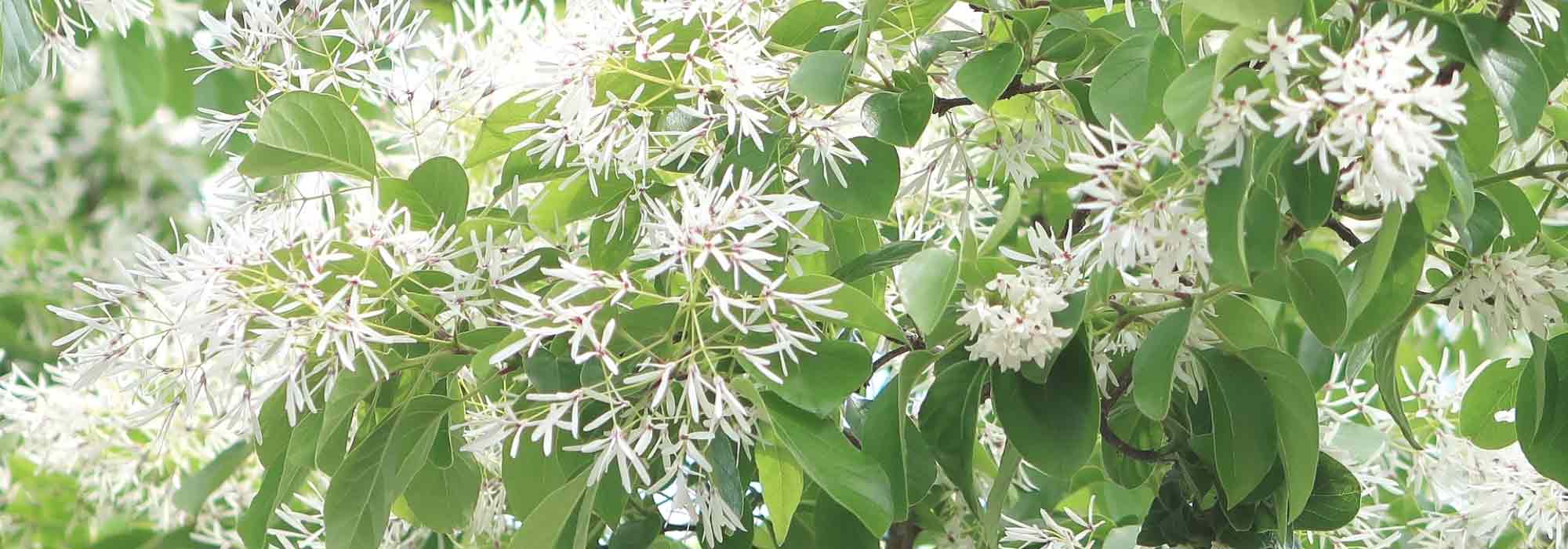
Chionanthus virginicus in pictures
Plant habit
Flowering
Foliage
Botanical data
Chionanthus
virginicus
Oleaceae
Fringe Tree, North American fringe tree, old man's beard, poison ash, Virginian snow flower
Chionanthus angustifolius, Chionanthus cotinifolius, Chionanthus vernalis
North America
Planting and care
Chionanthus virginicus is planted from September to November or from February to April, outside periods of frost. It grows in a deep, fertile, humus-bearing, moist and well-aerated soil. Its optimum is in a slightly acidic to neutral soil, with a pH of 6 to 7. Its tolerance is wider, from pH 5.5 to pH 8: it therefore accepts acid, neutral and moderately calcareous soils, without requiring heather soil. It also tolerates clay and temporary moisture, but its growth slows in compact, persistently airless or dry soil. A sunny position encourages flowering in regions with cool, damp summers; in hot regions, light partial shade is preferable. Loosen the soil thoroughly and incorporate well-rotted compost if it is poor. Water regularly during the first two or three summers, then during dry spells. Place a young plant in its final position, as older specimens tolerate transplanting poorly.
Planting period
Intended location
Care
Planting & care advice
-

-
-
-

-
-
-

-

-
, onOrder confirmed
Reply from on Promesse de fleurs
Recently viewed products
Haven't found what you were looking for?
Hardiness is the lowest winter temperature a plant can endure without suffering serious damage or even dying. However, hardiness is affected by location (a sheltered area, such as a patio), protection (winter cover) and soil type (hardiness is improved by well-drained soil).

The flowering period indicated on our website applies to countries and regions located in USDA zone 8 (France, the United Kingdom, Ireland, the Netherlands, etc.)
It will vary according to where you live:- In zones 9 to 10 (Italy, Spain, Greece, etc.), flowering will occur about 2 to 4 weeks earlier.
- In zones 6 to 7 (Germany, Poland, Slovenia, and lower mountainous regions), flowering will be delayed by 2 to 3 weeks.
- In zone 5 (Central Europe, Scandinavia), blooming will be delayed by 3 to 5 weeks.
In temperate climates, pruning of spring-flowering shrubs (forsythia, spireas, etc.) should be done just after flowering.
Pruning of summer-flowering shrubs (Indian Lilac, Perovskia, etc.) can be done in winter or spring.
In cold regions as well as with frost-sensitive plants, avoid pruning too early when severe frosts may still occur.
The planting period indicated on our website applies to countries and regions located in USDA zone 8 (France, United Kingdom, Ireland, Netherlands).
It will vary according to where you live:
- In Mediterranean zones (Marseille, Madrid, Milan, etc.), autumn and winter are the best planting periods.
- In continental zones (Strasbourg, Munich, Vienna, etc.), delay planting by 2 to 3 weeks in spring and bring it forward by 2 to 4 weeks in autumn.
- In mountainous regions (the Alps, Pyrenees, Carpathians, etc.), it is best to plant in late spring (May-June) or late summer (August-September).
The harvesting period indicated on our website applies to countries and regions in USDA zone 8 (France, England, Ireland, the Netherlands).
In colder areas (Scandinavia, Poland, Austria...) fruit and vegetable harvests are likely to be delayed by 3-4 weeks.
In warmer areas (Italy, Spain, Greece, etc.), harvesting will probably take place earlier, depending on weather conditions.
The sowing periods indicated on our website apply to countries and regions within USDA Zone 8 (France, UK, Ireland, Netherlands).
In colder areas (Scandinavia, Poland, Austria...), delay any outdoor sowing by 3-4 weeks, or sow under glass.
In warmer climes (Italy, Spain, Greece, etc.), bring outdoor sowing forward by a few weeks.
Shipping country and language
Your country of residence may be:
Your country of residence is:
For a better user experience on our website, you can select:
Your shipping country:
-
 Austria
-
 Belgium
-
 Bosnia & Herzegovina
-
 Bulgaria
-
 Croatia
-
 Cyprus
-
 Czechia
-
 Denmark
-
 Estonia
-
 Finland
-
 France
-
 Germany
-
 Greece
-
 Hungary
-
 Iceland
-
 Ireland
-
 Italy
-
 Latvia
-
 Liechtenstein
-
 Lithuania
-
 Luxembourg
-
 Malta
-
 Netherlands
-
 Poland
-
 Portugal
-
 Romania
-
 Serbia
-
 Slovakia
-
 Slovenia
-
 Spain
-
 Sweden
-
 Switzerland
Language:
-
French
-
 English
-
Spanish
-
Italian
-
German
-
Portuguese
-
Dutch
-
Finnish
My Account
Hello
My wish lists
My cart
Log in / Register
Existing customer?
This form is protected by reCAPTCHA - the Google Privacy Policy and Terms of Service apply.
New customer?
Create an account to track your orders, access our customer service and, if you wish, make the most of our upcoming offers.