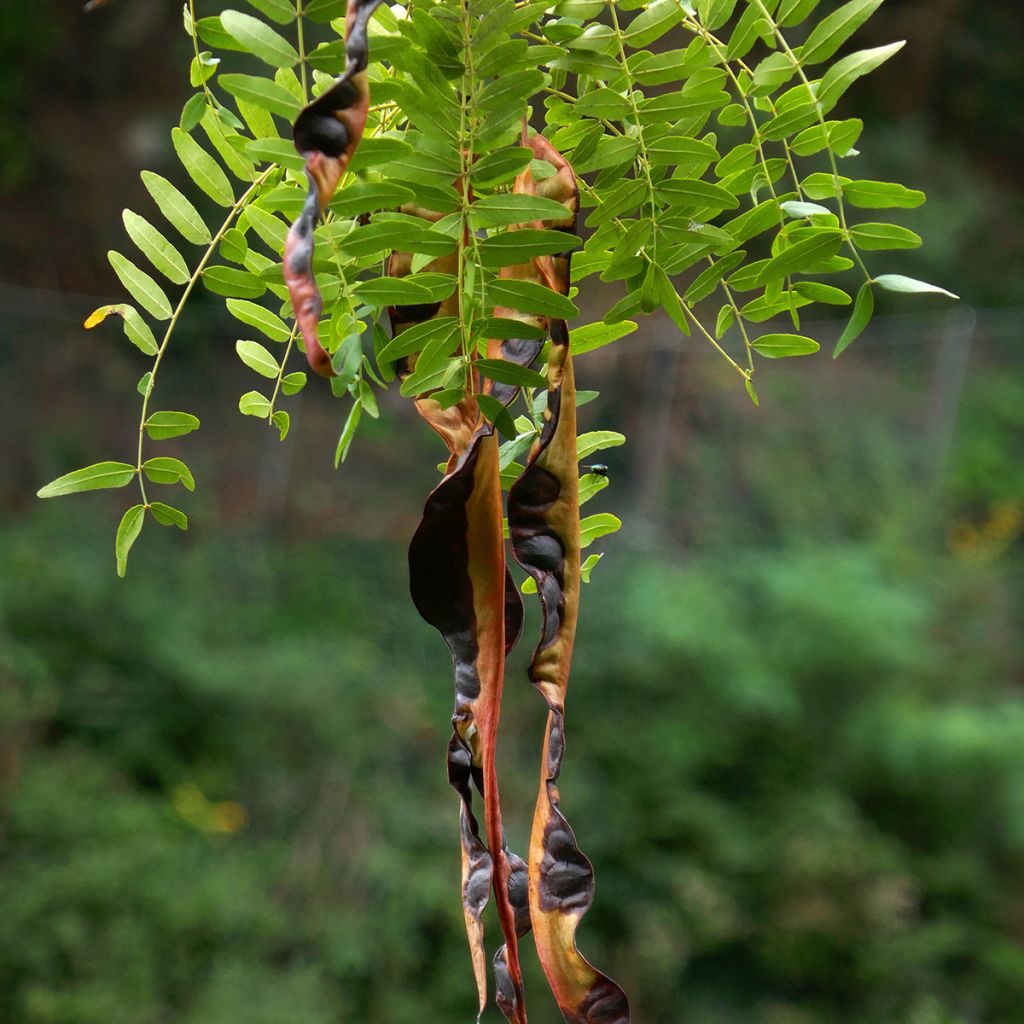
Gleditsia triacanthos f. inermis seeds - Thornless honey locust
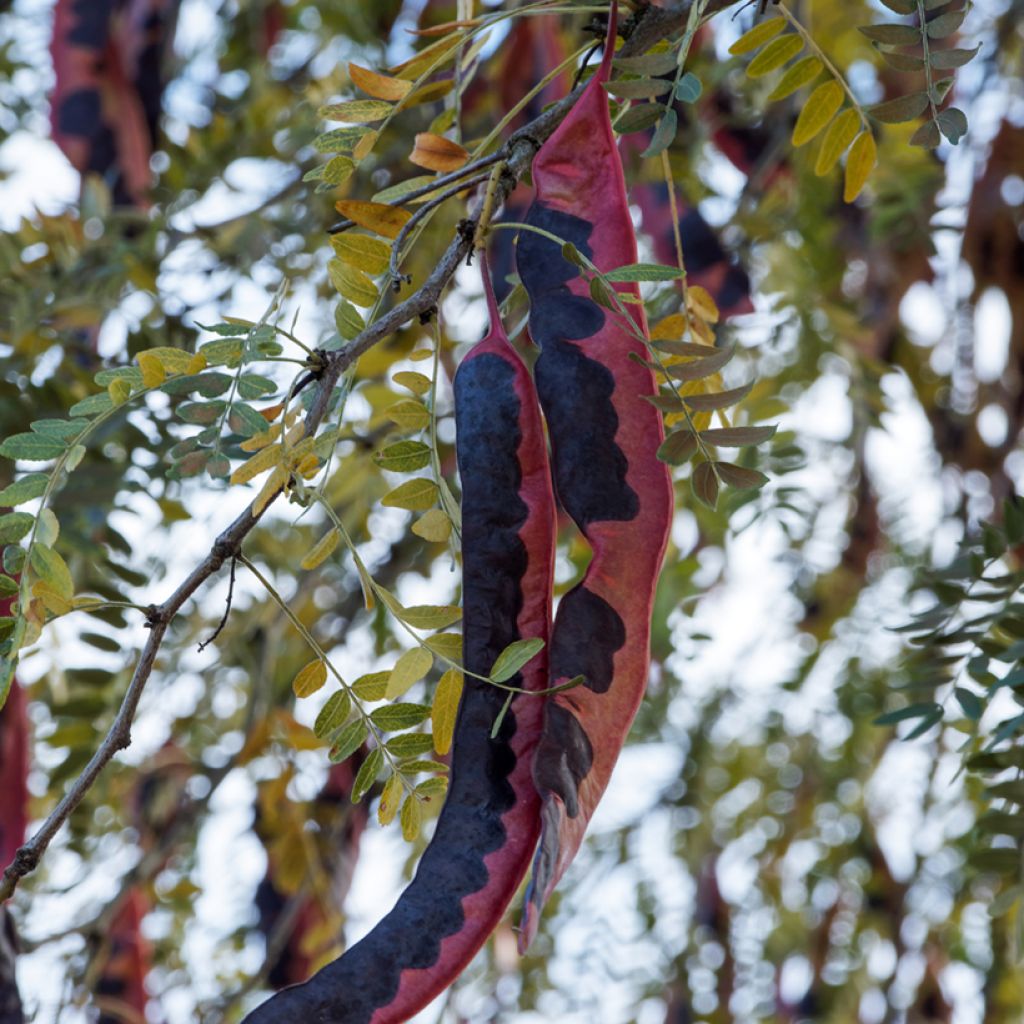
Gleditsia triacanthos f. inermis seeds - Thornless honey locust
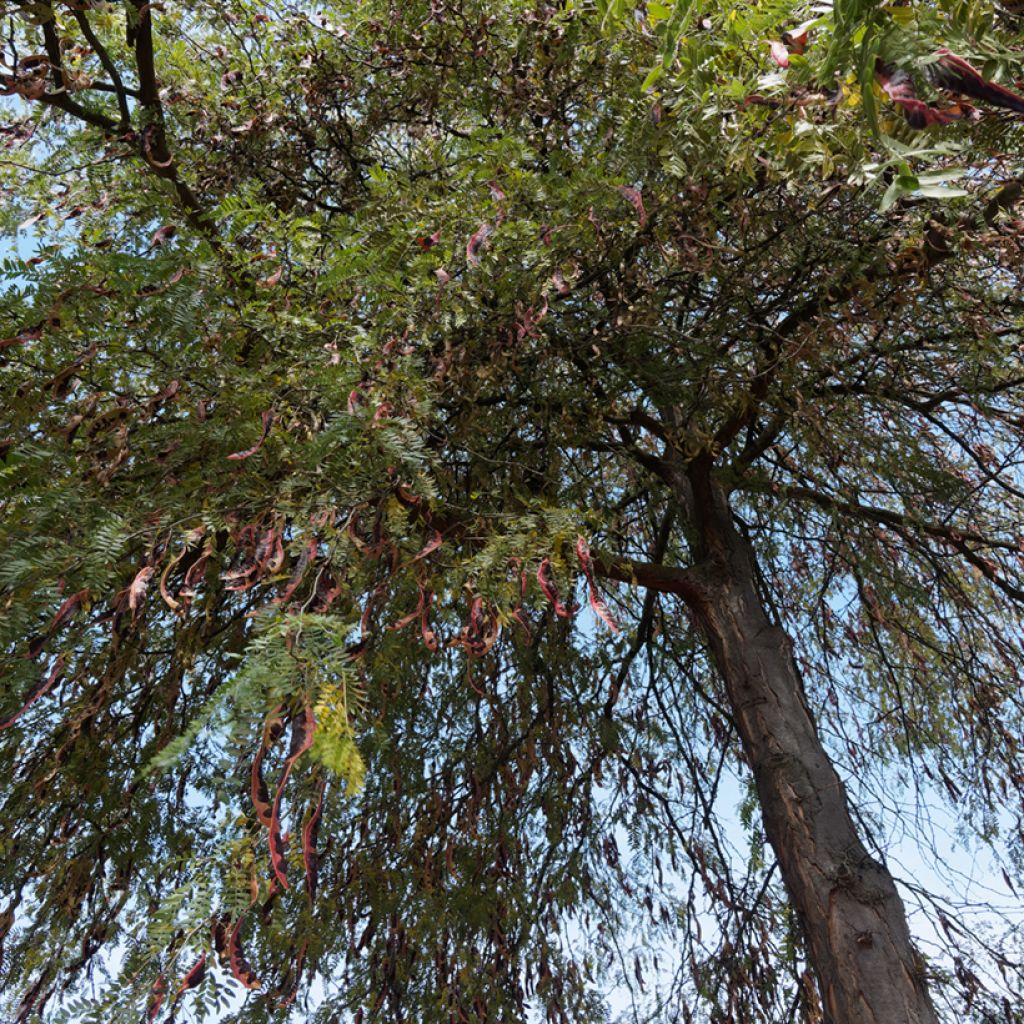
Gleditsia triacanthos f. inermis seeds - Thornless honey locust
Gleditsia triacanthos f. inermis seeds - Thornless honey locust
Gleditsia triacanthos f. inermis
Thornless Honeylocust
Back-to-school special offer!
Get €10 off for every €50 you spend! And get up to €40 off on a single order.
How does it work?
1. Shop your favourites
Add your favourite plants to your basket. For every €50 you spend (excluding delivery charges, store credit and the plastic-free option), you’ll receive a €10 voucher.
€50 spent = €10 voucher
€100 spent = €20 voucher
€150 spent = €30 voucher
€200 spent = €40 voucher
2. Place your order
Once your basket reaches one of the spending thresholds, place your order. You can even choose your delivery date!
3. Receive your voucher
As soon as your order has been shipped, you’ll receive an email containing your personal voucher code and its value.
4. Use it on your next order
Your voucher is valid for 90 days from the date you receive it. It can be used once only, on a new order worth at least the value of the voucher, excluding delivery charges.
Please note: Vouchers can be combined with other offers, but cannot be split or refunded.
Home or relay delivery (depending on size and destination)
Important: You may be charged customs duties by your country’s customs authorities upon delivery.
Schedule delivery date
and select date in basket
This plant carries a 6 months recovery warranty
More information
We guarantee the quality of our plants for a full growing cycle, and will replace at our expense any plant that fails to recover under normal climatic and planting conditions.
Would this plant suit my garden?
Set up your Plantfit profile →
Description
Thornless Honey Locust (Gleditsia triacanthos f. inermis), also known as the thornless locust or Christ's thorn, is an ornamental tree that can be propagated from seed. It is prized for its delicate foliage, graceful silhouette, and absence of thorns. Stunning as a standalone specimen, this essential tree adapts to all types of soil and many climates.
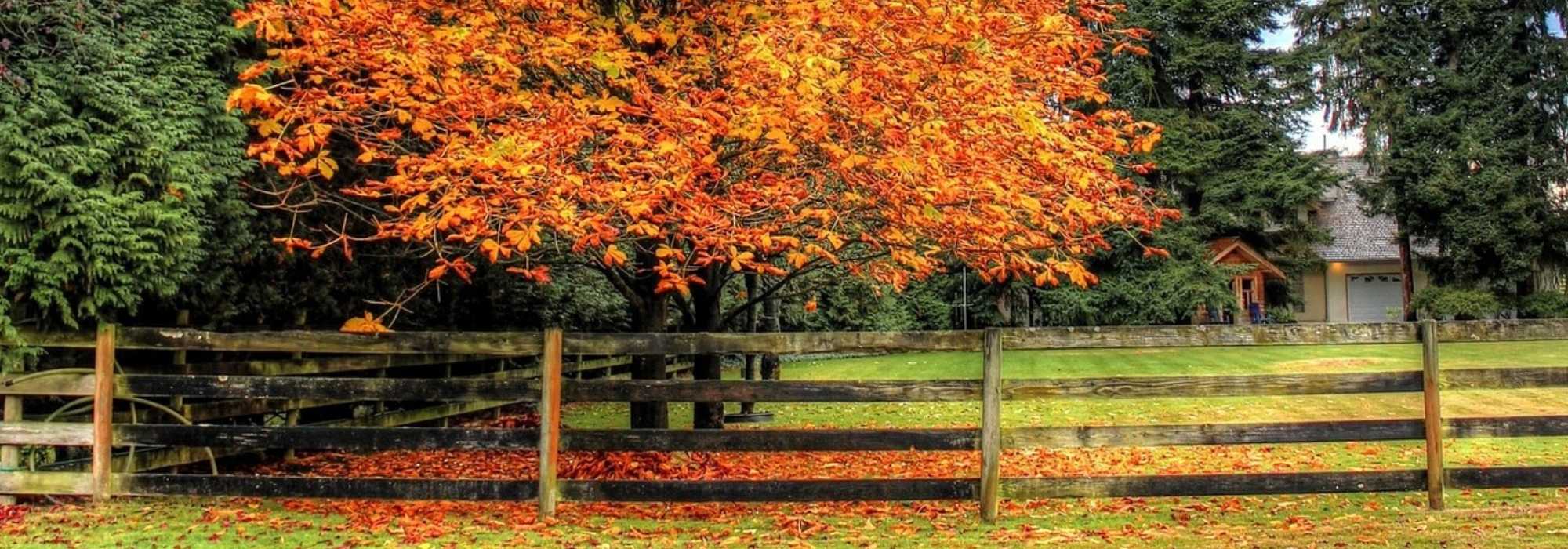
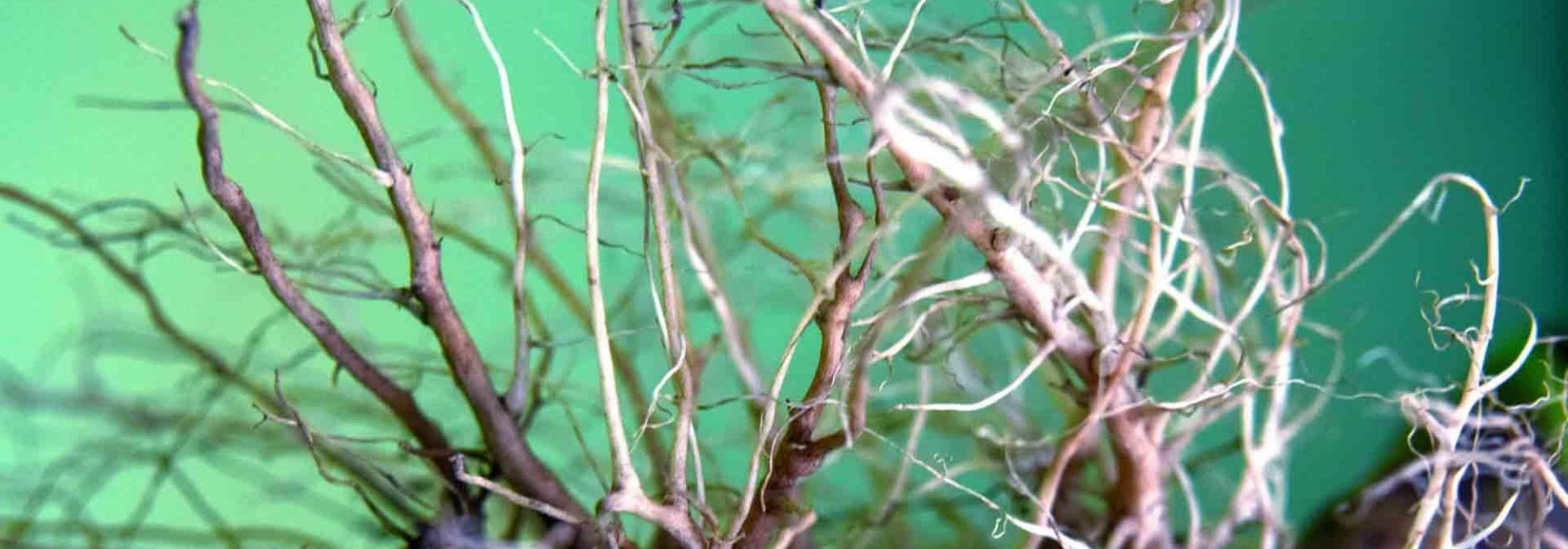
Belonging to the Fabaceae family, the Thornless Honey Locust is a thornless variety of the Gleditsia triacanthos species, native to eastern North America. The name "Gleditsia" pays homage to the German botanist Johann Gottlieb Gleditsch. This deciduous tree exhibits rapid growth, typically reaching 20m in height with a spread of 10m. Its crown is broad and irregular, providing dappled shade with its fine, lacy foliage. The alternate and compound leaves measure between 15 and 20cm long and consist of small, ovate leaflets 2.5 to 4cm in length. They emerge light green in spring, turn dark green in summer, then take on a golden-yellow colour in autumn before falling. Flowering occurs in June-July, with small greenish flowers in pendulous clusters 5 to 7cm long. These inconspicuous flowers are nectar-rich and attract pollinators. Pollination is mainly carried out by insects. The fruits are flat, curved pods, measuring between 15 and 40cm long, turning dark brown when ripe in autumn. These pods contain a sweet pulp favoured by wildlife. The trunk and branches of this honey locust are thorn-free, making it ideal for high-traffic areas. The bark is grey-brown, developing longitudinal fissures with age. The root system is deep, with a main taproot and some lateral roots, giving the tree good stability and drought resistance.
It is best to plant Gleditsia triacanthos f. inermis as a standalone feature in a spacious garden, where it will provide light shade without hindering the growth of nearby plants. This highly adaptable tree thrives in rich, moist soil, even poorly drained, and tolerates dry summer conditions, poor or chalky soils once well established. You can pair it with Persian ironwood (Parrotia persica), ornamental grasses like Miscanthus, and perennials such as Japanese Anemones that bloom in late summer, to extend the garden's visual interest.
Report an error about the product description
Flowering
Foliage
Plant habit
Botanical data
Gleditsia
triacanthos f. inermis
Fabaceae
Thornless Honeylocust
Gleditsia inermis
North America
Planting and care
To sow thornless honey locust seeds (Gleditsia triacanthos f. inermis), seed preparation is necessary.
Honey locust seeds have a hard, impermeable outer coat that requires scarification to allow water absorption. Soak the seeds in boiling water, then leave them to steep for 72 hours in this water as it gradually cools. This method helps soften the outer coat and break seed dormancy. After soaking, sow the seeds at a temperature between 20 and 25°C, preferably in a well-drained sandy substrate. Keep the substrate moist but not waterlogged until germination.
Once the young plants have developed several leaves and reached a sufficient height for handling, they are ready for transplanting. Choose a location in full sun, as the honey locust thrives in sunny conditions. Prepare a planting hole wide and deep enough to accommodate the root system, ideally in rich, moist, well-drained soil. Although this tree tolerates various soil types, including chalky and dry soils, it prefers rich, moist alluvial soils. Place the young plant in the hole, ensuring the collar is level with the soil, backfill with the appropriate substrate, lightly firm, and water generously to remove air pockets and encourage good root contact.
Gleditsia triacanthos prefers sheltered positions as its wood is quite brittle. When young, you can protect it with winter fleece if your garden is located in the north.
Sowing period
Intended location
Planting & care advice
-

-
-
-
-
-
-

-
This item has not been reviewed yet - be the first to leave a review about it.
Recently viewed products
Haven't found what you were looking for?
Hardiness is the lowest winter temperature a plant can endure without suffering serious damage or even dying. However, hardiness is affected by location (a sheltered area, such as a patio), protection (winter cover) and soil type (hardiness is improved by well-drained soil).

The flowering period indicated on our website applies to countries and regions located in USDA zone 8 (France, the United Kingdom, Ireland, the Netherlands, etc.)
It will vary according to where you live:- In zones 9 to 10 (Italy, Spain, Greece, etc.), flowering will occur about 2 to 4 weeks earlier.
- In zones 6 to 7 (Germany, Poland, Slovenia, and lower mountainous regions), flowering will be delayed by 2 to 3 weeks.
- In zone 5 (Central Europe, Scandinavia), blooming will be delayed by 3 to 5 weeks.
In temperate climates, pruning of spring-flowering shrubs (forsythia, spireas, etc.) should be done just after flowering.
Pruning of summer-flowering shrubs (Indian Lilac, Perovskia, etc.) can be done in winter or spring.
In cold regions as well as with frost-sensitive plants, avoid pruning too early when severe frosts may still occur.
The planting period indicated on our website applies to countries and regions located in USDA zone 8 (France, United Kingdom, Ireland, Netherlands).
It will vary according to where you live:
- In Mediterranean zones (Marseille, Madrid, Milan, etc.), autumn and winter are the best planting periods.
- In continental zones (Strasbourg, Munich, Vienna, etc.), delay planting by 2 to 3 weeks in spring and bring it forward by 2 to 4 weeks in autumn.
- In mountainous regions (the Alps, Pyrenees, Carpathians, etc.), it is best to plant in late spring (May-June) or late summer (August-September).
The harvesting period indicated on our website applies to countries and regions in USDA zone 8 (France, England, Ireland, the Netherlands).
In colder areas (Scandinavia, Poland, Austria...) fruit and vegetable harvests are likely to be delayed by 3-4 weeks.
In warmer areas (Italy, Spain, Greece, etc.), harvesting will probably take place earlier, depending on weather conditions.
The sowing periods indicated on our website apply to countries and regions within USDA Zone 8 (France, UK, Ireland, Netherlands).
In colder areas (Scandinavia, Poland, Austria...), delay any outdoor sowing by 3-4 weeks, or sow under glass.
In warmer climes (Italy, Spain, Greece, etc.), bring outdoor sowing forward by a few weeks.
Shipping country and language
Your country of residence may be:
Your country of residence is:
For a better user experience on our website, you can select:
Your shipping country:
-
 Austria
-
 Belgium
-
 Bosnia & Herzegovina
-
 Bulgaria
-
 Croatia
-
 Cyprus
-
 Czechia
-
 Denmark
-
 Estonia
-
 Finland
-
 France
-
 Germany
-
 Greece
-
 Hungary
-
 Iceland
-
 Ireland
-
 Italy
Italy
-
 Latvia
-
 Liechtenstein
-
 Lithuania
-
 Luxembourg
-
 Malta
Malta
-
 Netherlands
-
 Poland
-
 Portugal
-
 Romania
-
 Serbia
-
 Slovakia
-
 Slovenia
-
 Spain
Spain
-
 Sweden
-
 Switzerland
Language:
-
French
-
 English
-
Spanish
-
Italian
-
German
-
Portuguese
-
Dutch
-
Finnish
My Account
Hello
My wish lists
My cart
Log in / Register
Existing customer?
This form is protected by reCAPTCHA - the Google Privacy Policy and Terms of Service apply.
New customer?
Create an account to track your orders, access our customer service and, if you wish, make the most of our upcoming offers.