Common Privet seeds - Ligustrum vulgare
Common Privet seeds - Ligustrum vulgare
Common Privet seeds - Ligustrum vulgare
Common Privet seeds - Ligustrum vulgare
Common Privet seeds - Ligustrum vulgare
Common Privet seeds - Ligustrum vulgare
Ligustrum vulgare
Common Privet, European Privet, Prim, Prim-cut
Back-to-school special offer!
Get €10 off for every €50 you spend! And get up to €40 off on a single order.
How does it work?
1. Shop your favourites
Add your favourite plants to your basket. For every €50 you spend (excluding delivery charges, store credit and the plastic-free option), you’ll receive a €10 voucher.
€50 spent = €10 voucher
€100 spent = €20 voucher
€150 spent = €30 voucher
€200 spent = €40 voucher
2. Place your order
Once your basket reaches one of the spending thresholds, place your order. You can even choose your delivery date!
3. Receive your voucher
As soon as your order has been shipped, you’ll receive an email containing your personal voucher code and its value.
4. Use it on your next order
Your voucher is valid for 90 days from the date you receive it. It can be used once only, on a new order worth at least the value of the voucher, excluding delivery charges.
Please note: Vouchers can be combined with other offers, but cannot be split or refunded.
Home or relay delivery (depending on size and destination)
Important: You may be charged customs duties by your country’s customs authorities upon delivery.
Schedule delivery date
and select date in basket
This plant carries a 6 months recovery warranty
More information
We guarantee the quality of our plants for a full growing cycle, and will replace at our expense any plant that fails to recover under normal climatic and planting conditions.
Would this plant suit my garden?
Set up your Plantfit profile →
Description
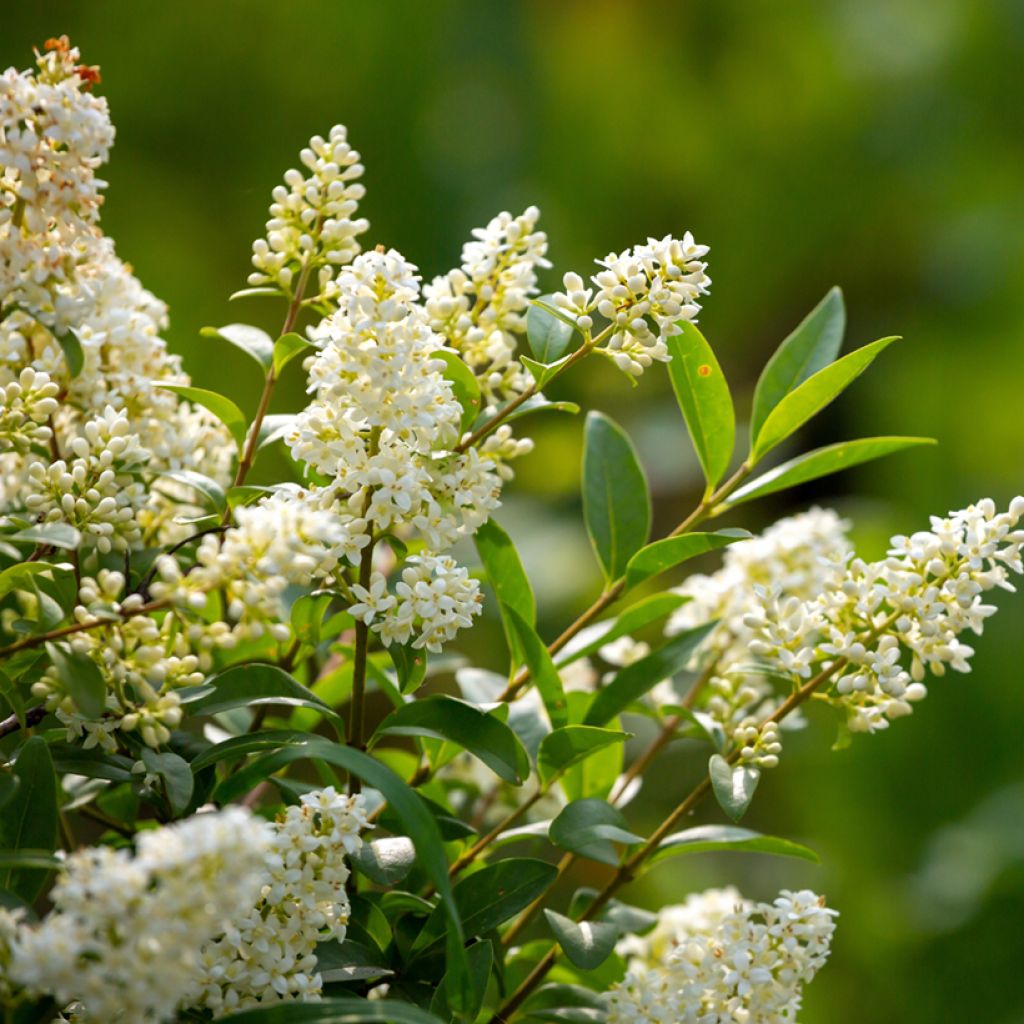
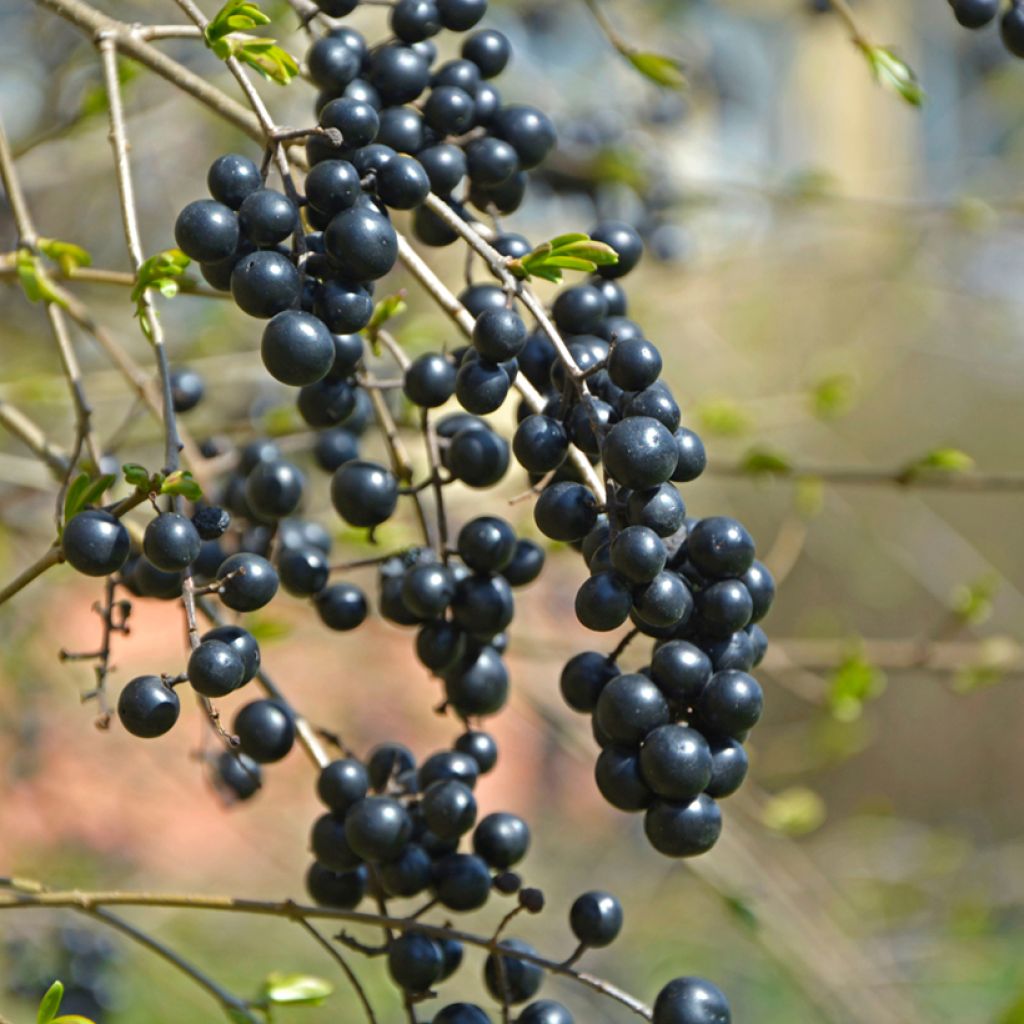
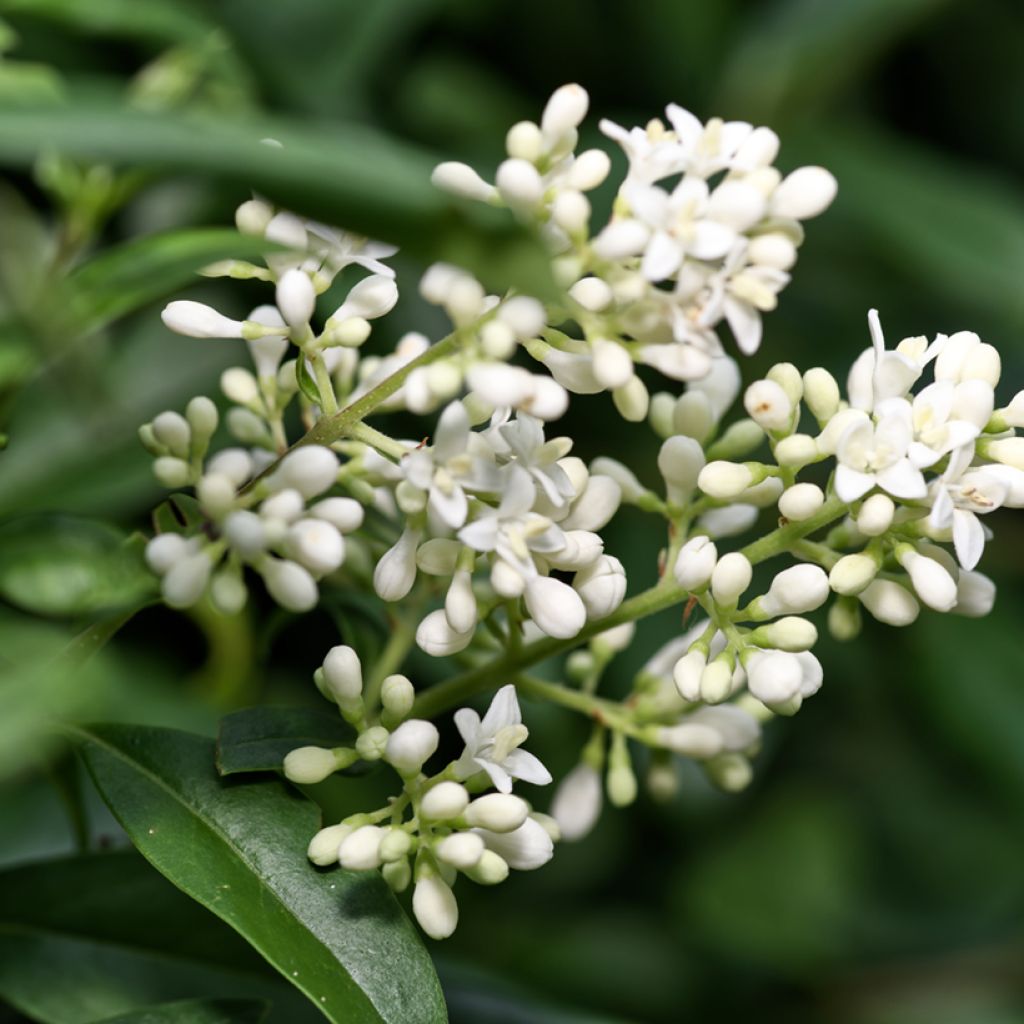
Ligustrum vulgare, or common privet, propagated by seed, offers a natural and economical alternative for obtaining new young plants. Easy to cultivate in our climate, it is particularly appreciated for forming dense clipped hedges. Its bushy foliage delights gardeners and birds who find refuge there, while its fragrant flowering attracts bees. When left untrimmed, it develops small black berries, loved by certain birds. Vigorous and fast-growing privet adapts effortlessly to various types of soil and exposures.
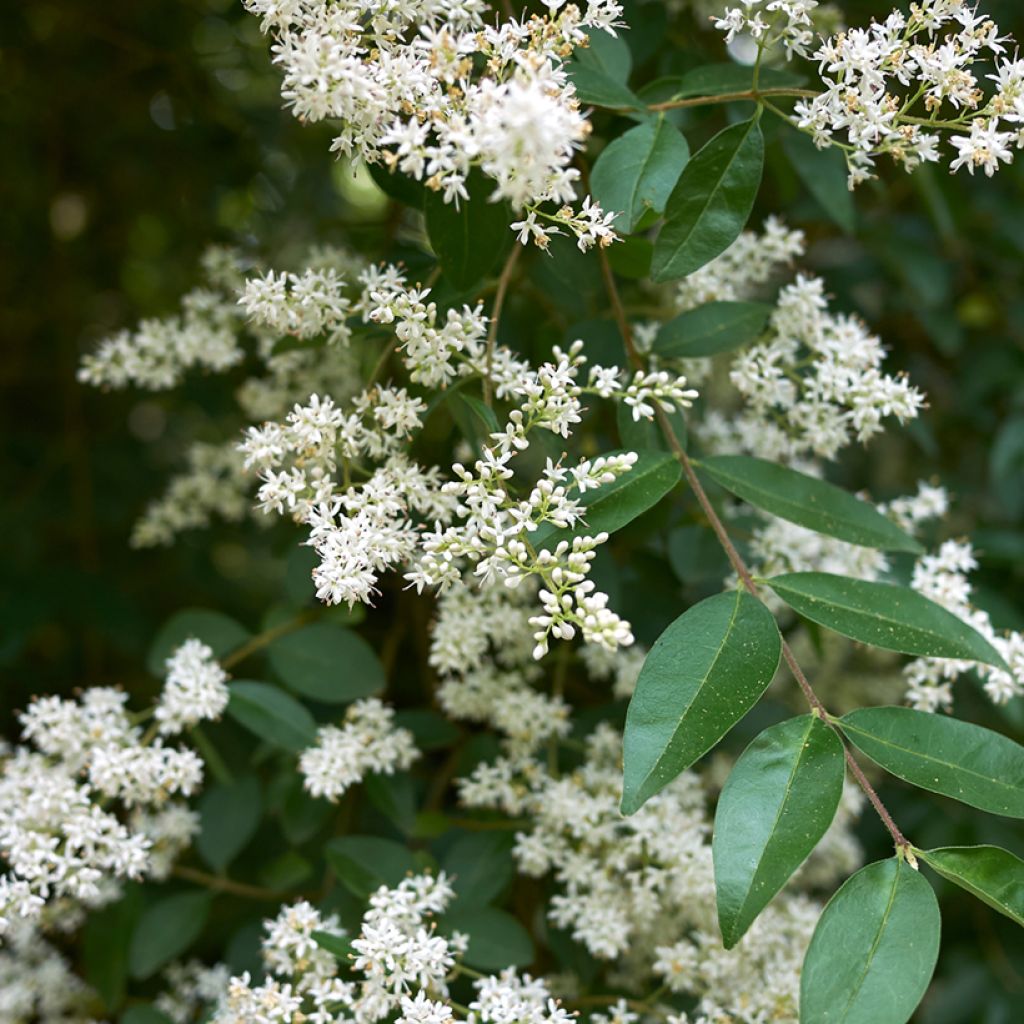
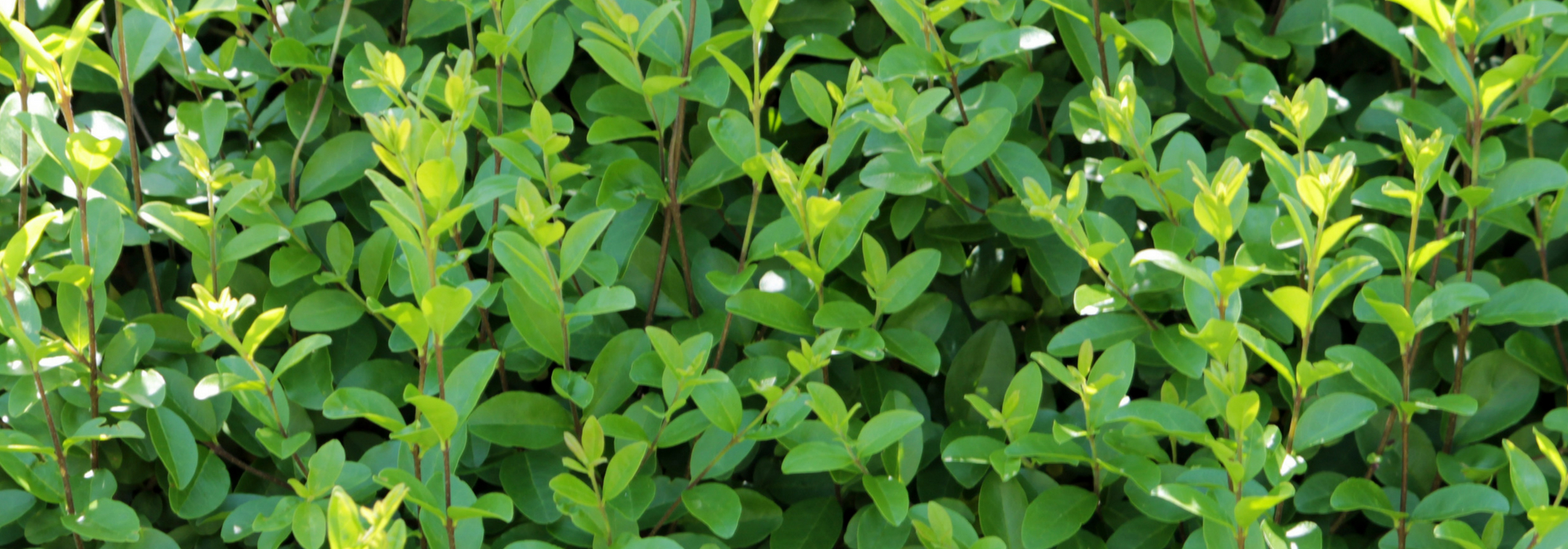
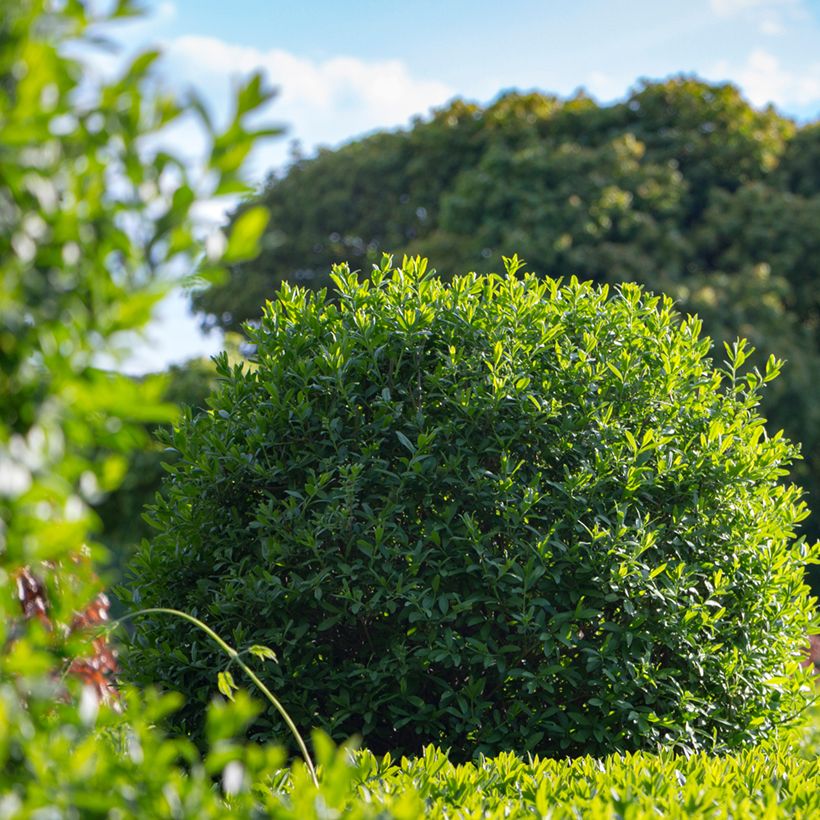
Native to temperate regions of Europe, Asia, and North Africa, common privet easily adapts to most climates. Although it tolerates different soil types, it particularly thrives in chalky, fertile, and moist soils. This deciduous bush belongs to the Oleaceae family, just like lilac. It grows quickly and displays a bushy, well-branched habit, with upright and vigorous stems. Capable of re-sprouting from a stump, it also develops trailing shoots that self-layer naturally. At maturity, it typically reaches between 3 and 4 m in height and 2 to 3 m in width. Its dense foliage consists of narrow, ovate, dark green leaves, measuring 3 to 6 cm long. This foliage can disappear in winter. In June-July, if the bush has not been pruned in spring, it produces small creamy-white tubular flowers, pleasantly fragrant and favoured by pollinators, gathered in panicles of 10 to 12 cm. These flowers later give way to small shiny black berries in autumn, which partly persist through winter. Birds play a key role in dispersing the common privet's seeds. They consume its black berries in autumn and winter, then excrete the intact seeds in their droppings, often far from the parent plant. This dispersal method, called endozoochory, promotes the natural spread of privet. The leaves, flowers, and berries of the privet are toxic to humans if ingested. Additionally, its vigorous roots limit the growth of nearby perennial plants, so it is advisable to allow sufficient spacing when planting.
It is also a native bush which is beneficial for wildlife: with its highly fragrant and nectar-rich flowering, this privet supports pollinators. Its pollen can be allergenic for some sensitive individuals. The privet has great resistance to pollution.
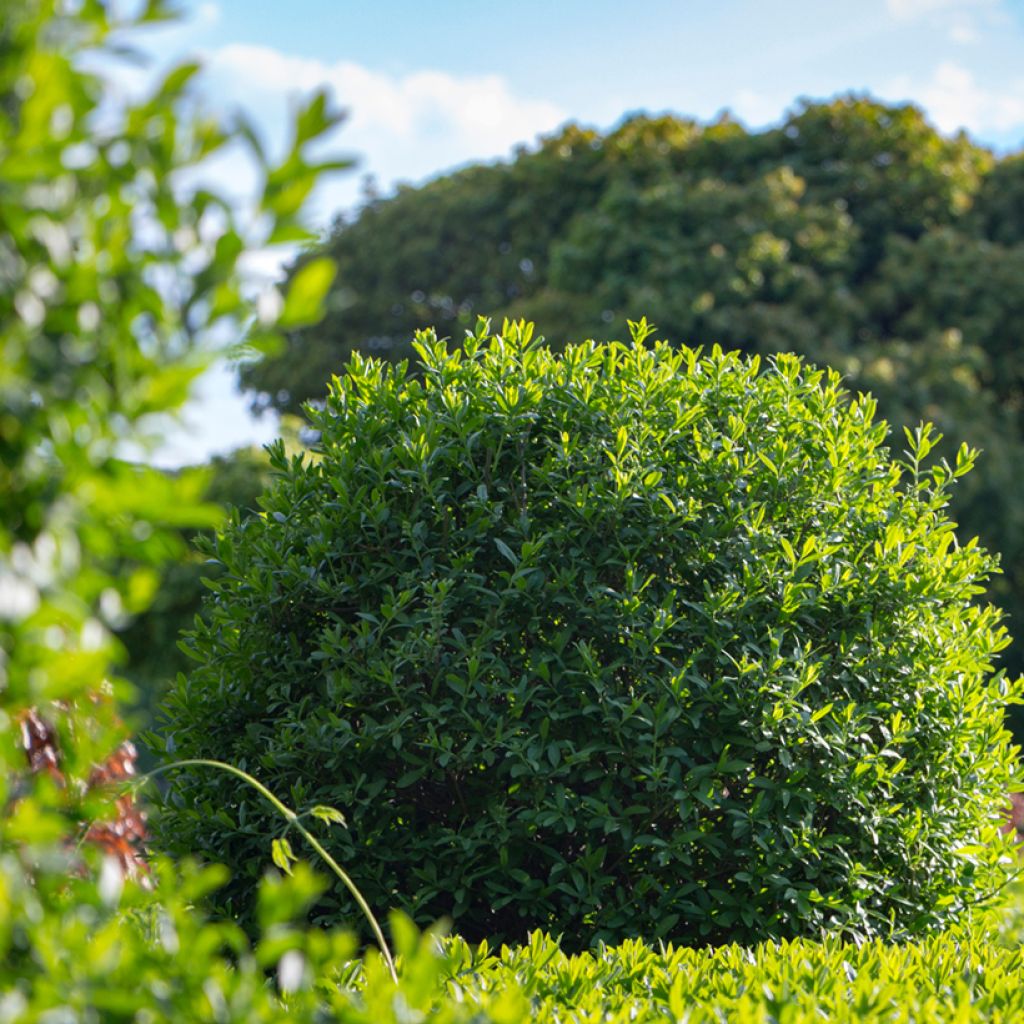
This common privet is widely used for creating windbreak hedges. It can be shaped freely through pruning, to control its size or form topiaries. It can also be planted in groups, in borders, or in country hedges, to enjoy its flowering. Ligustrum vulgare can be paired with other bushes that flower in summer: fragrant mock oranges, Buddleja davidii, weigelas, boxwoods, yews...
Common Privet seeds - Ligustrum vulgare in pictures
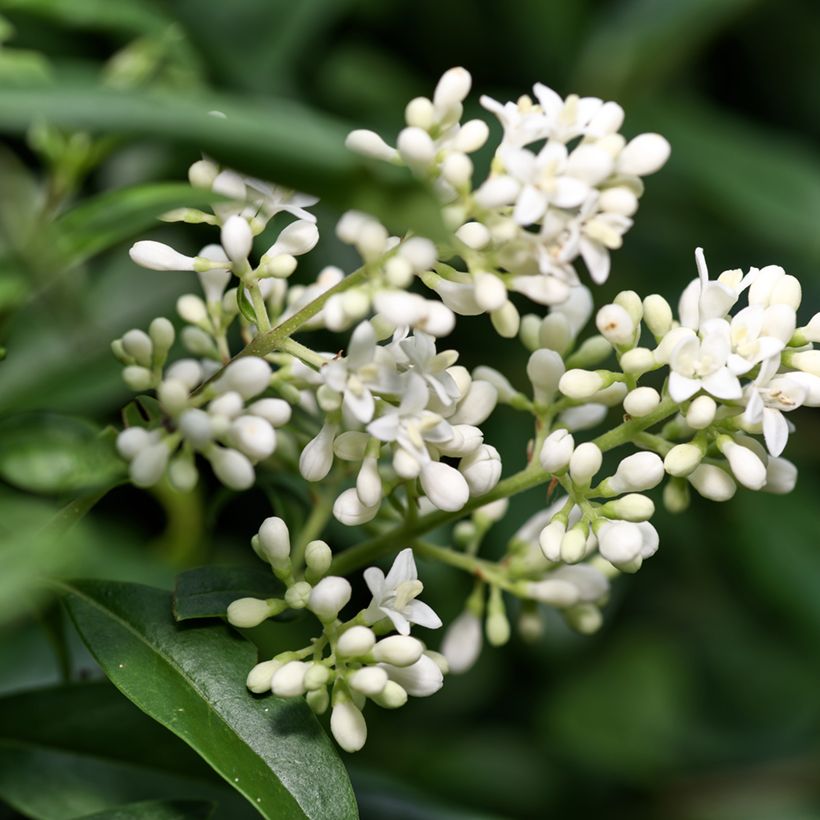
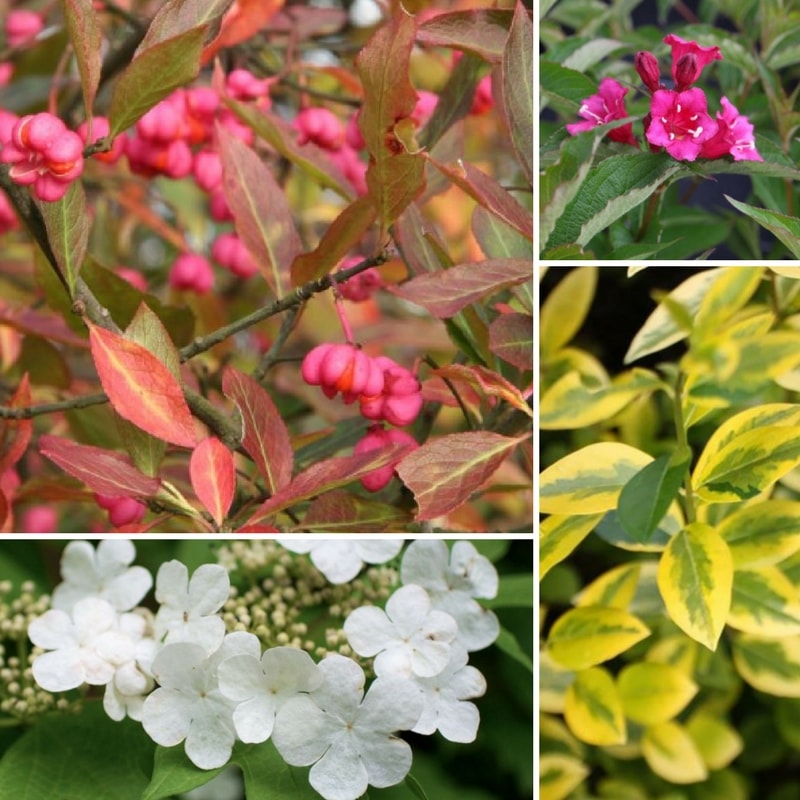
Flowering
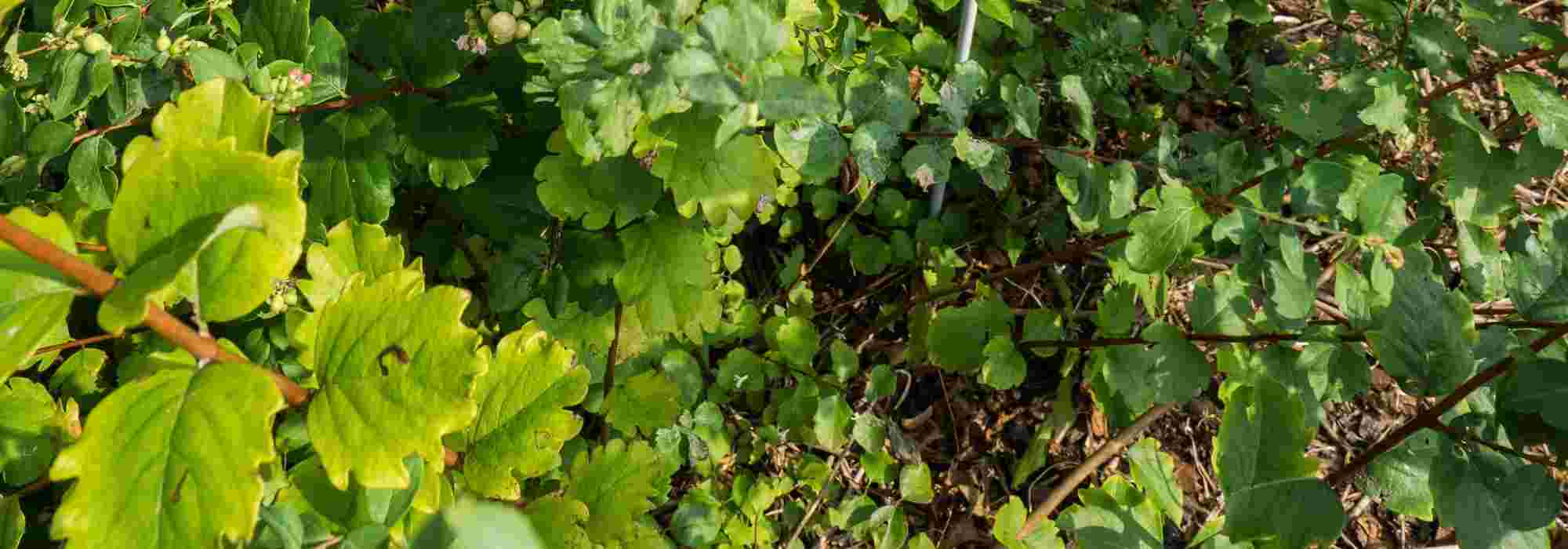
Foliage
Plant habit
Botanical data
Ligustrum
vulgare
Oleaceae
Common Privet, European Privet, Prim, Prim-cut
Ligustrum insulense, Ligustrum insulare
Western Europe, North Africa
Planting and care
Sowing common privet seeds requires specific preparation. Start by soaking the seeds for 24 hours to rehydrate them. Then, subject them to cold stratification by placing them in moist sand at a temperature between 3 and 5°C for about 90 days, in the refrigerator. This step is crucial to break the seed dormancy. After this period, sow them in spring in a substrate kept moist, at a temperature between 18 and 22°C.
Once the seedlings are sufficiently developed and have several leaves, transplant them into individual pots filled with a mixture of compost and sand to promote good drainage. Keep them in a bright environment, protected from late frosts, until they are robust enough to be planted out in the open ground.
Very undemanding, Ligustrum vulgare thrives in ordinary soil (even chalky and clayey), deep, not too dry, and in a sunny or partially shaded position. It tolerates occasionally waterlogged soils and will grow in shade, though it will be less floriferous there. It is very hardy and withstands temperatures down to -17°C and below. It has good tolerance to sea spray and can be planted in coastal areas. Avoid planting it in arid conditions, in shallow soil that is too dry in summer.
Sowing period
Intended location
Planting & care advice
-

-

-

-
-
-

-
-
This item has not been reviewed yet - be the first to leave a review about it.
Recently viewed products
Haven't found what you were looking for?
Hardiness is the lowest winter temperature a plant can endure without suffering serious damage or even dying. However, hardiness is affected by location (a sheltered area, such as a patio), protection (winter cover) and soil type (hardiness is improved by well-drained soil).

The flowering period indicated on our website applies to countries and regions located in USDA zone 8 (France, the United Kingdom, Ireland, the Netherlands, etc.)
It will vary according to where you live:- In zones 9 to 10 (Italy, Spain, Greece, etc.), flowering will occur about 2 to 4 weeks earlier.
- In zones 6 to 7 (Germany, Poland, Slovenia, and lower mountainous regions), flowering will be delayed by 2 to 3 weeks.
- In zone 5 (Central Europe, Scandinavia), blooming will be delayed by 3 to 5 weeks.
In temperate climates, pruning of spring-flowering shrubs (forsythia, spireas, etc.) should be done just after flowering.
Pruning of summer-flowering shrubs (Indian Lilac, Perovskia, etc.) can be done in winter or spring.
In cold regions as well as with frost-sensitive plants, avoid pruning too early when severe frosts may still occur.
The planting period indicated on our website applies to countries and regions located in USDA zone 8 (France, United Kingdom, Ireland, Netherlands).
It will vary according to where you live:
- In Mediterranean zones (Marseille, Madrid, Milan, etc.), autumn and winter are the best planting periods.
- In continental zones (Strasbourg, Munich, Vienna, etc.), delay planting by 2 to 3 weeks in spring and bring it forward by 2 to 4 weeks in autumn.
- In mountainous regions (the Alps, Pyrenees, Carpathians, etc.), it is best to plant in late spring (May-June) or late summer (August-September).
The harvesting period indicated on our website applies to countries and regions in USDA zone 8 (France, England, Ireland, the Netherlands).
In colder areas (Scandinavia, Poland, Austria...) fruit and vegetable harvests are likely to be delayed by 3-4 weeks.
In warmer areas (Italy, Spain, Greece, etc.), harvesting will probably take place earlier, depending on weather conditions.
The sowing periods indicated on our website apply to countries and regions within USDA Zone 8 (France, UK, Ireland, Netherlands).
In colder areas (Scandinavia, Poland, Austria...), delay any outdoor sowing by 3-4 weeks, or sow under glass.
In warmer climes (Italy, Spain, Greece, etc.), bring outdoor sowing forward by a few weeks.
Shipping country and language
Your country of residence may be:
Your country of residence is:
For a better user experience on our website, you can select:
Your shipping country:
-
 Austria
-
 Belgium
-
 Bosnia & Herzegovina
-
 Bulgaria
-
 Croatia
-
 Cyprus
-
 Czechia
-
 Denmark
-
 Estonia
-
 Finland
-
 France
-
 Germany
-
 Greece
-
 Hungary
-
 Iceland
-
 Ireland
-
 Italy
Italy
-
 Latvia
-
 Liechtenstein
-
 Lithuania
-
 Luxembourg
-
 Malta
Malta
-
 Netherlands
-
 Poland
-
 Portugal
-
 Romania
-
 Serbia
-
 Slovakia
-
 Slovenia
-
 Spain
Spain
-
 Sweden
-
 Switzerland
Language:
-
French
-
 English
-
Spanish
-
Italian
-
German
-
Portuguese
-
Dutch
-
Finnish
My Account
Hello
My wish lists
My cart
Log in / Register
Existing customer?
This form is protected by reCAPTCHA - the Google Privacy Policy and Terms of Service apply.
New customer?
Create an account to track your orders, access our customer service and, if you wish, make the most of our upcoming offers.