
Claytonia perfoliata organic seeds - Miner's lettuce
Claytonia perfoliata organic seeds - Miner's lettuce
Claytonia perfoliata
Miner's lettuce, Indian lettuce, Winter purslane
Back-to-school special offer!
Get €10 off for every €50 you spend! And get up to €40 off on a single order.
How does it work?
1. Shop your favourites
Add your favourite plants to your basket. For every €50 you spend (excluding delivery charges, store credit and the plastic-free option), you’ll receive a €10 voucher.
€50 spent = €10 voucher
€100 spent = €20 voucher
€150 spent = €30 voucher
€200 spent = €40 voucher
2. Place your order
Once your basket reaches one of the spending thresholds, place your order. You can even choose your delivery date!
3. Receive your voucher
As soon as your order has been shipped, you’ll receive an email containing your personal voucher code and its value.
4. Use it on your next order
Your voucher is valid for 90 days from the date you receive it. It can be used once only, on a new order worth at least the value of the voucher, excluding delivery charges.
Please note: Vouchers can be combined with other offers, but cannot be split or refunded.
Home or relay delivery (depending on size and destination)
Important: You may be charged customs duties by your country’s customs authorities upon delivery.
Schedule delivery date
and select date in basket
This plant carries a 6 months recovery warranty
More information
We guarantee the quality of our plants for a full growing cycle, and will replace at our expense any plant that fails to recover under normal climatic and planting conditions.
Description
Winter Purslane, or Cuban Spinach, is a leaf vegetable that is very simple to grow, ideal for diversifying winter salads in a natural kitchen garden. Grown from organic seeds, it quickly produces small clumps of thick, crunchy, and juicy foliage of a bright green colour. It is harvested leaf by leaf or through successive cuts to be used raw in mesclun or lightly cooked, in the manner of spinach. Very hardy, it provides fresh leaves in the garden when traditional lettuces are scarce.
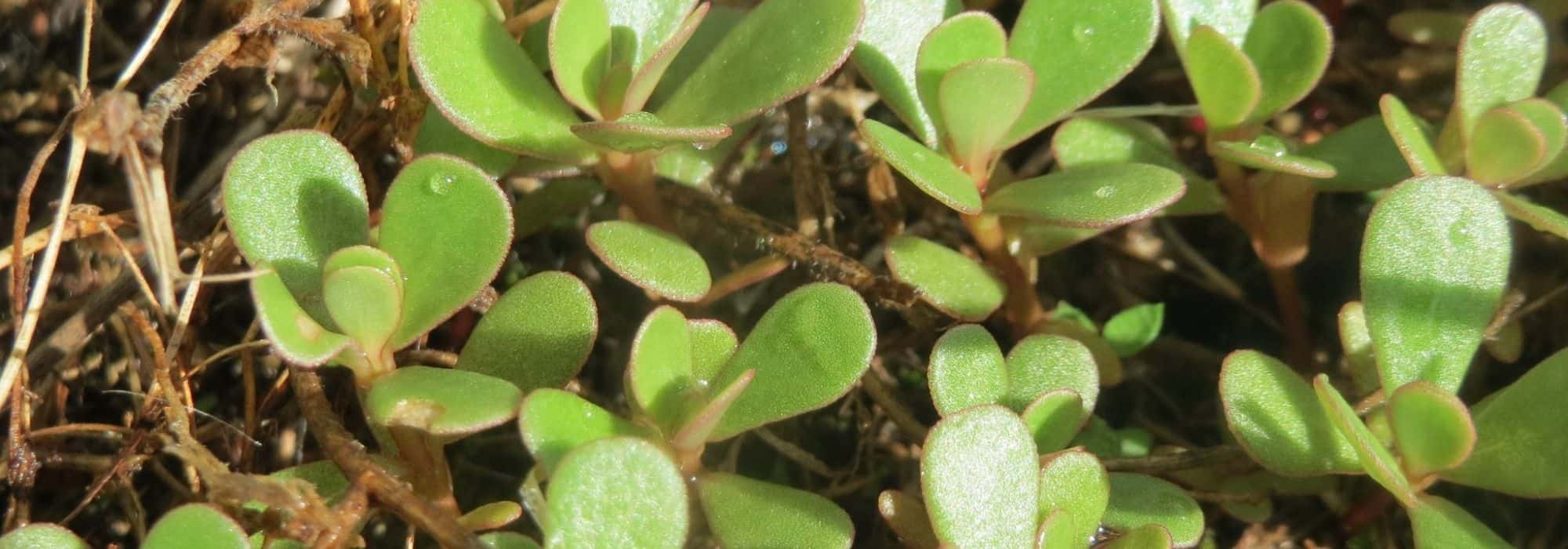
Claytonia perfoliata belongs to the Montiaceae family. It is known by several names: Cuban claytonia, miner's lettuce, winter purslane, but also Indian lettuce, Cuban spinach, or spring beauty. Its native range covers western North America and Central America, from British Columbia and the Pacific coast of the United States down to Guatemala. It is a species of cool, semi-shaded environments, on light or disturbed soils. It is an annual, which persists in the garden by self-seeding. The plant forms a basal rosette of fleshy leaves, diamond-shaped or rounded, with an entire lamina, borne on a more or less long petiole. From this rosette, thin upright stems develop; at their summit, two opposite leaves fused together surround the stem and form a perfoliate disc from the centre of which the inflorescences appear. The clump reaches 15 to 30 cm in height and spreads 20 to 30 cm in diameter, the plants quickly join together to form a dense carpet. The foliage disappears with the heat, giving way to the next generation from self-sown seeds. Flowering occurs in spring or early summer depending on the sowing date.
To vary the pleasures in the kitchen garden as on the plate, winter purslane can easily be combined with other leaf vegetables: corn salad, cut-and-come-again lettuces, rocket, spinach or mixes of young shoots.
Very rich in vitamin C, winter purslane was used by Native Americans as a food and medicinal plant, and later by North American gold prospectors to combat scurvy, which earned it its English name of 'miner's lettuce'.
Care: Keep the soil moist with regular watering, especially in dry weather. If the seedlings are too dense, thin them out slightly. When the winter purslane clumps reach about 8 to 10 cm in height, pinch or cut the tips of the stems to encourage the appearance of new tender leaves.
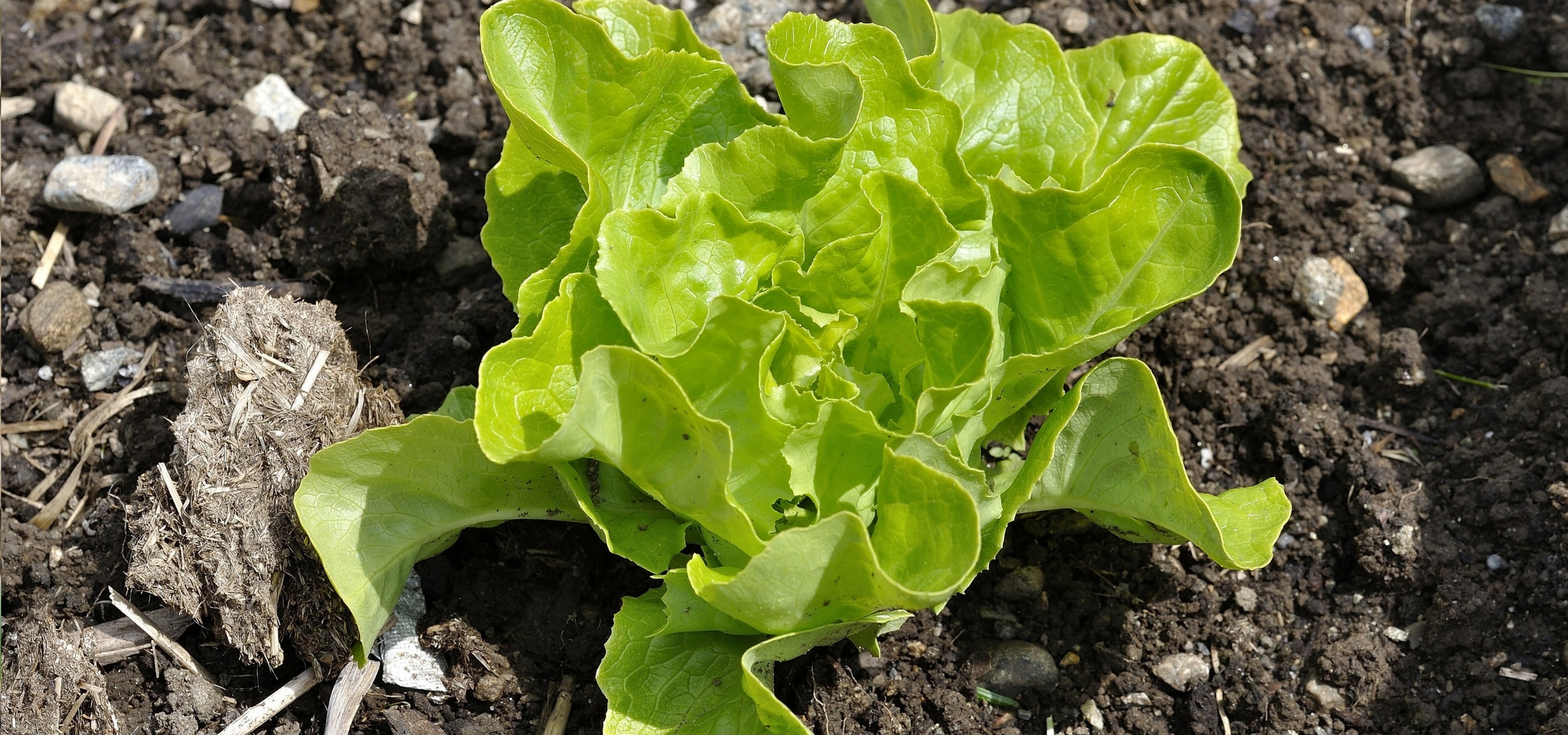
Harvest: Generally 6 to 8 weeks after sowing; pick the most tender stems or the outer leaves, avoiding cutting too short to leave the heart of the plant intact and allow for several regrowths. The young shoots of winter purslane are the most pleasant to eat, both crunchy and almost melting, to be picked as needed.
Storage: Winter purslane is best enjoyed just after harvest, but can be kept for 2 to 3 days in the refrigerator, in the vegetable drawer, wrapped in a slightly damp absorbent paper and placed in a box or bag. The fleshy leaves can also be pickled in vinegar and used as a condiment, somewhat like capers.
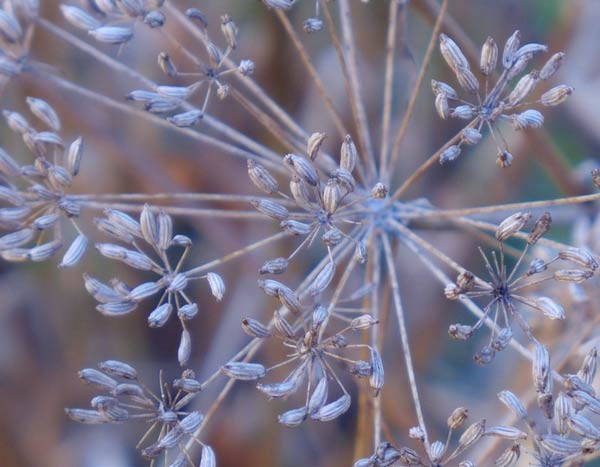
The Gardener's Tips: Sow in situ in rows or broadcast, then thin out to leave about ten centimetres between each young plant. Water regularly to keep the soil moist, especially in late spring, to delay bolting. At the end of the season, let a few plants flower and set seed: they will self-seed and provide you with new winter purslane plants the following year.
Harvest
Plant habit
Foliage
Botanical data
Claytonia
perfoliata
Montiaceae
Miner's lettuce, Indian lettuce, Winter purslane
Limnia perfoliata, Montia perfoliata
North America, Central America
Annual
Planting and care
Winter purslane is sown directly in situ, in well-loosened, humus-rich, non-calcareous soil.
Sow very thinly from March to August for spring and summer harvests, then in late summer and autumn to enjoy leaves in winter, especially when temperatures drop below 15°C.
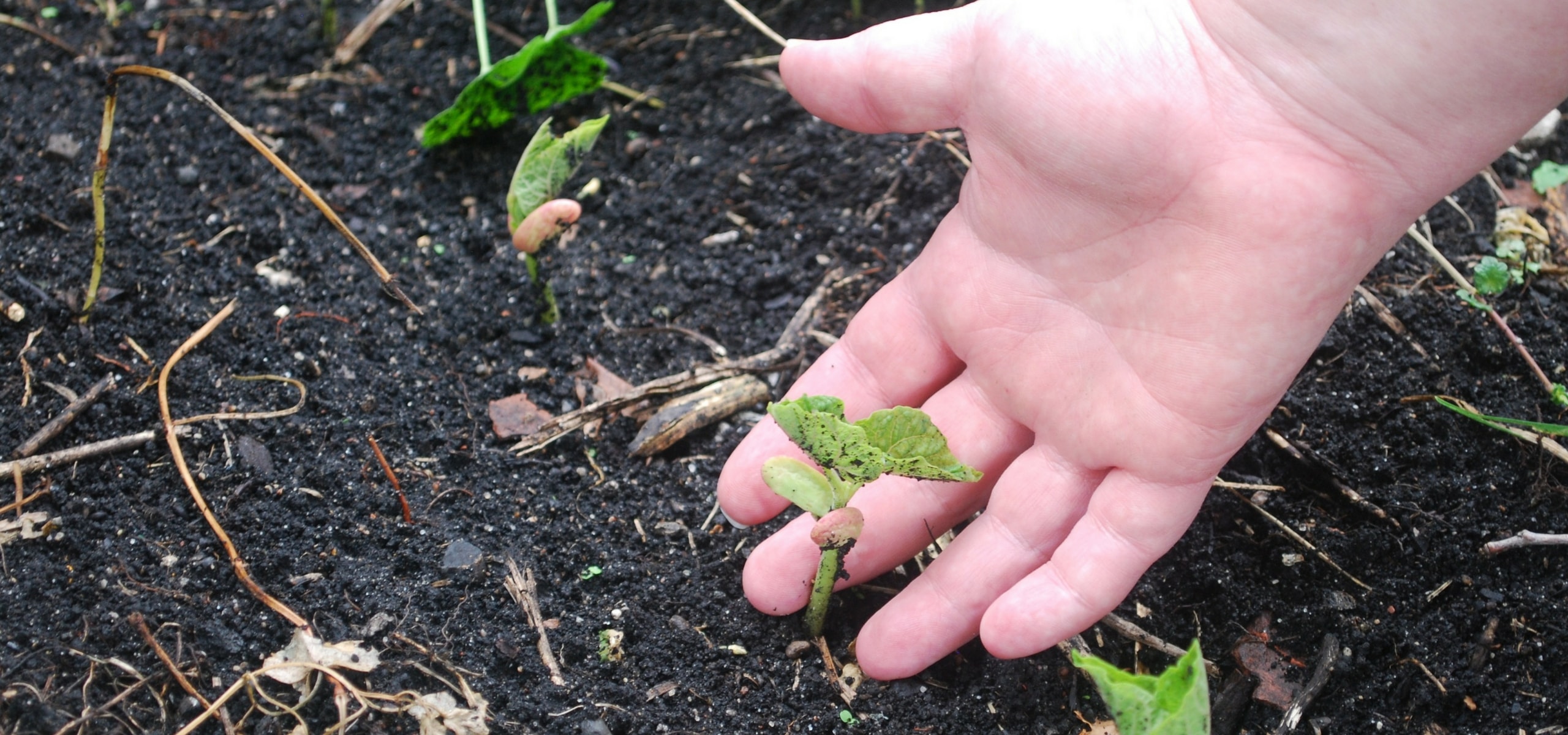
Draw shallow lines spaced 20 to 25 cm apart, place the seeds on the surface or under 5 mm of fine soil, lightly firm, then water gently with a fine spray to keep the soil moist until germination. When the young plants have 3 to 4 leaves, thin to 8–10 cm so they can spread well. During cultivation, ensure regular moisture is maintained without excess, especially in late spring and summer, as drought causes rapid bolting.
A sunny but not scorching position or partial shade suits it well; in winter, it appreciates a brighter location.
Lightly hoe to limit competing weeds, mulch to retain moisture and, in very cold climates, a single fleece or a small cold frame is often enough to extend the harvests.
Seedlings
Care
Intended location
Planting & care advice





This item has not been reviewed yet - be the first to leave a review about it.
Recently viewed products
Haven't found what you were looking for?
Hardiness is the lowest winter temperature a plant can endure without suffering serious damage or even dying. However, hardiness is affected by location (a sheltered area, such as a patio), protection (winter cover) and soil type (hardiness is improved by well-drained soil).

The flowering period indicated on our website applies to countries and regions located in USDA zone 8 (France, the United Kingdom, Ireland, the Netherlands, etc.)
It will vary according to where you live:- In zones 9 to 10 (Italy, Spain, Greece, etc.), flowering will occur about 2 to 4 weeks earlier.
- In zones 6 to 7 (Germany, Poland, Slovenia, and lower mountainous regions), flowering will be delayed by 2 to 3 weeks.
- In zone 5 (Central Europe, Scandinavia), blooming will be delayed by 3 to 5 weeks.
In temperate climates, pruning of spring-flowering shrubs (forsythia, spireas, etc.) should be done just after flowering.
Pruning of summer-flowering shrubs (Indian Lilac, Perovskia, etc.) can be done in winter or spring.
In cold regions as well as with frost-sensitive plants, avoid pruning too early when severe frosts may still occur.
The planting period indicated on our website applies to countries and regions located in USDA zone 8 (France, United Kingdom, Ireland, Netherlands).
It will vary according to where you live:
- In Mediterranean zones (Marseille, Madrid, Milan, etc.), autumn and winter are the best planting periods.
- In continental zones (Strasbourg, Munich, Vienna, etc.), delay planting by 2 to 3 weeks in spring and bring it forward by 2 to 4 weeks in autumn.
- In mountainous regions (the Alps, Pyrenees, Carpathians, etc.), it is best to plant in late spring (May-June) or late summer (August-September).
The harvesting period indicated on our website applies to countries and regions in USDA zone 8 (France, England, Ireland, the Netherlands).
In colder areas (Scandinavia, Poland, Austria...) fruit and vegetable harvests are likely to be delayed by 3-4 weeks.
In warmer areas (Italy, Spain, Greece, etc.), harvesting will probably take place earlier, depending on weather conditions.
The sowing periods indicated on our website apply to countries and regions within USDA Zone 8 (France, UK, Ireland, Netherlands).
In colder areas (Scandinavia, Poland, Austria...), delay any outdoor sowing by 3-4 weeks, or sow under glass.
In warmer climes (Italy, Spain, Greece, etc.), bring outdoor sowing forward by a few weeks.
Shipping country and language
Your country of residence may be:
Your country of residence is:
For a better user experience on our website, you can select:
Your shipping country:
-
 Austria
-
 Belgium
-
 Bosnia & Herzegovina
-
 Bulgaria
-
 Croatia
-
 Cyprus
-
 Czechia
-
 Denmark
-
 Estonia
-
 Finland
-
 France
-
 Germany
-
 Greece
-
 Hungary
-
 Iceland
-
 Ireland
-
 Italy
Italy
-
 Latvia
-
 Liechtenstein
-
 Lithuania
-
 Luxembourg
-
 Malta
Malta
-
 Netherlands
-
 Poland
-
 Portugal
-
 Romania
-
 Serbia
-
 Slovakia
-
 Slovenia
-
 Spain
Spain
-
 Sweden
-
 Switzerland
Language:
-
French
-
 English
-
Spanish
-
Italian
-
German
-
Portuguese
-
Dutch
-
Finnish
My Account
Hello
My wish lists
My cart
Log in / Register
Existing customer?
This form is protected by reCAPTCHA - the Google Privacy Policy and Terms of Service apply.
New customer?
Create an account to track your orders, access our customer service and, if you wish, make the most of our upcoming offers.