Daubenton's green Perpetual Cabbage - Brassica oleracea var. ramosa
Daubenton's green Perpetual Cabbage - Brassica oleracea var. ramosa
Brassica oleracea var. ramosa Daubenton's Green
Daubenton Kale
Back-to-school special offer!
Get €10 off for every €50 you spend! And get up to €40 off on a single order.
How does it work?
1. Shop your favourites
Add your favourite plants to your basket. For every €50 you spend (excluding delivery charges, store credit and the plastic-free option), you’ll receive a €10 voucher.
€50 spent = €10 voucher
€100 spent = €20 voucher
€150 spent = €30 voucher
€200 spent = €40 voucher
2. Place your order
Once your basket reaches one of the spending thresholds, place your order. You can even choose your delivery date!
3. Receive your voucher
As soon as your order has been shipped, you’ll receive an email containing your personal voucher code and its value.
4. Use it on your next order
Your voucher is valid for 90 days from the date you receive it. It can be used once only, on a new order worth at least the value of the voucher, excluding delivery charges.
Please note: Vouchers can be combined with other offers, but cannot be split or refunded.
Home or relay delivery (depending on size and destination)
Important: You may be charged customs duties by your country’s customs authorities upon delivery.
Schedule delivery date
and select date in basket
This plant carries a 6 months recovery warranty
More information
We guarantee the quality of our plants for a full growing cycle, and will replace at our expense any plant that fails to recover under normal climatic and planting conditions.
Description
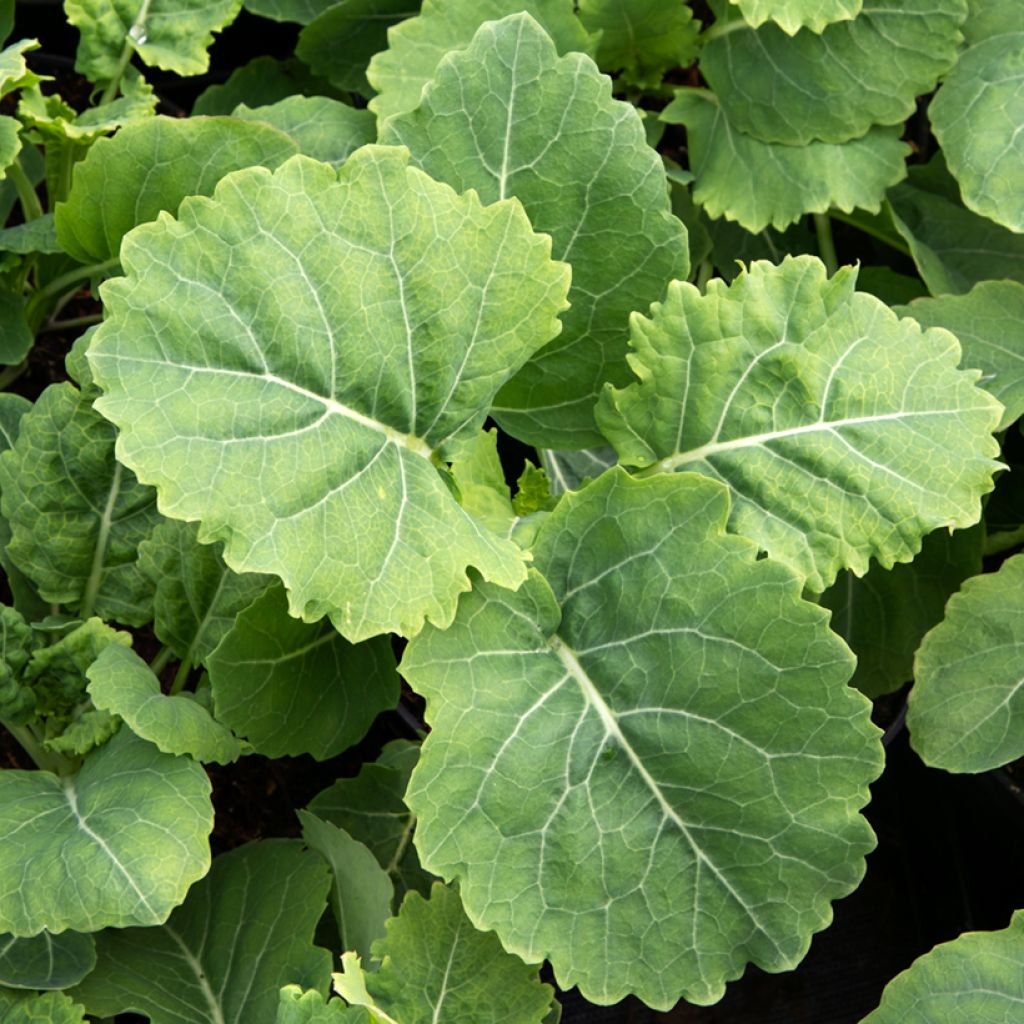
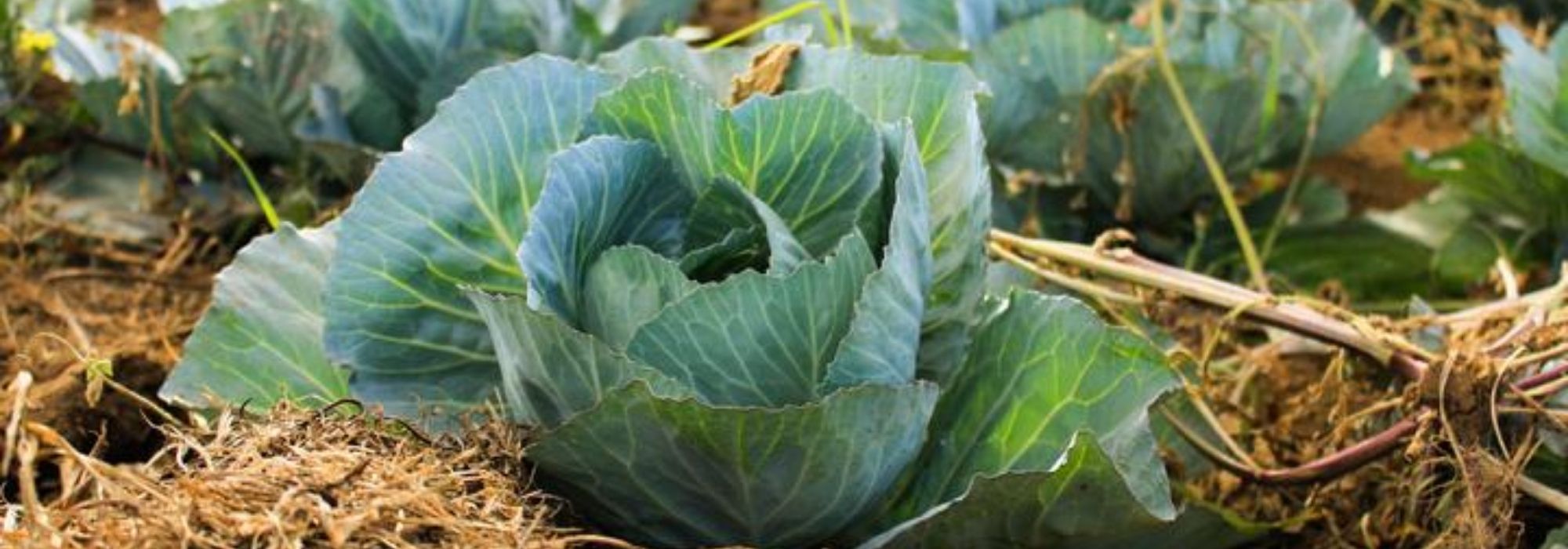
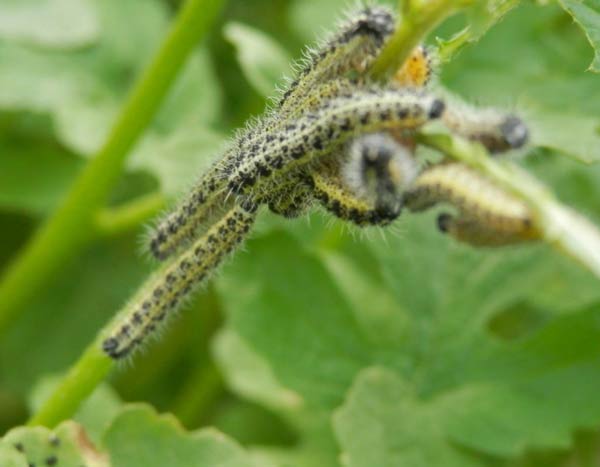
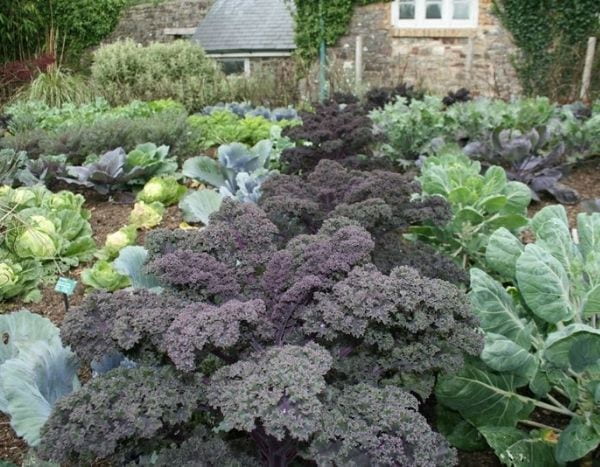
Perpetual kale 'Daubenton's Green' (Brassica oleracea var. ramosa) is an old variety of perennial kale still appreciated for its robustness, longevity and generous production of tender young shoots. Forming a bushy clump that can reach 1 m in height and spread, this kale does not develop a heart and rarely flowers, allowing it to produce leaves almost all year round. This variety is little affected by common cabbage diseases and resists pests such as flea beetles and cabbage whites. It is perfectly suitable for permaculture or organic vegetable gardens and grows easily in any rich, deep soil, even very clayey, that does not dry out in summer.
Perpetual kale 'Daubenton’s Green' belongs to the Brassicaceae family. It is part of the group of non-heading cabbages (Acephala), such as kale or curly kale. The botanical species Brassica oleracea originates from the Atlantic cliffs of Western Europe — particularly the coastline of Brittany, the English Channel and the Iberian Peninsula — where wild populations can still be found today. These primitive cabbages gave rise to a multitude of vegetable cultivars.
The variety ‘Daubenton’s Green’ is said to come from old forage forms cultivated as early as the Victorian era. Very sparingly flowering and reproducing exclusively by cuttings, it has been passed down from gardener to gardener without intensive selection. Its name pays tribute to the French naturalist Louis-Jean-Marie Daubenton (1716–1800), who is said to have described this plant and its value for livestock. The plant forms a bushy clump with a rounded habit, highly branched, almost resembling a small shrub. It shows rapid growth from the first year and can reach a height of 90cm to 1.50m, or even up to 1.80m if not pruned. Its spread is equally generous, easily reaching 1m to 1.50m depending on growing conditions. The plant generally lives between 5 and 7 years, but can survive much longer if regularly propagated by cuttings.
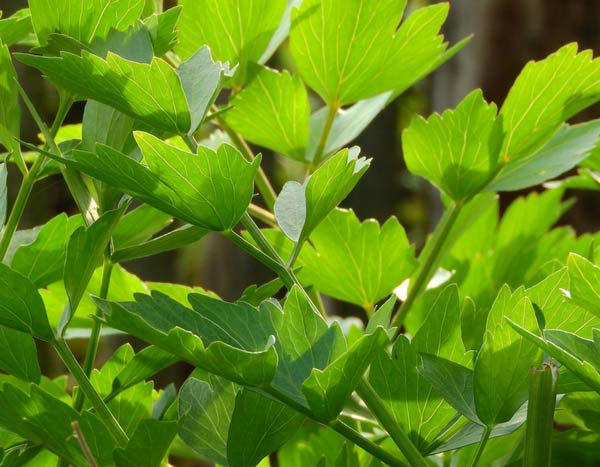
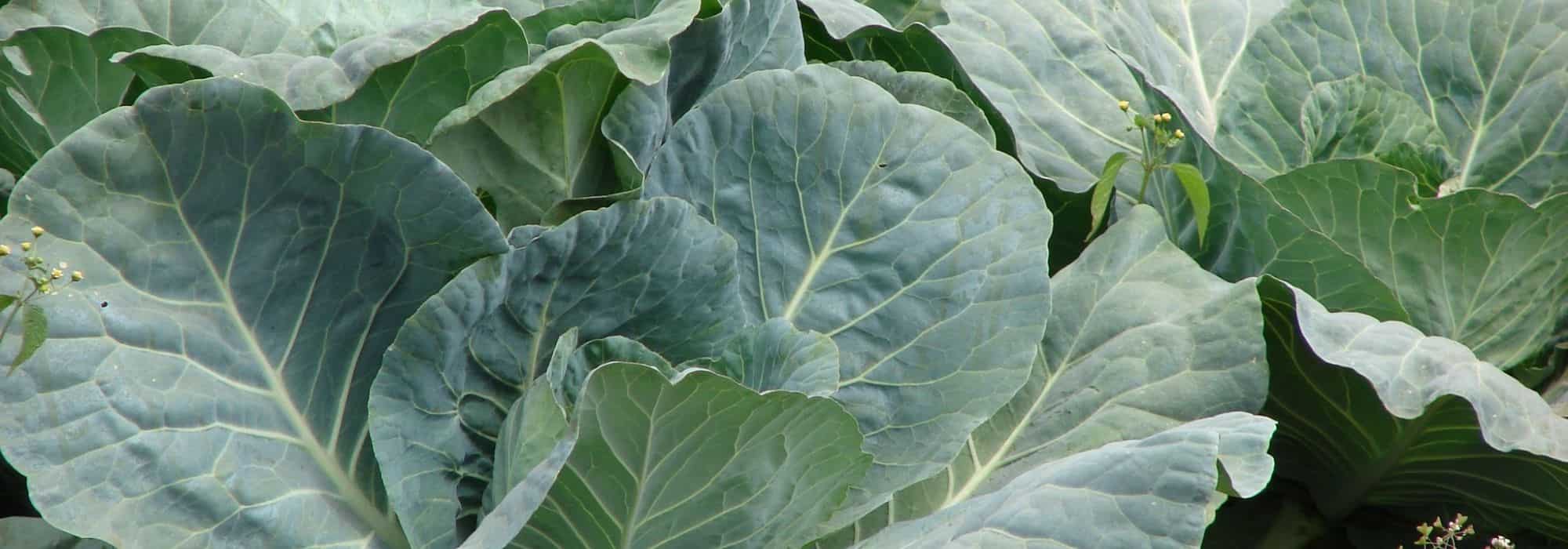
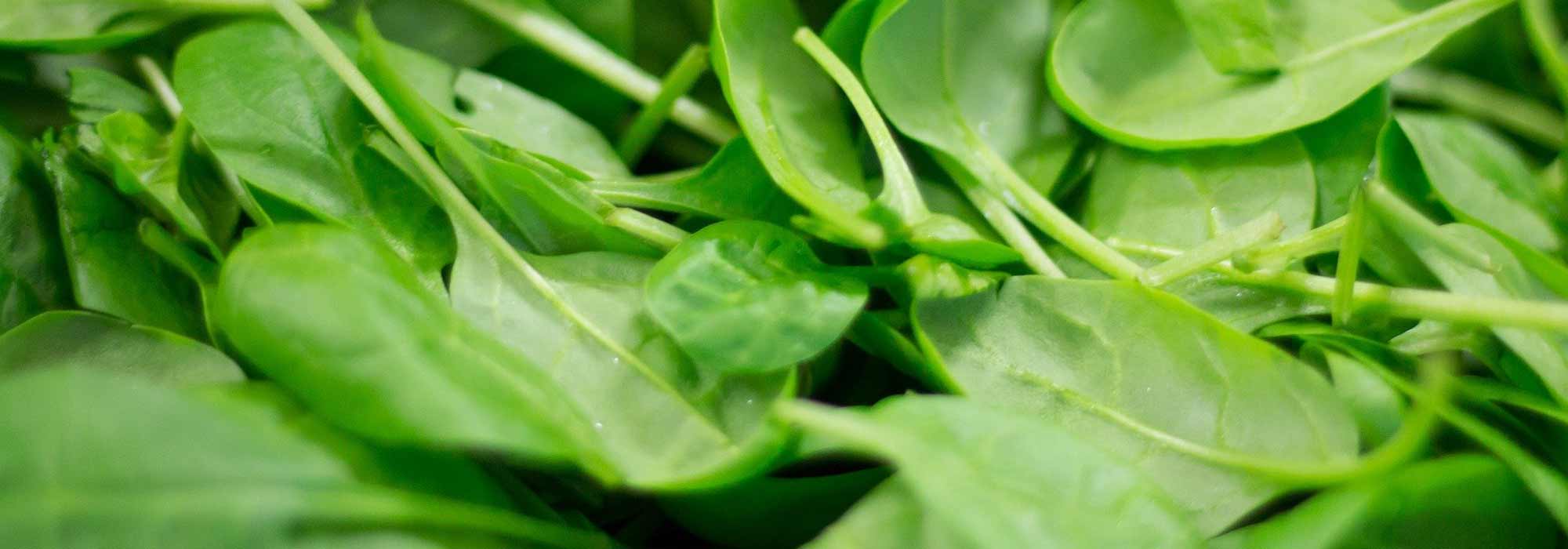
The foliage is dense and very decorative. The leaves are medium-sized, bright green to medium green, slightly lobed, sometimes curly, with a thick but tender leaf blade. Arranged alternately along the stems, the leaves renew themselves continuously. The foliage is semi-evergreen: it remains in place in winter in mild climates, but may dry out in case of frost or prolonged drought. The robust stems are sometimes slightly woody at the base, branch easily and can produce roots if they are laid down or partially buried. Flowering is extremely rare in this variety, ‘Daubenton’s Green’. In exceptional cases, it produces small yellow flowers with four petals, typical of crucifers. As the plant does not regularly flower, it does not produce viable seeds and must therefore be propagated exclusively by vegetative means.
Harvest from September to May. Pick the young leaves or small side shoots, always leaving a few leaves on each stem to ensure the plant's vigour. Harvest by hand or with secateurs, as needed.
The leaves can be kept for a few days in the refrigerator, but they are much better eaten fresh. They can also be frozen or dried for later use.
In the kitchen, Daubenton kale is distinguished by its mild, delicate flavour, not very bitter. Young leaves can be eaten raw in salads, while more developed leaves can be cooked: steamed, sautéed, in gratins, used in soups or even as kale chips. Their texture is pleasant, and their taste remains mild, even after cooking. In winter, the leaves tend to become sweeter, making them even more flavoursome.
The gardener's tip: mulching helps retain soil moisture and limit weeds. It is advisable to lightly prune the plant in summer to stimulate branching and the production of young shoots.
Very easy to propagate, Daubenton's Green roots easily from cuttings or layering: simply take a healthy stem, replant it in soil or a pot, and keep it moist until roots appear.
Harvest
Plant habit
Foliage
Botanical data
Brassica
oleracea var. ramosa
Daubenton's Green
Brassicaceae
Daubenton Kale
Cultivar or hybrid
Perennial
Planting and care
Perpetual kale 'Daubenton's Green' thrives in rich, deep, slightly moist soils. It adapts well to heavy clay soils, whether acidic or lime-bearing. Plant it in a sunny spot. The autumn before planting, work well-rotted compost into the top 5 cm of the soil after loosening.
Plant in spring, during April and May.
Dig a hole (three times the volume of the root ball), place the young plant in and cover with soil. Firm in and water to keep the soil moist. Space the plants 1 metre apart in all directions. Water at the base regularly, but without overdoing it. Apply a mulch around the base of the plants to save on watering and reduce weeding. Every autumn, add a top dressing of compost. Prune in winter.
Perpetual kale propagates itself naturally by layering. You can also take cuttings in summer, which may prove useful if the winter is particularly harsh.
Cultivation
Care
Intended location
Planting & care advice
-
-
-
-
-
-
-
-
This item has not been reviewed yet - be the first to leave a review about it.
Recently viewed products
Haven't found what you were looking for?
Hardiness is the lowest winter temperature a plant can endure without suffering serious damage or even dying. However, hardiness is affected by location (a sheltered area, such as a patio), protection (winter cover) and soil type (hardiness is improved by well-drained soil).

The flowering period indicated on our website applies to countries and regions located in USDA zone 8 (France, the United Kingdom, Ireland, the Netherlands, etc.)
It will vary according to where you live:- In zones 9 to 10 (Italy, Spain, Greece, etc.), flowering will occur about 2 to 4 weeks earlier.
- In zones 6 to 7 (Germany, Poland, Slovenia, and lower mountainous regions), flowering will be delayed by 2 to 3 weeks.
- In zone 5 (Central Europe, Scandinavia), blooming will be delayed by 3 to 5 weeks.
In temperate climates, pruning of spring-flowering shrubs (forsythia, spireas, etc.) should be done just after flowering.
Pruning of summer-flowering shrubs (Indian Lilac, Perovskia, etc.) can be done in winter or spring.
In cold regions as well as with frost-sensitive plants, avoid pruning too early when severe frosts may still occur.
The planting period indicated on our website applies to countries and regions located in USDA zone 8 (France, United Kingdom, Ireland, Netherlands).
It will vary according to where you live:
- In Mediterranean zones (Marseille, Madrid, Milan, etc.), autumn and winter are the best planting periods.
- In continental zones (Strasbourg, Munich, Vienna, etc.), delay planting by 2 to 3 weeks in spring and bring it forward by 2 to 4 weeks in autumn.
- In mountainous regions (the Alps, Pyrenees, Carpathians, etc.), it is best to plant in late spring (May-June) or late summer (August-September).
The harvesting period indicated on our website applies to countries and regions in USDA zone 8 (France, England, Ireland, the Netherlands).
In colder areas (Scandinavia, Poland, Austria...) fruit and vegetable harvests are likely to be delayed by 3-4 weeks.
In warmer areas (Italy, Spain, Greece, etc.), harvesting will probably take place earlier, depending on weather conditions.
The sowing periods indicated on our website apply to countries and regions within USDA Zone 8 (France, UK, Ireland, Netherlands).
In colder areas (Scandinavia, Poland, Austria...), delay any outdoor sowing by 3-4 weeks, or sow under glass.
In warmer climes (Italy, Spain, Greece, etc.), bring outdoor sowing forward by a few weeks.
Shipping country and language
Your country of residence may be:
Your country of residence is:
For a better user experience on our website, you can select:
Your shipping country:
-
 Austria
-
 Belgium
-
 Bosnia & Herzegovina
-
 Bulgaria
-
 Croatia
-
 Cyprus
-
 Czechia
-
 Denmark
-
 Estonia
-
 Finland
-
 France
-
 Germany
-
 Greece
-
 Hungary
-
 Iceland
-
 Ireland
-
 Italy
Italy
-
 Latvia
-
 Liechtenstein
-
 Lithuania
-
 Luxembourg
-
 Malta
Malta
-
 Netherlands
-
 Poland
-
 Portugal
-
 Romania
-
 Serbia
-
 Slovakia
-
 Slovenia
-
 Spain
Spain
-
 Sweden
-
 Switzerland
Language:
-
French
-
 English
-
Spanish
-
Italian
-
German
-
Portuguese
-
Dutch
-
Finnish
My Account
Hello
My wish lists
My cart
Log in / Register
Existing customer?
This form is protected by reCAPTCHA - the Google Privacy Policy and Terms of Service apply.
New customer?
Create an account to track your orders, access our customer service and, if you wish, make the most of our upcoming offers.