Dracocephalum moldavica organic seeds - Moldavian balm
Dracocephalum moldavica organic seeds - Moldavian balm
Dracocephalum moldavica
Moldavian Dragonhead, Moldavian Balm
Back-to-school special offer!
Get €10 off for every €50 you spend! And get up to €40 off on a single order.
How does it work?
1. Shop your favourites
Add your favourite plants to your basket. For every €50 you spend (excluding delivery charges, store credit and the plastic-free option), you’ll receive a €10 voucher.
€50 spent = €10 voucher
€100 spent = €20 voucher
€150 spent = €30 voucher
€200 spent = €40 voucher
2. Place your order
Once your basket reaches one of the spending thresholds, place your order. You can even choose your delivery date!
3. Receive your voucher
As soon as your order has been shipped, you’ll receive an email containing your personal voucher code and its value.
4. Use it on your next order
Your voucher is valid for 90 days from the date you receive it. It can be used once only, on a new order worth at least the value of the voucher, excluding delivery charges.
Please note: Vouchers can be combined with other offers, but cannot be split or refunded.
Home or relay delivery (depending on size and destination)
Important: You may be charged customs duties by your country’s customs authorities upon delivery.
Schedule delivery date
and select date in basket
This plant carries a 6 months recovery warranty
More information
We guarantee the quality of our plants for a full growing cycle, and will replace at our expense any plant that fails to recover under normal climatic and planting conditions.
Would this plant suit my garden?
Set up your Plantfit profile →
Description
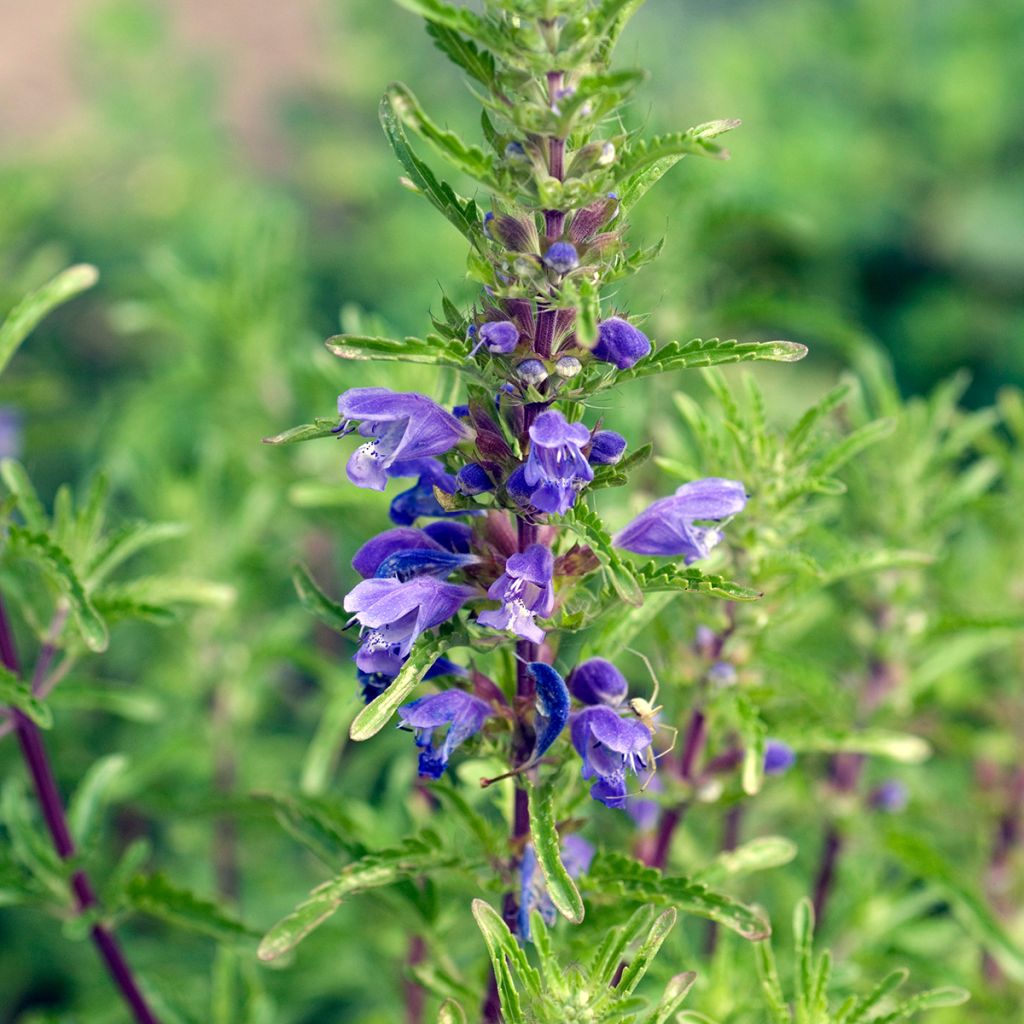
Dracocephalum moldavica, or Moldavian Dragonhead, is a highly aromatic and ornamental annual plant. Easy to sow, its rapid growth allows you to enjoy its beautiful bluish flowers all summer long and into early autumn. It is nectar-rich, so also useful to bees and other garden insects. But it is mainly appreciated for its soft foliage from which aromas of lemon and lemon balm escape when crushed. These can be used to prepare drinks and herbal teas, and to add flavour to summer salads. Easy to grow in healthy, well-drained soil, damp to moderately dry, it thrives in full sun. It is an annual that cannot survive the winter, even in mild climates. The seeds offered have been obtained from organic cultivation.
Dracocephalum is part of the large Lamiaceae family (formerly Labiatae), rich in 7,500 species of wild, aromatic or culinary plants (Savory, Mint, Sage...) and ornamental ones, such as Lavenders. The little-known Dracocephalum genus nevertheless includes several dozen species, including D. moldavica, which bears various common names, such as Moldavian Dragonhead, Garden Tea or Moldavian Dracocephalum. This species is native to a wide area stretching from Moldavia to Siberia, via Turkmenistan and China. It grows quickly to form an upright, well-branched clump, most often 40-50cm in height (but up to 80cm in its natural habitat) and 25-30cm wide. The plant produces quadrangular shoots, typical of Lamiaceae, smooth to slightly hairy. They bear ovate to lanceolate leaves, with a toothed margin, measuring 4 to 7cm long. Their slightly hairy surface is a bright, strong to dark green. When crushed, they release lemony fragrances, mingled with the scent of lemon balm, sometimes also anise or lemongrass. These leaves contain essential oils rich in citral, geraniol, limonene and nerol, hence the intense lemony dominance.
Flowering extends from June/July to September in the form of inflorescences in dense whorls, arranged in terminal spikes. The flowers are two-lipped (which explains the old name of Labiatae), measure 2.5 to 3cm in length, and are bright blue to subtly violet, with occasionally paler blue specimens, as sowing always expresses a certain genetic variability. Highly honey-producing due to their abundant nectar production, the flowers attract many insects, from carpenter bees to bumblebees, as well as various butterflies including hawk-moths. The fruits that follow are tetrachenes (thus four small achenes) containing very fine, almost black seeds. Their seed viability is high when fresh, and self-seeding is possible but moderate. This is why manual sowing is a good idea, particularly with organic seeds, so this plant can be harvested as much as you like.
Dracocephalum moldavica is as ornamental as it is utilitarian, both for biodiversity in the garden and for its antioxidant and digestive qualities. It can be used to make herbal teas, liqueurs and refreshing drinks, and the leaves also go very well in salads. In the garden, it can be grown in a sunny border or even in a pot alongside other culinary plants such as Purple Basil, to create a strong colour contrast. You can also pair it with the famous Moroccan Mint, or even with Annual Sages to enjoy superb varied flowering.
Report an error about the product description
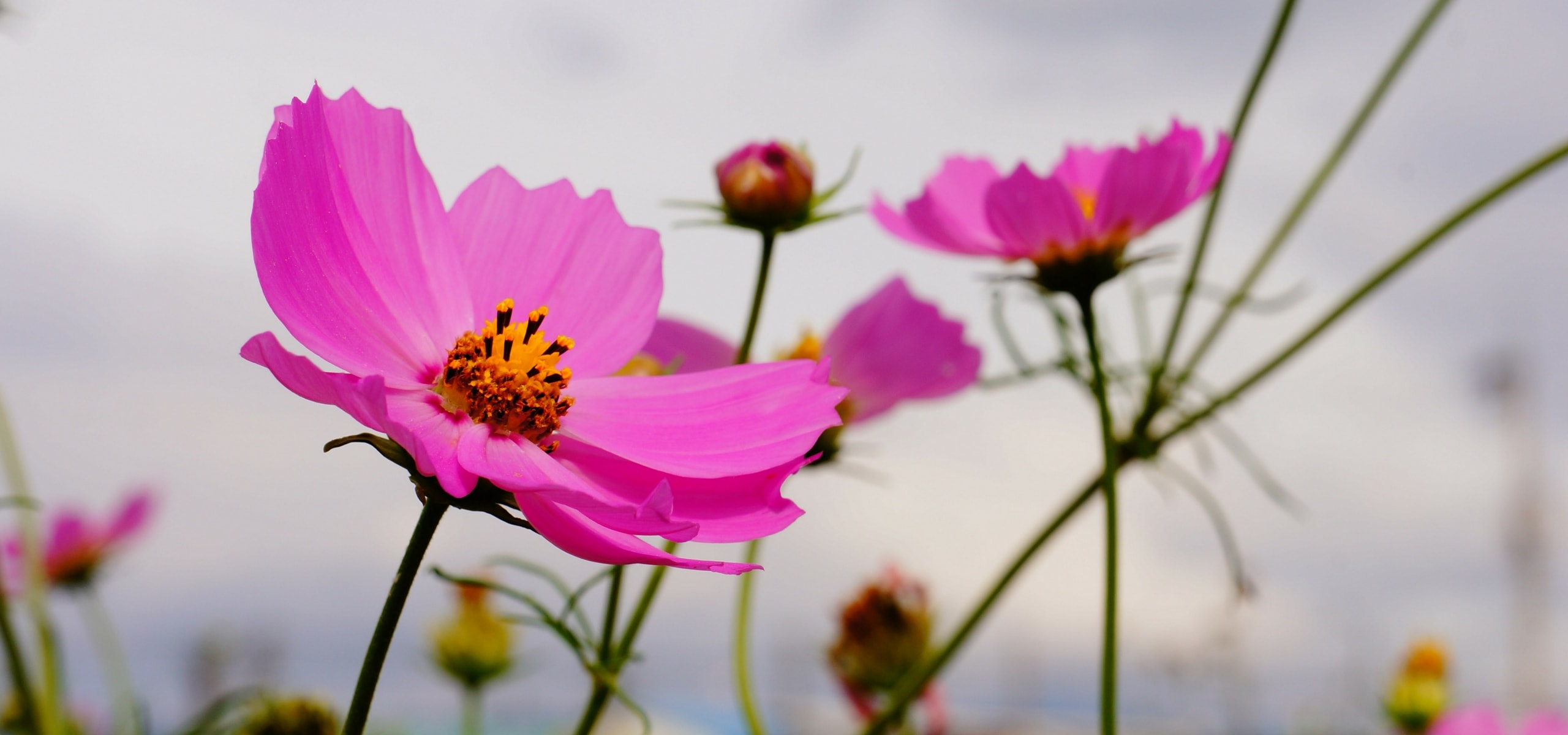
Flowering
Foliage
Plant habit
Botanical data
Dracocephalum
moldavica
Lamiaceae
Moldavian Dragonhead, Moldavian Balm
Dracocephalum fragrans, Moldavica moldavica, Nepeta moldavica, Ruyschiana moldavica, Dracocephalum moldavica f. albiflorum, Moldavica punctata, Moldavica setosa, Moldavica suaveolens
Eastern Europe, Central Asia, China
Planting and care
Sowing:
Dracocephalum moldavica seeds can be sown either under cover from March to May, or directly outdoors from April to June.
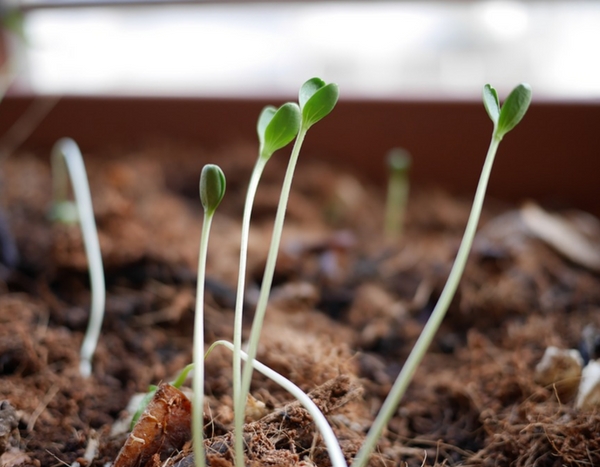
Under cover: use seed trays or plug trays with seed compost. Lightly moisten the substrate, scatter the seeds on the surface and press them in gently. Place the container in the light at a temperature of 15 to 22°C. Germination takes place within 7 to 14 days, with a generally high success rate when the seeds are fresh.
Once the young plants have developed two true leaves, prick them out into individual pots to grow them on. After the last frosts, plant them out in a sunny spot, spacing them 25 to 30cm apart.
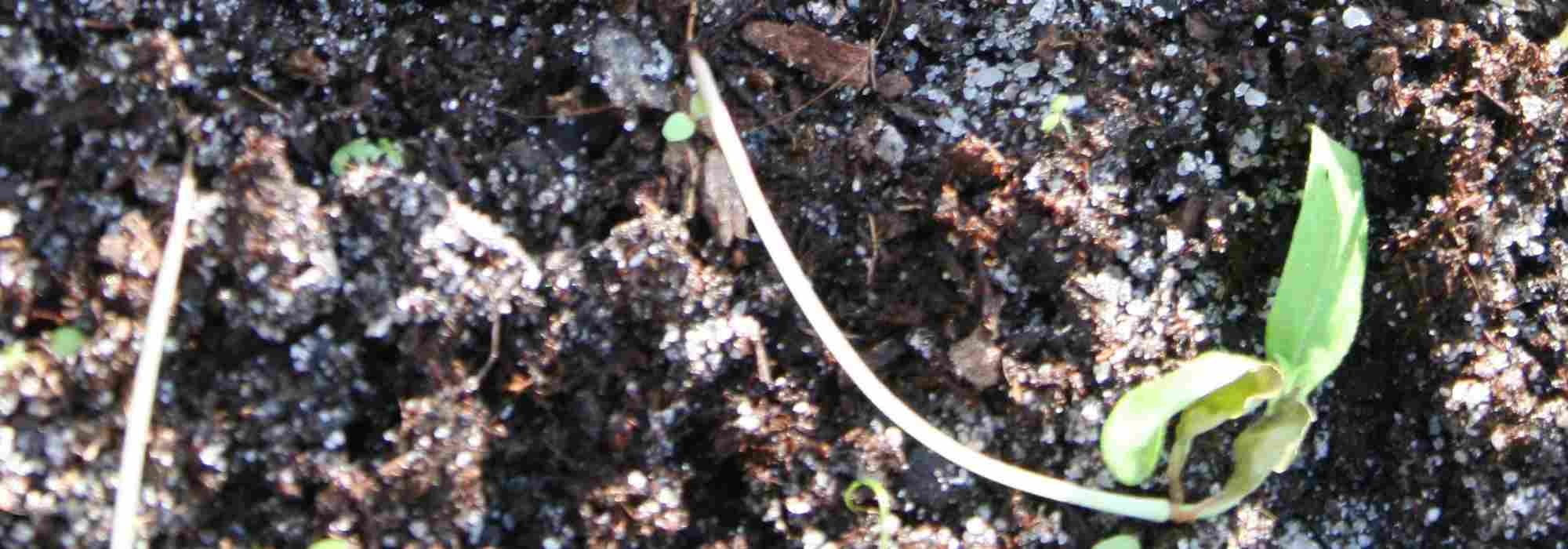
Direct sowing outdoors: after the last frosts, i.e. from April to June depending on the region. Lightly rake the soil surface, then sow on the surface without covering the seeds. Water sparingly, just enough to maintain slight moisture and encourage germination.
Growing:
Choose a very sunny spot, as this plant enjoys full light. Once well established, it tolerates dry conditions fairly well. However, a few summer waterings will be welcome to ensure it produces an abundance of good-quality leaves.
Sowing period
Intended location
Planting & care advice
-
-
-
-
-

-
-

-

This item has not been reviewed yet - be the first to leave a review about it.
Recently viewed products
Haven't found what you were looking for?
Hardiness is the lowest winter temperature a plant can endure without suffering serious damage or even dying. However, hardiness is affected by location (a sheltered area, such as a patio), protection (winter cover) and soil type (hardiness is improved by well-drained soil).

The flowering period indicated on our website applies to countries and regions located in USDA zone 8 (France, the United Kingdom, Ireland, the Netherlands, etc.)
It will vary according to where you live:- In zones 9 to 10 (Italy, Spain, Greece, etc.), flowering will occur about 2 to 4 weeks earlier.
- In zones 6 to 7 (Germany, Poland, Slovenia, and lower mountainous regions), flowering will be delayed by 2 to 3 weeks.
- In zone 5 (Central Europe, Scandinavia), blooming will be delayed by 3 to 5 weeks.
In temperate climates, pruning of spring-flowering shrubs (forsythia, spireas, etc.) should be done just after flowering.
Pruning of summer-flowering shrubs (Indian Lilac, Perovskia, etc.) can be done in winter or spring.
In cold regions as well as with frost-sensitive plants, avoid pruning too early when severe frosts may still occur.
The planting period indicated on our website applies to countries and regions located in USDA zone 8 (France, United Kingdom, Ireland, Netherlands).
It will vary according to where you live:
- In Mediterranean zones (Marseille, Madrid, Milan, etc.), autumn and winter are the best planting periods.
- In continental zones (Strasbourg, Munich, Vienna, etc.), delay planting by 2 to 3 weeks in spring and bring it forward by 2 to 4 weeks in autumn.
- In mountainous regions (the Alps, Pyrenees, Carpathians, etc.), it is best to plant in late spring (May-June) or late summer (August-September).
The harvesting period indicated on our website applies to countries and regions in USDA zone 8 (France, England, Ireland, the Netherlands).
In colder areas (Scandinavia, Poland, Austria...) fruit and vegetable harvests are likely to be delayed by 3-4 weeks.
In warmer areas (Italy, Spain, Greece, etc.), harvesting will probably take place earlier, depending on weather conditions.
The sowing periods indicated on our website apply to countries and regions within USDA Zone 8 (France, UK, Ireland, Netherlands).
In colder areas (Scandinavia, Poland, Austria...), delay any outdoor sowing by 3-4 weeks, or sow under glass.
In warmer climes (Italy, Spain, Greece, etc.), bring outdoor sowing forward by a few weeks.
Shipping country and language
Your country of residence may be:
Your country of residence is:
For a better user experience on our website, you can select:
Your shipping country:
-
 Austria
-
 Belgium
-
 Bosnia & Herzegovina
-
 Bulgaria
-
 Croatia
-
 Cyprus
-
 Czechia
-
 Denmark
-
 Estonia
-
 Finland
-
 France
-
 Germany
-
 Greece
-
 Hungary
-
 Iceland
-
 Ireland
-
 Italy
Italy
-
 Latvia
-
 Liechtenstein
-
 Lithuania
-
 Luxembourg
-
 Malta
Malta
-
 Netherlands
-
 Poland
-
 Portugal
-
 Romania
-
 Serbia
-
 Slovakia
-
 Slovenia
-
 Spain
Spain
-
 Sweden
-
 Switzerland
Language:
-
French
-
 English
-
Spanish
-
Italian
-
German
-
Portuguese
-
Dutch
-
Finnish
My Account
Hello
My wish lists
My cart
Log in / Register
Existing customer?
This form is protected by reCAPTCHA - the Google Privacy Policy and Terms of Service apply.
New customer?
Create an account to track your orders, access our customer service and, if you wish, make the most of our upcoming offers.