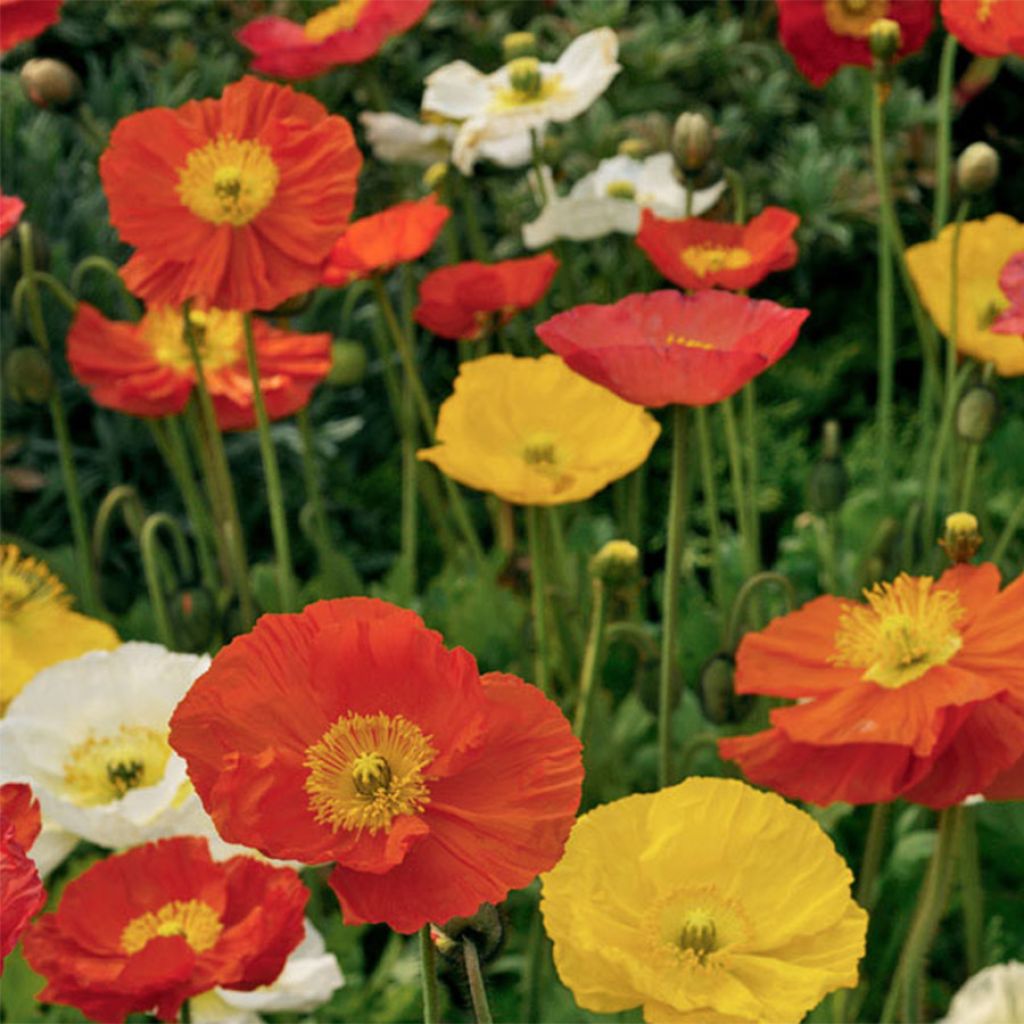
Papaver nudicaule Pulchinella Mixed
Papaver nudicaule Pulchinella Mixed
Papaver nudicaule Pulchinella Mixed
Iceland Poppy
Back-to-school special offer!
Get €10 off for every €50 you spend! And get up to €40 off on a single order.
How does it work?
1. Shop your favourites
Add your favourite plants to your basket. For every €50 you spend (excluding delivery charges, store credit and the plastic-free option), you’ll receive a €10 voucher.
€50 spent = €10 voucher
€100 spent = €20 voucher
€150 spent = €30 voucher
€200 spent = €40 voucher
2. Place your order
Once your basket reaches one of the spending thresholds, place your order. You can even choose your delivery date!
3. Receive your voucher
As soon as your order has been shipped, you’ll receive an email containing your personal voucher code and its value.
4. Use it on your next order
Your voucher is valid for 90 days from the date you receive it. It can be used once only, on a new order worth at least the value of the voucher, excluding delivery charges.
Please note: Vouchers can be combined with other offers, but cannot be split or refunded.
Why not try an alternative variety in stock?
View all →
Available in 1 sizes

Available in 1 sizes
This plant carries a 6 months recovery warranty
More information
We guarantee the quality of our plants for a full growing cycle, and will replace at our expense any plant that fails to recover under normal climatic and planting conditions.
Would this plant suit my garden?
Set up your Plantfit profile →
Description
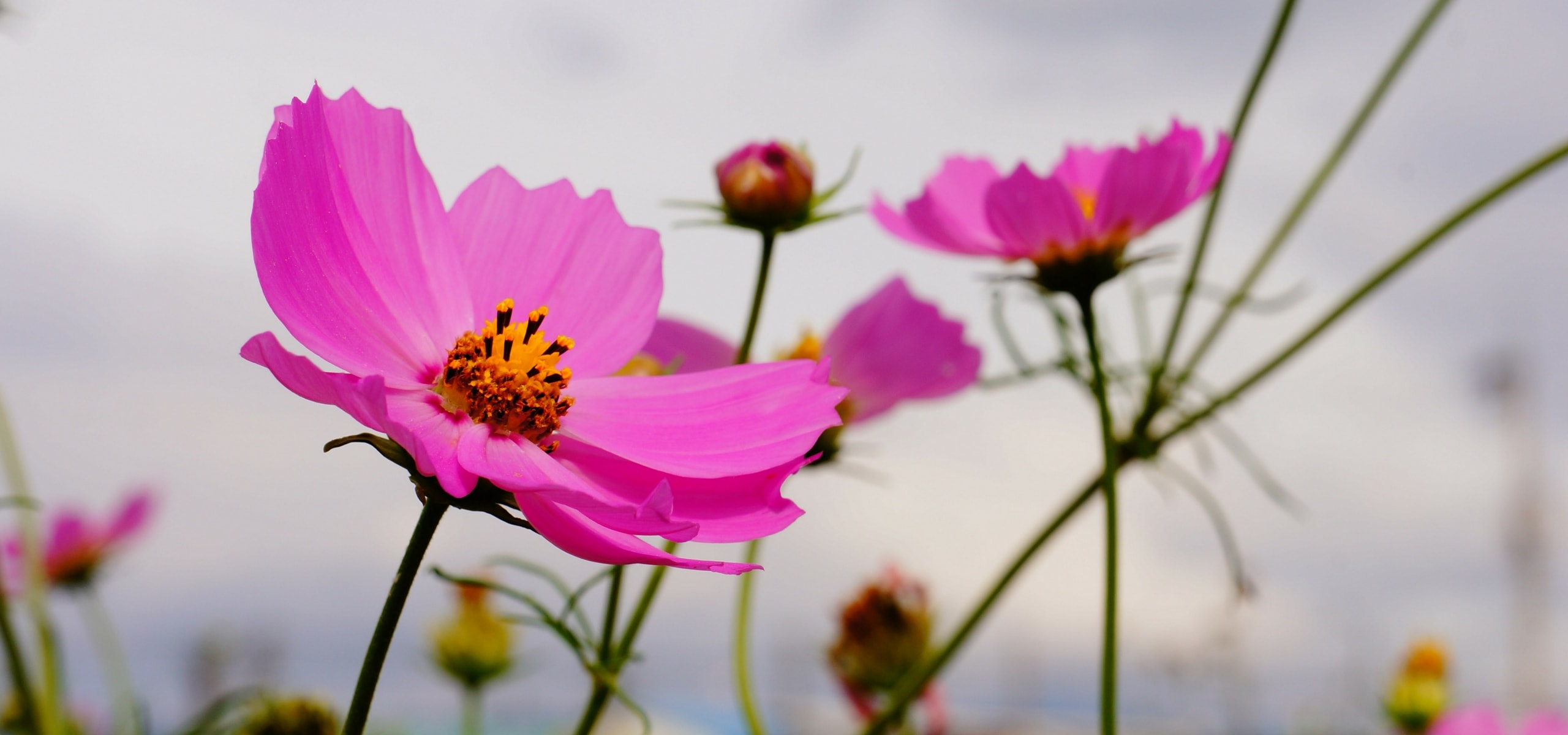
This new mix of Icelandic poppies, known as Papaver nudicaule 'Pulchinella Mixed', brings together sturdy and exceptionally floriferous plants, producing large, single and translucent flowers in solid and remarkably vibrant colours. Their crumpled petals surrounding a yellow heart come in various colours, from bright white to pearly yellow, vibrant orange to fiery red, and warm pink. These plants are perfectly hardy and capable of flowering in the year of sowing throughout the summer. Sown directly in place or transplanted when very small, this poppy will not disappoint. It prefers cool climates, dreads the scorching sun, but can tolerate mediocre soil.
The Papaver nudicaule, also known as the saffron poppy, is a perennial plant in the poppy family with low growth. It is native to regions with cool summers in North America and Asia Minor. Its root system is organized around a taproot, diving deep into the soil. Its leaves form basal rosettes that expand over time, spreading no more than 20 cm (8in) wide. The elongated leaves are more or less dentate. They are bluish-green and covered in long hairs. The Pulchinella Mixed selection has a particularly compact habit, forming tufts that reach 25 cm (10in) in height when crowned with large, light and vibrant flowers. Depending on the sowing date, the remarkably long flowering period occurs between May and September. Each plant can produce about a hundred flowers in one season. Initially bent like a swan's neck, the buds straighten as they open. The poppy flowers, large in relation to the size of the plant, last about a week. They come in various colours and attract many pollinating insects. They are followed by elongated fruits that open at maturity on the upper part, releasing numerous small round seeds carried by the wind.
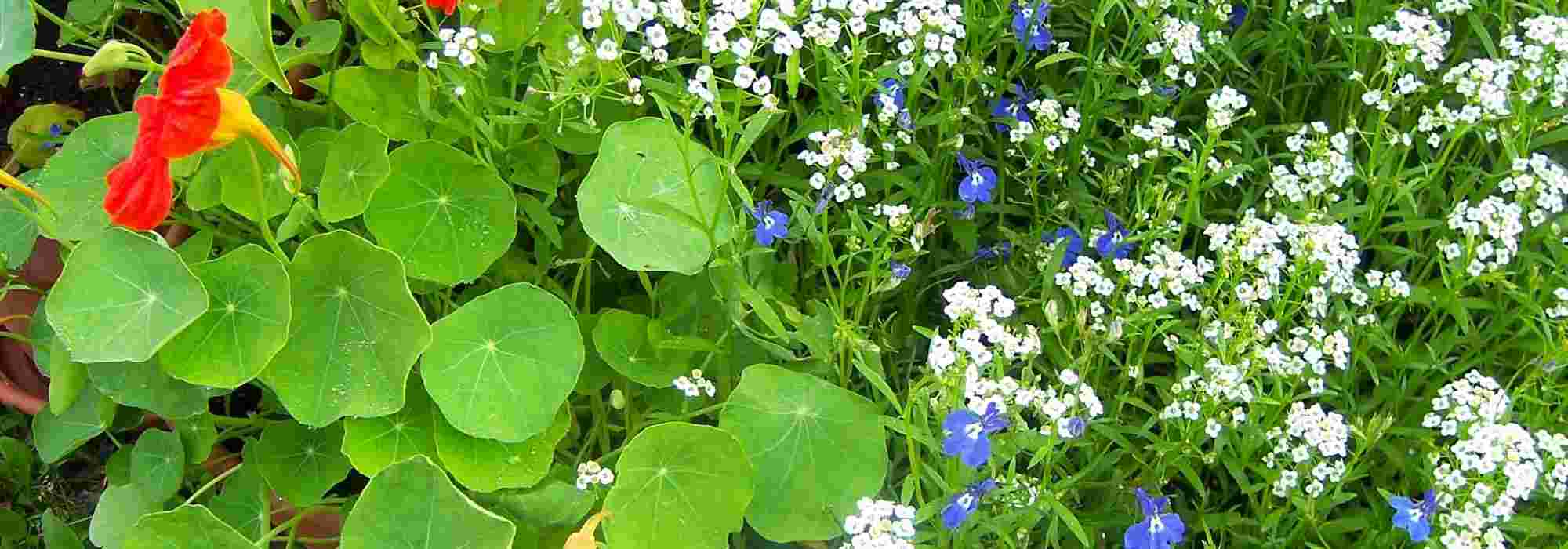
Icelandic poppies thrive in cool summers, fear heat, and manage to grow in poor soils. They enchant borders and flower beds, creating soft and bright spots of colour. The 'Pulchinella Mixed' mix is a choice plant for borders and containers, bringing the charm of the countryside. Sow them directly in slightly wild areas, in rockeries or scree gardens. They will look stunning alongside ornamental grasses like Stipa tenuifolia or Mulhenbergia capillaris, catmints, white Damask Nigellas, tulips, and forget-me-nots.
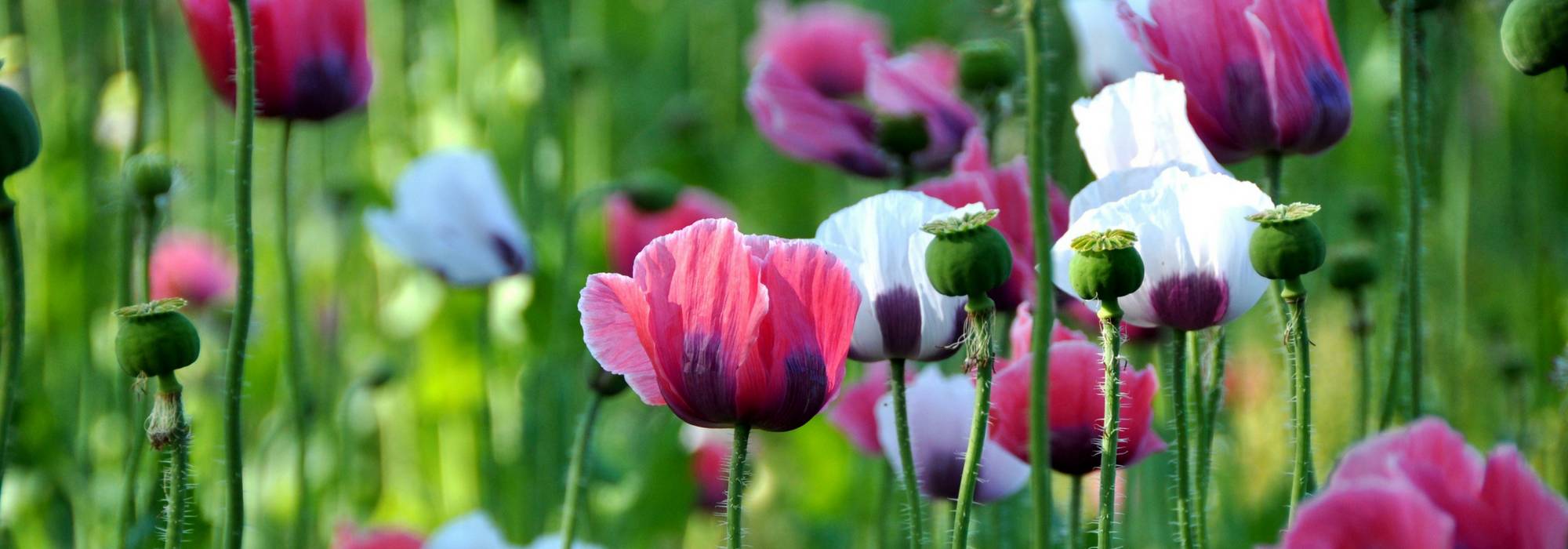
Papaver nudicaule Pulchinella Mixed in pictures
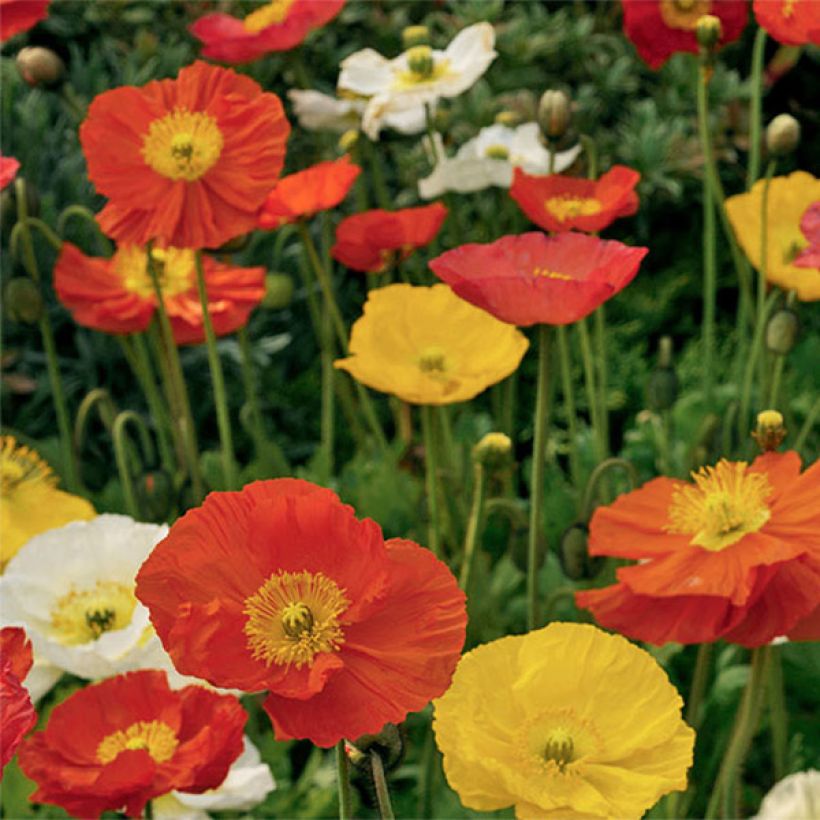
Flowering
Foliage
Plant habit
Botanical data
Papaver
nudicaule
Pulchinella Mixed
Papaveraceae
Iceland Poppy
Cultivar or hybrid
Planting and care
While it is grown as a persistent evergreen perennial in Nordic countries, the Icelandic poppy is generally considered an annual or short-lived perennial when summers are hot and dry. It prefers slightly cooler summers that provide some atmospheric humidity. It thrives in well-drained soil that retains some moisture at depth. This plant can tolerate poor soil, which remains small in size but becomes more imposing in fertile soils. In regions with dry summers, partial shade exposure is more favourable. Elsewhere, it requires full sun. Its taproot needs to penetrate deeply into the soil. For this reason, the plant should be sown directly in place or transplanted as a young plant. This allows it to be perennial and faithfully bloom for several consecutive years. It does not like to be transplanted, let alone divided.
Sow fresh Icelandic poppy seeds in January-February or August-September. The sowing can be done directly on well-prepared and clean soil or in pots or containers under a cold frame.
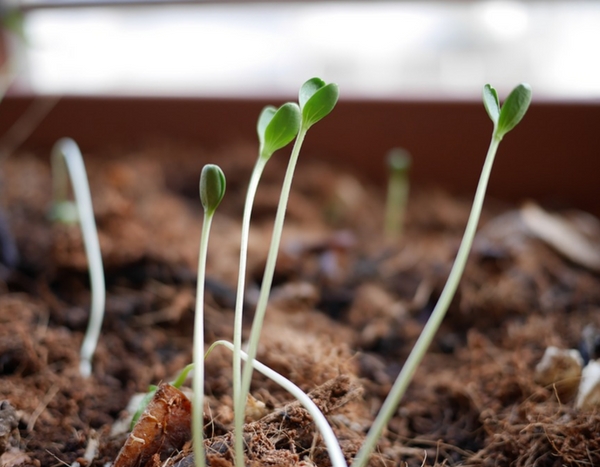
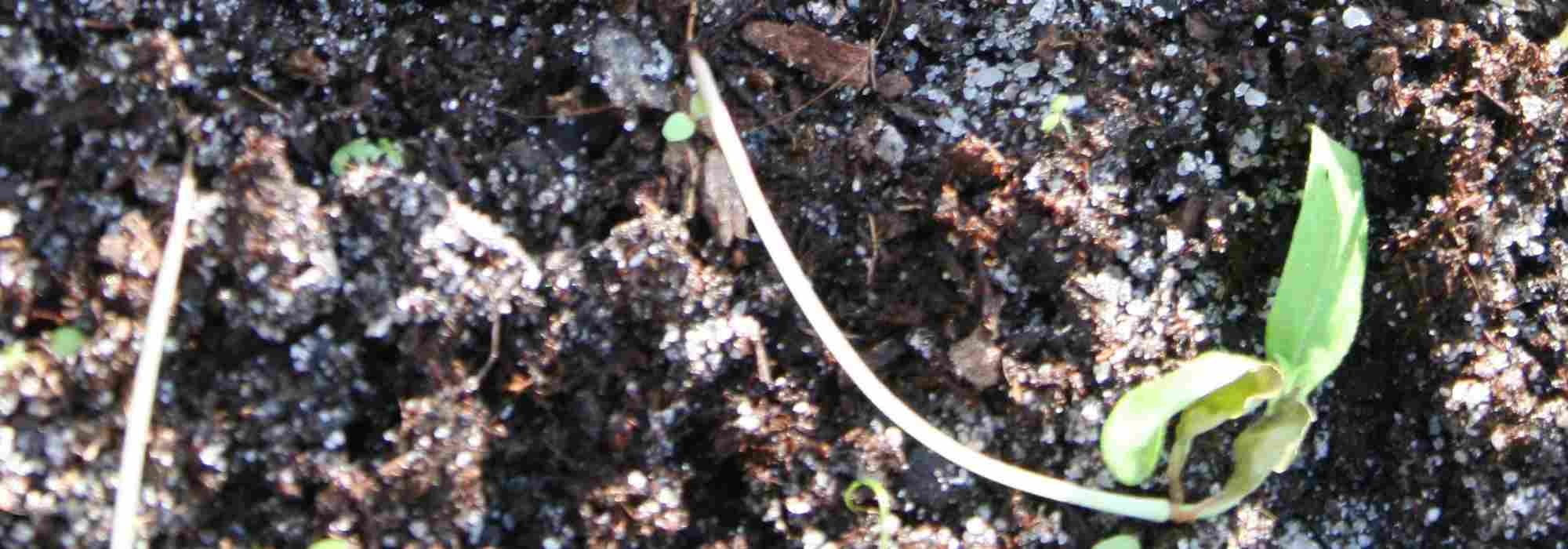
Scatter the seeds on the surface of fine, well-drained soil that is kept moist. Do not cover the seeds. Maintain a temperature of 18-20°C. Place the container or pots in a mini-greenhouse or under transparent plastic until germination, which takes 18 to 21 days. Light facilitates germination. Transplant the young plants when they are developed enough to be handled, into 8 cm (3in) diameter pots. Keep them in cooler conditions for 10 to 15 days to gradually acclimate them, and then transplant them into the ground, in their final location, once the risk of frost has passed. Space the plants 15 cm (6in) apart.
You can also sow in a cold greenhouse or conservatory in late summer or early autumn, which generally produces more vigorous plants. Place the plants in a bright location, watering sparingly. Place the plants in the garden the following spring.
Sowing period
Intended location
Planting & care advice
-
-
-
-
-
-

-
-
This item has not been reviewed yet - be the first to leave a review about it.
Recently viewed products
Haven't found what you were looking for?
Hardiness is the lowest winter temperature a plant can endure without suffering serious damage or even dying. However, hardiness is affected by location (a sheltered area, such as a patio), protection (winter cover) and soil type (hardiness is improved by well-drained soil).

The flowering period indicated on our website applies to countries and regions located in USDA zone 8 (France, the United Kingdom, Ireland, the Netherlands, etc.)
It will vary according to where you live:- In zones 9 to 10 (Italy, Spain, Greece, etc.), flowering will occur about 2 to 4 weeks earlier.
- In zones 6 to 7 (Germany, Poland, Slovenia, and lower mountainous regions), flowering will be delayed by 2 to 3 weeks.
- In zone 5 (Central Europe, Scandinavia), blooming will be delayed by 3 to 5 weeks.
In temperate climates, pruning of spring-flowering shrubs (forsythia, spireas, etc.) should be done just after flowering.
Pruning of summer-flowering shrubs (Indian Lilac, Perovskia, etc.) can be done in winter or spring.
In cold regions as well as with frost-sensitive plants, avoid pruning too early when severe frosts may still occur.
The planting period indicated on our website applies to countries and regions located in USDA zone 8 (France, United Kingdom, Ireland, Netherlands).
It will vary according to where you live:
- In Mediterranean zones (Marseille, Madrid, Milan, etc.), autumn and winter are the best planting periods.
- In continental zones (Strasbourg, Munich, Vienna, etc.), delay planting by 2 to 3 weeks in spring and bring it forward by 2 to 4 weeks in autumn.
- In mountainous regions (the Alps, Pyrenees, Carpathians, etc.), it is best to plant in late spring (May-June) or late summer (August-September).
The harvesting period indicated on our website applies to countries and regions in USDA zone 8 (France, England, Ireland, the Netherlands).
In colder areas (Scandinavia, Poland, Austria...) fruit and vegetable harvests are likely to be delayed by 3-4 weeks.
In warmer areas (Italy, Spain, Greece, etc.), harvesting will probably take place earlier, depending on weather conditions.
The sowing periods indicated on our website apply to countries and regions within USDA Zone 8 (France, UK, Ireland, Netherlands).
In colder areas (Scandinavia, Poland, Austria...), delay any outdoor sowing by 3-4 weeks, or sow under glass.
In warmer climes (Italy, Spain, Greece, etc.), bring outdoor sowing forward by a few weeks.
Shipping country and language
Your country of residence may be:
Your country of residence is:
For a better user experience on our website, you can select:
Your shipping country:
-
 Austria
-
 Belgium
-
 Bosnia & Herzegovina
-
 Bulgaria
-
 Croatia
-
 Cyprus
-
 Czechia
-
 Denmark
-
 Estonia
-
 Finland
-
 France
-
 Germany
-
 Greece
-
 Hungary
-
 Iceland
-
 Ireland
-
 Italy
Italy
-
 Latvia
-
 Liechtenstein
-
 Lithuania
-
 Luxembourg
-
 Malta
Malta
-
 Netherlands
-
 Poland
-
 Portugal
-
 Romania
-
 Serbia
-
 Slovakia
-
 Slovenia
-
 Spain
Spain
-
 Sweden
-
 Switzerland
Language:
-
French
-
 English
-
Spanish
-
Italian
-
German
-
Portuguese
-
Dutch
-
Finnish
My Account
Hello
My wish lists
My cart
Log in / Register
Existing customer?
This form is protected by reCAPTCHA - the Google Privacy Policy and Terms of Service apply.
New customer?
Create an account to track your orders, access our customer service and, if you wish, make the most of our upcoming offers.