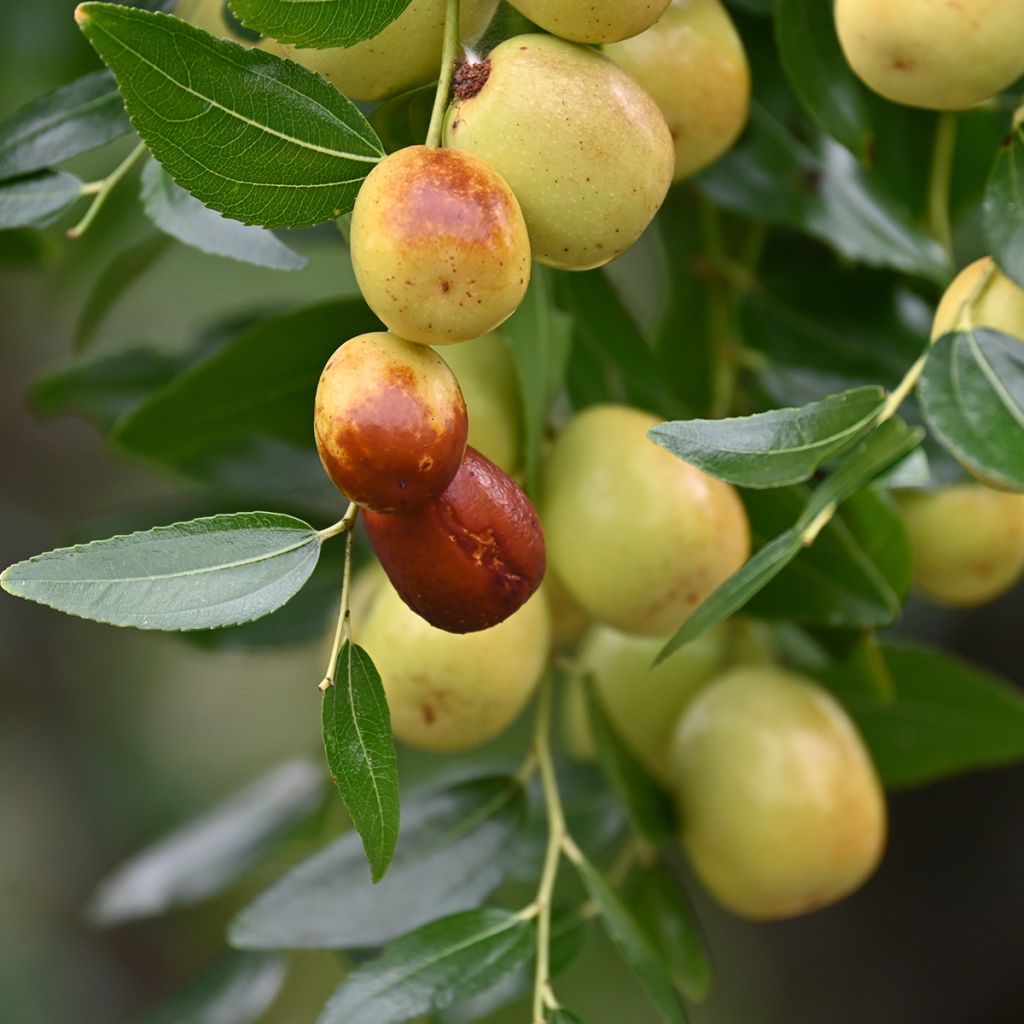
Ziziphus jujuba Meimizao
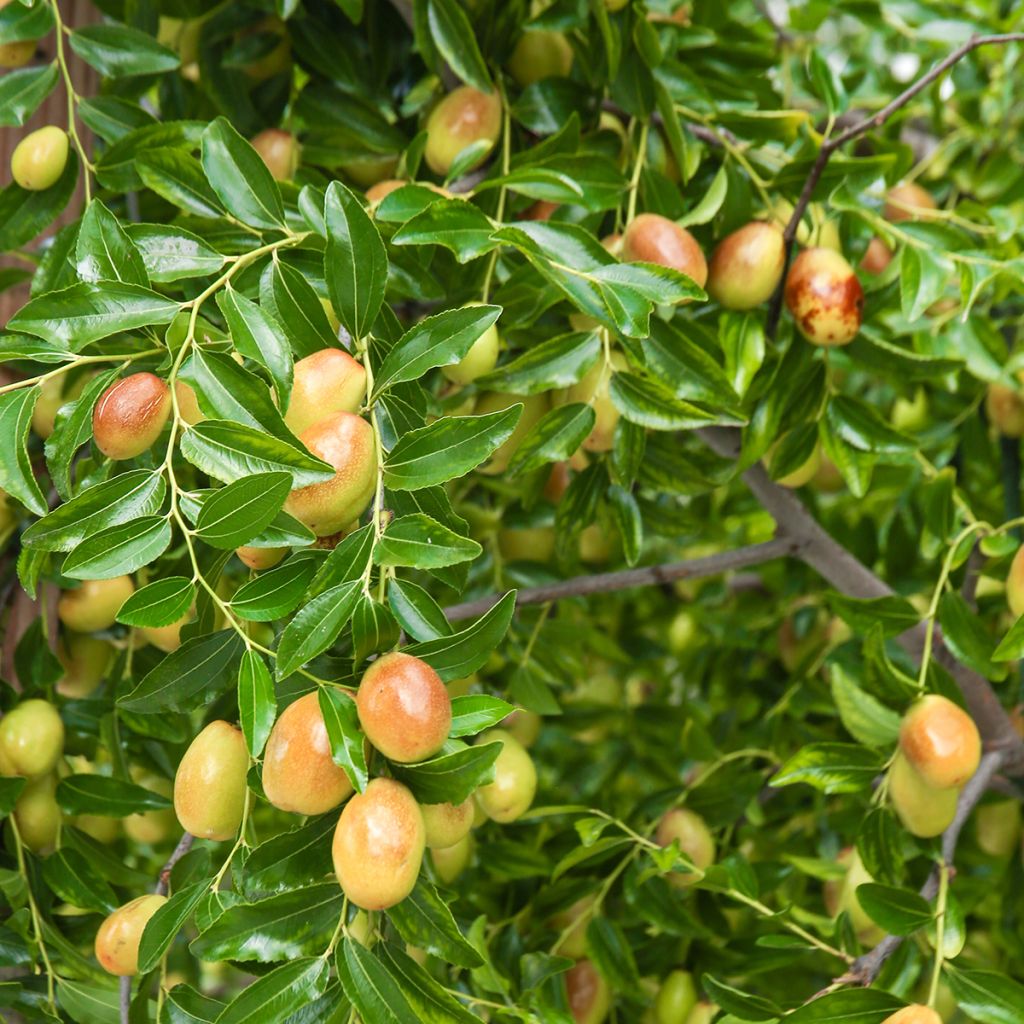
Ziziphus jujuba Meimizao
Ziziphus jujuba Meimizao
Ziziphus jujuba Meimizao
Jujube, Red Date, Chinese Date
Back-to-school special offer!
Get €10 off for every €50 you spend! And get up to €40 off on a single order.
How does it work?
1. Shop your favourites
Add your favourite plants to your basket. For every €50 you spend (excluding delivery charges, store credit and the plastic-free option), you’ll receive a €10 voucher.
€50 spent = €10 voucher
€100 spent = €20 voucher
€150 spent = €30 voucher
€200 spent = €40 voucher
2. Place your order
Once your basket reaches one of the spending thresholds, place your order. You can even choose your delivery date!
3. Receive your voucher
As soon as your order has been shipped, you’ll receive an email containing your personal voucher code and its value.
4. Use it on your next order
Your voucher is valid for 90 days from the date you receive it. It can be used once only, on a new order worth at least the value of the voucher, excluding delivery charges.
Please note: Vouchers can be combined with other offers, but cannot be split or refunded.
Home or relay delivery (depending on size and destination)
Important: You may be charged customs duties by your country’s customs authorities upon delivery.
Schedule delivery date,
and select date in basket
This plant carries a 12 months recovery warranty
More information
We guarantee the quality of our plants for a full growing cycle, and will replace at our expense any plant that fails to recover under normal climatic and planting conditions.
Description
Ziziphus jujuba 'Miemizao' is a variety of jujube valued for its fairly early maturity. It makes it possible to harvest jujubes in regions where autumn is shorter and less warm. Its elongated fruits are picked while still firm, as soon as they begin to colour: their flesh is then crisp, sweet and slightly tart. The tree, tolerant of dry conditions and relatively hardy, thrives in sun and well-drained soil, even if it is chalky or stony. Self-fertile, its yield will nevertheless be improved by the presence of a second jujube tree such as ‘Li’ or ‘Abundance’ nearby.
Treat it without fail against the Mediterranean fruit fly, otherwise the entire harvest may be destroyed. To do this, you can use traps that are harmless to biodiversity.
The jujube belongs to the Rhamnaceae family. The botanical species Ziziphus jujuba is native to northern and eastern China as far as South Korea; it is now widely introduced in the warm, dry or Mediterranean regions of Asia, the Middle East, North Africa, southern Europe and America. In China, jujube has been grown for several thousand years and includes a very large number of fruit cultivars selected for fresh consumption, drying, candied fruit or ornamental use.
'Meimizao’ is an early Chinese cultivar whose presence in European trials was recorded in Italy as early as 1995. The tree reaches 4 to 6 m in height and 3 to 4 m in spread at maturity; it is more compact than the older varieties. Its habit is semi-upright at first, becoming rounded with age, and its brownish branches are slightly zigzagged. The branches of ‘Meimizao’ are only slightly thorny, making harvesting easier. The bark of the trunk becomes dark, rough, fissured or scaly with age. The foliage is deciduous, made up of small, oval to lanceolate, leathery, glossy green leaves, 2 to 5 cm long, finely toothed and marked by three visible veins from the base of the lamina. In autumn, they turn yellow before falling. Flowering takes place from June to July, depending on the climate. The flowers are small, greenish yellow and inconspicuous but fragrant and nectar-rich; they appear in the leaf axils, singly or in small clusters. In jujube, flowers and fruits form on the current year's shoots.
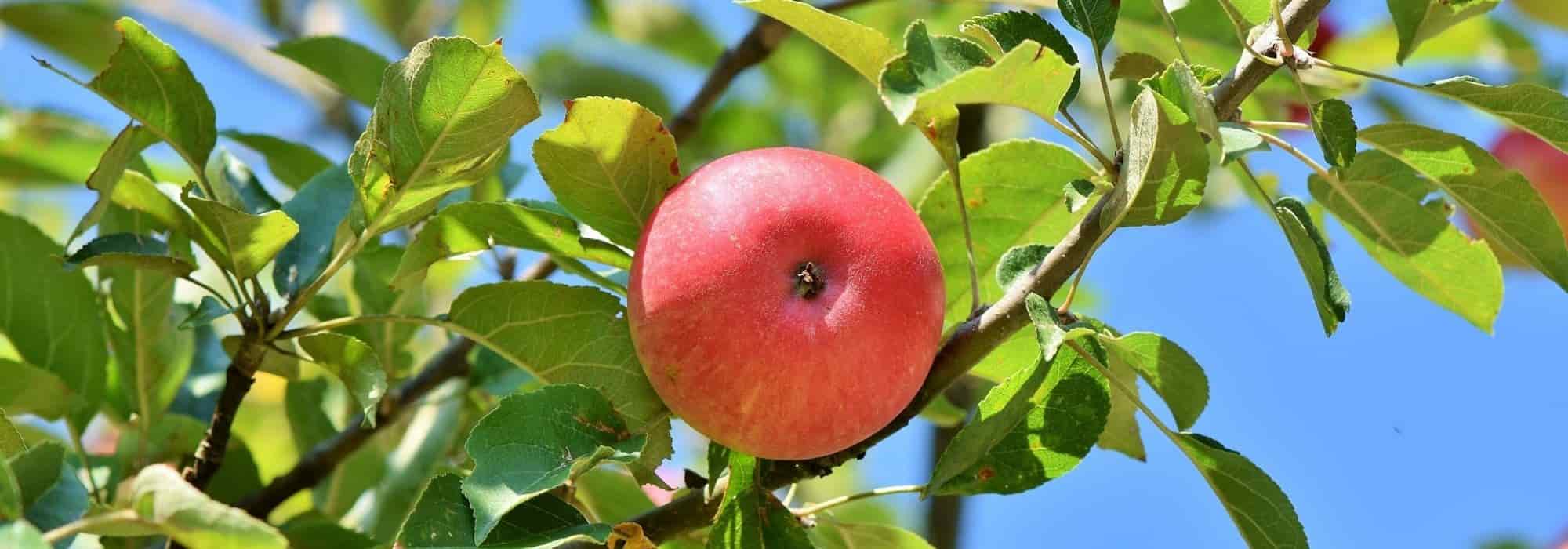
The fruits of ‘Meimizao’ are elongated jujubes, ovoid and olive-shaped, longer than they are wide. They are initially light green to greenish yellow, then turn reddish brown to coppery brown as they ripen. Their flesh is firm, crisp and juicy when picked at the right time, sweet with a slight acidity. At the crisp stage, their flavour is reminiscent of a mildly acidic apple; when the fruit turns brown and wrinkles, its flesh becomes denser and sweeter, with notes of date. Italian trials rank ‘Meimizao’ among the Chinese cultivars with quality fruit for fresh consumption, with crisp flesh rich in sugars.
Harvest: ‘Meimizao’ is an early variety. Harvesting begins from the end of August in the warmest areas, more often in September, and may continue until early October depending on the aspect. In northern Italy, harvesting of ‘Meimizao’ begins in mid-September. Pick the jujubes by hand, fruit by fruit, when their skin begins to turn reddish brown.
Storage: fresh jujubes can be stored in a cool place after harvesting, ideally between 3 and 10 °C, in an atmosphere that is not too dry. They should not be picked when too green, as they ripen poorly off the tree. The fruit stores better when picked at the beginning of its colour change, when the skin changes from greenish yellow to reddish brown, before it softens or wrinkles. Dried fruit keeps for much longer in a cool, dry and well-ventilated place.
In the kitchen: the fruits of ‘Meimizao’ can be eaten fresh, crunched like a small apple while their flesh is still firm and juicy. At a more advanced stage of ripeness, they can be dried like small dates. They can also be used in compotes, poached fruit, jams, syrups, infusions, pastries or sweet and savoury Asian-inspired dishes.
In the garden: plant jujube 'Miemizao' in full sun, in well-drained soil, even if it is chalky. This fruit tree is suitable for dry gardens and soils that warm up quickly in spring. Watering is useful during the first two years, then mainly while the fruit is developing in the event of a very dry summer. In a Mediterranean orchard, it can be paired with almond ‘Lauranne’, which is self-fertile and late, with apricot ‘Rouge du Roussillon’, pomegranate ‘Mollar de Elche’, and Feijoa ‘Mammouth’, an evergreen, decorative and productive plant in the latter part of the season. These fruit trees provide staggered harvests from summer to autumn.
Report an error about the product description
Plant habit
Fruit
Flowering
Foliage
Botanical data
Ziziphus
jujuba
Meimizao
Rhamnaceae
Jujube, Red Date, Chinese Date
Cultivar or hybrid, China
Planting and care
Plant jujube Meimizao preferably in autumn in dry, warm regions, and in spring elsewhere. Place it in a sunny or partially shaded position, sheltered from cold, dry winds, but avoid planting it close to house walls, as its roots spread over large distances. Plant it in ordinary, well-loosened, well-drained soil. It prefers deep, rather chalky, fertile soil, but is really undemanding and adapts to poor, clay-chalky and stony soils. Summer drought is not a problem once the shrub is well established. Moist soil naturally encourages fruit production.
Plant it outside periods of frost or drought, mixing your garden soil, as appropriate, with compost if it is poor, coarse sand, perlite or any material that does not retain moisture if it is very heavy and clayey. Water generously once or twice a week to help it establish. From the third year onwards, water only twice a month, and only during periods of drought. This plant requires very little care and grows without difficulty as long as the conditions are right. Fertiliser is not essential (just add a little hoof and horn to the bottom of the planting hole), but can sometimes be useful in very poor soil.
Treat it without fail against the Mediterranean fruit fly, otherwise the harvest may be completely destroyed. To do this, you can use traps that are safe for biodiversity.
Note: adopting a wild, ungrafted jujube is a decision that should be carefully considered: in a favourable climate, it self-seeds readily. If you decide to get rid of an old jujube by cutting through its trunk at the base, be aware that it will produce countless suckers for several years. These suckers, arising from deep, very long roots, are extremely difficult to pull out.
Once acclimatised and well established, this plant proves to be almost indestructible.
Planting period
Intended location
Care
Planting & care advice
-
-
-
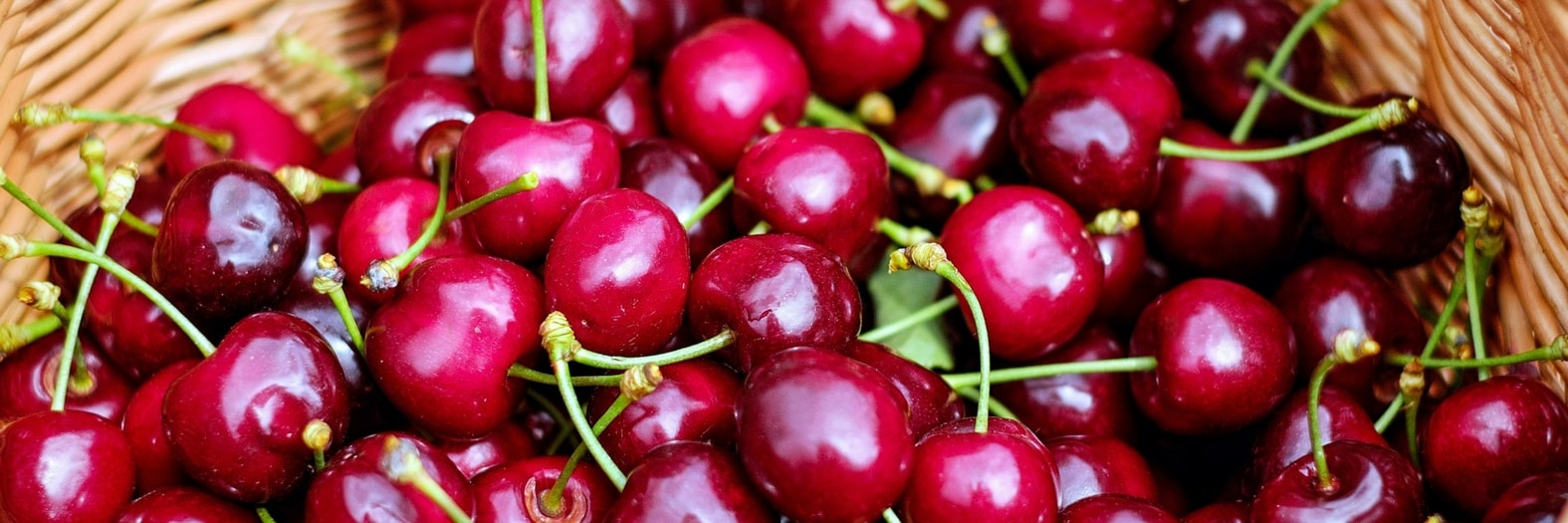
-
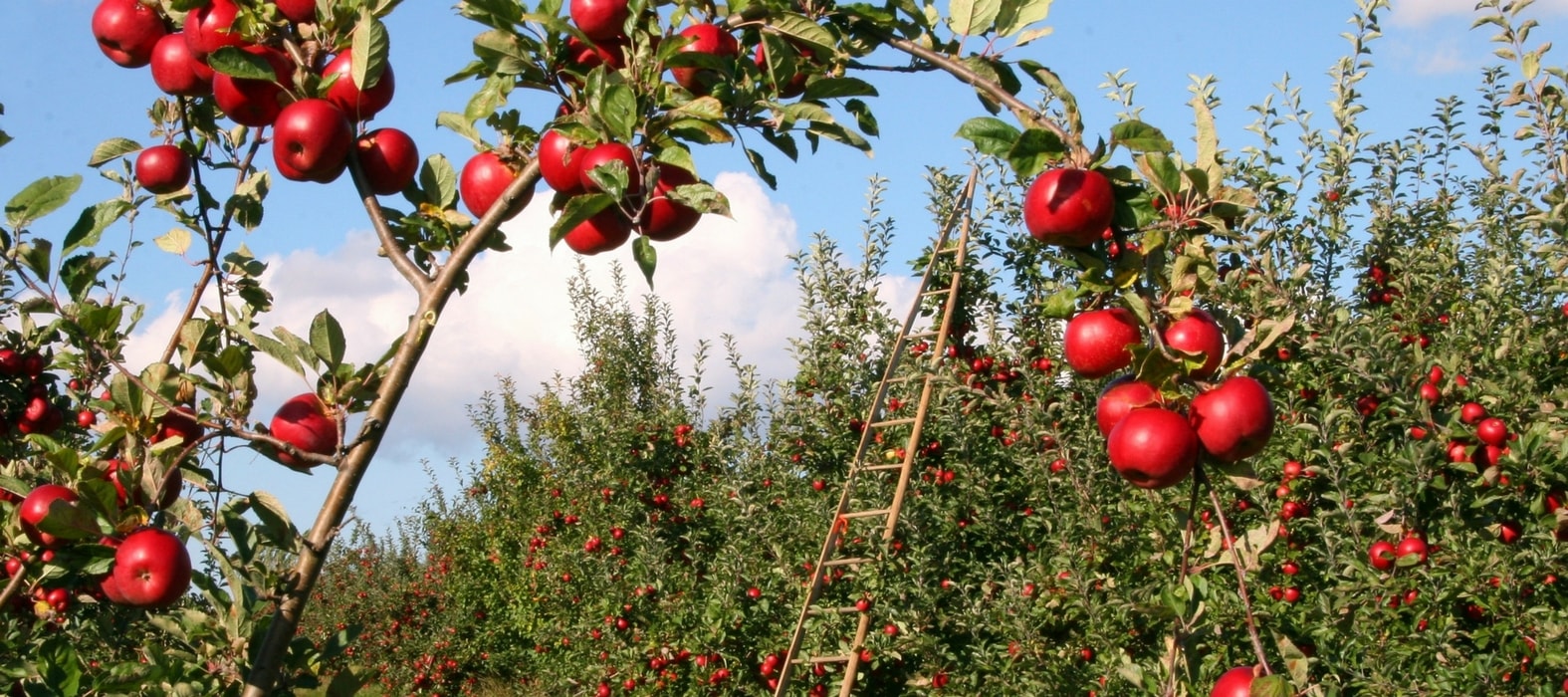
-
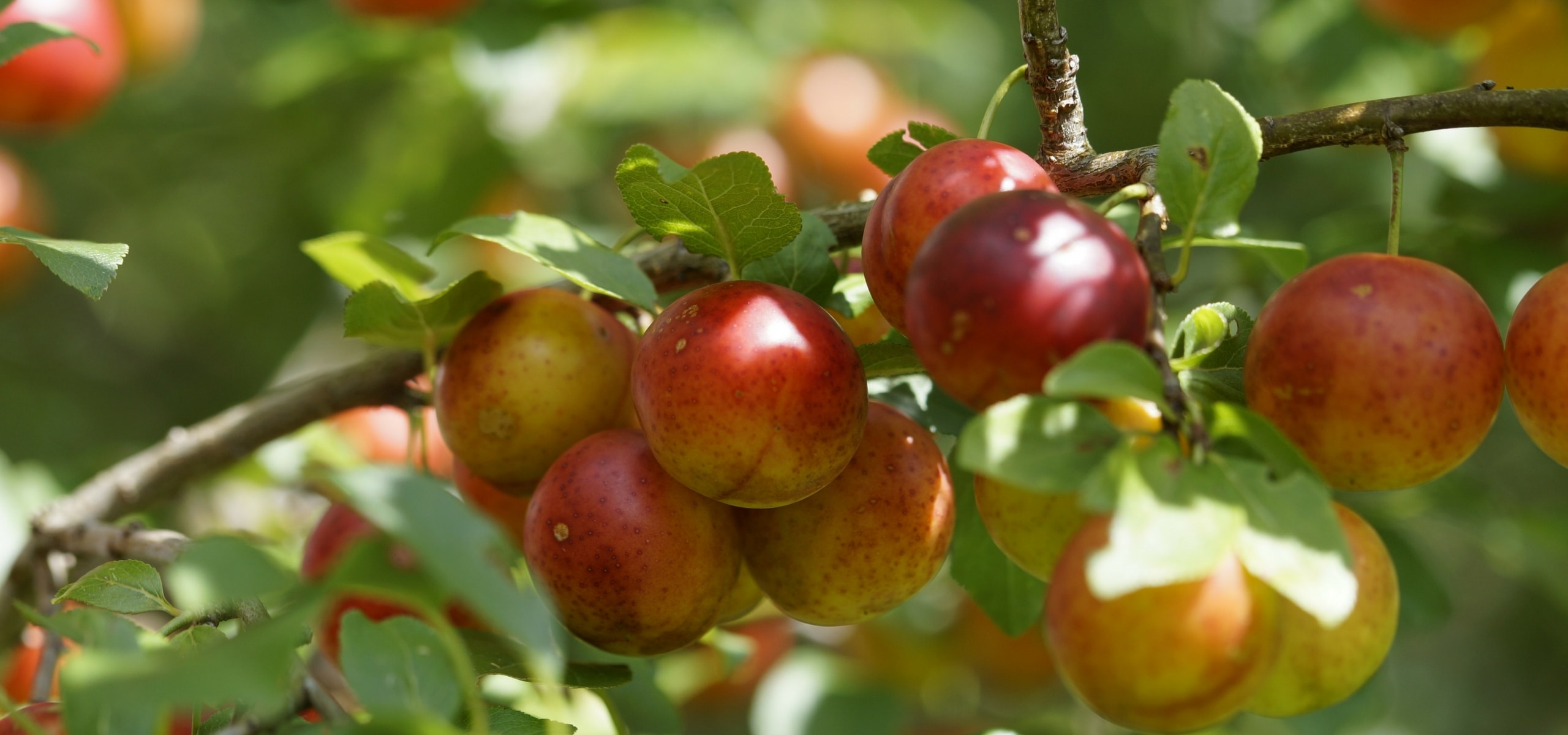
-
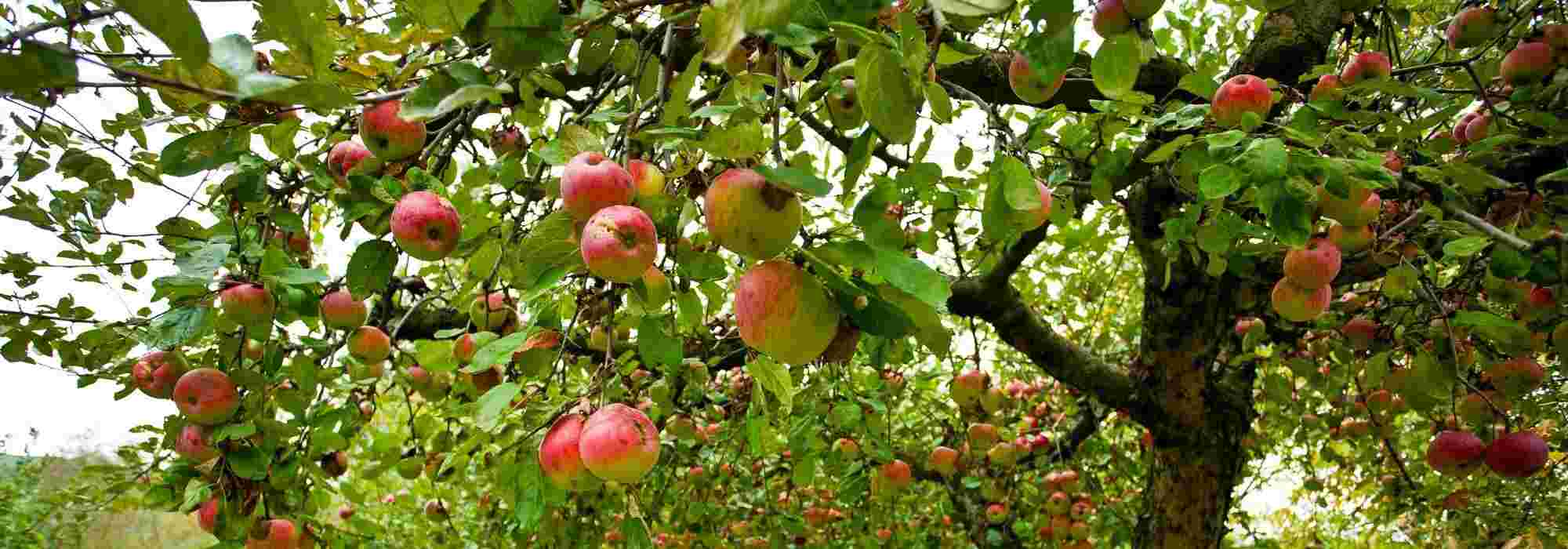
-
-
This item has not been reviewed yet - be the first to leave a review about it.
Recently viewed products
Haven't found what you were looking for?
Hardiness is the lowest winter temperature a plant can endure without suffering serious damage or even dying. However, hardiness is affected by location (a sheltered area, such as a patio), protection (winter cover) and soil type (hardiness is improved by well-drained soil).

The flowering period indicated on our website applies to countries and regions located in USDA zone 8 (France, the United Kingdom, Ireland, the Netherlands, etc.)
It will vary according to where you live:- In zones 9 to 10 (Italy, Spain, Greece, etc.), flowering will occur about 2 to 4 weeks earlier.
- In zones 6 to 7 (Germany, Poland, Slovenia, and lower mountainous regions), flowering will be delayed by 2 to 3 weeks.
- In zone 5 (Central Europe, Scandinavia), blooming will be delayed by 3 to 5 weeks.
In temperate climates, pruning of spring-flowering shrubs (forsythia, spireas, etc.) should be done just after flowering.
Pruning of summer-flowering shrubs (Indian Lilac, Perovskia, etc.) can be done in winter or spring.
In cold regions as well as with frost-sensitive plants, avoid pruning too early when severe frosts may still occur.
The planting period indicated on our website applies to countries and regions located in USDA zone 8 (France, United Kingdom, Ireland, Netherlands).
It will vary according to where you live:
- In Mediterranean zones (Marseille, Madrid, Milan, etc.), autumn and winter are the best planting periods.
- In continental zones (Strasbourg, Munich, Vienna, etc.), delay planting by 2 to 3 weeks in spring and bring it forward by 2 to 4 weeks in autumn.
- In mountainous regions (the Alps, Pyrenees, Carpathians, etc.), it is best to plant in late spring (May-June) or late summer (August-September).
The harvesting period indicated on our website applies to countries and regions in USDA zone 8 (France, England, Ireland, the Netherlands).
In colder areas (Scandinavia, Poland, Austria...) fruit and vegetable harvests are likely to be delayed by 3-4 weeks.
In warmer areas (Italy, Spain, Greece, etc.), harvesting will probably take place earlier, depending on weather conditions.
The sowing periods indicated on our website apply to countries and regions within USDA Zone 8 (France, UK, Ireland, Netherlands).
In colder areas (Scandinavia, Poland, Austria...), delay any outdoor sowing by 3-4 weeks, or sow under glass.
In warmer climes (Italy, Spain, Greece, etc.), bring outdoor sowing forward by a few weeks.
Shipping country and language
Your country of residence may be:
Your country of residence is:
For a better user experience on our website, you can select:
Your shipping country:
-
 Austria
-
 Belgium
-
 Bosnia & Herzegovina
-
 Bulgaria
-
 Croatia
-
 Cyprus
-
 Czechia
-
 Denmark
-
 Estonia
-
 Finland
-
 France
-
 Germany
-
 Greece
-
 Hungary
-
 Iceland
-
 Ireland
-
 Italy
Italy
-
 Latvia
-
 Liechtenstein
-
 Lithuania
-
 Luxembourg
-
 Malta
Malta
-
 Netherlands
-
 Poland
-
 Portugal
-
 Romania
-
 Serbia
-
 Slovakia
-
 Slovenia
-
 Spain
Spain
-
 Sweden
-
 Switzerland
Language:
-
French
-
 English
-
Spanish
-
Italian
-
German
-
Portuguese
-
Dutch
-
Finnish
My Account
Hello
My wish lists
My cart
Log in / Register
Existing customer?
This form is protected by reCAPTCHA - the Google Privacy Policy and Terms of Service apply.
New customer?
Create an account to track your orders, access our customer service and, if you wish, make the most of our upcoming offers.