This year, we tested around twenty varieties of tomatoes to grow in the vegetable garden to select the best among them. However, as tomato cultivation varies from region to region, Ingrid and Sophie tested them in their respective gardens: one in the north of France, the other in the south of the country. This almost sparked a tomato war! But it was all for the delight of their taste buds. Discover our 5 favourite tomato varieties, selected based on several criteria and according to the region, with a bonus variety that left us a bit disappointed.
Our selection criteria
1- Taste
Taste is one of the most important criteria. Depending on the varieties and growing conditions, tomatoes can have a more or less sweet or tangy flavour, with textures ranging from juicy to crunchy. It’s worth noting that cherry tomatoes are often the sweetest, but again, it all depends on ripeness and the growing region.
2- Productivity
The productivity of tomato plants is also a key selection criterion, especially as it strongly depends on the varieties and their earliness, particularly in the north. The climatic conditions (sunlight, temperatures, etc.) can also influence the yield of each tomato plant.
3- Cultivation and care
Some tomato varieties can form a tall and wide bush, which requires staking to prevent branch breakage under the weight of the fruits. Other cultivars are much smaller ('Green sausage') and take up less space, even being suitable for pot cultivation. We also considered the resistance of the varieties to diseases, particularly the infamous blight, as well as to pests and drought that we experienced in the summer of 2022.
4- Fruit size
The size of tomatoes can vary significantly depending on the variety, from a few centimetres for cherry tomatoes ('Yellow pearshaped', 'Mexican honey') to over 10 centimetres for the largest varieties, such as tomato 'Ananas' or 'Brandywine'. They also vary in shape, colour, and texture. Small cherry tomatoes are perfect for appetizers, medium varieties for salads, while the larger ones are ideal for making sauces, tomato purée, or stuffed tomatoes.
Ingrid: our top 5 for the North
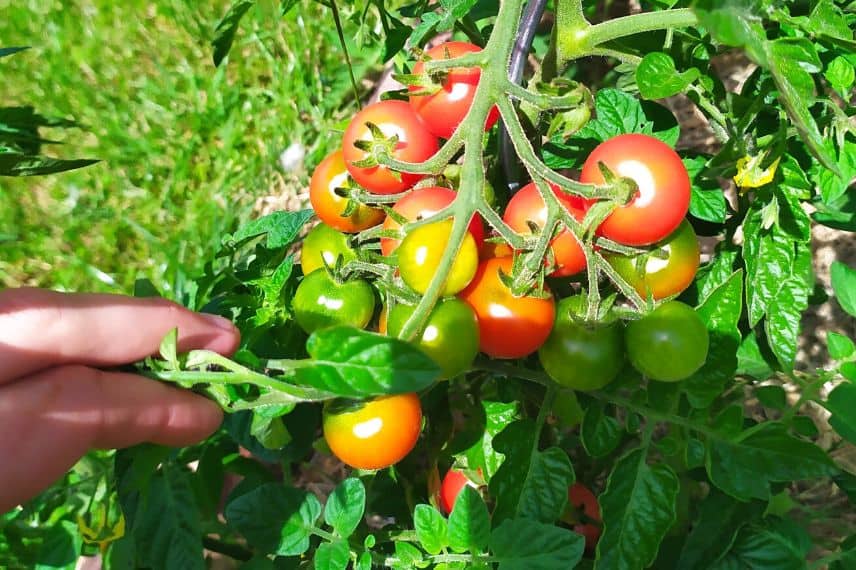
Tomato 'Mexican Honey': the most abundant - 19/20
This is the tomato that captivated me the most. This cherry tomato variety is among the first to harvest, but also among the last! Good productivity throughout the summer (almost daily!), good resistance to drought and also to diseases (the last to catch blight in autumn). These small red tomatoes are very juicy, with a slightly sweet flavour.
Tomato 'Green Zebra': the most original - 17/20
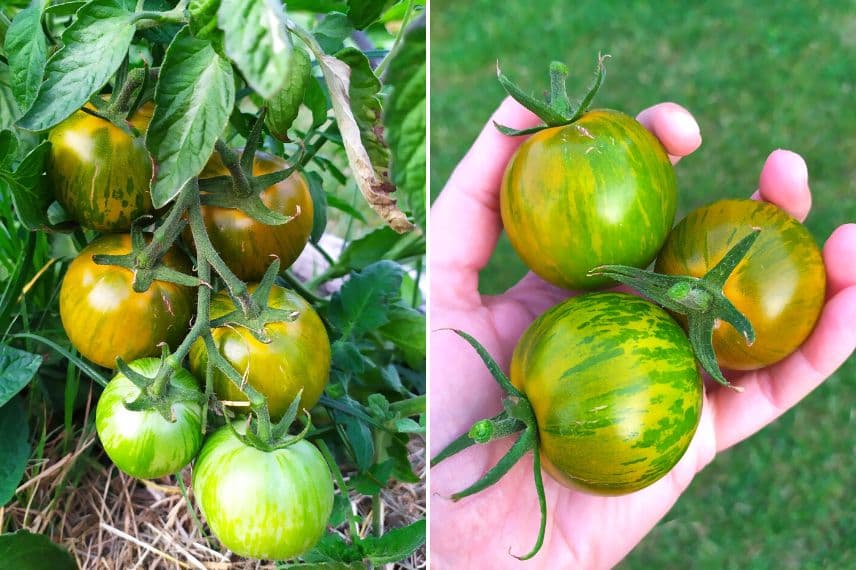
Here’s a beautiful original tomato, with its lovely anise green colour, striped with yellow-orange and a very sweet, emerald green flesh that is full of flavour. We loved it in salads or simply with a drizzle of olive oil. It is a bit late to ripen, but this detail is quickly forgotten thanks to its taste, good productivity, and drought tolerance.
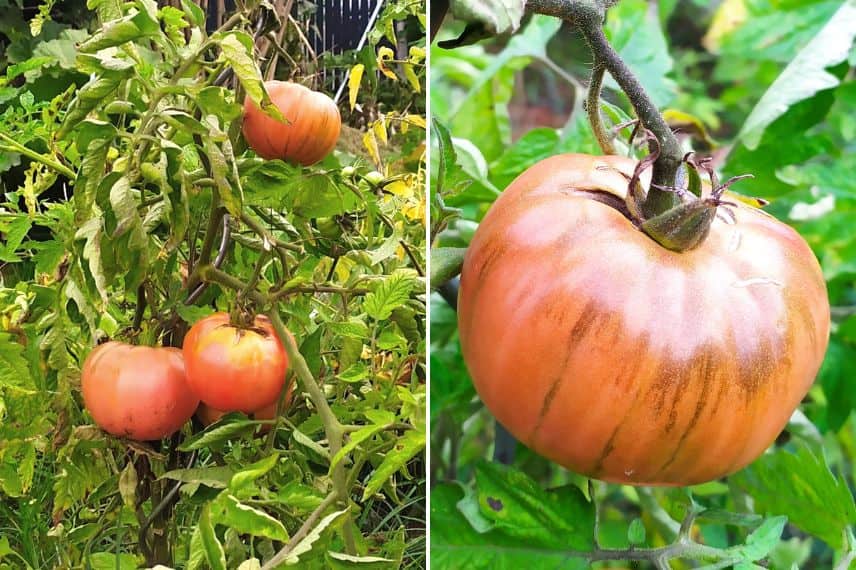
Tomato 'Oaxacan Jewel': an excellent heirloom tomato - 16/20
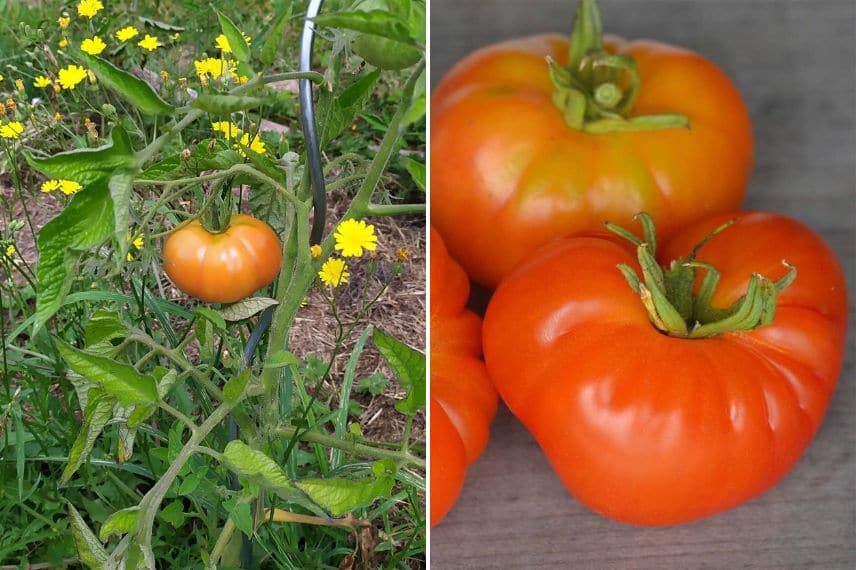
I particularly love heirloom tomatoes, and this variety met my criteria: early, with beautiful juicy fruits (50 to 130 g) with a pink-orange skin and a lovely bicolour flesh, yellow-orange and red. It is perfect for salads and making sauces.
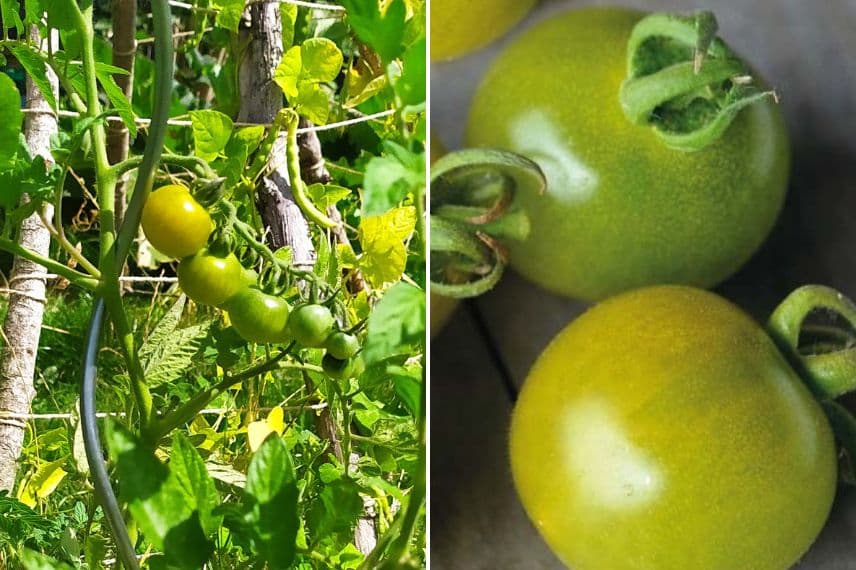
Tomato 'Green Doctor's Frosted': the sweetest - 15/20
These surprising small green cherry tomatoes have particularly juicy and sweet flesh! A delight for appetizers. Almost like a sweet treat that you eat out of indulgence! It’s actually my children’s favourite.
Tomato 'Brandywine': the most fleshy - 14/20
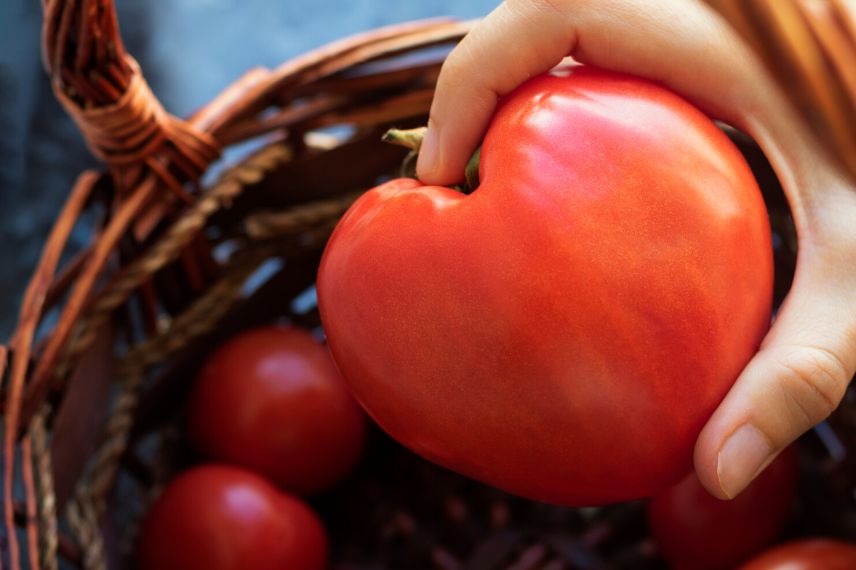
A beautiful variety that provided us with large fruits, between 200 and 300 g each! This tomato is beautifully pink-red, slightly ribbed, very juicy and flavourful. Excellent in salads, in sauces, or as stuffed tomatoes.
Sophie: our top 5 for the South
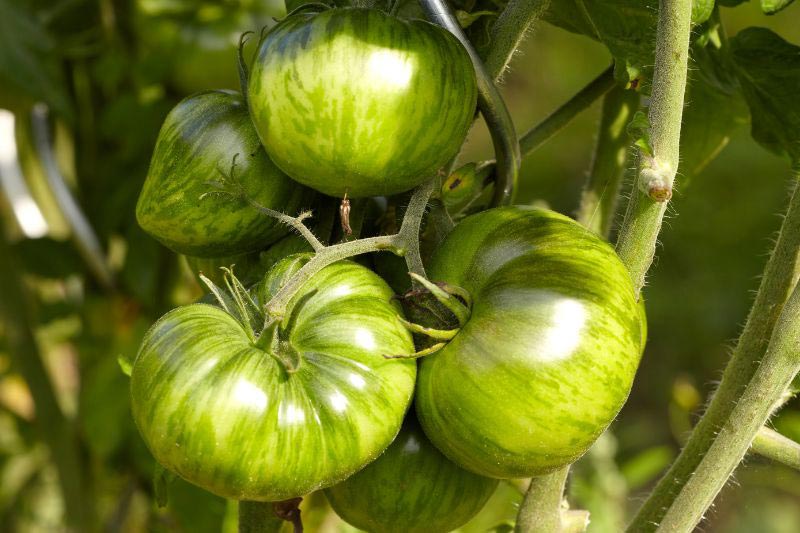
Tomato 'Green Zebra': the tastiest - 18/20
With its stunning colours, striped with yellow and green, the 'Green Zebra' catches the eye in the garden, as well as on the plate. Then, upon tasting, it reveals the best qualities among all the tested tomato varieties: it has a sweet and tangy flavour, slightly sweet, and a fairly firm texture that makes it ideal for salads. Medium-sized, it is easy to handle, use in cooking, and snack on directly in the garden! I found it easy to grow, resistant to drought and common tomato diseases, in short, accessible to all gardeners, even beginners.
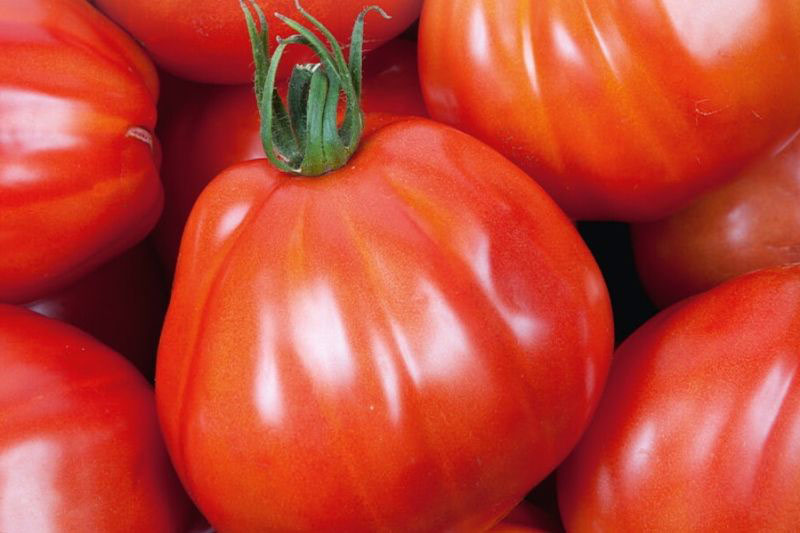
Tomato 'Liguria': the most fleshy - 18/20
Of the Beefheart type, the variety 'Liguria' produces many very large ribbed red fruits. This variety captivated me with its generosity, but also with its very interesting taste qualities, with few seeds. It can be enjoyed raw, but is also ideal for stuffed tomatoes, sauces, or purées.
Tomato 'Prince Borghese': the sweetest - 16/20
A cocktail-type cluster tomato, very tasty and quite firm, with a well-sweetened flavour. In the garden, 'Prince Borghese' forms plants about 1m tall that are quite compact, making it ideal for cultivation in a square garden or in small gardens. The clusters are numerous and generous, and the fruits can be stored for a long time.
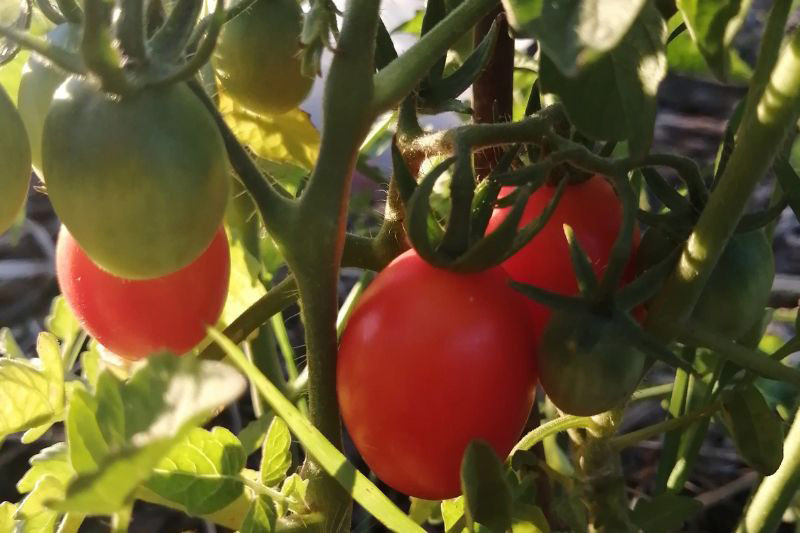
Tomato 'Brandywine': the juiciest - 15/20
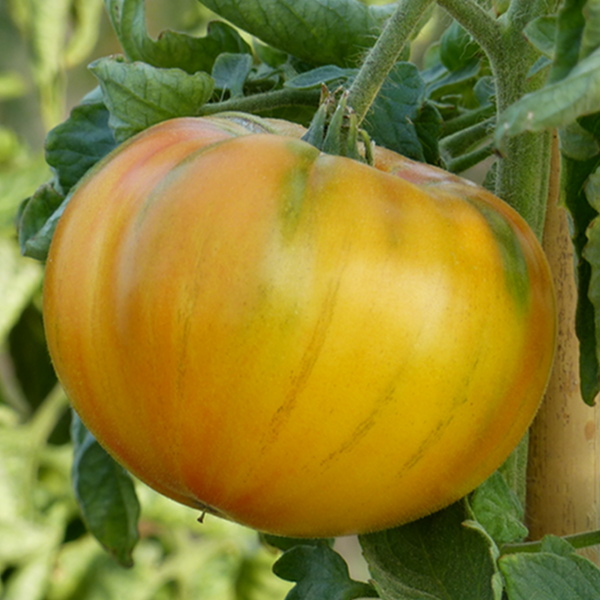
The colour of this tomato is not very attractive, as we instinctively associate taste qualities with a beautiful red colour. Its skin is a pale red, striped with green at the base. But when you taste them, you immediately change your mind: 'Brandywine' has a fine, fragrant, and sweet flavour and is very juicy. Best enjoyed as is, well-ripened and sun-soaked, just with a drizzle of olive oil!
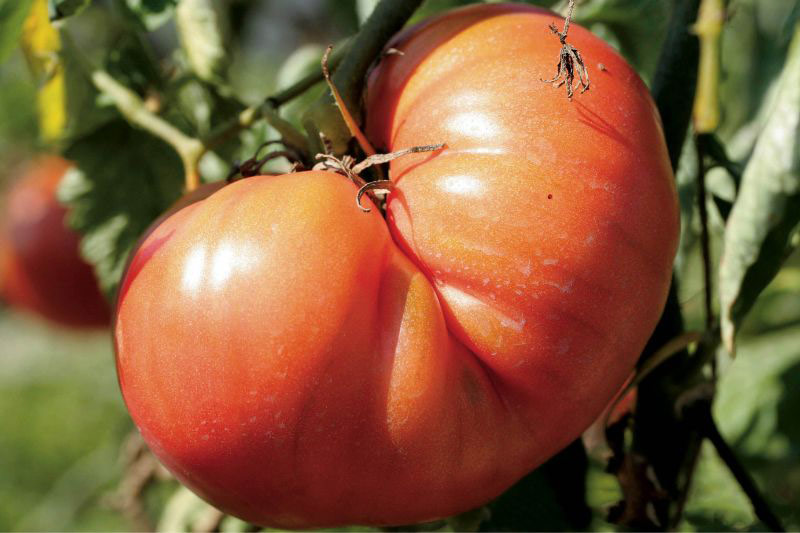
Tomato 'Rio Grande': the most productive - 14/20
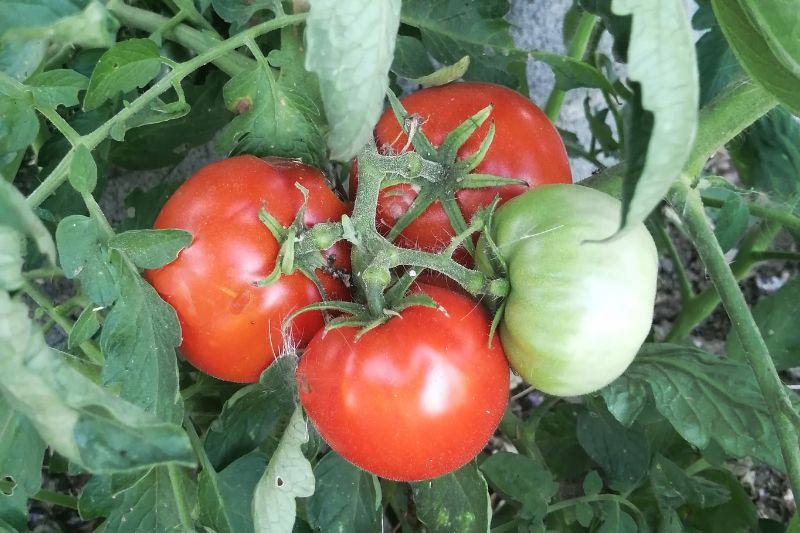
A 'Roma' type variety that produces clusters of oblong, very fleshy red fruits, 'Rio Grande' is not only particularly tasty and firm in texture, but this tomato variety also produces an abundance of fruits throughout the season. Its plants have vigorous growth and can reach a height of 1.5 to 2 metres, producing many fruits. Its disease resistance is an added advantage that helps ensure a plentiful and delicious harvest.
The less successful varieties
For the north: tomato 'Ananas' - 2/20
Very late, despite sowing in April, I harvested the first 'Ananas' tomato only in September! This variety is not suited for my region and struggles with drought and is very sensitive to blight.
For the south: tomato 'Lemon Tree' - 4/20
This tomato is disappointing in taste. Its floury flesh did not win us over; it is neither juicy nor flavourful and too tangy.
Conditions of the two trials
For these two trials, two gardens:
- The first, at Ingrid's, is located in the far north of France, in the town of Hazebrouck, 40 km from Lille.
- The second, at Sophie’s, is located in the south of France, near Narbonne and the Mediterranean coast.
We applied similar growing conditions in both gardens, namely:
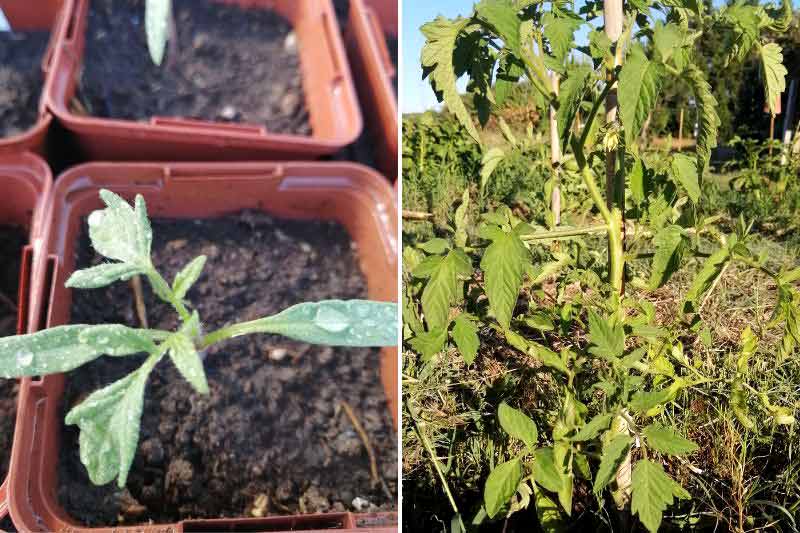
- Sowing tomato seeds in pots at the beginning of April, first indoors, then under a cold greenhouse once they have germinated.
- By mid-May, after the risk of frost has passed, the tomato plants are transplanted into the vegetable garden.
- The suckers (side shoots) were not removed.
- The first harvests at Sophie’s began in early July, with the tomatoes 'Prince Borghese' and 'Oaxacan Jewel'.
- At Ingrid's, the first harvest started later, around the end of July with the same varieties, but also 'Green sausage', 'Mexican Honey', and 'Orange Berry'.
- It is worth noting that both regions experienced summer drought, with plenty of sunshine and little rain.
List of tested tomatoes
Large fruit tomatoes
- Tomato 'Yellow Ananas'
- Tomato 'Oaxacan Jewel'
- Tomato 'Rio Grande'
- Tomato 'Jack White'
- Tomato 'Brandywine'
- Tomato 'Black from Tula'
- Tomato 'Black Crimea'
Medium fruit tomatoes
- Tomato 'Little Beefheart'
- Tomato 'Liguria'
- Tomato 'Green Zebra'
- Tomato 'Lancelot'
- Tomato 'Prince Borghese'
- Tomato 'Green Sausage'
- Tomato 'Andean Cornue'
- Tomato 'Lemon Tree'
Cherry tomatoes
- Tomato 'Yellow Pear'
- Tomato 'Mexican Honey'
- Tomato 'Green Doctor’s Frosted'
- Tomato 'Orange Berry'
- Tomato 'Black Cherry'
And you, what are your favourite tomato varieties? Let us know in the comments.
This year, we tested around twenty varieties of tomatoes to grow in the vegetable garden to select the best among them. However, as tomato cultivation varies from region to region, Ingrid and Sophie tested them in their respective gardens: one in the north of France, the other in the south of the country. This almost […]
The first morning frosts have appeared, and it's a bit of the beginning of the end in the vegetable garden, unless, like me, you have a garden greenhouse.
The term greenhouse is broad and encompasses various types of structures that offer varying levels of protection against the cold. For vegetable cultivation, the most commonly used model by market gardeners and gardeners is the tunnel greenhouse.
Although unheated, this greenhouse, known as a "cold greenhouse", is nonetheless very practical. The main advantage is that temperatures rise quickly inside. In the heart of winter, even the slightest ray of sunshine can provide a gentle warmth, conducive to vegetable development. Additionally, by blocking the wind, the greenhouse also limits the effects of the cold.
Let’s explore everything you can do in it, as well as the precautions to take when cultivating under cover.
A greenhouse in the vegetable garden: possibilities and advantages
- Significantly extend the seasons
The greenhouse, by creating a favourable microclimate and protecting vegetables from light frosts, allows for earlier and later cultivation and harvesting. The soil warms up quickly in spring, enabling seeds to germinate rapidly. Thus, in a mild climate, it is possible to sow carrots, early lettuces, radishes as early as January, and to harvest courgettes in June, as well as tomatoes, aubergines, and cucumbers until the end of October.
- Increase productivity
The warmth of the greenhouse also allows for successful cultivation of a wider range of vegetables, particularly those "of the sun" such as tomatoes, peppers, and other more exotic varieties like sweet potatoes or kiwano, which are often less productive in regions with a "hostile" climate. Planted in a warm environment that suits them perfectly, they grow better and faster, thus offering higher yields.
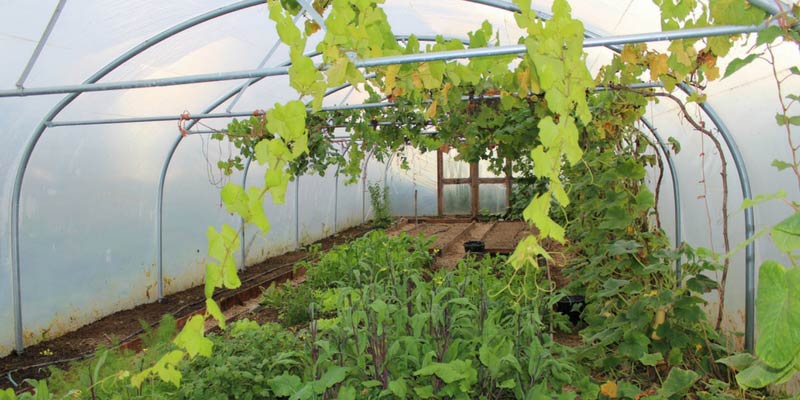 Growing under a tunnel allows for grape harvests, even in a cold climate. Photo credit: Local Food Initiative
- Protect against certain diseases
As mentioned in our advice sheet: "Tomato: downy mildew, other diseases and pests", the best protection is to cultivate them under cover. Indeed, the greenhouse, by sheltering from rain, significantly reduces the risk of cryptogamic diseases.
- Sow and propagate without clutter
Anyone who grows their vegetable plants knows: from March to May, the house is usually very cluttered with tender vegetables that cannot be planted in the garden before the Ice Saints. Although the cold greenhouse is not suitable for very early sowing, sometimes done as early as February, it still allows for storage, or even planting, as early as April, with appropriate additional protection (thick fleece, frames, or specific installations like a heated box) in anticipation of cold nights.
The greenhouse is also the ideal place to grow cuttings, such as those from blackcurrant and gooseberry bushes prepared in autumn, which will be planted in the following spring.
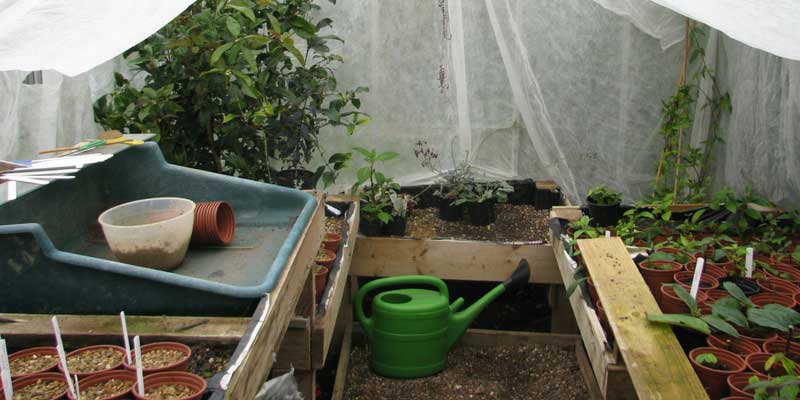 The cold greenhouse is well-suited for sowing and sheltering cuttings. To protect your plants, consider adding extra protection to prevent potential damage from a cold night.
The limitations of the cold greenhouse
- Temperature regulation
It may not be immediately obvious, but in an unheated tunnel greenhouse, it can freeze. It can also get very hot very quickly. The thermal inertia is very low, and without your intervention: temperatures can, within 24 hours, swing dramatically: dropping to -5 °C at night and rising to +40 °C during the day. This temperature range is uncomfortable for plants!
To avoid this, there is only one solution: ventilation… which is usually done by opening the doors or side openings, if the tunnel has them. Regular ventilation also helps to expel excess humidity that encourages the appearance of diseases like powdery mildew. As you can see, managing the climate of a greenhouse can sometimes be a bit tricky and requires, above all, almost constant presence!
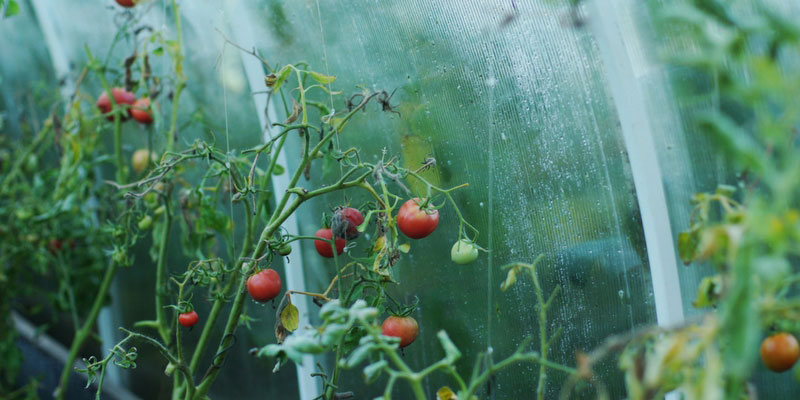 Under cover, regulating ambient humidity is important to avoid diseases.
- Watering management
In the greenhouse, don’t rely on the sky for watering (unless you opt for the "Cabriolet" model from Serres Tonneau) but on your own strong arms or, if not, your clever mind… This may seem obvious, but to cultivate in this enclosed environment, planning for water supply, storage, and possibly an autonomous watering system is crucial. That said, the issue of watering is certainly the easiest to resolve. In our case, the greenhouse is over 50 meters from the house: the collected rainwater is transferred via a small pump to a dedicated reservoir for the greenhouse. The automatic watering system is gravity-fed and does not require electricity.
- Questionable aesthetics
While glass greenhouses generally blend well into gardens, let’s be honest: the same cannot be said for tunnel greenhouses. At night, under the full moon, it may look almost pretty, but the same cannot be said during the day! Nevertheless, there are solutions to integrate it: cultivate around tall plants (Jerusalem artichokes, giant sunflowers, cardoons…) or place it at the back of the garden.
However, know that the appearance of the greenhouse is quickly forgotten when you experience the joy of cultivating and gardening under it on rainy days!
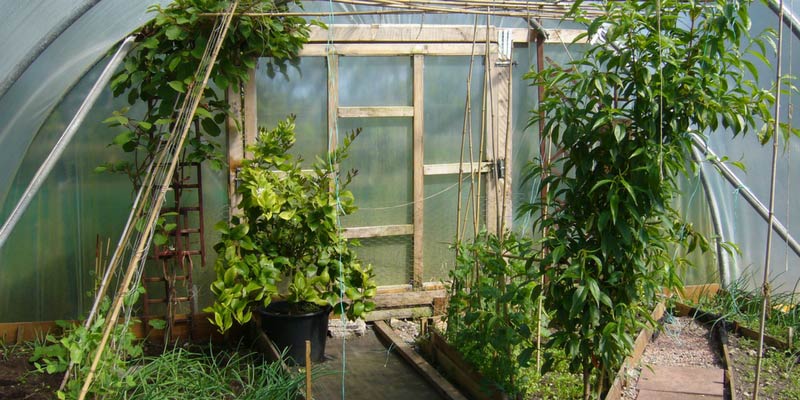 A greenhouse is also a little haven of peace where gardening, even in winter, is a pleasure! Photo credit: Caltriana Nicholson
Finally, discover a Selectos selection of the best garden greenhouses.
The first morning frosts have appeared, and it’s a bit of the beginning of the end in the vegetable garden, unless, like me, you have a garden greenhouse. The term greenhouse is broad and encompasses various types of structures that offer varying levels of protection against the cold. For vegetable cultivation, the most commonly used […]
Growing your garden is a political act. I am not the one who says it, Pierre Rabhi is.
And where politics is involved, it often implies doctrine, majority, opposition and protest movements.
You must be wondering what got into me or what I put in my morning coffee! Rest assured, it is about growing, pruning and management of tomatoes that I will talk about today, since it is a perfect example of a subject that divides gardeners.
Indeed, for decades it has been accepted that tomatoes, with an iron hand in a rubber glove, are firmly staked, are trained with rigour and are pruned. It is a tradition with strict rules: plants standing to attention on unyielding stakes and the systematic, merciless removal of "suckers". Order and method.
Everything would have been simple without the arrival of a new generation of gardeners, rebellious enough to question what they consider horticultural myths. Above all, curious or cheeky enough to experiment with alternative methods such as growing tomatoes in cages, laid flat on the ground, free and unpruned, and even without water.
Sterile protest, dangerous laxity, or the start of anarchy? (Tell me how you grow your tomatoes and I will tell you who you vote for...)
But before commissioning pollsters, let us explore these different, not exactly conventional methods...
Tomatoes in cages: supervised freedom
Putting into a cage to free may sound somewhat contradictory. In practice, let us say it is freedom under supervision.
This method consists of growing tomatoes without pruning, surrounding plants with a wire cage to support them and contain their abundant foliage. These cages have a double advantage: they free the gardener from both the slavery of hunting "suckers" and the servitude of daily watering, thanks to the water reservoir provided within the cage itself. To make them, we have prepared a step-by-step tutorial that explains everything: building a tomato cage
Tomatoes also benefit from this technique: unpruned, they no longer have wounds and therefore suffer fewer diseases. The axillary shoots, once removed, produce flowers that turn into fruit, thus offering larger harvests than with conventional training.
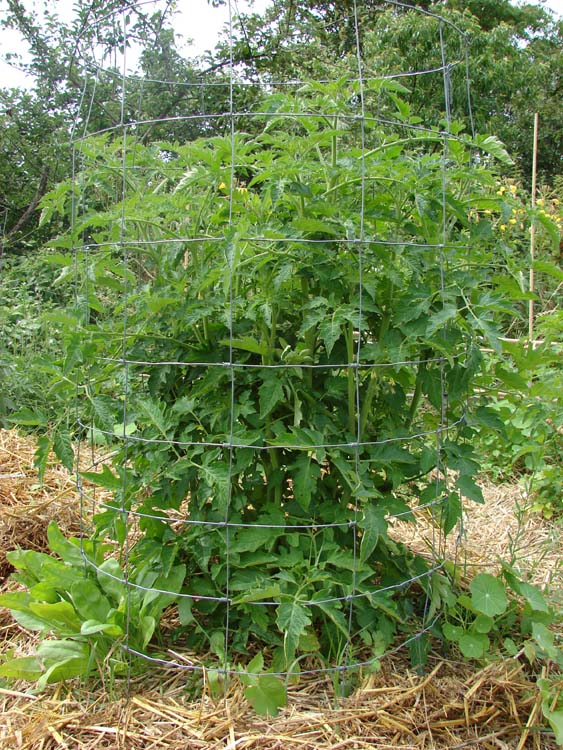
Tomato growing in cages - Photo: "Le sens de l'humus"
Tomatoes without stakes or pruning: independence, plain and simple
The principle could not be simpler and suits lazy gardeners perfectly since you simply plant the plant (preferably laid on its side, its favourite position) and let nature take its course!
Tomatoes naturally run along the soil. Only constraint: keep them away from moisture with a thick mulch made of dry materials (straw, dry grass) or with crates. Like squashes, your tomatoes will spread out… The advantage is obvious: you will have nothing to do except harvest. But beware, this method requires space and the absence of mice, voles and other burrowing rodents that would be delighted to sample them.
Note, incidentally, that it is perfectly possible to grow tomatoes in a traditional way without stakes. For this, choose determinate varieties, which form a bush more or less "self-supporting"… depending on wind strength. This is the case for the tomate buissonnante (… merciless logic) but also for dwarf and cherry varieties such as Totem or Gold nuggets.
And tomatoes without watering? A revolutionary alternative movement
Change is now… so let us start by turning off the taps! Because growing tomatoes without water is possible and Pascal Poot proves it, cultivating no fewer than 450 varieties, never watering them. But there is no magic powder here — just a long process that consists of "teaching" vegetables, over generations of seeds, to live frugally, with a guaranteed minimum of a simple dose of compost.
Here is the demonstration:
And you, are you more in favour of maintaining order and mandatory depilation of the axils (of the tomatoes… needless to say) or do you campaign for the mass confiscation of stakes and pruning shears?
Come on, I admit it, at home we are more the good-pupil type who lack consistency: we remove the suckers during the first weeks only to end up delightfully overtaken by an uncontrollable jungle that seems to proudly wave a sign: "Long live the free tomato"!
Growing your garden is a political act. I am not the one who says it, Pierre Rabhi is. And where politics is involved, it often implies doctrine, majority, opposition and protest movements. You must be wondering what got into me or what I put in my morning coffee! Rest assured, it is about growing, pruning […]
Whether you are a beginner or experienced gardener, you cannot have failed to hear about the famous "Saints de Glace". When will they occur? Should you follow folk sayings and wait for them to pass before starting your vegetable garden and putting out planters? What should you fear during this period? We tell you everything!
You can also find this article in our podcast about the Saints de Glace :
What are the Saints de Glace?
The "Saints de Glace" refer to a period in May traditionally associated with the lune rousse, which occurs after Easter. In practice, it is a few rather tricky days in the garden during which late frosts can occur.
When are they? Dates of the Saints de Glace
There is no need to look for when the Saints de Glace will occur this year! They fall on the same dates every year: 11, 12 and 13 May. These three dates correspond respectively, in the old calendar, to Saint Mamert, Saint Pancrace and Saint Servais. In the cooler regions, one more companion is added: Saint Urbain, celebrated on 25 May.

Can you plant before the Saints de Glace or should you wait?
Of course, it is possible to plant all frost-resistant plants before this period: trees, shrubs and hardy perennials.
However, avoid planting frost-tender annual flowers (petunias, impatiens...) and all tender vegetables such as tomatoes, aubergines, courgettes and peppers. Another factor to take into account is, of course, the region where your garden is located. Risks of late frost are much lower in Nice than in Strasbourg, where you'll need to wait until the end of May to be completely out of the danger zone.
That said, in practice, statistically the risk of frost does not seem that high.
So, if you've been gardening in a T-shirt for 10 days and are eager to start your vegetable garden, nothing prevents you from planting a few tomato plants. Keep an eye on the weather forecast, but also on the sky because cloudless nights are conducive to frost. Make sure you have something to protect your seedlings and plants from the cold… just in case… and everything should be fine!

However, if you're the anxious, not-very-adventurous or absent-minded gardener: be patient! After all, everything in its own time… vegetables planted later, but into well-warmed soil, at the end of May or start of June will quickly catch up with those planted much earlier.
Whether you are a beginner or experienced gardener, you cannot have failed to hear about the famous “Saints de Glace”. When will they occur? Should you follow folk sayings and wait for them to pass before starting your vegetable garden and putting out planters? What should you fear during this period? We tell you everything! […]
Tomato is a fruit-vegetable offering many varieties, sometimes highly original. Old or more recently bred, almost all varieties have distinct personalities well worth exploring. So, to impress friends or simply for the pleasure of tasting new types, here is a small selection of curious, decorative and flavoursome tomatoes:
1) Tomato ‘Indigo Rose’
'Indigo Rose' is an American variety developed by Oregon State University. A cocktail-type, its fruits wear a superb midnight-blue, almost black coat, ripening through to reddish-brown. It attracts curiosity both on the plant and on the plate. Its flavour is not unforgettable but is quite acceptable and, above all, it is known for its antioxidant content.
2) Tomato ‘Jack White’
'Jack White' is almost the opposite of Indigo Rose: its large creamy-white fruits, round and ribbed, can weigh up to 1 kg. They contain a Beefsteak-type flesh of excellent eating quality. Connoisseurs will appreciate the complexity of its taste, a mix of acidity and sweetness. Perfect in a colourful salad (with 'Black from Crimea' for a Yin Yang effect?) but also good for stuffing.
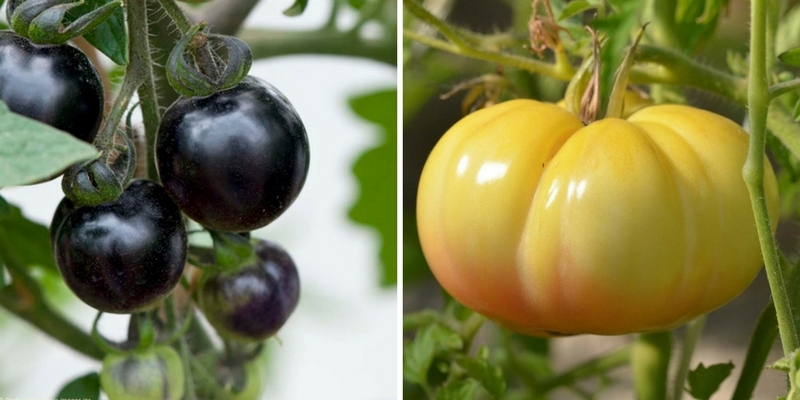
Indigo Rose and Jack White tomatoes - Photo: La Ferme de Sainte Marthe
3) Tomato ‘Lemon Tree’ (lemon tomato)
Yellow tomatoes are not unheard of… What is more unusual is when they take on the look of a lemon, as is the case with this old Russian variety. Productive, this tomato produces clusters of fruits 6–8 cm long. Its taste is, unsurprisingly, slightly tangy, very pleasant in a summer salad.
4) Tomato ‘Elberta Peach’
In a similar vein, 'Elberta Peach' stands out for the downy appearance of its superb foliage and the velvety texture of its fruits. Yes, a hairy tomato does exist! Its fruits are large for a cocktail-type. Colour, red striped with yellow, can be quite variable. It develops a mild flavour and has a fairly firm flesh.
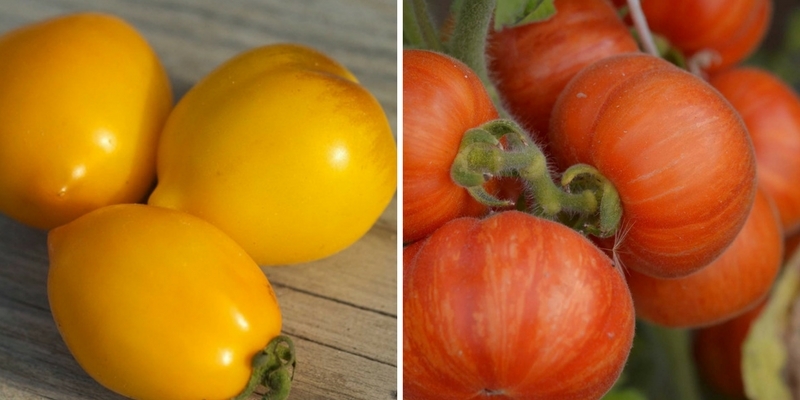
Lemon Tree and Elberta Peach tomatoes - Photos: La Ferme de Sainte Marthe
5) Tomato ‘Green Doctor's Frosted’
Here is another American variety but this time of the cherry type! Very productive, it produces pretty small green fruits, slightly translucent, that have much to offer: firm texture, crisp bite and a very sweet juicy interior.
![]()
6) Yellow pear tomato or ‘Yellow Pearshaped’

This cherry (well, pear) tomato is probably the cutest in the selection! It can be grown in a pot and produces many small yellow, pear-shaped fruits with a sweet flavour. Very decorative, it is particularly popular with children who will enjoy growing it.
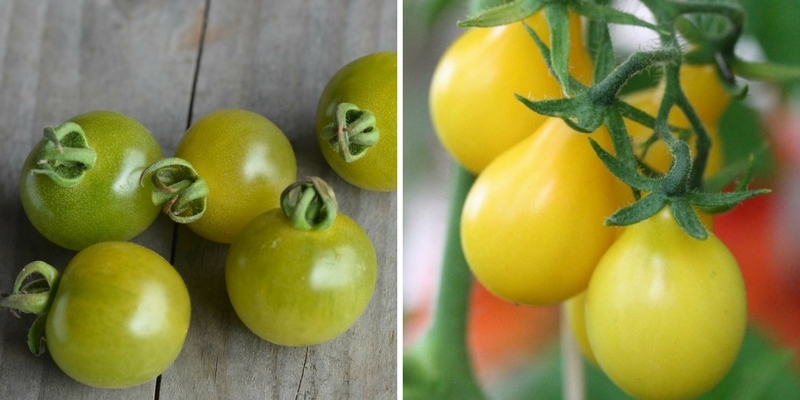
Cherry tomatoes: Green Doctor's Frosted and Yellow Pear - Photos: La Ferme de Sainte Marthe
7) Tomato ‘Tlacolula Pink’
This late Mexican variety is notable for its large, dark-pink, pear-shaped fruits. They can even "fuse" to form very large, curious fruits. When sliced they reveal a superb beefsteak-type flesh, easy to cook with, ideal for stuffing or making delicious purées, gazpachos or juices.
8) Tomato ‘Aunt Ruby's German Green’
One of the largest green tomatoes and we love it! Its origin is a little uncertain: native to the United States or perhaps brought to the US by German immigrants? In any case, it is a superb variety that can produce fruits weighing up to 500 g. Its originality? Superb green flesh covered by an emerald skin tinged with pink at the shoulders! Its flavour is very well balanced: sweet with a slight acidity.
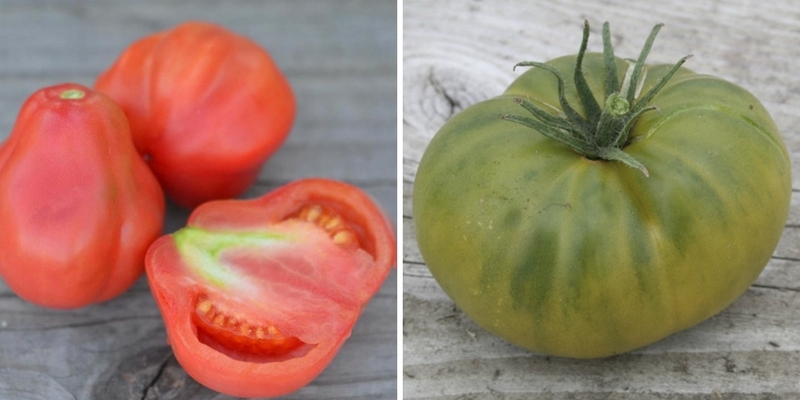
Tlacolula Pink and Aunt Ruby's German Green tomatoes - Photos: La Ferme de Sainte Marthe
9) Tomato ‘Green Sausage’
Forget rubbery party sausages: try green sausages instead! Its fruits, cylindrical and about 8 cm long, have an attractive mottled yellow and green skin. Their taste is fruity, slightly tangy, also very suitable for sauces and purées. As it is a dwarf tomato, it requires no pruning and grows very well in a pot on a terrace or balcony! Vegetarian friends will thank you…
10) Tomato ‘Voyage’
And because it’s good to keep the best for last, allow me to present 'Voyage' or “travellers'” tomato. An old variety that is genuinely surprising. Indeed, at first glance its somewhat misshapen fruits make you think of a well-travelled tomato! Averaging 100 g in weight, it appears to be an agglomeration of small fruits. Curious but productive… and tasty, revealing a juicy, sweet flesh.
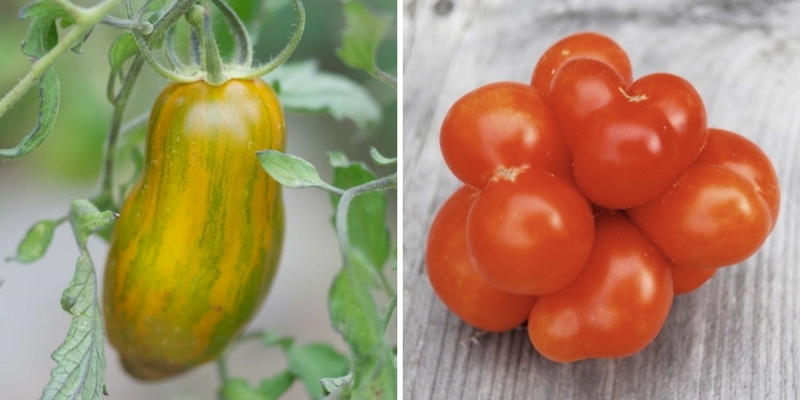
Green Sausage and Voyage tomatoes - Photos: La Ferme de Sainte Marthe
We are right in the middle of sowing season... Which varieties have you chosen for your vegetable patch this year?
Tomato is a fruit-vegetable offering many varieties, sometimes highly original. Old or more recently bred, almost all varieties have distinct personalities well worth exploring. So, to impress friends or simply for the pleasure of tasting new types, here is a small selection of curious, decorative and flavoursome tomatoes: 1) Tomato ‘Indigo Rose’ ‘Indigo Rose’ is […]
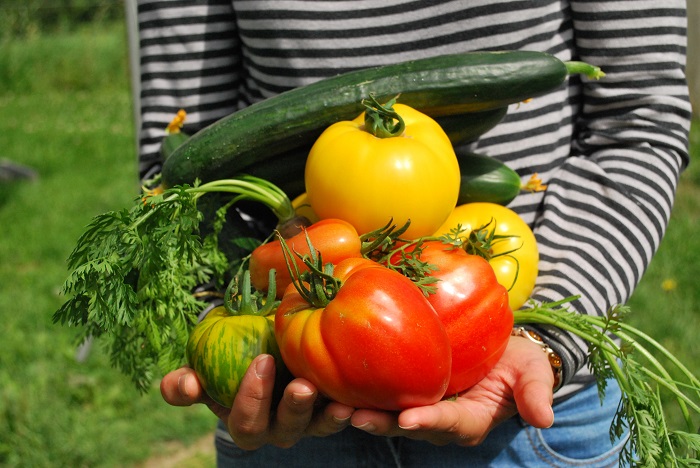
For days I’ve been tingling with impatience. Days are lengthening, leaving winter darkness behind: I can almost smell tomato season! In less than a month we’ll start the first sowings. It’s therefore urgent to stock up on seeds. But the excitement is tinged with a little disappointment: vegetable-garden space isn’t unlimited, so you’ll have to choose among countless varieties, each more tempting than the last. If you find yourself undecided too, here are some criteria to help you make the best choice:
1) Size, taste and colour of tomatoes
Tomato is polymorphous: flattened, spherical, heart-shaped, pear-shaped or horn-shaped... You’ll find every shape and size, from tiny cherry tomatoes to the huge "Beefsteak". As for colour, it’s almost a rainbow: red, of course, but also nearly black or almost white, green until ripe and even blue! On the palate, flavours range from tart to mildly sweet.
But are there better tomatoes? That’s so subjective it’s hard to answer. One tip: grow diversity (wonderful in salads) and test and note which varieties suit your taste best.
2) Earliness of the variety
This criterion is important to harvest over a long period. Very early tomatoes can be picked 55 days after transplanting, while late varieties may take over 85 days. Combining at least three – ideally six, or even twelve – varieties with staggered maturity will ensure picking from early summer to early autumn.
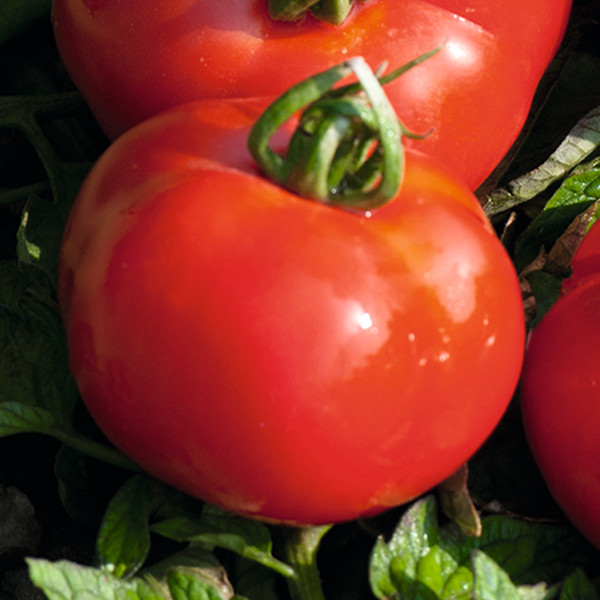
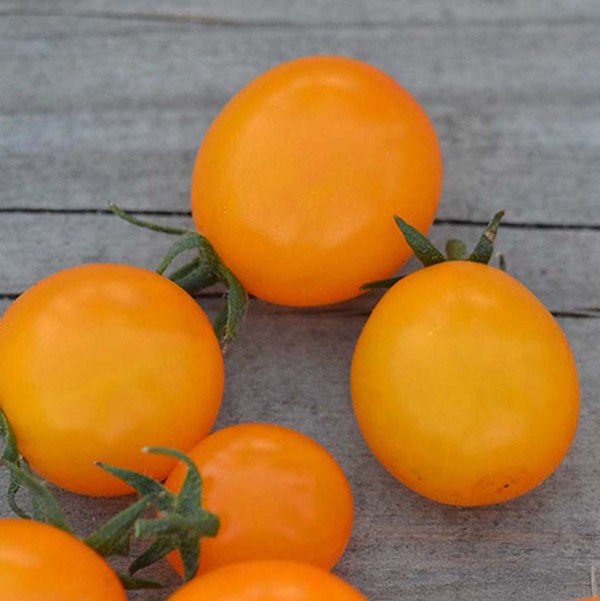
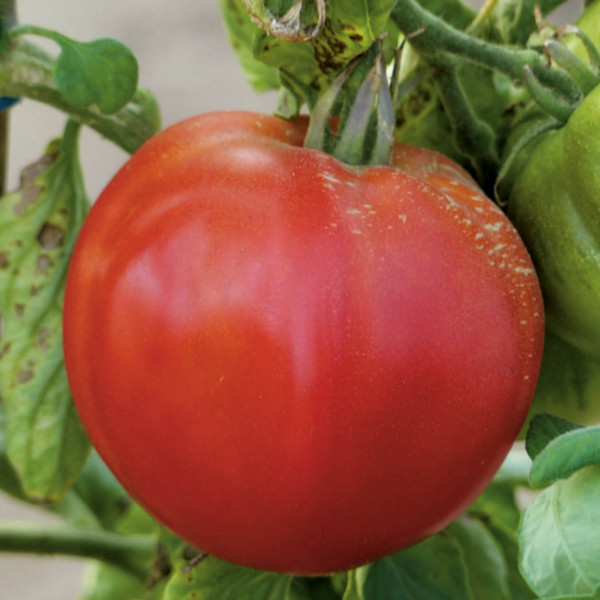
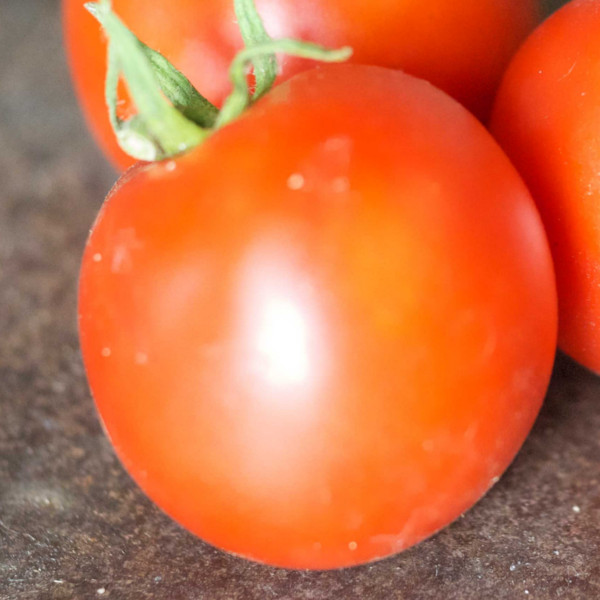
Among early varieties, you will find, for example:
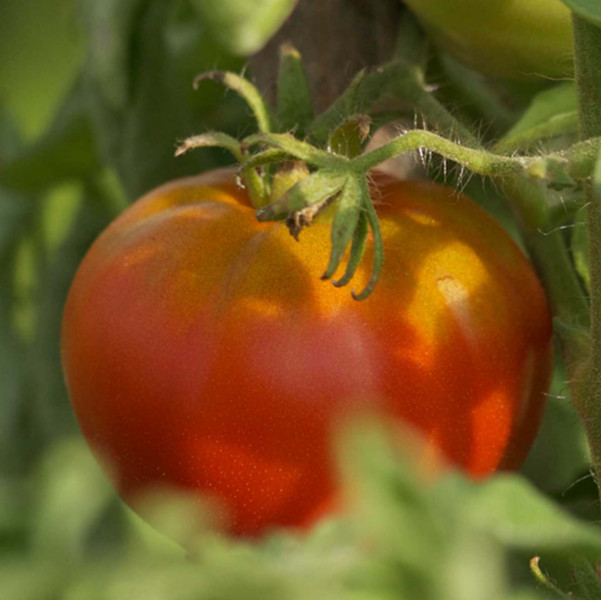
For main-season cropping:
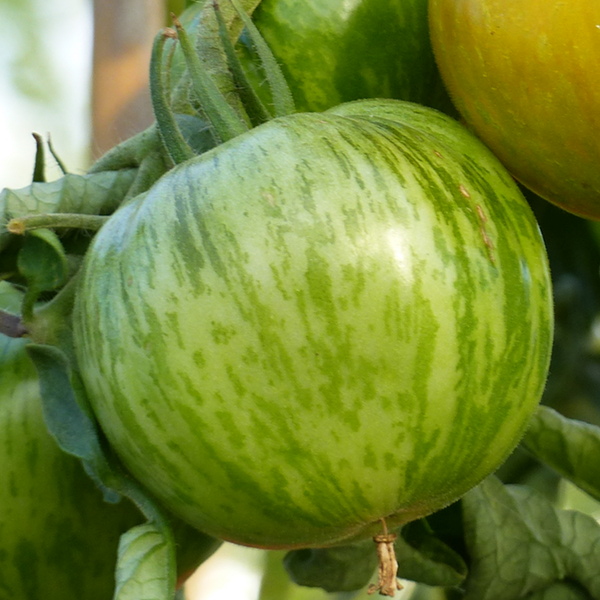
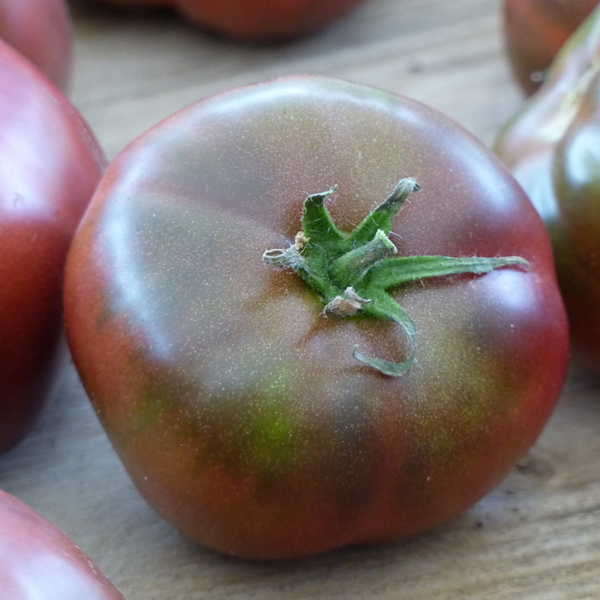
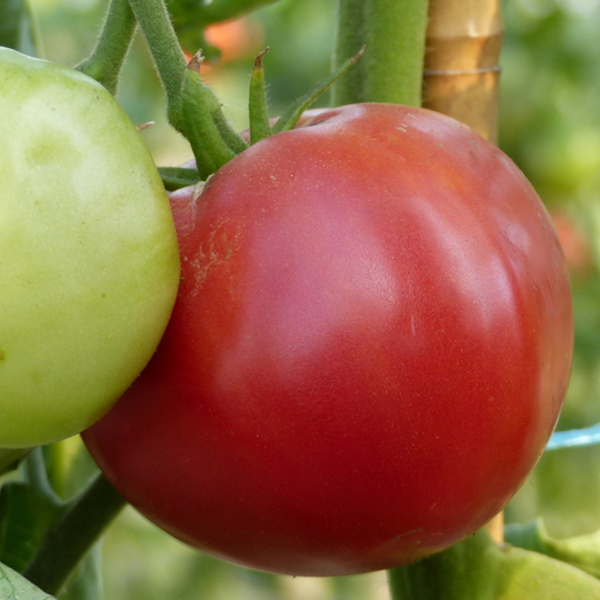
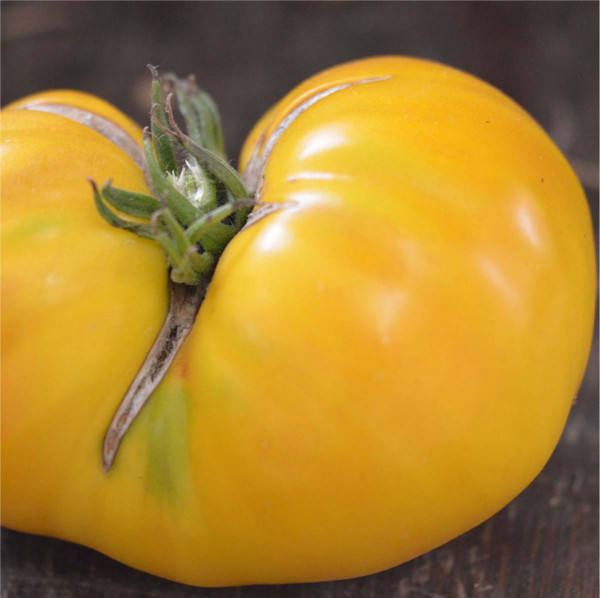
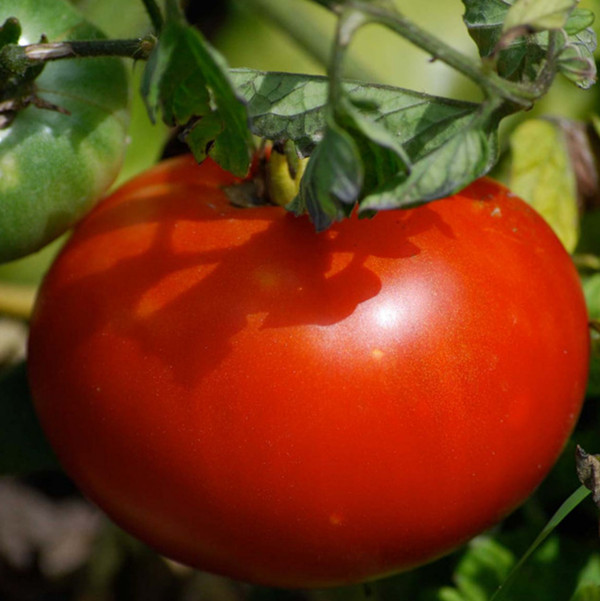
And among the late varieties, which take their time (until early October here last year!):
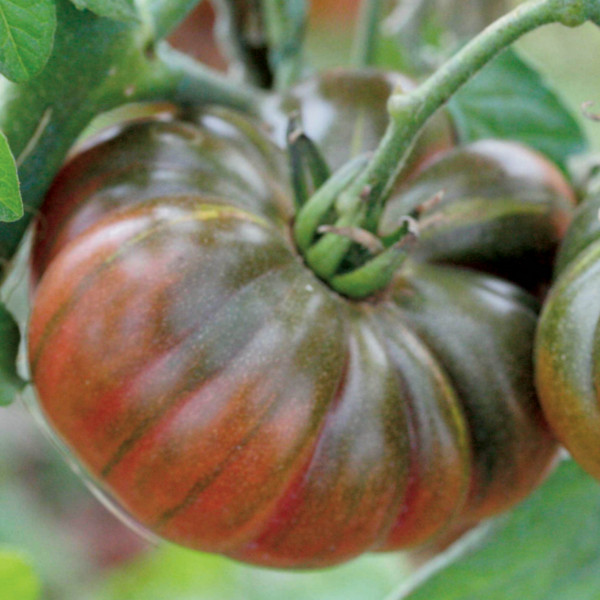
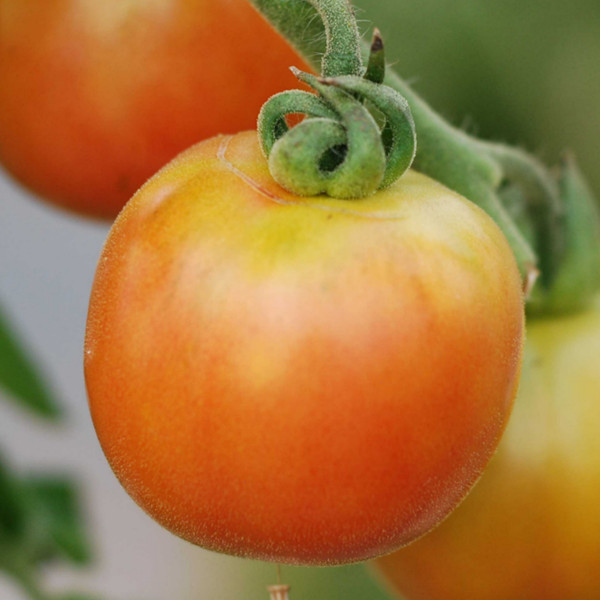
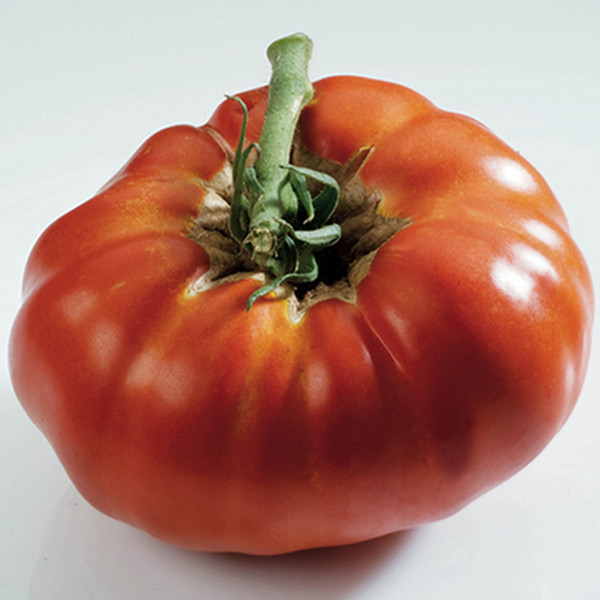
3) Climate and growing method: under cover or outdoors
Tomato needs sun and heat. That can be problematic in regions with short, often rainy summers, so it’s sensible to include in your selection some tomatoes that set fruit despite cool conditions, such as Moneymaker and Siberian.
Moreover, tomato susceptibility to late blight is well known. And it’s never pleasant to treat vegetables, even with organic products. If you grow tomatoes outdoors and without protection, especially in a rainy area, opt for F1 hybrid varieties, like Previa F1; they are reliable and more resistant than most varieties. Purchasing grafted plants is also a good option: they yield abundantly and often cope admirably with diseases and adverse weather.
4) Culinary use of the fruits
Size, firmness of flesh and presence or absence of seeds are matters of taste but also of culinary use. For aperitifs and salt-sprinkled snacks, cherry or cocktail tomatoes are perfect. In salads you’ll enjoy the flavour of Rose de Berne, and for stuffing, Australian Yellow Stuffer and German Striped Stuffer are remarkable. For purées and sauces, Chile Verde is ideal.
Here, under cover, we always have success with a few reliable varieties such as classic Saint Pierre, the attractive Tigerella, flavourful Brandywine, together with some small tomatoes for snacking. We also grow several colourful varieties: Ananas, Noire de Crimée and Green Zebra. On the other hand, we gave up Cornue des Andes: it usually does well but, in our acidic soil and with irregular watering, it develops blossom end rot. This year we’ll probably try Burpee Delicious (said to hold record for largest tomato: 3.1 kg), the much-sought Osu blue and Costoluto Genovese.
And you, which will you choose?
If you’re still undecided, trust us — Pierre has put together some useful assortments of 5, 6 or 8 plants: heirloom and collector, colourful, snacking, organic, grafted... and don’t forget French marigolds (Tagetes) to keep them company!
Further reading:
- “My tomatoes are delicious!” by Blaise Leclerc, Terre Vivante Editions
- Tomodori, a site about heirloom tomato varieties
- F1 tomatoes: what are they really?
For days I’ve been tingling with impatience. Days are lengthening, leaving winter darkness behind: I can almost smell tomato season! In less than a month we’ll start the first sowings. It’s therefore urgent to stock up on seeds. But the excitement is tinged with a little disappointment: vegetable-garden space isn’t unlimited, so you’ll have to […]