This may seem a long way off but return to the vegetable garden will come quickly. In spring we all know those hectic moments when you have to be everywhere at once. It’s cheerful but often unproductive… unless you used winter to plan your vegetable garden.
Here are a few tips to anticipate and get organised, both in time and space, all in 5 steps!
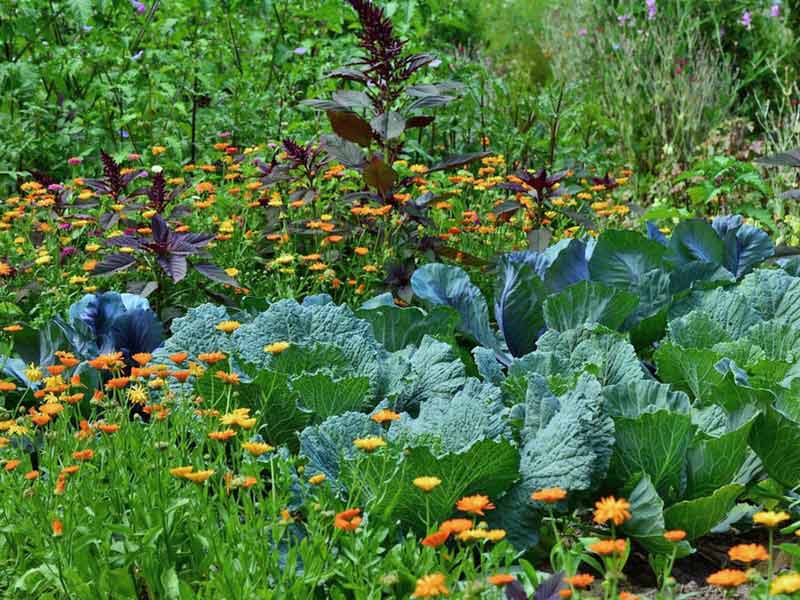
First step: make a list of what you really want to eat
It sounds obvious but some gardeners write long lists of vegetables deemed essential for the vegetable garden. In their enthusiasm they even include ones they don’t much like (yes, really, I assure you!). Draw up a sensible list that includes vegetables you’ll be happy to find on your table. But don’t deprive yourself of the pleasure of discovery—add a few varieties you’ve wanted to try for a long time and, why not, some unusual, heirloom or exotic vegetables.
Second step: set up a sowing and planting calendar
Once that list is made, prepare a table and note the ideal period for sowing or planting each vegetable variety. By using colours you can quickly spot what should be sown in seed trays or pots, indoors in heat (red), under unheated cover (blue) or direct-sown outdoors (black). It may seem a bit tedious, believe me, but it will stop you from missing the sowing window and being denied a harvest!
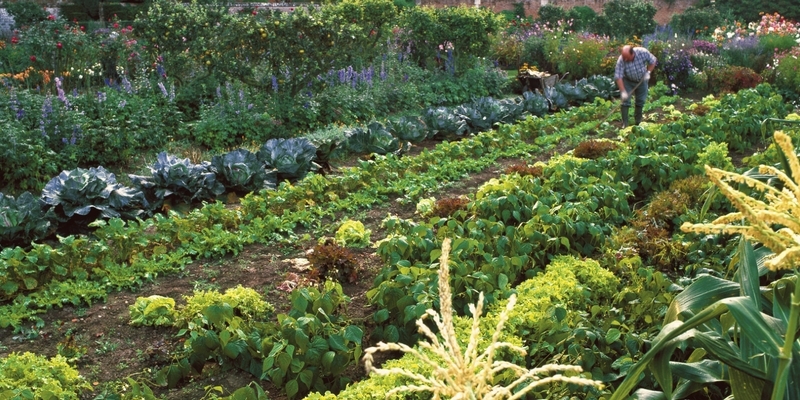
Planning, an essential step for a large vegetable garden
For beginners, know that not all varieties of the same vegetable are sown at the same time: for example, smooth-seeded peas are sown at different times from wrinkled-seeded peas. Same for lettuces: some cannot stand heat while others tolerate it well! Always refer to the instructions on the packet or to the sowing periods recommended on our product pages.
Third step: decide the future location of each vegetable (crop rotation)
Planning your vegetable garden also means organising it in space. If this is your first vegetable garden, crop rotations aren’t yet an issue, but it’s high time to think about layout and style: raised beds? Wide beds?
In other cases, to avoid diseases and to meet each vegetable’s needs, it’s wise to practise crop rotations.
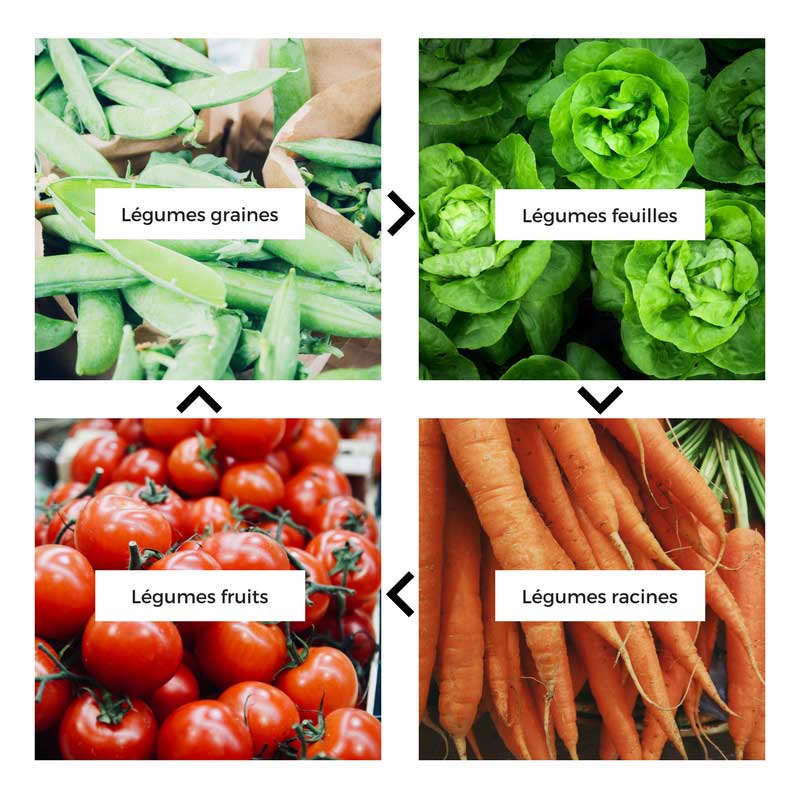
Crop rotations by vegetable type
To do this you will need to take account of last year’s crops. Unless you have an excellent memory, draw up a crop rotation plan. It’s an essential tool that simply involves recording (on a plan or by assigning a code to each plot) where crops have been grown over time. From this information you can determine the place for your future vegetables and plan, accordingly, any compost additions required for the most hungry crops.
Fourth step: mix everything for a more productive vegetable garden!
With sowing calendar and garden plan in hand, organising a rapid succession of crops (on the same plot) is now within reach. This will need some thought to estimate how long each vegetable occupies the bed, but you will produce more, which is useful in a small garden.
Another technique is to intercrop crops. You will need to identify the best combinations or “companions” but this will boost productivity, increase variety… while providing natural protection against diseases and pests. And if step 3 feels a bit off-putting, know that without fully absolving yourself you can relax a little on rotations!
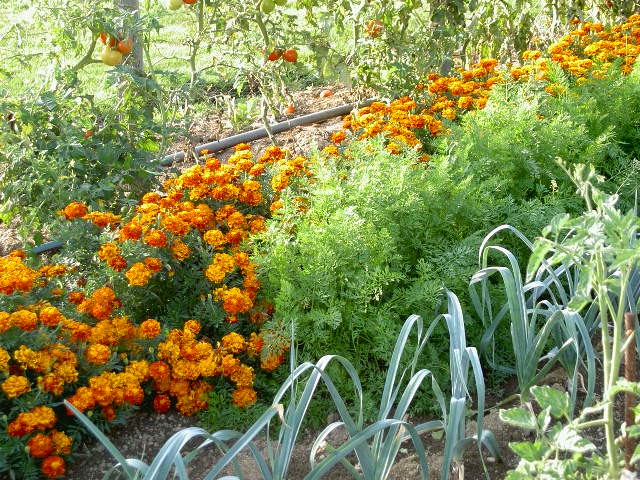
Fifth step: flowers…and herbs!
Flowers and herbs are a bit the icing on the cake… Decorative, they fill bouquets (both vase and kitchen bouquets 😉 but they’re also very useful because they attract and feed pollinators and repel some pests. So include their sowing in your calendar and give them some space in the vegetable garden: in a dedicated area, at the plot edge or between rows—they deserve it!
And that’s it! All that remains is to take stock of your vegetable seed box… and place any necessary orders.


































Comments