Over the years, a hornbeam hedge can become too tall, too wide, difficult to prune and sometimes bare at the base. Should you then remove it and start again? Not necessarily. The hornbeam, Carpinus betulus, tolerates pruning well and can produce new shoots from old wood, making it possible to renovate an old hedge. Depending on its condition, this reshaping can be quite severe or spread over several seasons, so that the hedge remains partially leafy while the work is carried out. In this tutorial, we explain how to rejuvenate your hornbeam hedge step by step.
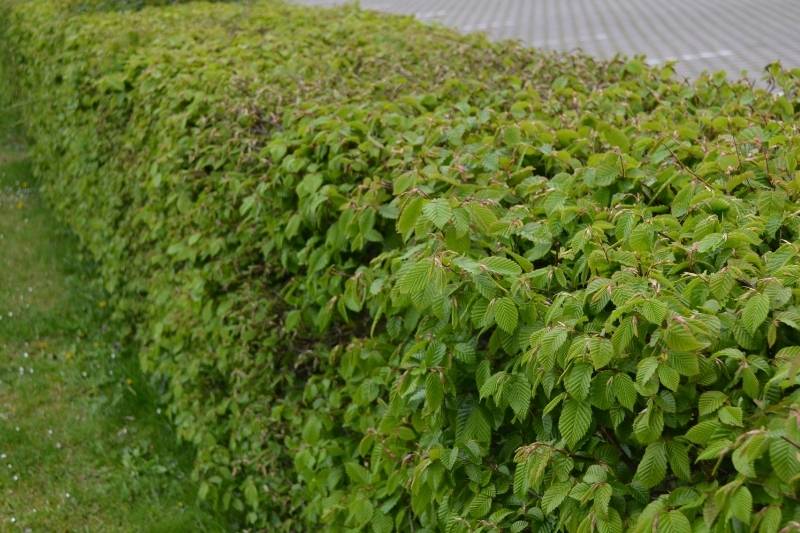
When should you rejuvenate an old hornbeam hedge?
As you will have understood, rejuvenating a hornbeam hedge involves carrying out significant structural pruning. This is very different from the annual maintenance pruning, which is often lighter and carried out on a well-established hornbeam hedge. Here, the aim is to cut back into older wood to encourage new shoots.
This heavy pruning is generally carried out between February and early March, while hornbeams are dormant and before new shoots appear. Avoid pruning if severe frosts are forecast over the following 1 to 2 days.
Good to know: before making any major cuts, carefully check that no birds are nesting in the hedge.
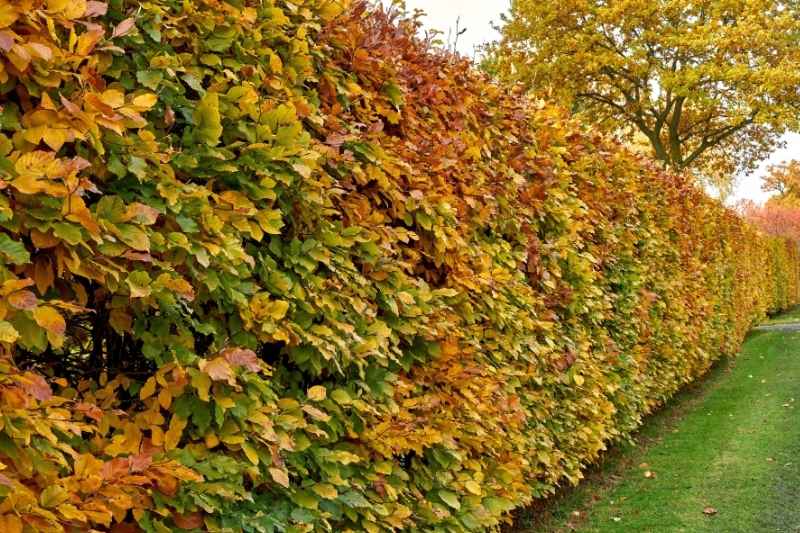
How do you rejuvenate an old hornbeam hedge step by step?
Before you begin, simply adapt the intensity of the pruning to the condition of the hedge. A hornbeam hedge that is still fairly dense is best renovated gradually, whereas a very sparse, misshapen or excessively large hedge may require more severe intervention.
The equipment you will need
- secateurs for small shoots,
- branch loppers for medium-sized branches
- a pruning saw for large branches.
Tip: use sharp tools for clean cuts, and disinfect them beforehand to prevent diseases or fungi from spreading from one plant to another.
Steps for rejuvenating the hedge
- Start by removing dead, broken or weakened wood. This initial pruning lightens the structure of the hedge and makes it easier to identify which branches to retain later on.
- Next, reduce the width of the hornbeam hedge. Start with just one side of the hedge. Cut back branches that extend too far outwards, shortening them gradually until you achieve the desired thickness. If an old hornbeam hedge has become very wide, it is possible to cut quite far back into the old wood.
- If you want to retain a visual screen, prune only one side at a time. Allow this side to regrow before pruning the other face the following year. This prevents you from being left with a completely bare hedge.
- Reduce the height if the hornbeam hedge has become too tall. Cut the branches at the top to the desired height, working gradually along the entire length of the hedge. If you need to remove a lot of height, it is better to do so in several stages rather than cutting the whole hedge back very severely at once.
- Once the new shoots have developed well, shorten them slightly to encourage branching. The more they divide, the denser the hedge becomes. If possible, keep the base of the hornbeam hedge slightly wider than the top so that the lower branches receive enough light.
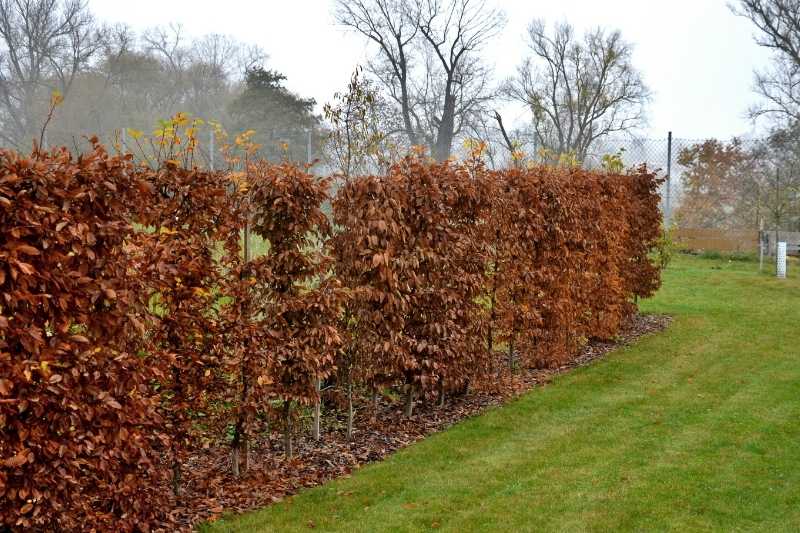
How can you help the hornbeam recover after pruning?
After severe pruning, you can give the hedge a helping hand to encourage good regrowth:
- Keep the soil sufficiently moist if the following spring or summer is dry, especially when the hedge is growing in light soil.
- Apply an organic mulch (straw, wood chippings, etc.) around the base of the hornbeam hedge to limit evaporation and protect the soil from temperature fluctuations.
- Optionally apply well-rotted compost to the surface if the soil is poor. Heavy fertilisation is not necessary: the aim is to support recovery, not to encourage excessive growth.

































Comments