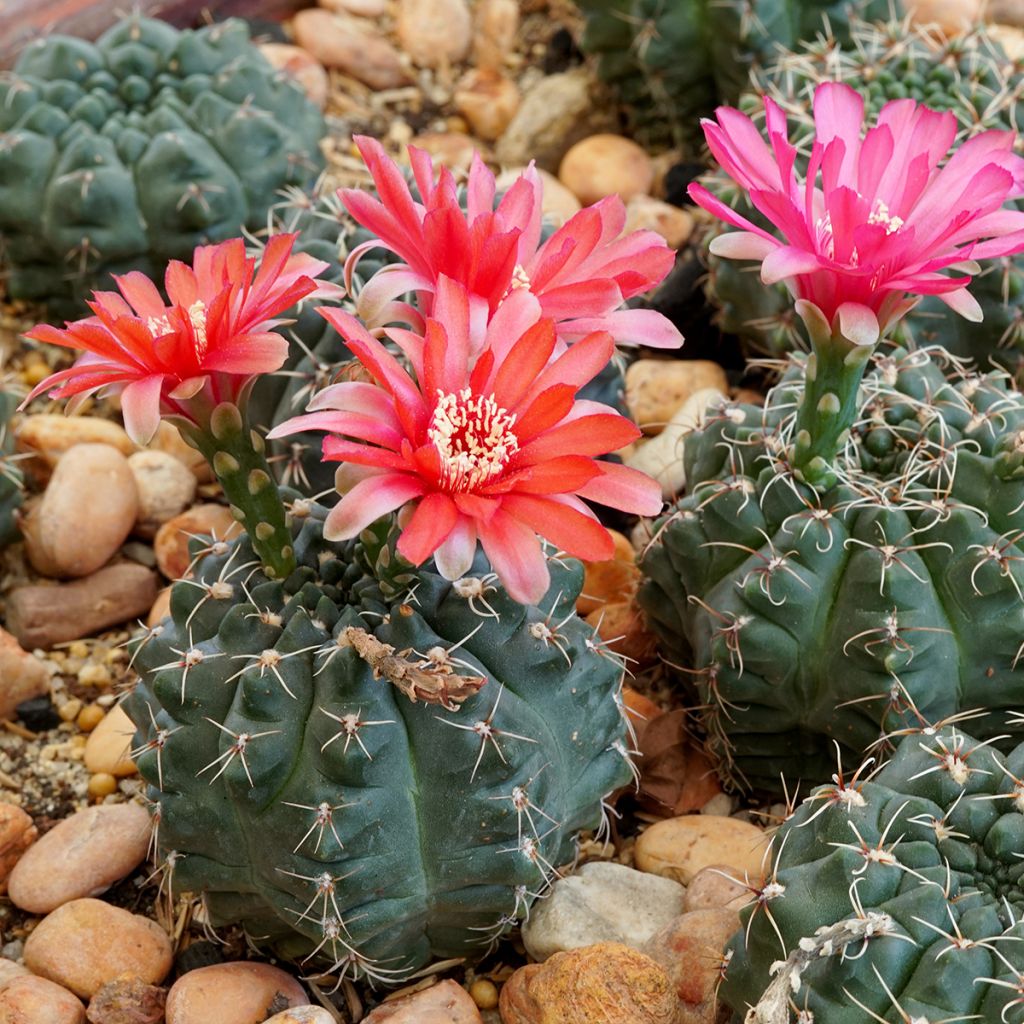
Gymnocalycium baldianum - Dwarf chin cactus
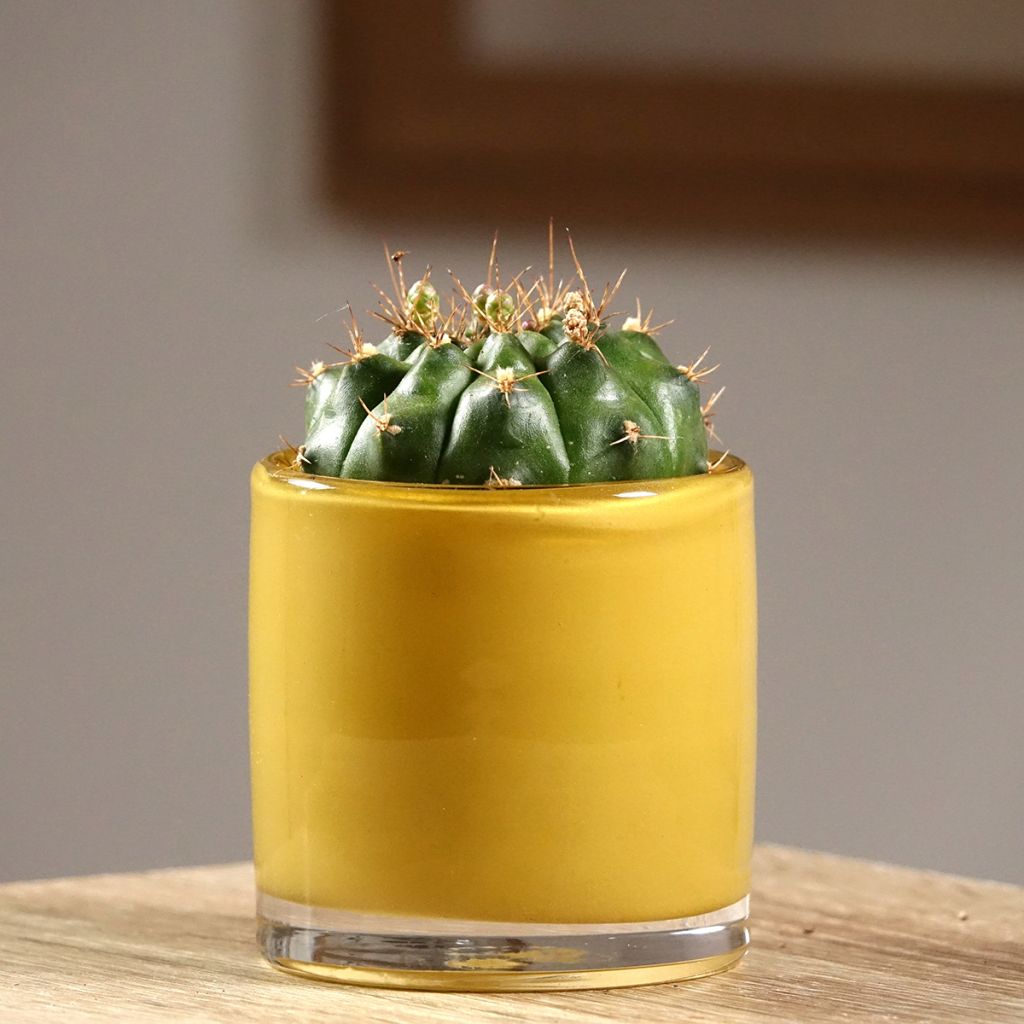
Gymnocalycium baldianum - Dwarf chin cactus
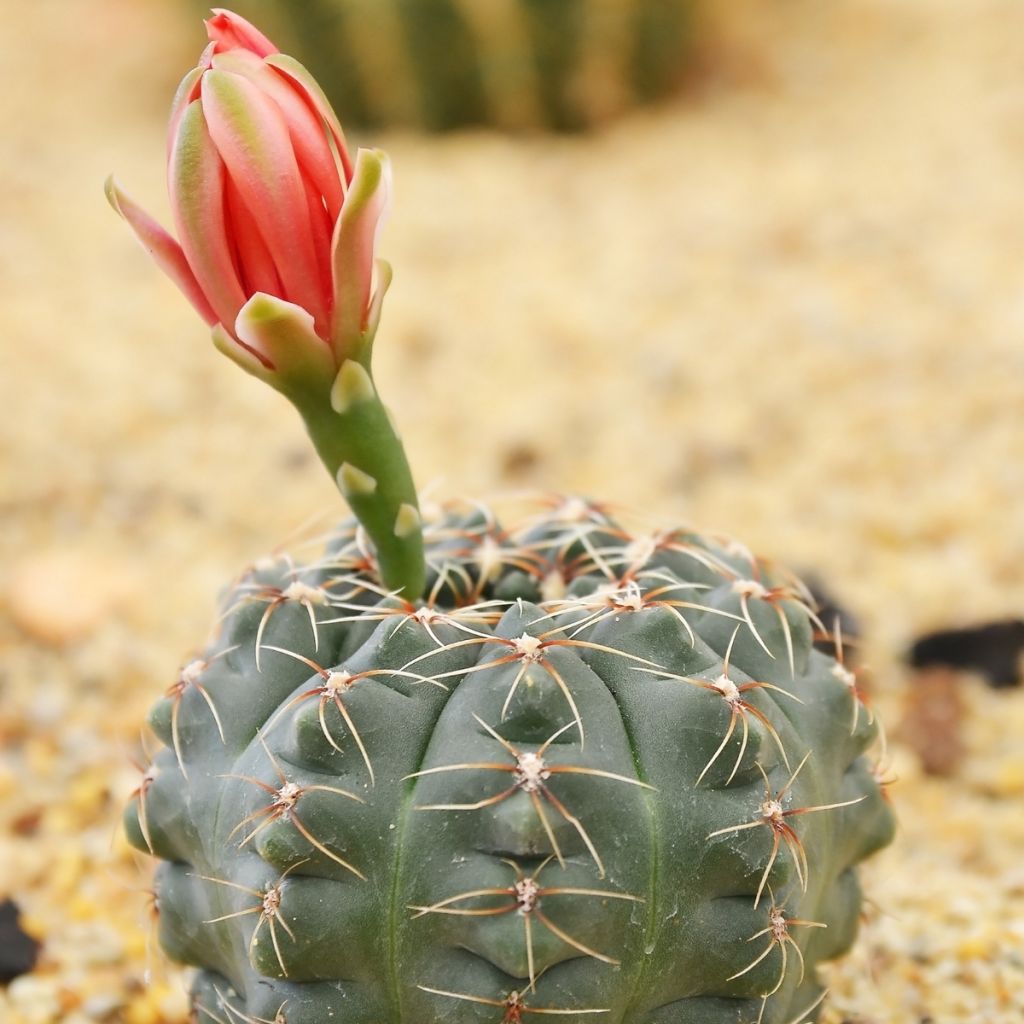
Gymnocalycium baldianum - Dwarf chin cactus
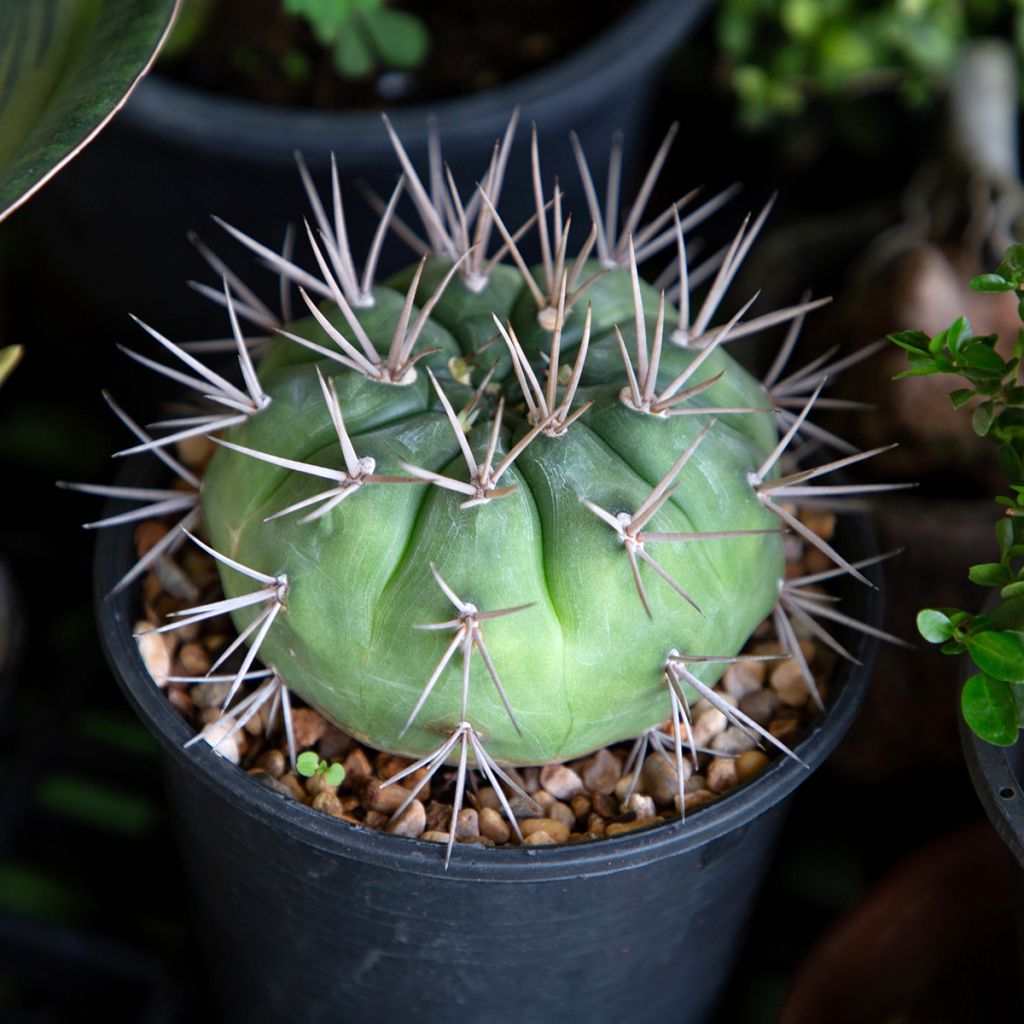
Gymnocalycium baldianum - Dwarf chin cactus
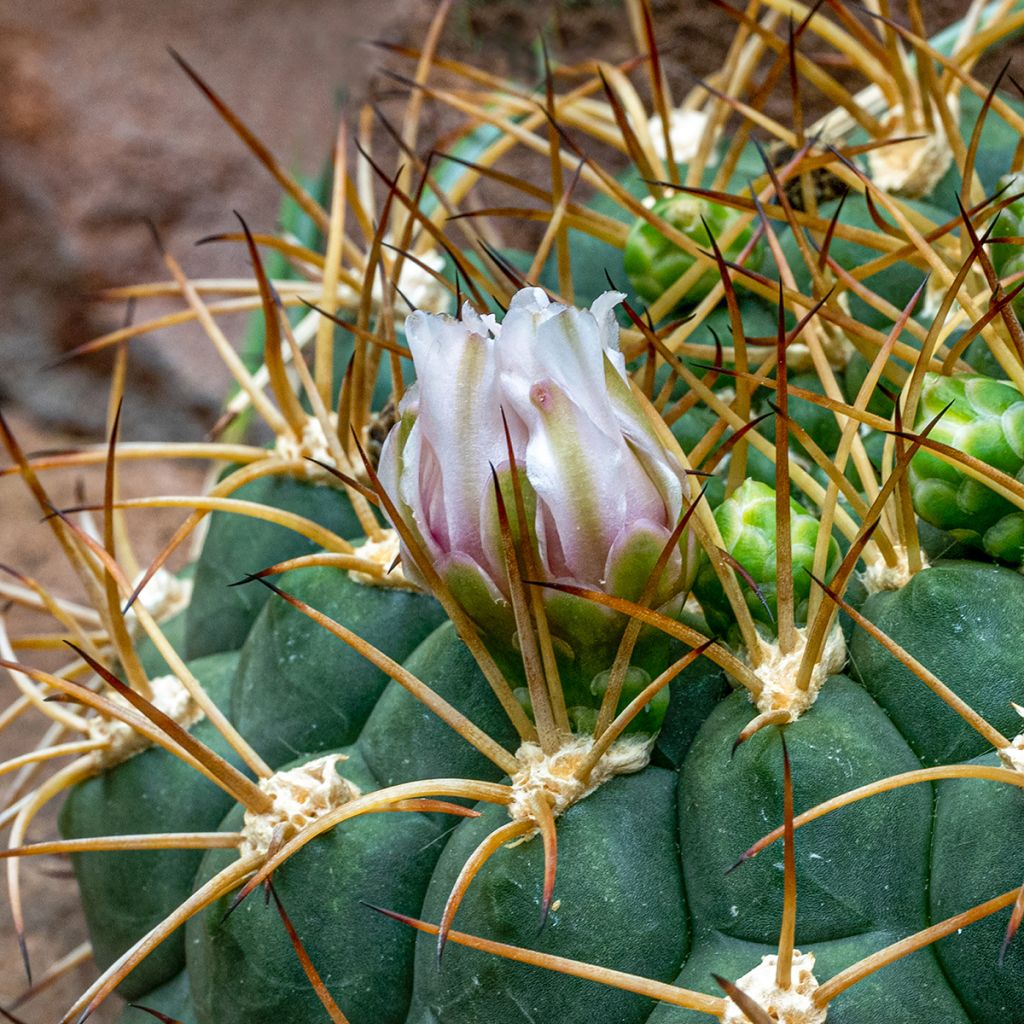
Gymnocalycium baldianum - Dwarf chin cactus
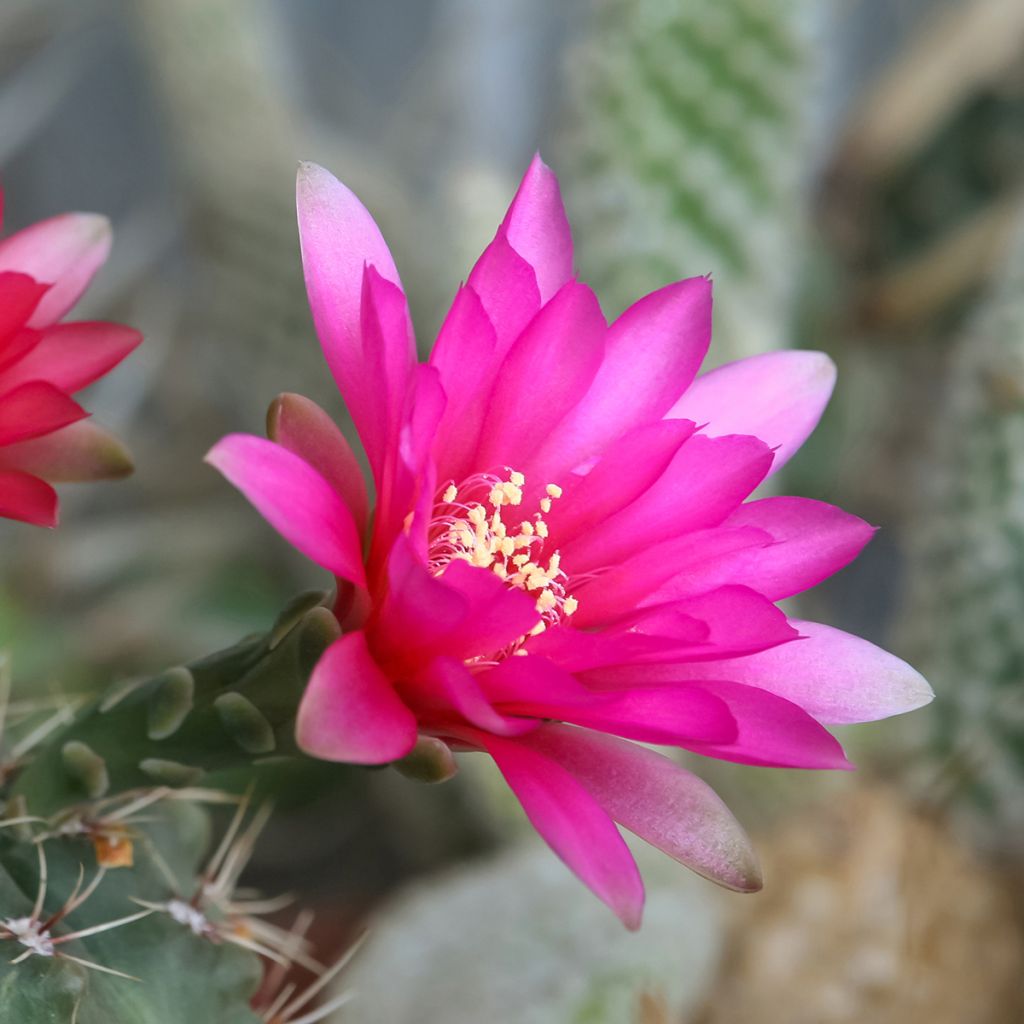
Gymnocalycium baldianum - Dwarf chin cactus
Gymnocalycium baldianum - Dwarf chin cactus
Gymnocalycium baldianum
Dwarf chin cactus, spider cactus
Back-to-school special offer!
Get €10 off for every €50 you spend! And get up to €40 off on a single order.
How does it work?
1. Shop your favourites
Add your favourite plants to your basket. For every €50 you spend (excluding delivery charges, store credit and the plastic-free option), you’ll receive a €10 voucher.
€50 spent = €10 voucher
€100 spent = €20 voucher
€150 spent = €30 voucher
€200 spent = €40 voucher
2. Place your order
Once your basket reaches one of the spending thresholds, place your order. You can even choose your delivery date!
3. Receive your voucher
As soon as your order has been shipped, you’ll receive an email containing your personal voucher code and its value.
4. Use it on your next order
Your voucher is valid for 90 days from the date you receive it. It can be used once only, on a new order worth at least the value of the voucher, excluding delivery charges.
Please note: Vouchers can be combined with other offers, but cannot be split or refunded.
Why not try an alternative variety in stock?
View all →
Available in 2 sizes
Available in 1 sizes
Available in 1 sizes
Available in 2 sizes
Available in 1 sizes
Available in 1 sizes
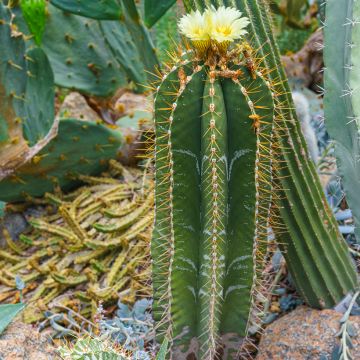
Available in 1 sizes
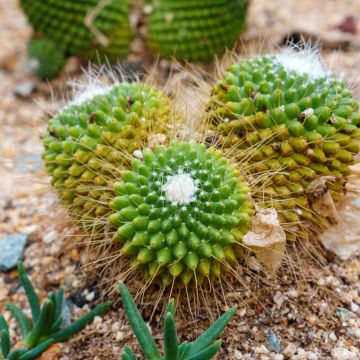
Available in 2 sizes

Available in 1 sizes
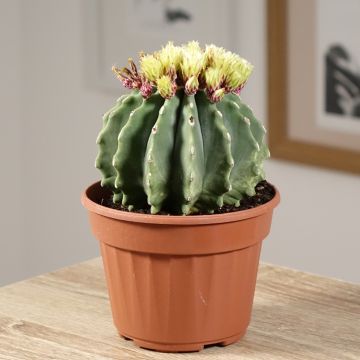
Available in 1 sizes
This plant carries a 12 months recovery warranty
More information
We guarantee the quality of our plants for a full growing cycle, and will replace at our expense any plant that fails to recover under normal climatic and planting conditions.
Would this plant suit my garden?
Set up your Plantfit profile →
Description
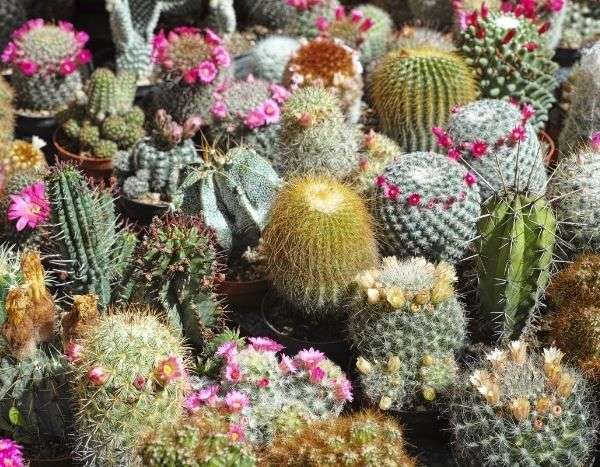
Gymnocalycium baldianum is a small, floriferous cactus that immediately charms with its well-rounded shape and its red flowers, which are large for such a compact plant. It can be planted in a very well-drained rock garden by the sea, a trough, or a decorative pot kept dry during winter. It is a likeable Argentine species, fairly easy to bring into flower, but tender.
Belonging to the Cactaceae family, Gymnocalycium baldianum is sometimes called spider cactus. The main accepted botanical synonyms for this species are Echinocactus baldianus, Echinocactus sanguiniflorus, Gymnocalycium sanguiniflorum and Gymnocalycium venturianum. It was first described by Spegazzini in 1905 under the name Echinocactus baldianus, then placed in the genus Gymnocalycium in 1925. Its native range lies in northwestern Argentina, mainly in the province of Catamarca. It grows between 500 and 2,000 m above sea level, in dry, rocky, open areas, among mountain lawns and in rock crevices.
It is a long-lived succulent perennial, adapted to the alternation of a moderately moist growing season and a distinctly drier rest period. The plant forms a globose stem slightly depressed at the top, dark green to grey-green, solitary at first, capable of producing a few offshoots over time. The body has 9 to 11 broad midribs, slightly bumpy, bearing areoles with 5 to 7 fine, not very aggressive, grey-brown to light brown thorns. At maturity, the body reaches 10 to 13 cm in diameter and 8 to 10 cm in height.
This species flowers young, which explains its popularity. The flowers appear from May to July, depending on warmth and growing method, near the top. Funnel-shaped, widely open, they measure 4 to 6 cm in diameter in shades of carmine red, magenta red, and sometimes deep pink. The name of this species honours J. Baldi, who helped Spegazzini in his research on Argentine cacti.
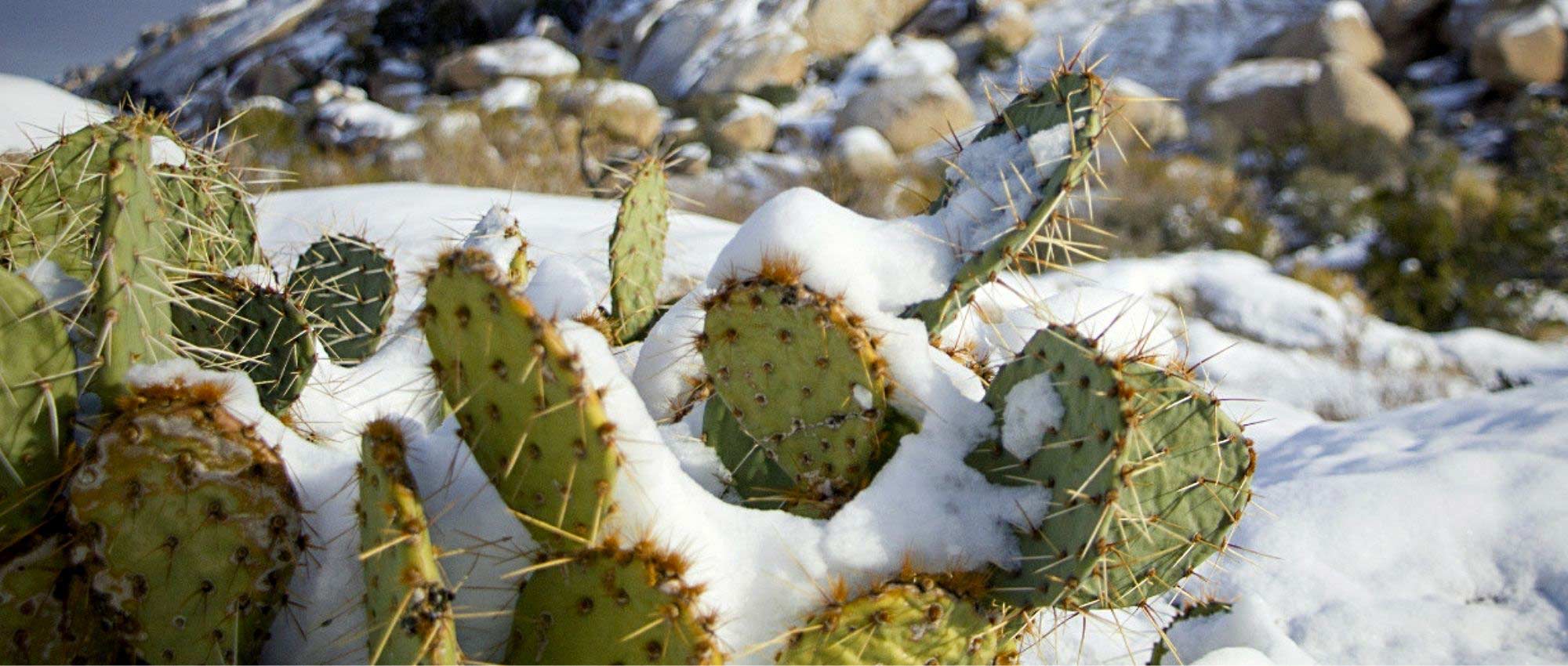
Gymnocalycium is hardy down to -4°C in short spells in dry soil. It can only be grown in the open in the mildest regions where winter moisture can be controlled. In open ground, plant it on a stony mound, a rocky slope, or in a rock garden covered with a transparent sheet in winter. In a pot, it thrives in a mix rich in gravel, with long intervals between waterings.
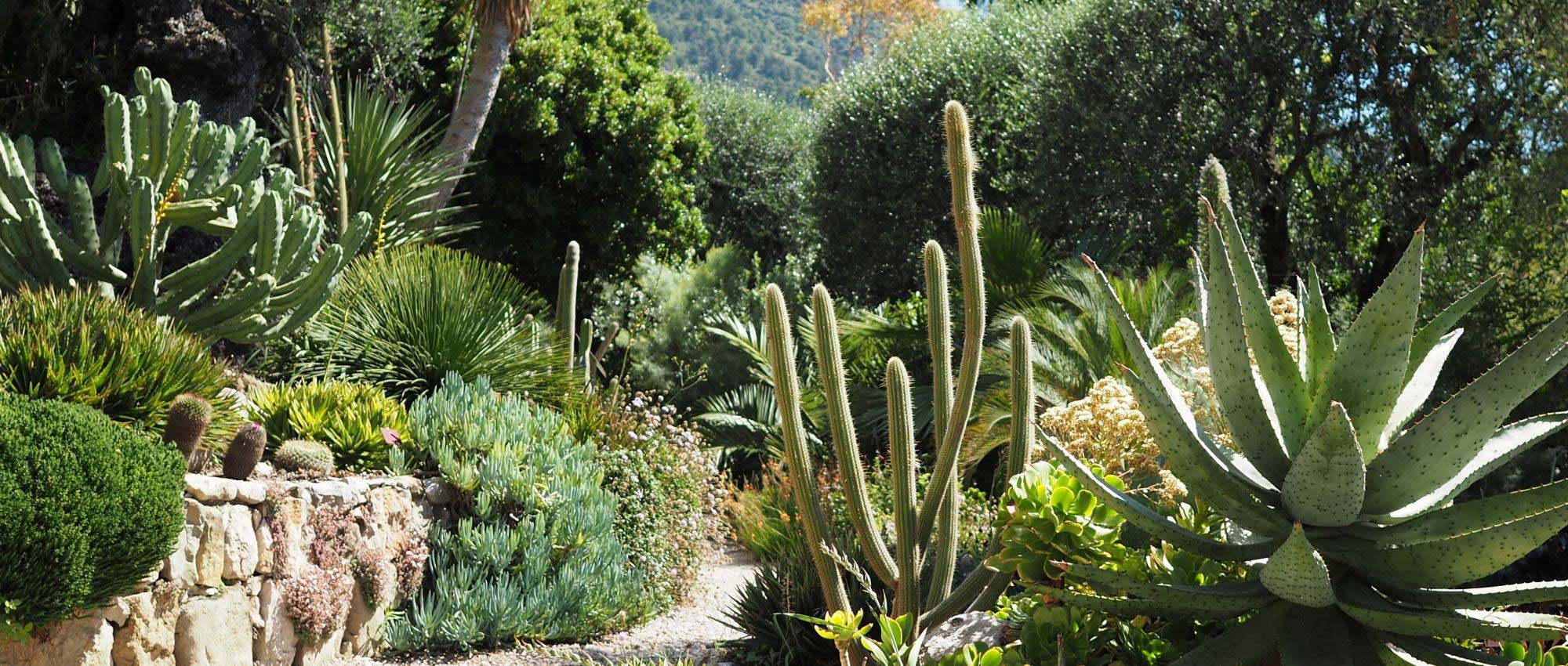
In the garden or on the terrace, you can combine it with Delosperma Wheels of Wonder Fire, houseleeks Chick Charms® Gold Nugget and 'Commander Hay' and Lewisia cotyledon 'Elise White'. The whole creates a vividly coloured rock plant scene that is very drought tolerant.
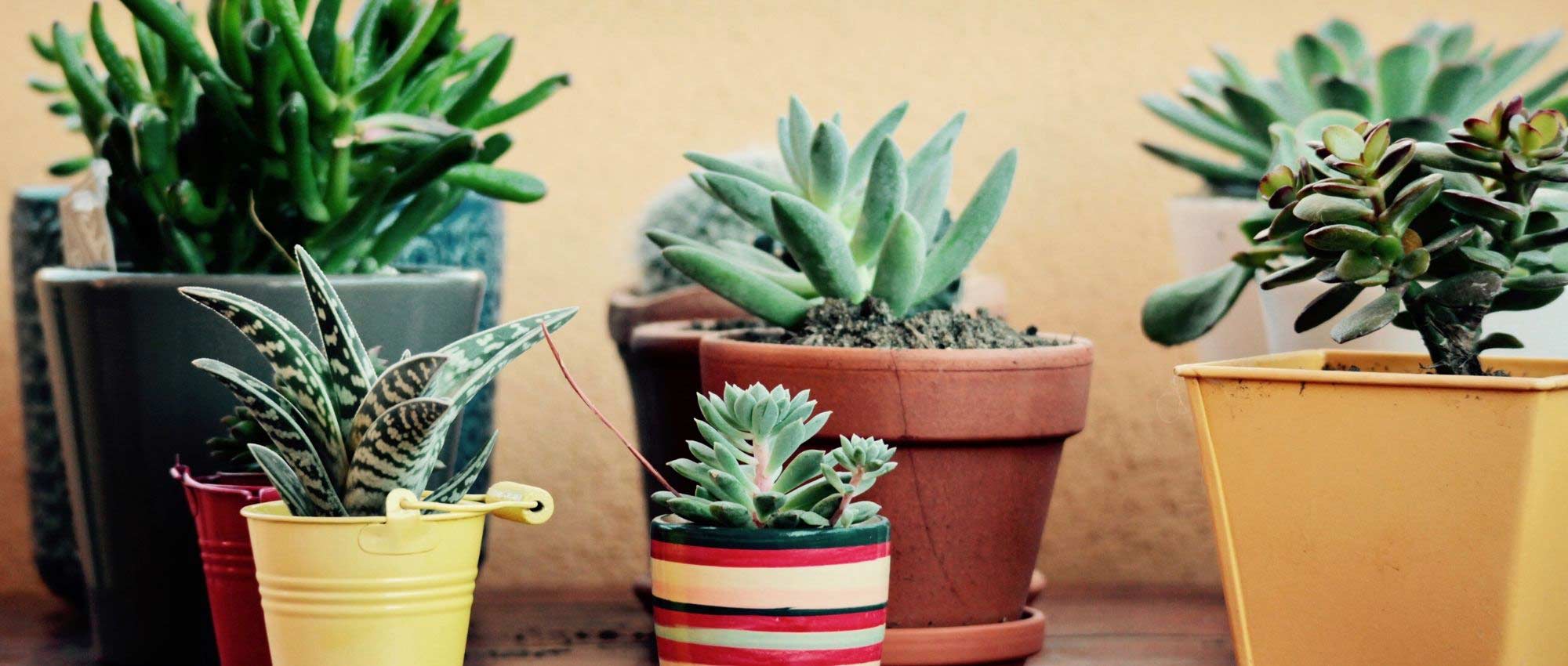
Gymnocalycium baldianum - Dwarf chin cactus in pictures
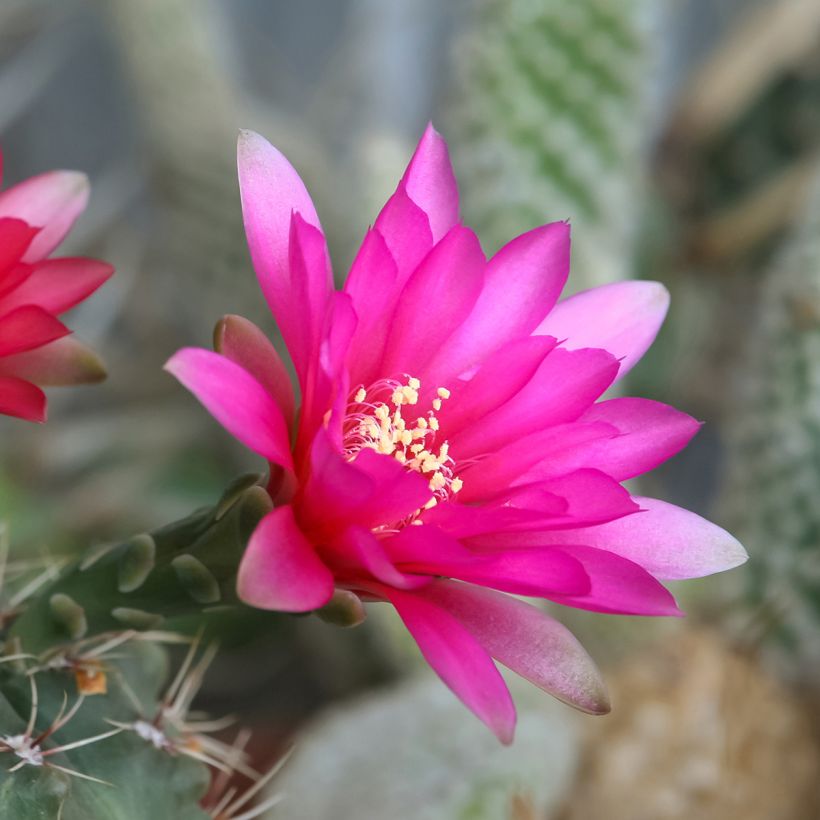
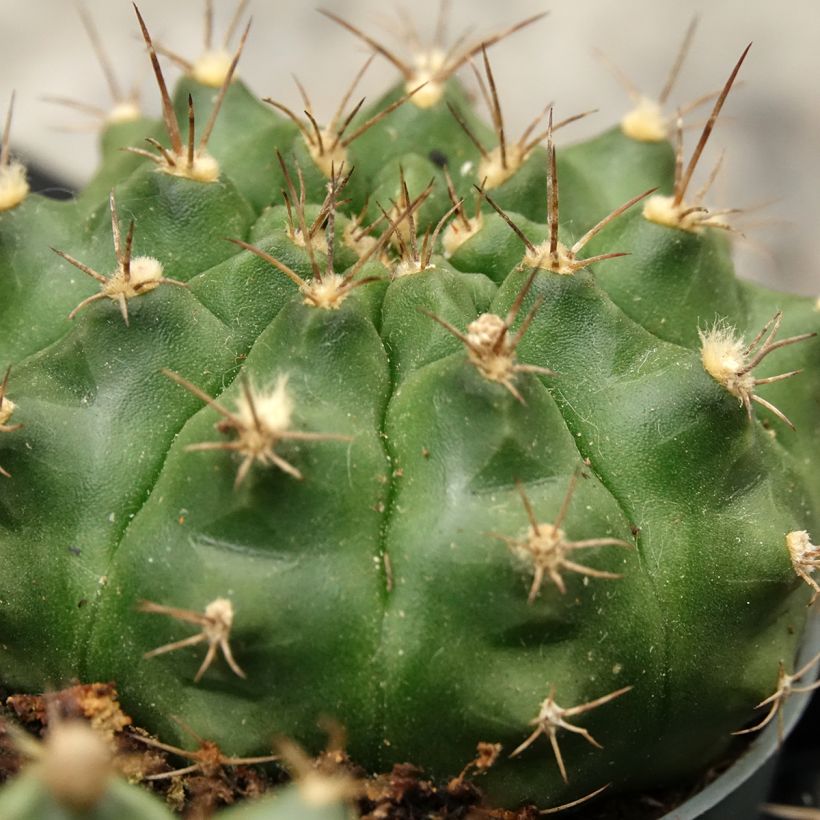
Flowering
Foliage
Plant habit
Botanical data
Gymnocalycium
baldianum
Cactaceae
Dwarf chin cactus, spider cactus
Echinocactus baldianus, Echinocactus sanguiniflorus, Gymnocalycium sanguiniflorum, Gymnocalycium venturianum
South America
Planting and care
Gymnocalycium baldianum should be handled with gloves due to its thorns.
Growing in the ground: in regions with very mild and dry winters, Gymnocalycium baldianum can be grown in a rock garden, in full sun. The soil must be extremely well-drained, ideally composed of coarse sand or gravel to prevent any moisture build-up, as this species is very sensitive to excess water. Although it tolerates temperatures down to -4°C at the lowest, it is recommended to protect it from prolonged frosts by, for example, using a transparent sheet sloping above it. Water moderately during the growing season, ensuring the soil dries out completely between waterings, and very sparingly in winter to avoid the risk of rot.
Growing in a pot: For indoor cultivation or in regions with cold and humid winters, Gymnocalycium baldianum adapts well to pot growing. It is advisable to use a container with drainage holes to avoid any water stagnation. A specific cactus substrate, composed of 70 to 80% mineral materials such as coarse sand, perlite or pumice, will ensure optimal drainage. Place the pot in a bright location, receiving several hours of direct sunlight per day, while avoiding exposure to the most intense rays of the day. Water sparingly: during the growth period, water deeply, then let the substrate dry out completely before the next watering. In winter, drastically reduce the water supply, as the plant enters dormancy, and excess moisture could be fatal. Repotting every 2 to 3 years, at the beginning of spring, will renew the substrate and provide the plant with adequate space for its development.
Planting period
Intended location
Care
Planting & care advice
-
-
-
-
-
-
-
-
This item has not been reviewed yet - be the first to leave a review about it.
Recently viewed products
Haven't found what you were looking for?
Hardiness is the lowest winter temperature a plant can endure without suffering serious damage or even dying. However, hardiness is affected by location (a sheltered area, such as a patio), protection (winter cover) and soil type (hardiness is improved by well-drained soil).

The flowering period indicated on our website applies to countries and regions located in USDA zone 8 (France, the United Kingdom, Ireland, the Netherlands, etc.)
It will vary according to where you live:- In zones 9 to 10 (Italy, Spain, Greece, etc.), flowering will occur about 2 to 4 weeks earlier.
- In zones 6 to 7 (Germany, Poland, Slovenia, and lower mountainous regions), flowering will be delayed by 2 to 3 weeks.
- In zone 5 (Central Europe, Scandinavia), blooming will be delayed by 3 to 5 weeks.
In temperate climates, pruning of spring-flowering shrubs (forsythia, spireas, etc.) should be done just after flowering.
Pruning of summer-flowering shrubs (Indian Lilac, Perovskia, etc.) can be done in winter or spring.
In cold regions as well as with frost-sensitive plants, avoid pruning too early when severe frosts may still occur.
The planting period indicated on our website applies to countries and regions located in USDA zone 8 (France, United Kingdom, Ireland, Netherlands).
It will vary according to where you live:
- In Mediterranean zones (Marseille, Madrid, Milan, etc.), autumn and winter are the best planting periods.
- In continental zones (Strasbourg, Munich, Vienna, etc.), delay planting by 2 to 3 weeks in spring and bring it forward by 2 to 4 weeks in autumn.
- In mountainous regions (the Alps, Pyrenees, Carpathians, etc.), it is best to plant in late spring (May-June) or late summer (August-September).
The harvesting period indicated on our website applies to countries and regions in USDA zone 8 (France, England, Ireland, the Netherlands).
In colder areas (Scandinavia, Poland, Austria...) fruit and vegetable harvests are likely to be delayed by 3-4 weeks.
In warmer areas (Italy, Spain, Greece, etc.), harvesting will probably take place earlier, depending on weather conditions.
The sowing periods indicated on our website apply to countries and regions within USDA Zone 8 (France, UK, Ireland, Netherlands).
In colder areas (Scandinavia, Poland, Austria...), delay any outdoor sowing by 3-4 weeks, or sow under glass.
In warmer climes (Italy, Spain, Greece, etc.), bring outdoor sowing forward by a few weeks.
Shipping country and language
Your country of residence may be:
Your country of residence is:
For a better user experience on our website, you can select:
Your shipping country:
-
 Austria
-
 Belgium
-
 Bosnia & Herzegovina
-
 Bulgaria
-
 Croatia
-
 Cyprus
-
 Czechia
-
 Denmark
-
 Estonia
-
 Finland
-
 France
-
 Germany
-
 Greece
-
 Hungary
-
 Iceland
-
 Ireland
-
 Italy
Italy
-
 Latvia
-
 Liechtenstein
-
 Lithuania
-
 Luxembourg
-
 Malta
Malta
-
 Netherlands
-
 Poland
-
 Portugal
-
 Romania
-
 Serbia
-
 Slovakia
-
 Slovenia
-
 Spain
Spain
-
 Sweden
-
 Switzerland
Language:
-
French
-
 English
-
Spanish
-
Italian
-
German
-
Portuguese
-
Dutch
-
Finnish
My Account
Hello
My wish lists
My cart
Log in / Register
Existing customer?
This form is protected by reCAPTCHA - the Google Privacy Policy and Terms of Service apply.
New customer?
Create an account to track your orders, access our customer service and, if you wish, make the most of our upcoming offers.