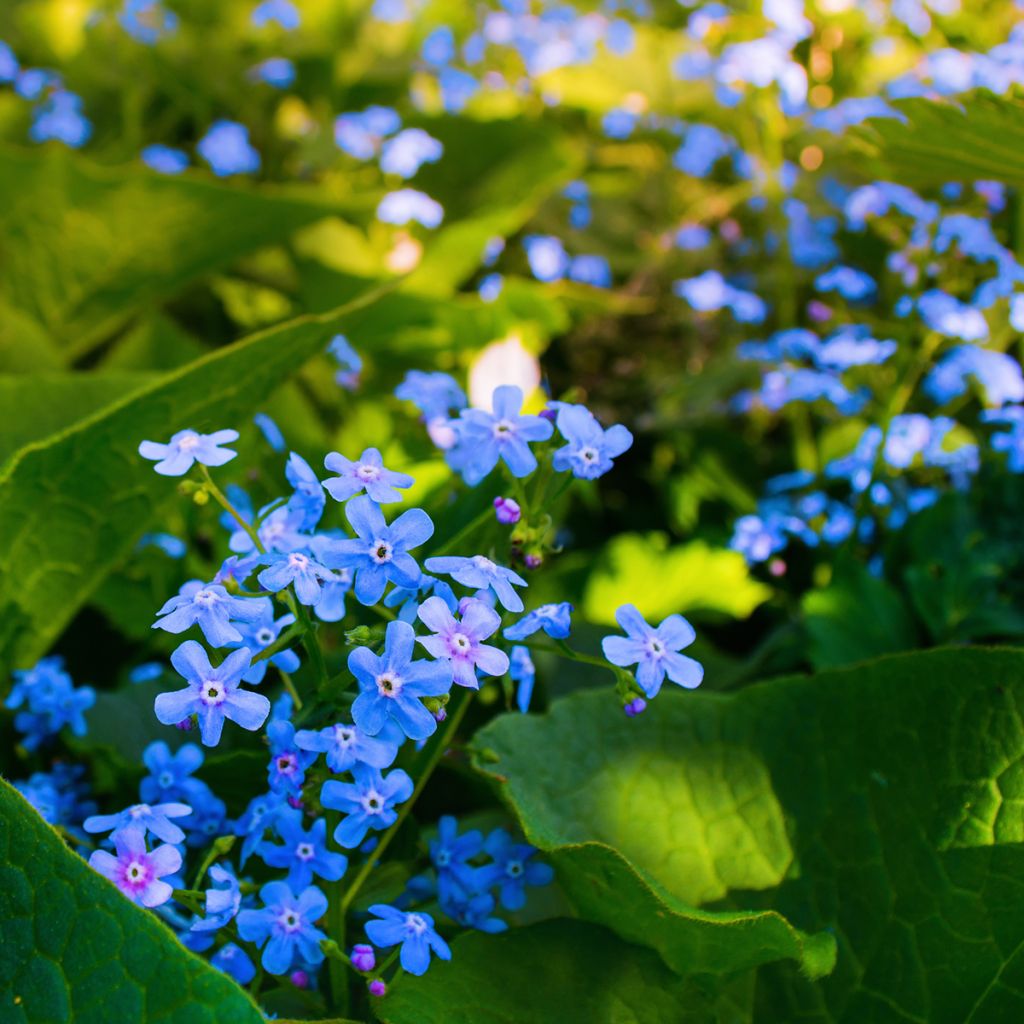
Brunnera sibirica - Siberian Bugloss
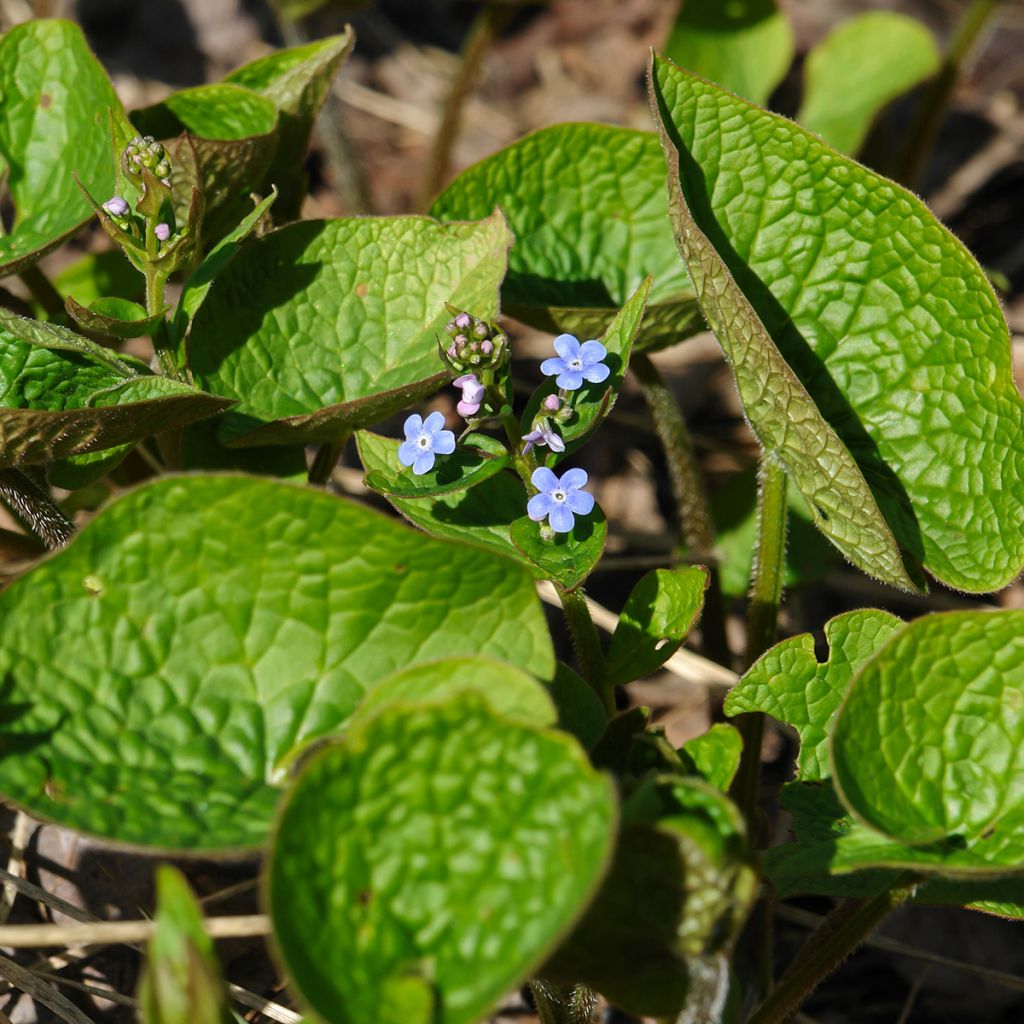
Brunnera sibirica - Siberian Bugloss
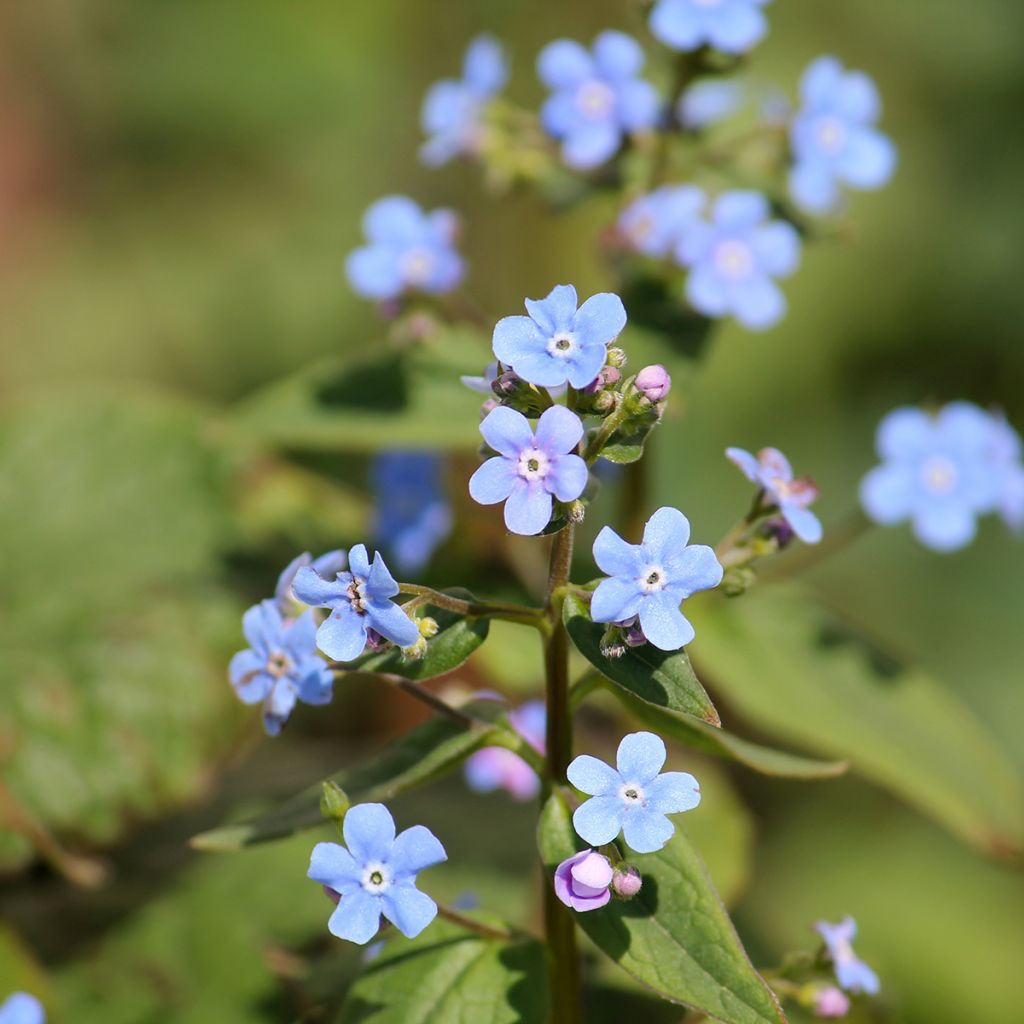
Brunnera sibirica - Siberian Bugloss
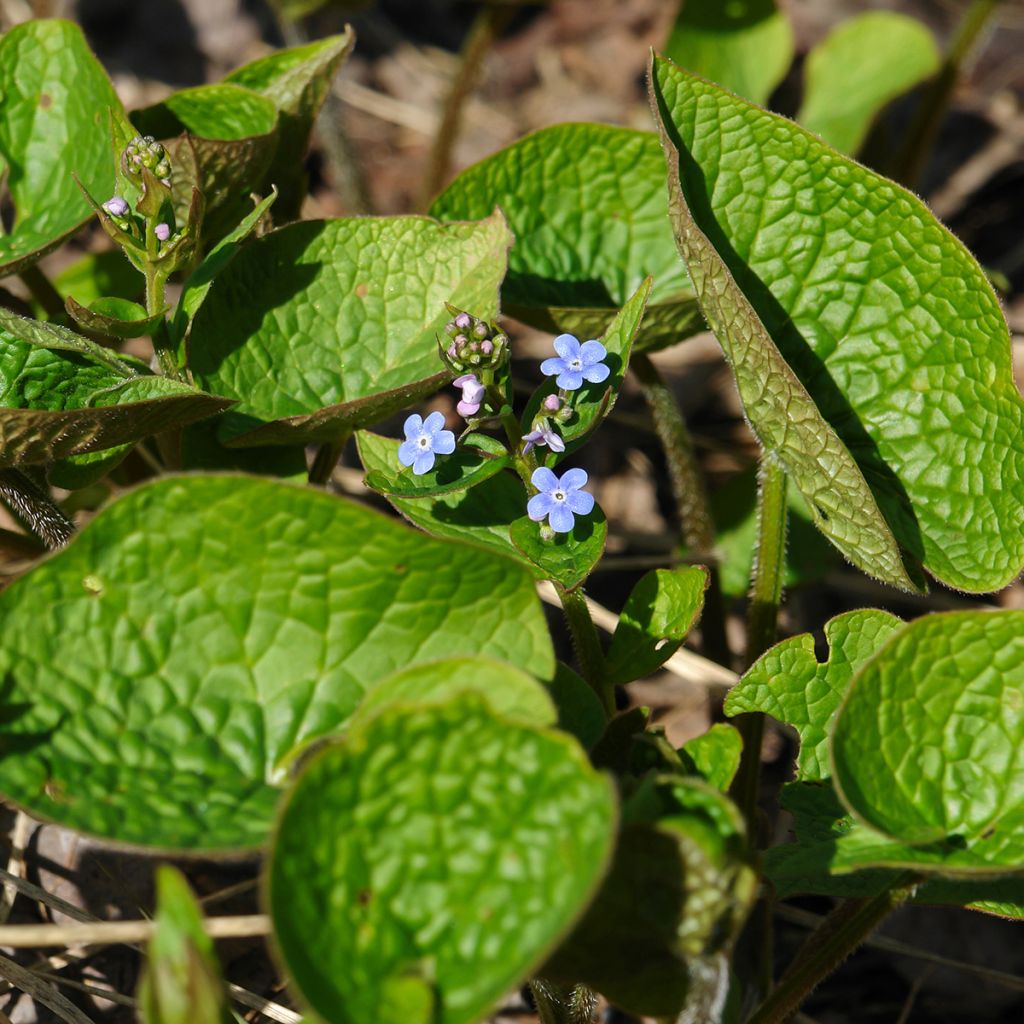
Brunnera sibirica - Siberian Bugloss
Brunnera sibirica - Siberian Bugloss
Brunnera sibirica - Siberian Bugloss
Brunnera sibirica - Siberian Bugloss
Brunnera sibirica - Siberian Bugloss
Brunnera sibirica - Siberian Bugloss
Brunnera sibirica - Siberian Bugloss
Brunnera sibirica - Siberian Bugloss
Brunnera sibirica - Siberian Bugloss
Brunnera sibirica
Siberian bugloss, Great Forget-me-not
Upon arrival: a huge naked burgundy rhizome in its pot. Planted with a 15/20 cm mulch, it has just produced beautiful leaves and... a small flower stem! We've had quite a bit of rain and the temperature is rather mild. These brunneras are excellent plants!
Mi, 19/12/2024
Back-to-school special offer!
Get €10 off for every €50 you spend! And get up to €40 off on a single order.
How does it work?
1. Shop your favourites
Add your favourite plants to your basket. For every €50 you spend (excluding delivery charges, store credit and the plastic-free option), you’ll receive a €10 voucher.
€50 spent = €10 voucher
€100 spent = €20 voucher
€150 spent = €30 voucher
€200 spent = €40 voucher
2. Place your order
Once your basket reaches one of the spending thresholds, place your order. You can even choose your delivery date!
3. Receive your voucher
As soon as your order has been shipped, you’ll receive an email containing your personal voucher code and its value.
4. Use it on your next order
Your voucher is valid for 90 days from the date you receive it. It can be used once only, on a new order worth at least the value of the voucher, excluding delivery charges.
Please note: Vouchers can be combined with other offers, but cannot be split or refunded.
Home or relay delivery (depending on size and destination)
Important: You may be charged customs duties by your country’s customs authorities upon delivery.
Schedule delivery date
and select date in basket
This plant carries a 12 months recovery warranty
More information
We guarantee the quality of our plants for a full growing cycle, and will replace at our expense any plant that fails to recover under normal climatic and planting conditions.
Would this plant suit my garden?
Set up your Plantfit profile →
Description
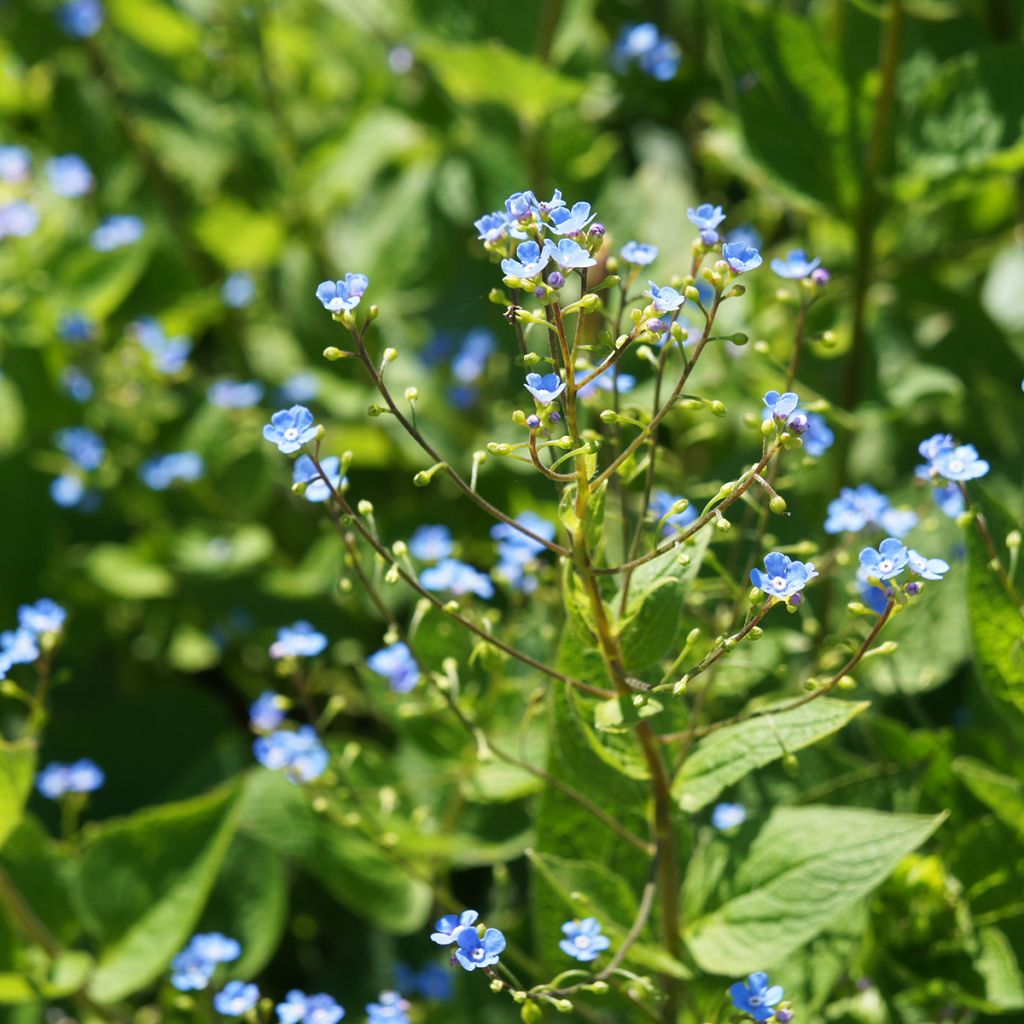
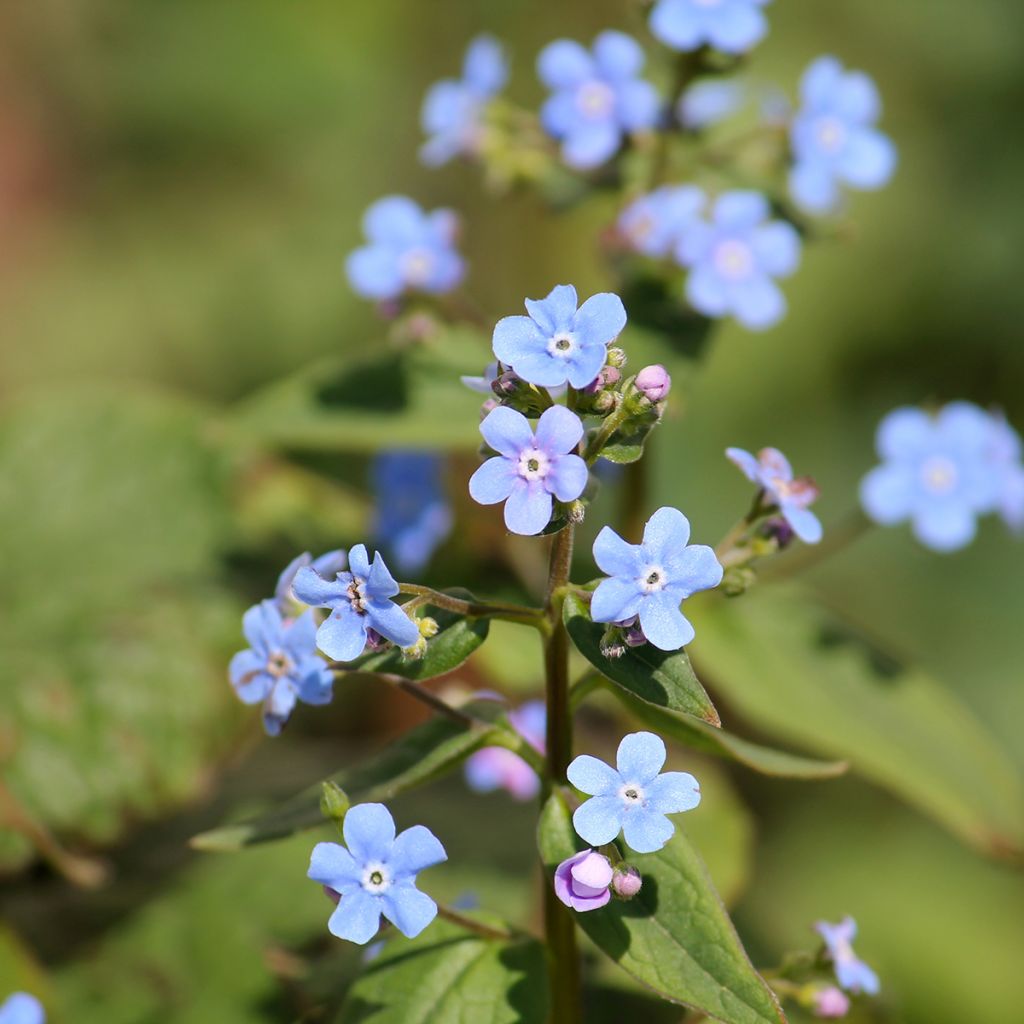
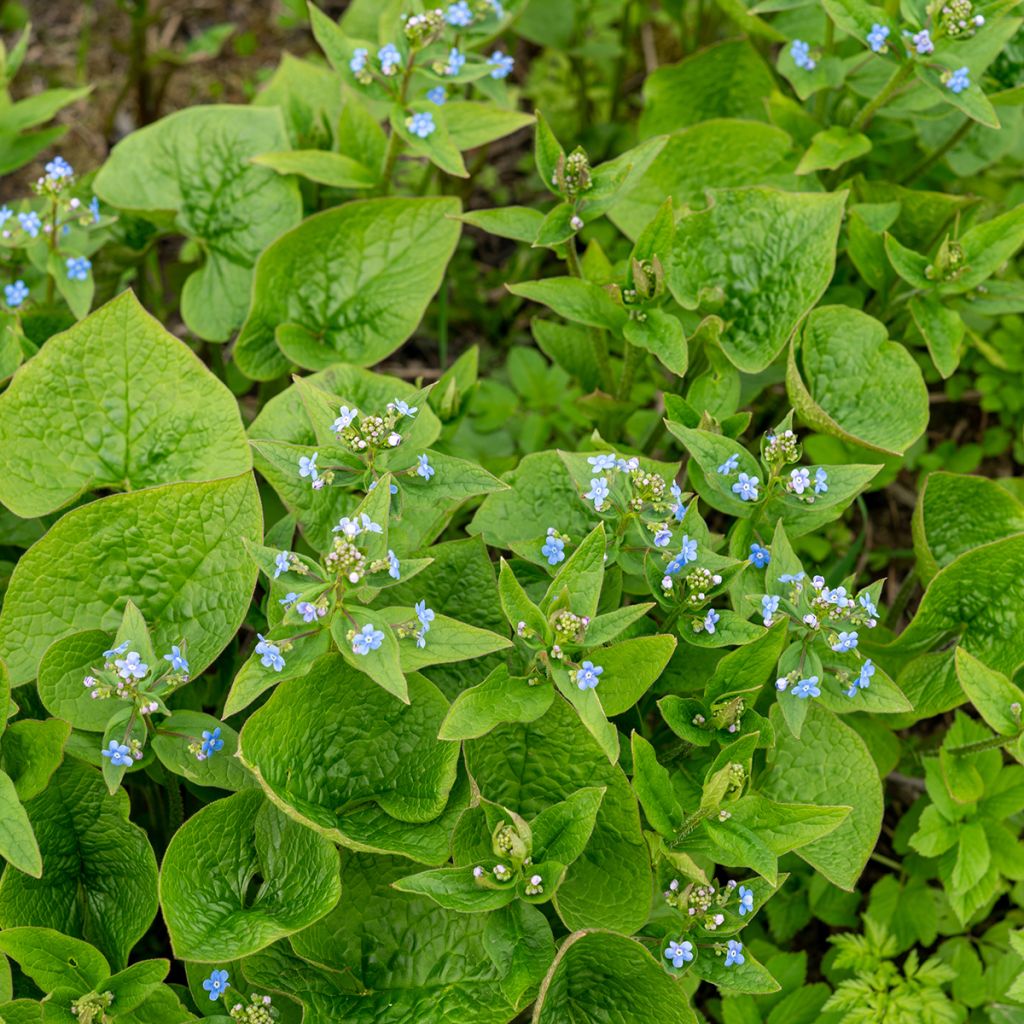
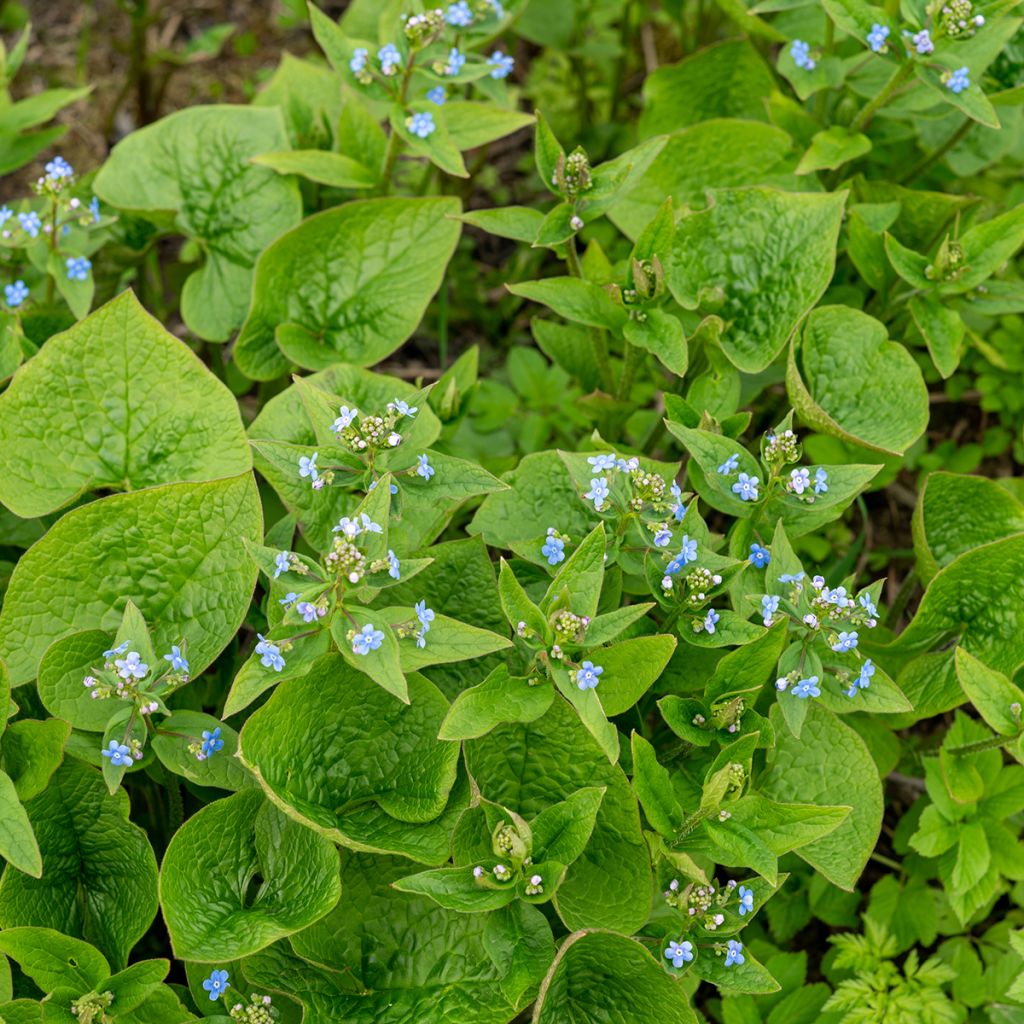
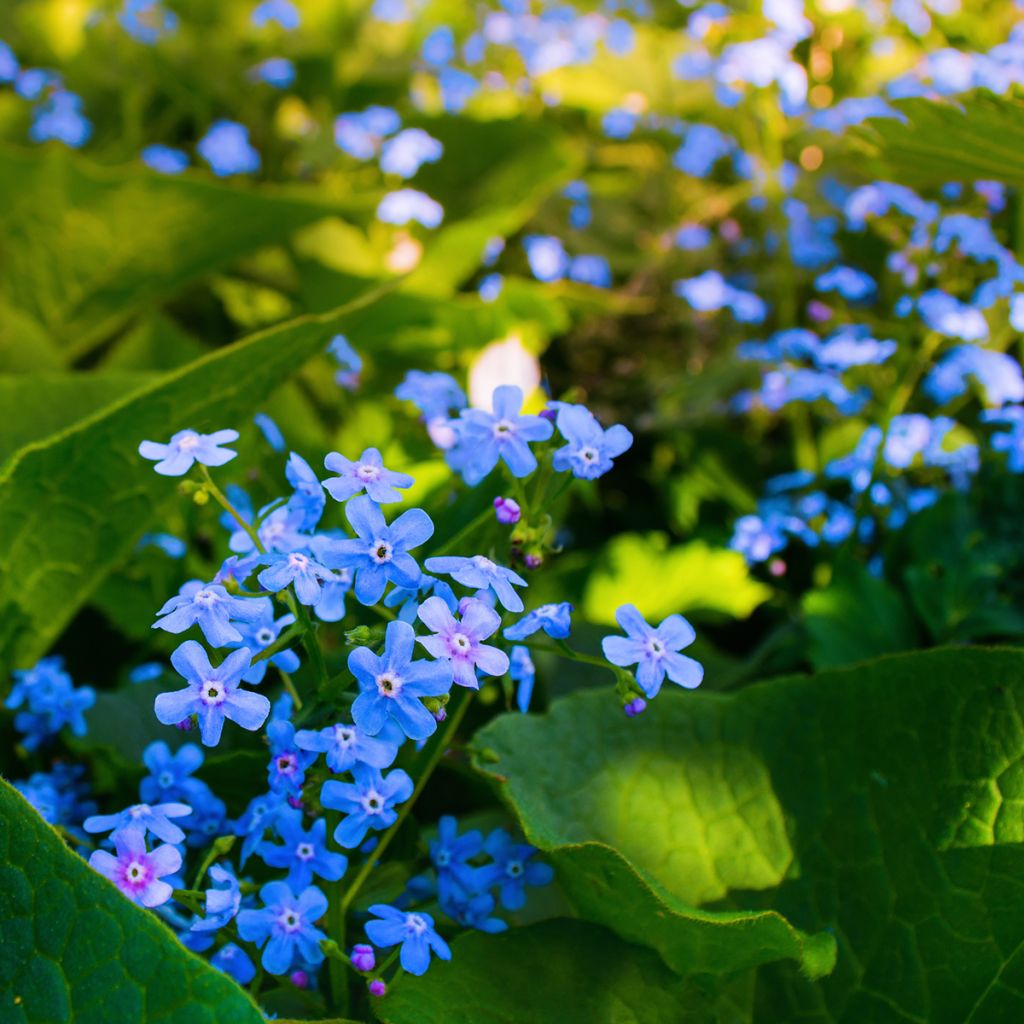
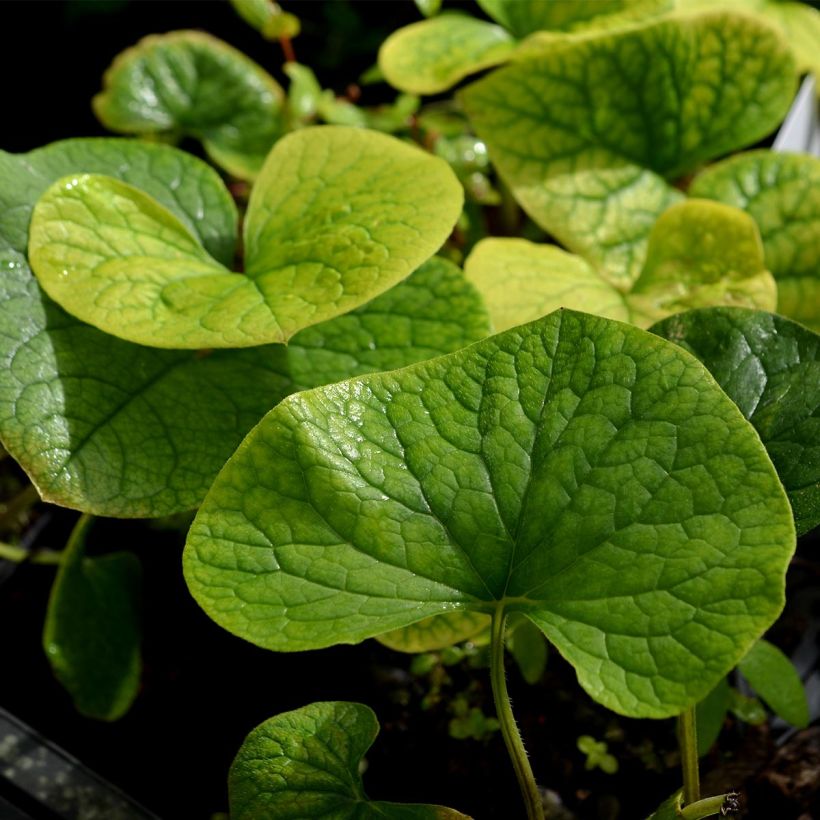
Brunnera sibirica, la brunnère de Sibérie, fait partie des vivaces couramment appelées myosotis du Caucase. Rare en culture, il se distingue du très répandu Brunnera macrophylla par ses feuilles plus coriaces et ses longs rhizomes, qui forment peu à peu un couvre-sol large et dense. Au printemps, ses grandes feuilles vertes en forme de cœur s'animent d'une abondance de petites fleurs bleu clair. Très rustique, cette plante permet de végétaliser les lisières et les sous-bois clairs ou le pied des arbustes caducs, dans tout sol frais à humide.
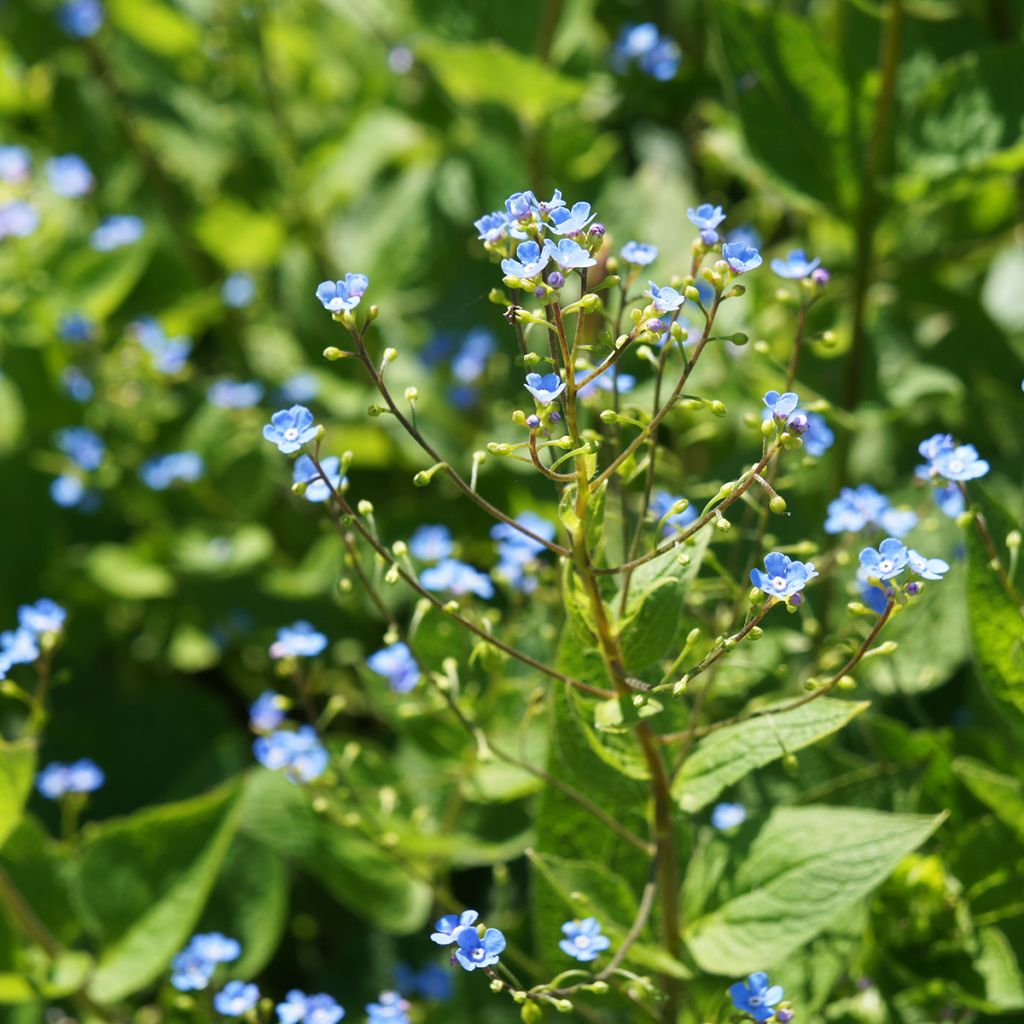
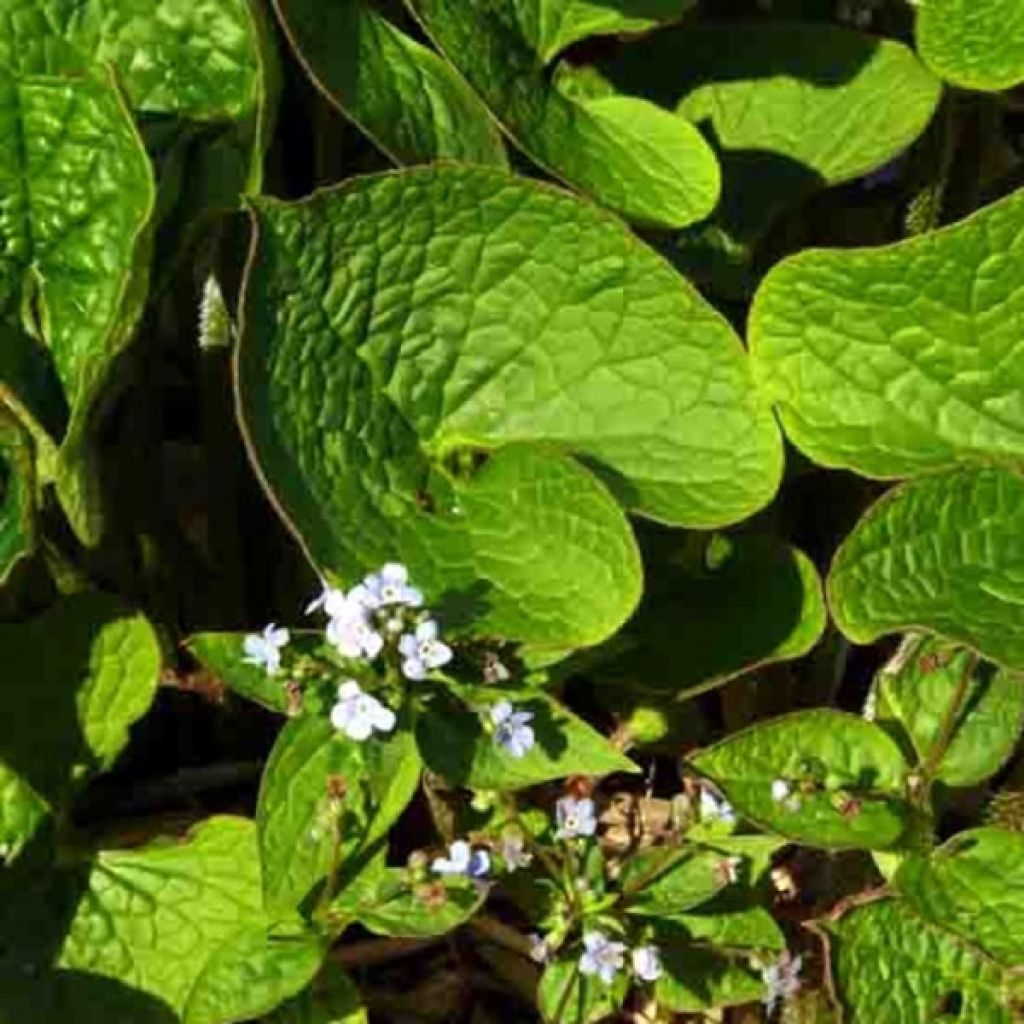
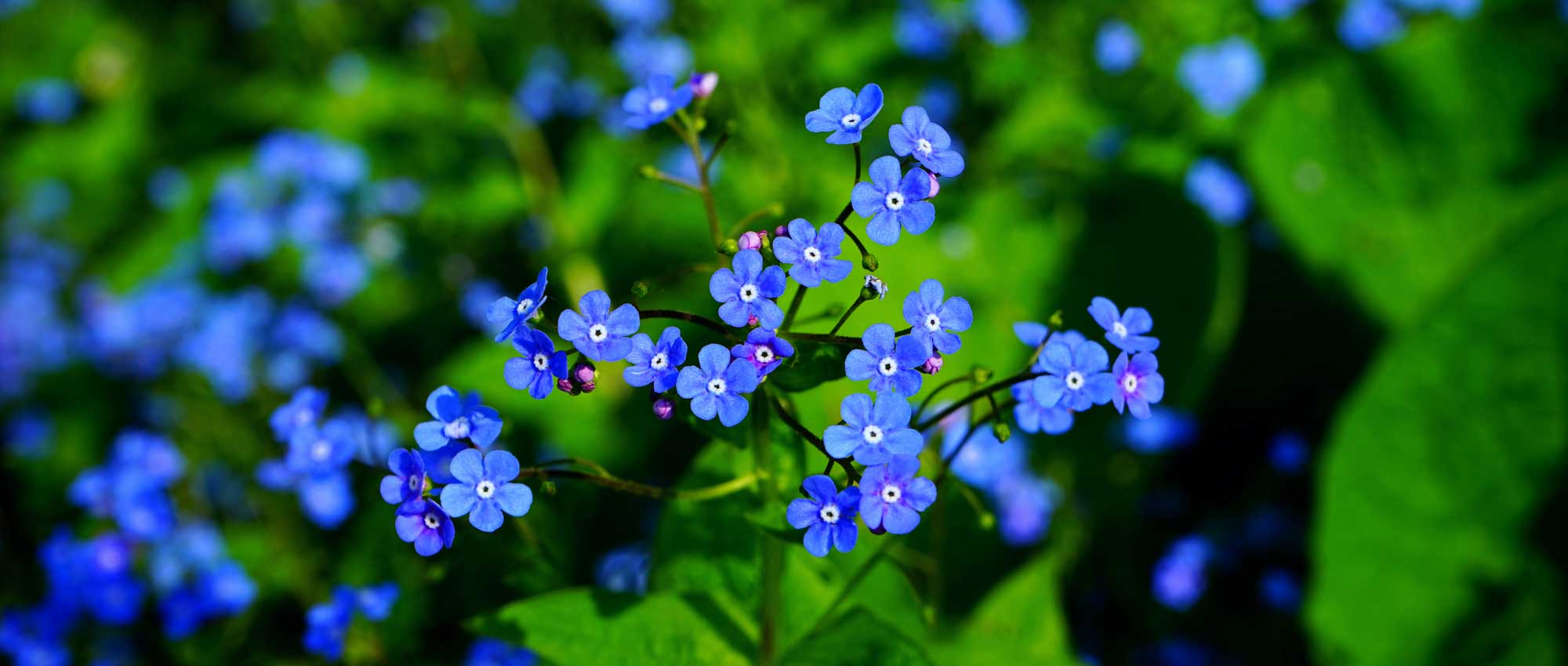
La brunnère de Sibérie appartient à la famille des Boraginacées, comme les myosotis et les pulmonaires. C’est une vivace herbacée et caduque : les feuilles et les tiges ressortent de terre chaque printemps, puis disparaissent en automne. C'est une espèce botanique originaire du sud de la Sibérie, où elle pousse notamment dans les forêts montagnardes de conifères de l’Altaï et des Saïan occidentaux. Elle fréquente les sous-bois frais, les clairières et les lisières sous un climat continental. Le botaniste Christian von Steven a publié son nom en 1851. Son principal synonyme botanique est Anchusa sibirica. Contrairement au Brunnera macrophylla, le B. sibirica possède de longs rhizomes horizontaux qui progressent sous la surface et produisent de nouvelles pousses, permettant à la plante de constituer progressivement une colonie dense. Elle atteint 30 à 45 cm de hauteur et s’étend sur 60 cm à 1 m en quelques années. Dans une terre qui lui plaît, elle s'étend davantage. Les grandes feuilles basales sont portées par de longs pétioles. Leur limbe cordiforme, d’un vert moyen uni, est couvert de poils courts qui lui donnent une texture rêche. En avril et mai, des tiges florales ramifiées s’élèvent au-dessus du feuillage. Elles portent des panicules de petites fleurs à cinq lobes, d’un bleu ciel à bleu clair, ornées d’un œil blanc. Après la floraison, les feuilles prennent toute leur ampleur et couvrent le sol pendant l’été. La souche de ce Brunnera résiste à des températures proches de -20 °C.
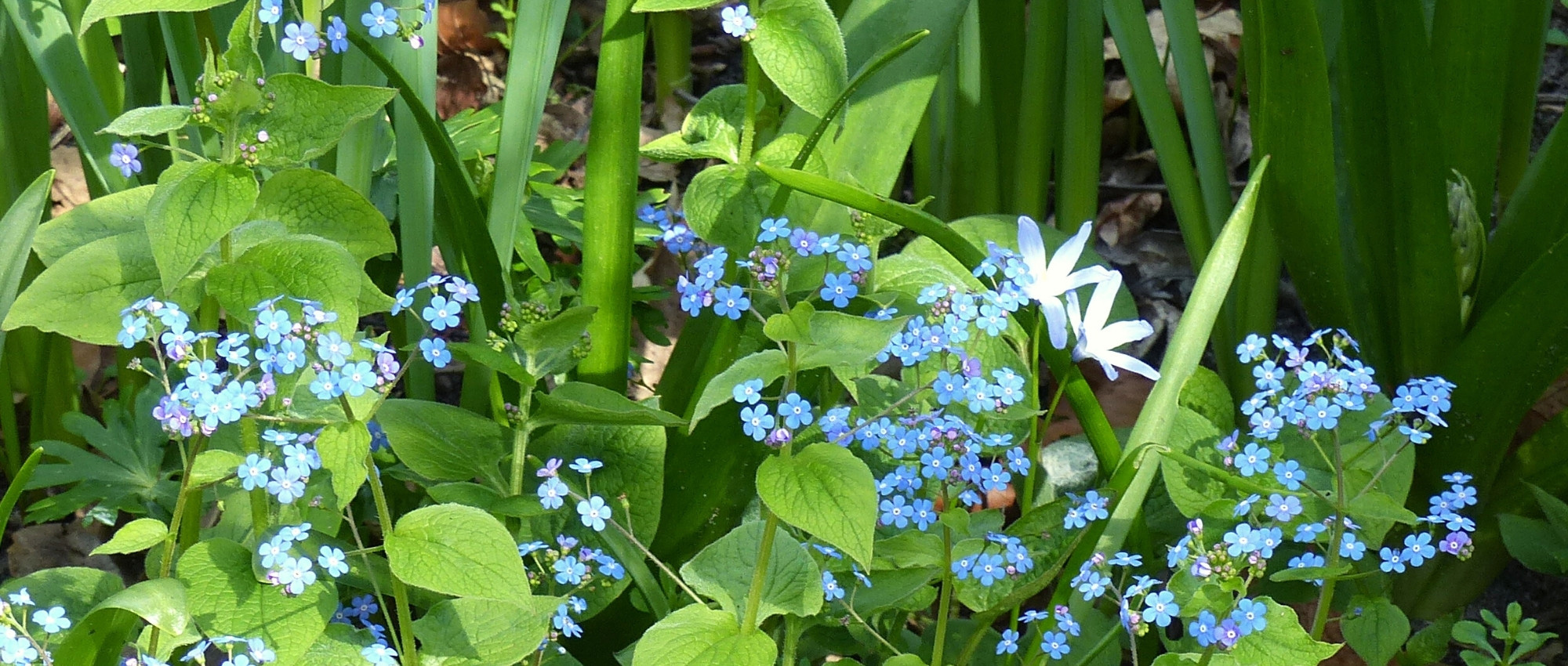
Dans un sous-bois clair ou un jardin d’ombre d'inspiration naturaliste, cette brunnère forme un beau tapis de verdure sous les arbustes caducs ou parmi de grandes vivaces de lisière. On peut la planter avec des fougères, des cierges d'argent, des hostas et d’autres plantes d'ombre fraîche à feuillage décoratif. L’Actaea simplex ‘Brunette’, le Disporum cantoniense ‘Night Heron’, le Mukdenia rossii ‘Crimson Fans’ et l’Athyrium niponicum ‘Burgundy Lace’ seront mis en valeur par ce grand couvre-sol.
Brunnera sibirica - Siberian Bugloss in pictures
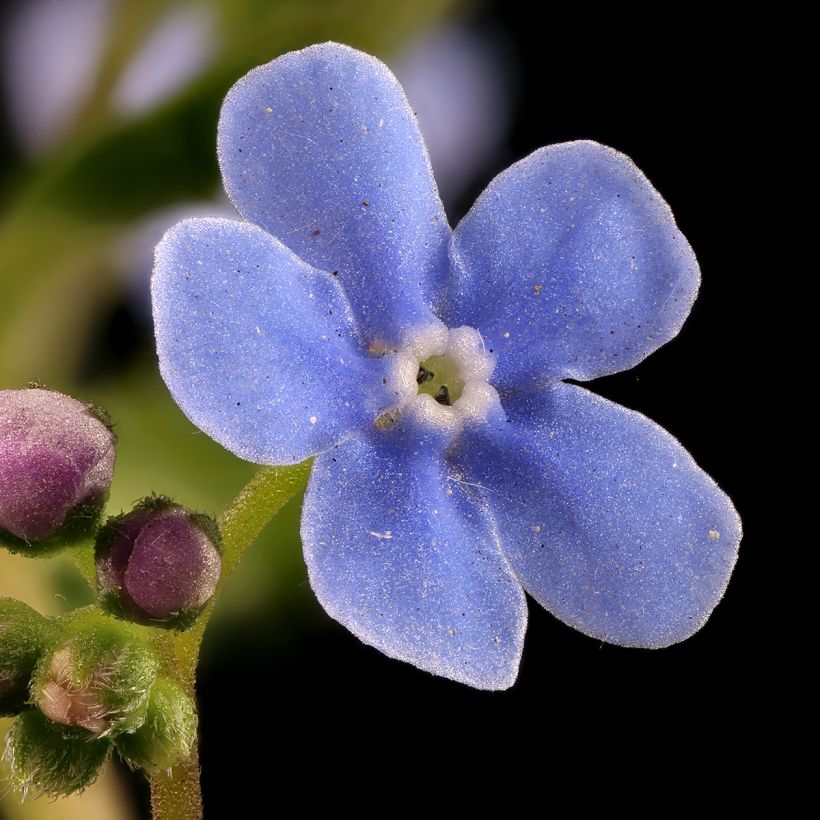
Flowering
Foliage
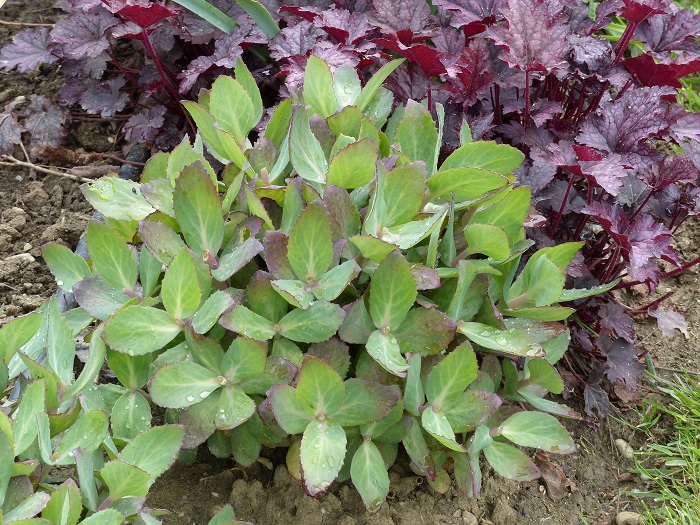
Plant habit
Botanical data
Brunnera
sibirica
Boraginaceae
Siberian bugloss, Great Forget-me-not
Anchusa sibirica
Russia
Planting and care
The Brunnera sibirica is best planted in March-April or September-October, in partial shade or light shade. A deep, humus-rich, moist but well-drained soil encourages its growth. Clay, acid or calcareous soils are tolerated. Adding mature compost or leafmould improves poor soils and helps them retain moisture. Young plants need regular watering during their first year. Once established, this brunnera tolerates short dry spells, but its foliage will be fresher with occasional watering during hot spells. Division of the stumps is carried out in early spring or autumn; it allows the plant to be propagated and contains the spread of its rootstocks.
Planting period
Intended location
Care
Planting & care advice
-

-
-
-
-
-
-

-
-
, onOrder confirmed
Reply from on Promesse de fleurs
Recently viewed products
Haven't found what you were looking for?
Hardiness is the lowest winter temperature a plant can endure without suffering serious damage or even dying. However, hardiness is affected by location (a sheltered area, such as a patio), protection (winter cover) and soil type (hardiness is improved by well-drained soil).

The flowering period indicated on our website applies to countries and regions located in USDA zone 8 (France, the United Kingdom, Ireland, the Netherlands, etc.)
It will vary according to where you live:- In zones 9 to 10 (Italy, Spain, Greece, etc.), flowering will occur about 2 to 4 weeks earlier.
- In zones 6 to 7 (Germany, Poland, Slovenia, and lower mountainous regions), flowering will be delayed by 2 to 3 weeks.
- In zone 5 (Central Europe, Scandinavia), blooming will be delayed by 3 to 5 weeks.
In temperate climates, pruning of spring-flowering shrubs (forsythia, spireas, etc.) should be done just after flowering.
Pruning of summer-flowering shrubs (Indian Lilac, Perovskia, etc.) can be done in winter or spring.
In cold regions as well as with frost-sensitive plants, avoid pruning too early when severe frosts may still occur.
The planting period indicated on our website applies to countries and regions located in USDA zone 8 (France, United Kingdom, Ireland, Netherlands).
It will vary according to where you live:
- In Mediterranean zones (Marseille, Madrid, Milan, etc.), autumn and winter are the best planting periods.
- In continental zones (Strasbourg, Munich, Vienna, etc.), delay planting by 2 to 3 weeks in spring and bring it forward by 2 to 4 weeks in autumn.
- In mountainous regions (the Alps, Pyrenees, Carpathians, etc.), it is best to plant in late spring (May-June) or late summer (August-September).
The harvesting period indicated on our website applies to countries and regions in USDA zone 8 (France, England, Ireland, the Netherlands).
In colder areas (Scandinavia, Poland, Austria...) fruit and vegetable harvests are likely to be delayed by 3-4 weeks.
In warmer areas (Italy, Spain, Greece, etc.), harvesting will probably take place earlier, depending on weather conditions.
The sowing periods indicated on our website apply to countries and regions within USDA Zone 8 (France, UK, Ireland, Netherlands).
In colder areas (Scandinavia, Poland, Austria...), delay any outdoor sowing by 3-4 weeks, or sow under glass.
In warmer climes (Italy, Spain, Greece, etc.), bring outdoor sowing forward by a few weeks.
Shipping country and language
Your country of residence may be:
Your country of residence is:
For a better user experience on our website, you can select:
Your shipping country:
-
 Austria
-
 Belgium
-
 Bosnia & Herzegovina
-
 Bulgaria
-
 Croatia
-
 Cyprus
-
 Czechia
-
 Denmark
-
 Estonia
-
 Finland
-
 France
-
 Germany
-
 Greece
-
 Hungary
-
 Iceland
-
 Ireland
-
 Italy
Italy
-
 Latvia
-
 Liechtenstein
-
 Lithuania
-
 Luxembourg
-
 Malta
Malta
-
 Netherlands
-
 Poland
-
 Portugal
-
 Romania
-
 Serbia
-
 Slovakia
-
 Slovenia
-
 Spain
Spain
-
 Sweden
-
 Switzerland
Language:
-
French
-
 English
-
Spanish
-
Italian
-
German
-
Portuguese
-
Dutch
-
Finnish
My Account
Hello
My wish lists
My cart
Log in / Register
Existing customer?
This form is protected by reCAPTCHA - the Google Privacy Policy and Terms of Service apply.
New customer?
Create an account to track your orders, access our customer service and, if you wish, make the most of our upcoming offers.