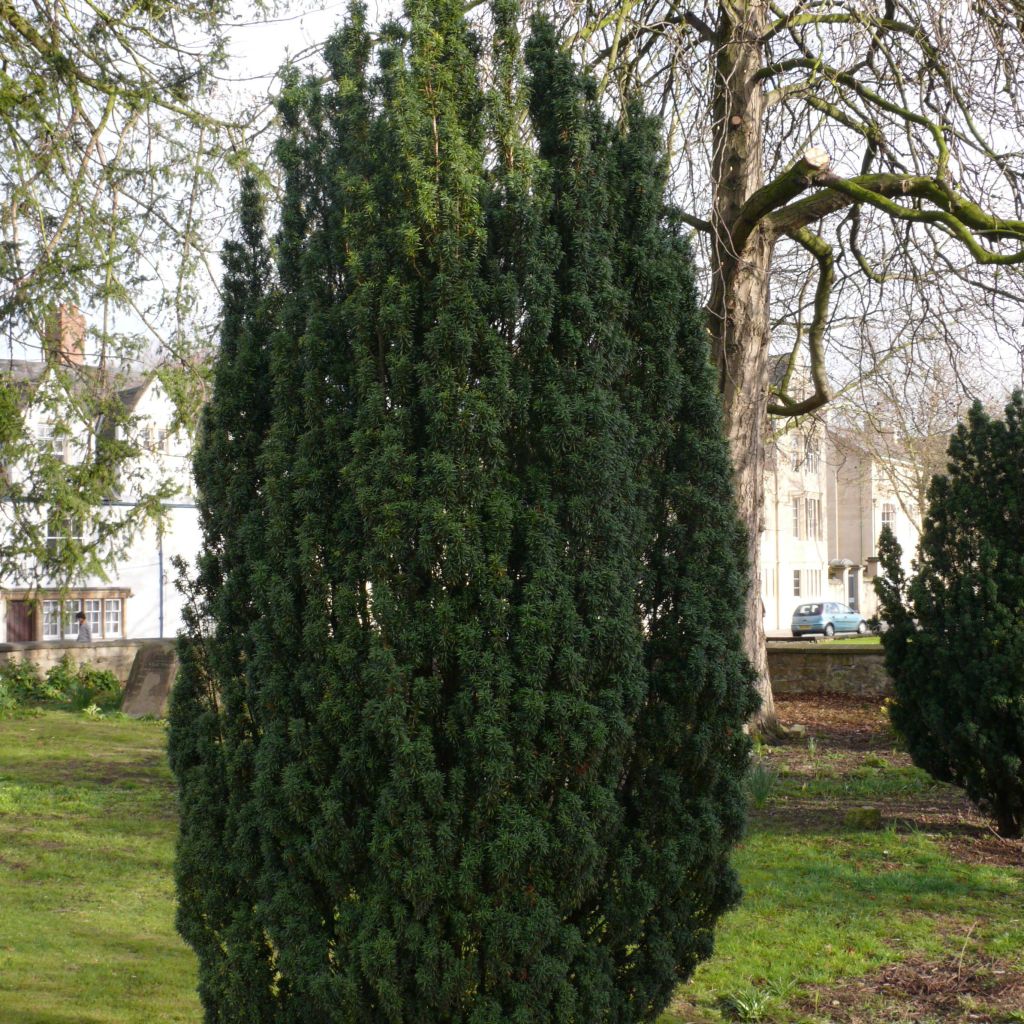
Taxus baccata Fastigiata Robusta - Yew
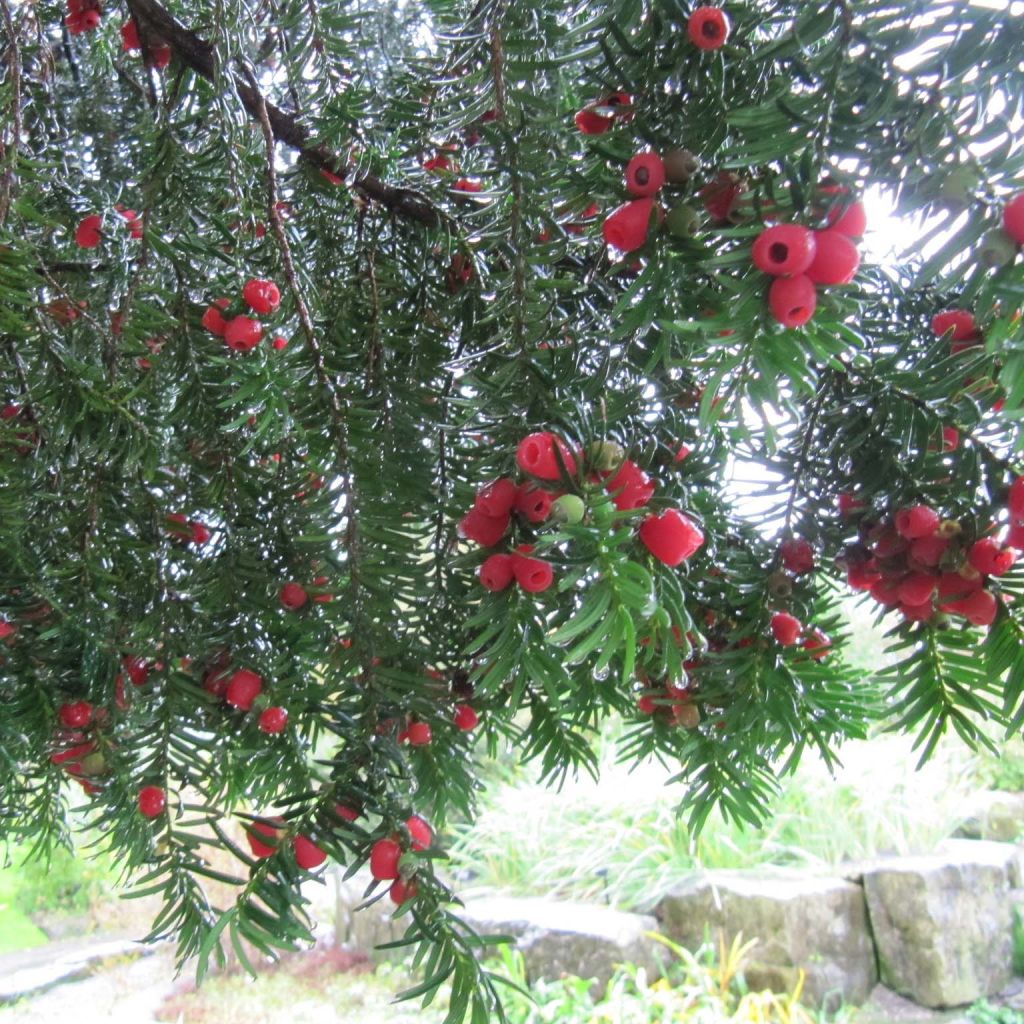
Taxus baccata Fastigiata Robusta - Yew
Taxus baccata Fastigiata Robusta - Yew
Taxus baccata Fastigiata Robusta
Yew, Common Yew, English Yew, European Yew
I have ordered from Promesse de Fleurs twice now and the quality of the plants is superb, as well as the packaging for shipping. I highly recommend them.
Stéphane , 22/12/2023
Back-to-school special offer!
Get €10 off for every €50 you spend! And get up to €40 off on a single order.
How does it work?
1. Shop your favourites
Add your favourite plants to your basket. For every €50 you spend (excluding delivery charges, store credit and the plastic-free option), you’ll receive a €10 voucher.
€50 spent = €10 voucher
€100 spent = €20 voucher
€150 spent = €30 voucher
€200 spent = €40 voucher
2. Place your order
Once your basket reaches one of the spending thresholds, place your order. You can even choose your delivery date!
3. Receive your voucher
As soon as your order has been shipped, you’ll receive an email containing your personal voucher code and its value.
4. Use it on your next order
Your voucher is valid for 90 days from the date you receive it. It can be used once only, on a new order worth at least the value of the voucher, excluding delivery charges.
Please note: Vouchers can be combined with other offers, but cannot be split or refunded.
Home or relay delivery (depending on size and destination)
Important: You may be charged customs duties by your country’s customs authorities upon delivery.
Schedule delivery date,
and select date in basket
This plant carries a 24 months recovery warranty
More information
We guarantee the quality of our plants for a full growing cycle, and will replace at our expense any plant that fails to recover under normal climatic and planting conditions.

Would this plant suit my garden?
Set up your Plantfit profile →
Description
Taxus baccata 'Fastigiata Robusta' is a variety of yew tree that is particularly elegant. With a very harmonious upright habit, slowly forming a column with a tapered top and a compact appearance, it is adorned with dense foliage of a deep and vibrant green. With its timeless elegance, this conifer brings a remarkably graphic vertical touch to gardens of all sizes. Yew trees, the quiet strength of nature, combine elegance with a very accommodating character: they have slow growth, tolerate pruning perfectly, require little maintenance and adapt to a wide range of growing conditions. 'Fastigiata Robusta' is perfect for creating a highly structured hedge and is also well-suited for topiary art.
Taxus baccata, also known as the common yew tree, can be found in the oldest gardens and parks in Europe, sometimes standing for hundreds of years. They have a remarkable longevity and can live for several centuries. This species, which has become rare in the wild, is native to Europe, Asia Minor, and North Africa. In France, it can still be found in the plains of Brittany, Normandy, and the Vosges, as well as in low and medium mountain areas in the south and Corsica. Some populations also survive in the limestone massifs of Provence, on the northern slopes of the Sainte Baume and the Sainte Victoire near Aix-en-Provence. Some individuals growing in the Verdon Gorge are said to be over a thousand years old. Impressive specimens can also be admired in old gardens or cemeteries, near churches for symbolic reasons, as the yew tree is considered to be the link between heaven and earth. The needles, bark, and fruit are toxic to humans and animals, except for birds that consume the berries and discard the seeds. The common yew tree belongs to the Taxodiaceae family, just like Cryptomerias and Metasequoias.
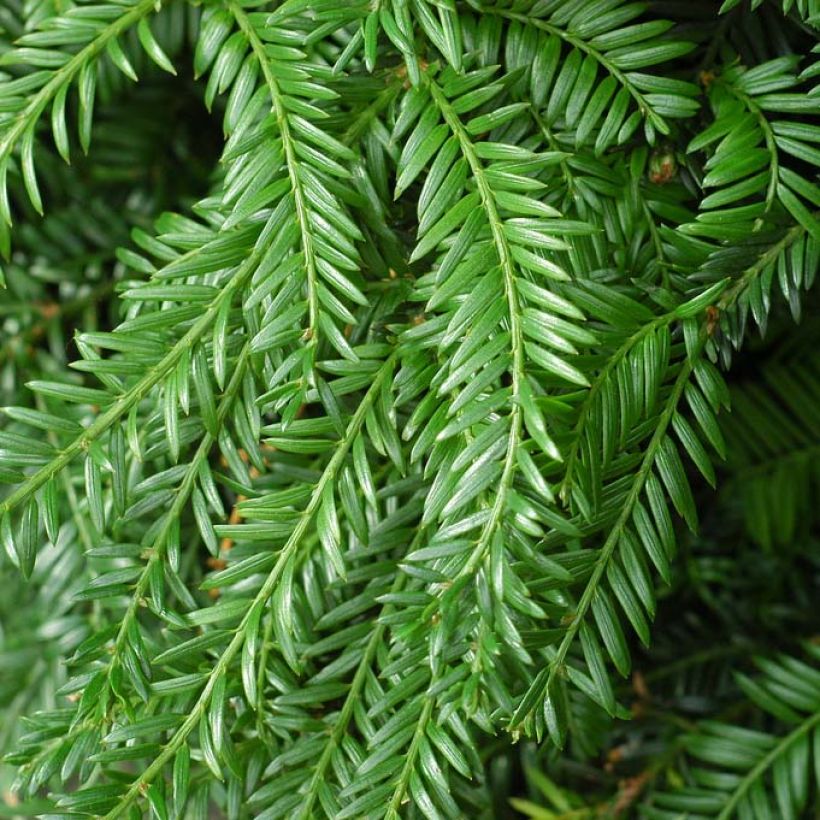
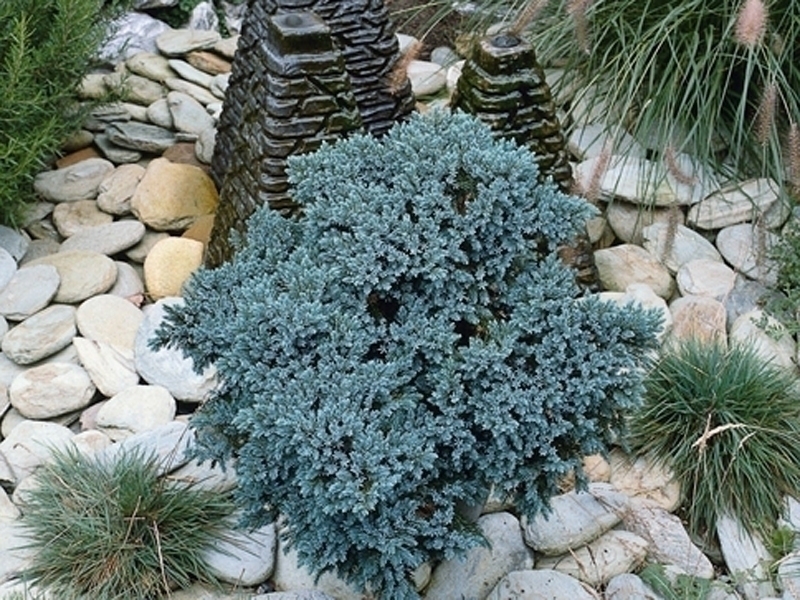
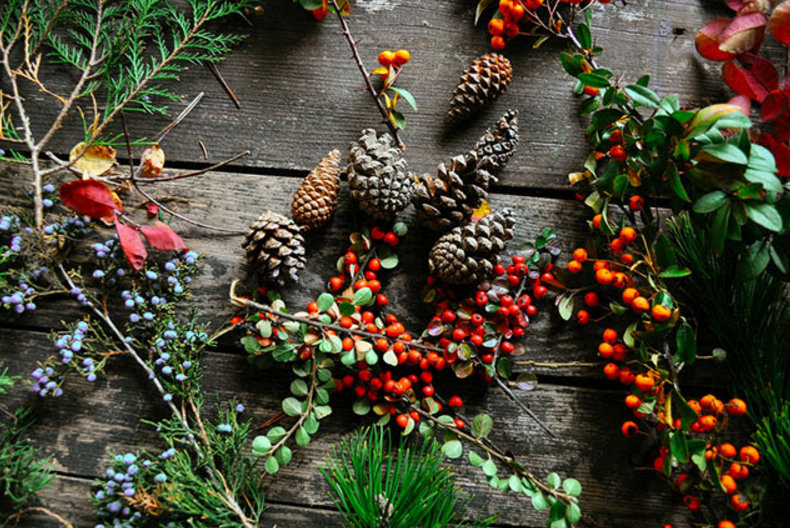
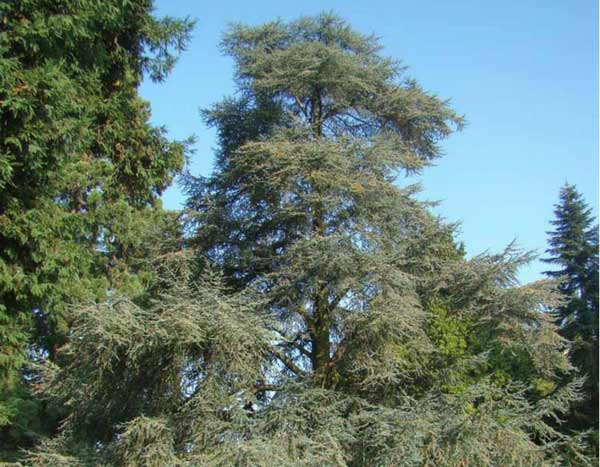
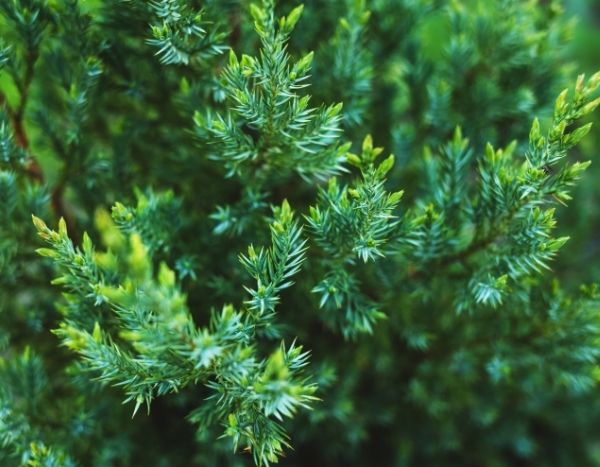
The 'Fastigiata Robusta' cultivar is distinguished by moderate growth and a dense and regular fastigiate habit. With slow growth, it will reach a height of about 3 to 4 metres (9 feet 10 inches to 13 feet 1 inches) and a diameter of 1 metre (3 feet 4 inches) at maturity. At the age of 10, the plant will measure about 1.50 metres (4 feet 11 inches) in height and 30 centimetres (11.8 inches) in width. Its short, upright branches and trunk are covered with a reddish-brown bark that flakes off. Its branchlets are adorned with flattened and shiny needles with two white bands on the underside, ending in a pointed tip but very soft to the touch. Their colour, a dark and deep green, sometimes appears almost black under intense sunlight. This shrub provides a presence throughout the seasons and often forms the backbone of the garden. It is a dioecious tree, with male and female flowers on separate individuals. Red berries only appear on female plants after inconspicuous flowering. It is also a honey-bearing tree.
Taxus baccata 'Fastigiata Robusta', naturally elegant like all yew trees, will find its place in any garden, even small ones, from the North to the South of our country, and can adapt to any style: formal, whimsical, classic, contemporary, minimalist, slightly mystical or poetic. And this is especially true because this yew tree is not only very hardy but also tolerant of any type of soil: ordinary, slightly acidic or alkaline, moist or dry. It can be a beautiful solitary specimen or be accompanied by low shrubs, or even creeping ones that are equally undemanding (Cotoneaster, Chamaecyparis, small junipers, Coprosma, etc.). If you are patient, you can also plant it as a hedge or in a row along a wide path, with a row of boxwood or myrtle in mild climates. Pruning is not essential or can be limited to one intervention per year, and it will successfully regenerate after a more severe pruning by sprouting from old wood. It is indifferent to exposure and can even be planted in shade in hot climates. Finally, yew trees can advantageously replace cypresses, which have faster growth but are susceptible to diseases and not well-suited for pruning.

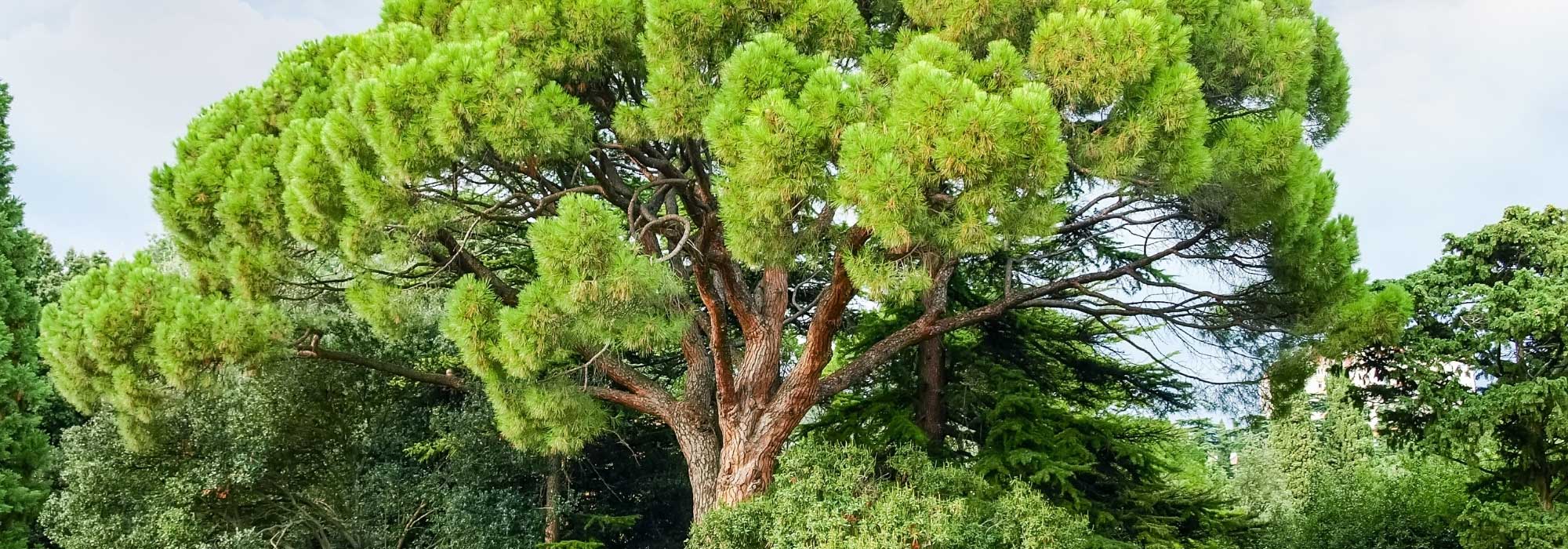
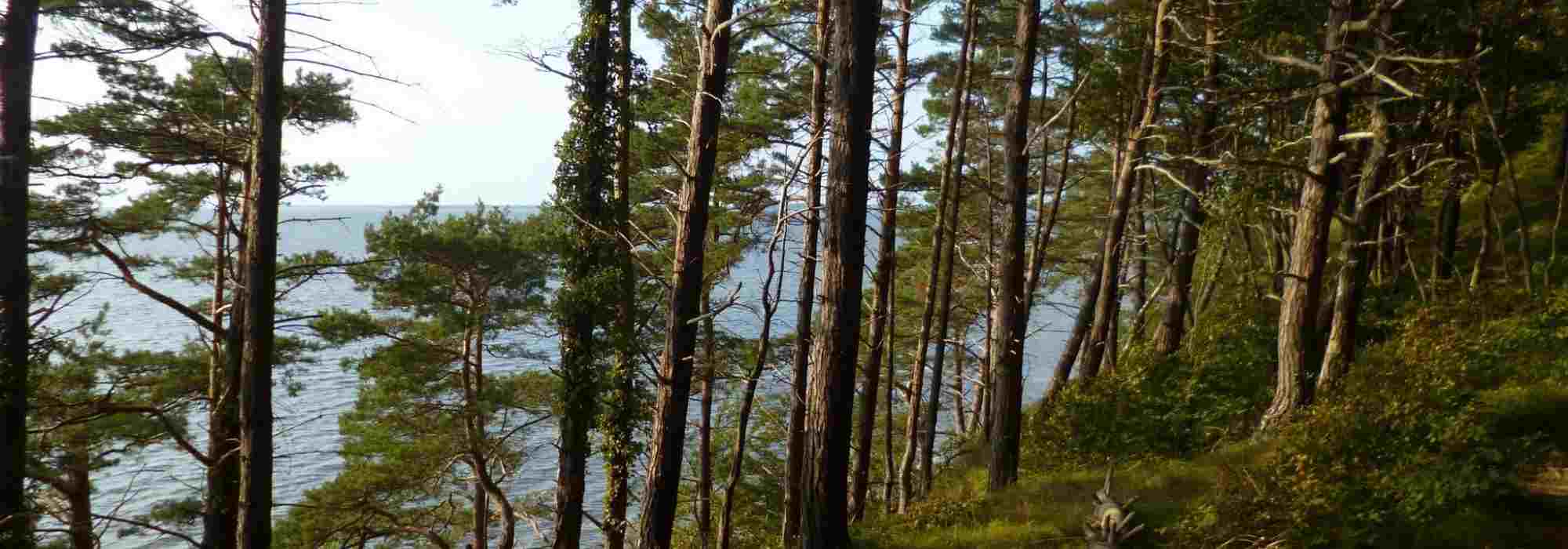
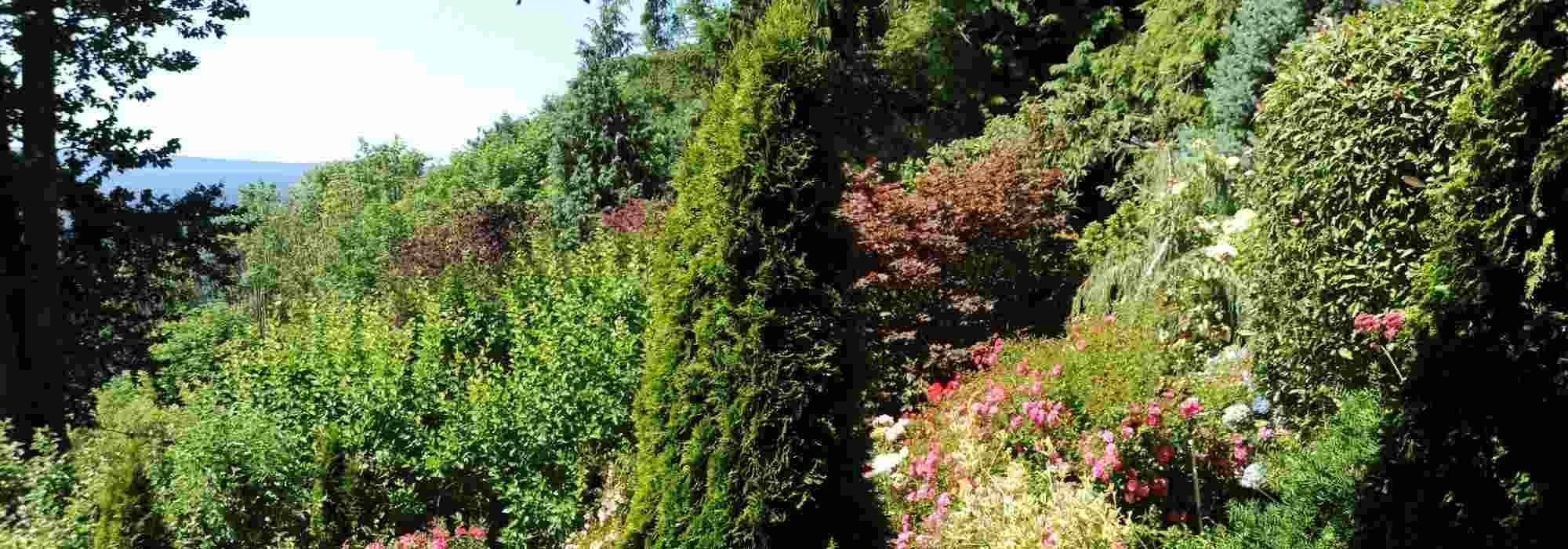
Taxus baccata Fastigiata Robusta - Yew in pictures
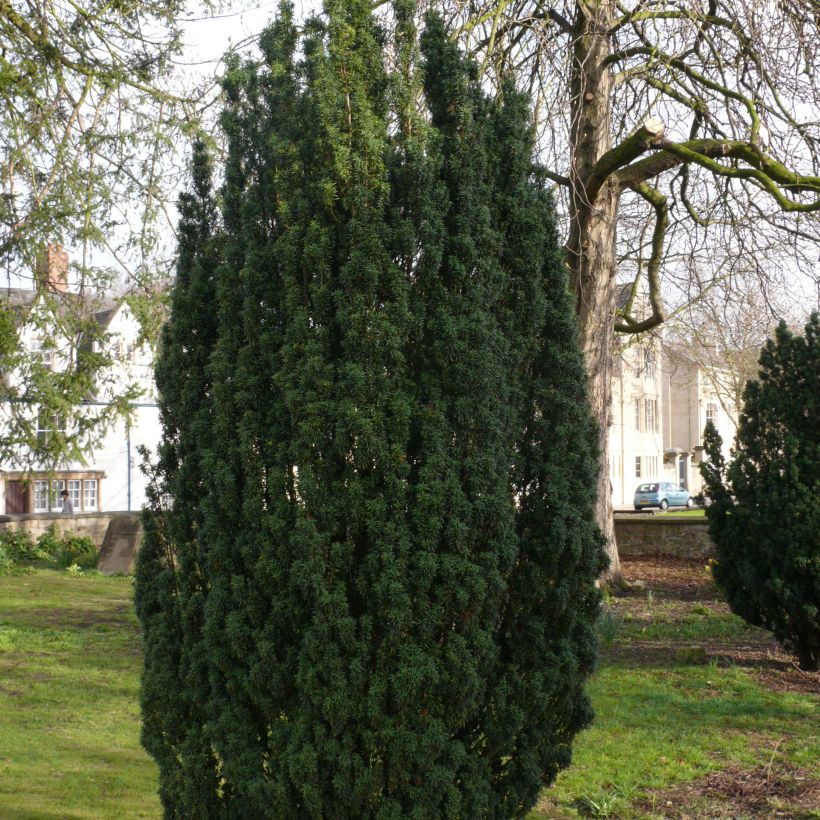
Plant habit
Flowering
Foliage
Safety measures
Botanical data
Taxus
baccata
Fastigiata Robusta
Taxaceae
Yew, Common Yew, English Yew, European Yew
Cultivar or hybrid
ingestion
Cette plante est toxique si elle est ingérée volontairement ou involontairement.
Ne la plantez pas là où de jeunes enfants peuvent évoluer, et lavez-vous les mains après l'avoir manipulée.
Pensez à conserver l'étiquette de la plante, à la photographier ou à noter son nom, afin de faciliter le travail des professionnels de santé.
Davantage d'informations sur https://plantes-risque.info
Planting and care
Plant the 'Fastigiata Robusta' Yew in a container preferably in autumn or spring rather than in winter like other evergreens. The larger specimens are easily established in well-prepared soil. Dig a large planting hole that is wider than the root ball, without burying the base of the trunk. Water generously to facilitate recovery. Monitor watering during the first two or three years of cultivation, especially in dry weather, without excess. The 'Fastigiate Robusta' Yew is not really demanding, and it is undoubtedly one of its most beautiful qualities. It thrives in full sun or partial shade, even in hot climates, in well-tilled ordinary soil at planting, slightly chalky or acidic, moist to dry in summer. It easily adapts to all climates and all soils. It can be pruned twice a year, in spring and autumn (the latter allows for readjustment of the former) in April and August (depending on your climate). The fastigiate yew tolerates wind well, but not salt spray. It tolerates urban pollution well, but fears de-icing salt. This conifer is not prone to diseases, although it is sometimes attacked by scale insects and its roots can be attacked by larvae of the otiorhynchus weevil or, in damp soil, by fungi.
Planting period
Intended location
Care
Planting & care advice
-
-
-
-

-
-
-
-
-
, onOrder confirmed
Reply from on Promesse de fleurs
Recently viewed products
Haven't found what you were looking for?
Hardiness is the lowest winter temperature a plant can endure without suffering serious damage or even dying. However, hardiness is affected by location (a sheltered area, such as a patio), protection (winter cover) and soil type (hardiness is improved by well-drained soil).

The flowering period indicated on our website applies to countries and regions located in USDA zone 8 (France, the United Kingdom, Ireland, the Netherlands, etc.)
It will vary according to where you live:- In zones 9 to 10 (Italy, Spain, Greece, etc.), flowering will occur about 2 to 4 weeks earlier.
- In zones 6 to 7 (Germany, Poland, Slovenia, and lower mountainous regions), flowering will be delayed by 2 to 3 weeks.
- In zone 5 (Central Europe, Scandinavia), blooming will be delayed by 3 to 5 weeks.
In temperate climates, pruning of spring-flowering shrubs (forsythia, spireas, etc.) should be done just after flowering.
Pruning of summer-flowering shrubs (Indian Lilac, Perovskia, etc.) can be done in winter or spring.
In cold regions as well as with frost-sensitive plants, avoid pruning too early when severe frosts may still occur.
The planting period indicated on our website applies to countries and regions located in USDA zone 8 (France, United Kingdom, Ireland, Netherlands).
It will vary according to where you live:
- In Mediterranean zones (Marseille, Madrid, Milan, etc.), autumn and winter are the best planting periods.
- In continental zones (Strasbourg, Munich, Vienna, etc.), delay planting by 2 to 3 weeks in spring and bring it forward by 2 to 4 weeks in autumn.
- In mountainous regions (the Alps, Pyrenees, Carpathians, etc.), it is best to plant in late spring (May-June) or late summer (August-September).
The harvesting period indicated on our website applies to countries and regions in USDA zone 8 (France, England, Ireland, the Netherlands).
In colder areas (Scandinavia, Poland, Austria...) fruit and vegetable harvests are likely to be delayed by 3-4 weeks.
In warmer areas (Italy, Spain, Greece, etc.), harvesting will probably take place earlier, depending on weather conditions.
The sowing periods indicated on our website apply to countries and regions within USDA Zone 8 (France, UK, Ireland, Netherlands).
In colder areas (Scandinavia, Poland, Austria...), delay any outdoor sowing by 3-4 weeks, or sow under glass.
In warmer climes (Italy, Spain, Greece, etc.), bring outdoor sowing forward by a few weeks.
Shipping country and language
Your country of residence may be:
Your country of residence is:
For a better user experience on our website, you can select:
Your shipping country:
-
 Austria
-
 Belgium
-
 Bosnia & Herzegovina
-
 Bulgaria
-
 Croatia
-
 Cyprus
-
 Czechia
-
 Denmark
-
 Estonia
-
 Finland
-
 France
-
 Germany
-
 Greece
-
 Hungary
-
 Iceland
-
 Ireland
-
 Italy
Italy
-
 Latvia
-
 Liechtenstein
-
 Lithuania
-
 Luxembourg
-
 Malta
Malta
-
 Netherlands
-
 Poland
-
 Portugal
-
 Romania
-
 Serbia
-
 Slovakia
-
 Slovenia
-
 Spain
Spain
-
 Sweden
-
 Switzerland
Language:
-
French
-
 English
-
Spanish
-
Italian
-
German
-
Portuguese
-
Dutch
-
Finnish
My Account
Hello
My wish lists
My cart
Log in / Register
Existing customer?
This form is protected by reCAPTCHA - the Google Privacy Policy and Terms of Service apply.
New customer?
Create an account to track your orders, access our customer service and, if you wish, make the most of our upcoming offers.