Ginkgo biloba fastigiata Blagon
Ginkgo biloba fastigiata Blagon
Ginkgo biloba fastigiata Blagon
Ginkgo biloba fastigiata Blagon
Ginkgo biloba Blagon
Maidenhair Tree, Living Fossil Tree
Hello, upon receiving the Ginkgo biloba, I am a little disappointed, as the cardboard box was torn open at the bottom, almost all the leaves were yellow, and many had fallen off inside the packaging. The tree’s container was also split, with the growing medium spilling out of the pot. I am used to better service from Promesse de Fleurs. I hope the tree’s roots have not been damaged and that it will establish normally after planting. I have photos available should you wish to see them.
Eric, 27/10/2025
Back-to-school special offer!
Get €10 off for every €50 you spend! And get up to €40 off on a single order.
How does it work?
1. Shop your favourites
Add your favourite plants to your basket. For every €50 you spend (excluding delivery charges, store credit and the plastic-free option), you’ll receive a €10 voucher.
€50 spent = €10 voucher
€100 spent = €20 voucher
€150 spent = €30 voucher
€200 spent = €40 voucher
2. Place your order
Once your basket reaches one of the spending thresholds, place your order. You can even choose your delivery date!
3. Receive your voucher
As soon as your order has been shipped, you’ll receive an email containing your personal voucher code and its value.
4. Use it on your next order
Your voucher is valid for 90 days from the date you receive it. It can be used once only, on a new order worth at least the value of the voucher, excluding delivery charges.
Please note: Vouchers can be combined with other offers, but cannot be split or refunded.
Home or relay delivery (depending on size and destination)
Important: You may be charged customs duties by your country’s customs authorities upon delivery.
Schedule delivery date,
and select date in basket
This plant carries a 24 months recovery warranty
More information
We guarantee the quality of our plants for a full growing cycle, and will replace at our expense any plant that fails to recover under normal climatic and planting conditions.
Would this plant suit my garden?
Set up your Plantfit profile →
Description
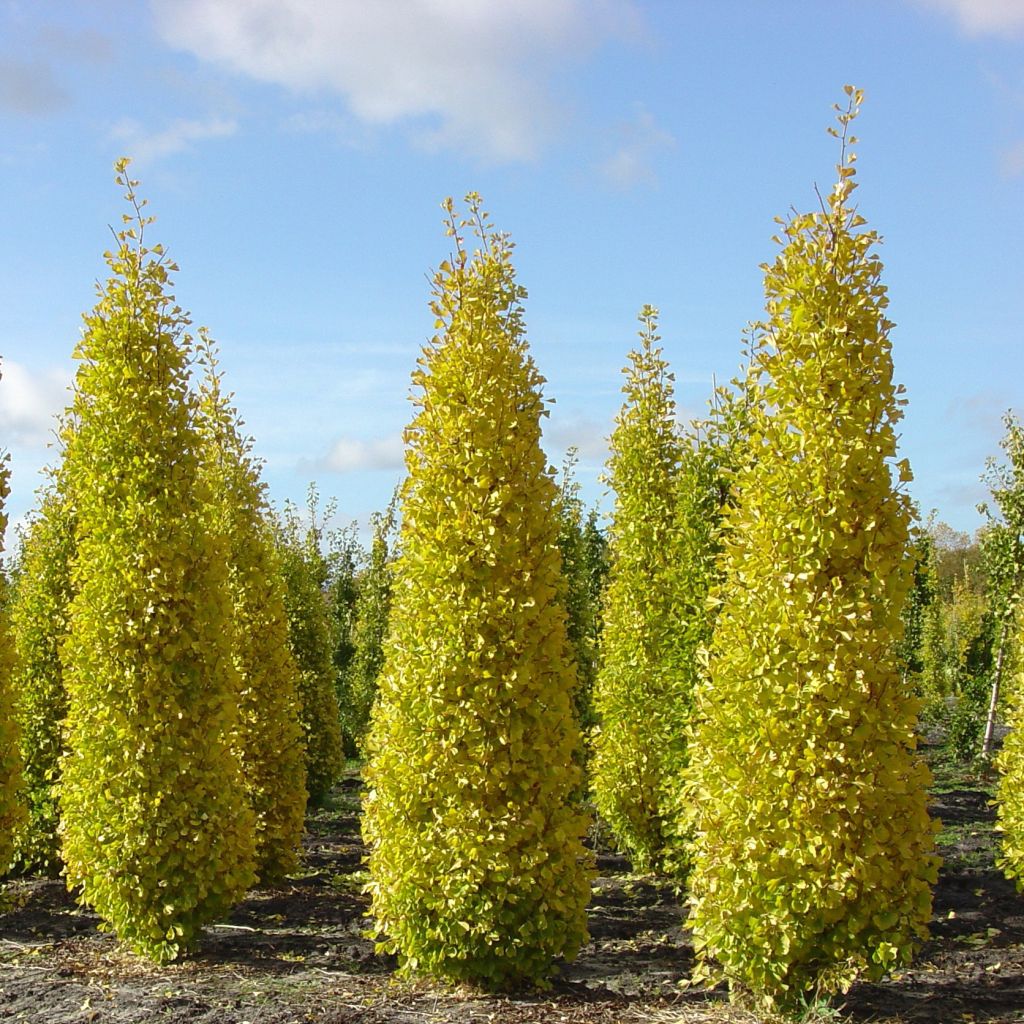
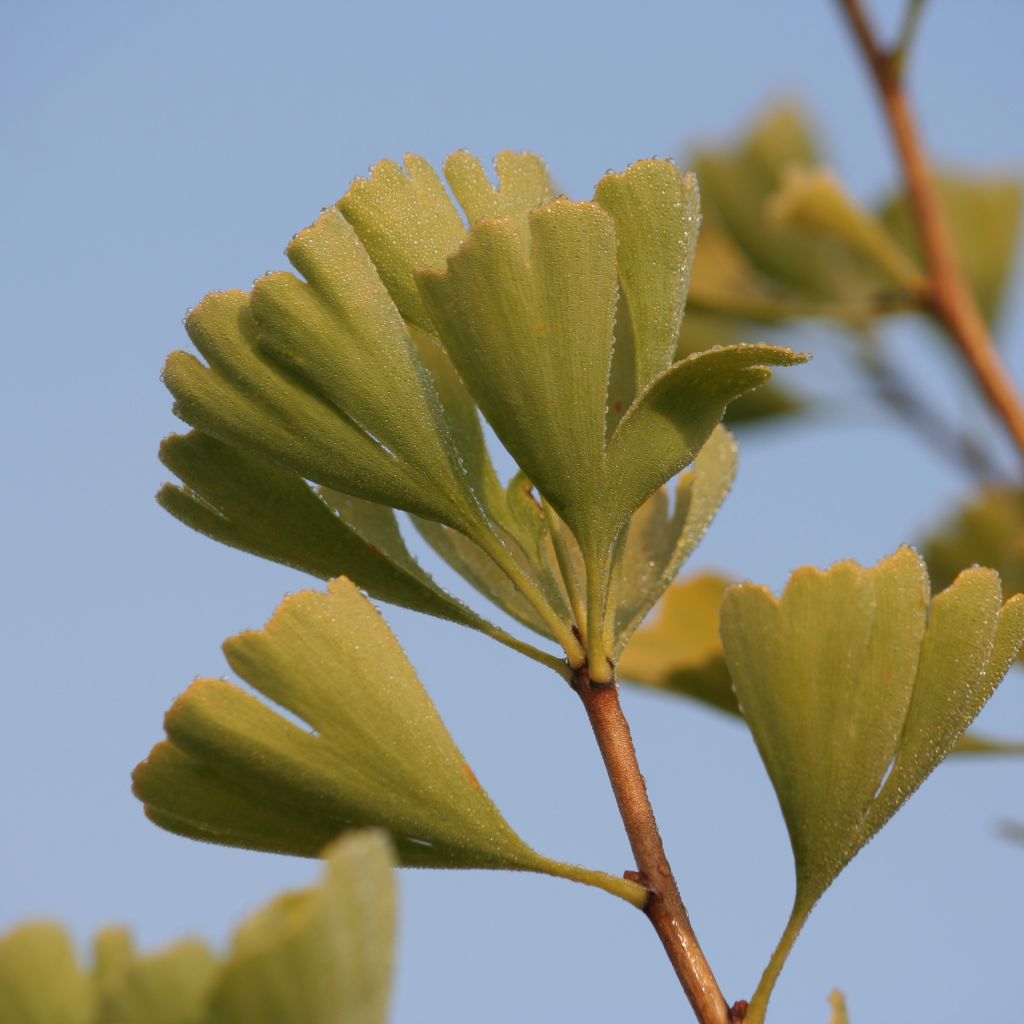
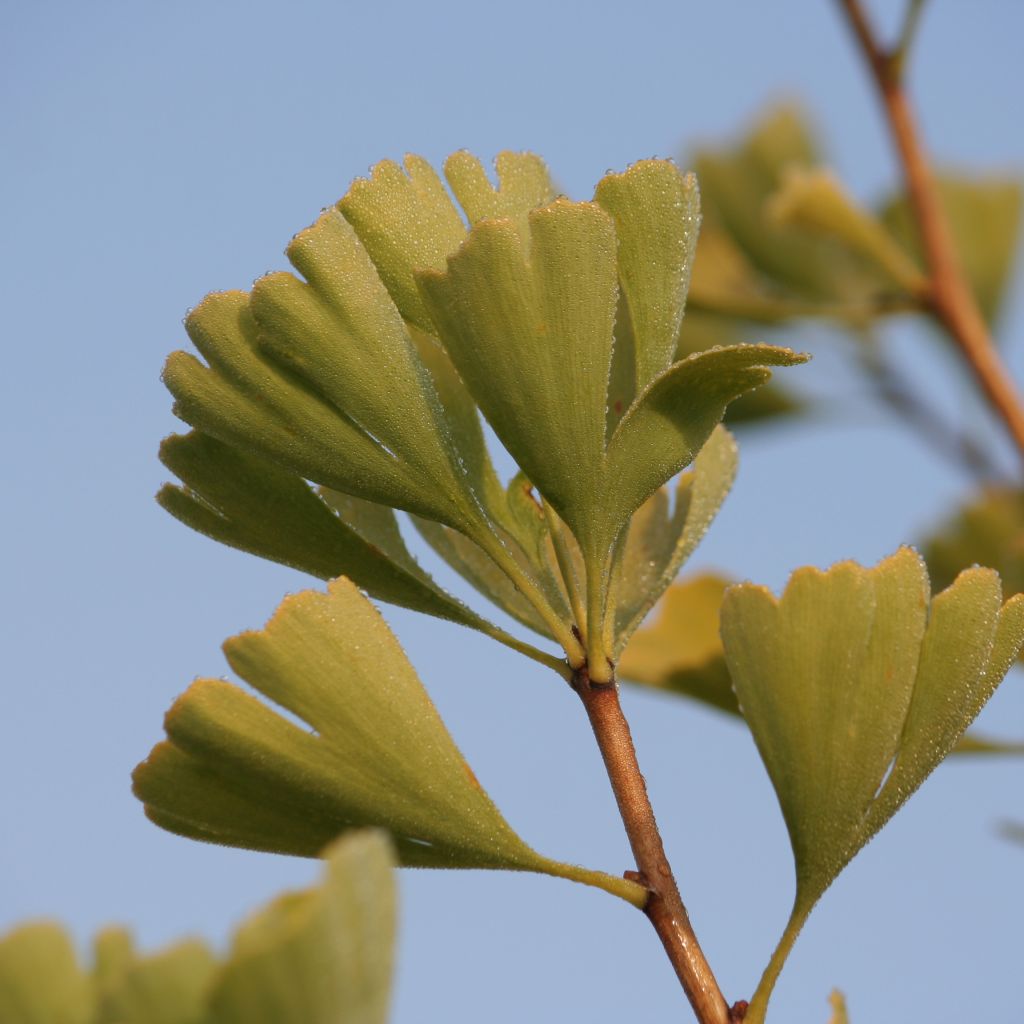
The Ginkgo biloba 'Blagon', also known as the Maidenhair tree 'Blagon', is a beautiful specimen that slowly reaches a height of 10 m (32 ft). It has a particularly narrow and conical habit. Its branches bear characteristic fan-shaped leaves that turn beautiful golden colours in autumn, but it never bears fruit. In winter, this wonderful conifer, the sole descendant of a species dating back to prehistoric times, having survived all catastrophes, reveals a perfect framework covered with grey and fissured bark. The impressive size of this mythical tree has been happily recreated to allow it, in the compact and columnar form of 'Blagon', to fit into our smaller gardens.
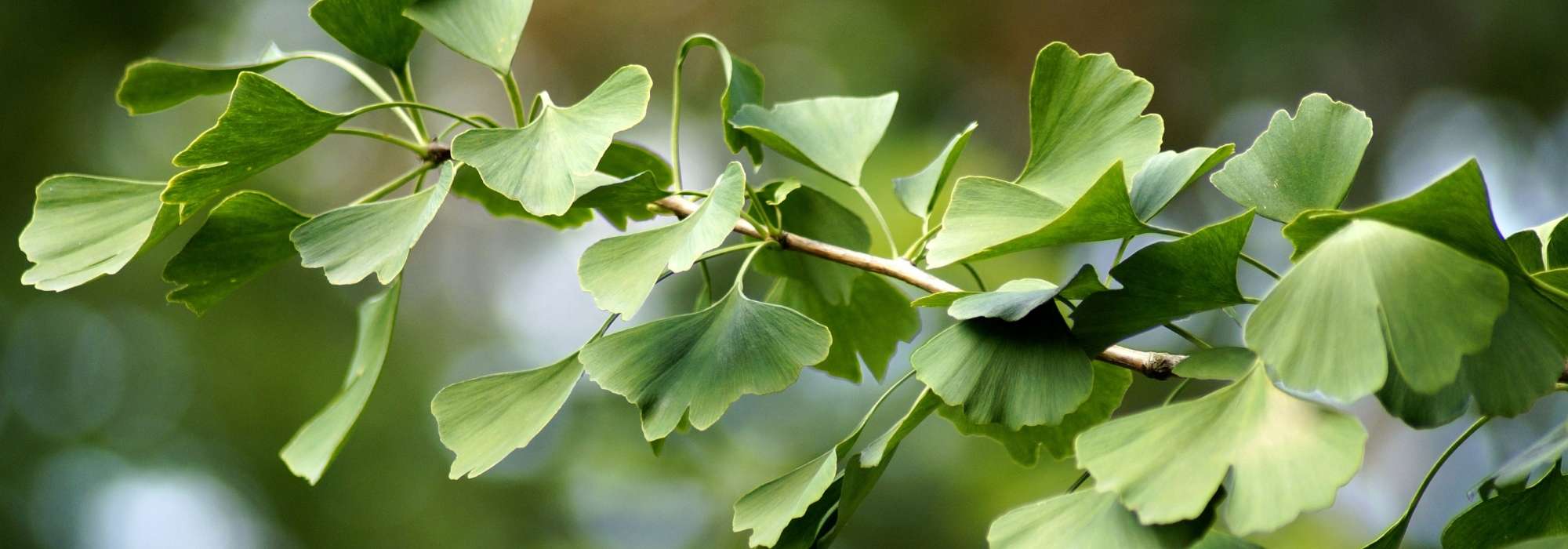
The Ginkgo biloba, also sometimes called 'Maidenhair Tree' due to the shape of its leaves and the pattern of its veins resembling capillaries, is a very primitive tree of the ginkgoales family, which is now practically extinct. This living fossil, which does not bear flowers, normally reaches a height of up to 24 m (78 ft) and shows an upright habit in its youth, becoming more spreading with age, measuring up to 9 m (29 ft) in diameter. This majestic tree, native to China, has now (and probably for a long time) disappeared from its natural habitat, owing its survival only to the admiration and respect it has inspired in the human species for many generations, which continues to plant and propagate it in its most beautiful parks.
'Blagon' is one of the few horticultural varieties derived from Ginkgo biloba. It is distinguished by its compact, narrow, and columnar habit, with branches naturally leaning towards the trunk, and the fact that all individuals are male. The tree will not exceed 10 m (32 ft) in height and 2 m (6 ft 7 in) in spread. It will not exceed 6 m (19 ft 8 in) in height at the age of 10-12 years. Its flat, deciduous leaves are semi-round, green, and turn a deep golden yellow colour at the end of the season, with the characteristic fan shape and measuring from 4 to 10 cm (3.9 in) wide. This beautiful tree has a spreading root system and develops quite slowly during the first 10-12 years of its life, and then faster afterwards.
Ginkgo 'Blagon' can be planted as a specimen tree on a short grass meadow, where it will become the focal point of the garden. It can also be planted with Persian Ironwood, with its flamboyant autumn foliage, or with Japanese maples, oakleaf hydrangea, or caramel trees. It is also a good tree for lining a city garden or a rooftop terrace.
Interestingly, despite its deciduous leaves, Ginkgo biloba is a conifer from a botanical point of view. It is a very hardy bush. It is also very resilient. It was one of the few trees to have survived the atomic bomb in Hiroshima in 1945!
It is the oldest species of tree found on Earth, dating back 300 million years, surviving all the cataclysms that the Earth has experienced. This tree has been living for thousands of years in the Tianmushan Mountains in southeastern China. It was reintroduced to Europe in the 18th century. With exceptional longevity, Ginkgo is also a medicinal plant whose foliage is used to reduce the symptoms of Alzheimer's disease.
Ginkgo biloba fastigiata Blagon in pictures
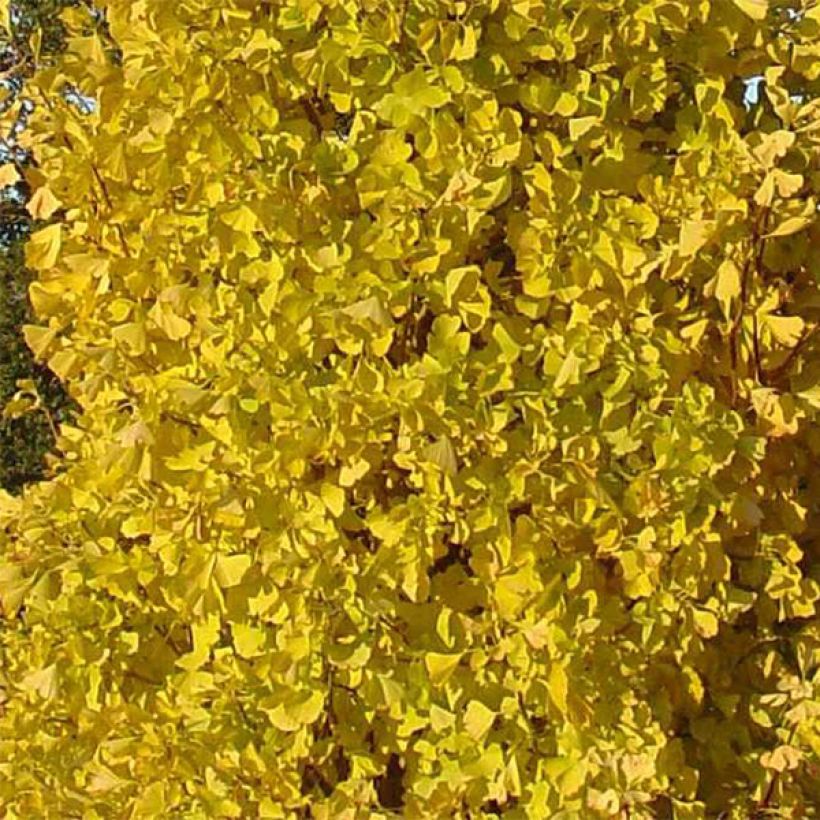
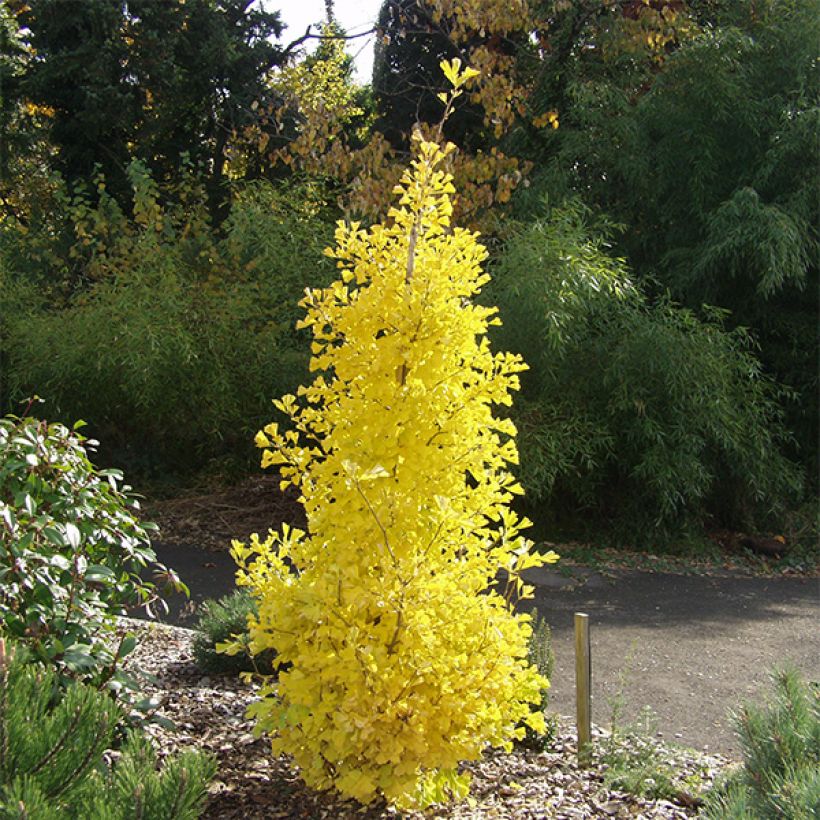
Plant habit
Foliage
Botanical data
Ginkgo
biloba
Blagon
Ginkgoaceae
Maidenhair Tree, Living Fossil Tree
Cultivar or hybrid
Planting and care
The Ginkgo Biloba 'Blagon' is a very hardy tree, resistant to temperatures as low as -30°C, but does not tolerate excessive heat; it suffers beyond 30°C, especially if the soil is dry. It thrives in the sun in any good fertile, deep and well-drained soil. We advise you to stake the young plants, which sometimes have a tendency not to grow straight. It is also important to ensure that it does not lack water during the summer period. It tolerates chalky soil as long as it remains moist. In dry soil, this tree will develop very slowly. But it will also suffer in soil that is too wet and heavy, constantly saturated with water. It is a very resilient bush that tolerates urban pollution well. When planting, dig a hole deep enough and rich in humus. During the plant's dormant period, in February-March, remove any unwanted or tangled stems to maintain a good habit of the plant.
Planting period
Intended location
Care
Planting & care advice
-
-
-

-
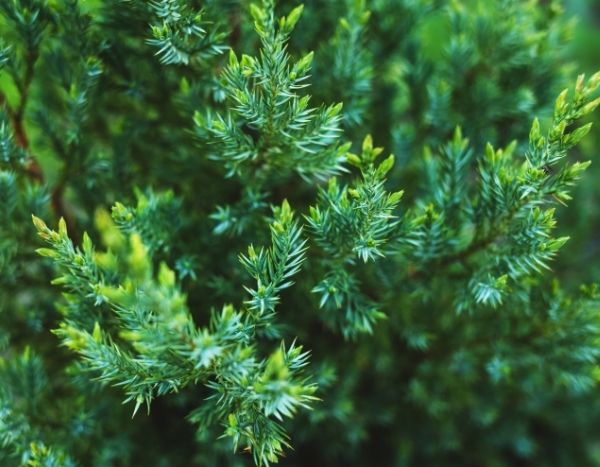
-
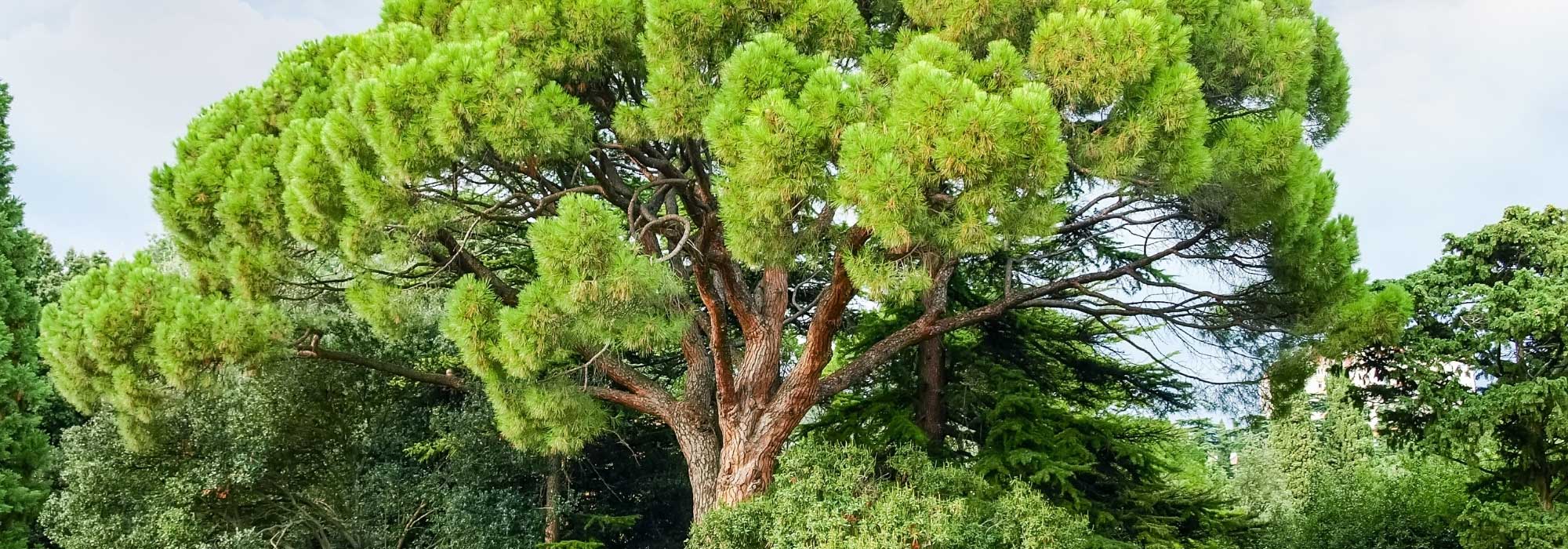
-
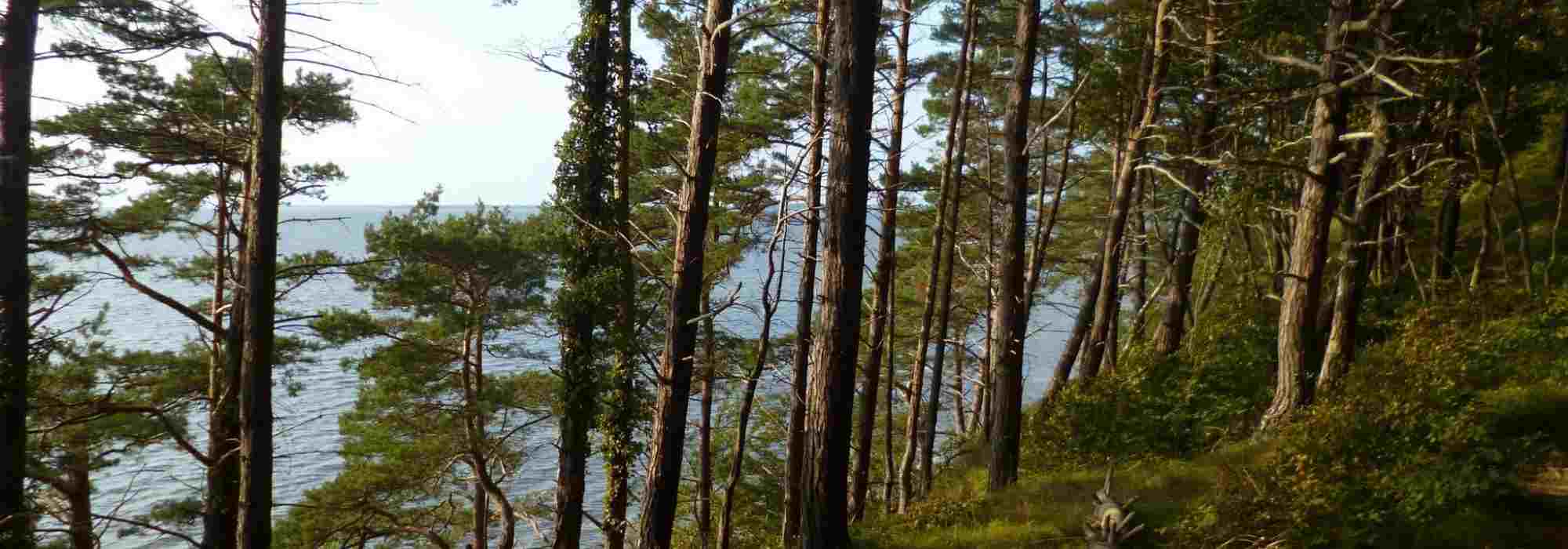
-
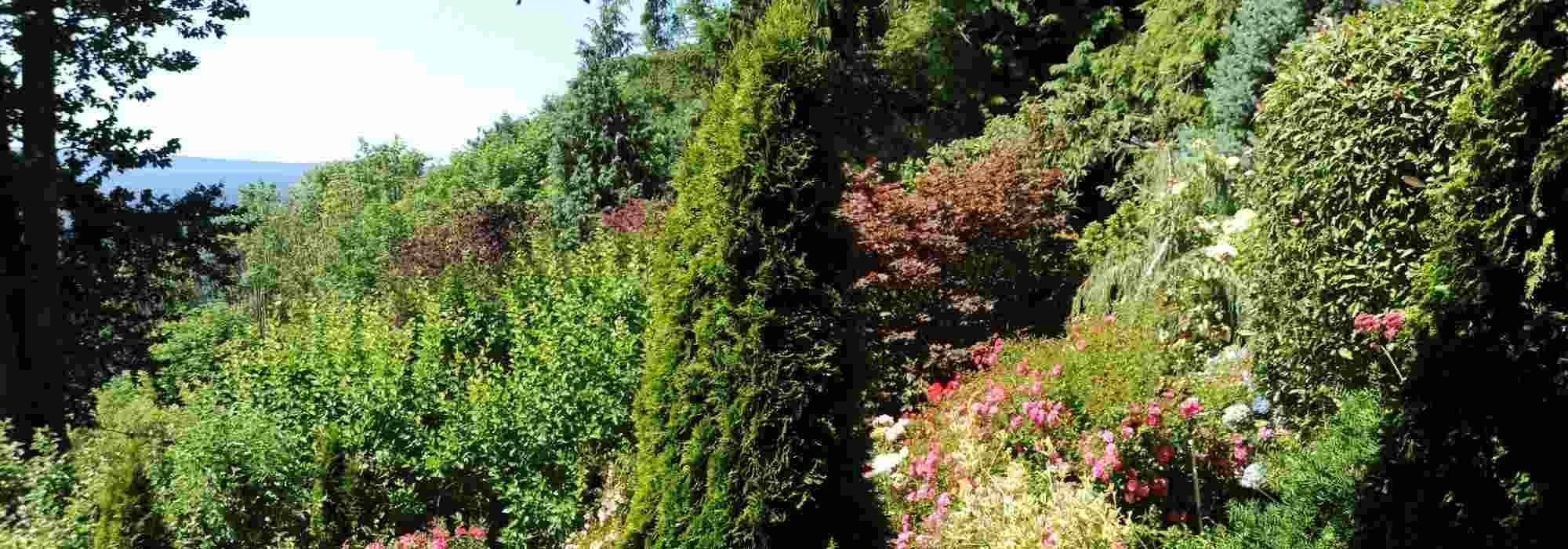
-

-
, onOrder confirmed
Reply from on Promesse de fleurs
Recently viewed products
Haven't found what you were looking for?
Hardiness is the lowest winter temperature a plant can endure without suffering serious damage or even dying. However, hardiness is affected by location (a sheltered area, such as a patio), protection (winter cover) and soil type (hardiness is improved by well-drained soil).

The flowering period indicated on our website applies to countries and regions located in USDA zone 8 (France, the United Kingdom, Ireland, the Netherlands, etc.)
It will vary according to where you live:- In zones 9 to 10 (Italy, Spain, Greece, etc.), flowering will occur about 2 to 4 weeks earlier.
- In zones 6 to 7 (Germany, Poland, Slovenia, and lower mountainous regions), flowering will be delayed by 2 to 3 weeks.
- In zone 5 (Central Europe, Scandinavia), blooming will be delayed by 3 to 5 weeks.
In temperate climates, pruning of spring-flowering shrubs (forsythia, spireas, etc.) should be done just after flowering.
Pruning of summer-flowering shrubs (Indian Lilac, Perovskia, etc.) can be done in winter or spring.
In cold regions as well as with frost-sensitive plants, avoid pruning too early when severe frosts may still occur.
The planting period indicated on our website applies to countries and regions located in USDA zone 8 (France, United Kingdom, Ireland, Netherlands).
It will vary according to where you live:
- In Mediterranean zones (Marseille, Madrid, Milan, etc.), autumn and winter are the best planting periods.
- In continental zones (Strasbourg, Munich, Vienna, etc.), delay planting by 2 to 3 weeks in spring and bring it forward by 2 to 4 weeks in autumn.
- In mountainous regions (the Alps, Pyrenees, Carpathians, etc.), it is best to plant in late spring (May-June) or late summer (August-September).
The harvesting period indicated on our website applies to countries and regions in USDA zone 8 (France, England, Ireland, the Netherlands).
In colder areas (Scandinavia, Poland, Austria...) fruit and vegetable harvests are likely to be delayed by 3-4 weeks.
In warmer areas (Italy, Spain, Greece, etc.), harvesting will probably take place earlier, depending on weather conditions.
The sowing periods indicated on our website apply to countries and regions within USDA Zone 8 (France, UK, Ireland, Netherlands).
In colder areas (Scandinavia, Poland, Austria...), delay any outdoor sowing by 3-4 weeks, or sow under glass.
In warmer climes (Italy, Spain, Greece, etc.), bring outdoor sowing forward by a few weeks.
Shipping country and language
Your country of residence may be:
Your country of residence is:
For a better user experience on our website, you can select:
Your shipping country:
-
 Austria
-
 Belgium
-
 Bosnia & Herzegovina
-
 Bulgaria
-
 Croatia
-
 Cyprus
-
 Czechia
-
 Denmark
-
 Estonia
-
 Finland
-
 France
-
 Germany
-
 Greece
-
 Hungary
-
 Iceland
-
 Ireland
-
 Italy
Italy
-
 Latvia
-
 Liechtenstein
-
 Lithuania
-
 Luxembourg
-
 Malta
Malta
-
 Netherlands
-
 Poland
-
 Portugal
-
 Romania
-
 Serbia
-
 Slovakia
-
 Slovenia
-
 Spain
Spain
-
 Sweden
-
 Switzerland
Language:
-
French
-
 English
-
Spanish
-
Italian
-
German
-
Portuguese
-
Dutch
-
Finnish
My Account
Hello
My wish lists
My cart
Log in / Register
Existing customer?
This form is protected by reCAPTCHA - the Google Privacy Policy and Terms of Service apply.
New customer?
Create an account to track your orders, access our customer service and, if you wish, make the most of our upcoming offers.