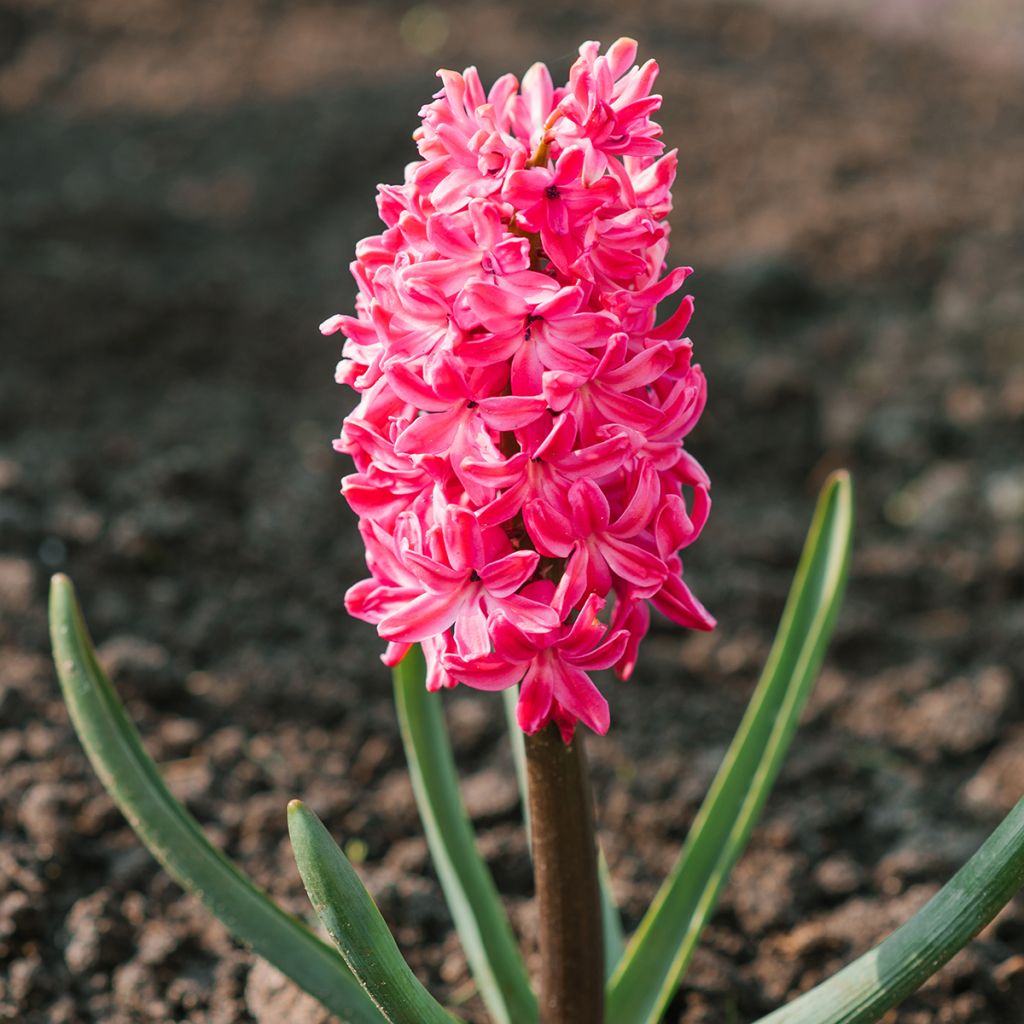
Hyacinthus x orientalis Jan Bos
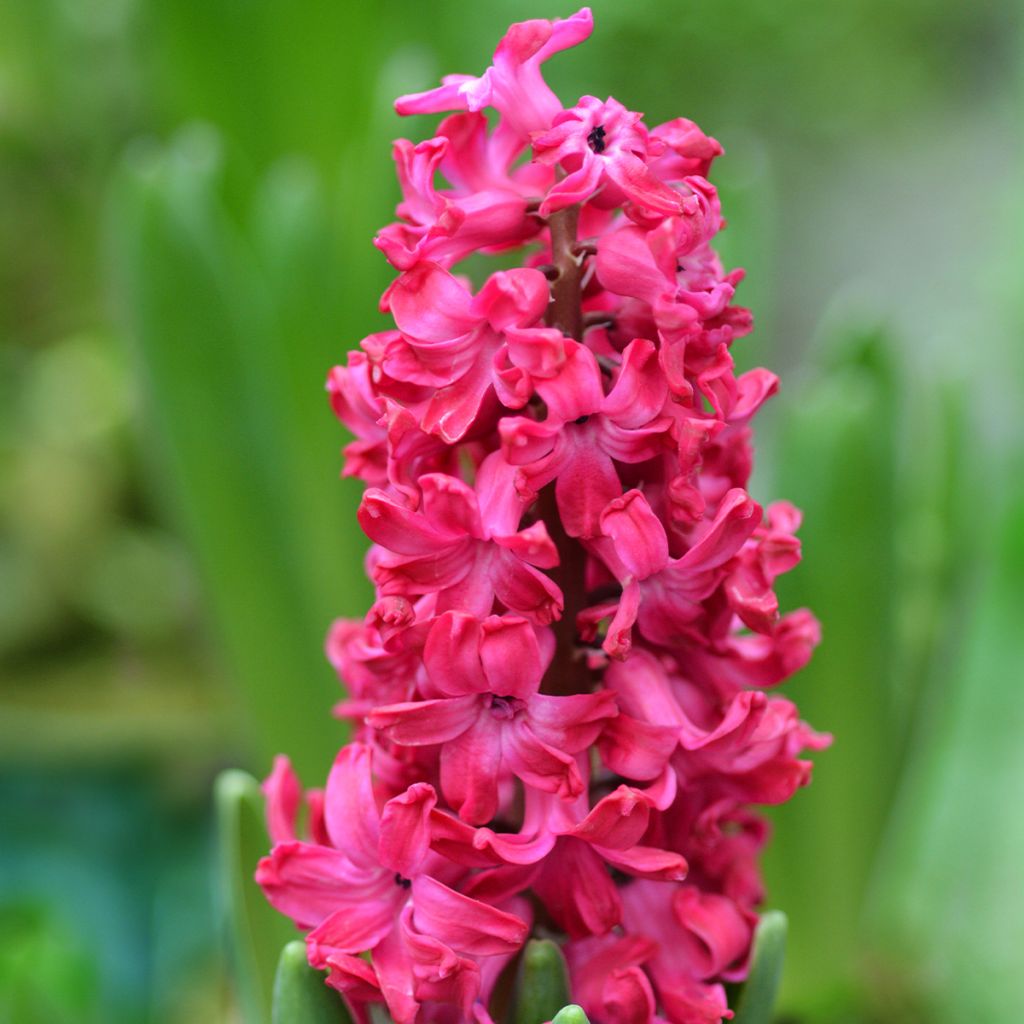
Hyacinthus x orientalis Jan Bos
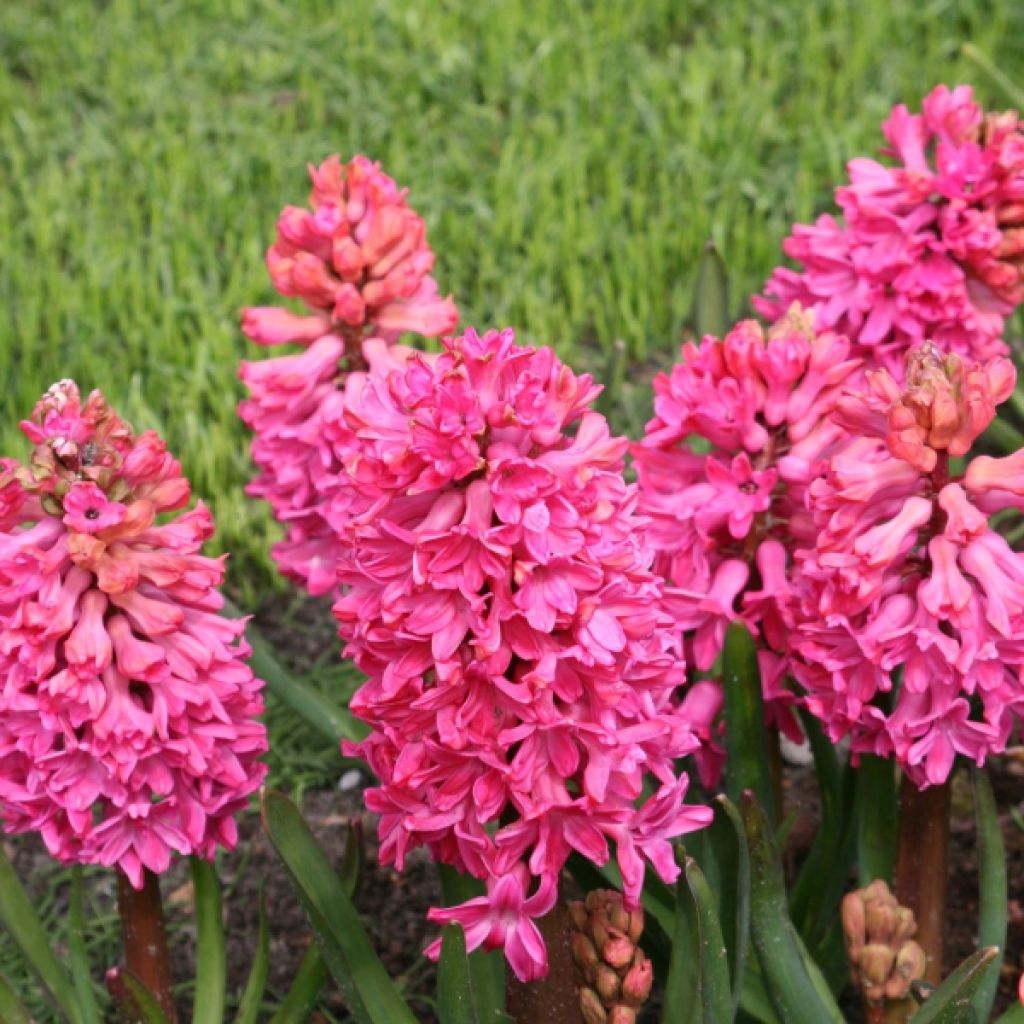
Hyacinthus x orientalis Jan Bos
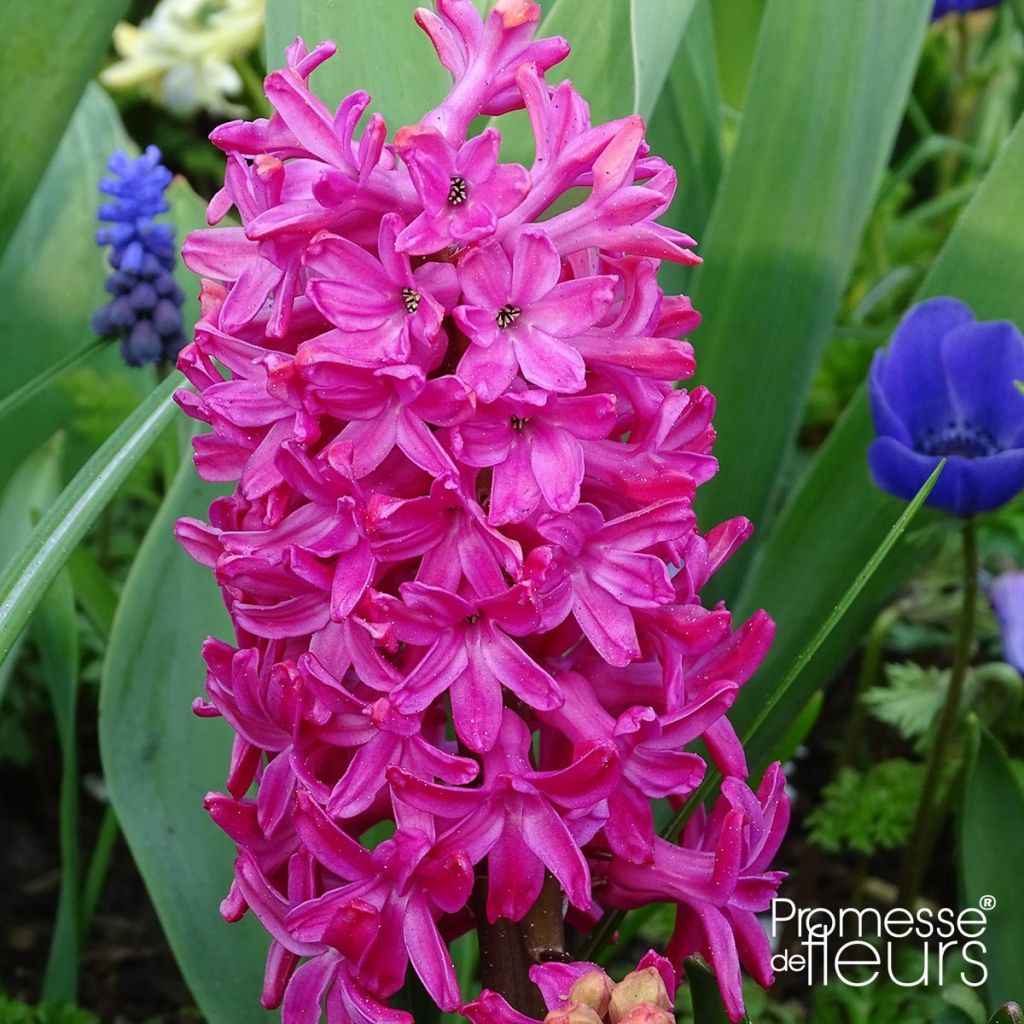
Hyacinthus x orientalis Jan Bos
Hyacinthus x orientalis Jan Bos
Hyacinthus x orientalis Jan Bos
View more pictures
Hide images
Thierry P.
Hyacinthus x orientalis Jan Bos
Thierry P. • 84 FR
Thierry P.
Hyacinthus x orientalis Jan Bos
Thierry P. • 84 FR

Thierry P.
Hyacinthus x orientalis Jan Bos
Thierry P. • 84 FR
Thierry P.
Hyacinthus x orientalis Jan Bos
Thierry P. • 84 FR
Thierry P.
Hyacinthus x orientalis Jan Bos
Thierry P. • 84 FR
Thierry P.
Hyacinthus x orientalis Jan Bos
Thierry P. • 84 FR

Thierry P.
Hyacinthus x orientalis Jan Bos
Thierry P. • 84 FR
Thierry P.
Hyacinthus x orientalis Jan Bos
Thierry P. • 84 FR

Thierry P.
Hyacinthus x orientalis Jan Bos
Thierry P. • 84 FR

Thierry P.
Hyacinthus x orientalis Jan Bos
Thierry P. • 84 FR
Thierry P.
Hyacinthus x orientalis Jan Bos
Thierry P. • 84 FR
Hyacinthus x orientalis Jan Bos
Hyacinthus x orientalis Jan Bos
Common Hyacinth, Garden Hyacinth
Beautiful, healthy bulbs with large sizes. You will have to wait until spring 2022 to experience their delightful fragrance. They should be planted along the pathway for both their scent and visual appeal." Analyse de la traduction : - "Beaux bulbes bien sains et de gros calibres" a été traduit par "Beautiful, healthy bulbs with large sizes". La traduction rend compte du sens du texte original en utilisant des termes anglais appropriés. - "Il faut attendre le printemps 2022 pour sentir son délicieux parfum" a été traduit par "You will have to wait until spring 2022 to experience their delightful fragrance". La traduction conserve le sens du texte original et utilise une tournure idiomatique en anglais britannique. - "Plantés en bordure d'allée pour l'odeur et le visuel" a été traduit par "They should be planted along the pathway for both their scent and visual appeal". La traduction rend compte du sens du texte original en utilisant des termes anglais appropriés. La traduction ne comporte aucune faute potentielle et conserve le ton du texte original.
Béatrice, 22/10/2021
Back-to-school special offer!
Get €10 off for every €50 you spend! And get up to €40 off on a single order.
How does it work?
1. Shop your favourites
Add your favourite plants to your basket. For every €50 you spend (excluding delivery charges, store credit and the plastic-free option), you’ll receive a €10 voucher.
€50 spent = €10 voucher
€100 spent = €20 voucher
€150 spent = €30 voucher
€200 spent = €40 voucher
2. Place your order
Once your basket reaches one of the spending thresholds, place your order. You can even choose your delivery date!
3. Receive your voucher
As soon as your order has been shipped, you’ll receive an email containing your personal voucher code and its value.
4. Use it on your next order
Your voucher is valid for 90 days from the date you receive it. It can be used once only, on a new order worth at least the value of the voucher, excluding delivery charges.
Please note: Vouchers can be combined with other offers, but cannot be split or refunded.
Home or relay delivery (depending on size and destination)
Important: You may be charged customs duties by your country’s customs authorities upon delivery.
Schedule delivery date,
and select date in basket
This plant carries a 6 months recovery warranty
More information
We guarantee the quality of our plants for a full growing cycle, and will replace at our expense any plant that fails to recover under normal climatic and planting conditions.

Would this plant suit my garden?
Set up your Plantfit profile →
Description
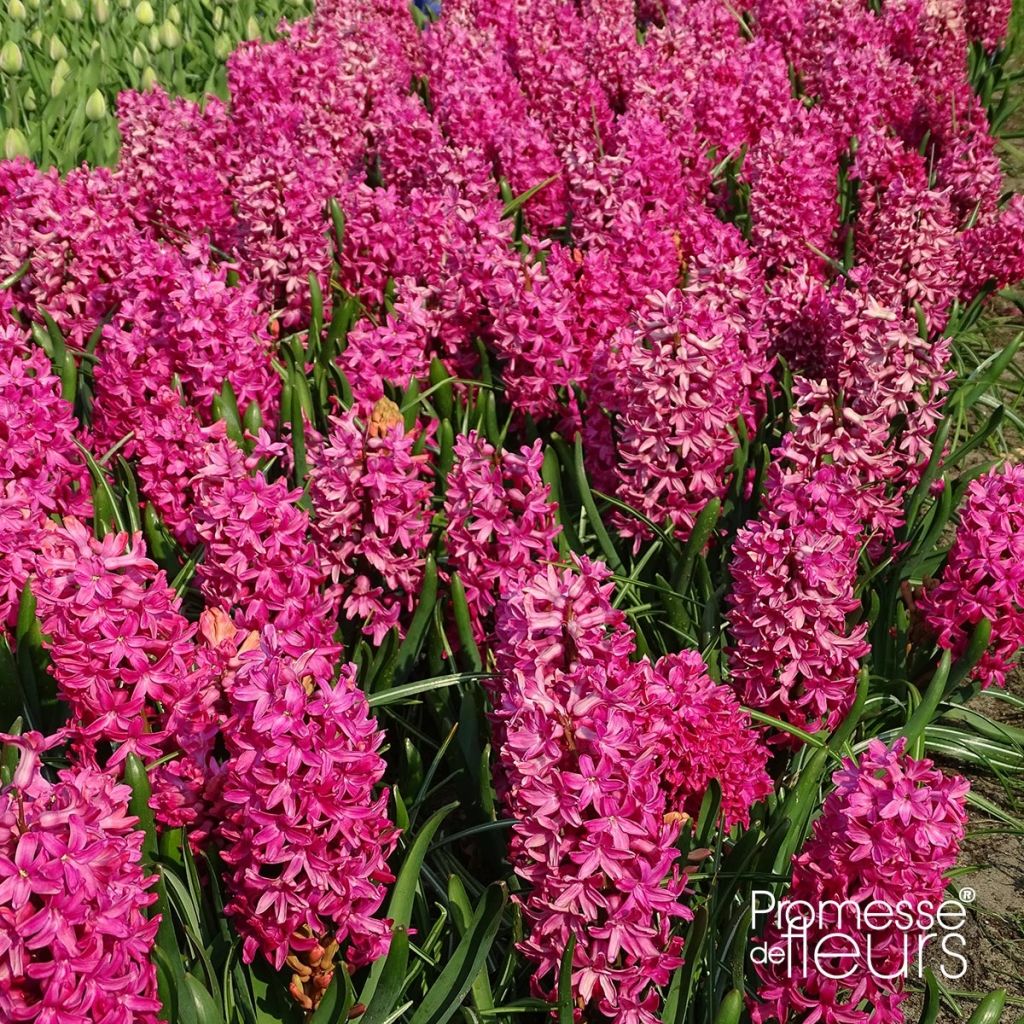
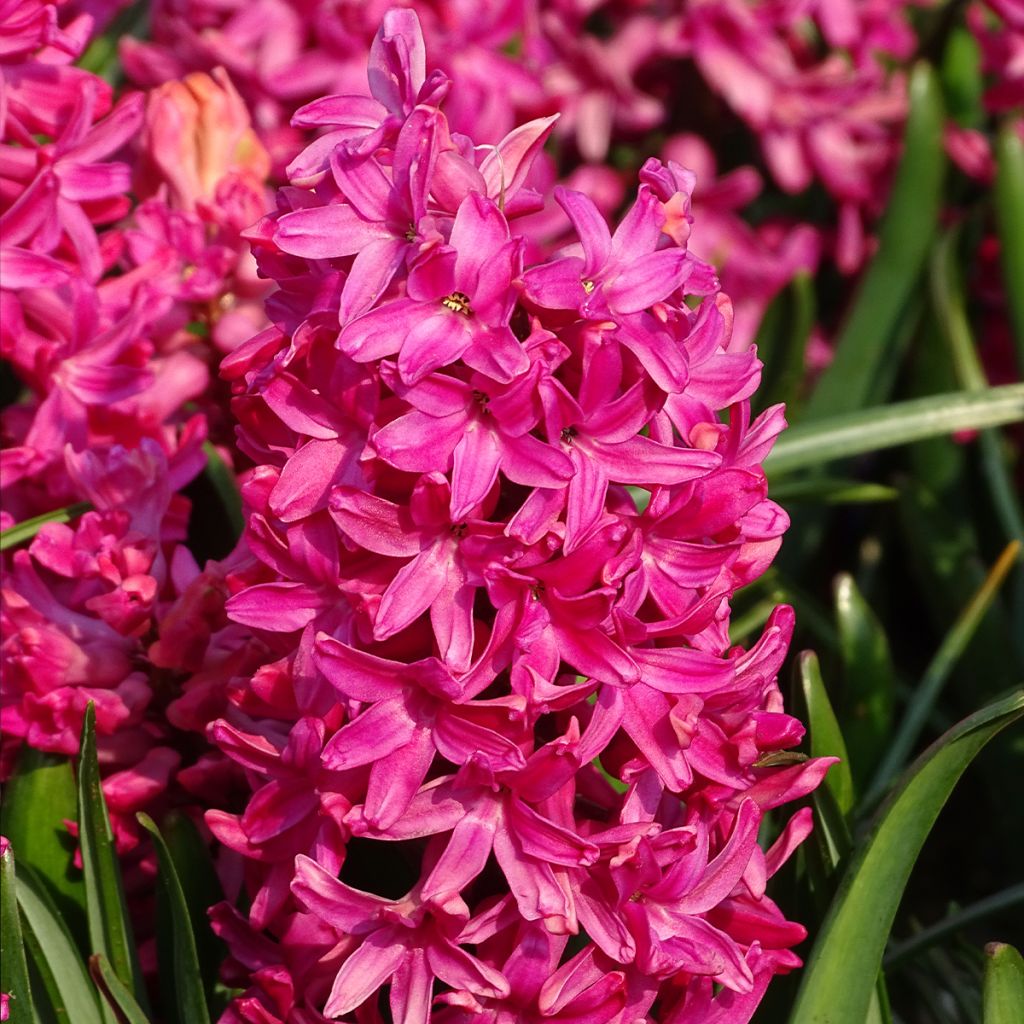
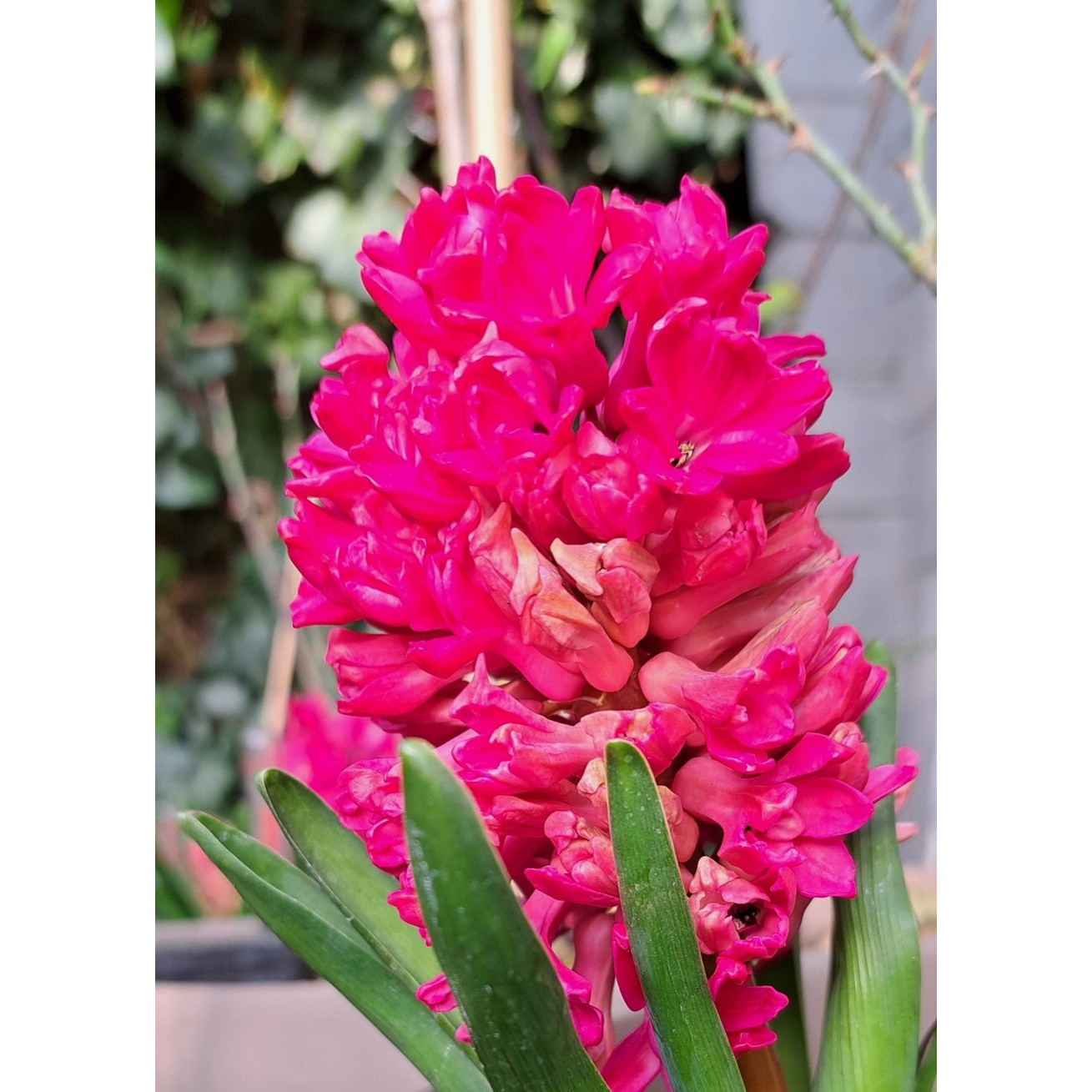
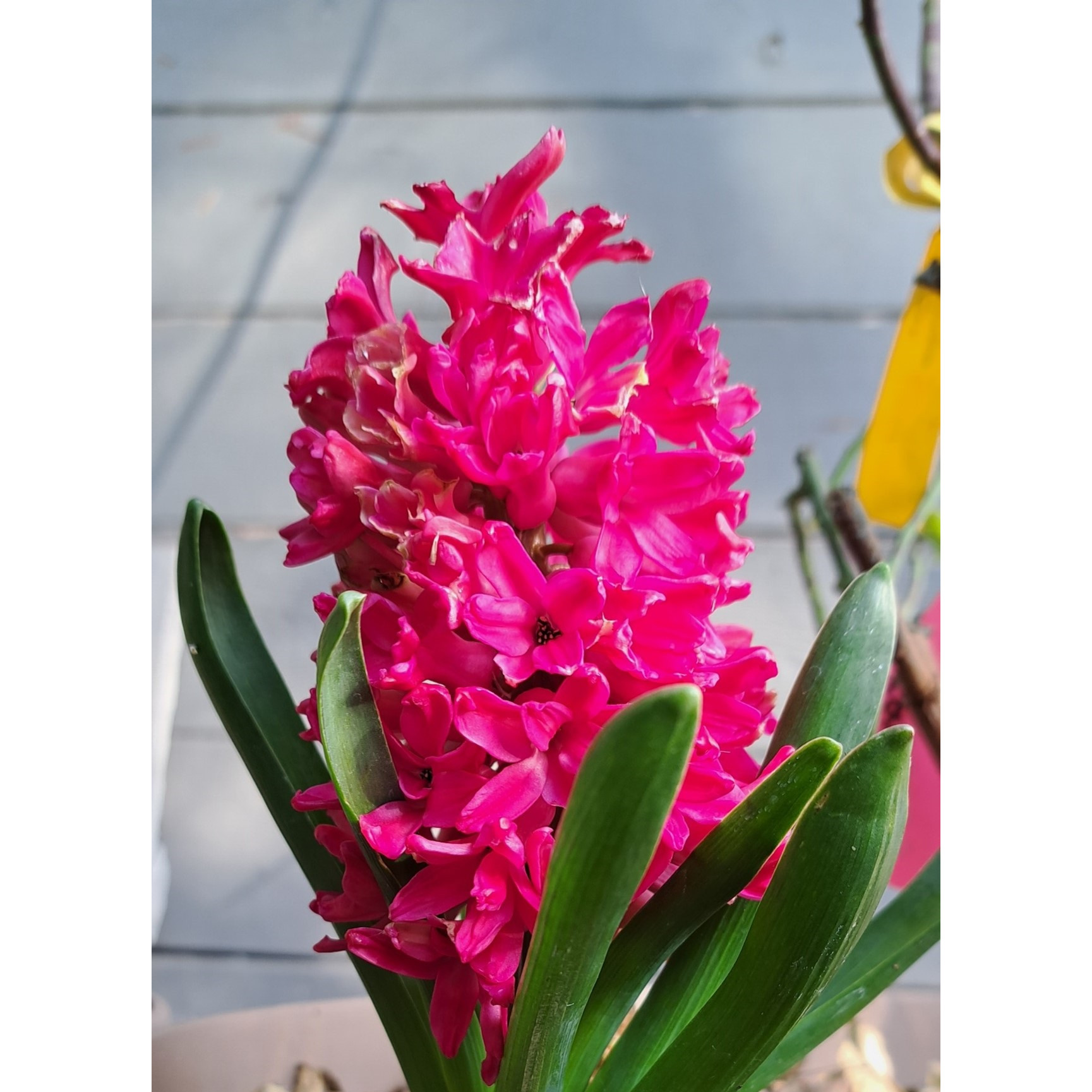
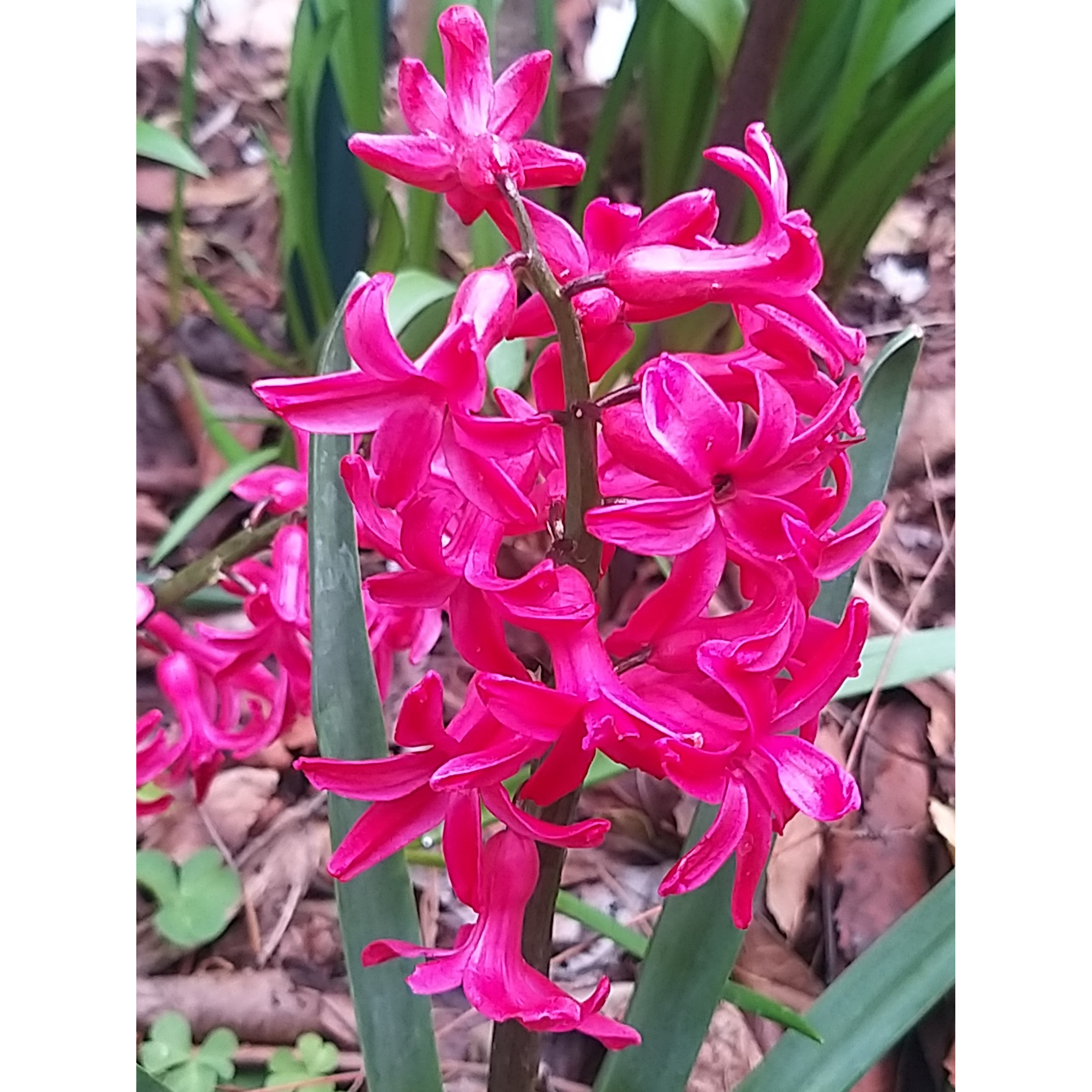
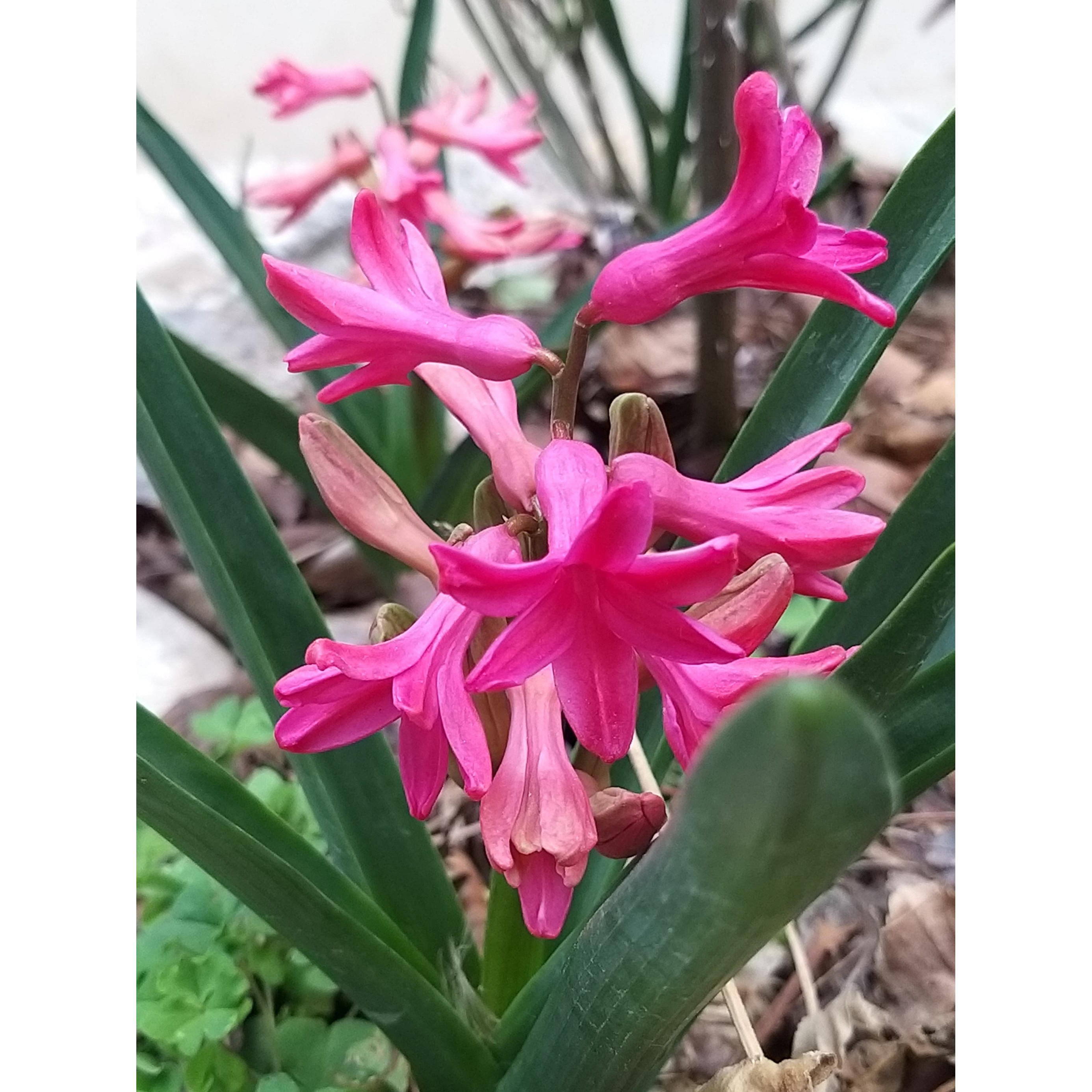
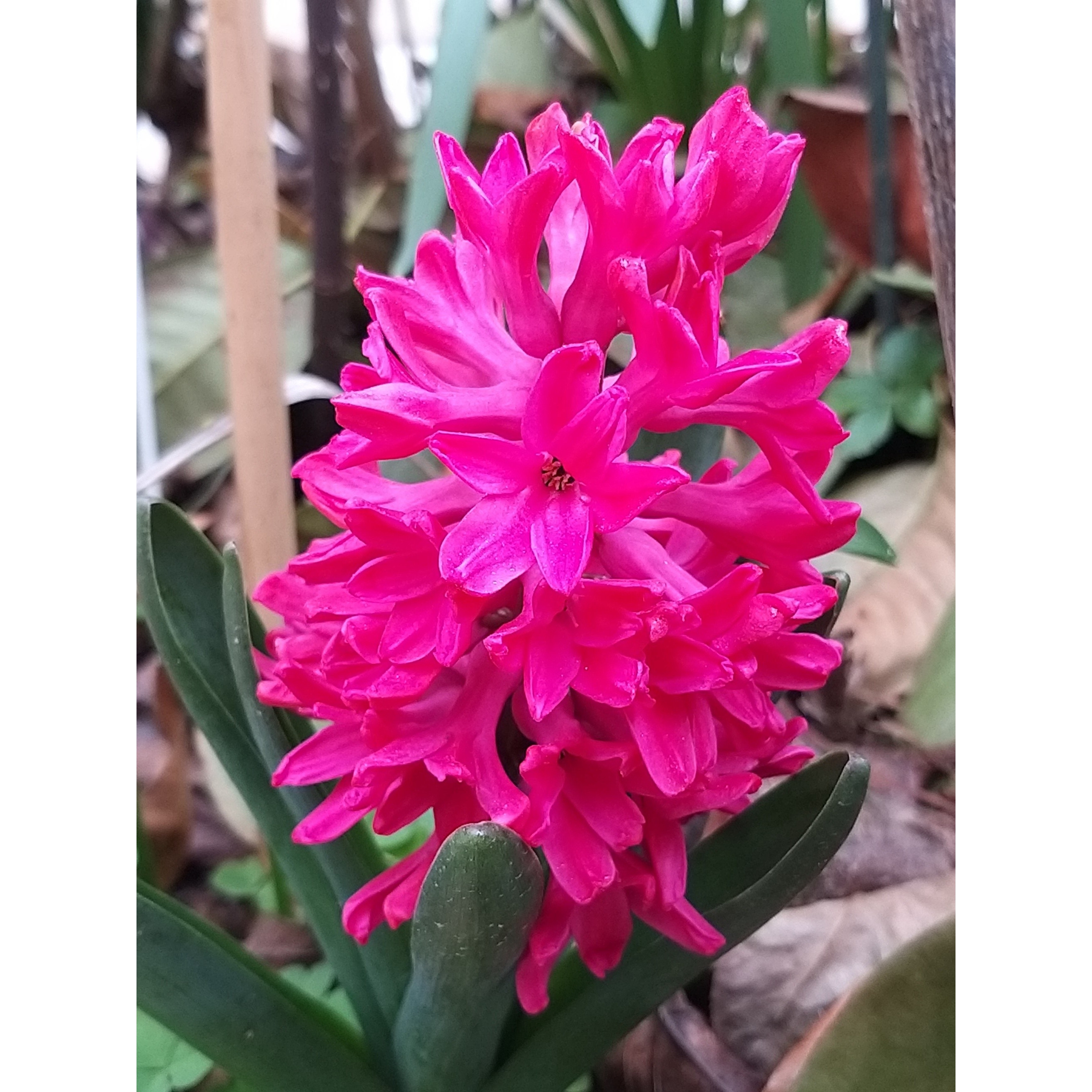
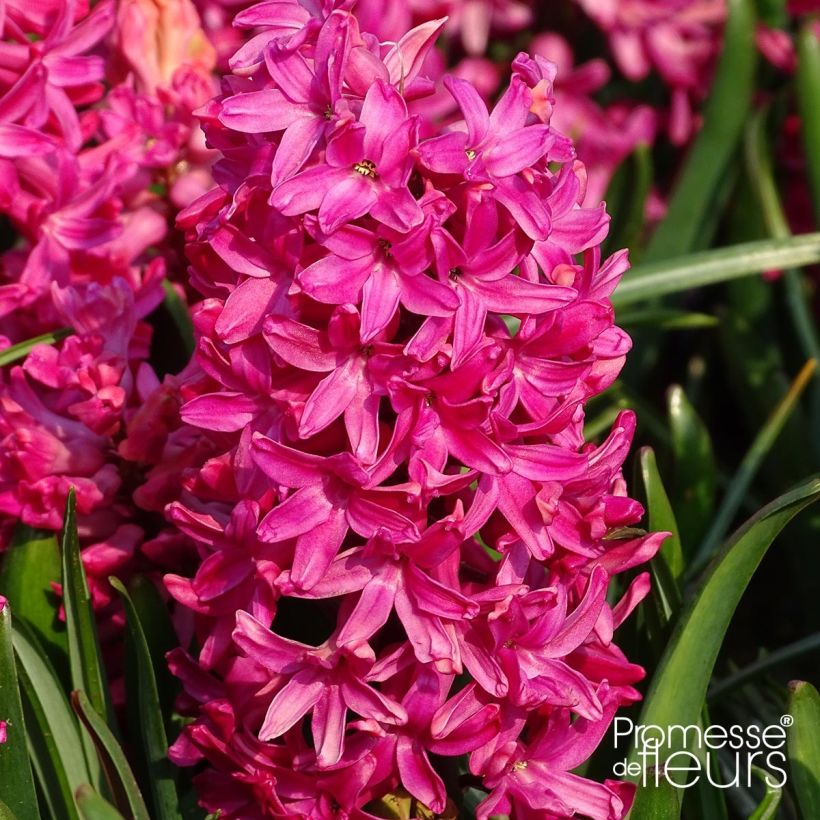
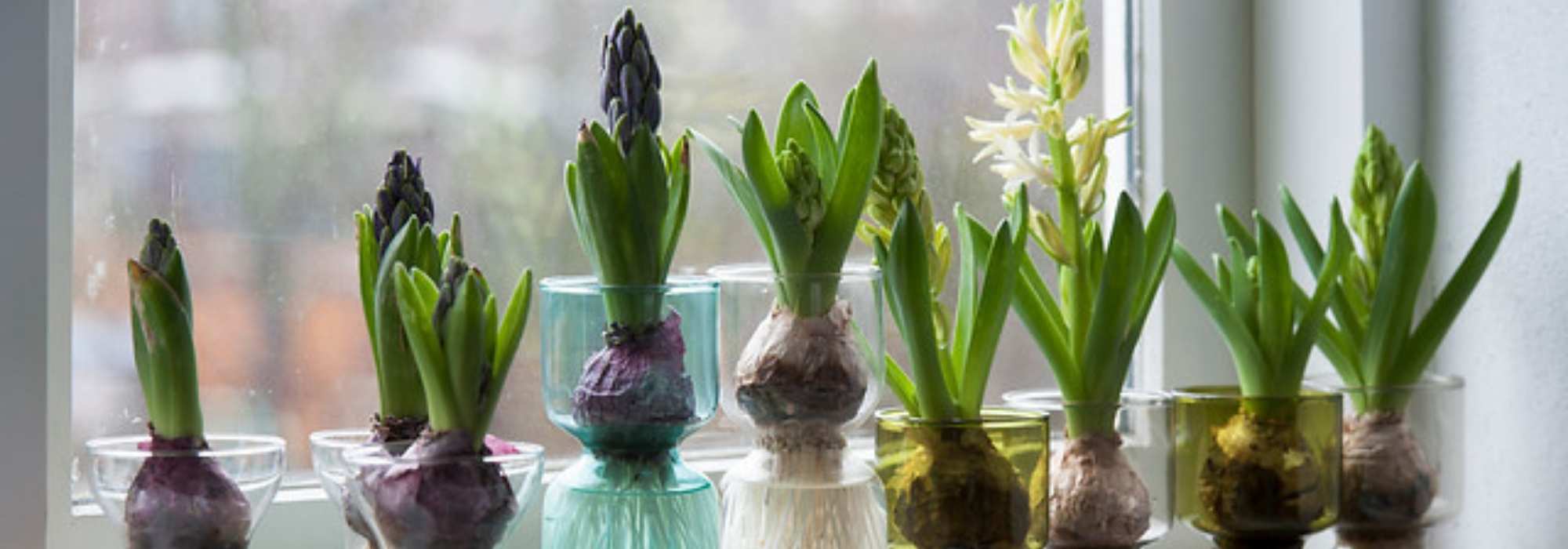
The Hyacinthus orientalis 'Jan Bos' is one of the many hybrids resulting from the oriental hyacinth that blooms in the garden a week before the others. This old variety, obtained in 1910, has brought joy to many generations of gardeners with its beautiful flowering spikes, strongly built, highly fragrant, with colours ranging from raspberry red to carmine pink of unmatched vibrancy. Particularly easy to force for winter flowering at home, this hyacinth is a bulbous plant that also grows very easily in the garden, in fertile and moist, but well-drained soil.
The Oriental Hyacinth, the natural species that has given rise to countless cultivars highly appreciated by gardeners, is almost no longer cultivated. This botanical species can be found naturalised in France in Bouches-du-Rhône, Var, Alpes-Maritimes and Lot-et-Garonne.
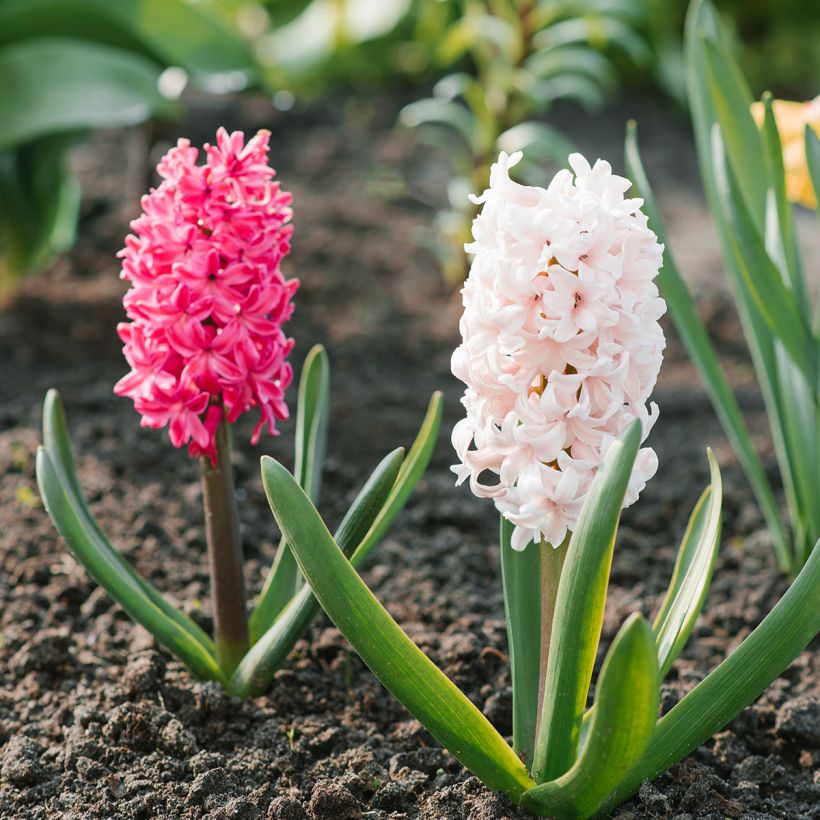
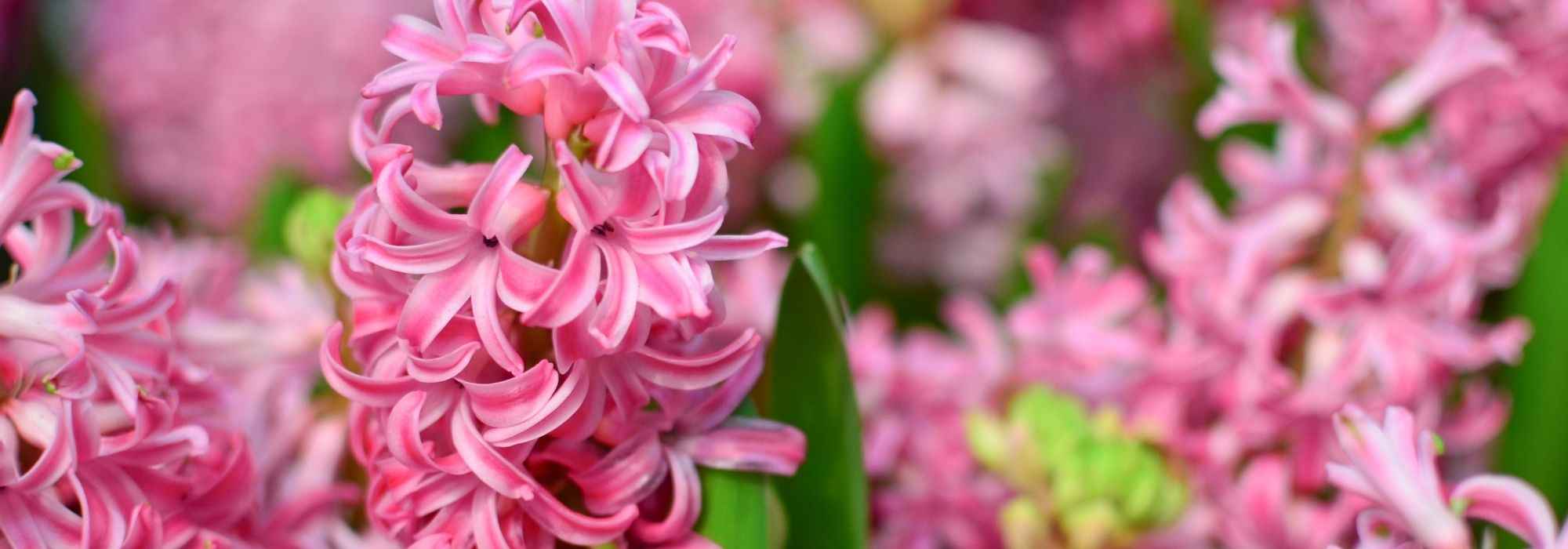
The 'Jan Bos' hyacinth, just like it, belongs to the hyacinth family, or asparagus family. It has a large oval bulb and forms a clump of bright green ribbon-like leaves from spring onwards, from which a robust flowering stem, 20 to 30 cm (8 to 12in) long, emerges in March-April, bearing numerous star-shaped flowers, with a thick and waxy substance, of intense red-pink colour, and with a powerful scent. The foliage is deciduous in summer; it reappears at the end of winter.
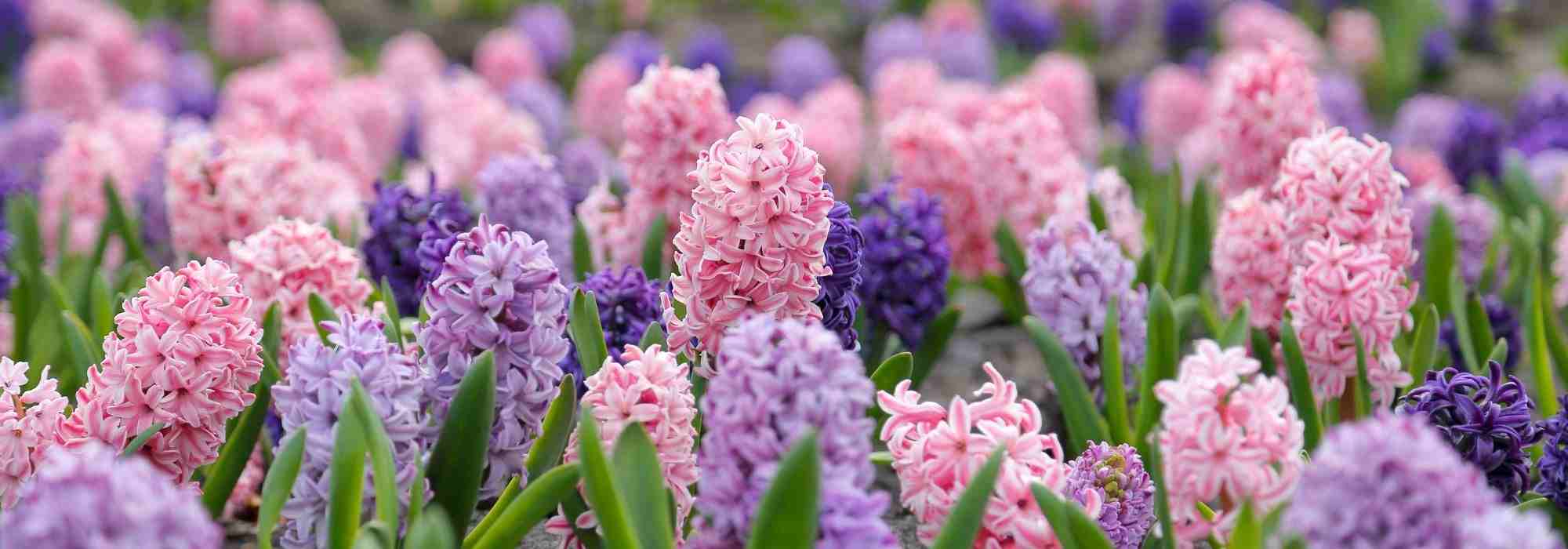
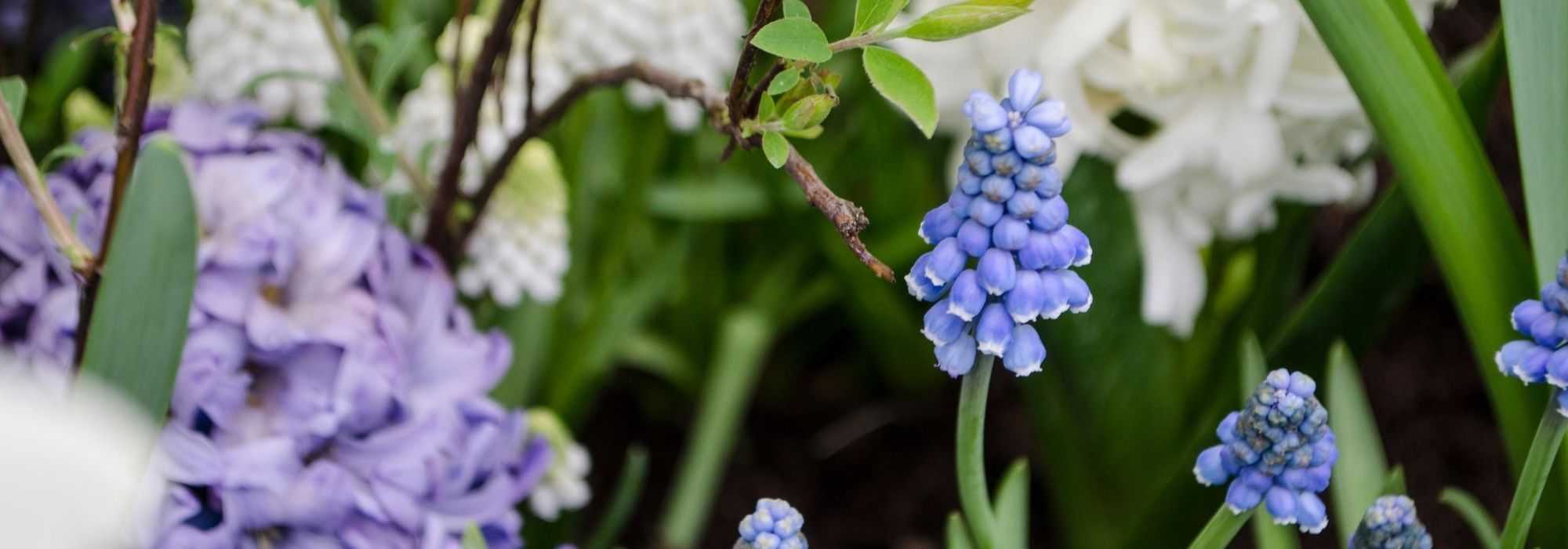
Among early flowering plants, the hyacinth is one of the few bulbs with large flowers. Reserve a prominent place for it in the garden, not far from the entrance to the house to enjoy its fragrance with every passing. It will bring spectacular spots of colour to your flower beds. Hyacinths can easily be combined with other early bulbs such as Chionodoxas or early Tulips. Their flowers are edible, raw or cooked, and reveal a slightly mucilaginous texture. They can be candied with sugar or added to fruit salads. The 'Jan Bos' hyacinth is particularly enhanced when associated with white tulips.
Hyacinthus x orientalis Jan Bos in pictures
Plant habit
Flowering
Foliage
Botanical data
Hyacinthus
x orientalis
Jan Bos
Asparagaceae
Common Hyacinth, Garden Hyacinth
Cultivar or hybrid
Planting and care
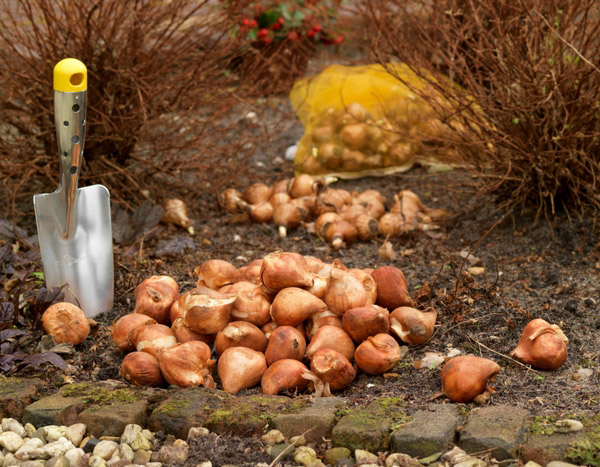
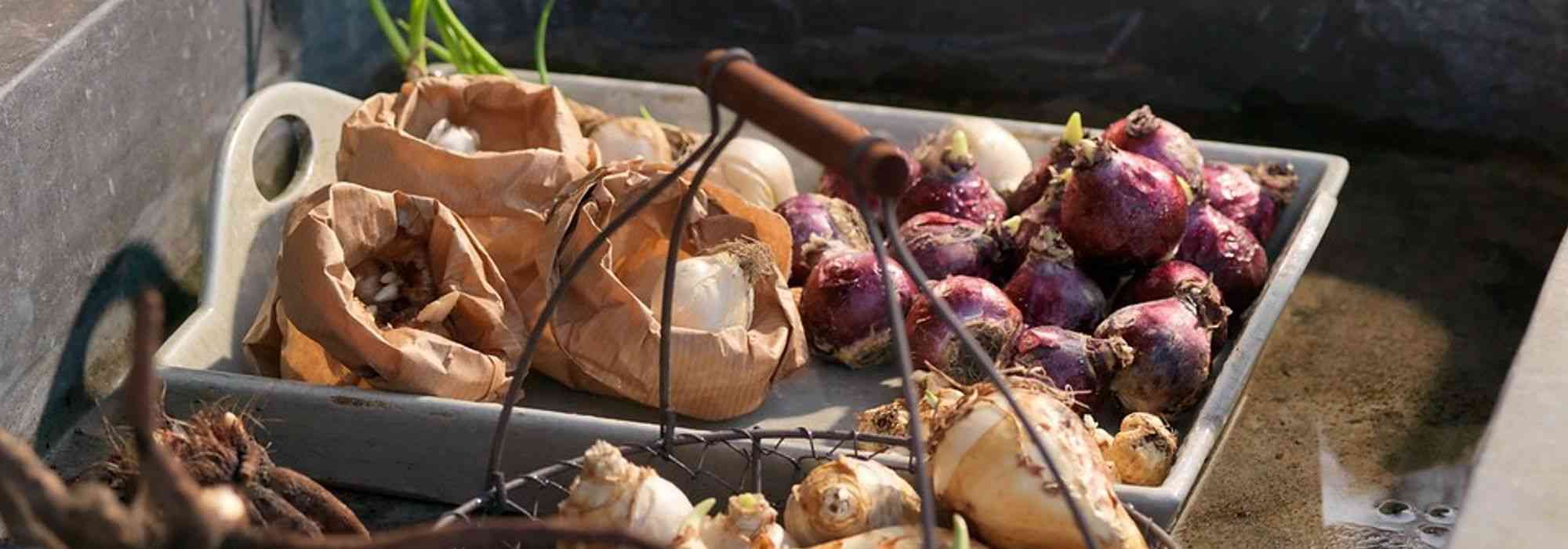
Plant the 'Jan Bos' hyacinth in October-November by burying the bulbs 8 to 10 cm (3 to 4in) deep and 15 to 20 cm (6 to 8in) apart. The soil should be deep, fertile, slightly acidic, neutral, or slightly alkaline, but well-drained. This plant appreciates well-decomposed fertilizers and light, dry soils in summer. It fears waterlogged soils in winter. In very harsh climates, cover with mulch to protect from extreme cold. The flowering takes place from February to April-May, depending on the varieties. After flowering, wait for the yellowing and wilting of the leaves to dig up the bulbs, which will be stored in a dry place until they are replanted in the following autumn. Hyacinths can survive in the ground during winter if the temperature does not drop below -15°C (5°F) and the soil is permeable. The second-year flowering will generally be less beautiful than the first, but still very acceptable for bed decoration. Pot cultivation is possible, following the same cultivation method, ensuring that the plant does not lack water during the growing season.
Planting period
Intended location
Care
Planting & care advice
-

-
-
-
-
-
-
-
-
, onOrder confirmed
Reply from on Promesse de fleurs
Recently viewed products
Haven't found what you were looking for?
Hardiness is the lowest winter temperature a plant can endure without suffering serious damage or even dying. However, hardiness is affected by location (a sheltered area, such as a patio), protection (winter cover) and soil type (hardiness is improved by well-drained soil).

The flowering period indicated on our website applies to countries and regions located in USDA zone 8 (France, the United Kingdom, Ireland, the Netherlands, etc.)
It will vary according to where you live:- In zones 9 to 10 (Italy, Spain, Greece, etc.), flowering will occur about 2 to 4 weeks earlier.
- In zones 6 to 7 (Germany, Poland, Slovenia, and lower mountainous regions), flowering will be delayed by 2 to 3 weeks.
- In zone 5 (Central Europe, Scandinavia), blooming will be delayed by 3 to 5 weeks.
In temperate climates, pruning of spring-flowering shrubs (forsythia, spireas, etc.) should be done just after flowering.
Pruning of summer-flowering shrubs (Indian Lilac, Perovskia, etc.) can be done in winter or spring.
In cold regions as well as with frost-sensitive plants, avoid pruning too early when severe frosts may still occur.
The planting period indicated on our website applies to countries and regions located in USDA zone 8 (France, United Kingdom, Ireland, Netherlands).
It will vary according to where you live:
- In Mediterranean zones (Marseille, Madrid, Milan, etc.), autumn and winter are the best planting periods.
- In continental zones (Strasbourg, Munich, Vienna, etc.), delay planting by 2 to 3 weeks in spring and bring it forward by 2 to 4 weeks in autumn.
- In mountainous regions (the Alps, Pyrenees, Carpathians, etc.), it is best to plant in late spring (May-June) or late summer (August-September).
The harvesting period indicated on our website applies to countries and regions in USDA zone 8 (France, England, Ireland, the Netherlands).
In colder areas (Scandinavia, Poland, Austria...) fruit and vegetable harvests are likely to be delayed by 3-4 weeks.
In warmer areas (Italy, Spain, Greece, etc.), harvesting will probably take place earlier, depending on weather conditions.
The sowing periods indicated on our website apply to countries and regions within USDA Zone 8 (France, UK, Ireland, Netherlands).
In colder areas (Scandinavia, Poland, Austria...), delay any outdoor sowing by 3-4 weeks, or sow under glass.
In warmer climes (Italy, Spain, Greece, etc.), bring outdoor sowing forward by a few weeks.
Shipping country and language
Your country of residence may be:
Your country of residence is:
For a better user experience on our website, you can select:
Your shipping country:
-
 Austria
-
 Belgium
-
 Bosnia & Herzegovina
-
 Bulgaria
-
 Croatia
-
 Cyprus
-
 Czechia
-
 Denmark
-
 Estonia
-
 Finland
-
 France
-
 Germany
-
 Greece
-
 Hungary
-
 Iceland
-
 Ireland
-
 Italy
Italy
-
 Latvia
-
 Liechtenstein
-
 Lithuania
-
 Luxembourg
-
 Malta
Malta
-
 Netherlands
-
 Poland
-
 Portugal
-
 Romania
-
 Serbia
-
 Slovakia
-
 Slovenia
-
 Spain
Spain
-
 Sweden
-
 Switzerland
Language:
-
French
-
 English
-
Spanish
-
Italian
-
German
-
Portuguese
-
Dutch
-
Finnish
My Account
Hello
My wish lists
My cart
Log in / Register
Existing customer?
This form is protected by reCAPTCHA - the Google Privacy Policy and Terms of Service apply.
New customer?
Create an account to track your orders, access our customer service and, if you wish, make the most of our upcoming offers.