
Ranunculus asiaticus Romance Maritime® - Persian buttercup
Ranunculus asiaticus Romance Maritime® - Persian buttercup
Ranunculus asiaticus Romance Maritime®
Persian buttercup
Back-to-school special offer!
Get €10 off for every €50 you spend! And get up to €40 off on a single order.
How does it work?
1. Shop your favourites
Add your favourite plants to your basket. For every €50 you spend (excluding delivery charges, store credit and the plastic-free option), you’ll receive a €10 voucher.
€50 spent = €10 voucher
€100 spent = €20 voucher
€150 spent = €30 voucher
€200 spent = €40 voucher
2. Place your order
Once your basket reaches one of the spending thresholds, place your order. You can even choose your delivery date!
3. Receive your voucher
As soon as your order has been shipped, you’ll receive an email containing your personal voucher code and its value.
4. Use it on your next order
Your voucher is valid for 90 days from the date you receive it. It can be used once only, on a new order worth at least the value of the voucher, excluding delivery charges.
Please note: Vouchers can be combined with other offers, but cannot be split or refunded.
Why not try an alternative variety in stock?
View all →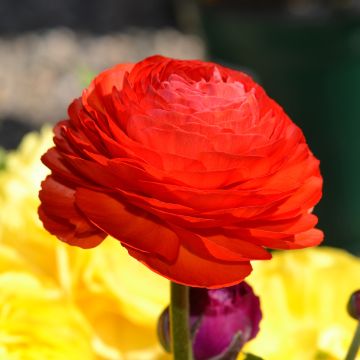
Available in 1 sizes

Available in 1 sizes

Available in 0 sizes

Available in 1 sizes

Available in 1 sizes

Available in 1 sizes
Available in 1 sizes

Available in 1 sizes
Available in 1 sizes
Available in 1 sizes
This plant carries a 6 months recovery warranty
More information
We guarantee the quality of our plants for a full growing cycle, and will replace at our expense any plant that fails to recover under normal climatic and planting conditions.
Would this plant suit my garden?
Set up your Plantfit profile →
Description
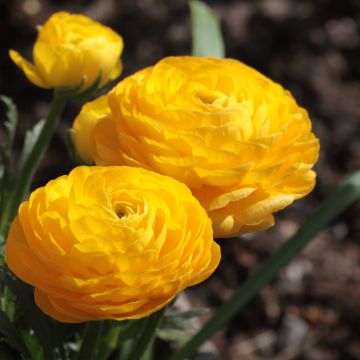
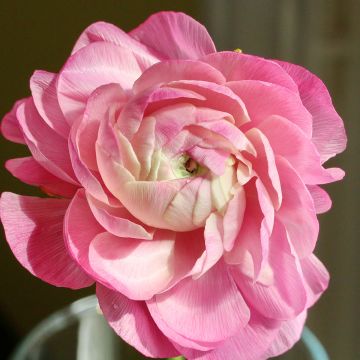
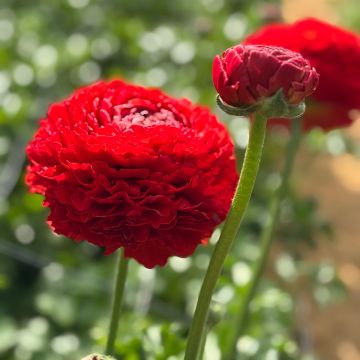
Ranunculus asiaticus Romance Maritime® is a florist's ranunculus of great ornamental quality. Thanks to its long, sturdy stems, it holds its superb, fully double flowers high. With an impressive diameter reaching up to 10 cm, their pastel shades range from cream to light pink, giving them charm and romance. It likes sun and mild winter climates, where it can flower early in the season. Plant it in spring borders and use it to make sumptuous cut flower arrangements. In colder climates, grow it as a bulbous annual.
Ranunculus is the flagship genus of the Ranunculaceae family, rich with around sixty genera, many of which are prized for ornament, such as Delphiniums, or Larkspur, Columbines or the large group of Clematis. There are nearly 500 species of buttercups, widely distributed in temperate regions of the globe. Ranunculus asiaticus, the Asian or florist's buttercup, is a tuberous perennial with summer dormancy native to the Mediterranean basin. It is found in Turkey, Iran, Iraq, Syria, growing naturally in meadows and rocky areas. Massively hybridised and selected for centuries, there are now several hundred cultivars, not always formally registered. The Romance™ series is the work of the Japanese Aya Engei, a recognised specialist of the genus, whose nursery is located in the city of Miazaki on the island of Kyushu (southern Japan, with a sunny climate).
The Romance Maritime variety is distinguished by the exceptional size of its flowers. The plant quickly forms an upright clump, 20 to 30 cm wide, with finely divided, medium to bright green foliage, which is very ornamental. It is arranged in a basal rosette, from which the large flower stems rise, commonly reaching 50 to 70 cm in height. The thick stems are not hollow and are therefore sturdy. They thus particularly highlight the large, fully double flowers, which measure 7 to 10 cm in diameter. They are made up of numerous petals tightly packed together, with slightly fringed tips. Structured in rosettes forming a cup that opens at maturity, the flowers are reminiscent of roses or peonies. Their colour is a variation of cream, white and light pink, soft shades that give them their romantic charm. Near the Mediterranean coast, flowering spans 4 to 6 weeks, between February and April. In slightly cooler regions, it will bloom between April and June. After flowering, the vegetation is still green and active, and the process of photosynthesis replenishes reserves in the claws (tubers). Then they begin to yellow and soften, before drying completely in summer, as the plant enters vegetative rest.
Ranunculus Romance Maritime® is a high-quality variety, perfect for creating beautiful cut flower arrangements. It thrives in mild climates (minimum temperatures -5°/-6°C in very well-drained soil), preferably in full sun. Plant it in borders together with Tulips, which will accompany it in your spring cut flower arrangements. A few Peonies will extend the flowering season of your display, and you can also add some Achilleas to enjoy flowers until the end of summer.
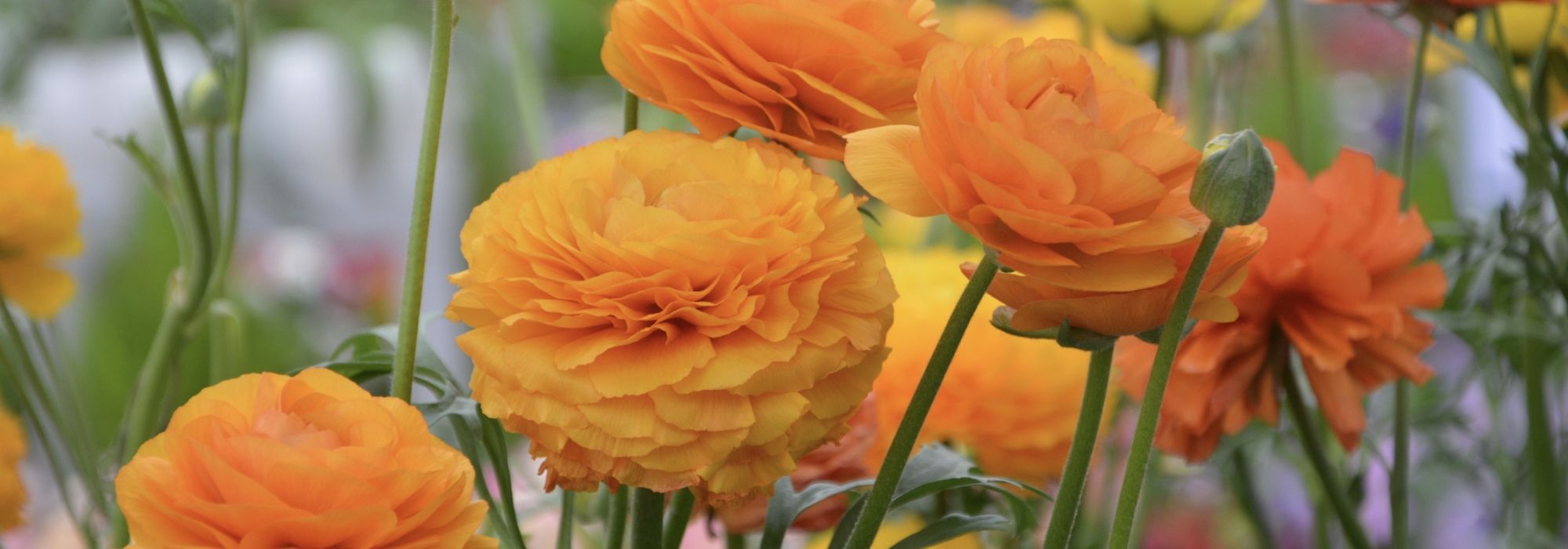
Ranunculus asiaticus Romance Maritime® - Persian buttercup in pictures
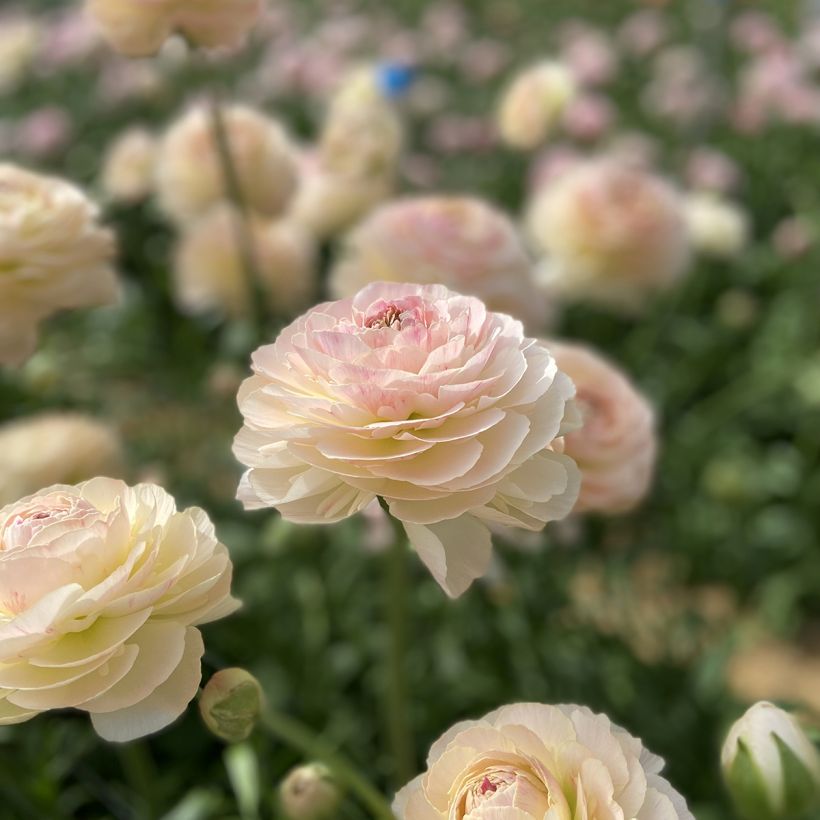

Plant habit
Flowering
Foliage
Botanical data
Ranunculus
asiaticus
Romance Maritime®
Ranunculaceae
Persian buttercup
Cyprianthe asiatica, Ranunculus africanus, Ranunculus sanguineus, Ranunculus flammipetalus
Cultivar or hybrid
Planting and care
Plant Florist's Ranunculus 'Romance Maritime' in autumn, in mild climates or in pots, for an early flowering (April-May). It can also be planted in spring, in cold climates, for a summer flowering.
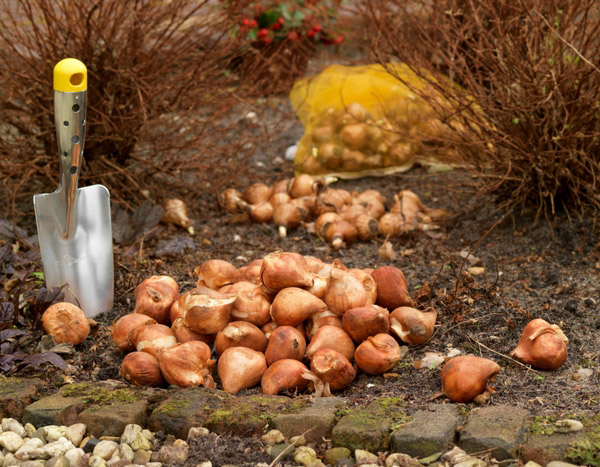
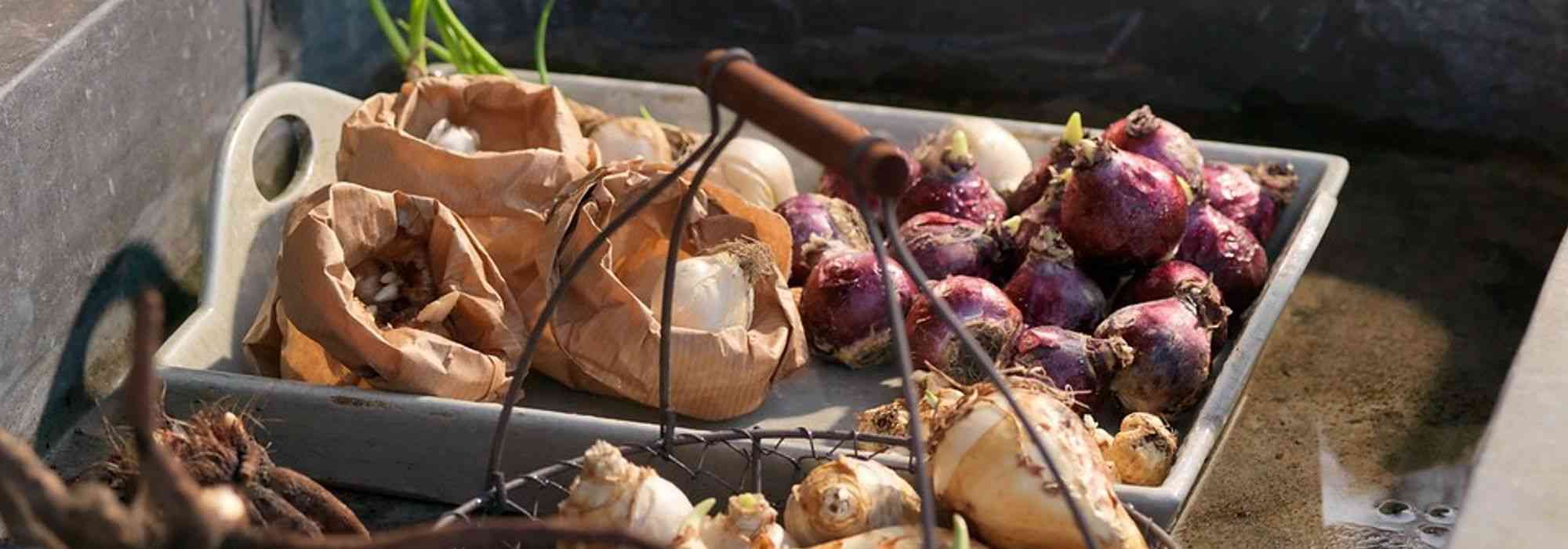
It thrives in partial shade as well as in full sun. Plant it in a light soil, possibly enriched with coarse sand, humus-bearing and moist. This plant dislikes chalky soils. In autumn, lift the tubers and store them in a dry, cool place to protect them from frost, as they are not very hardy.
Before planting, we recommend soaking the tubers for half a day. Plant the tubers in an equal mixture of garden soil, leaf mould, and fairly coarse river sand.
Planting density: space the tubers 15 to 20 cm apart.
Planting period
Intended location
Care
Planting & care advice
-
-

-
-

-

-
-
-

This item has not been reviewed yet - be the first to leave a review about it.
Recently viewed products
Haven't found what you were looking for?
Hardiness is the lowest winter temperature a plant can endure without suffering serious damage or even dying. However, hardiness is affected by location (a sheltered area, such as a patio), protection (winter cover) and soil type (hardiness is improved by well-drained soil).

The flowering period indicated on our website applies to countries and regions located in USDA zone 8 (France, the United Kingdom, Ireland, the Netherlands, etc.)
It will vary according to where you live:- In zones 9 to 10 (Italy, Spain, Greece, etc.), flowering will occur about 2 to 4 weeks earlier.
- In zones 6 to 7 (Germany, Poland, Slovenia, and lower mountainous regions), flowering will be delayed by 2 to 3 weeks.
- In zone 5 (Central Europe, Scandinavia), blooming will be delayed by 3 to 5 weeks.
In temperate climates, pruning of spring-flowering shrubs (forsythia, spireas, etc.) should be done just after flowering.
Pruning of summer-flowering shrubs (Indian Lilac, Perovskia, etc.) can be done in winter or spring.
In cold regions as well as with frost-sensitive plants, avoid pruning too early when severe frosts may still occur.
The planting period indicated on our website applies to countries and regions located in USDA zone 8 (France, United Kingdom, Ireland, Netherlands).
It will vary according to where you live:
- In Mediterranean zones (Marseille, Madrid, Milan, etc.), autumn and winter are the best planting periods.
- In continental zones (Strasbourg, Munich, Vienna, etc.), delay planting by 2 to 3 weeks in spring and bring it forward by 2 to 4 weeks in autumn.
- In mountainous regions (the Alps, Pyrenees, Carpathians, etc.), it is best to plant in late spring (May-June) or late summer (August-September).
The harvesting period indicated on our website applies to countries and regions in USDA zone 8 (France, England, Ireland, the Netherlands).
In colder areas (Scandinavia, Poland, Austria...) fruit and vegetable harvests are likely to be delayed by 3-4 weeks.
In warmer areas (Italy, Spain, Greece, etc.), harvesting will probably take place earlier, depending on weather conditions.
The sowing periods indicated on our website apply to countries and regions within USDA Zone 8 (France, UK, Ireland, Netherlands).
In colder areas (Scandinavia, Poland, Austria...), delay any outdoor sowing by 3-4 weeks, or sow under glass.
In warmer climes (Italy, Spain, Greece, etc.), bring outdoor sowing forward by a few weeks.
Shipping country and language
Your country of residence may be:
Your country of residence is:
For a better user experience on our website, you can select:
Your shipping country:
-
 Austria
-
 Belgium
-
 Bosnia & Herzegovina
-
 Bulgaria
-
 Croatia
-
 Cyprus
-
 Czechia
-
 Denmark
-
 Estonia
-
 Finland
-
 France
-
 Germany
-
 Greece
-
 Hungary
-
 Iceland
-
 Ireland
-
 Italy
Italy
-
 Latvia
-
 Liechtenstein
-
 Lithuania
-
 Luxembourg
-
 Malta
Malta
-
 Netherlands
-
 Poland
-
 Portugal
-
 Romania
-
 Serbia
-
 Slovakia
-
 Slovenia
-
 Spain
Spain
-
 Sweden
-
 Switzerland
Language:
-
French
-
 English
-
Spanish
-
Italian
-
German
-
Portuguese
-
Dutch
-
Finnish
My Account
Hello
My wish lists
My cart
Log in / Register
Existing customer?
This form is protected by reCAPTCHA - the Google Privacy Policy and Terms of Service apply.
New customer?
Create an account to track your orders, access our customer service and, if you wish, make the most of our upcoming offers.