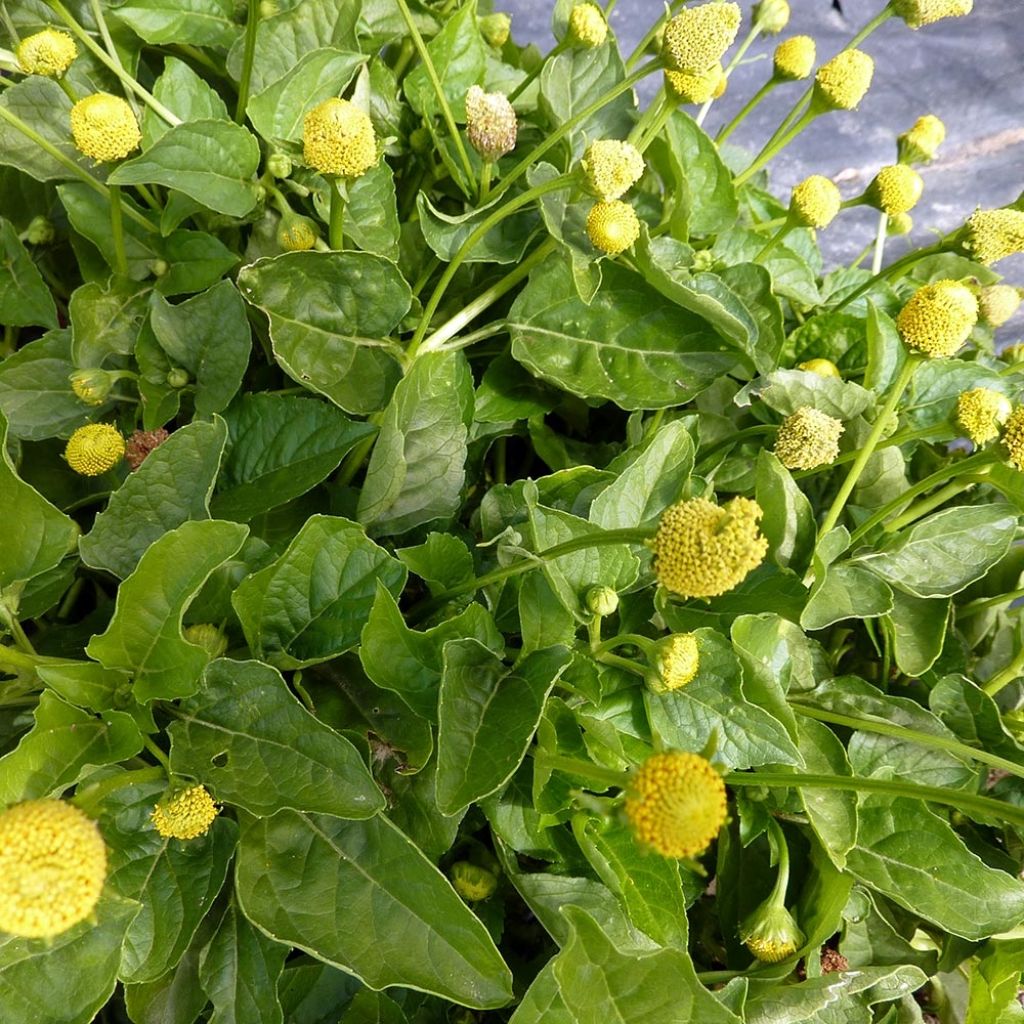
Brède Mafane - Para Cress
Brède Mafane - Para Cress
Acmella oleracea
Toothache plant, paracress, electric daisy, eyeball plant, peek-a-boo plant
Received quickly and well packaged, I am satisfied with the order and it's rare to find brédes mafana plants for sale. Thank you again!
Aphrodite, 13/05/2023
Back-to-school special offer!
Get €10 off for every €50 you spend! And get up to €40 off on a single order.
How does it work?
1. Shop your favourites
Add your favourite plants to your basket. For every €50 you spend (excluding delivery charges, store credit and the plastic-free option), you’ll receive a €10 voucher.
€50 spent = €10 voucher
€100 spent = €20 voucher
€150 spent = €30 voucher
€200 spent = €40 voucher
2. Place your order
Once your basket reaches one of the spending thresholds, place your order. You can even choose your delivery date!
3. Receive your voucher
As soon as your order has been shipped, you’ll receive an email containing your personal voucher code and its value.
4. Use it on your next order
Your voucher is valid for 90 days from the date you receive it. It can be used once only, on a new order worth at least the value of the voucher, excluding delivery charges.
Please note: Vouchers can be combined with other offers, but cannot be split or refunded.
Why not try an alternative variety in stock?
View all →
Available in 0 sizes
Available in 1 sizes
Available in 1 sizes
Available in 1 sizes
Available in 1 sizes
Available in 1 sizes
Available in 2 sizes
Available in 1 sizes
Available in 1 sizes
Available in 1 sizes
This plant carries a 6 months recovery warranty
More information
We guarantee the quality of our plants for a full growing cycle, and will replace at our expense any plant that fails to recover under normal climatic and planting conditions.

Description
The Mafane greens, also known as Para Cress, in Latin Spilanthes acmella var. oleracea (syn. Acmella oleracea) will astonish gastronomic gardeners in search of strong sensations and exotic flavors. It is a tender plant of tropical origin that hides in its fleshy leaves and yellow flower buds powerful peppery aromas that sting and burn the tongue while providing a sensation of numbing cold. Widely used in Malagasy cuisine, especially in Madagascar and Reunion, its freshly picked leaves enhance salads in particular and exotic and overseas dishes in general. In the garden or in pots, it will adapt quite easily. A unique and trendy vegetable plant, definitely worth a try!
The Mafane greens, from the Asteraceae family, are likely native to South America, specifically Brazil and Peru. Due to their effectiveness in combating scurvy, its small seeds have traveled through the centuries on merchant marine ships between continents. This explains why it is mainly cultivated in the Indian Ocean islands as a condiment and medicinal plant: Madagascar, Reunion, Mayotte, Comoros. It is also widely used in East Asia. In Madagascar, for example, the greens give their unique fragrance to the traditional "romazava".
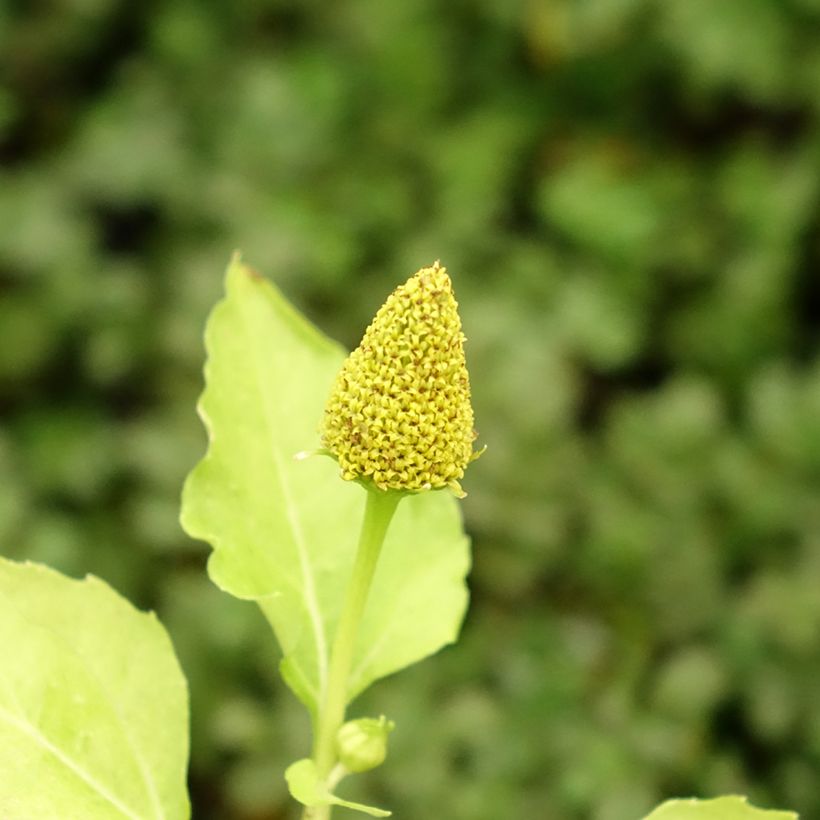
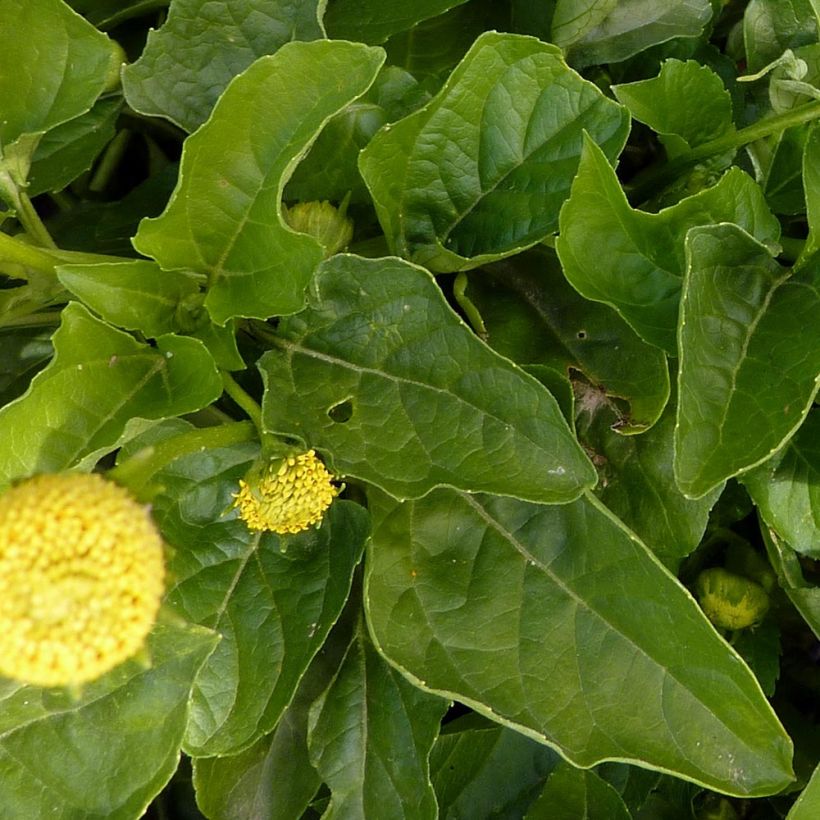
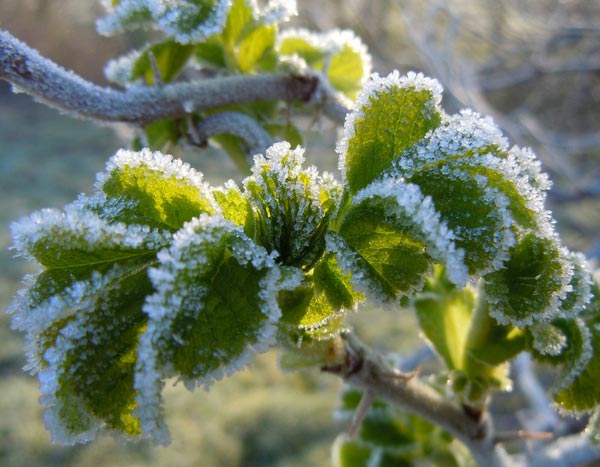
The Para cress cannot tolerate frost, so it will be grown for one season in the vegetable garden, or in a pot that will be protected from frost in winter. It is a small herbaceous ground cover plant that reaches about 12-15 cm (5-6in) in height and spreads at least 30 cm (12in). Its stems lie on the ground, bearing oval and fleshy leaves, pointed at the ends, and green in colour. The flowering occurs in summer, from July to September-October. At the tips of the stems, small conical flower buds form, opening into capitula or yellow flowers resembling very double daisies or small yellow pompoms. The leaves and buds have a very peppery and spicy flavor, which is even more pronounced in fully open flowers. For this reason, and because our western palates are not used to strong sensations, it is preferable to consume only the leaves. The flowers, pollinated by insects, give way to seeds that can be perfectly harvested for sowing in a warm box (18°C) at the end of winter or directly in the ground the following spring.
Harvesting: the leaves will be harvested in summer, when the flower buds begin to open: trim the stems (this will promote the formation of new stems) and remove the leaves. Use the fresh leaves on the same day, although they can be stored for 3 days in the refrigerator wrapped in a damp cloth.
Usage: raw in salads (in moderation) or cooked in Malagasy or exotic cuisine. The foliage can be cooked like spinach, or braised in a casserole. It enhances quiches, cold summer soups, and even couscous.
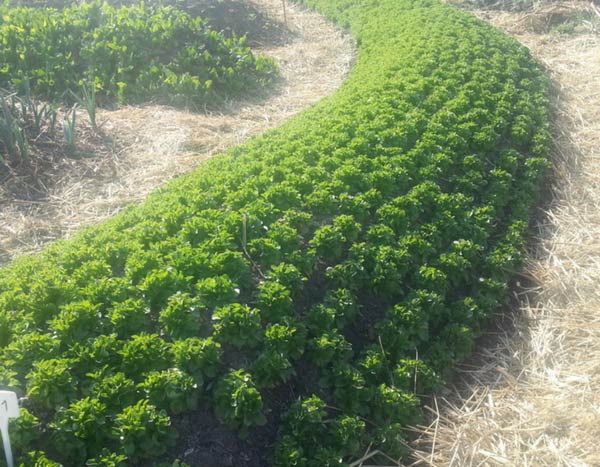
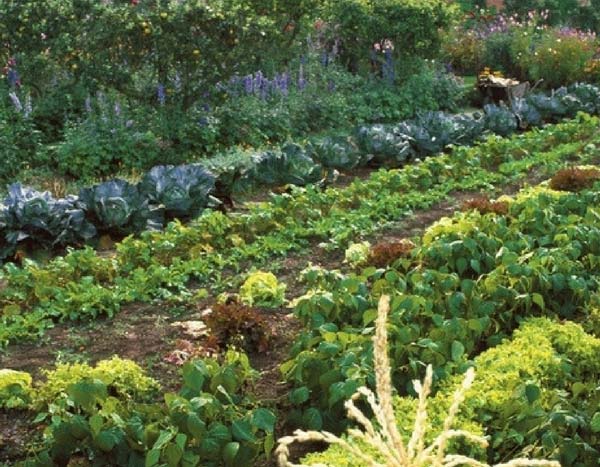
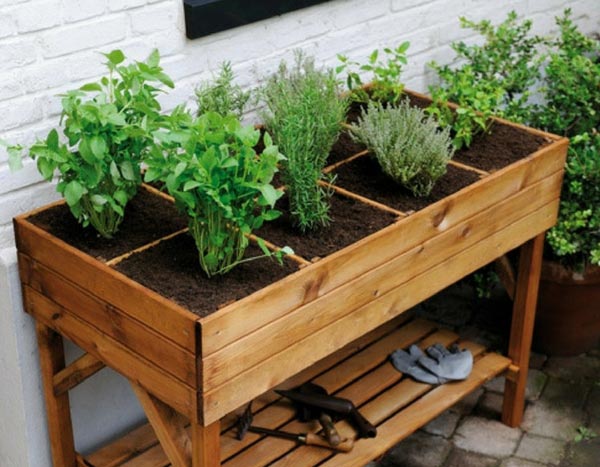
The Mafane greens can be planted in the vegetable garden, in well-prepared, loose, light soil that remains fresh throughout the growth and flowering season, but not waterlogged. It also grows very well in pots and containers that can be easily brought indoors to protect from frost in the conservatory or in a very bright and minimally heated room in winter. You can sow the seeds as early as April and place the container on the balcony or terrace in May.
Medicinal properties:
Mafane greens are widely used for their medicinal properties in tropical areas, particularly for oral care. The plant has digestive, anesthetic, sialagogue, diuretic, anti-asthmatic, analgesic, and anti-scurvy properties. It is rich in vitamins (especially vitamin C), effective in combating nutritional deficiencies.
Report an error about the product description
Brède Mafane - Para Cress in pictures
Harvest
Plant habit
Foliage
Botanical data
Acmella
oleracea
Asteraceae
Toothache plant, paracress, electric daisy, eyeball plant, peek-a-boo plant
Spilanthes acmella
South America
Perennial
Planting and care
The mafane herb is grown as an annual in the garden from May to September, or as a perennial in a pot, which allows for easy protection from frost in winter. This plant prefers well-tilled, fairly well-drained, moist and rich soils, and a sunny exposure. It is essential to add well-decomposed compost to the soil at planting, and to ensure that it never lacks water, without cultivating it in waterlogged substrate. This tropical plant needs warmth. In the northern half of France, it is advisable to shelter it behind a wall from prevailing winds. During dry periods, water daily or every two days. For harvesting, cut the stems 5cm (2in) from the ground: new ones will quickly form. Allow for 5 plants per square meter.
Cultivation
Care
Intended location
Planting & care advice
-
-

-
-
-
-
-
-
-
, onOrder confirmed
Reply from on Promesse de fleurs
Recently viewed products
Haven't found what you were looking for?
Hardiness is the lowest winter temperature a plant can endure without suffering serious damage or even dying. However, hardiness is affected by location (a sheltered area, such as a patio), protection (winter cover) and soil type (hardiness is improved by well-drained soil).

The flowering period indicated on our website applies to countries and regions located in USDA zone 8 (France, the United Kingdom, Ireland, the Netherlands, etc.)
It will vary according to where you live:- In zones 9 to 10 (Italy, Spain, Greece, etc.), flowering will occur about 2 to 4 weeks earlier.
- In zones 6 to 7 (Germany, Poland, Slovenia, and lower mountainous regions), flowering will be delayed by 2 to 3 weeks.
- In zone 5 (Central Europe, Scandinavia), blooming will be delayed by 3 to 5 weeks.
In temperate climates, pruning of spring-flowering shrubs (forsythia, spireas, etc.) should be done just after flowering.
Pruning of summer-flowering shrubs (Indian Lilac, Perovskia, etc.) can be done in winter or spring.
In cold regions as well as with frost-sensitive plants, avoid pruning too early when severe frosts may still occur.
The planting period indicated on our website applies to countries and regions located in USDA zone 8 (France, United Kingdom, Ireland, Netherlands).
It will vary according to where you live:
- In Mediterranean zones (Marseille, Madrid, Milan, etc.), autumn and winter are the best planting periods.
- In continental zones (Strasbourg, Munich, Vienna, etc.), delay planting by 2 to 3 weeks in spring and bring it forward by 2 to 4 weeks in autumn.
- In mountainous regions (the Alps, Pyrenees, Carpathians, etc.), it is best to plant in late spring (May-June) or late summer (August-September).
The harvesting period indicated on our website applies to countries and regions in USDA zone 8 (France, England, Ireland, the Netherlands).
In colder areas (Scandinavia, Poland, Austria...) fruit and vegetable harvests are likely to be delayed by 3-4 weeks.
In warmer areas (Italy, Spain, Greece, etc.), harvesting will probably take place earlier, depending on weather conditions.
The sowing periods indicated on our website apply to countries and regions within USDA Zone 8 (France, UK, Ireland, Netherlands).
In colder areas (Scandinavia, Poland, Austria...), delay any outdoor sowing by 3-4 weeks, or sow under glass.
In warmer climes (Italy, Spain, Greece, etc.), bring outdoor sowing forward by a few weeks.
Shipping country and language
Your country of residence may be:
Your country of residence is:
For a better user experience on our website, you can select:
Your shipping country:
-
 Austria
-
 Belgium
-
 Bosnia & Herzegovina
-
 Bulgaria
-
 Croatia
-
 Cyprus
-
 Czechia
-
 Denmark
-
 Estonia
-
 Finland
-
 France
-
 Germany
-
 Greece
-
 Hungary
-
 Iceland
-
 Ireland
-
 Italy
Italy
-
 Latvia
-
 Liechtenstein
-
 Lithuania
-
 Luxembourg
-
 Malta
Malta
-
 Netherlands
-
 Poland
-
 Portugal
-
 Romania
-
 Serbia
-
 Slovakia
-
 Slovenia
-
 Spain
Spain
-
 Sweden
-
 Switzerland
Language:
-
French
-
 English
-
Spanish
-
Italian
-
German
-
Portuguese
-
Dutch
-
Finnish
My Account
Hello
My wish lists
My cart
Log in / Register
Existing customer?
This form is protected by reCAPTCHA - the Google Privacy Policy and Terms of Service apply.
New customer?
Create an account to track your orders, access our customer service and, if you wish, make the most of our upcoming offers.