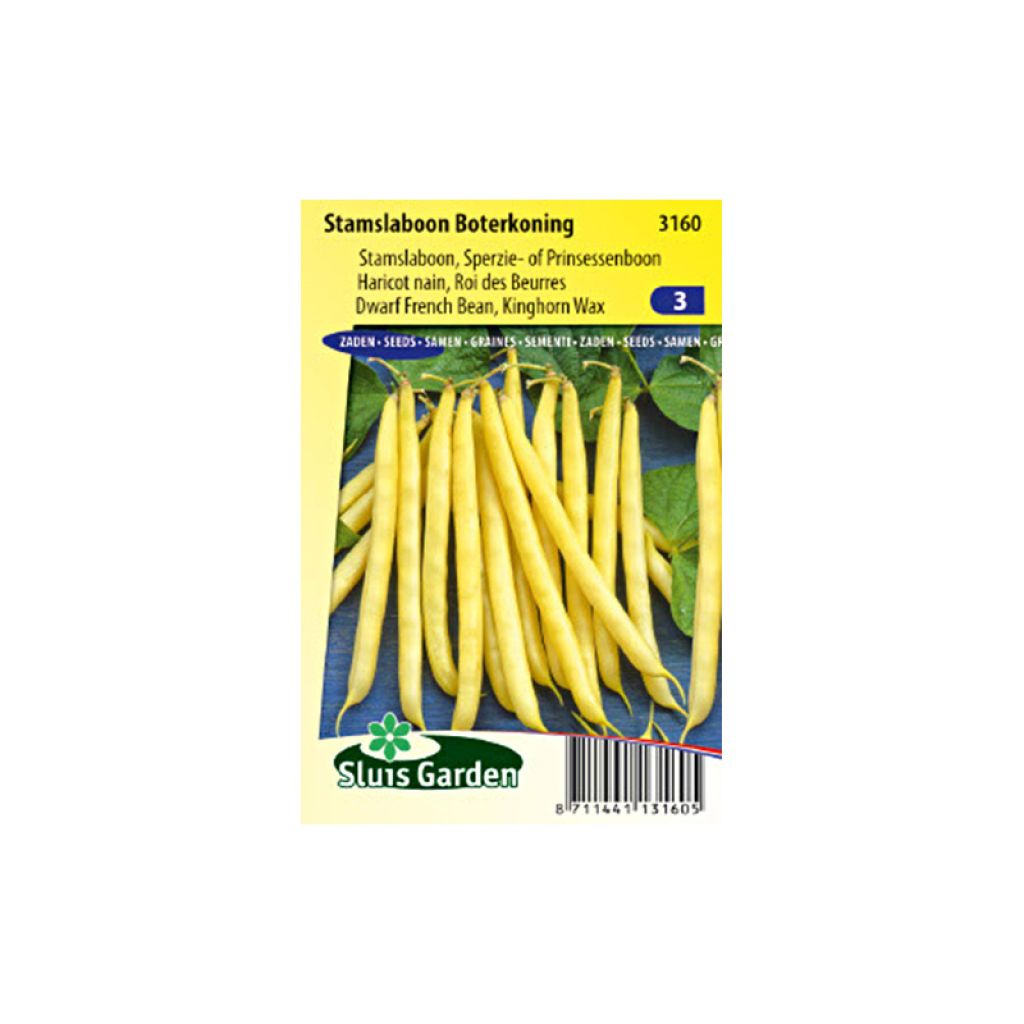
Common bean Roi des Beurres
Common bean Roi des Beurres
Phaseolus vulgaris Roi des Beurres
Common bean, French bean, Green bean
Back-to-school special offer!
Get €10 off for every €50 you spend! And get up to €40 off on a single order.
How does it work?
1. Shop your favourites
Add your favourite plants to your basket. For every €50 you spend (excluding delivery charges, store credit and the plastic-free option), you’ll receive a €10 voucher.
€50 spent = €10 voucher
€100 spent = €20 voucher
€150 spent = €30 voucher
€200 spent = €40 voucher
2. Place your order
Once your basket reaches one of the spending thresholds, place your order. You can even choose your delivery date!
3. Receive your voucher
As soon as your order has been shipped, you’ll receive an email containing your personal voucher code and its value.
4. Use it on your next order
Your voucher is valid for 90 days from the date you receive it. It can be used once only, on a new order worth at least the value of the voucher, excluding delivery charges.
Please note: Vouchers can be combined with other offers, but cannot be split or refunded.
Why not try an alternative variety in stock?
View all →
Available in 1 sizes
Available in 1 sizes
Available in 1 sizes
Available in 1 sizes
Available in 1 sizes
Available in 1 sizes
Available in 1 sizes
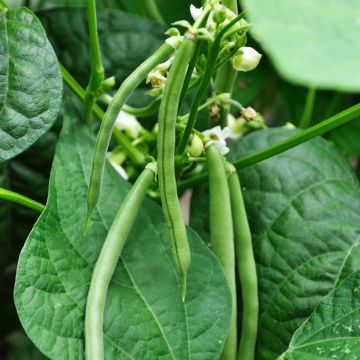
Available in 1 sizes
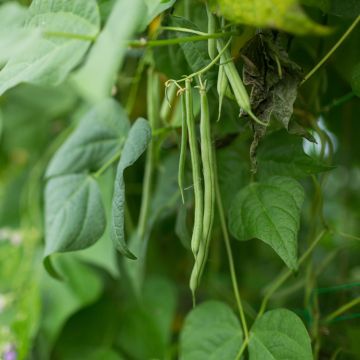
Available in 1 sizes
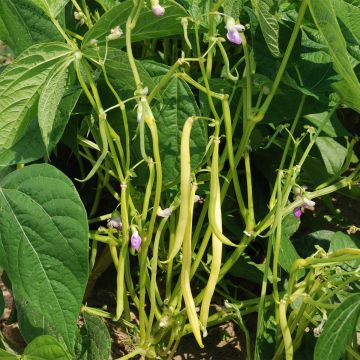
Available in 1 sizes
This plant carries a 6 months recovery warranty
More information
We guarantee the quality of our plants for a full growing cycle, and will replace at our expense any plant that fails to recover under normal climatic and planting conditions.
Description
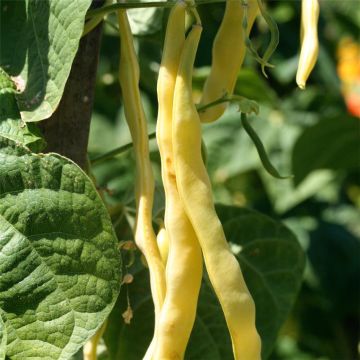
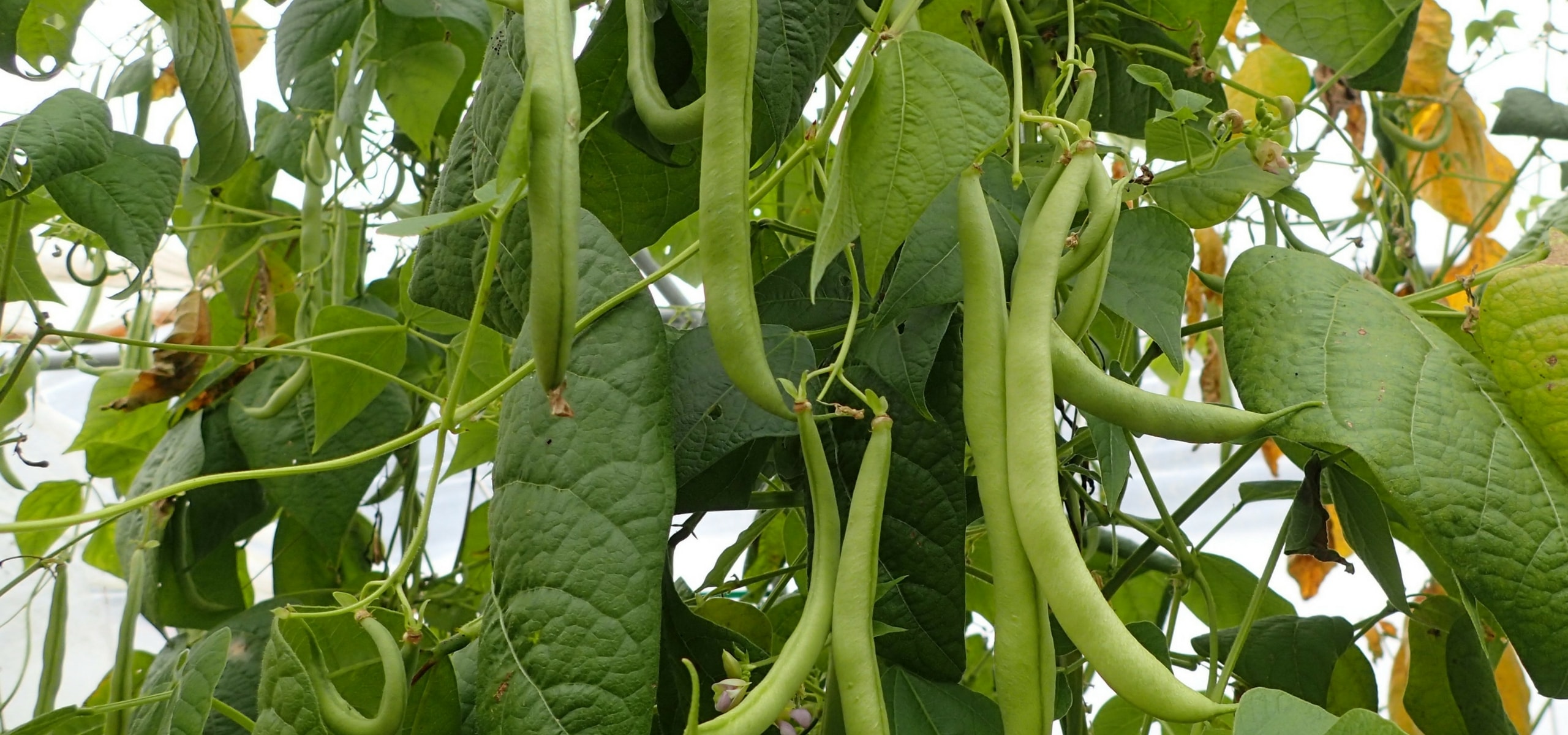
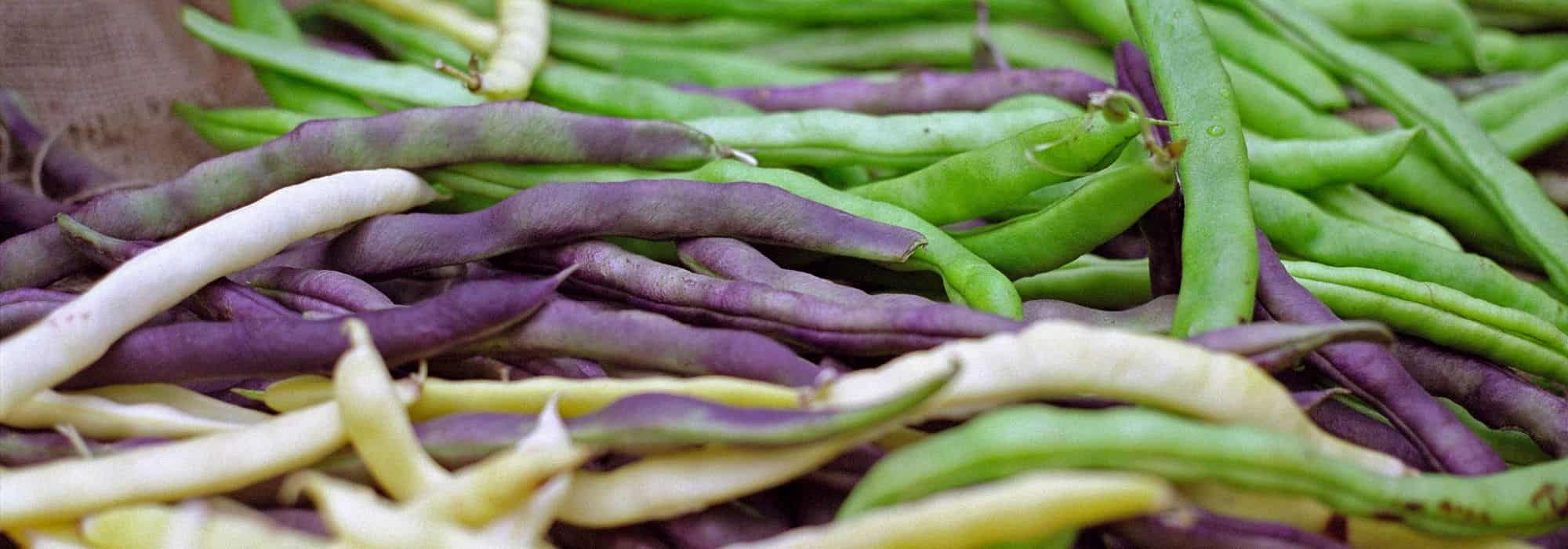
This King Dwarf Butter Bean is truly the king: it can be harvested for over 5 months from June to October. It can be picked before and after other varieties. Its straw yellow pods, which are 17 to 20 cm (7 to 8in) long and plump, contain white beans and can be eaten like snap peas. Its tender and melting flesh is generally liked by children. It becomes so easy to teach them to appreciate beans. Butter beans and green beans can be used in the same recipes. The King of Butter Beans lends itself to all culinary variations. There are indeed many ways to prepare them. Think in particular of Italian, Indian or Lebanese preparations that are enjoyed fresh. These recipes are ideal during summer harvests. And to top it all off, the King of Butter Beans is a variety that is very well suited for canning and freezing. It is highly resistant to most bean diseases.
Whether consumed for its pod or its bean, the bean is a vegetable highly appreciated in gardens because it is very easy to grow. It is so punctual that the gardener knows the exact day when they will harvest their first crop, which is 60 days after sowing.
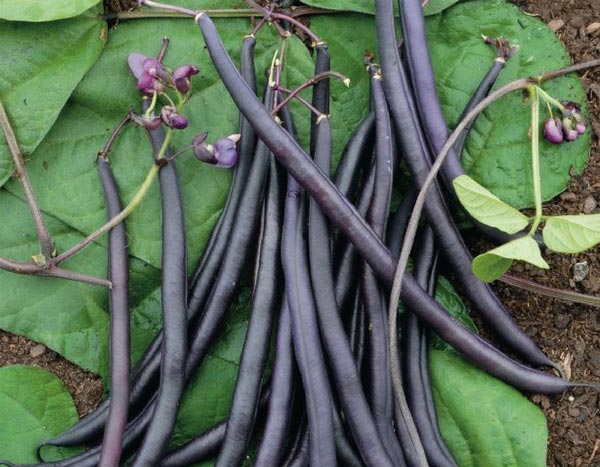
Discovered in the New World and acclimatized in Europe from the 16th century onwards, the bean has now become an essential legume in world cuisine. Native Americans cultivated it for its dried beans, but it was the Italians who, in the 18th century, pioneered the consumption of the whole immature pod. The bean is a vine with indeterminate growth. Primitive varieties are all climbers and require support. Later, for practical reasons, dwarf varieties were selected, but they all have tendrils that can wrap around a support. The pods are usually green, sometimes yellow (butter beans), striped with red or even amethyst. Among the varieties that are eaten at the thin or extra fine stage, there are fillet beans that have threads when ripe. Then the pod becomes parchment-like and loses its taste quality. The snap bean is generally fleshier and can be consumed entirely, both the seeds and the pods, even when ripe. More recently created fillet-snap beans can be consumed when young and extra fine, or until they become fleshier like a snap bean because they do not form threads.
Among the shelling varieties (i.e. those whose seeds are consumed), we can distinguish between the harvest of fresh beans and that of dried beans, which is 90 days after sowing.
Immature green pods are rich in vitamins A, B9 and C, trace elements and minerals. Dried beans are also very rich in vitamin C, trace elements and especially plant proteins.
Harvesting: the harvest of fresh beans or young pods begins 60 days after sowing. For fresh beans, it must be done before the pods start to dehydrate and wrinkle. The beans should barely take on their color. For pod consumption, the harvest should take place every 2 or 3 days, both at the thin and extra fine stages for fillet beans. The harvest of dried beans is done by cutting the whole plant and hanging it in a dry and ventilated place. The beans can be shelled as needed.
Storage: freezing pods is now the most common method of preservation. To do this, remove the stems, wash them, blanch them for 5 to 6 minutes in boiling water, then plunge them into cold water before drying them with a clean cloth. Once placed in a bag, the beans can be stored in the freezer at -18°C (-0.4°F). However, canning is regaining popularity for an increasing number of consumers because of the taste qualities inherent in this method of preservation. Like freezing, remove the stems, wash them, blanch them, then plunge the beans into cold water. Then put them in jars and fill them with boiling salted water. Close them and sterilize them in a pressure cooker or with a sterilizer for 1 hour and 30 minutes over medium heat. To do this, completely cover the jars with water after securing them properly.
Dried beans: when completely dry, bean seeds can be stored for up to a year if stored in good conditions, such as in airtight jars.
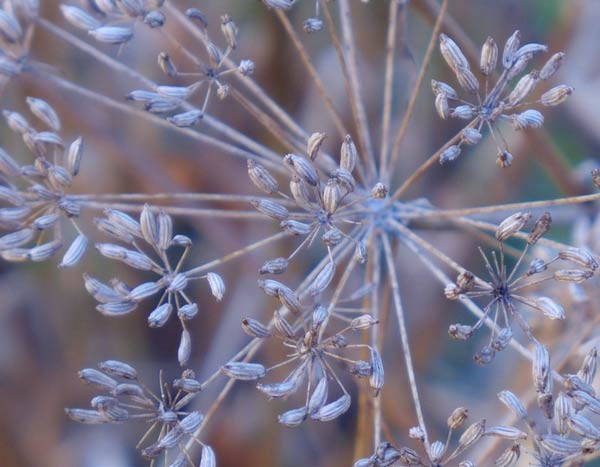
Gardener's tip: beans, like all members of the Fabaceae family, have the ability to fix nitrogen from the air in the soil through a plant-bacteria symbiosis. They have the ability to regenerate soils. Beans can be included in crop rotation after burying green manure. In Central and South America, bean cultivation is traditionally associated with squash and corn, forming a triad with beneficial companionship. This association is locally called Milpa. Beans also associate well with eggplants, carrots, cabbage, potatoes, and radishes as they protect each other. Avoid the presence of alliums or fennel as their growth is inhibited.
A spray of nettle manure allows for effective control of aphid attacks and strengthens the plants that benefit from it.
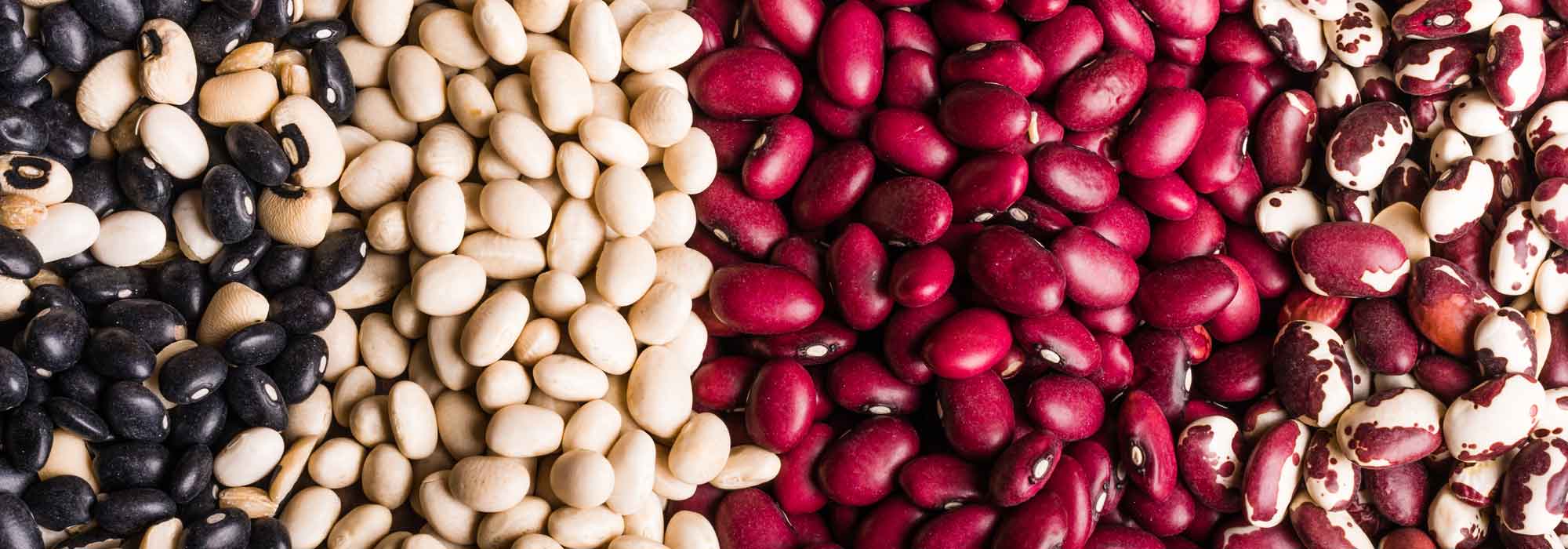
Harvest
Plant habit
Foliage
Botanical data
Phaseolus
vulgaris
Roi des Beurres
Fabaceae
Common bean, French bean, Green bean
Central America
Annual
Planting and care
Soil preparation: Beans like light, fresh but not damp soil that is rich in nutrients. However, they do not appreciate soils that are too chalky or too acidic. Therefore, it is necessary to prepare the soil by deep digging of 20 cm (8in) without turning the soil. Then, it should be amended with compost or well-decomposed manure. Do not sow beans in soil that has been recently limed, as this causes hardening and loss of the taste quality of the pod.
Sowing under glass: Under glass or in tunnels, bean sowing can start from mid-March. Beans are sensitive to cold, so the soil needs to have reached a minimum of 15°C (59°F). The glasshouses should be facing south or west. Only ventilate them during the warm hours of the day. Remove the protection only when there is no longer a risk of frost.
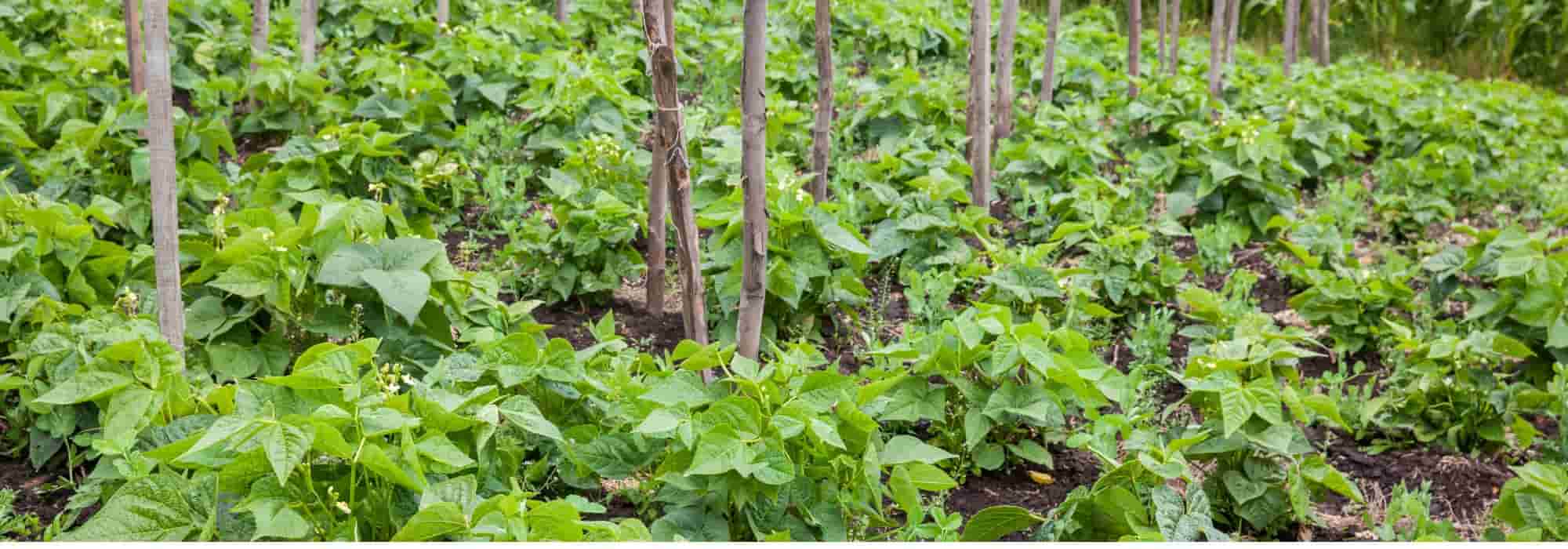
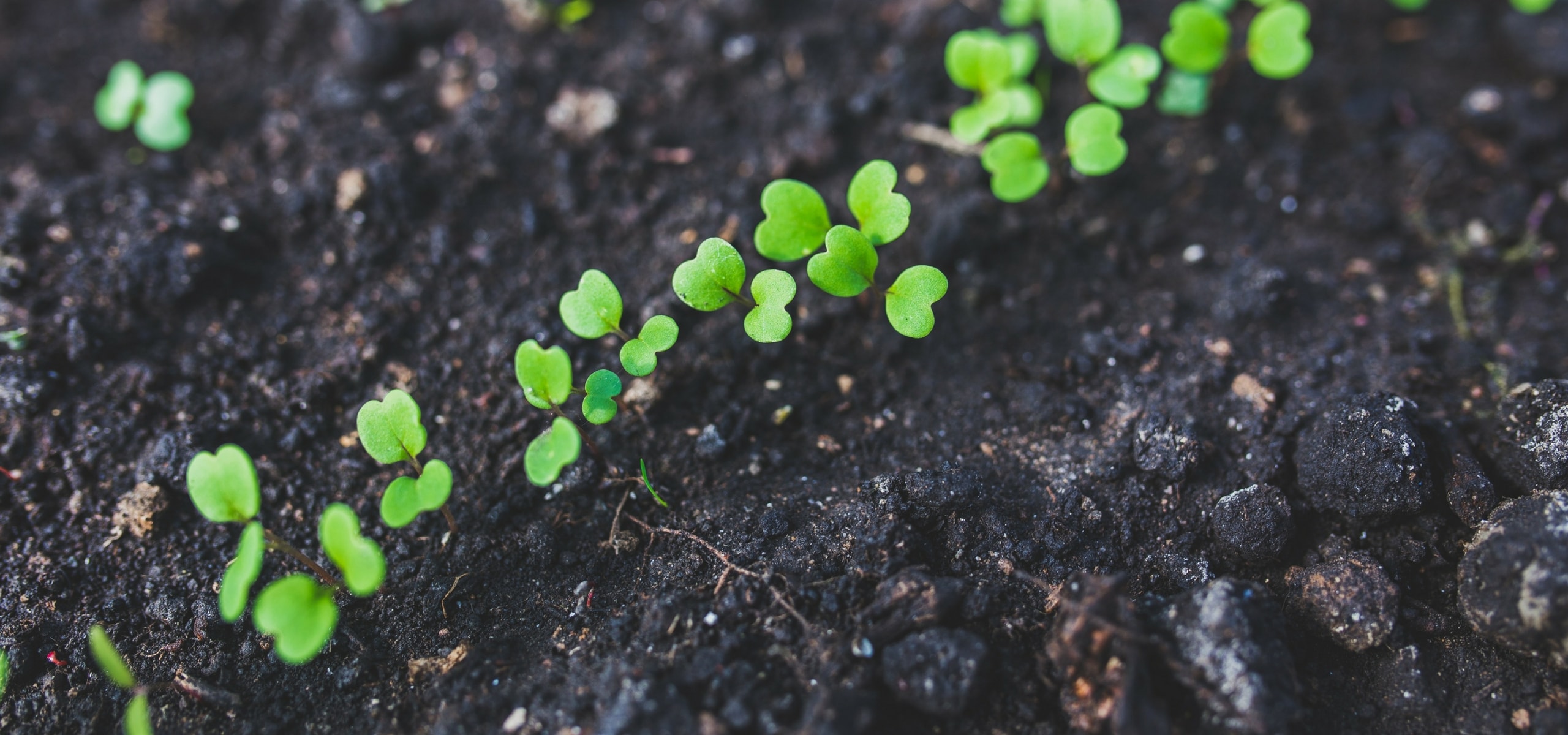
Sowing in open ground: Sowing should be done from April in southern regions or from May when the soil is sufficiently warmed up and there is no longer a risk of frost. Dig furrows 3 to 4 cm (1 to 2in) deep, spaced 40 cm (16in) apart. Sow your seeds, spacing them 5 to 7 cm (2 to 3in) apart or in groups of 4 to 5 seeds spaced 40 cm (16in) apart in all directions. Cover the soil and lightly compact with a rake. When the plants reach a height of 20 cm (8in), mound up the base of the stems to support them well.
The first harvests take place approximately 60 days after sowing and continue until the end of October. Do not hesitate to sow beans every 15 days for a continuous harvest until the end of autumn.
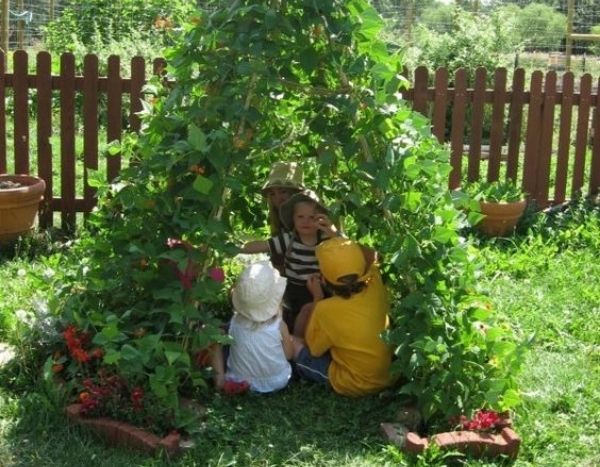
There are different types of support for climbing beans: the Canadian tent, the tipi, nets or grids. Any tall element can become the support for this type of bean, giving the cultivation a very aesthetic appearance.
Seedlings
Care
Intended location
Planting & care advice
-
-
-
-
-
-
-
-
This item has not been reviewed yet - be the first to leave a review about it.
Recently viewed products
Haven't found what you were looking for?
Hardiness is the lowest winter temperature a plant can endure without suffering serious damage or even dying. However, hardiness is affected by location (a sheltered area, such as a patio), protection (winter cover) and soil type (hardiness is improved by well-drained soil).

The flowering period indicated on our website applies to countries and regions located in USDA zone 8 (France, the United Kingdom, Ireland, the Netherlands, etc.)
It will vary according to where you live:- In zones 9 to 10 (Italy, Spain, Greece, etc.), flowering will occur about 2 to 4 weeks earlier.
- In zones 6 to 7 (Germany, Poland, Slovenia, and lower mountainous regions), flowering will be delayed by 2 to 3 weeks.
- In zone 5 (Central Europe, Scandinavia), blooming will be delayed by 3 to 5 weeks.
In temperate climates, pruning of spring-flowering shrubs (forsythia, spireas, etc.) should be done just after flowering.
Pruning of summer-flowering shrubs (Indian Lilac, Perovskia, etc.) can be done in winter or spring.
In cold regions as well as with frost-sensitive plants, avoid pruning too early when severe frosts may still occur.
The planting period indicated on our website applies to countries and regions located in USDA zone 8 (France, United Kingdom, Ireland, Netherlands).
It will vary according to where you live:
- In Mediterranean zones (Marseille, Madrid, Milan, etc.), autumn and winter are the best planting periods.
- In continental zones (Strasbourg, Munich, Vienna, etc.), delay planting by 2 to 3 weeks in spring and bring it forward by 2 to 4 weeks in autumn.
- In mountainous regions (the Alps, Pyrenees, Carpathians, etc.), it is best to plant in late spring (May-June) or late summer (August-September).
The harvesting period indicated on our website applies to countries and regions in USDA zone 8 (France, England, Ireland, the Netherlands).
In colder areas (Scandinavia, Poland, Austria...) fruit and vegetable harvests are likely to be delayed by 3-4 weeks.
In warmer areas (Italy, Spain, Greece, etc.), harvesting will probably take place earlier, depending on weather conditions.
The sowing periods indicated on our website apply to countries and regions within USDA Zone 8 (France, UK, Ireland, Netherlands).
In colder areas (Scandinavia, Poland, Austria...), delay any outdoor sowing by 3-4 weeks, or sow under glass.
In warmer climes (Italy, Spain, Greece, etc.), bring outdoor sowing forward by a few weeks.
Shipping country and language
Your country of residence may be:
Your country of residence is:
For a better user experience on our website, you can select:
Your shipping country:
-
 Austria
-
 Belgium
-
 Bosnia & Herzegovina
-
 Bulgaria
-
 Croatia
-
 Cyprus
-
 Czechia
-
 Denmark
-
 Estonia
-
 Finland
-
 France
-
 Germany
-
 Greece
-
 Hungary
-
 Iceland
-
 Ireland
-
 Italy
Italy
-
 Latvia
-
 Liechtenstein
-
 Lithuania
-
 Luxembourg
-
 Malta
Malta
-
 Netherlands
-
 Poland
-
 Portugal
-
 Romania
-
 Serbia
-
 Slovakia
-
 Slovenia
-
 Spain
Spain
-
 Sweden
-
 Switzerland
Language:
-
French
-
 English
-
Spanish
-
Italian
-
German
-
Portuguese
-
Dutch
-
Finnish
My Account
Hello
My wish lists
My cart
Log in / Register
Existing customer?
This form is protected by reCAPTCHA - the Google Privacy Policy and Terms of Service apply.
New customer?
Create an account to track your orders, access our customer service and, if you wish, make the most of our upcoming offers.