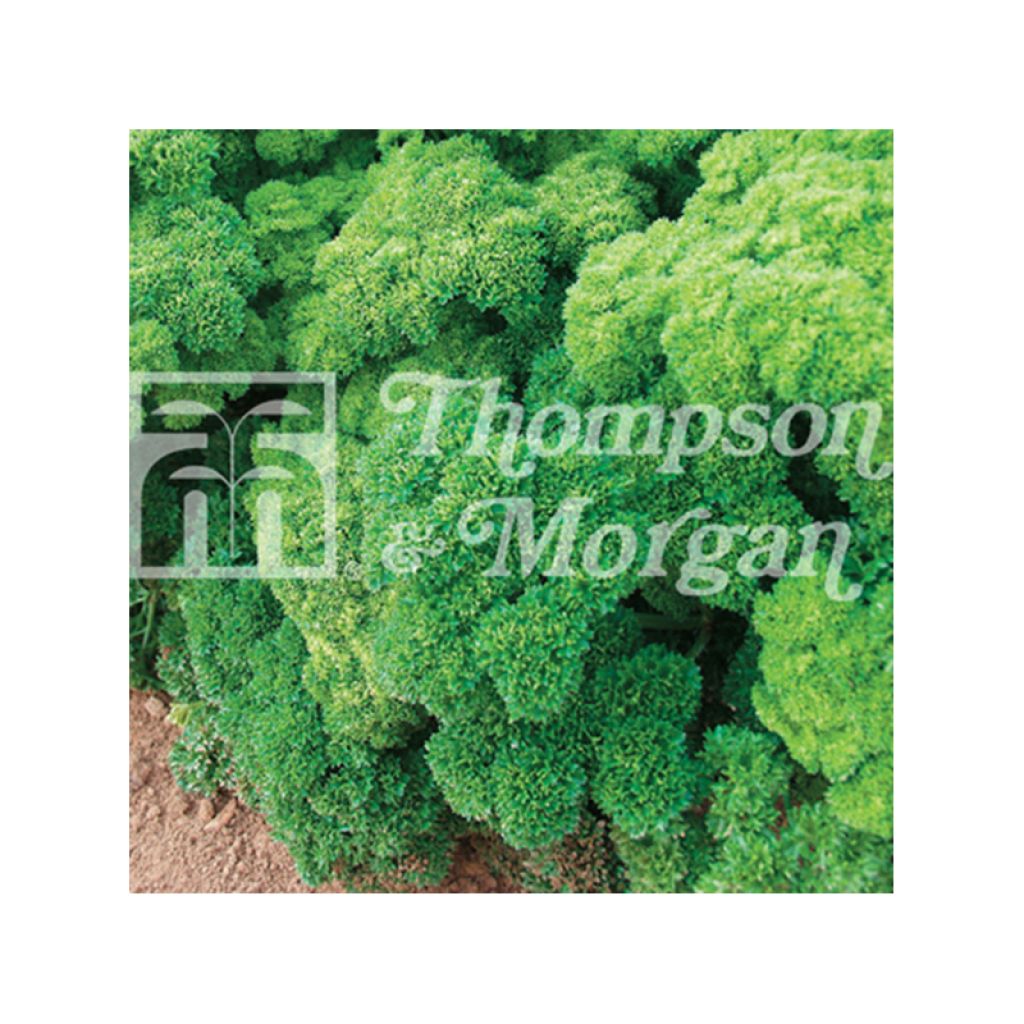
Petroselinum crispum Lisette
Petroselinum crispum Lisette
Petroselinum crispum Lisette
Garden Parsley, Common Parsley
Back-to-school special offer!
Get €10 off for every €50 you spend! And get up to €40 off on a single order.
How does it work?
1. Shop your favourites
Add your favourite plants to your basket. For every €50 you spend (excluding delivery charges, store credit and the plastic-free option), you’ll receive a €10 voucher.
€50 spent = €10 voucher
€100 spent = €20 voucher
€150 spent = €30 voucher
€200 spent = €40 voucher
2. Place your order
Once your basket reaches one of the spending thresholds, place your order. You can even choose your delivery date!
3. Receive your voucher
As soon as your order has been shipped, you’ll receive an email containing your personal voucher code and its value.
4. Use it on your next order
Your voucher is valid for 90 days from the date you receive it. It can be used once only, on a new order worth at least the value of the voucher, excluding delivery charges.
Please note: Vouchers can be combined with other offers, but cannot be split or refunded.
Why not try an alternative variety in stock?
View all →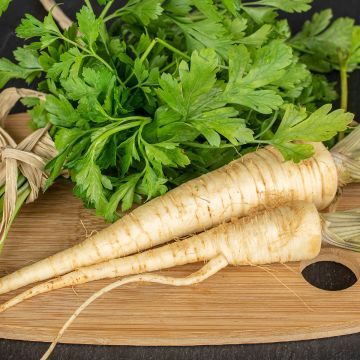
Available in 1 sizes
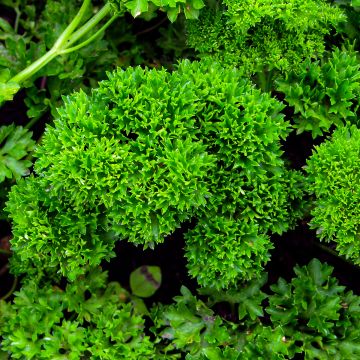
Available in 1 sizes
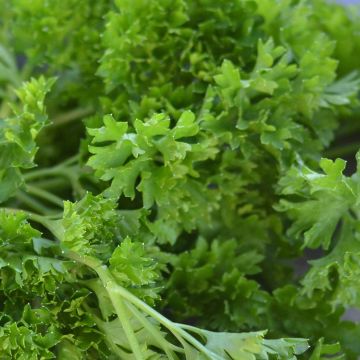
Available in 1 sizes
Available in 1 sizes
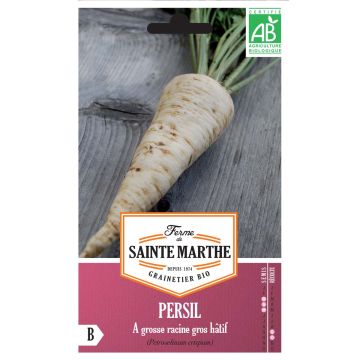
Available in 1 sizes
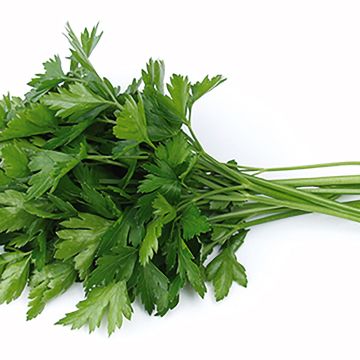
Available in 1 sizes
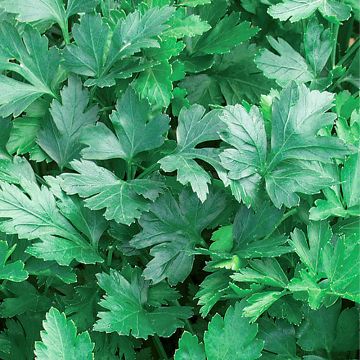
Available in 1 sizes
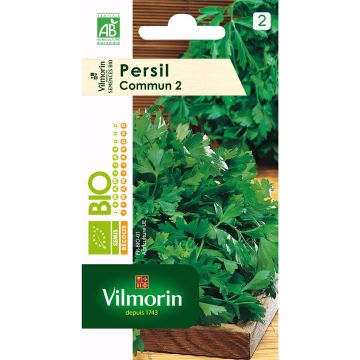
Available in 1 sizes
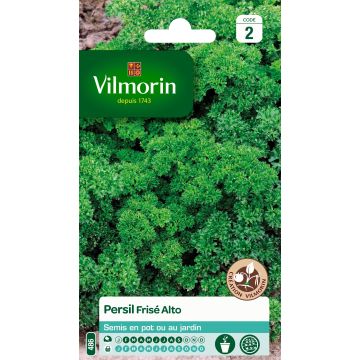
Available in 1 sizes
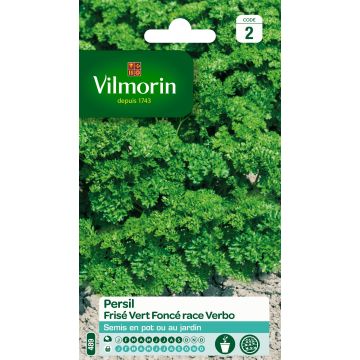
Available in 1 sizes
This plant carries a 6 months recovery warranty
More information
We guarantee the quality of our plants for a full growing cycle, and will replace at our expense any plant that fails to recover under normal climatic and planting conditions.
Description
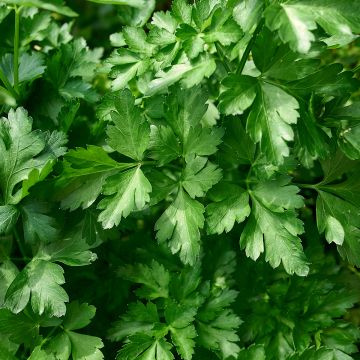
Parsley Lisette is a dwarf variety, reaching a maximum height of 25 cm (10in), perfectly suited for pot cultivation and very resistant to cold. It is also very curly, with moss-like characteristics, which makes its foliage exceptionally compact and dense. Sow from February to July for a harvest from May to October.
Combine it with garlic and olive oil and you get the famous persillade capable of reviving any vegetable dish. Always have a pot of parsley at hand, as it will be of great culinary service to you.
Parsley is an aromatic herb, also used as a medicinal plant. It is rich in vitamins, trace elements and minerals. Its very high content of vitamins C and A is particularly noteworthy: 100 g of parsley contains four times more vitamin C than 100 g of an orange, and four times the daily recommended dose of vitamin A. It is a stimulant for the nervous system, effectively fights anemia, and has detoxifying properties.
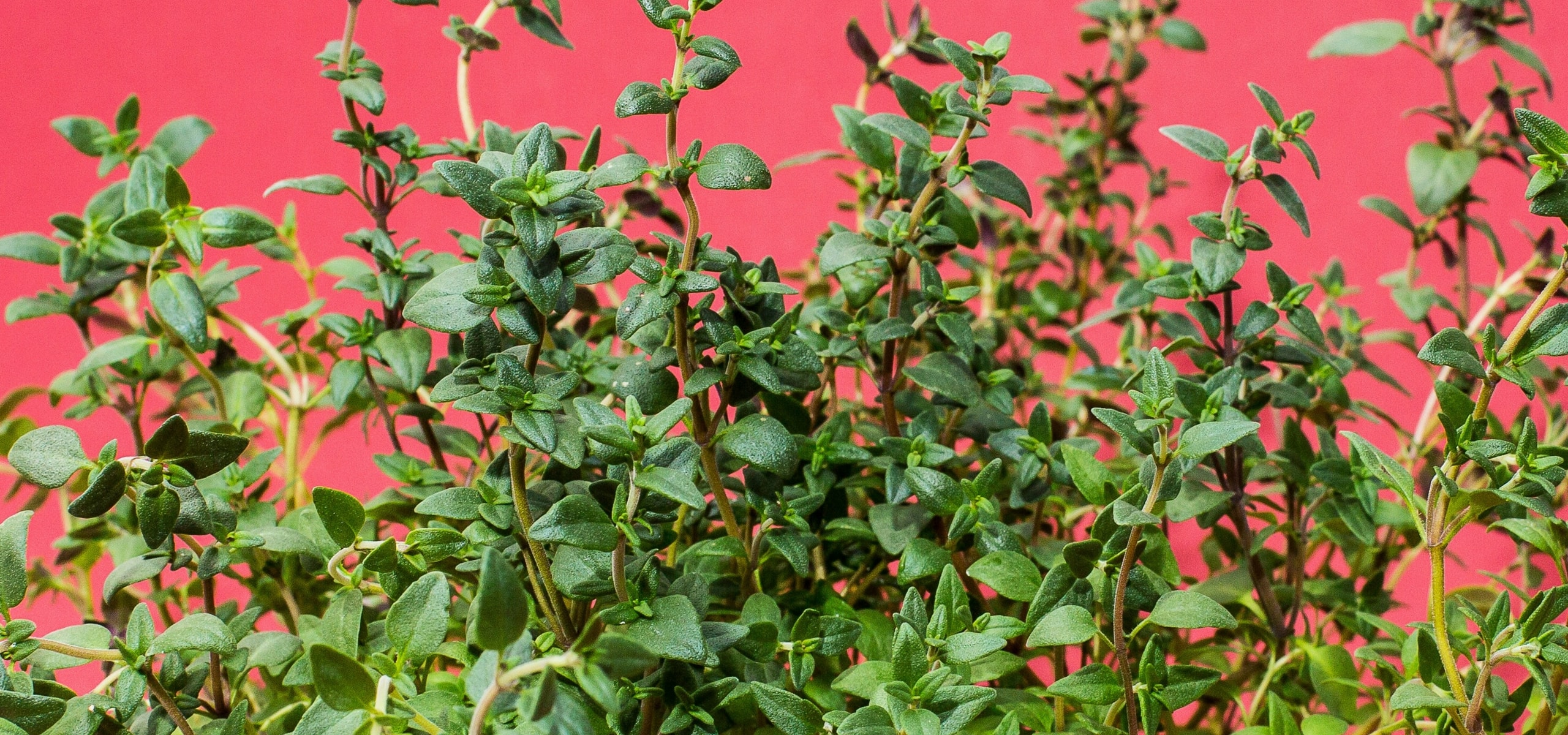
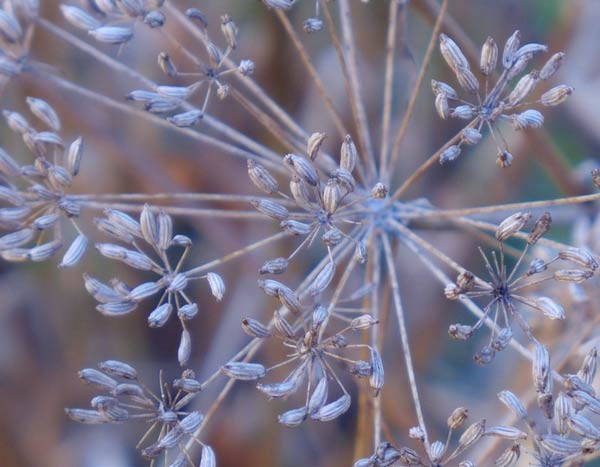
It is not surprising that parsley symbolized strength in ancient Greece and was adored by the Romans, who introduced it to many countries in the Empire. It fell out of favor in the Middle Ages, where it was associated with the devil. This biennial plant, native to the Near East, is cultivated as an annual unless one wishes to let it go to seed and harvest the seeds. It then produces umbels of tiny greenish-yellow to white flowers. But it is for its leaves that parsley is cultivated. Its leaves contain essential oils that release their fragrance at the slightest touch. They are a vibrant green, divided into three leaflets and deeply lobed. Parsley is sometimes confused with small hemlock - a toxic plant - whose leaves are similar but emit a nauseating odor. Parsley root is cultivated for both its taproot and foliage. Parsley plants can reach a height of 60 cm (24in).
It is often included in bouquet garni along with thyme, bay leaf, and rosemary. It is highly appreciated in persillades that accompany green beans, snails, etc. It is also frequently used as a decorative element on dishes.
Harvest: The harvest generally takes place three months after sowing. It can be harvested directly with scissors or by pinching off as needed in the kitchen. This cutting stimulates the plant and promotes the formation of new shoots. It is useful to have your herbs at hand, in pots on the windowsill or nearby in the garden, so you don't have to go through the entire vegetable garden every time you need them.
Storage: Parsley is best consumed fresh. But it freezes very well. To do this, wash and let it dry thoroughly. Gather the branches into bundles and place them in a freezer bag. This way, you can keep it throughout the winter and use it as needed. If you prefer to let it dry, wash the branches, wipe them dry carefully, and then let the bunches dry heads down in a dry place. When the branches become crumbly, crumble them and transfer to an airtight container.
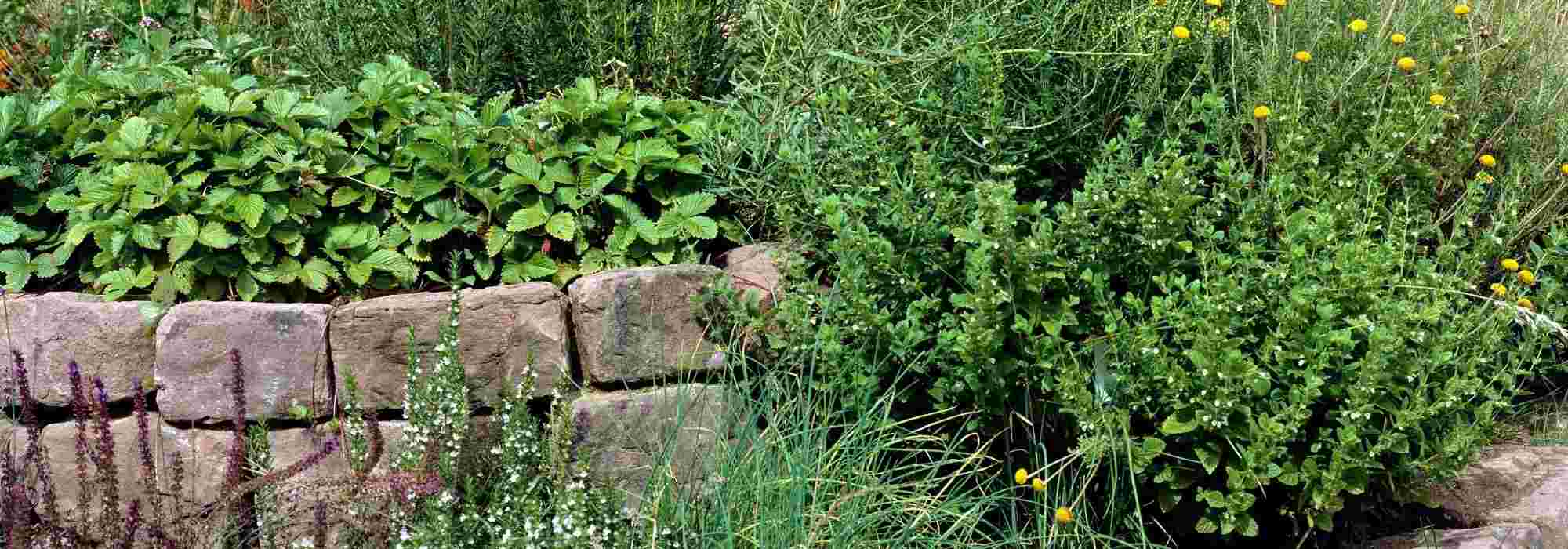
Gardener's tip: Parsley is said to enhance the fragrance of roses. To ward off the carrot fly, which also loves parsley, plant them at the base of your lavender plants to drive them away. Radishes and parsley have a synergistic effect, while the presence of parsley inhibits the growth of celeriac.
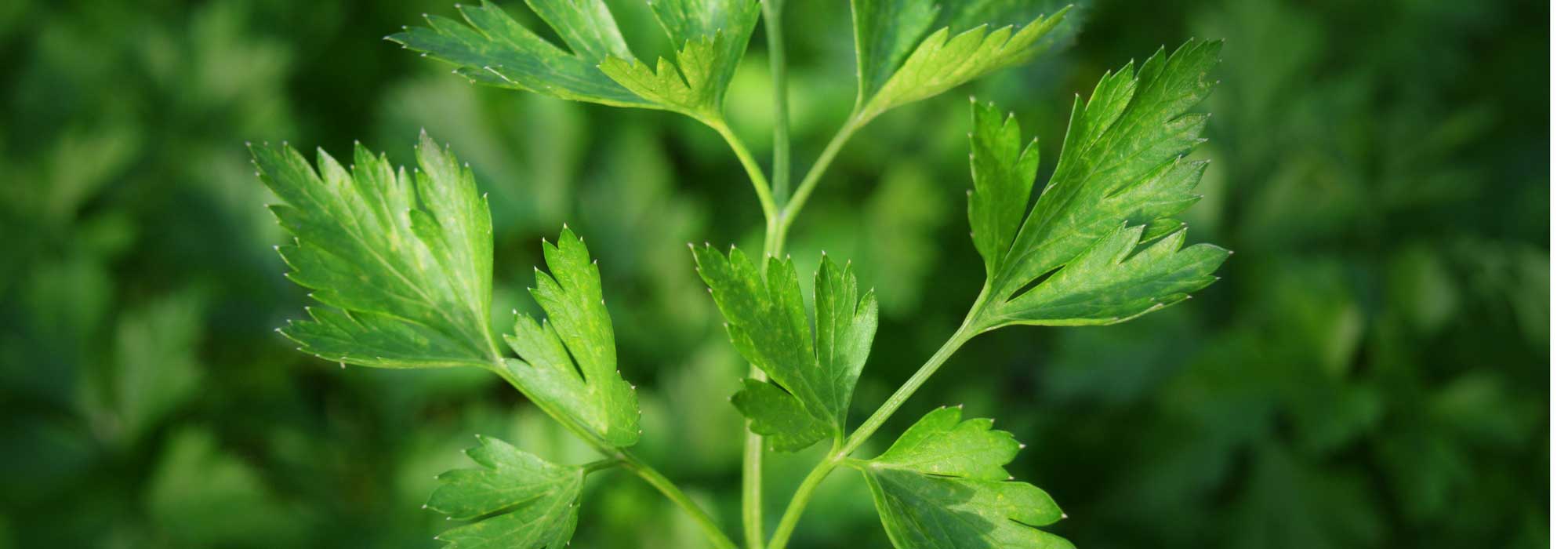
Harvest
Plant habit
Foliage
Botanical data
Petroselinum
crispum
Lisette
Apiaceae
Garden Parsley, Common Parsley
West Asia
Biennial
Planting and care
Sowing preparation: before sowing parsley, it is necessary to prepare the soil by loosening it to a depth of a few centimeters and carefully weeding it. Parsley requires a lot of moisture to grow: the soil should be watered generously or the seeds should be soaked in water for 24 hours before sowing. It can grow in all types of soil but prefers those that are rich in humus and light.
Sowing in open ground: parsley seeds are sown directly in open ground from April to September. Whether sown in furrows or scattered, or in a container, the seeds need a lot of moisture to germinate. They should be sown thinly in water-soaked soil and covered with half a centimeter of special sowing compost, which should be firmly compacted. Water should be added again and to maintain constant moisture, the sowing can be covered with a fabric that is watered. Germination can take a long time, up to a month.
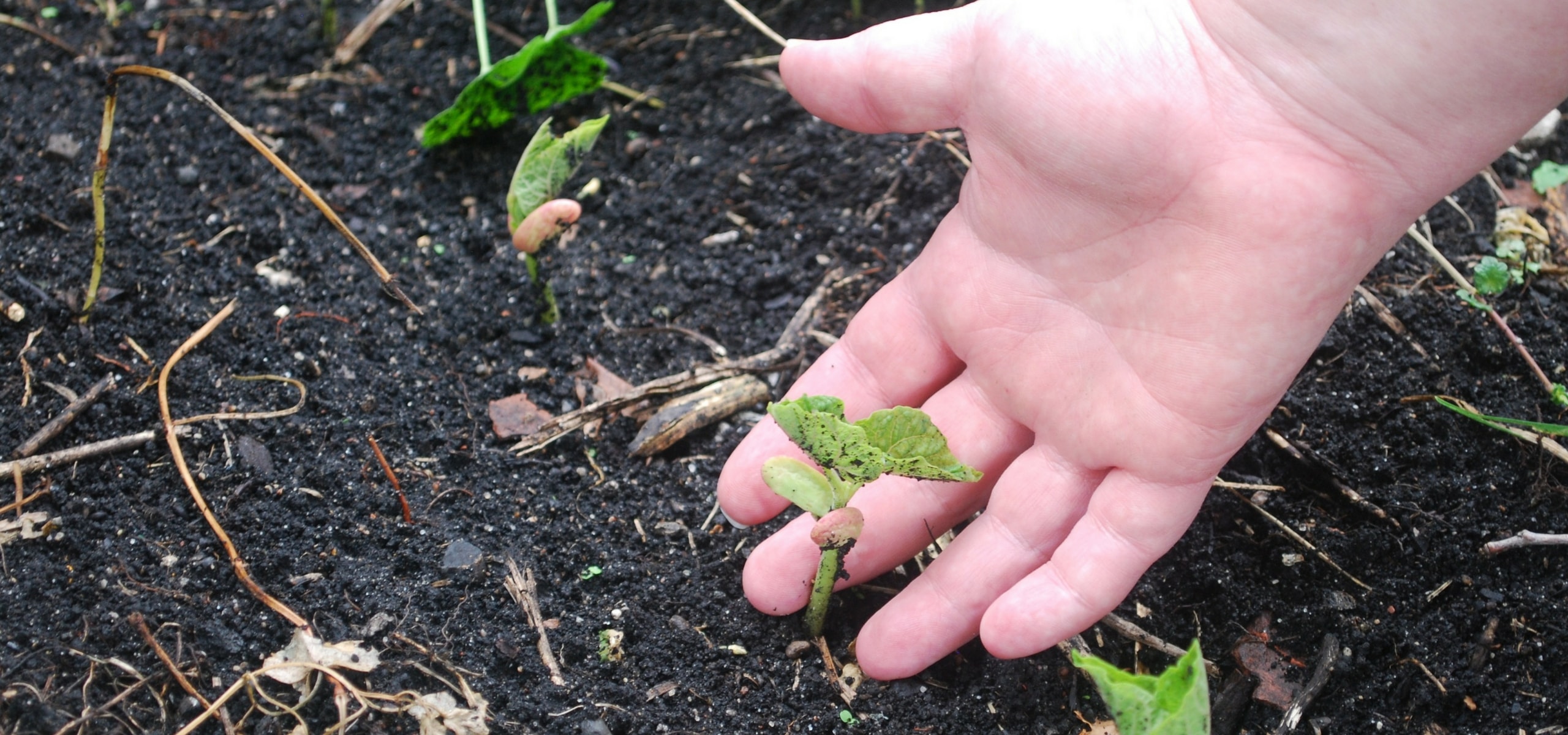
Transplanting: it often happens that a ready-to-use pot of parsley is needed for convenient consumption. When your parsley plants are strong enough, take one or two from your sowing in the garden. Place some gravel at the bottom of a pot to facilitate drainage. Loosen the roots if necessary, then adjust the root ball in its new container by adding moistened compost. Place your parsley in a sunny or semi-shady spot.
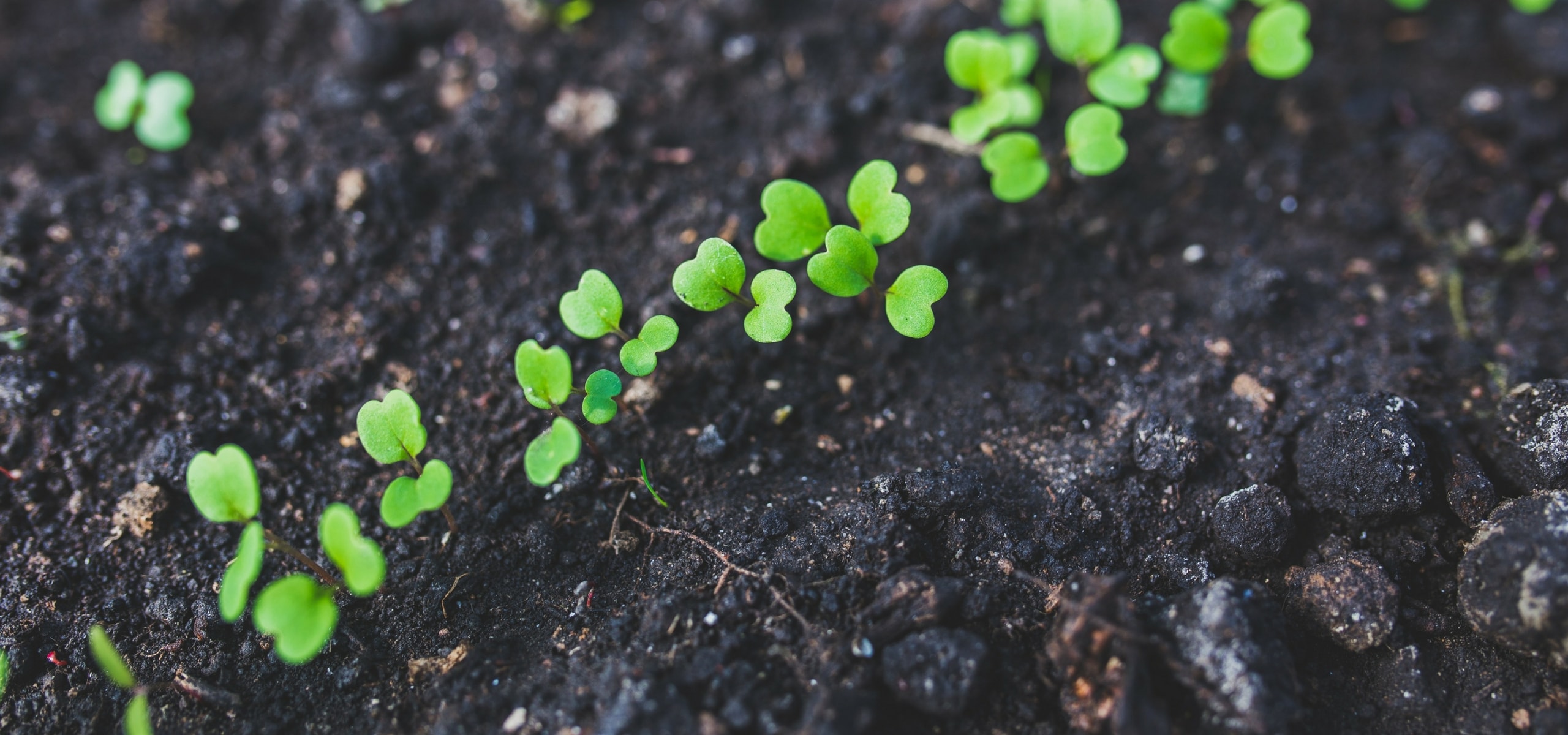
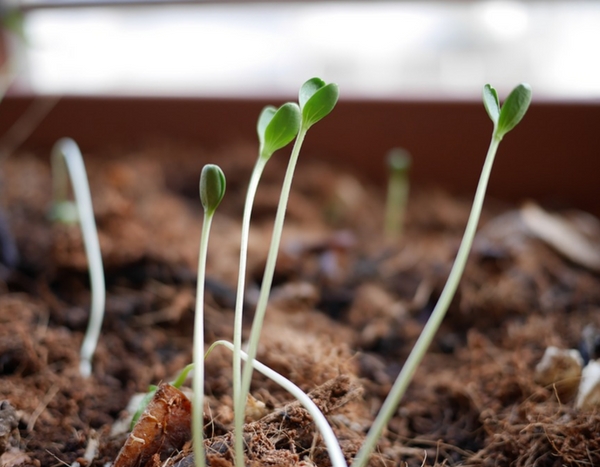
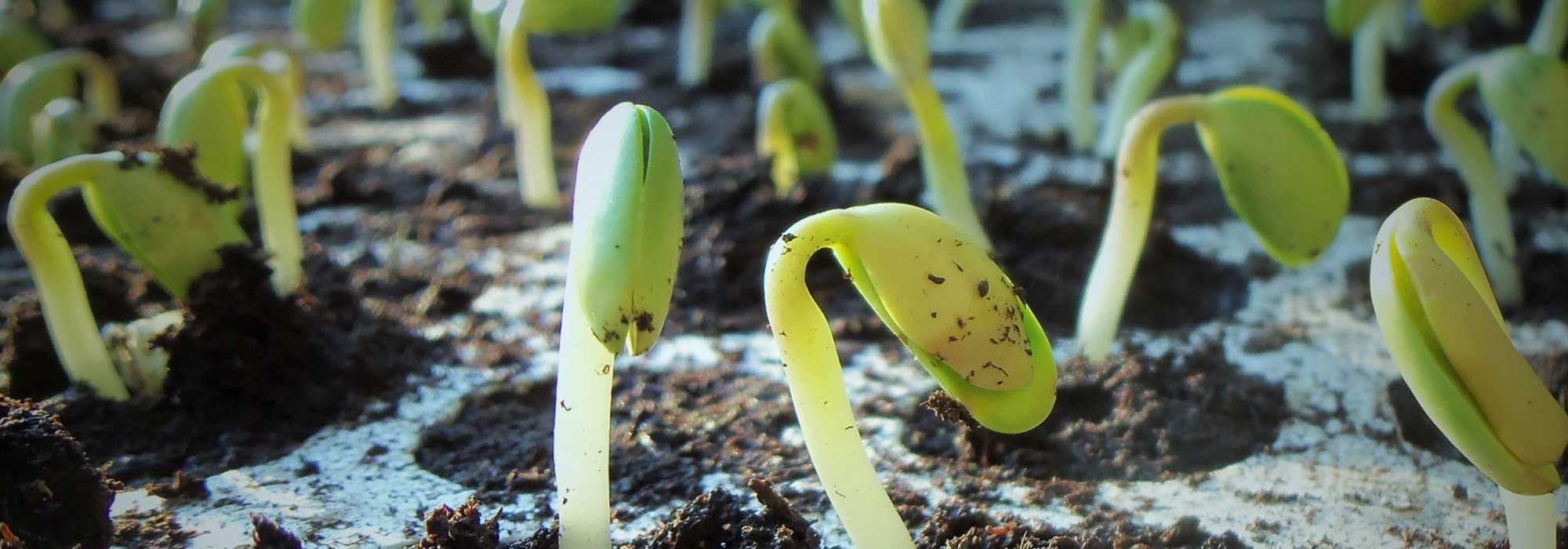
Seedlings
Care
Intended location
Planting & care advice
-
-
-
-
-
-
-
-
This item has not been reviewed yet - be the first to leave a review about it.
Recently viewed products
Haven't found what you were looking for?
Hardiness is the lowest winter temperature a plant can endure without suffering serious damage or even dying. However, hardiness is affected by location (a sheltered area, such as a patio), protection (winter cover) and soil type (hardiness is improved by well-drained soil).

The flowering period indicated on our website applies to countries and regions located in USDA zone 8 (France, the United Kingdom, Ireland, the Netherlands, etc.)
It will vary according to where you live:- In zones 9 to 10 (Italy, Spain, Greece, etc.), flowering will occur about 2 to 4 weeks earlier.
- In zones 6 to 7 (Germany, Poland, Slovenia, and lower mountainous regions), flowering will be delayed by 2 to 3 weeks.
- In zone 5 (Central Europe, Scandinavia), blooming will be delayed by 3 to 5 weeks.
In temperate climates, pruning of spring-flowering shrubs (forsythia, spireas, etc.) should be done just after flowering.
Pruning of summer-flowering shrubs (Indian Lilac, Perovskia, etc.) can be done in winter or spring.
In cold regions as well as with frost-sensitive plants, avoid pruning too early when severe frosts may still occur.
The planting period indicated on our website applies to countries and regions located in USDA zone 8 (France, United Kingdom, Ireland, Netherlands).
It will vary according to where you live:
- In Mediterranean zones (Marseille, Madrid, Milan, etc.), autumn and winter are the best planting periods.
- In continental zones (Strasbourg, Munich, Vienna, etc.), delay planting by 2 to 3 weeks in spring and bring it forward by 2 to 4 weeks in autumn.
- In mountainous regions (the Alps, Pyrenees, Carpathians, etc.), it is best to plant in late spring (May-June) or late summer (August-September).
The harvesting period indicated on our website applies to countries and regions in USDA zone 8 (France, England, Ireland, the Netherlands).
In colder areas (Scandinavia, Poland, Austria...) fruit and vegetable harvests are likely to be delayed by 3-4 weeks.
In warmer areas (Italy, Spain, Greece, etc.), harvesting will probably take place earlier, depending on weather conditions.
The sowing periods indicated on our website apply to countries and regions within USDA Zone 8 (France, UK, Ireland, Netherlands).
In colder areas (Scandinavia, Poland, Austria...), delay any outdoor sowing by 3-4 weeks, or sow under glass.
In warmer climes (Italy, Spain, Greece, etc.), bring outdoor sowing forward by a few weeks.
Shipping country and language
Your country of residence may be:
Your country of residence is:
For a better user experience on our website, you can select:
Your shipping country:
-
 Austria
-
 Belgium
-
 Bosnia & Herzegovina
-
 Bulgaria
-
 Croatia
-
 Cyprus
-
 Czechia
-
 Denmark
-
 Estonia
-
 Finland
-
 France
-
 Germany
-
 Greece
-
 Hungary
-
 Iceland
-
 Ireland
-
 Italy
Italy
-
 Latvia
-
 Liechtenstein
-
 Lithuania
-
 Luxembourg
-
 Malta
Malta
-
 Netherlands
-
 Poland
-
 Portugal
-
 Romania
-
 Serbia
-
 Slovakia
-
 Slovenia
-
 Spain
Spain
-
 Sweden
-
 Switzerland
Language:
-
French
-
 English
-
Spanish
-
Italian
-
German
-
Portuguese
-
Dutch
-
Finnish
My Account
Hello
My wish lists
My cart
Log in / Register
Existing customer?
This form is protected by reCAPTCHA - the Google Privacy Policy and Terms of Service apply.
New customer?
Create an account to track your orders, access our customer service and, if you wish, make the most of our upcoming offers.