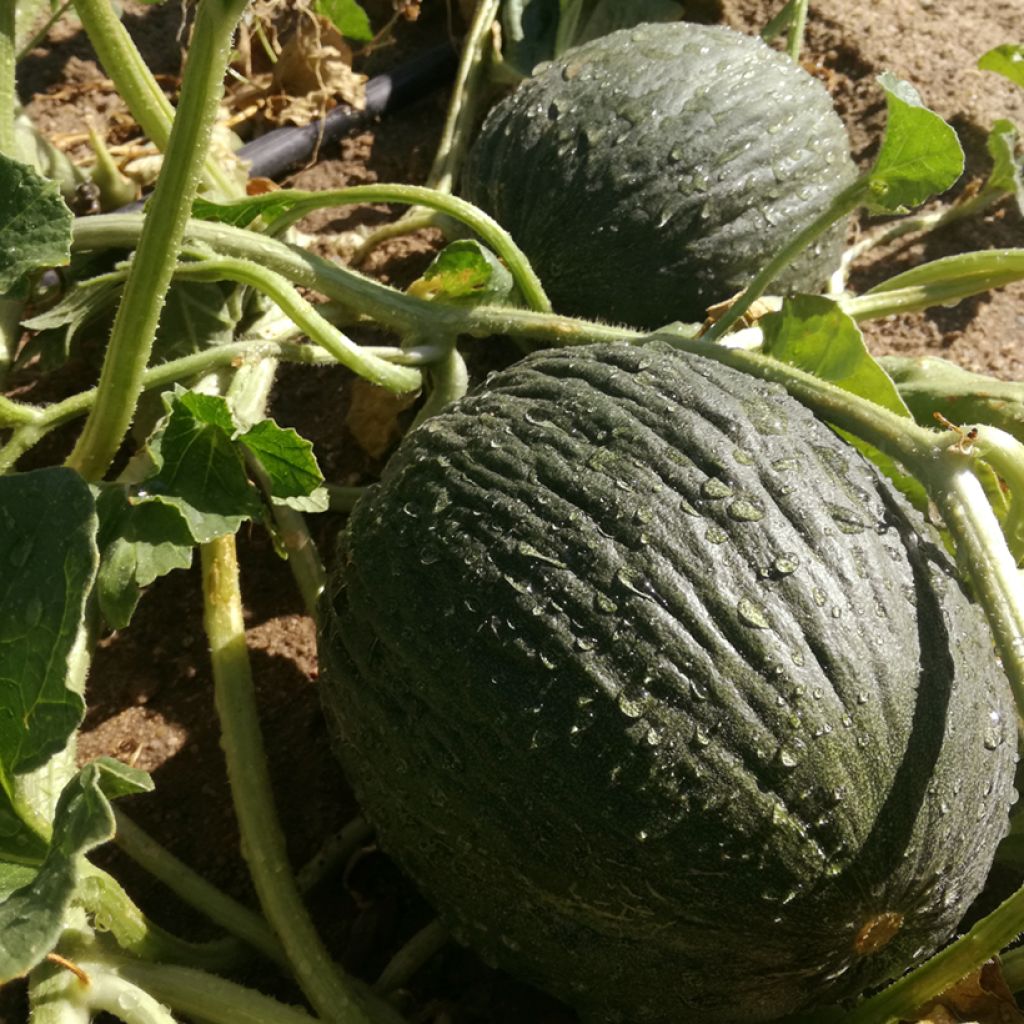
Cucumis melo Winter Olive Green

Cucumis melo Winter Olive Green
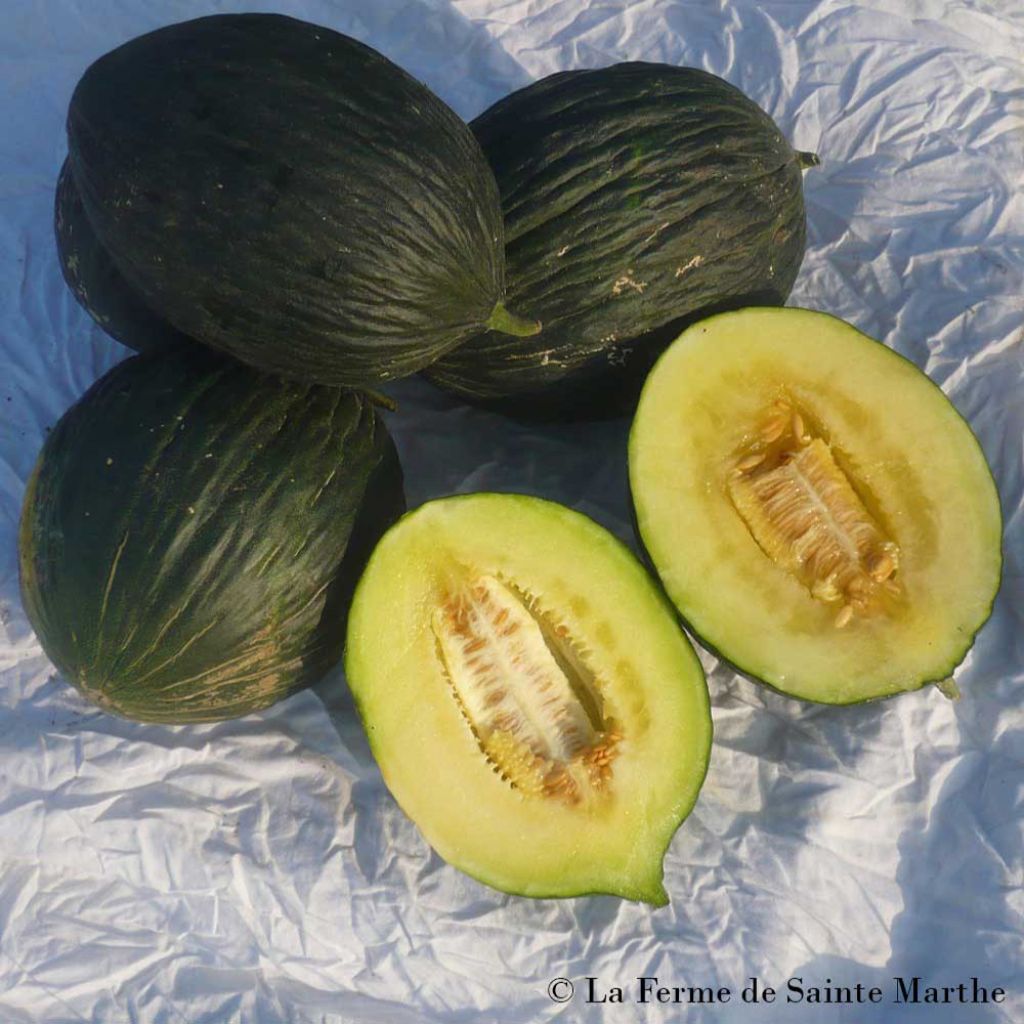
Cucumis melo Winter Olive Green
Cucumis melo Winter Olive Green
Cucumis melo Vert Olive d'Hiver
Melon 'Winter Olive Green'
Back-to-school special offer!
Get €10 off for every €50 you spend! And get up to €40 off on a single order.
How does it work?
1. Shop your favourites
Add your favourite plants to your basket. For every €50 you spend (excluding delivery charges, store credit and the plastic-free option), you’ll receive a €10 voucher.
€50 spent = €10 voucher
€100 spent = €20 voucher
€150 spent = €30 voucher
€200 spent = €40 voucher
2. Place your order
Once your basket reaches one of the spending thresholds, place your order. You can even choose your delivery date!
3. Receive your voucher
As soon as your order has been shipped, you’ll receive an email containing your personal voucher code and its value.
4. Use it on your next order
Your voucher is valid for 90 days from the date you receive it. It can be used once only, on a new order worth at least the value of the voucher, excluding delivery charges.
Please note: Vouchers can be combined with other offers, but cannot be split or refunded.
Home or relay delivery (depending on size and destination)
Important: You may be charged customs duties by your country’s customs authorities upon delivery.
Schedule delivery date,
and select date in basket
This plant carries a 6 months recovery warranty
More information
We guarantee the quality of our plants for a full growing cycle, and will replace at our expense any plant that fails to recover under normal climatic and planting conditions.
Description
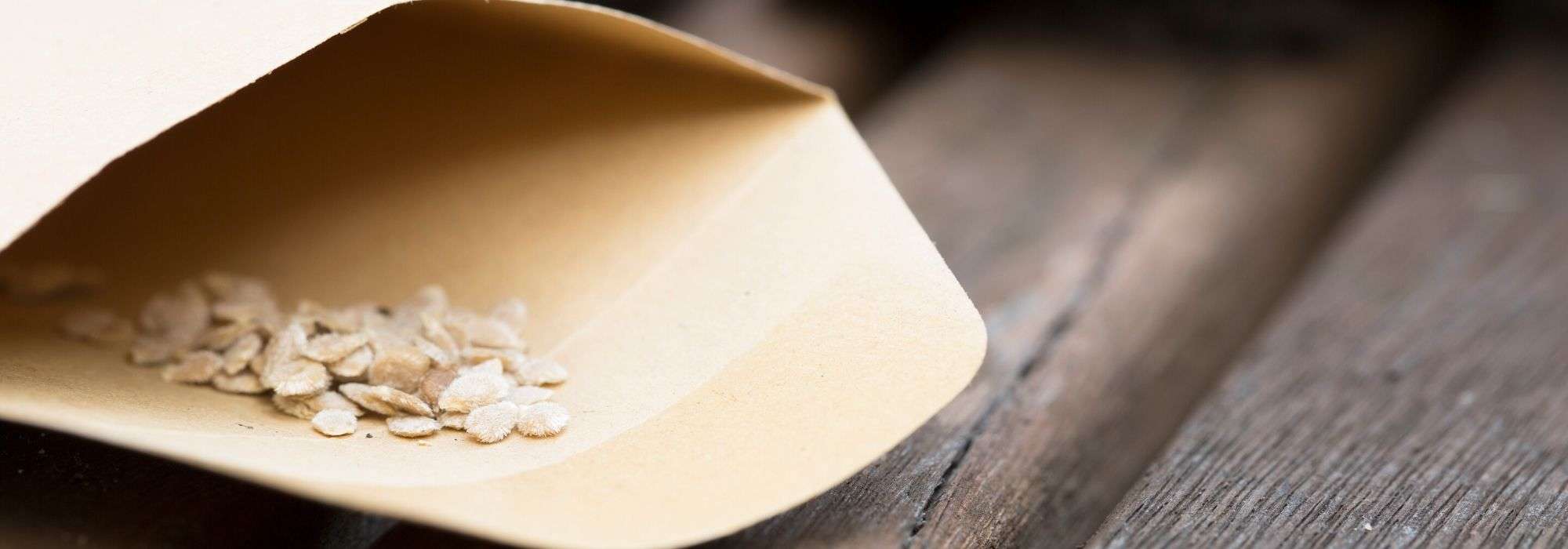
Cucumis melo 'Winter Olive Green' is an ancient variety of melon. It bears a late crop of dark green oval fruits with pink flesh that is sweet, juicy, and succulent. It keeps remarkably well, until late in winter under good conditions. Sow the seeds from March to May for a harvest from June to September.
The melon is a compact fruit that is round or oblong with a smooth, ribbed or reticulated skin. The juicy flesh can be green, white, yellow, or orange, and surrounds a central cavity filled with seeds. It is commonly consumed raw as an appetiser or sweet dessert, as well as in sorbets, jams, compotes, or syrup. The small melons removed during thinning and pruning can be pickled in vinegar with herbs. Melons are hydrating, refreshing, and diuretic. They are reputed to be rich in trace elements and vitamins B and C in particular. Orange-fleshed varieties also contain vitamin A (the famous carotene).
They are annual creeping herbaceous plants, with female flowers distinguished from male flowers by their inferior ovary (under the flower), resembling an embryo of a fruit. They are located on the secondary or tertiary branches of each plant and will develop into the fruit. As for the male flowers, they always appear in the axils of the leaves on the main stem.
Harvesting: wait four weeks between fruit formation and picking. The fruit will emit a sweet smell and the stalk will start to detach, indicating that the melon is ready to be harvested.
Storage: an unopened melon can be stored in a dry and airy place. Rest it on racks, for example. If it has been cut open or has been damaged, you can freeze it. Remove the skin and central seeds, then cut it into pieces and moisten it with the juice of a lemon before placing in the freezer.
Gardener's tip: place a slate tile under the fruit to block direct contact with the ground. This avoids rotting from excess moisture. Mulch around the plants, especially during the height of summer, as melon plants like moist soil.
Melons are highly susceptible to powdery mildew (a fungal disease that leaves a white powdery coating on the surface of the leaves). Be careful not to water the leaves or flowers.
Melons are nutrient-demanding fruits. They belong to the Cucurbitaceae family, like cucumbers, watermelons, and squash, etc. This family are notorious for depleting the nutrients in the soil. Therefore, it is advisable not to grow this type of fruit in the same location, or consecutively, in order to avoid excessively depleting the soil.
Plant them with oregano, as they are good companions both in the garden and on the plate.
Biological or "BIO" seeds come from plants grown in organic agriculture (without the use of phytosanitary products). They undergo no treatment after harvest. These seeds are suitable for organic market gardening.
Harvest
Plant habit
Foliage
Botanical data
Cucumis
melo
Vert Olive d'Hiver
Cucurbitaceae
Melon 'Winter Olive Green'
Cultivar or hybrid
Annual
Planting and care
Soil preparation
Melons need nutrient-rich soil and plenty of warmth for successful fruiting. They prefer a sunny location. They appreciate moist but well-drained soils. Ideally, the soil should be sandy, well-drained, and slightly acidic in pH. Take care to prepare the soil by aerating it to a depth of about 10cm (4in), without turning it over. Dig a hole to accommodate the plant and fill it with well-decomposed manure or compost, which should be mixed with the soil to avoid burning the roots. If the soil is not well-drained, it is possible to create a small mound for each plant.
Sowing under glass
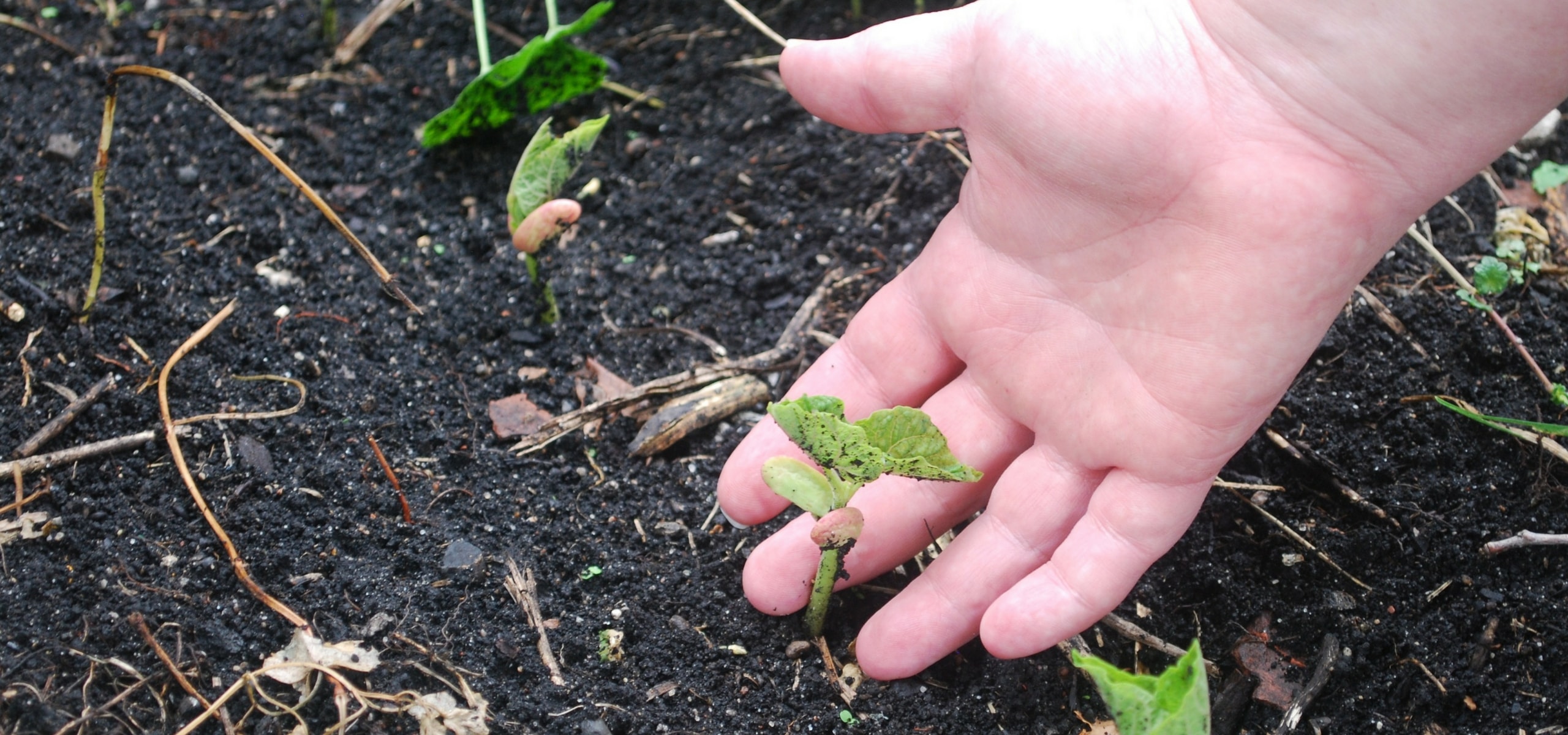
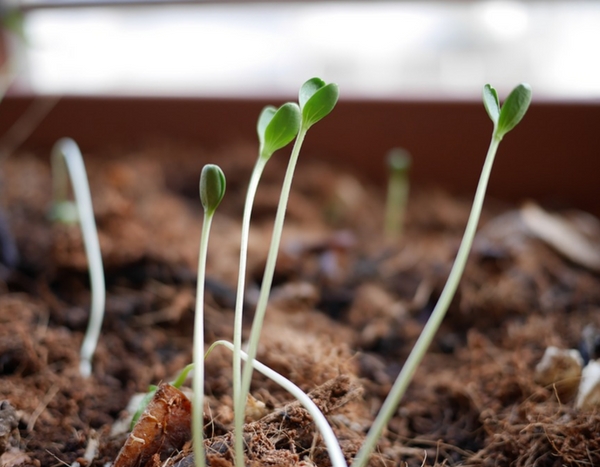
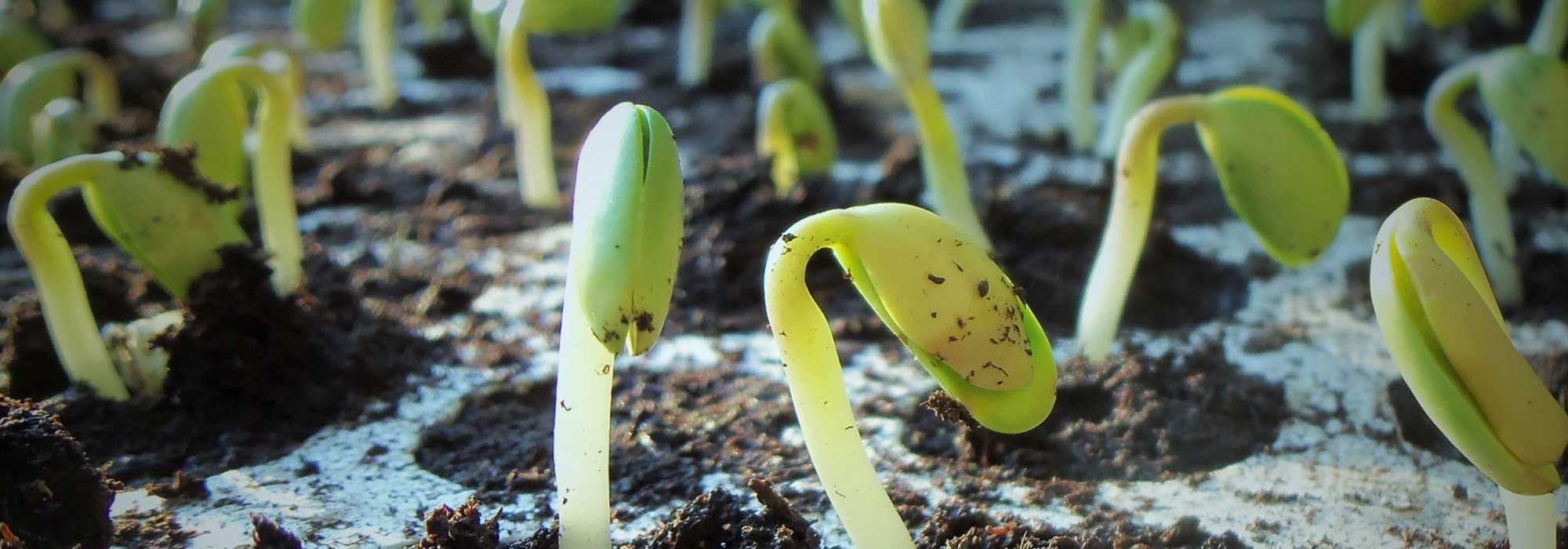
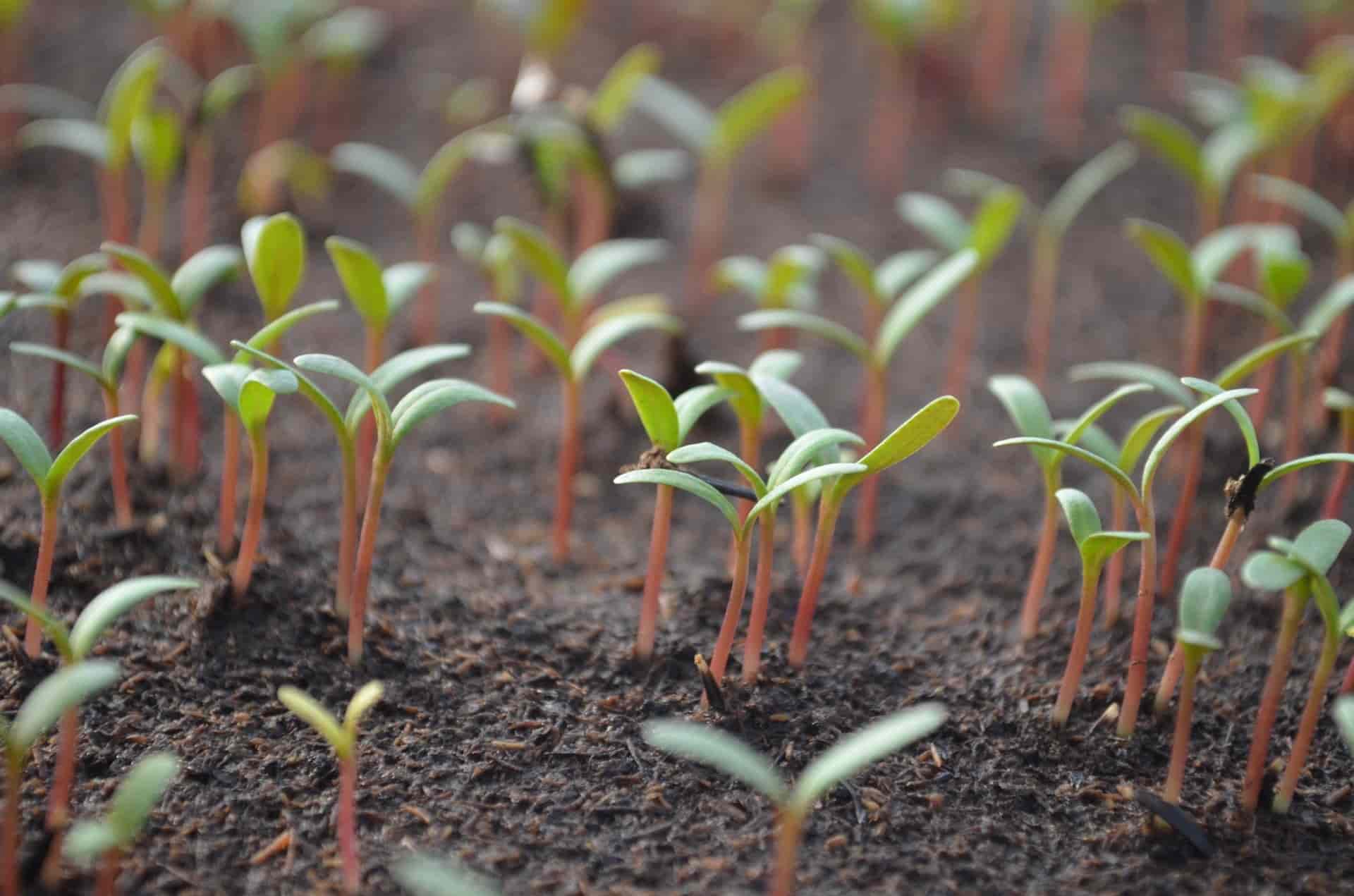
Melons can be grown in vegetable gardens. However, it is usually preferable to sow them on a warm bed in a greenhouse before transplanting them into open ground. From the end of March, fill your pots or trays with special seed compost and plant the melon seeds, with the pointed end downwards, to facilitate root development. Moisten the soil, which should remain moderately damp. The seeds usually germinate in 14 days. As soon as the plants have three true leaves, you can transplant them into open ground. Make sure that the soil is warm enough beforehand. The temperature should be between 18 and 26°C (64.4 and 78.8°F) for optimal growth. Take care to space each plant 80cm (32in) apart in all directions.
Sowing in open ground
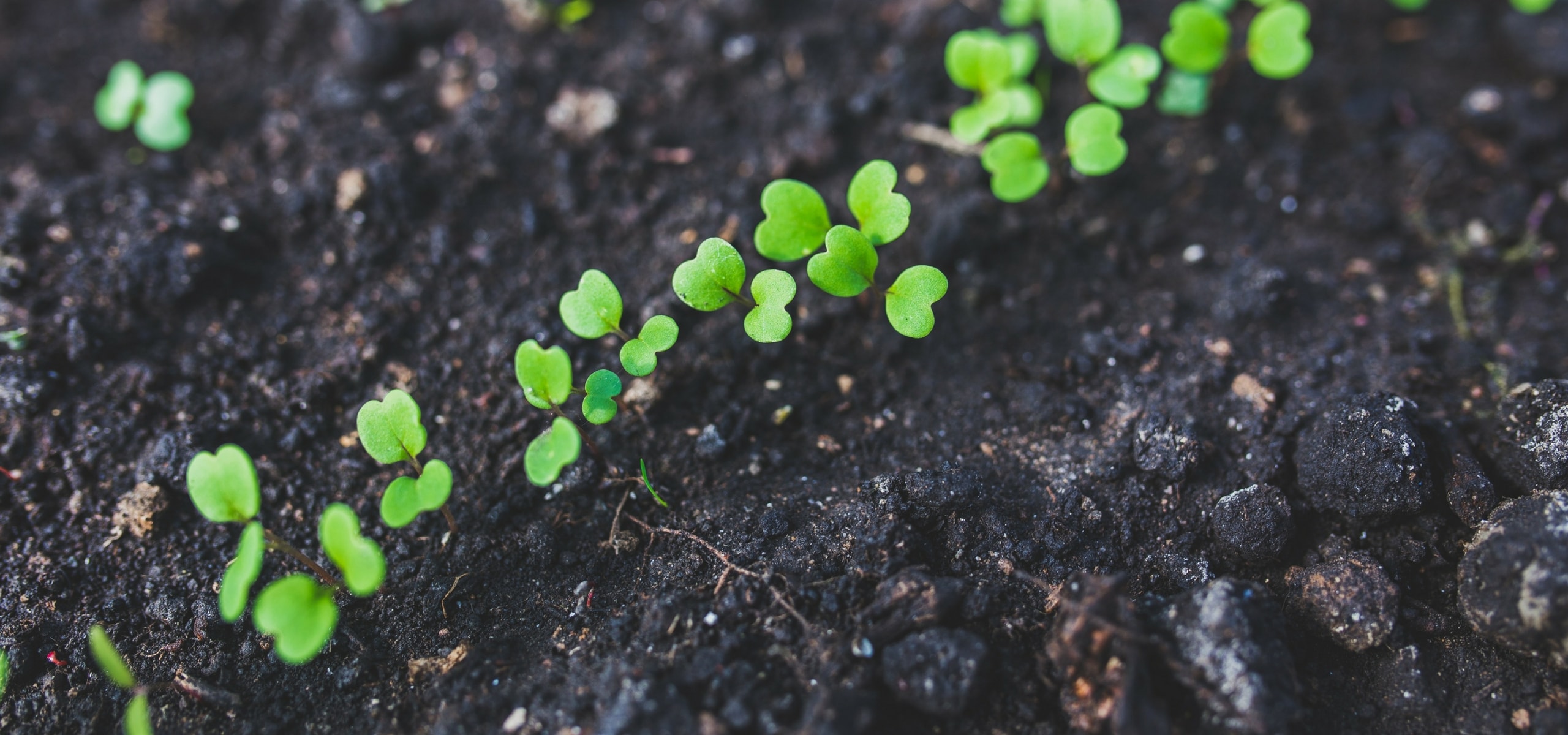
It is possible to sow melon seeds directly into open ground in warm regions or on the Atlantic coast. Make sure that the soil is sufficiently warmed up beforehand. Then, sow two to three seeds in individual holes, with the pointed end facing downwards. Repeat the process, spacing them at least 80cm (32in) apart in all directions. Moisten the soil, which should remain moderately damp. When the plants have three true leaves, keep the strongest one.
Seedlings
Care
Intended location
Planting & care advice
-

-
-
-
-
-
-
-
This item has not been reviewed yet - be the first to leave a review about it.
Recently viewed products
Haven't found what you were looking for?
Hardiness is the lowest winter temperature a plant can endure without suffering serious damage or even dying. However, hardiness is affected by location (a sheltered area, such as a patio), protection (winter cover) and soil type (hardiness is improved by well-drained soil).

The flowering period indicated on our website applies to countries and regions located in USDA zone 8 (France, the United Kingdom, Ireland, the Netherlands, etc.)
It will vary according to where you live:- In zones 9 to 10 (Italy, Spain, Greece, etc.), flowering will occur about 2 to 4 weeks earlier.
- In zones 6 to 7 (Germany, Poland, Slovenia, and lower mountainous regions), flowering will be delayed by 2 to 3 weeks.
- In zone 5 (Central Europe, Scandinavia), blooming will be delayed by 3 to 5 weeks.
In temperate climates, pruning of spring-flowering shrubs (forsythia, spireas, etc.) should be done just after flowering.
Pruning of summer-flowering shrubs (Indian Lilac, Perovskia, etc.) can be done in winter or spring.
In cold regions as well as with frost-sensitive plants, avoid pruning too early when severe frosts may still occur.
The planting period indicated on our website applies to countries and regions located in USDA zone 8 (France, United Kingdom, Ireland, Netherlands).
It will vary according to where you live:
- In Mediterranean zones (Marseille, Madrid, Milan, etc.), autumn and winter are the best planting periods.
- In continental zones (Strasbourg, Munich, Vienna, etc.), delay planting by 2 to 3 weeks in spring and bring it forward by 2 to 4 weeks in autumn.
- In mountainous regions (the Alps, Pyrenees, Carpathians, etc.), it is best to plant in late spring (May-June) or late summer (August-September).
The harvesting period indicated on our website applies to countries and regions in USDA zone 8 (France, England, Ireland, the Netherlands).
In colder areas (Scandinavia, Poland, Austria...) fruit and vegetable harvests are likely to be delayed by 3-4 weeks.
In warmer areas (Italy, Spain, Greece, etc.), harvesting will probably take place earlier, depending on weather conditions.
The sowing periods indicated on our website apply to countries and regions within USDA Zone 8 (France, UK, Ireland, Netherlands).
In colder areas (Scandinavia, Poland, Austria...), delay any outdoor sowing by 3-4 weeks, or sow under glass.
In warmer climes (Italy, Spain, Greece, etc.), bring outdoor sowing forward by a few weeks.
Shipping country and language
Your country of residence may be:
Your country of residence is:
For a better user experience on our website, you can select:
Your shipping country:
-
 Austria
-
 Belgium
-
 Bosnia & Herzegovina
-
 Bulgaria
-
 Croatia
-
 Cyprus
-
 Czechia
-
 Denmark
-
 Estonia
-
 Finland
-
 France
-
 Germany
-
 Greece
-
 Hungary
-
 Iceland
-
 Ireland
-
 Italy
Italy
-
 Latvia
-
 Liechtenstein
-
 Lithuania
-
 Luxembourg
-
 Malta
Malta
-
 Netherlands
-
 Poland
-
 Portugal
-
 Romania
-
 Serbia
-
 Slovakia
-
 Slovenia
-
 Spain
Spain
-
 Sweden
-
 Switzerland
Language:
-
French
-
 English
-
Spanish
-
Italian
-
German
-
Portuguese
-
Dutch
-
Finnish
My Account
Hello
My wish lists
My cart
Log in / Register
Existing customer?
This form is protected by reCAPTCHA - the Google Privacy Policy and Terms of Service apply.
New customer?
Create an account to track your orders, access our customer service and, if you wish, make the most of our upcoming offers.