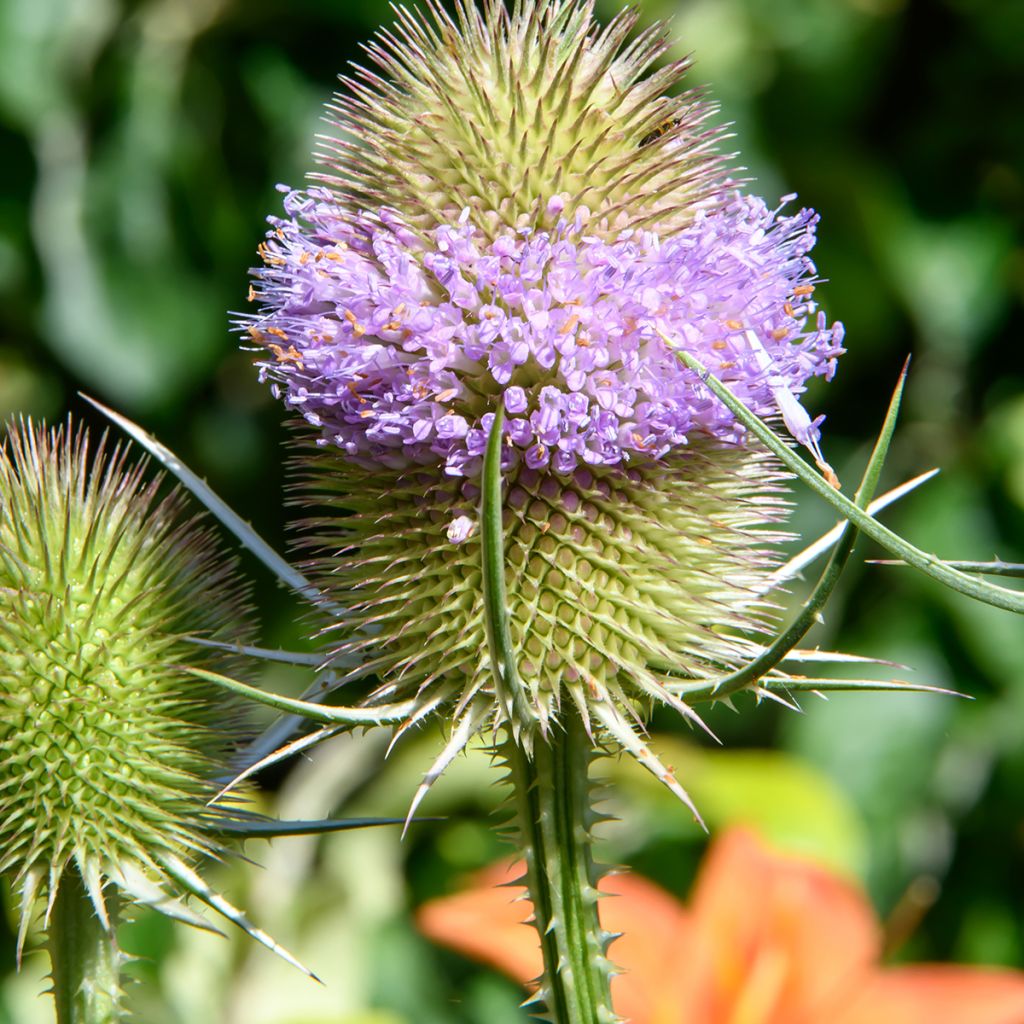
Dipsacus fullonum - Wild Teasel seeds
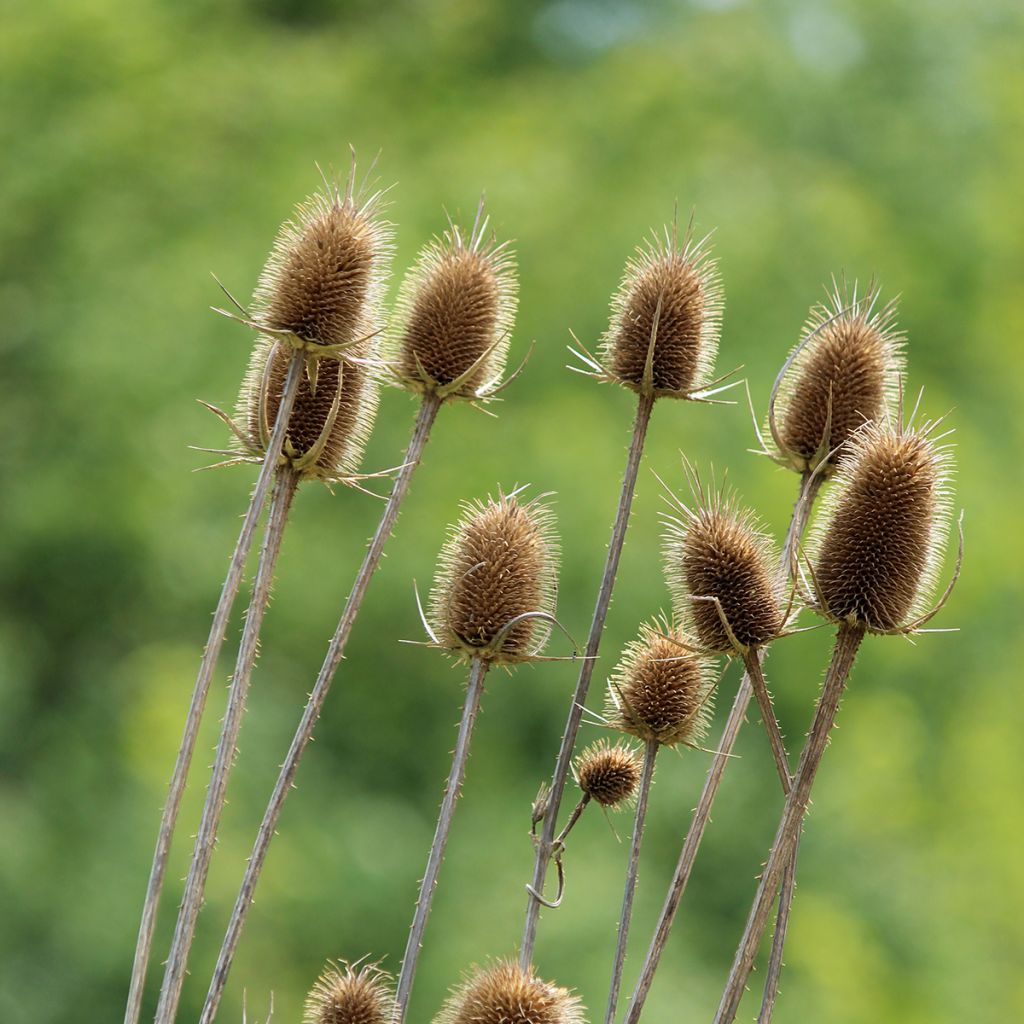
Dipsacus fullonum - Wild Teasel seeds
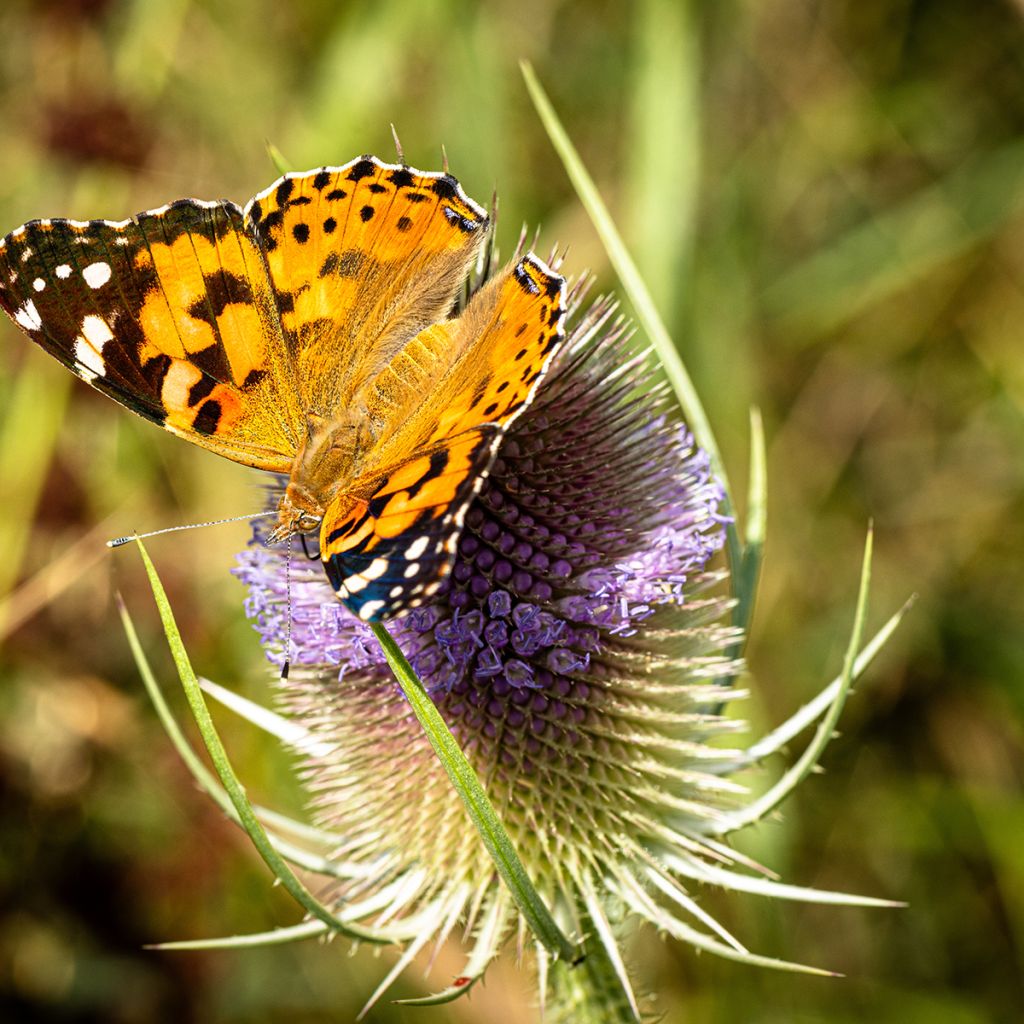
Dipsacus fullonum - Wild Teasel seeds
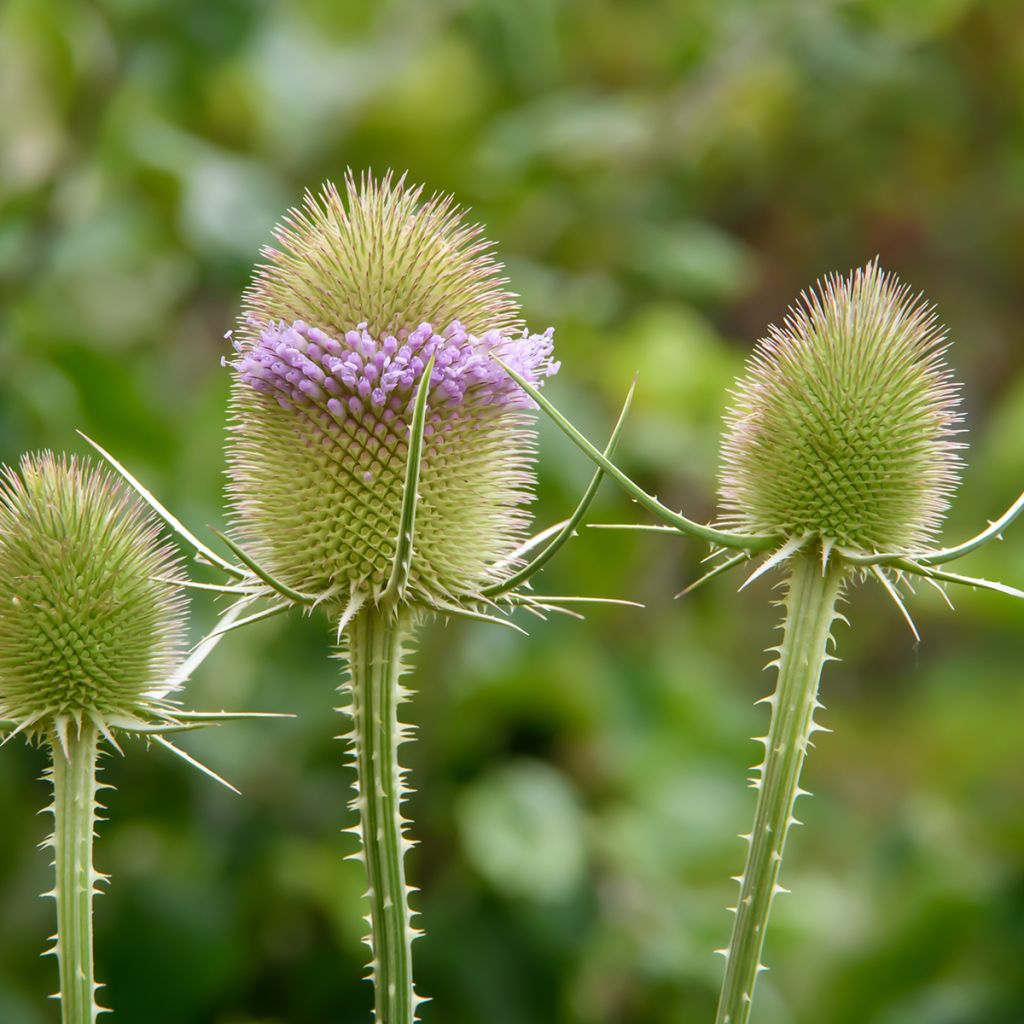
Dipsacus fullonum - Wild Teasel seeds
Dipsacus fullonum - Wild Teasel seeds
Dipsacus fullonum - Wild Teasel seeds
Dipsacus fullonum - Wild Teasel seeds
Dipsacus fullonum
Wild Teasel, Common Teasel
Back-to-school special offer!
Get €10 off for every €50 you spend! And get up to €40 off on a single order.
How does it work?
1. Shop your favourites
Add your favourite plants to your basket. For every €50 you spend (excluding delivery charges, store credit and the plastic-free option), you’ll receive a €10 voucher.
€50 spent = €10 voucher
€100 spent = €20 voucher
€150 spent = €30 voucher
€200 spent = €40 voucher
2. Place your order
Once your basket reaches one of the spending thresholds, place your order. You can even choose your delivery date!
3. Receive your voucher
As soon as your order has been shipped, you’ll receive an email containing your personal voucher code and its value.
4. Use it on your next order
Your voucher is valid for 90 days from the date you receive it. It can be used once only, on a new order worth at least the value of the voucher, excluding delivery charges.
Please note: Vouchers can be combined with other offers, but cannot be split or refunded.
Home or relay delivery (depending on size and destination)
Important: You may be charged customs duties by your country’s customs authorities upon delivery.
Schedule delivery date
and select date in basket
This plant carries a 6 months recovery warranty
More information
We guarantee the quality of our plants for a full growing cycle, and will replace at our expense any plant that fails to recover under normal climatic and planting conditions.
Would this plant suit my garden?
Set up your Plantfit profile →
Description
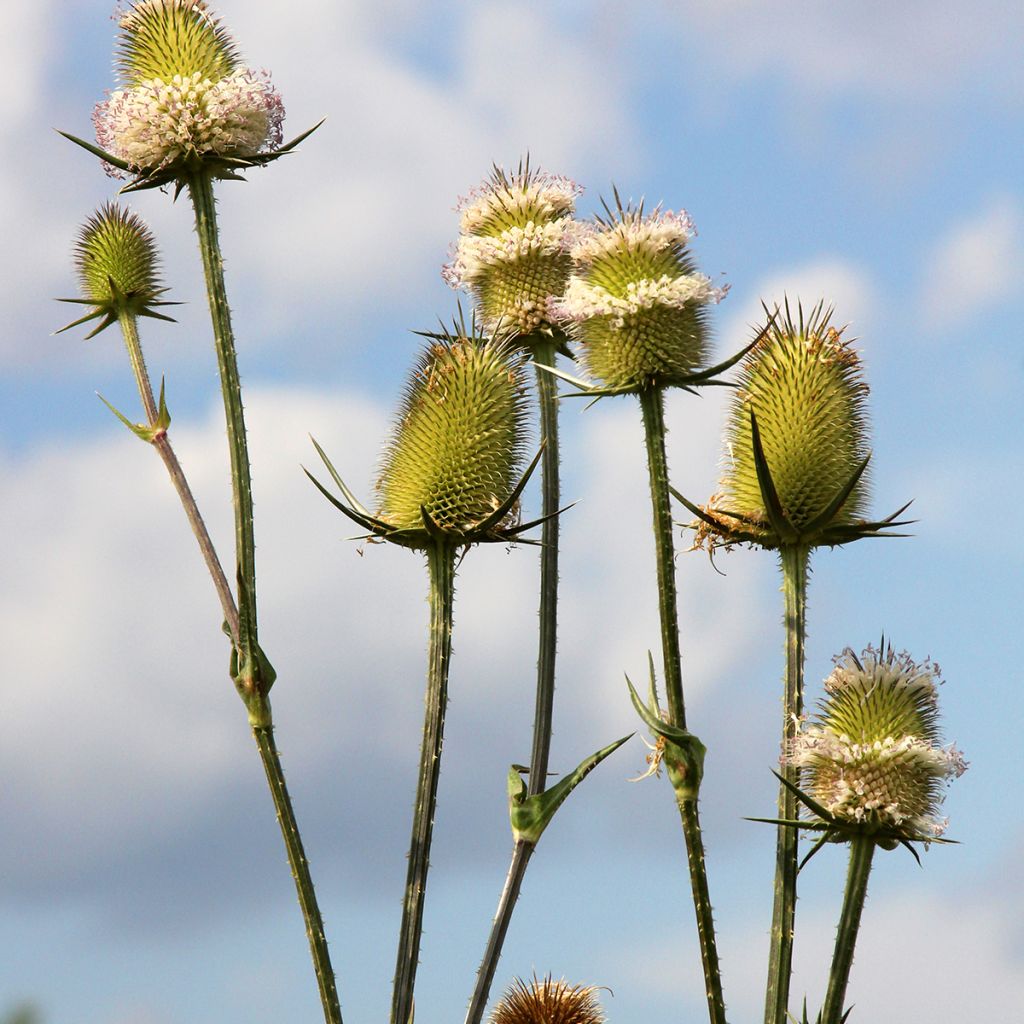
Wild Teasel (Dipsacus fullonum, syn. Dipsacus sylvestris) is a tall, biennial, nectar-rich plant ideal for a natural garden or a wildflower meadow. Grown from organic seeds, it forms a clump of robust stems reaching nearly two metres tall over two seasons, topped with large, prickly flower heads adorned with small mauve-pink flowers. These inflorescences are rich in nectar and pollen, attracting a host of insects, then providing a seed reserve in autumn and winter for goldfinches and other seed-eating birds.
Botanically, Wild Teasel belongs to the Caprifoliaceae family (formerly Dipsacaceae). Its currently accepted scientific name is Dipsacus fullonum, with Dipsacus sylvestris being a synonym still widely used in the literature. Official botanical synonyms include: Dipsacus fullonum subsp. sylvestris, Dipsacus arcimusci, Dipsacus botterii, Dipsacus carminatorius, Dipsacus connatofolius, etc. It is known by the common names Wild Teasel, Common Teasel, Bird's Nest, Our Lady's Bath, Venus's Basin, or Wolf's Comb. It is a biennial plant, or a short-lived perennial, native to temperate Europe as far as the Caucasus, North Africa, and western Asia, where it colonises fallow land, roadsides, embankments, and moist meadows.
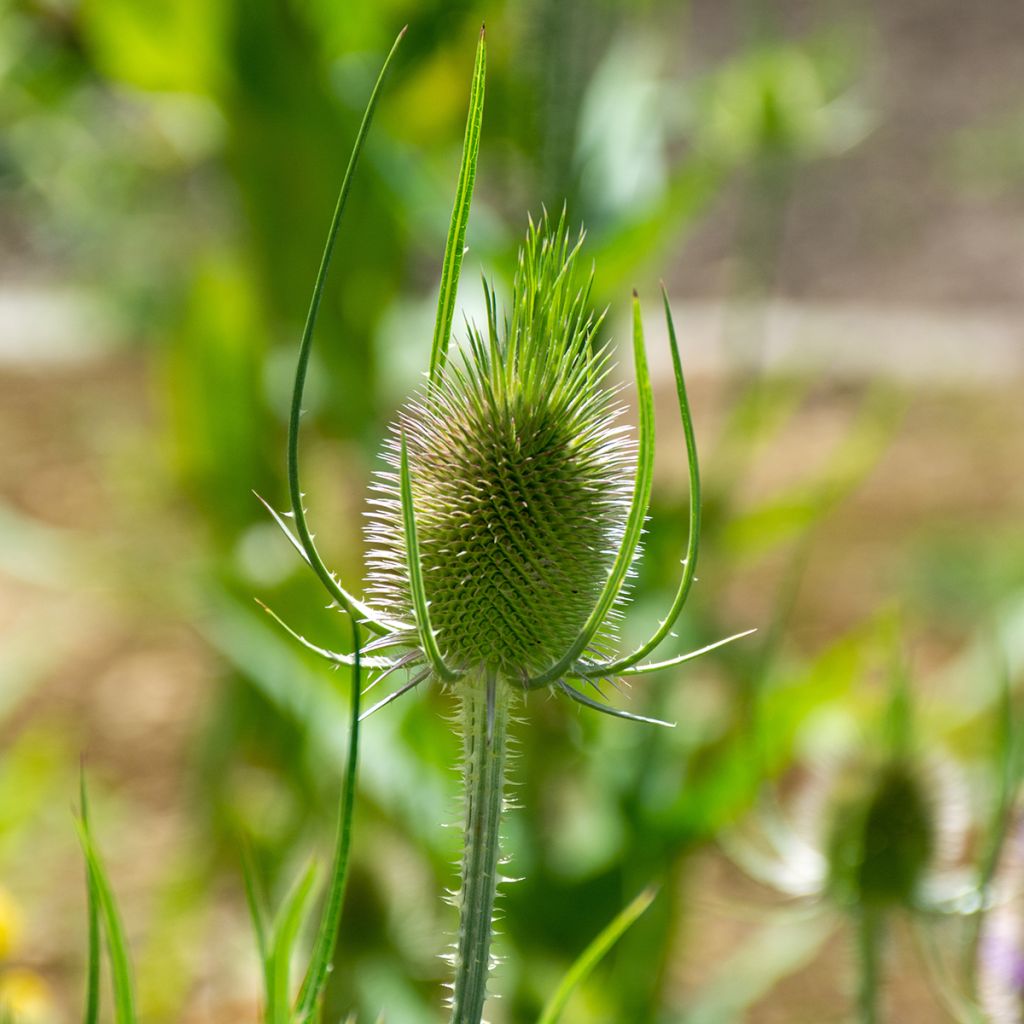
In its first year, the teasel forms a rosette of large lanceolate, 20 to 40cm long, finely toothed leaves, very prickly on the dorsal vein. In its second year, one or more channelled, prickly flower stems rise to 1.50–2m from the ground. The leaves are opposite on the stems and fused at the base to form a cup that holds rainwater. The root system is dominated by a deep taproot, ensuring anchorage and drought resistance. The inflorescences are ovoid to cylindrical, 4 to 8cm long heads, surrounded by long, arched bracts that clearly extend beyond the flower head. The small tubular flowers, with a lilac-pink to mauve corolla, open in a median ring; flowering then progresses upwards and downwards, creating characteristic successive rings, from July to September. After flowering, the heads dry out and become rigid "thistles", filled with tiny quadrangular achenes about 5 mm long, which remain in place for a long time and are dispersed by wind, birds, and soil cultivation.
The above-ground vegetation dies back after seed production, but the dry stems persist, providing shelter for many insects.
Wild Teasel readily self-seeds around the parent plant if the heads are left to mature. In several regions of Europe, a related species, Fuller's Teasel (Dipsacus sativus), was once cultivated for carding wool: its heads were mounted on cylinders to raise the nap of cloth, a practice that has left abundant iconography. The Wild Teasel itself, being more flexible, was locally used to fill these tools.
Sow teasels in borders and wildflower meadows, or in a corner of the vegetable garden dedicated to biodiversity, alongside other thistles, or tall perennials such as Verbascum or hybrid mulleins. The bird's nest plant prefers ordinary to heavy soils, neutral to chalky, not too dry to moist, but also tolerates poorer ground if it can sink its roots deep. This plant will also thrive near water, helping to stabilise the banks. It pairs well with somewhat unusual summer blooms like Echinacea purpurea 'Green Twister' and a light grass such as Deschampsia cespitosa 'Goldtau'.
Report an error about the product description
Flowering
Foliage
Plant habit
Botanical data
Dipsacus
fullonum
Caprifoliaceae
Wild Teasel, Common Teasel
Dipsacus fullonum subsp. sylvestris, Dipsacus arcimusci, Dipsacus botterii, Dipsacus carminatorius, Dipsacus connatofolius
Western Europe, Central Europe, Eastern Europe, North Africa, West Asia
Planting and care
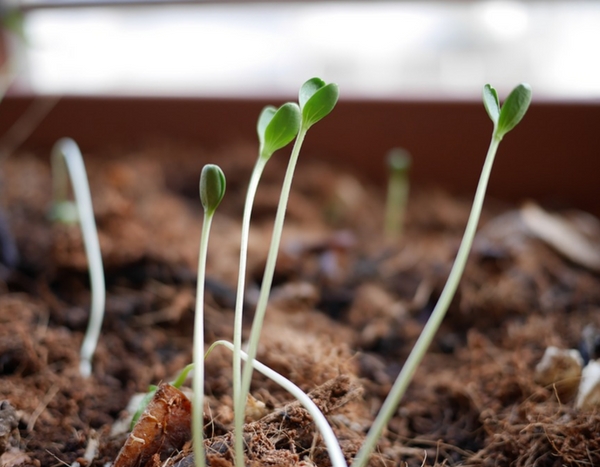
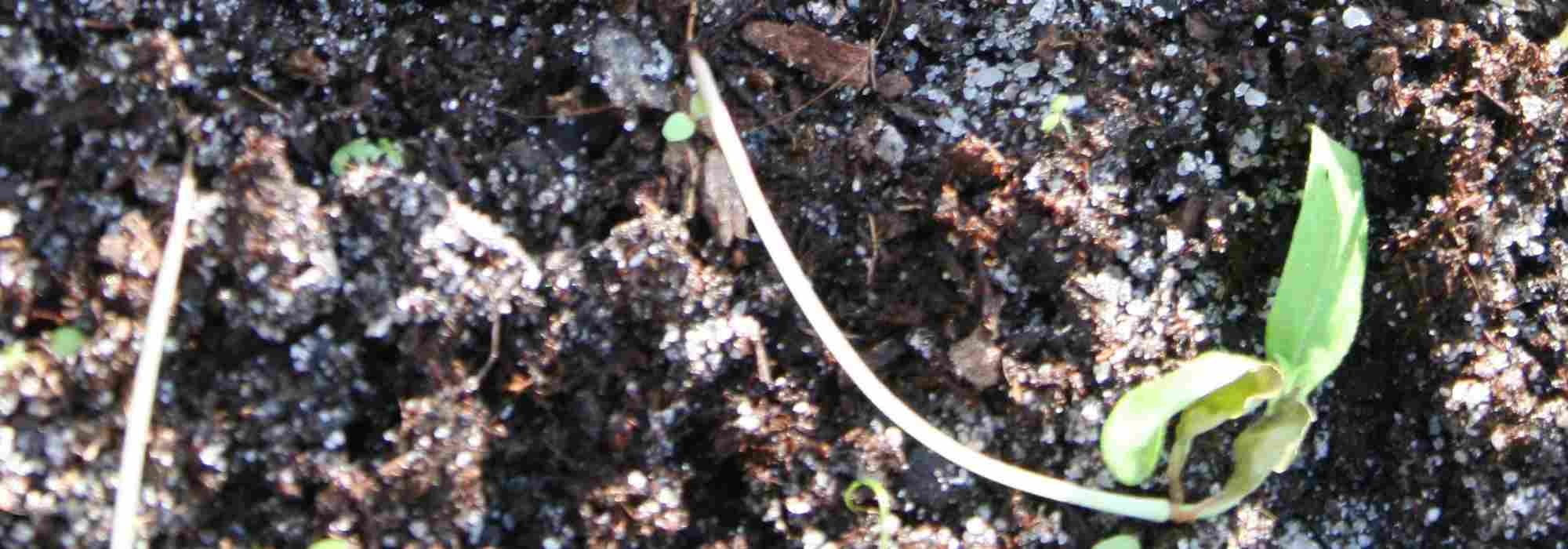
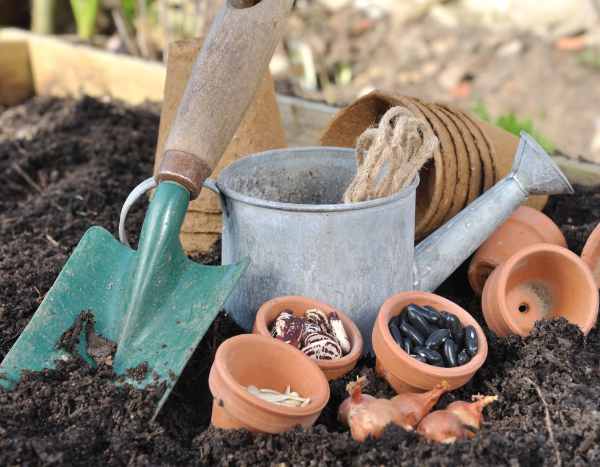
Sow organic wild teasel in March-April, on bare soil, carefully weeded and hoed. Lightly cover the seeds by firming and raking the soil, as you would for radish or salad seeds. Water carefully to avoid 'leaching' the sowing. Keep the area moist.
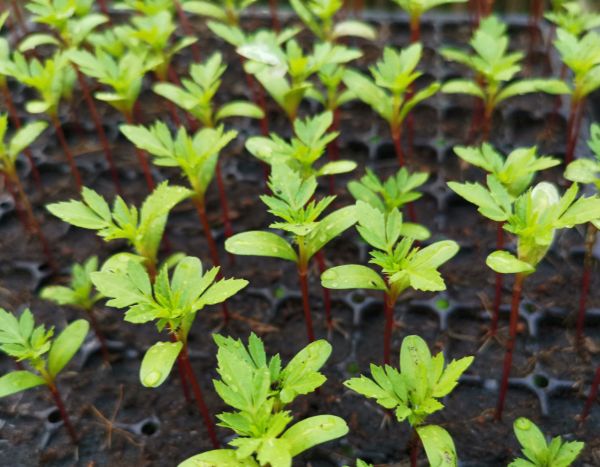
As the seedlings emerge, thin out the planting to keep only one young plant every 40 to 50cm. To develop well, teasels need plenty of sun. They thrive best in deep, fertile soil, even clayey soil.
Sowing period
Intended location
Planting & care advice
-
-
-
-
-

-
-
-
This item has not been reviewed yet - be the first to leave a review about it.
Recently viewed products
Haven't found what you were looking for?
Hardiness is the lowest winter temperature a plant can endure without suffering serious damage or even dying. However, hardiness is affected by location (a sheltered area, such as a patio), protection (winter cover) and soil type (hardiness is improved by well-drained soil).

The flowering period indicated on our website applies to countries and regions located in USDA zone 8 (France, the United Kingdom, Ireland, the Netherlands, etc.)
It will vary according to where you live:- In zones 9 to 10 (Italy, Spain, Greece, etc.), flowering will occur about 2 to 4 weeks earlier.
- In zones 6 to 7 (Germany, Poland, Slovenia, and lower mountainous regions), flowering will be delayed by 2 to 3 weeks.
- In zone 5 (Central Europe, Scandinavia), blooming will be delayed by 3 to 5 weeks.
In temperate climates, pruning of spring-flowering shrubs (forsythia, spireas, etc.) should be done just after flowering.
Pruning of summer-flowering shrubs (Indian Lilac, Perovskia, etc.) can be done in winter or spring.
In cold regions as well as with frost-sensitive plants, avoid pruning too early when severe frosts may still occur.
The planting period indicated on our website applies to countries and regions located in USDA zone 8 (France, United Kingdom, Ireland, Netherlands).
It will vary according to where you live:
- In Mediterranean zones (Marseille, Madrid, Milan, etc.), autumn and winter are the best planting periods.
- In continental zones (Strasbourg, Munich, Vienna, etc.), delay planting by 2 to 3 weeks in spring and bring it forward by 2 to 4 weeks in autumn.
- In mountainous regions (the Alps, Pyrenees, Carpathians, etc.), it is best to plant in late spring (May-June) or late summer (August-September).
The harvesting period indicated on our website applies to countries and regions in USDA zone 8 (France, England, Ireland, the Netherlands).
In colder areas (Scandinavia, Poland, Austria...) fruit and vegetable harvests are likely to be delayed by 3-4 weeks.
In warmer areas (Italy, Spain, Greece, etc.), harvesting will probably take place earlier, depending on weather conditions.
The sowing periods indicated on our website apply to countries and regions within USDA Zone 8 (France, UK, Ireland, Netherlands).
In colder areas (Scandinavia, Poland, Austria...), delay any outdoor sowing by 3-4 weeks, or sow under glass.
In warmer climes (Italy, Spain, Greece, etc.), bring outdoor sowing forward by a few weeks.
Shipping country and language
Your country of residence may be:
Your country of residence is:
For a better user experience on our website, you can select:
Your shipping country:
-
 Austria
-
 Belgium
-
 Bosnia & Herzegovina
-
 Bulgaria
-
 Croatia
-
 Cyprus
-
 Czechia
-
 Denmark
-
 Estonia
-
 Finland
-
 France
-
 Germany
-
 Greece
-
 Hungary
-
 Iceland
-
 Ireland
-
 Italy
Italy
-
 Latvia
-
 Liechtenstein
-
 Lithuania
-
 Luxembourg
-
 Malta
Malta
-
 Netherlands
-
 Poland
-
 Portugal
-
 Romania
-
 Serbia
-
 Slovakia
-
 Slovenia
-
 Spain
Spain
-
 Sweden
-
 Switzerland
Language:
-
French
-
 English
-
Spanish
-
Italian
-
German
-
Portuguese
-
Dutch
-
Finnish
My Account
Hello
My wish lists
My cart
Log in / Register
Existing customer?
This form is protected by reCAPTCHA - the Google Privacy Policy and Terms of Service apply.
New customer?
Create an account to track your orders, access our customer service and, if you wish, make the most of our upcoming offers.