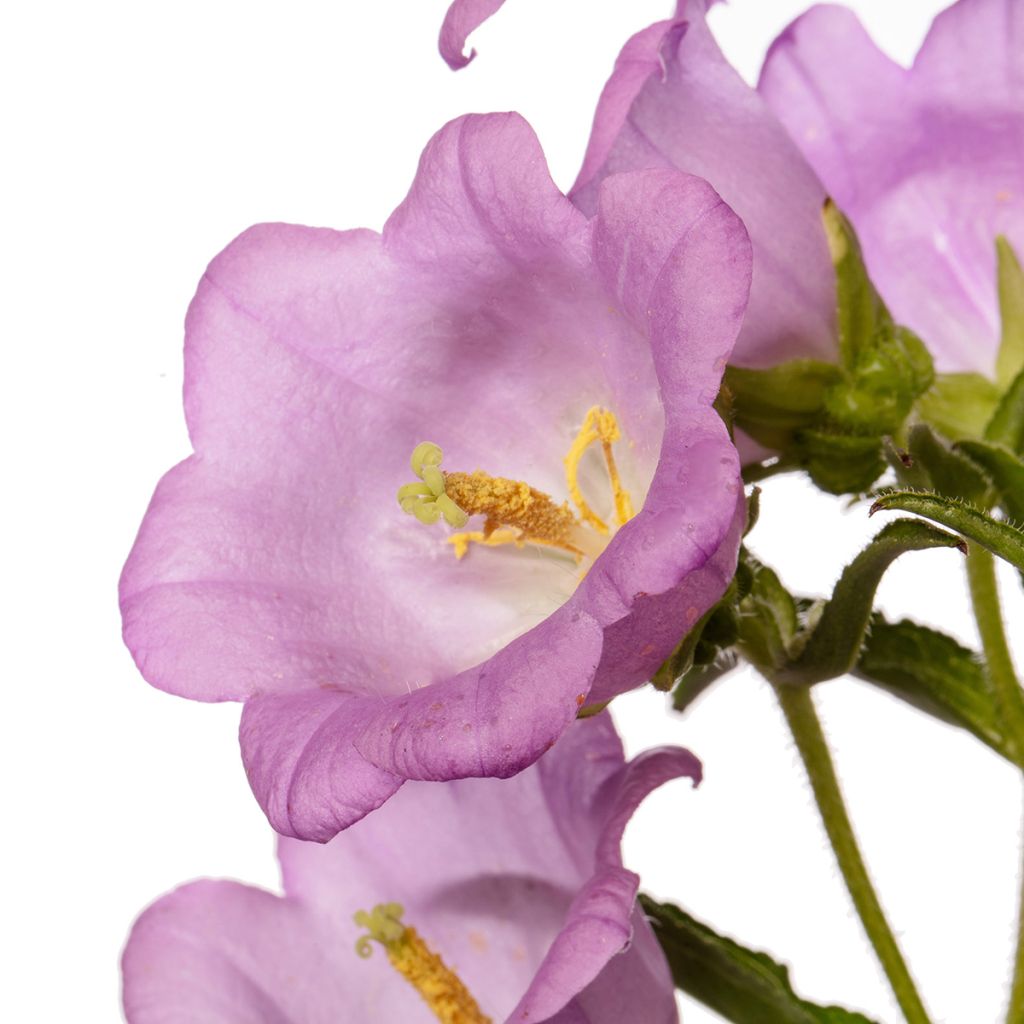
Campanula medium Big Ben Lavender coated seeds - Canterbury bells
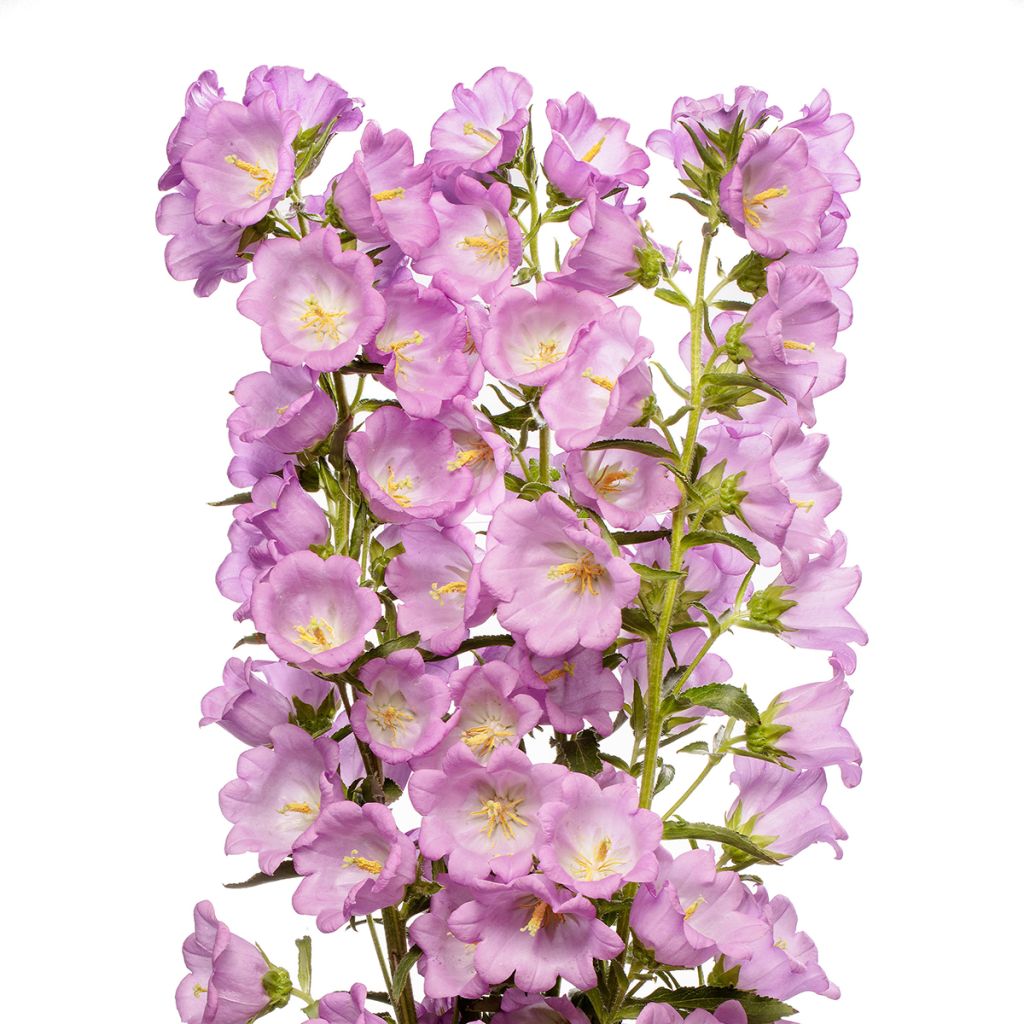
Campanula medium Big Ben Lavender coated seeds - Canterbury bells
Campanula medium Big Ben Lavender coated seeds - Canterbury bells
Campanula medium 'Big Ben Lavender'
Bellflower, Calycanthema
Back-to-school special offer!
Get €10 off for every €50 you spend! And get up to €40 off on a single order.
How does it work?
1. Shop your favourites
Add your favourite plants to your basket. For every €50 you spend (excluding delivery charges, store credit and the plastic-free option), you’ll receive a €10 voucher.
€50 spent = €10 voucher
€100 spent = €20 voucher
€150 spent = €30 voucher
€200 spent = €40 voucher
2. Place your order
Once your basket reaches one of the spending thresholds, place your order. You can even choose your delivery date!
3. Receive your voucher
As soon as your order has been shipped, you’ll receive an email containing your personal voucher code and its value.
4. Use it on your next order
Your voucher is valid for 90 days from the date you receive it. It can be used once only, on a new order worth at least the value of the voucher, excluding delivery charges.
Please note: Vouchers can be combined with other offers, but cannot be split or refunded.
Home or relay delivery (depending on size and destination)
Important: You may be charged customs duties by your country’s customs authorities upon delivery.
Schedule delivery date
and select date in basket
This plant carries a 6 months recovery warranty
More information
We guarantee the quality of our plants for a full growing cycle, and will replace at our expense any plant that fails to recover under normal climatic and planting conditions.
Would this plant suit my garden?
Set up your Plantfit profile →
Description
Canterbury bell or Campanula medium ‘Big Ben Lavender’ F1 has charming, well-open, upward-facing lavender-pink bell-shaped flowers, good vase life and regular flowering. These qualities are sought after in floristry as well as in the flower garden. It is also suitable for mid-season borders, edging and large pots.
Sowing is easier with pelleted seeds: each tiny seed is surrounded by a fine layer of clay or neutral material that makes it larger, easier to handle and sow individually.
This biennial or annual plant belongs to the Campanulaceae family and descends from the species Campanula medium, commonly known as Canterbury bell or bellflower. The cultivar ‘Big Ben Lavender’ is part of the Big Ben series, developed in the Netherlands by Evanthia Genetics for professional floriculture. It produces very uniform plants, with long, sturdy stems, upward-facing corollas and regular flowering over a short cycle of 10 to 14 weeks after planting.
The plant has an upright habit and shows more or less rapid growth depending on light and temperature. In open ground, it reaches 60 to 80 cm in height and 25 to 30 cm in spread; in a large pot, it remains more compact, around 50 to 60 cm. Grown as an annual or biennial, it does not produce offshoots.
The flowers are large, well-open campanulate bells, about 4 to 6 cm long; in ‘Big Ben Lavender’, they are a soft pinkish-lavender lilac, with prominent cream-yellow stamens and a green calyx that accentuates the corolla. The inflorescences form a terminal cluster along firm stems from May to July in temperate climates; cut stems keep their freshness for about ten days in a vase.
The foliage is deciduous: a basal rosette of ovate to lanceolate, toothed leaves gives way to narrower leaves on the stems. The root system is a taproot, with a deep main root. This explains the plant's sensitivity to late transplanting and to containers that are too shallow. Fruiting takes the form of erect capsules that open through small pores at the base to release tiny seeds.
Cultivated since the Renaissance in European gardens, Canterbury bells are popular with florists for the charming style of their flowers and the straightness of their stems.
'Big Ben Lavender' brings a pastel shade that is easy to combine in mid-season scenes. In a border, place it in the middle of the bed. Its slender stems covered with bells will take over from spring bulbs and early-flowering perennials. In pots, use a container at least 25 cm deep and well-draining substrate.
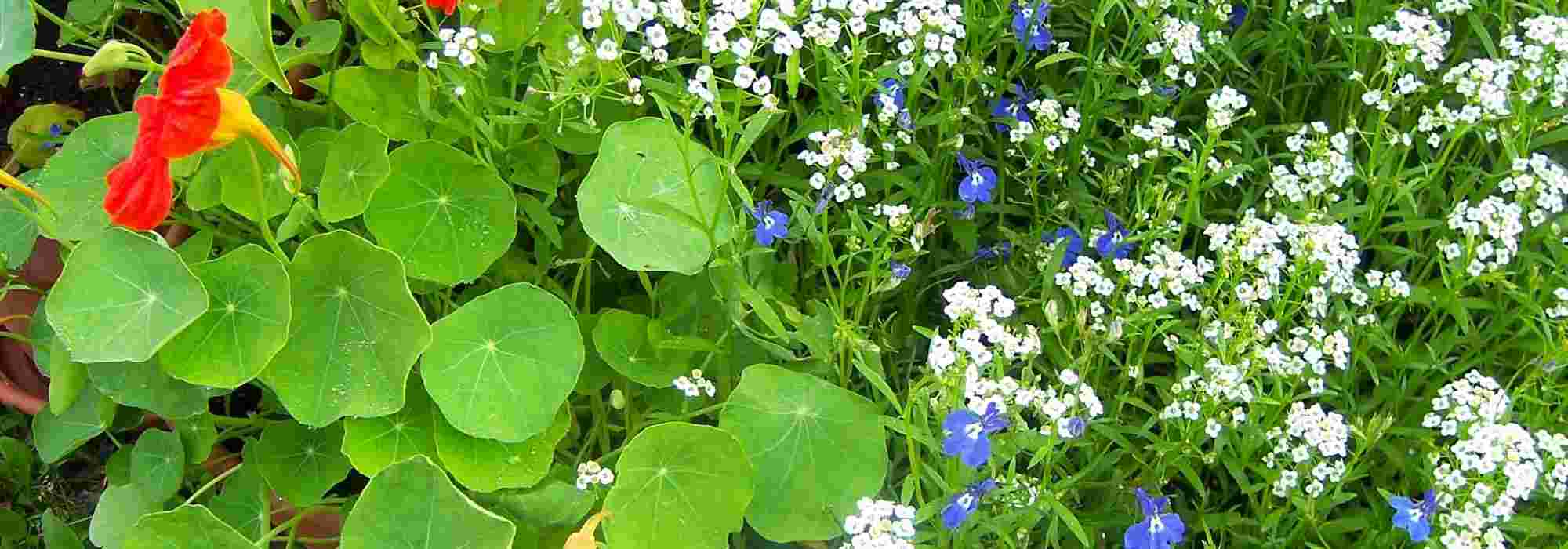
This campanula pairs well with white or pink foxgloves (Digitalis purpurea), Moroccan toadflax 'Licilia Azure', love-in-a-mist, lady's mantle (Alchemilla mollis) or annual baby's breath 'Covent Garden'. Also associate it with other cultivars from the series: ‘Big Ben White’, ‘Big Ben Pink’ and ‘Big Ben Deep Blue’, which create a soft, coherent monochrome scheme without dominating the space.
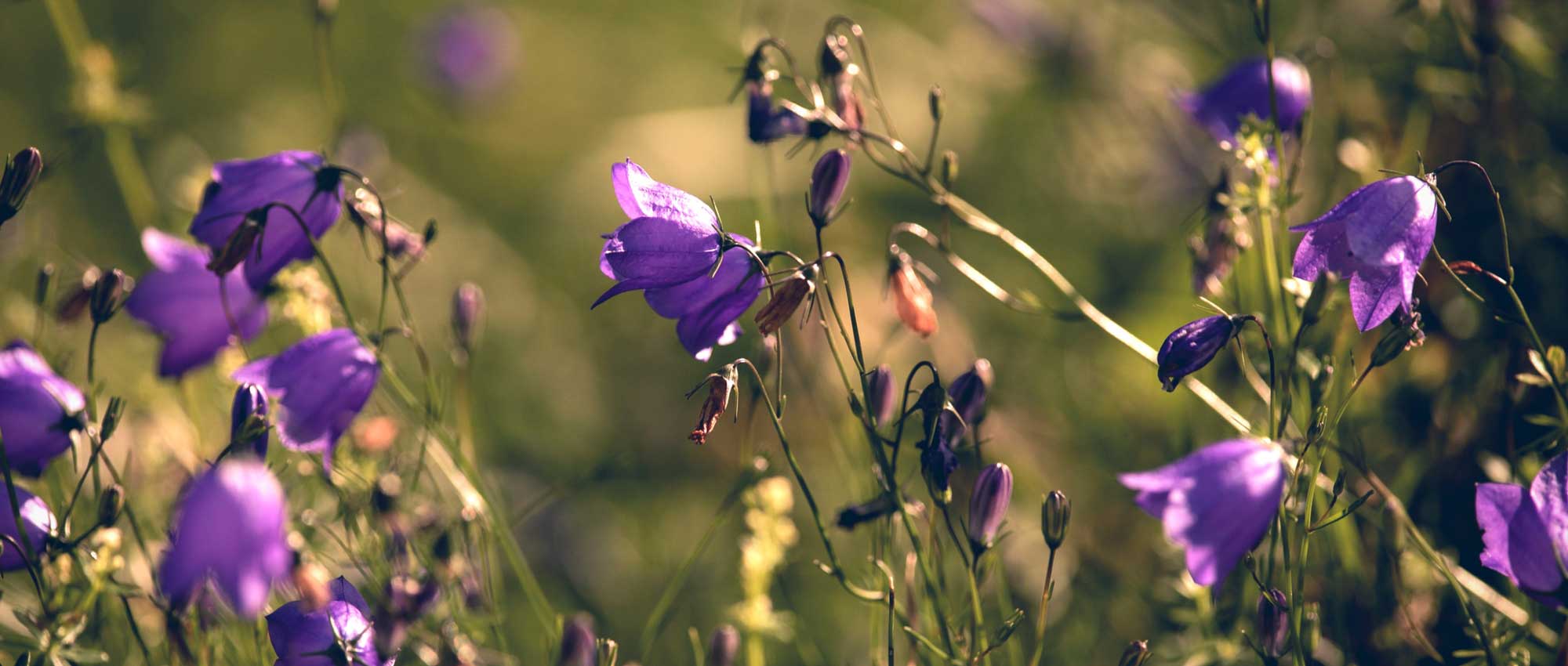
Campanula medium Big Ben Lavender coated seeds - Canterbury bells in pictures
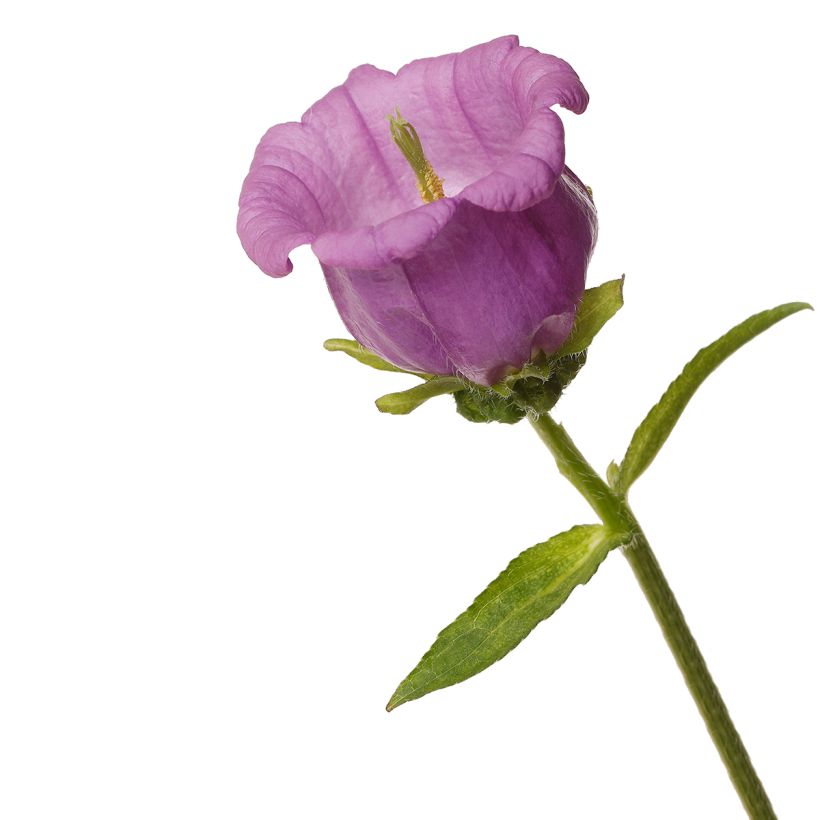
Flowering
Foliage
Plant habit
Botanical data
Campanula
medium
'Big Ben Lavender'
Campanulaceae
Bellflower, Calycanthema
Campanula medium var. calycanthema
Cultivar or hybrid
Planting and care
Campanula medium 'Big Ben Lavender' F1 can be sown in two ways:
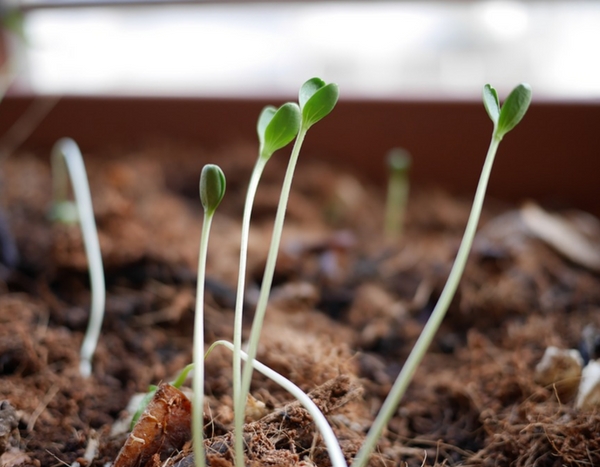
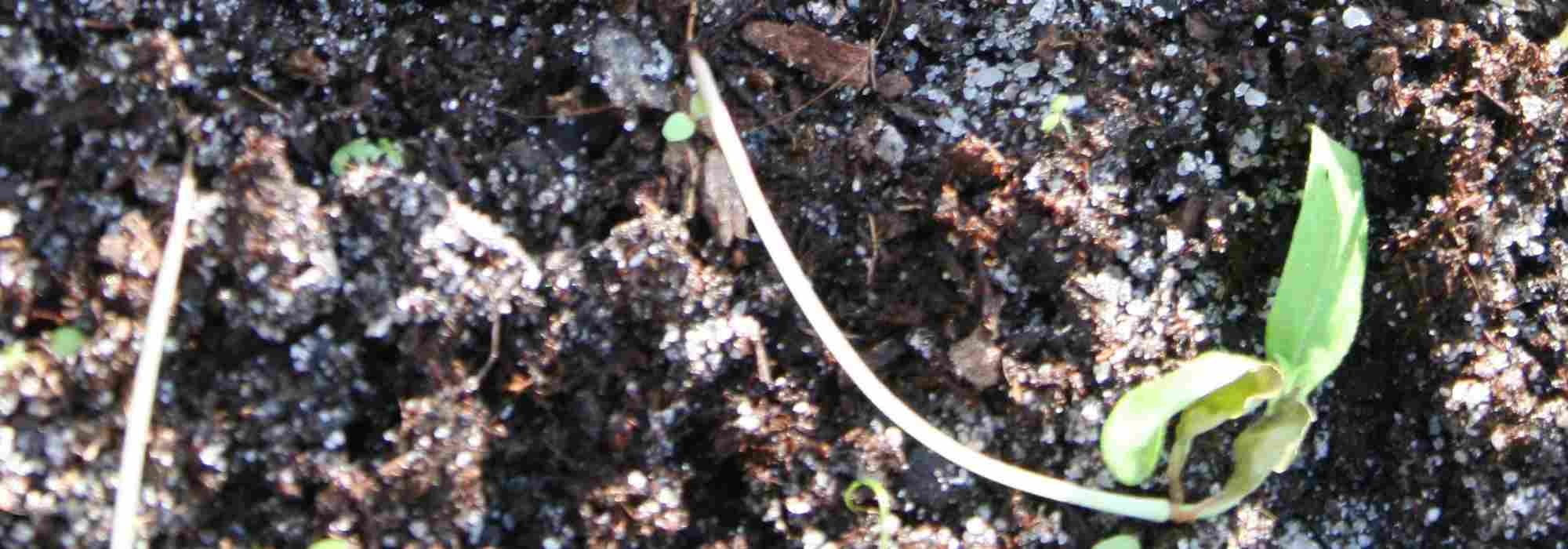
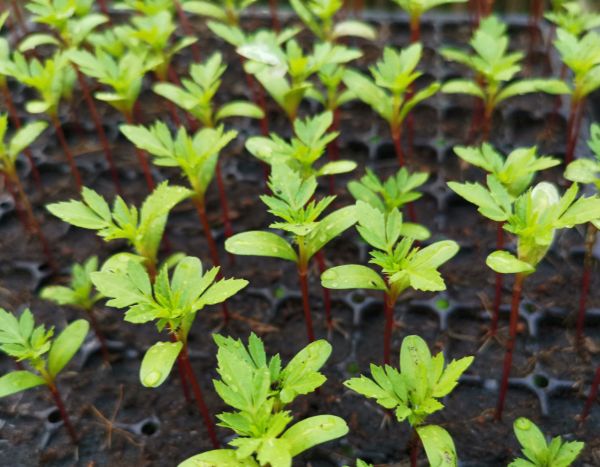
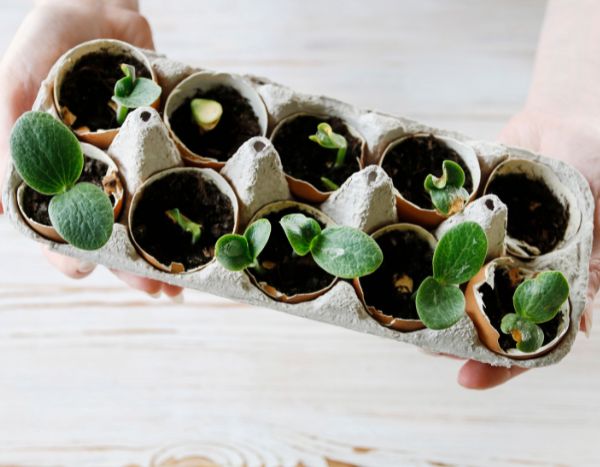
1/ early in the season, from February to April, under heated cover at 18°C using a seed tray placed in a propagator. Fill it with seed compost, sow the seeds on the surface, barely covering them with compost, or better still, vermiculite, as they need light to germinate. Keep the substrate moist but not waterlogged and air regularly to prevent damping off. When the seedlings begin to grow, transplant them into 7, 8 or 9 cm pots to raise them. When the roots have sufficiently filled the compost, plant them in their final position in open ground at a density of about 10 plants per square metre.
2/ you can also sow in late spring/early summer in open ground in well-prepared and well-loosened soil. Sow the very fine seeds in drills, at a depth of 6 mm, spaced 15 cm apart. Transplant the seedlings before they become too developed, spacing them 15 cm apart, in a border you set aside for them. Plant outdoors at a distance of 38 cm between each plant, in the final position.
Although its cultivation is not difficult, it is essential to give this campanula a rich, deep soil. Also, ensure it does not lack water. Full sun tends to fade its colours; light shade gives the best results.
Sowing period
Intended location
Planting & care advice
-

-
-
-
-

-
-
-
This item has not been reviewed yet - be the first to leave a review about it.
Recently viewed products
Haven't found what you were looking for?
Hardiness is the lowest winter temperature a plant can endure without suffering serious damage or even dying. However, hardiness is affected by location (a sheltered area, such as a patio), protection (winter cover) and soil type (hardiness is improved by well-drained soil).

The flowering period indicated on our website applies to countries and regions located in USDA zone 8 (France, the United Kingdom, Ireland, the Netherlands, etc.)
It will vary according to where you live:- In zones 9 to 10 (Italy, Spain, Greece, etc.), flowering will occur about 2 to 4 weeks earlier.
- In zones 6 to 7 (Germany, Poland, Slovenia, and lower mountainous regions), flowering will be delayed by 2 to 3 weeks.
- In zone 5 (Central Europe, Scandinavia), blooming will be delayed by 3 to 5 weeks.
In temperate climates, pruning of spring-flowering shrubs (forsythia, spireas, etc.) should be done just after flowering.
Pruning of summer-flowering shrubs (Indian Lilac, Perovskia, etc.) can be done in winter or spring.
In cold regions as well as with frost-sensitive plants, avoid pruning too early when severe frosts may still occur.
The planting period indicated on our website applies to countries and regions located in USDA zone 8 (France, United Kingdom, Ireland, Netherlands).
It will vary according to where you live:
- In Mediterranean zones (Marseille, Madrid, Milan, etc.), autumn and winter are the best planting periods.
- In continental zones (Strasbourg, Munich, Vienna, etc.), delay planting by 2 to 3 weeks in spring and bring it forward by 2 to 4 weeks in autumn.
- In mountainous regions (the Alps, Pyrenees, Carpathians, etc.), it is best to plant in late spring (May-June) or late summer (August-September).
The harvesting period indicated on our website applies to countries and regions in USDA zone 8 (France, England, Ireland, the Netherlands).
In colder areas (Scandinavia, Poland, Austria...) fruit and vegetable harvests are likely to be delayed by 3-4 weeks.
In warmer areas (Italy, Spain, Greece, etc.), harvesting will probably take place earlier, depending on weather conditions.
The sowing periods indicated on our website apply to countries and regions within USDA Zone 8 (France, UK, Ireland, Netherlands).
In colder areas (Scandinavia, Poland, Austria...), delay any outdoor sowing by 3-4 weeks, or sow under glass.
In warmer climes (Italy, Spain, Greece, etc.), bring outdoor sowing forward by a few weeks.
Shipping country and language
Your country of residence may be:
Your country of residence is:
For a better user experience on our website, you can select:
Your shipping country:
-
 Austria
-
 Belgium
-
 Bosnia & Herzegovina
-
 Bulgaria
-
 Croatia
-
 Cyprus
-
 Czechia
-
 Denmark
-
 Estonia
-
 Finland
-
 France
-
 Germany
-
 Greece
-
 Hungary
-
 Iceland
-
 Ireland
-
 Italy
Italy
-
 Latvia
-
 Liechtenstein
-
 Lithuania
-
 Luxembourg
-
 Malta
Malta
-
 Netherlands
-
 Poland
-
 Portugal
-
 Romania
-
 Serbia
-
 Slovakia
-
 Slovenia
-
 Spain
Spain
-
 Sweden
-
 Switzerland
Language:
-
French
-
 English
-
Spanish
-
Italian
-
German
-
Portuguese
-
Dutch
-
Finnish
My Account
Hello
My wish lists
My cart
Log in / Register
Existing customer?
This form is protected by reCAPTCHA - the Google Privacy Policy and Terms of Service apply.
New customer?
Create an account to track your orders, access our customer service and, if you wish, make the most of our upcoming offers.