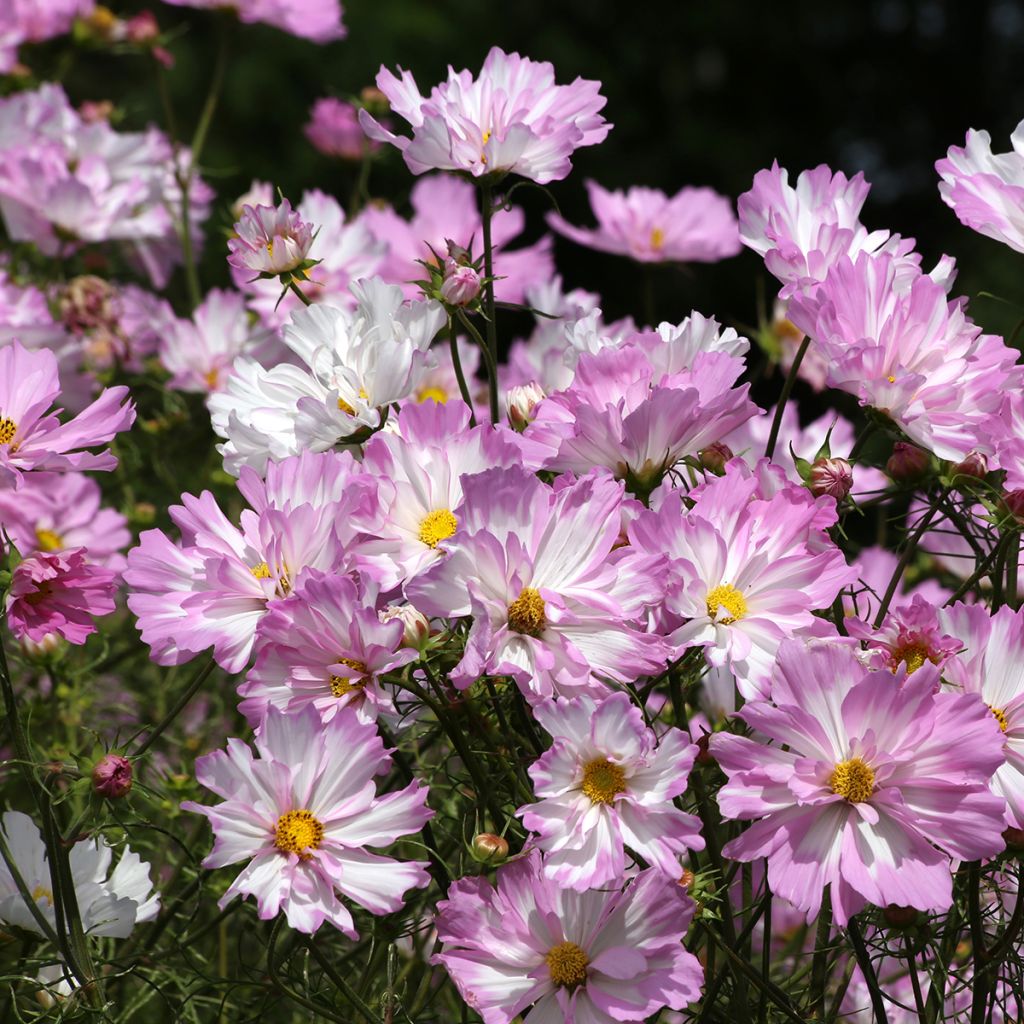
Cosmos bipinnatus Colletta Pink-White seeds - Garden Cosmos
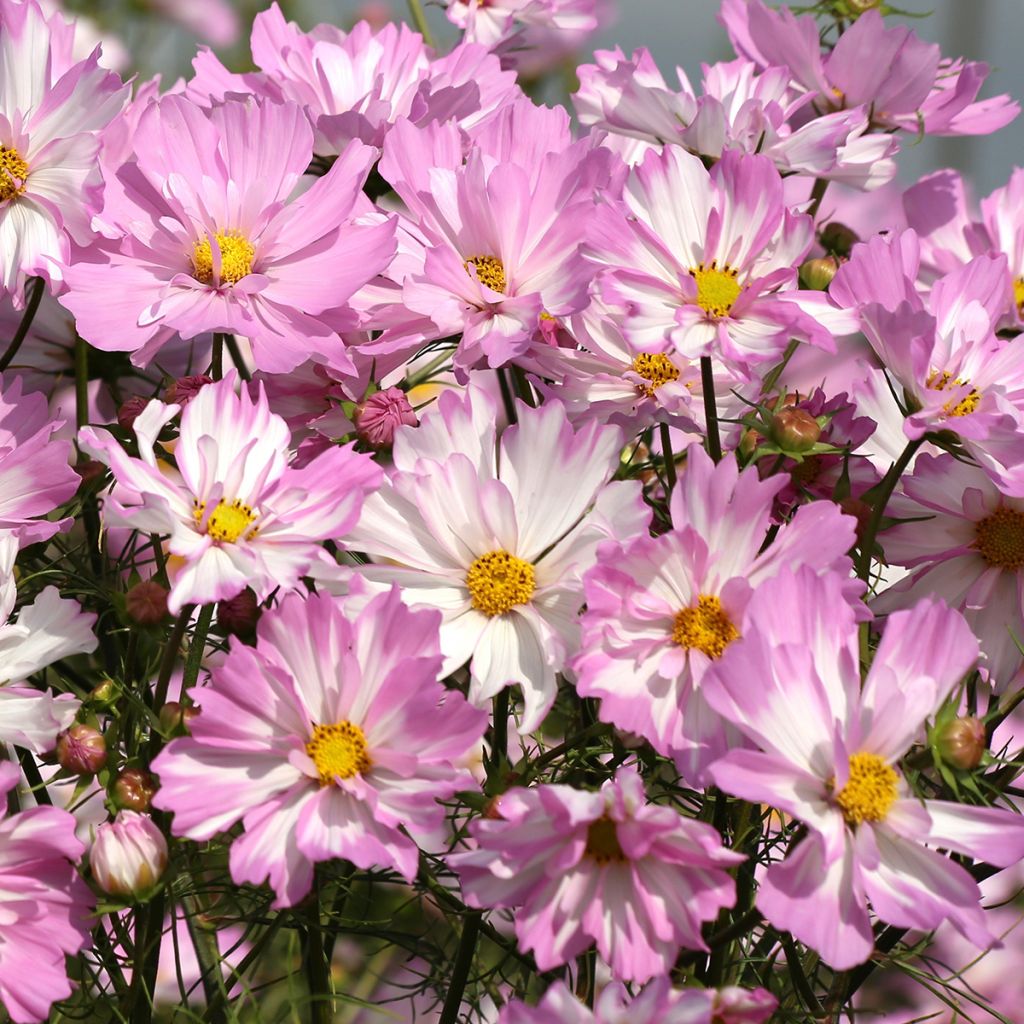
Cosmos bipinnatus Colletta Pink-White seeds - Garden Cosmos
Cosmos bipinnatus Colletta Pink-White seeds - Garden Cosmos
Cosmos x bipinnatus Colletta Pink-White
Garden Cosmos, Mexican Aster
Back-to-school special offer!
Get €10 off for every €50 you spend! And get up to €40 off on a single order.
How does it work?
1. Shop your favourites
Add your favourite plants to your basket. For every €50 you spend (excluding delivery charges, store credit and the plastic-free option), you’ll receive a €10 voucher.
€50 spent = €10 voucher
€100 spent = €20 voucher
€150 spent = €30 voucher
€200 spent = €40 voucher
2. Place your order
Once your basket reaches one of the spending thresholds, place your order. You can even choose your delivery date!
3. Receive your voucher
As soon as your order has been shipped, you’ll receive an email containing your personal voucher code and its value.
4. Use it on your next order
Your voucher is valid for 90 days from the date you receive it. It can be used once only, on a new order worth at least the value of the voucher, excluding delivery charges.
Please note: Vouchers can be combined with other offers, but cannot be split or refunded.
Home or relay delivery (depending on size and destination)
Important: You may be charged customs duties by your country’s customs authorities upon delivery.
Schedule delivery date,
and select date in basket
This plant carries a 6 months recovery warranty
More information
We guarantee the quality of our plants for a full growing cycle, and will replace at our expense any plant that fails to recover under normal climatic and planting conditions.
Would this plant suit my garden?
Set up your Plantfit profile →
Description
Les Graines de Cosmos Colletta 'Pink-White' permettent de cultiver facilement cette plante annuelle élégante qui illumine les jardins avec ses fleurs semi-doubles délicatement panachées de blanc et de rose. Son port dressé et buissonnant, agrémenté d’un feuillage finement découpé, lui confère une légèreté incomparable. Idéal en massifs, bordures ou grandes potées, il se cultive aisément en sol bien drainé, sous une exposition ensoleillée, où il déploie une floraison généreuse du début de l’été jusqu’aux premières gelées. Peu exigeant et résistant à la sécheresse modérée, il est néanmoins sensible au vent et peut nécessiter un léger tuteurage pour préserver l’élégance de ses longues tiges souples. Cultivé en groupe, il crée un effet de flou romantique et aérien, parfait pour les jardins champêtres ou les compositions naturelles.
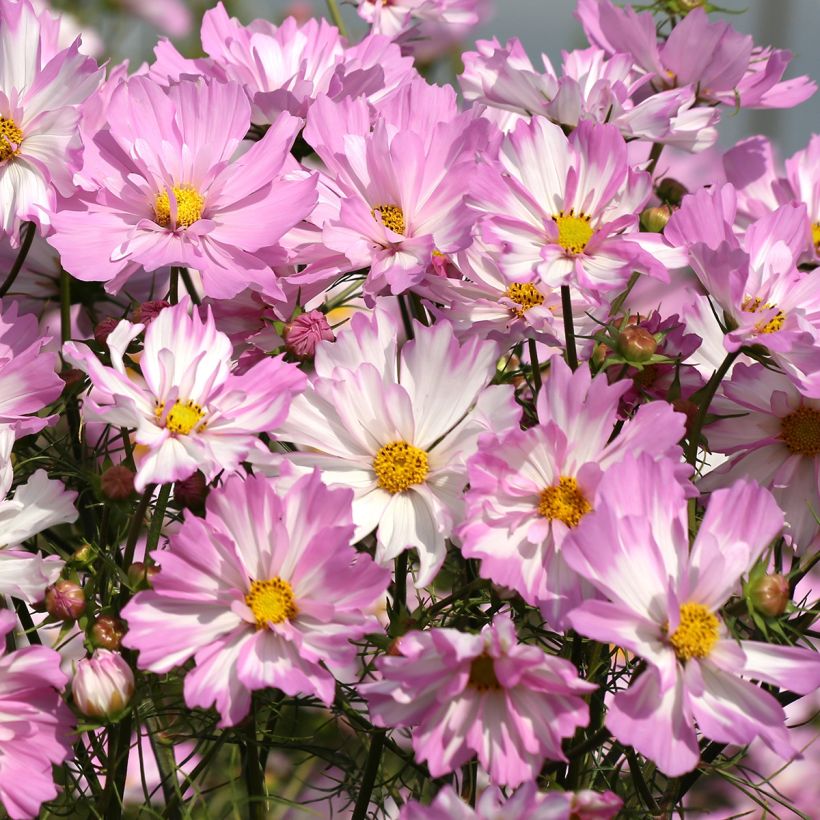
Le Cosmos Colletta Pink-White issu du Cosmos bipinnatus, appartient à la famille des Asteracées. Originaire du Mexique, cette espèce est couramment appelée cosmos des jardins ou cosmos bipenné. Le cultivar 'Colletta Pink White' se distingue par ses fleurs semi-doubles aux pétales blancs délicatement striés de rose. La plante présente un port dressé et buissonnant, atteignant généralement une hauteur de 75 cm à 1,25 m en pleine terre, avec une envergure d'environ 60 cm. En culture en pot, les dimensions peuvent être légèrement réduites, variant entre 60 cm et 1 m de hauteur. La croissance est rapide, permettant une floraison abondante quelques mois après le semis. Les tiges, fines et élancées, portent un feuillage finement découpé, de couleur vert moyen. Les feuilles sont caduques, opposées, bipennées, avec des segments filiformes mesurant entre 2 et 5 cm de longueur. Les fleurs, d'un diamètre de 5 à 8 cm, apparaissent de juin à octobre. Elles sont composées de ligules blanches striées de rose, entourant un disque central jaune. La pollinisation est principalement assurée par les insectes butineurs, notamment les abeilles et les papillons. Les fruits sont des akènes allongés, mesurant environ 1 cm de long, de couleur brunâtre à maturité, non comestibles. Semez vos cosmos dans un sol léger, au soleil, arrosez et puis laissez faire la nature. Ce sont des plantes presque inratables !
Le cosmos Colletta Pink-White ponctue les massifs de ses fleurs délicatement striées. Il apporte une touche de lumière et de mouvement aux jardins naturalistes, où il s’entrelace avec la verveine de Buenos Aires. En bordure, il accompagne la légèreté d’un Gaura lindheimeri ‘Whirling Butterflies’, dont les fleurs prolongent son effet aérien. Pour un jeu de couleurs harmonieux, il se marie à la profondeur du Cosmos bipinnatus ‘Rubenza’, aux teintes grenat. En pot sur une terrasse ensoleillée ou en pleine terre dans un jardin champêtre, il insuffle une atmosphère poétique, où la floraison s’étire tout l’été dans un foisonnement gracieux.
Le nom "cosmos" provient du grec ancien "kosmos", signifiant "ordre" ou "harmonie", en référence à l'arrangement symétrique des pétales. Au Mexique, son pays d'origine, le cosmos est souvent associé aux célébrations du "Día de los Muertos" (Jour des Morts), où ses fleurs sont utilisées pour décorer les autels en hommage aux défunts.

Cosmos bipinnatus Colletta Pink-White seeds - Garden Cosmos in pictures
Flowering
Foliage
Plant habit
Botanical data
Cosmos
x bipinnatus
Colletta Pink-White
Asteraceae
Garden Cosmos, Mexican Aster
Cultivar or hybrid
Planting and care
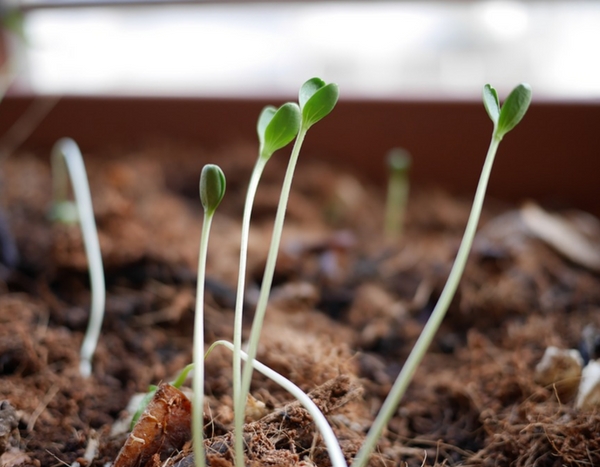
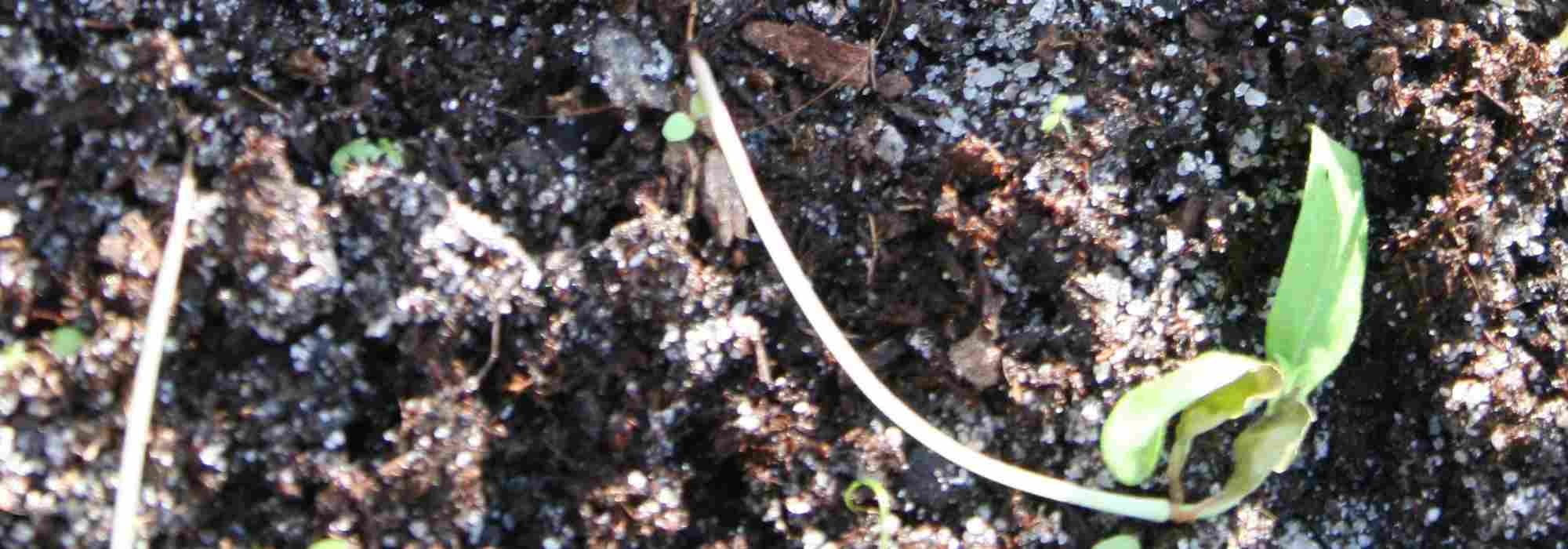
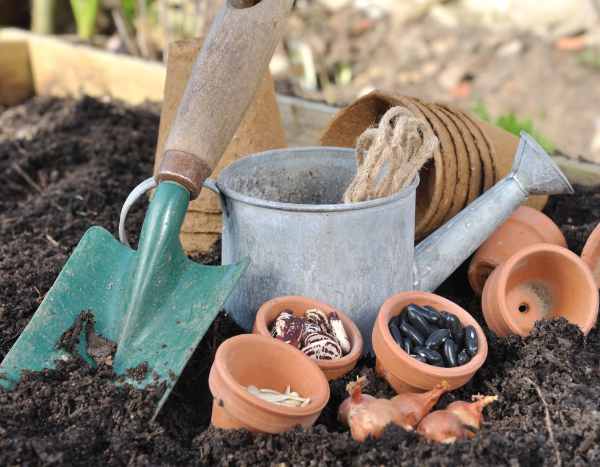
Sow 'Colletta Pink-White' Cosmos seeds from March to May, at a depth of 3mm, in fine compost and cover the seeds with a very fine pinch of vermiculite. Place the seed tray in a mini greenhouse at a temperature of 18-25°C or wrap it in a polyethylene bag. Keep the soil moist, but not waterlogged. Light promotes germination, which occurs 7 to 15 days after sowing.
When the seedlings are large enough to handle, transplant them into individual 7cm diameter pots. Grow them in cooler conditions until the young plants are sufficiently developed to be planted outdoors. When all risk of frost has passed, acclimatise the young plants gradually to outdoor conditions over 7 to 10 days. Plant them out in a very sunny position, in moist, well-drained soil, spaced 50cm apart. Pinch out the growing tips on each stem during transplanting to encourage branching of the stems and the production of numerous flowers.
Cosmos prefer soil with a pH between 6 and 8.5, corresponding to the soil of their native habitat, the alkaline regions of Central America. They prefer full sun, but tolerate partial shade. These plants are drought-resistant once established, they are rarely prone to diseases, but can be targeted by aphids. Self-seeding is common, but not always true to type, without becoming invasive.
Sowing period
Intended location
Planting & care advice
-

-

-

-
-
-

-

-
This item has not been reviewed yet - be the first to leave a review about it.
Recently viewed products
Haven't found what you were looking for?
Hardiness is the lowest winter temperature a plant can endure without suffering serious damage or even dying. However, hardiness is affected by location (a sheltered area, such as a patio), protection (winter cover) and soil type (hardiness is improved by well-drained soil).

The flowering period indicated on our website applies to countries and regions located in USDA zone 8 (France, the United Kingdom, Ireland, the Netherlands, etc.)
It will vary according to where you live:- In zones 9 to 10 (Italy, Spain, Greece, etc.), flowering will occur about 2 to 4 weeks earlier.
- In zones 6 to 7 (Germany, Poland, Slovenia, and lower mountainous regions), flowering will be delayed by 2 to 3 weeks.
- In zone 5 (Central Europe, Scandinavia), blooming will be delayed by 3 to 5 weeks.
In temperate climates, pruning of spring-flowering shrubs (forsythia, spireas, etc.) should be done just after flowering.
Pruning of summer-flowering shrubs (Indian Lilac, Perovskia, etc.) can be done in winter or spring.
In cold regions as well as with frost-sensitive plants, avoid pruning too early when severe frosts may still occur.
The planting period indicated on our website applies to countries and regions located in USDA zone 8 (France, United Kingdom, Ireland, Netherlands).
It will vary according to where you live:
- In Mediterranean zones (Marseille, Madrid, Milan, etc.), autumn and winter are the best planting periods.
- In continental zones (Strasbourg, Munich, Vienna, etc.), delay planting by 2 to 3 weeks in spring and bring it forward by 2 to 4 weeks in autumn.
- In mountainous regions (the Alps, Pyrenees, Carpathians, etc.), it is best to plant in late spring (May-June) or late summer (August-September).
The harvesting period indicated on our website applies to countries and regions in USDA zone 8 (France, England, Ireland, the Netherlands).
In colder areas (Scandinavia, Poland, Austria...) fruit and vegetable harvests are likely to be delayed by 3-4 weeks.
In warmer areas (Italy, Spain, Greece, etc.), harvesting will probably take place earlier, depending on weather conditions.
The sowing periods indicated on our website apply to countries and regions within USDA Zone 8 (France, UK, Ireland, Netherlands).
In colder areas (Scandinavia, Poland, Austria...), delay any outdoor sowing by 3-4 weeks, or sow under glass.
In warmer climes (Italy, Spain, Greece, etc.), bring outdoor sowing forward by a few weeks.
Shipping country and language
Your country of residence may be:
Your country of residence is:
For a better user experience on our website, you can select:
Your shipping country:
-
 Austria
-
 Belgium
-
 Bosnia & Herzegovina
-
 Bulgaria
-
 Croatia
-
 Cyprus
-
 Czechia
-
 Denmark
-
 Estonia
-
 Finland
-
 France
-
 Germany
-
 Greece
-
 Hungary
-
 Iceland
-
 Ireland
-
 Italy
Italy
-
 Latvia
-
 Liechtenstein
-
 Lithuania
-
 Luxembourg
-
 Malta
Malta
-
 Netherlands
-
 Poland
-
 Portugal
-
 Romania
-
 Serbia
-
 Slovakia
-
 Slovenia
-
 Spain
Spain
-
 Sweden
-
 Switzerland
Language:
-
French
-
 English
-
Spanish
-
Italian
-
German
-
Portuguese
-
Dutch
-
Finnish
My Account
Hello
My wish lists
My cart
Log in / Register
Existing customer?
This form is protected by reCAPTCHA - the Google Privacy Policy and Terms of Service apply.
New customer?
Create an account to track your orders, access our customer service and, if you wish, make the most of our upcoming offers.